الأمين العام للأمم المتحدة يلقي أحدث خطاب حول سوريا | اهتمام إعلامي بمجلس الأمن | الأمم المتحدة
播放器加载中....
联合国秘书长关于叙利亚的最新讲话 安理会媒体关注 | 联合国
播放器加载中....
Le Secrétaire général de l'ONU prononce son dernier discours sur la Syrie | L'attention des médias portée sur le Conseil de sécurité | Nations Unies
播放器加载中....
Генеральный секретарь ООН выступил с последней речью о Сирии | Медиа-внимание к Совету Безопасности | Организация Объединённых Наций
播放器加载中....
El Secretario General de las Naciones Unidas pronuncia su último discurso sobre Siria | Atención mediática en el Consejo de Seguridad | Naciones Unidas
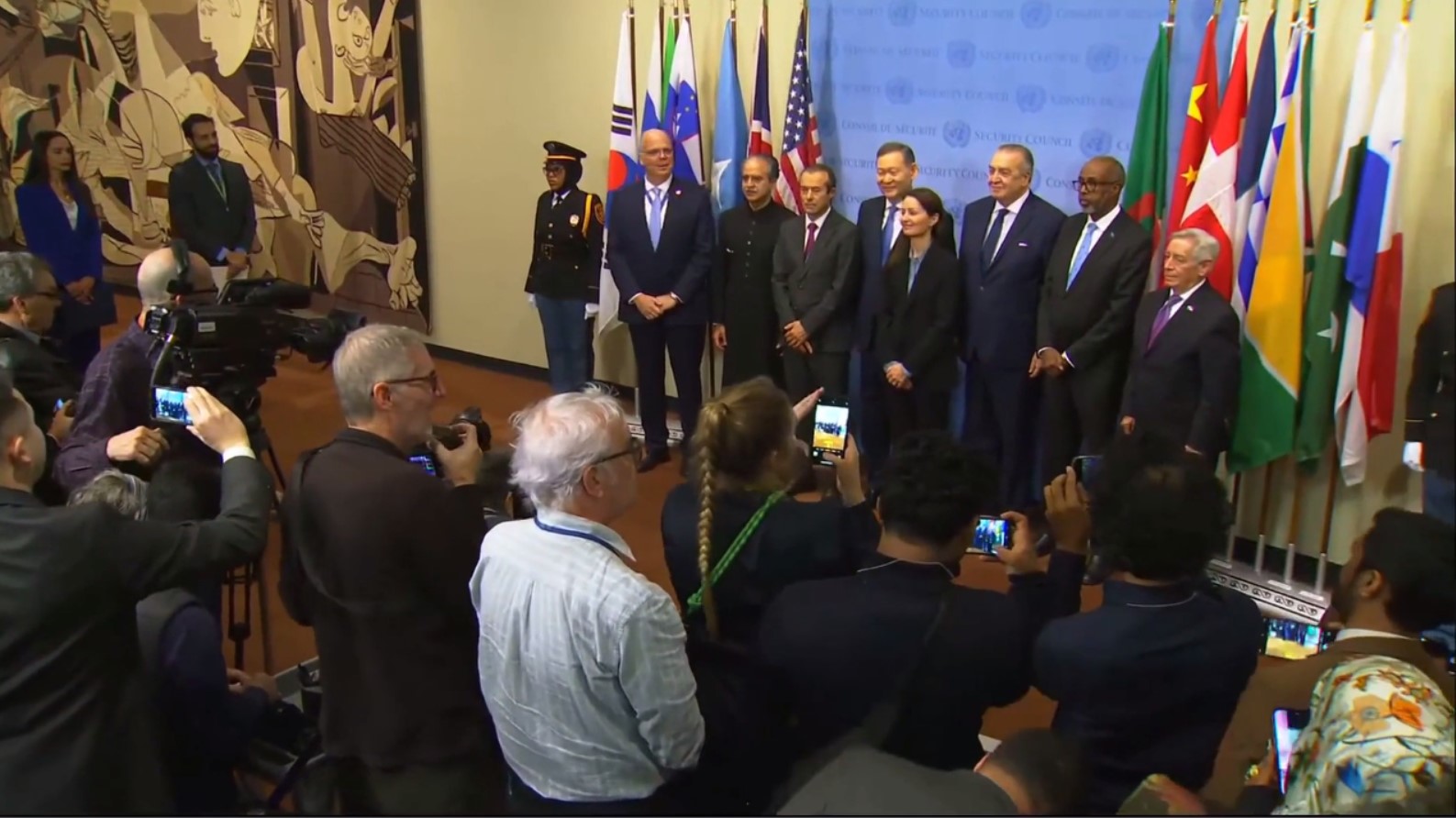
Celebrity Media: Yesterday (January 2, 2025), the flag-raising ceremony for the newly elected non-permanent members of the United Nations Security Council was held at the UN headquarters. This report is based on the video provided by the UN News Center.
Flag-raising ceremony for the newly elected non-permanent members of the United Nations Security Council
Ambassador Kairat Umarov, Permanent Representative of Kazakhstan and ceremony host, delivers a welcome speech.
Speech: Ambassador Kairat Umarov
Good afternoon! Happy New Year! It is a great honor to host this solemn flag-raising ceremony. Reflecting back to January 2018, when Kazakhstan chaired the Security Council, I first initiated and hosted this ceremony as Kazakhstan’s Permanent Representative. Before that, it was merely a technical operation. Kazakhstan transformed it into a highly respected ceremony to welcome new members joining the Security Council.
This ceremony has now become an annual tradition. I sincerely thank all past Security Council presidents for organizing this event during their terms. Now, as I am reappointed as Kazakhstan’s Permanent Representative, I am delighted to continue hosting this solemn ceremony. I also want to thank my colleague, Ambassador Amar Benjamaa of Algeria, the current Security Council president for January, for his close collaboration.
On the first working day of the new year, I extend a warm welcome to the newly elected Security Council members from Denmark, Greece, Pakistan, Panama, and Somalia. The expertise and experience of these countries will greatly enhance the Council's work in promoting international peace and security.
We recognize that unity and cooperation between permanent and non-permanent members are key to addressing global challenges. As we step into 2025, let us continue to strive together to build a safer, fairer, and more prosperous world. Thank you!
Speech: Ambassador Amar Benjamaa
Thank you all! Good morning, ladies and gentlemen, Happy New Year! Today, as the president of the United Nations Security Council for January, Algeria is honored to speak here.
I wish to thank the outgoing non-permanent members—Ecuador, Japan, Malta, Mozambique, and Switzerland—for their outstanding contributions over the past two years. At the same time, I warmly welcome the newly elected non-permanent members—Denmark, Greece, Pakistan, Panama, and Somalia.
Serving as a non-permanent member of the Security Council is both an honor and a responsibility. It represents the trust of United Nations member states. Faced with major challenges to international peace and security, we have a duty to work tirelessly to promote multilateralism and peace. I wish all colleagues a successful term! Thank you.
Good afternoon, Happy New Year! Excellencies, thank you for allowing me the opportunity to participate in this important flag-raising ceremony.
I would like to once again congratulate the newly elected Security Council members on formally taking office. In the face of numerous global challenges to peace and security, the increasing number of elected members plays a crucial role in the Council’s methods, discussions, and decision-making. The Secretariat will continue to provide full support to member states over the next two years. Congratulations once again, and best wishes!
Speeches by Representatives of Member States
Representative of Denmark
Good afternoon, Happy New Year! Denmark is deeply honored to raise our flag as a non-permanent member of the UN Security Council. This is Denmark's fifth term on the Council, and we embrace this role with humility and dedication. We reaffirm our commitment to the United Nations Charter and our dedication to advancing peace, security, and human dignity. Let us fulfill this responsibility together to realize the promise of this institution. Thank you!
Representative of Greece
Excellencies, colleagues, friends, Happy New Year! Greece is honored to join the Security Council and represent our nation at this critical moment in international affairs. Greece has always been a steadfast supporter of peace and the principles of the United Nations Charter. We pledge to make meaningful contributions to the Council’s work. Thank you!
Representative of Pakistan
It is an honor for Pakistan to begin its eighth term as a non-permanent member of the Security Council. In times of global crises, we commit to promoting peace and security while addressing the root causes of conflicts. We will always uphold the principles of the UN Charter and international law. Thank you!
Representative of Panama
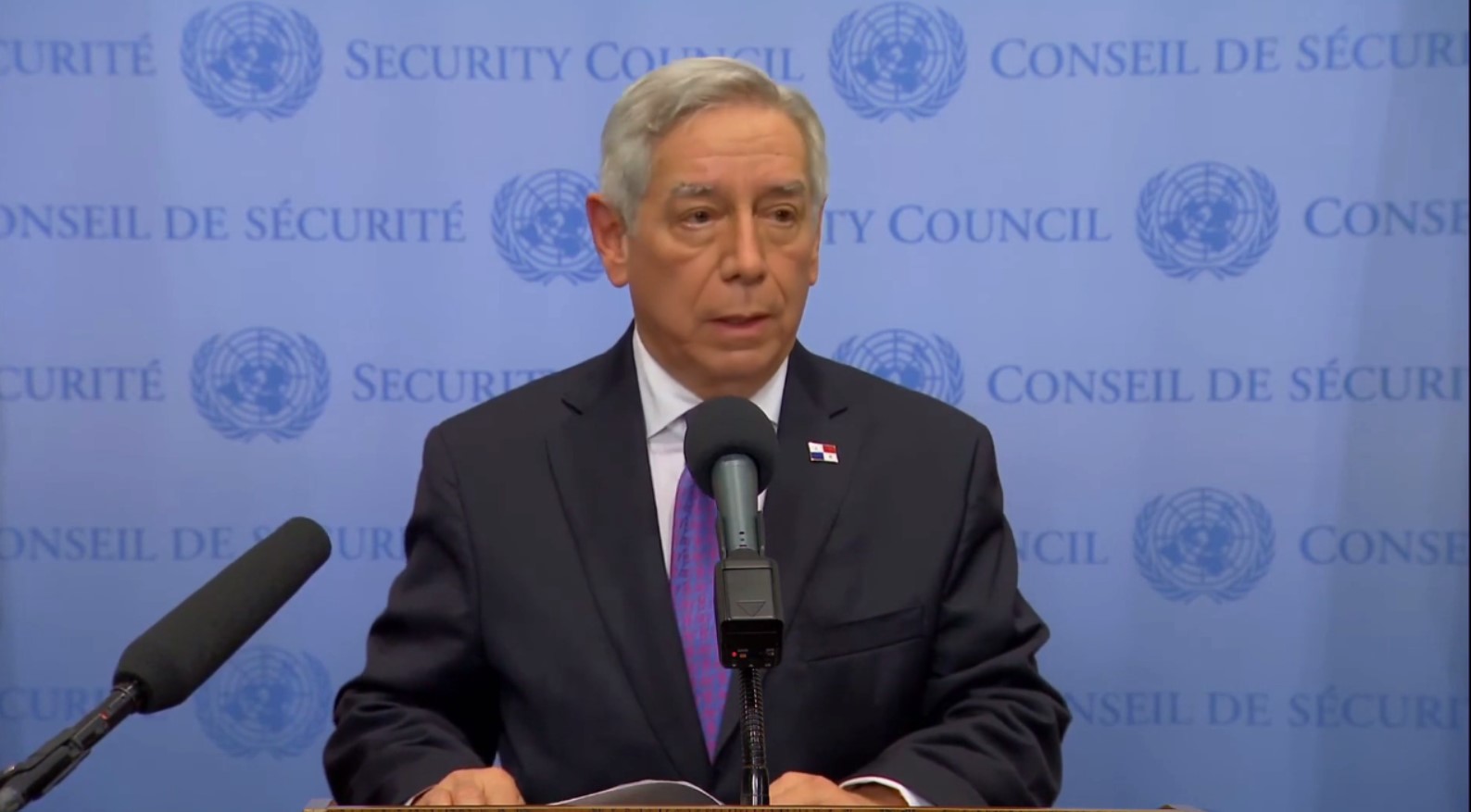
Panama is proud to take a seat on the Security Council, marking a significant chapter in our history. As a founding member of the United Nations, we reaffirm our commitment to multilateralism and dialogue. Our flag symbolizes our sovereignty and unity. Panama is ready to be a constructive partner for global peace. Thank you!
Representative of Somalia
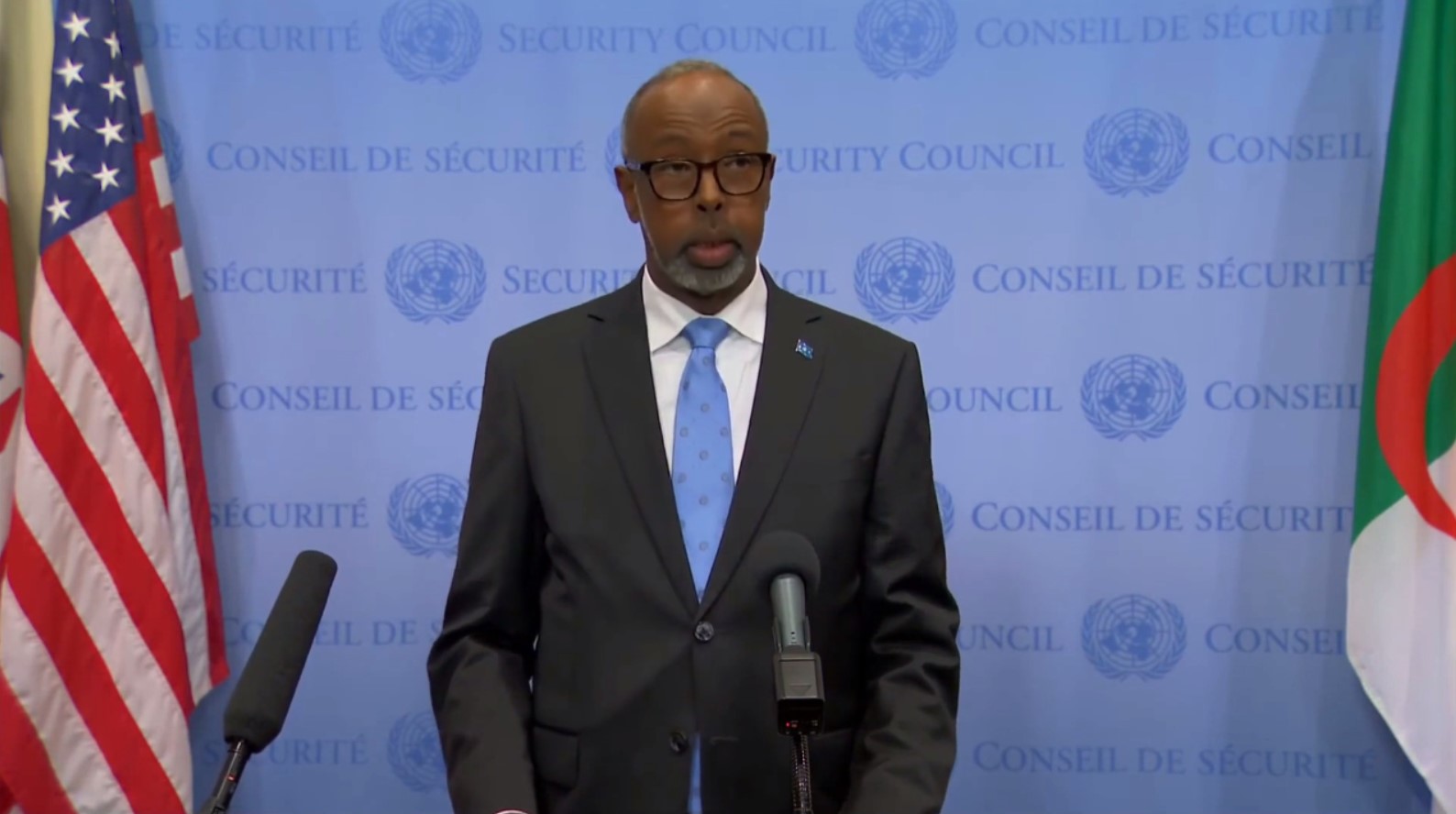
With deep gratitude, Somalia joins the Security Council for the second time as a non-permanent member. We are steadfast in our commitment to advancing peace and security while supporting the sovereignty and territorial integrity of all member states. Somalia will closely collaborate with all Council members to build a better world together. Thank you!
Flag-Raising Ceremony
The ceremony concluded with the flags of Denmark, Greece, Pakistan, Panama, and Somalia being raised, followed by a group photo of all representatives.
Closing Remarks
As this significant ceremony comes to an end, we extend our gratitude to all attendees for their participation and contributions. This meeting is now adjourned. Thank you!
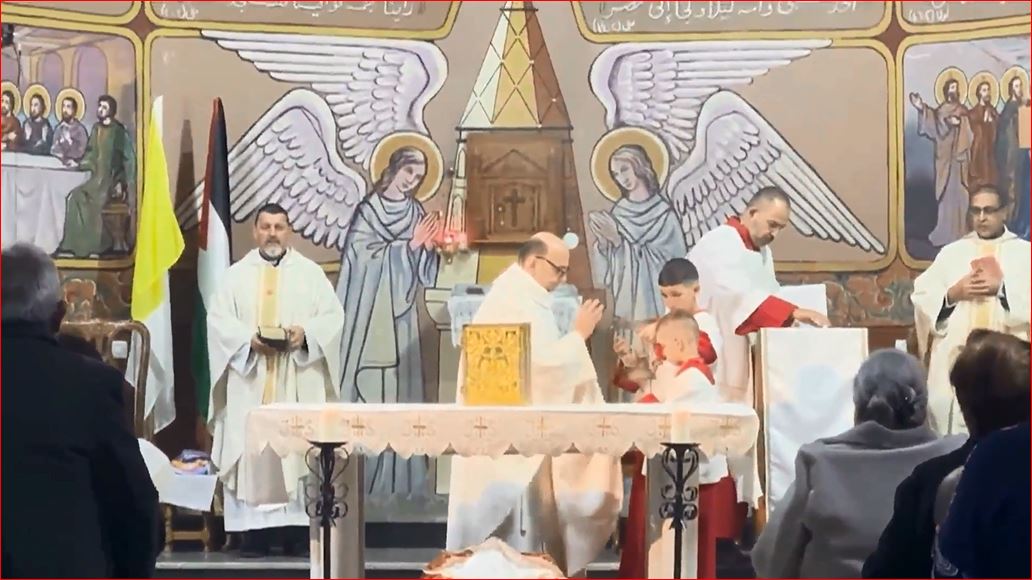
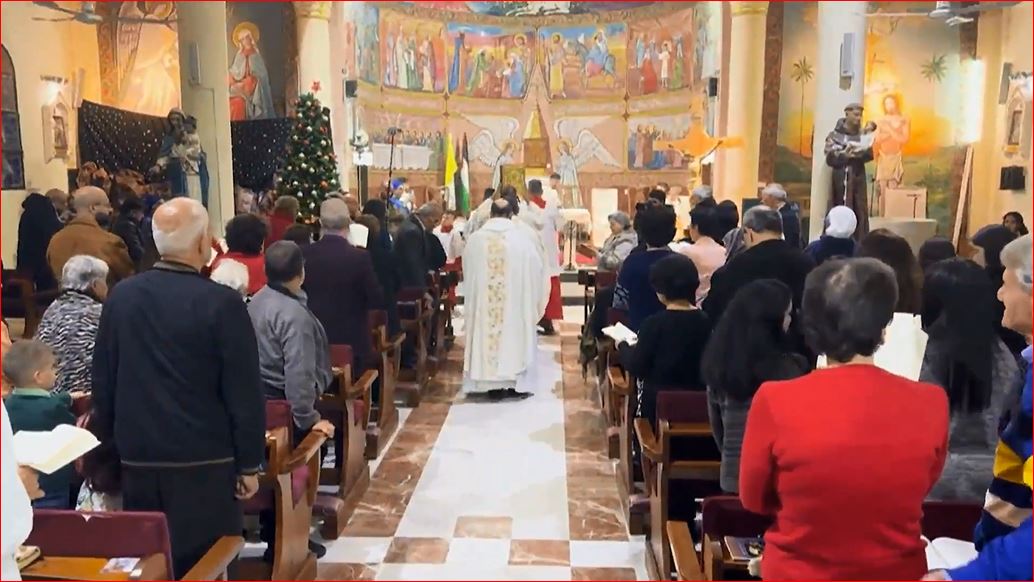
According to a report compiled by Celebrity Media based on videos provided by the United Nations: Under the shadow of over a year of war, the Christian community in Gaza City gathered in the Holy Family Church in the old city to celebrate Christmas with complex and profound emotions. The Christmas Mass was not only a religious ceremony but also a symbol of faith and hope for this deeply troubled region.
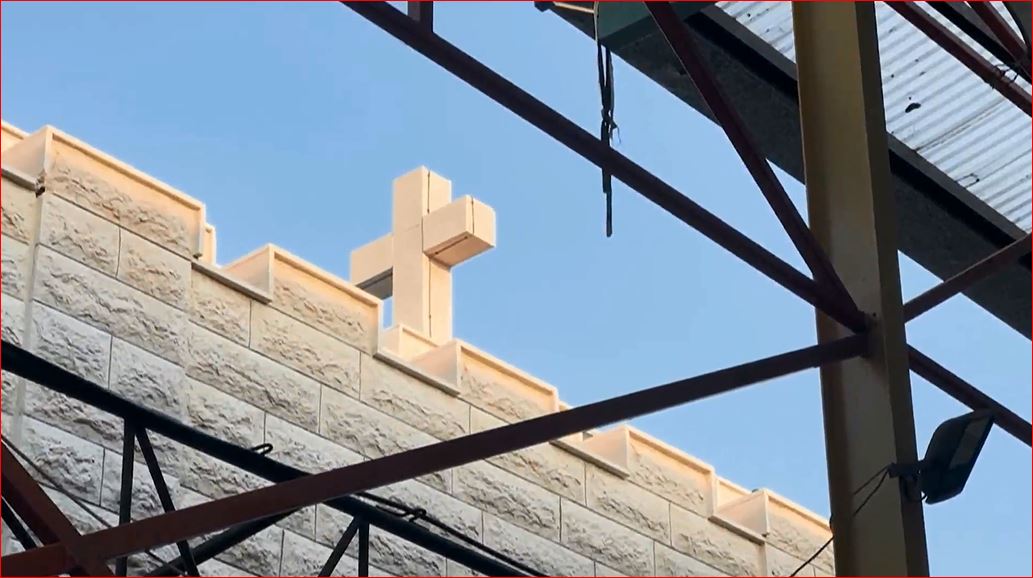
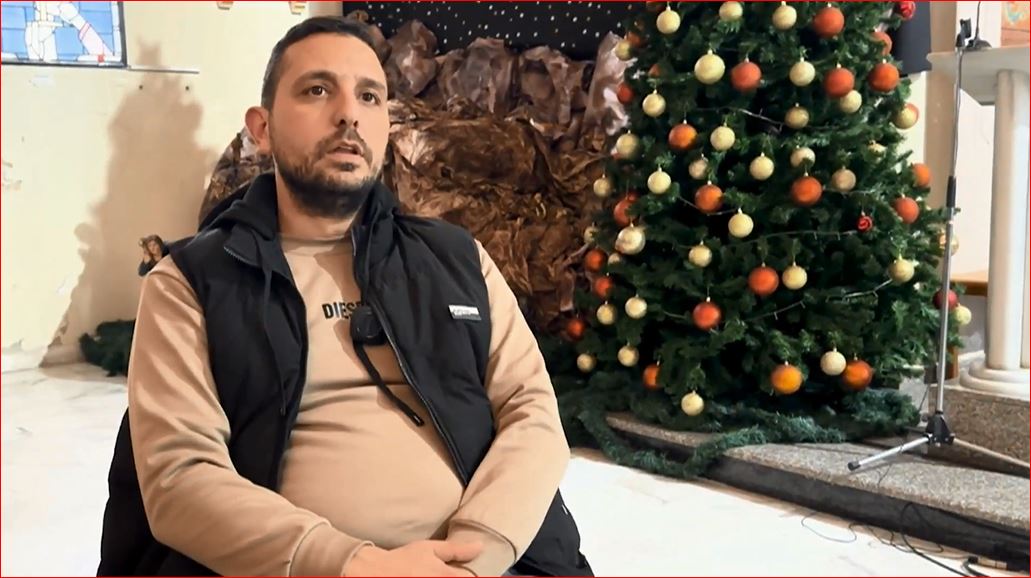
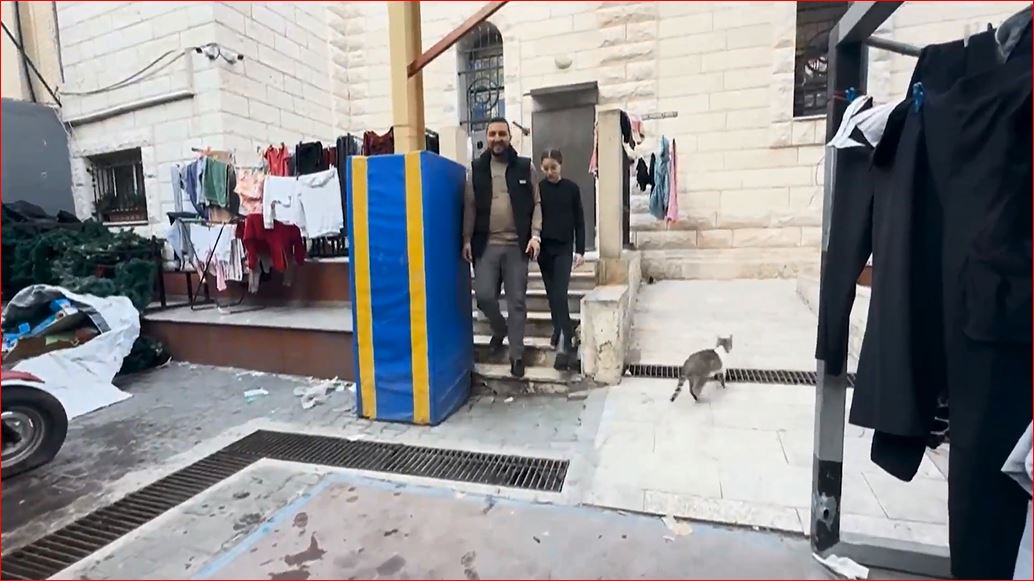
The Holy Family Church, standing in the old city, has long transcended its significance as just a church. During the fiercest moments of war, it became a refuge for displaced families, symbolizing the resilience of humanity in the face of suffering. One such family is that of Mousa Eyad, who has been living in the church for more than a year.
Loading player...
During the Mass, 40-year-old Mousa Eyad made a heartfelt appeal: “The world must seriously consider how humanity can live in peace and love. The horrors of war have claimed too many lives, and the Palestinian people have endured over a year of cruelty. This makes me deeply empathize with the pain of those living under the military machine, the sound of bombs, and gunfire.”
He further emphasized: “This is not just a voice from Gaza, but a cry from all who suffer, urging wise individuals and leaders around the world to stop the war and the bloodshed. Humanity needs peaceful coexistence, and we must work together to bring peace to this traumatized land and the entire world.”
For Michael Eyad, another participant in the Mass, this Christmas was filled with sorrow and reflection. He said: “During this holiday, I cannot feel joy. My son has emigrated, and my home was destroyed in the war. This Mass for me is an act of faith, not a celebratory event.”
The Mass ended with devout prayers, with participants collectively praying for peace to descend and for the suffering of the Palestinian people to end. Every voice and prayer within the Holy Family Church was a call for peace and a yearning for love.
The shadow of war cannot overshadow the light of faith. On this special Christmas, the Christian community in Gaza transformed their celebrations into a force of hope and love through prayers and rituals. They demonstrated through their faith that even in the darkest times, humanity can find direction in the belief in love and peace.
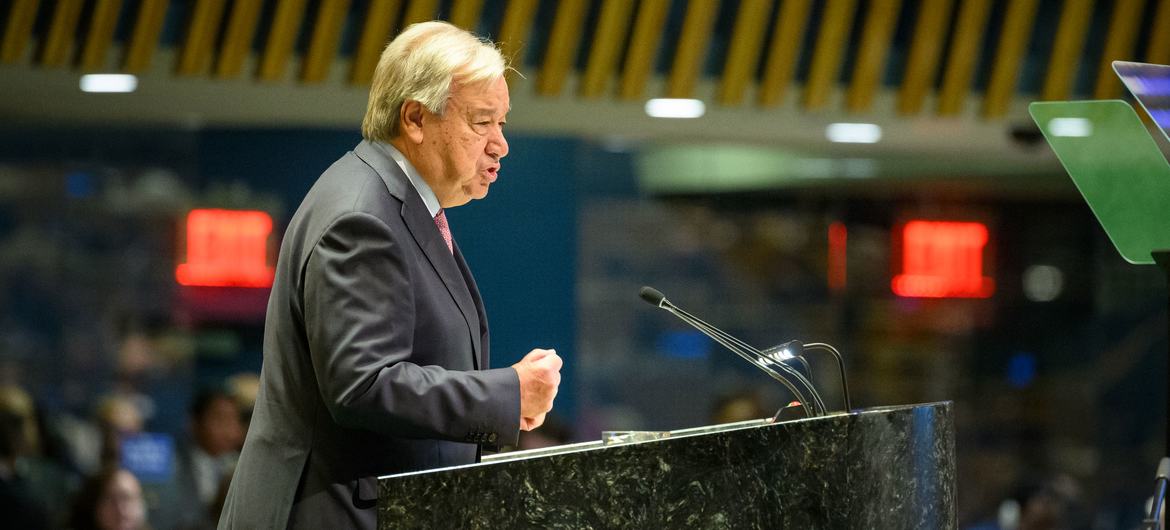
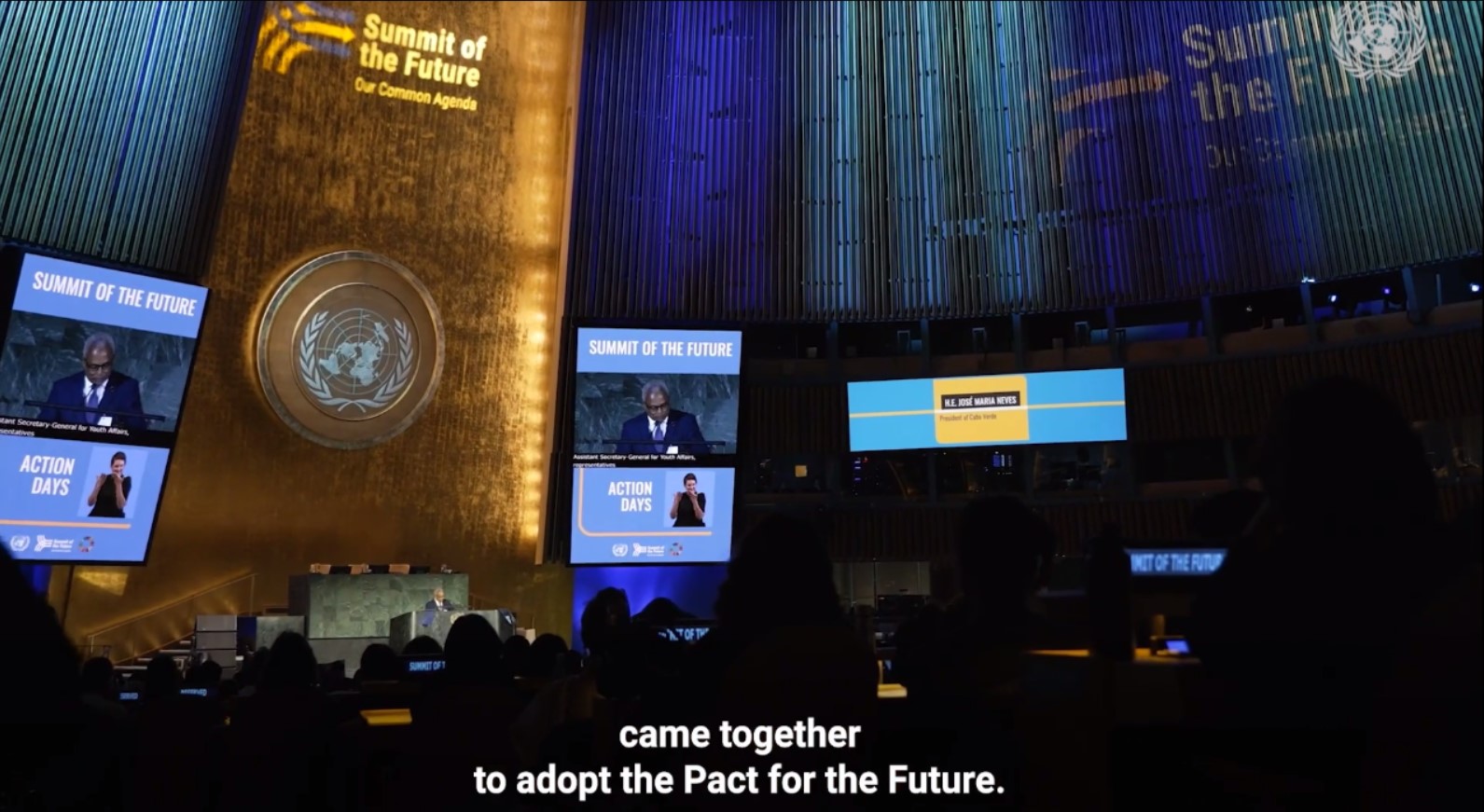
UN Photo/Loey Felipe Secretary-General António Guterres addresses the Summit of the Future high-level event at United Nations Headquarters in September 2024.
播放器加载中....
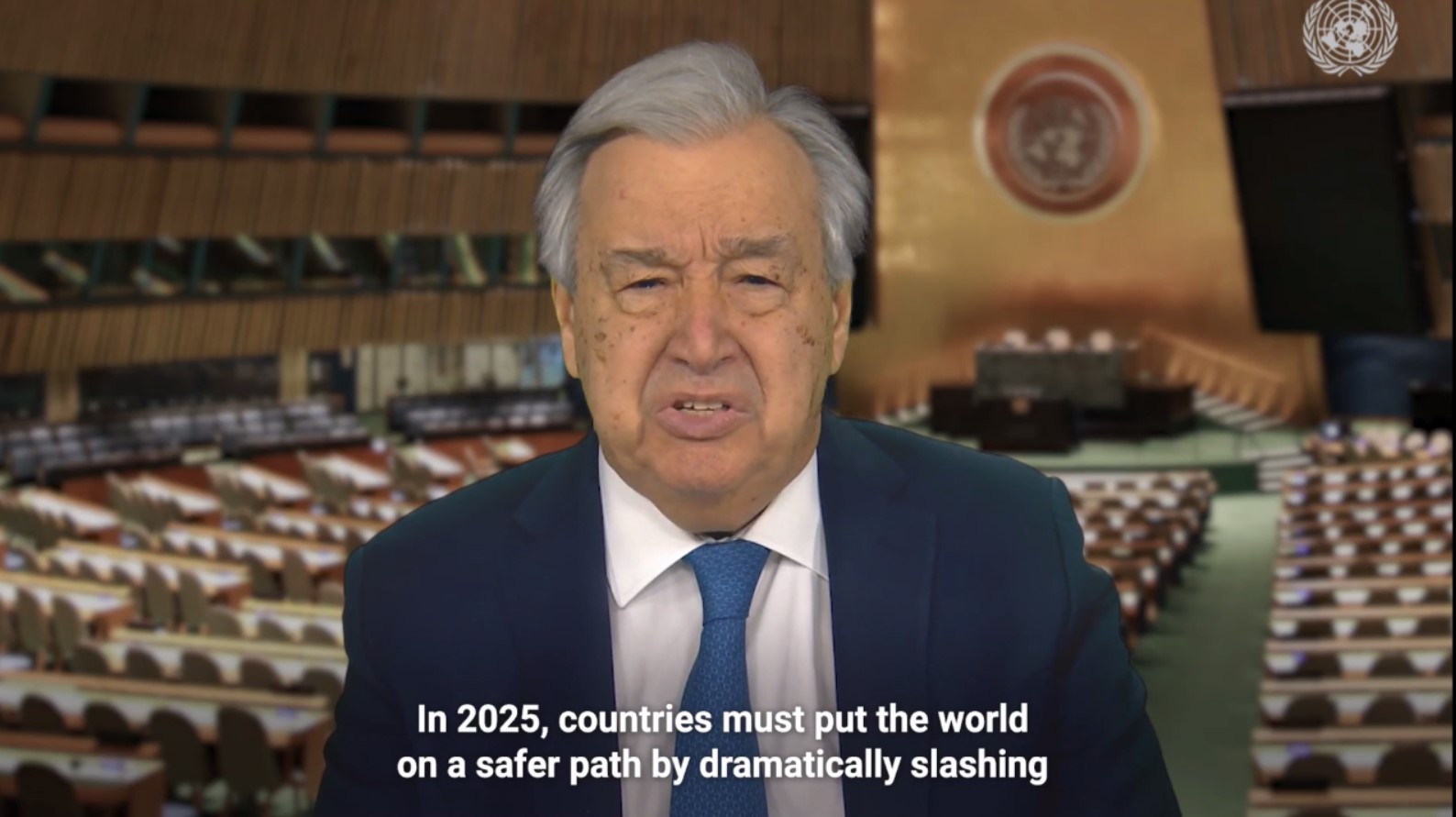
UN Secretary-General António Guterres called for making 2025 “a new beginning” in his message for the New Year, issued on Monday.
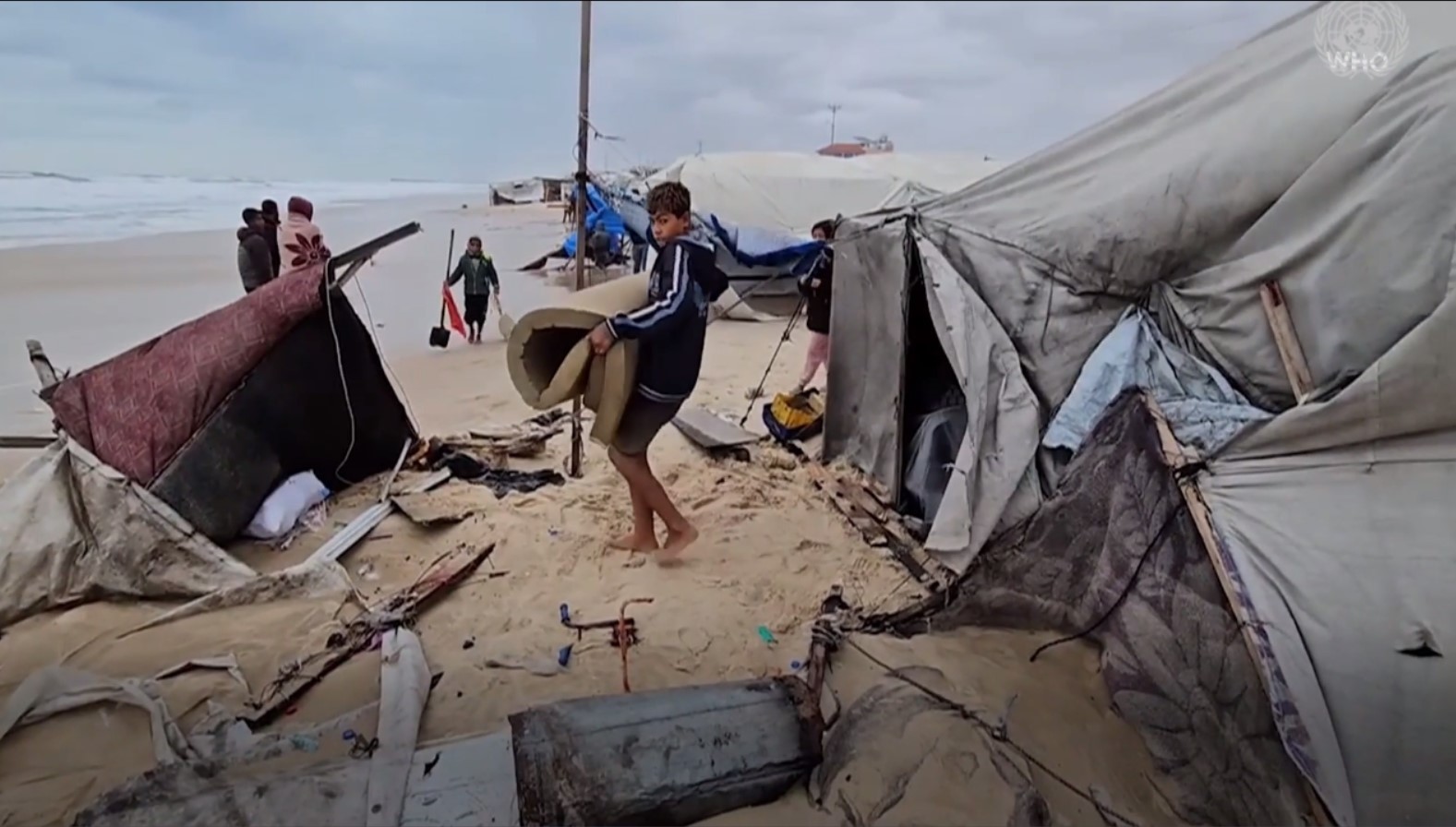
Reflecting on 2024, he stated that “hope has been hard to find”, with wars causing enormous pain, suffering and displacement, and inequalities and divisions fuelling tensions and mistrust.
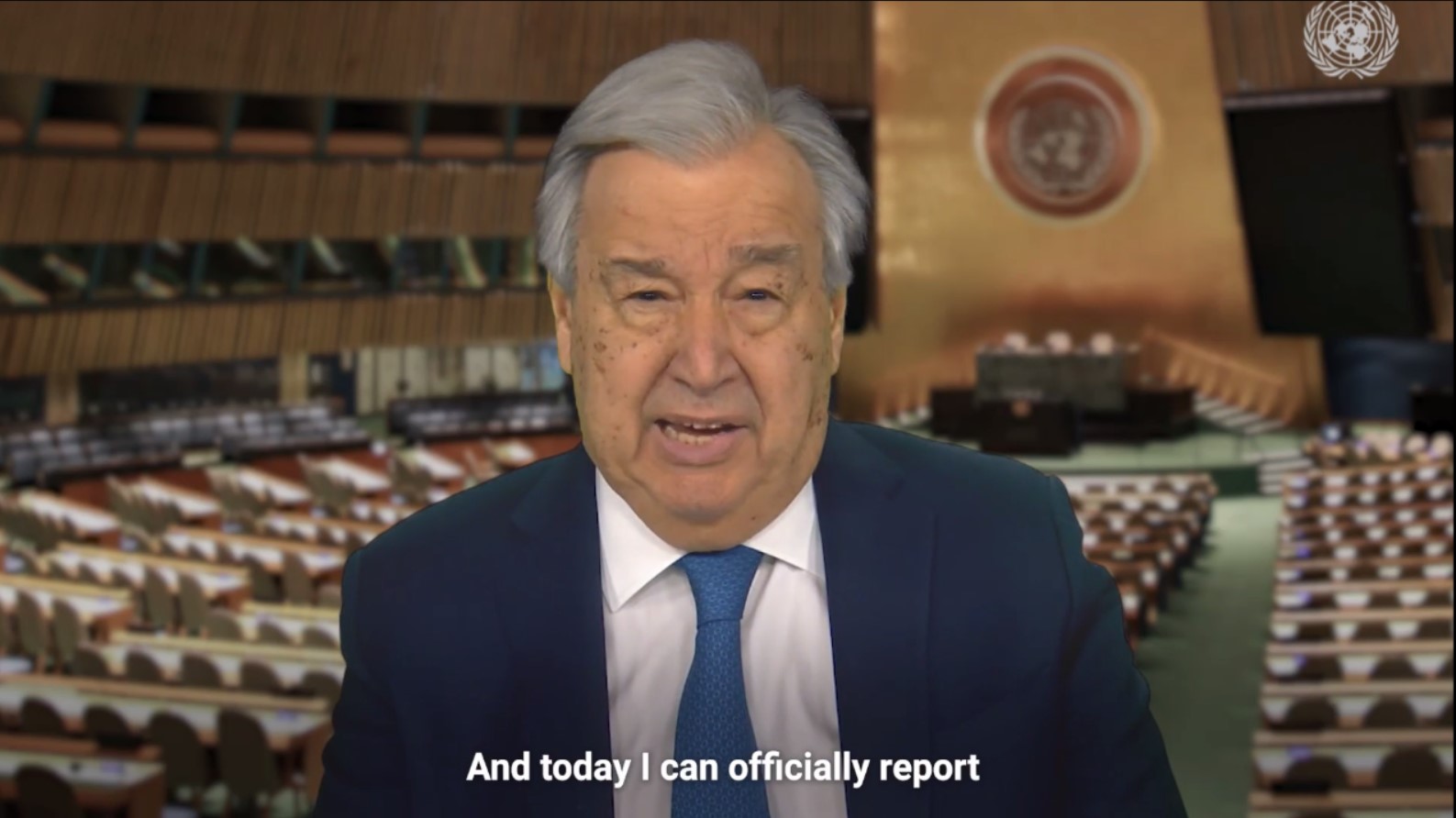
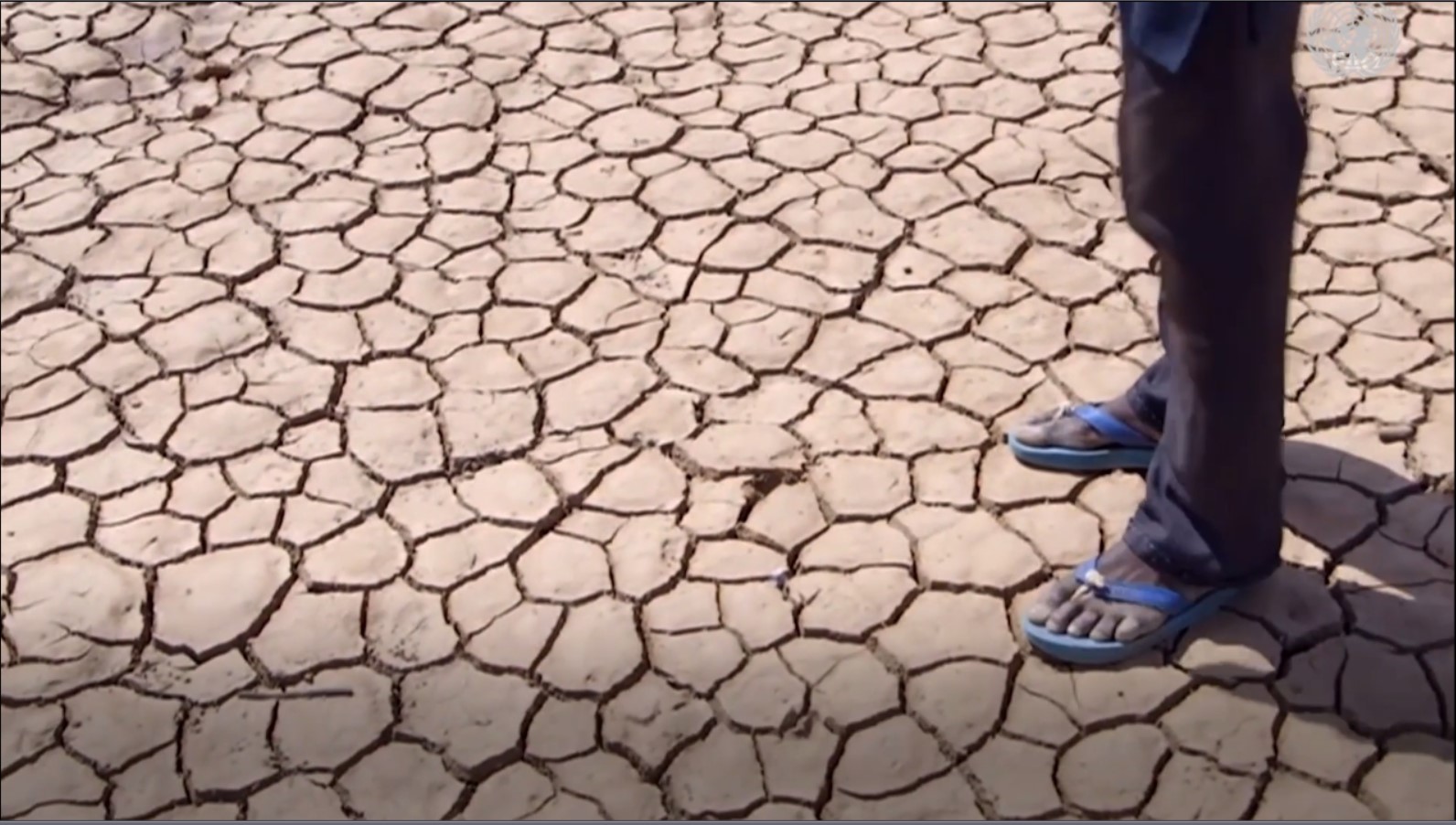
“And today I can officially report that we have just endured a decade of deadly heat,” he said.
‘No time to lose’
The Secretary-General noted that the top ten hottest years on record have occurred in the past decade.
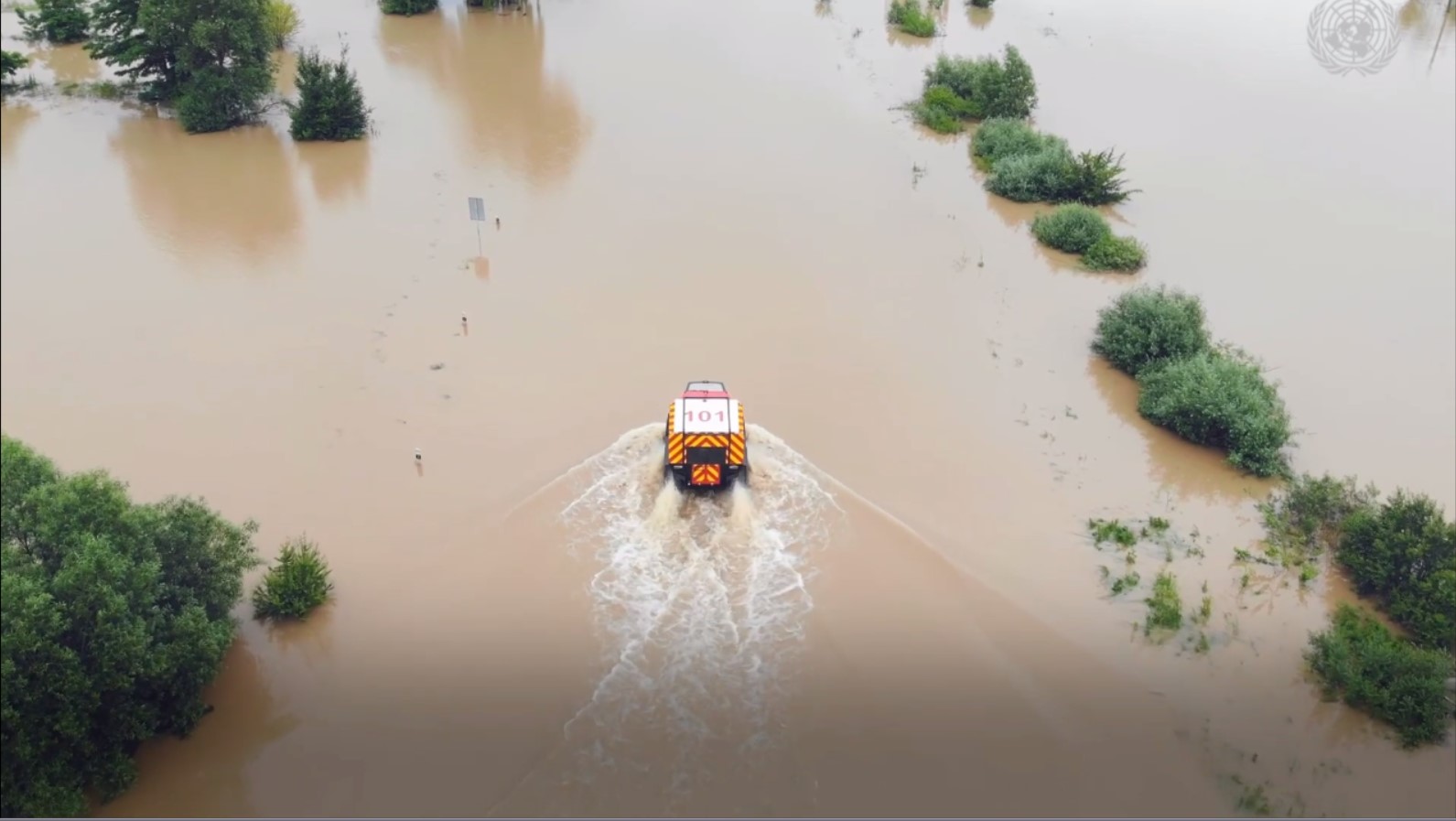
“This is climate breakdown — in real time. We must exit this road to ruin — and we have no time to lose,” he said.
“In 2025, countries must put the world on a safer path by dramatically slashing emissions, and supporting the transition to a renewable future. It is essential — and it is possible.
Hope drives change
Mr. Guterres said that even in the darkest days he has “seen hope power change.”
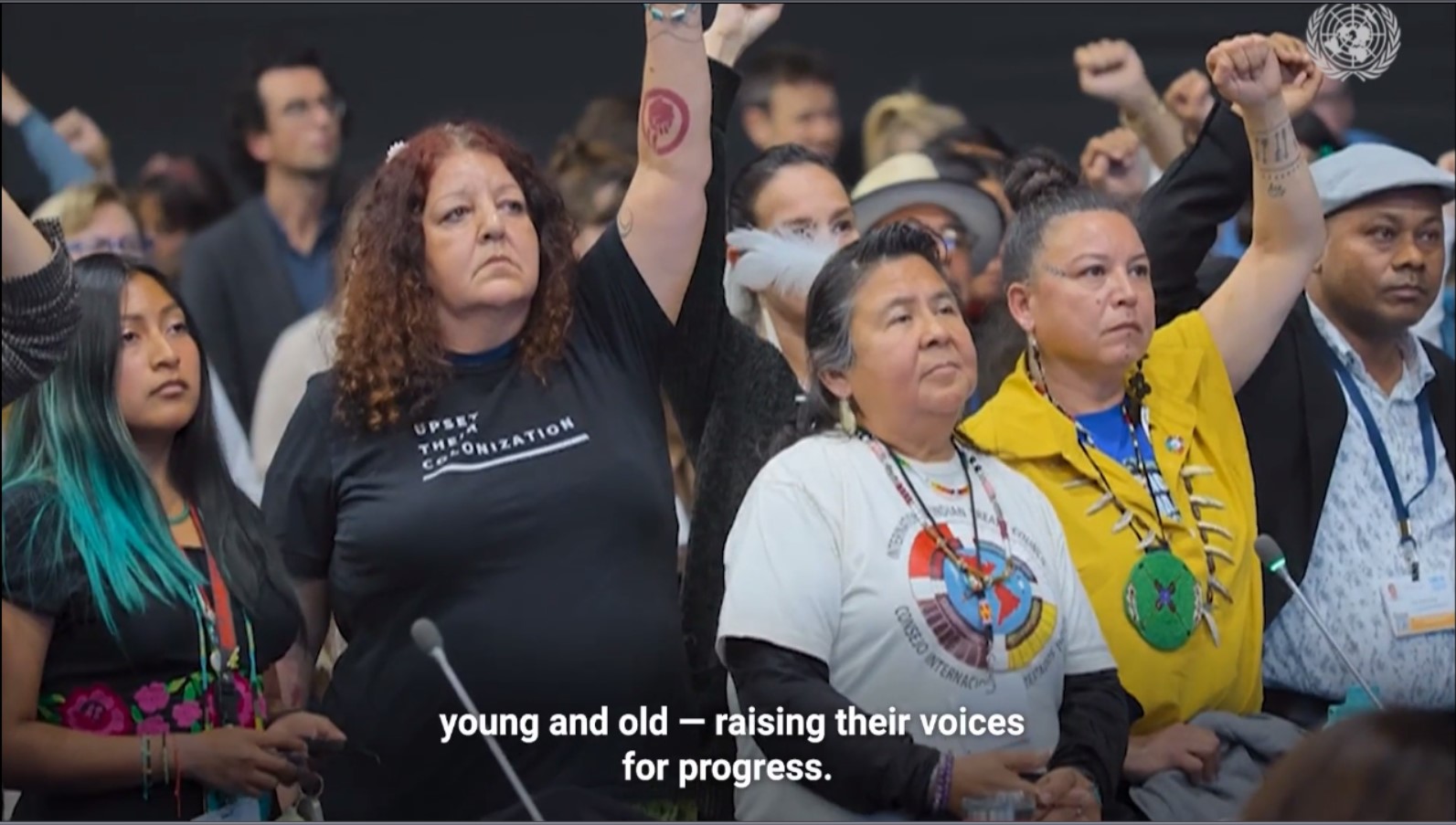
In this regard, he saluted activists of all ages who are raising their voices for progress, as well as “humanitarian heroes overcoming enormous obstacles to support the most vulnerable people.”
The Secretary-General said he also sees hope in developing countries fighting for financial and climate justice, and in the scientists and innovators breaking new ground for humanity.
He stressed that the Pact for Future, adopted last September by UN Member States, is a new push to build peace through disarmament and prevention.
Other aims include reforming the global financial system, pushing for more opportunities for women and youth, and ensuring that technologies “put people over profits and rights over runaway algorithms”.
Here, he also underlined the need to always stick to the values and principles enshrined by human rights, international law and the United Nations Charter.
Nations united
The Secretary-General concluded by stating that there are no guarantees for what lies ahead in 2025.
He pledged to stand with all those working to forge a more peaceful, equal, stable and healthy future for all people.
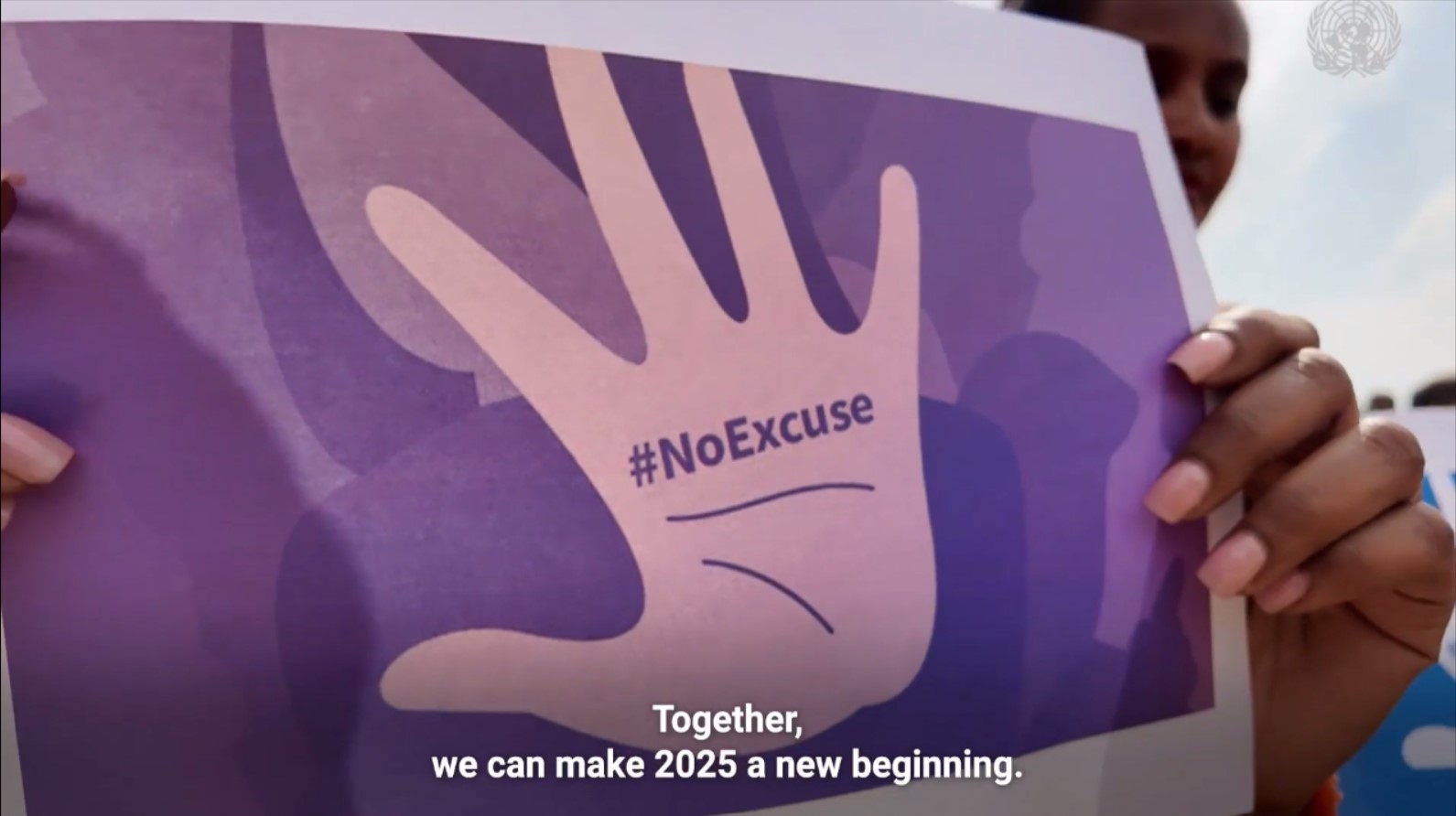
“Together, we can make 2025 a new beginning,” he said. “Not as a world divided. But as nations united.”
Offering Haiti’s young people alternatives to gang life and strengthening local institutions are key for the Caribbean nation to “reclaim its position as a symbol of hope,” according to a senior UN official in the country.
Haiti is faced with a multifaceted crisis including rising gang violence, political instability, the displacement of over 700,000 people as well as widespread hunger.
UNICEF has reported a sharp increase in the recruitment of minors by armed gangs, with the number of child recruits rising by 70 per cent in the past year.
Ulrika Richardson, the UN Resident and Humanitarian Coordinator for Haiti, spoke with UN News about what the United Nations is doing to support the Haitian people.
This interview has been edited for clarity and brevity
UN News: How would you describe the current situation in the country?
Ulrika Richardson: There has been a terrifying escalation of violence in certain parts of Haiti, which is tearing at the very fabric of society. There have been horrific massacres in the last three months of the year both in the capital Port-au-Prince, but also in near-by l’Artibonite.
These brutal acts of dehumanization will only deepen the collective trauma of the Haitian people.
UN Haiti Ulrika Richardson (right) meets a cacao farmer in western Haiti.
We cannot ignore this reality. We must centre these horrific events in our response, urgently expanding mental health and psychosocial support programmes, and integrating them into our long-term plan for stability.
As the UN we are committed to staying in Haiti to help the most vulnerable people through the current crisis.
We need to protect people currently in extremely vulnerable situations, particularly in Port-au-Prince, where security forces simply do not have the capacity to protect citizens.
This means supporting the hundreds of thousands of internally displaced people.
Families have fled their homes, often multiple times so we can start to imagine the magnitude of the wound they carry, and we must ensure they live in decent conditions.
So, at the moment, security is a prerequisite before addressing humanitarian challenges and then looking at a durable recovery.
UN News: It seems that every step you've taken, there have been two steps back. The deployment of the Multinational Security Support Mission appears to have stalled.
Ulrika Richardson: Of course, we are hoping that the situation improves. We will never give up hope and are working closely with the government, transitional authorities, civil society, and the private sector to make 2025 a better year than 2024.
Despite strong leadership from Kenya with the non-UN multinational security support mission (MSS), which we really applaud, the mission is still in a pre-deployment phase because of a lack of sufficient funding from the international community. We have received important contributions, but they are very limited, so much more is needed.
Additional support is on the way. We have just heard that the MSS [mission] will receive more uniformed personnel and equipment. This move underscores the continued commitment to enhancing security in the country, a critical step toward advancing both humanitarian and development efforts in Haiti.
How important is security to political stability?
Haiti’s government is committed to its ambitious electoral agenda, including constitutional reform, which requires investment in economic recovery and social peace.
Security is essential to creating an environment where citizens can and want to vote. But there needs to be a doubling of efforts from UN Member States on all fronts today, not tomorrow, when it’s too late.
Haiti’s destiny is as bright as any other country. It needs to reclaim its position in the world as a symbol of hope, independence and freedom. There have been a lot of mistakes, but we need to learn from yesterday and see how we can improve things.
UN News: Could you expand on these mistakes?
Ulrika Richardson: If you look at economic incentives, why hasn't there been investment into productive capacities of the country? Right now, insecurity has discouraged foreign investors because they need to have some type of guarantee of stability.
However, after the 2010 earthquake, there were a lot of investments, hardly seen anywhere before for a country of that size. But how much of that was invested back into strengthening Haitian institutions?
Equally important is ensuring that Haitians lead this process. I speak as someone who is not Haitian but as the UN in Haiti and recognising Haiti’s historic role as a founding UN Member State. So, our engagement is guided by deep respect for Haitian leadership and the vision of its people.
UN News: Talking about the future, the first thing that comes to mind is youth.
And youth in Haiti is at the centre of discussions around development and security. What step do you see as critical in the next year to empowering them and preventing their recruitment into armed gangs?
Opportunities. They need to have alternatives. We have, and need to continue to work on what these alternatives are. We want young people and children to be able to transition into being members of the community.
Some young people are coerced into joining gangs and there is an explanation for this.
If you can't leave the capital because finding a job somewhere else means that you risk your life on gang-controlled roads and there is no job opportunity where you live, your parents may have been killed, and education is not an option, what do we expect them to do?
Many children from the age of eight are currently recruited by gangs to run errands, to be their informers.
Unfortunately, arms trafficking continues to happen despite the sanctions regime. We need to have a process in place and a much better response rate from neighbouring actors.
This is not impossible, there are human resources out there and a lot of creativity and desire to create something better for the country than in the past.
The following are related news
President of Haiti National Federation of Past Pupils of Don Bosco shares concerns with Pope Francis
Mr. Jude Elie, President of the Haitian Federation of Past Pupils of Don Bosco, recently had the privilege of meeting with Pope Francis.
During their meeting, Mr. Elie expressed concern with Pope Francis about the current situation in his country.
Mr. Elie humbly asked for prayers, blessings, and unwavering international support for the Haitian people. Emphasizing the dire circumstances facing the nation, Mr Jude Elie asked the Holy Father to encourage the international community to stand in solidarity with Haiti in its pursuit of peace and prosperity.
Pope Francis, upon listening to his concerns, responded with compassion, stating, “Haiti is in my prayers.” He acknowledged the urgent need for prayers and support especially for the Haitian youth.
In a gesture of appreciation and solidarity, Mr Jude Elie presented Pope Francis with a traditional Haitian art piece and a book about Haiti, which he graciously accepted.
This meeting served as a powerful reminder of the global reach of past pupils and friends of Don Bosco and the importance of our role in addressing the challenges faced by communities around the world.

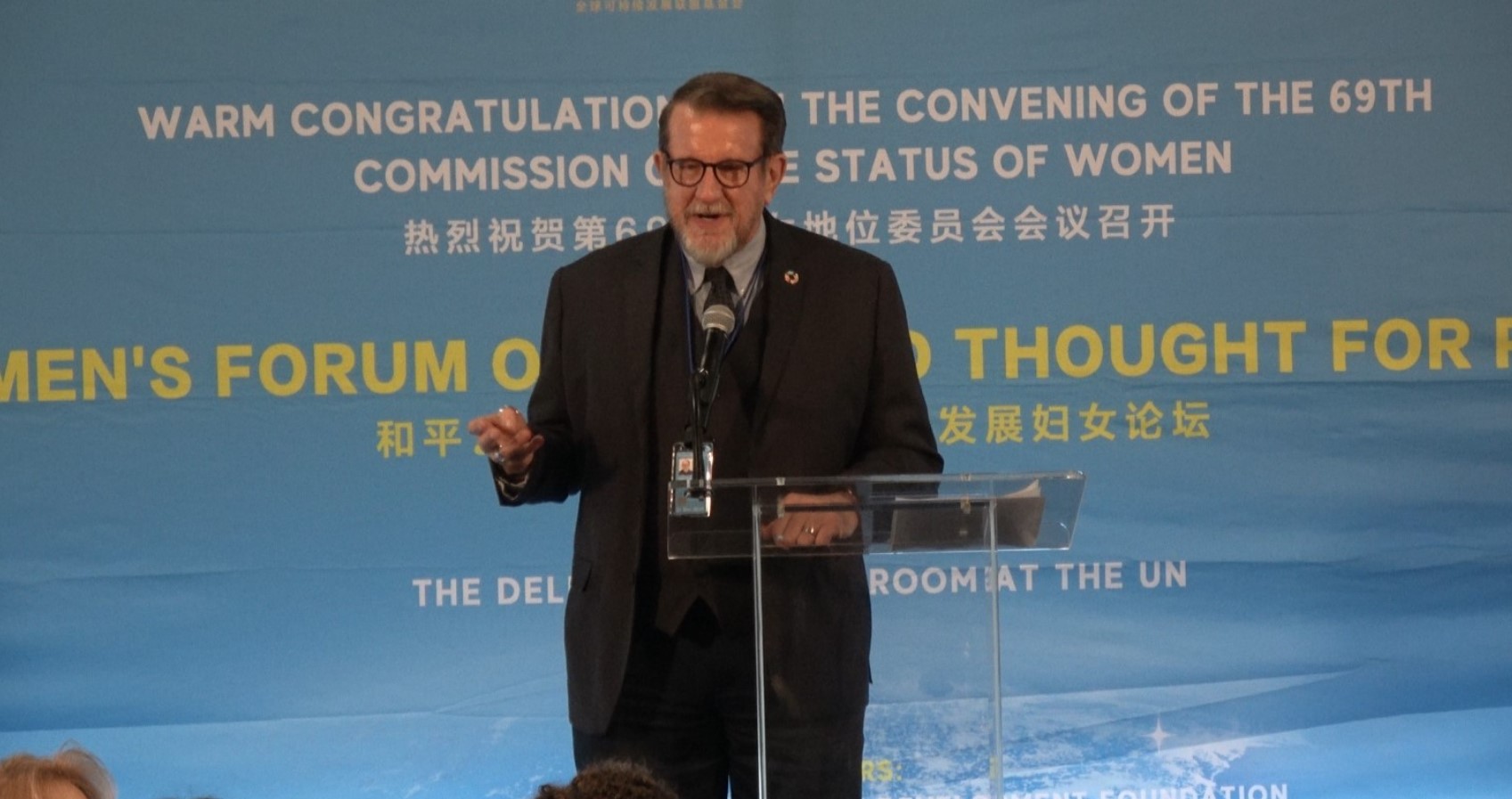



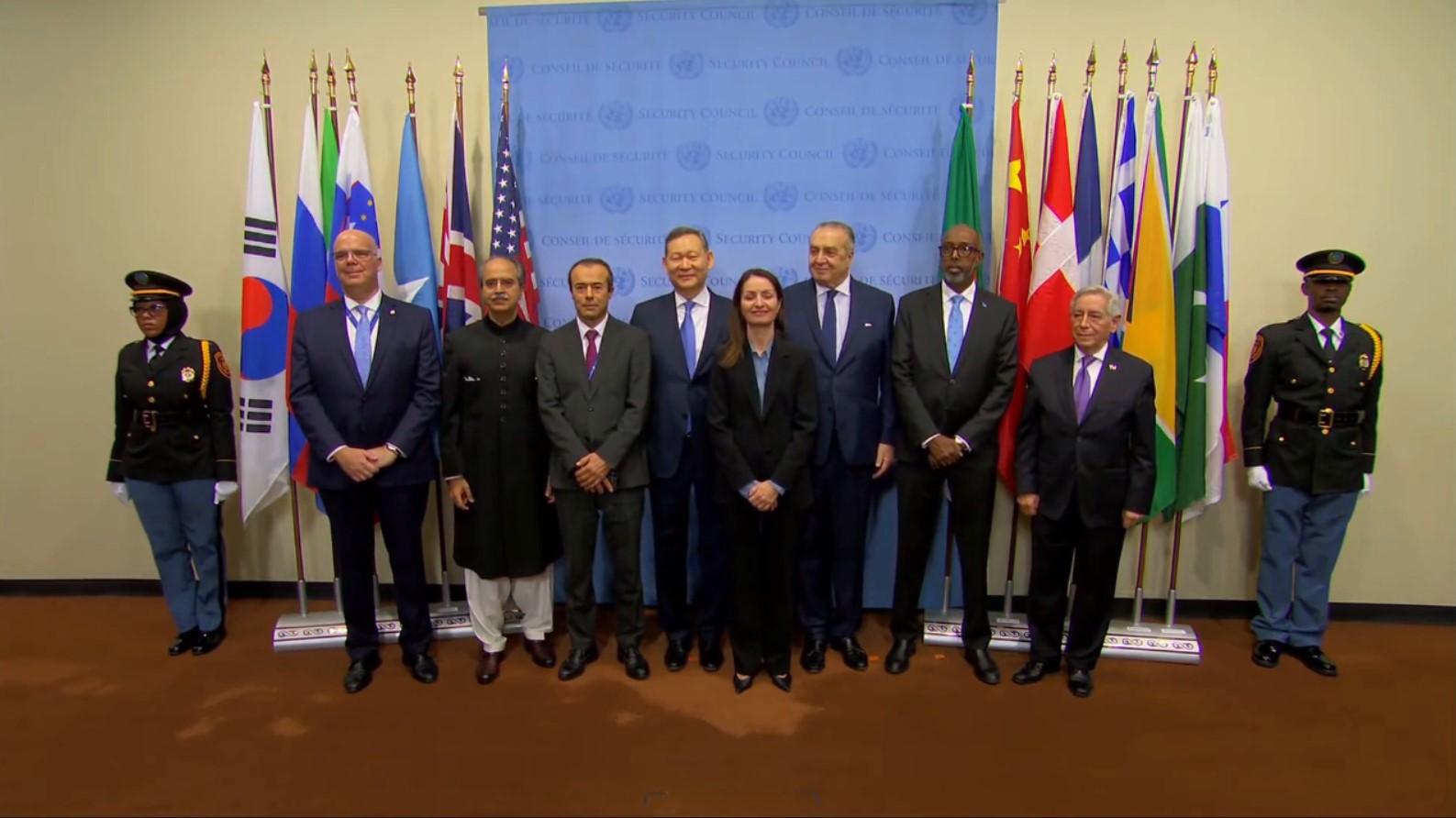
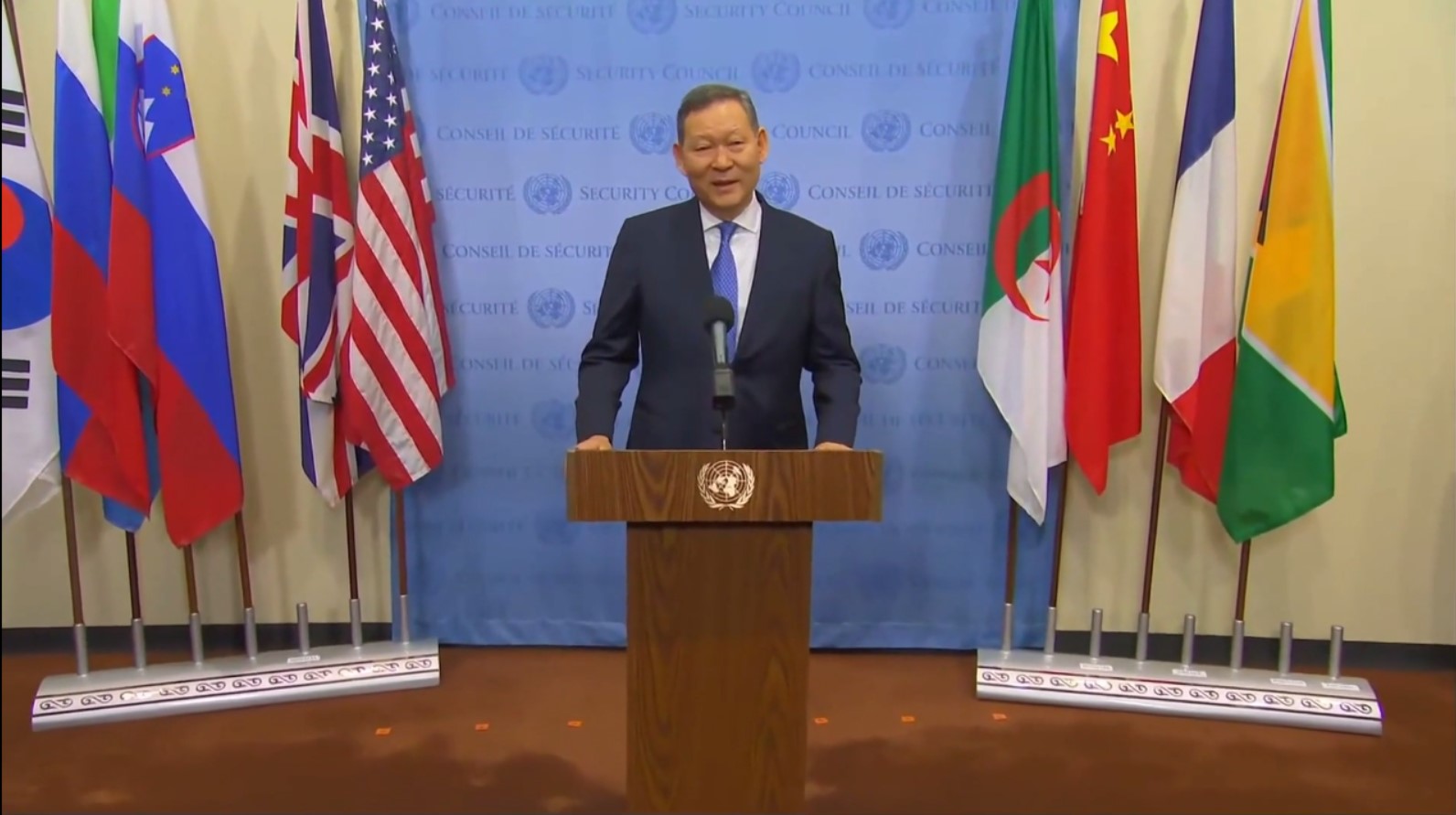 Ambassador Kairat Umarov, Permanent Representative of Kazakhstan and ceremony host, delivers a welcome speech.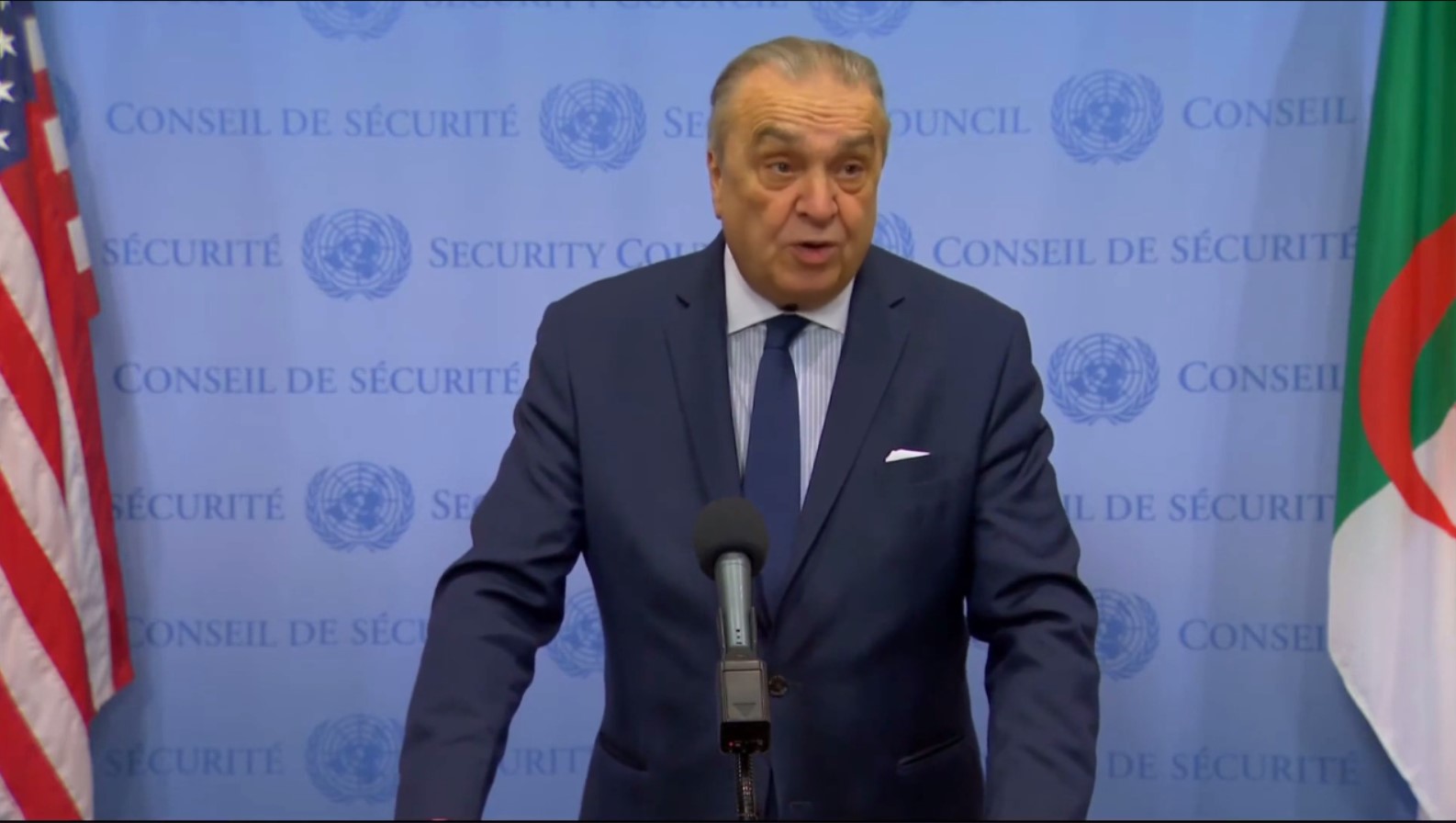
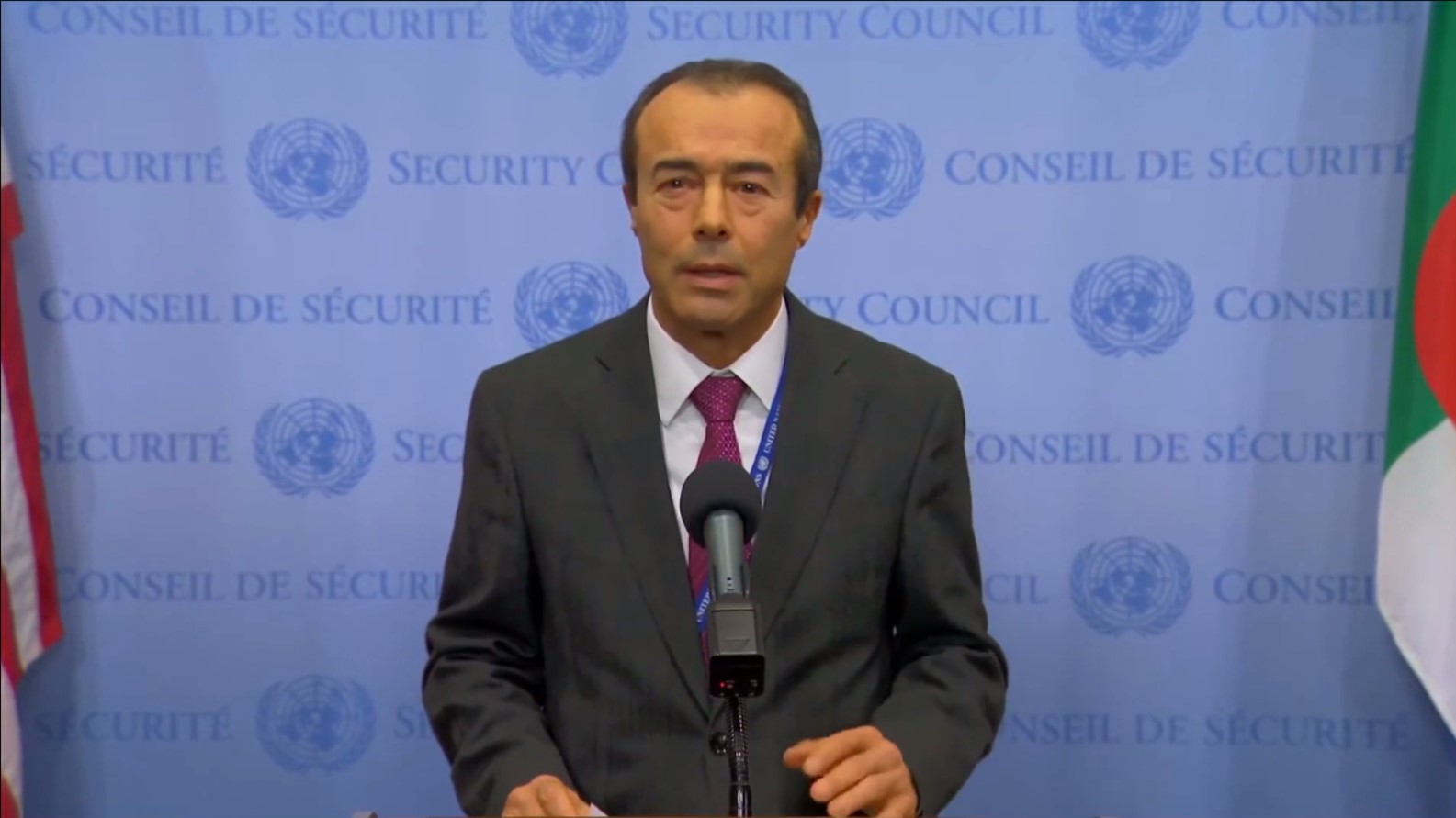 Speech: Assistant Secretary-General Mohamed Khaled Khiari
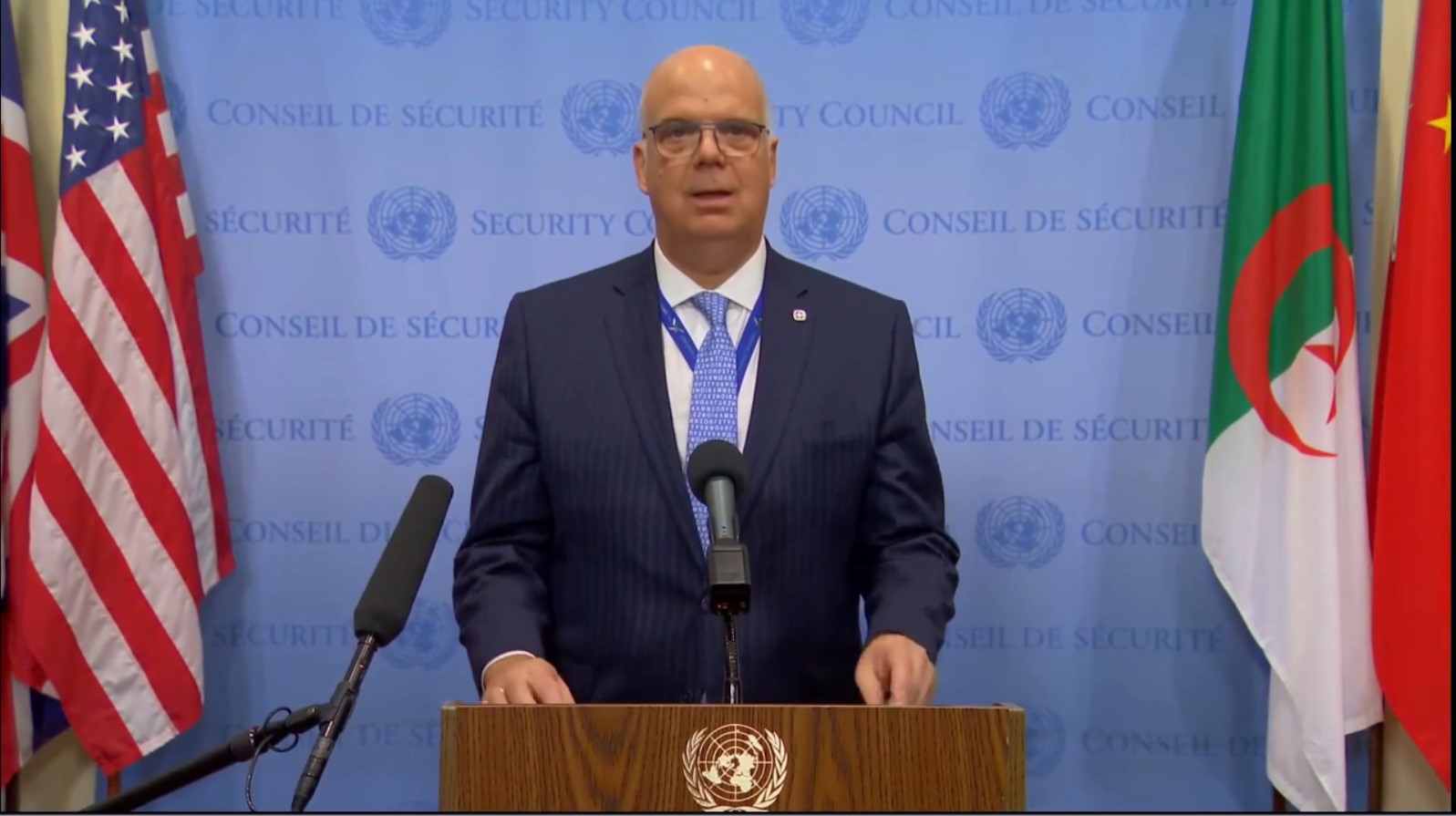
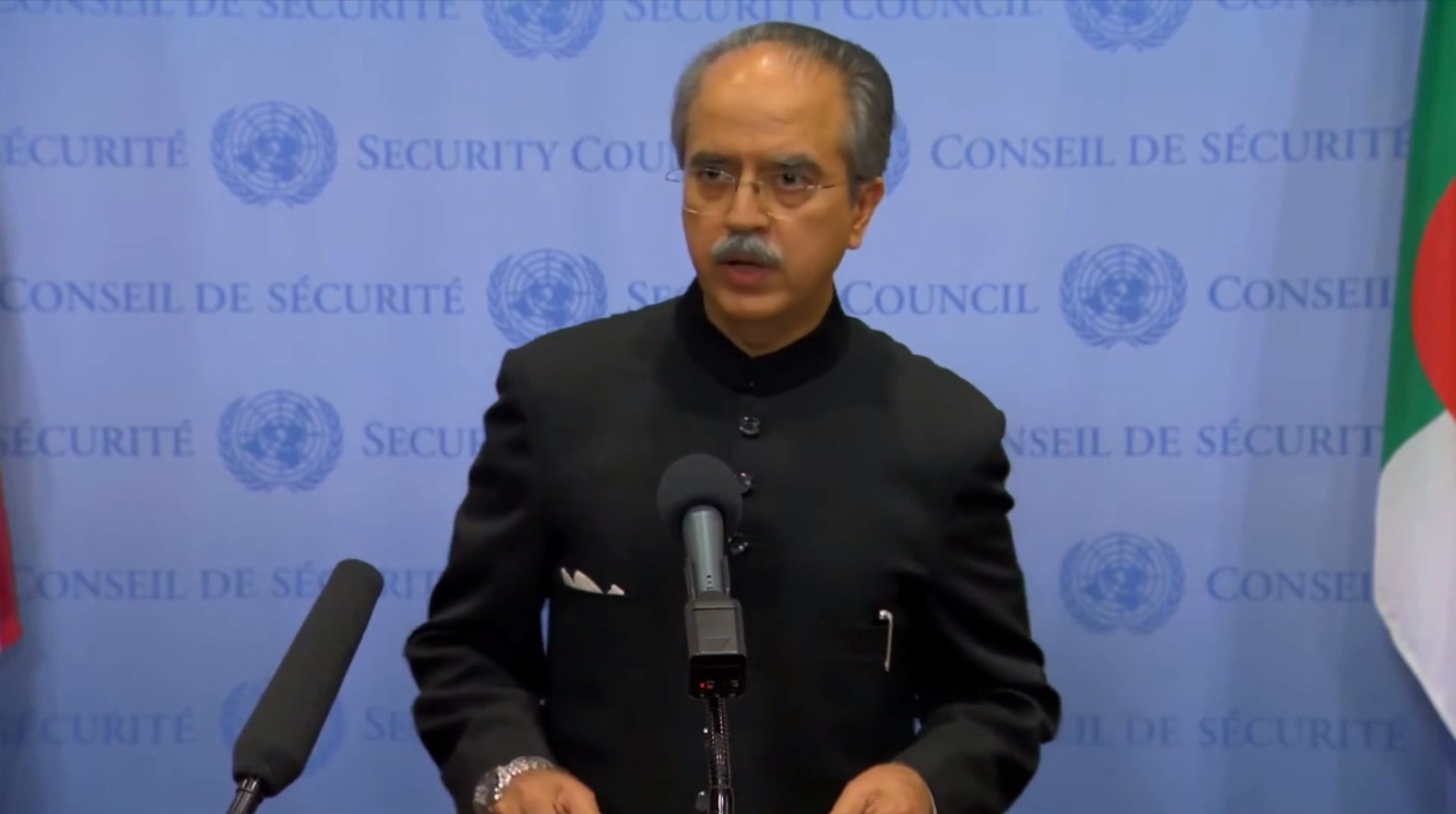
 UN Photo/Loey Felipe Secretary-General António Guterres addresses the Summit of the Future high-level event at United Nations Headquarters in September 2024.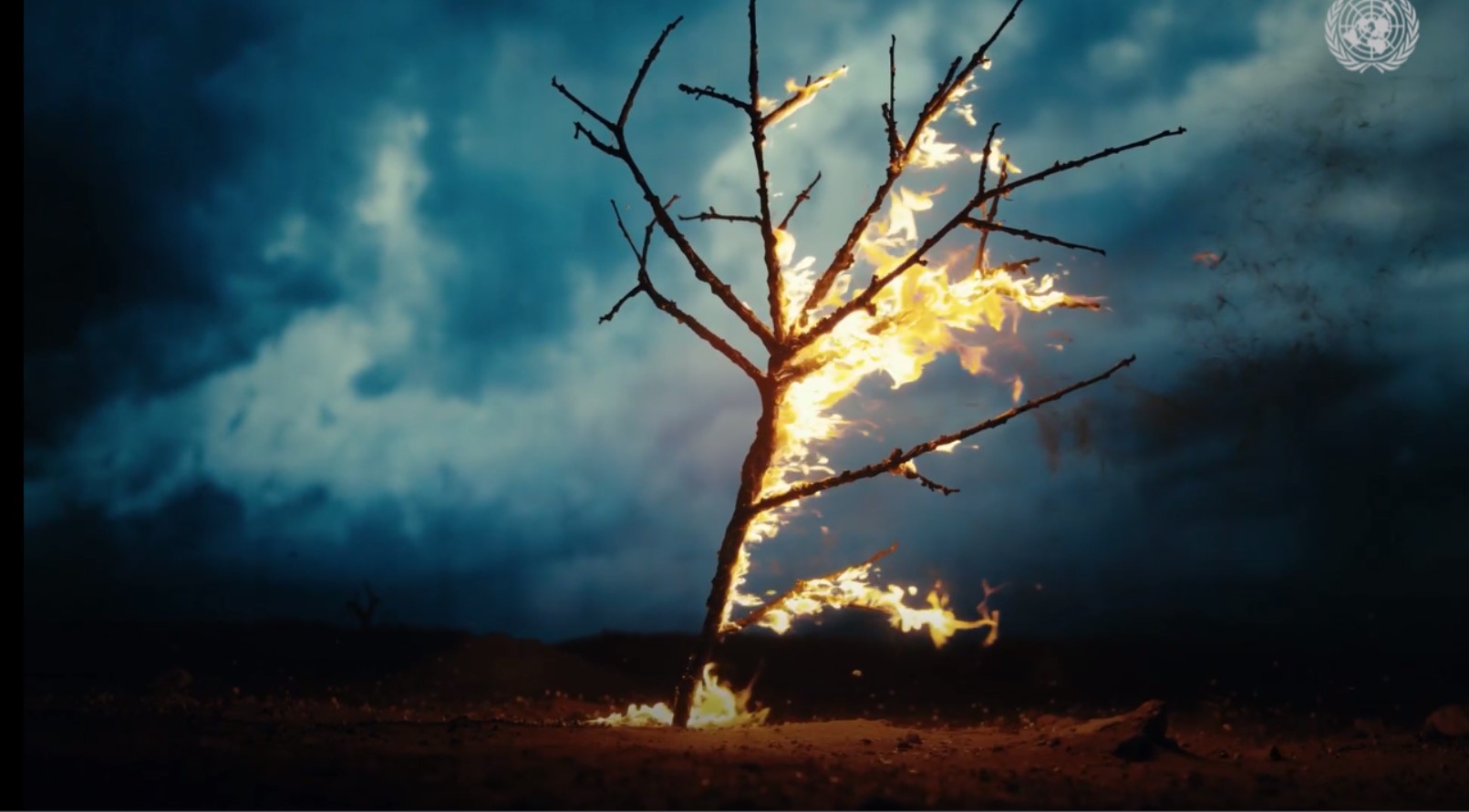
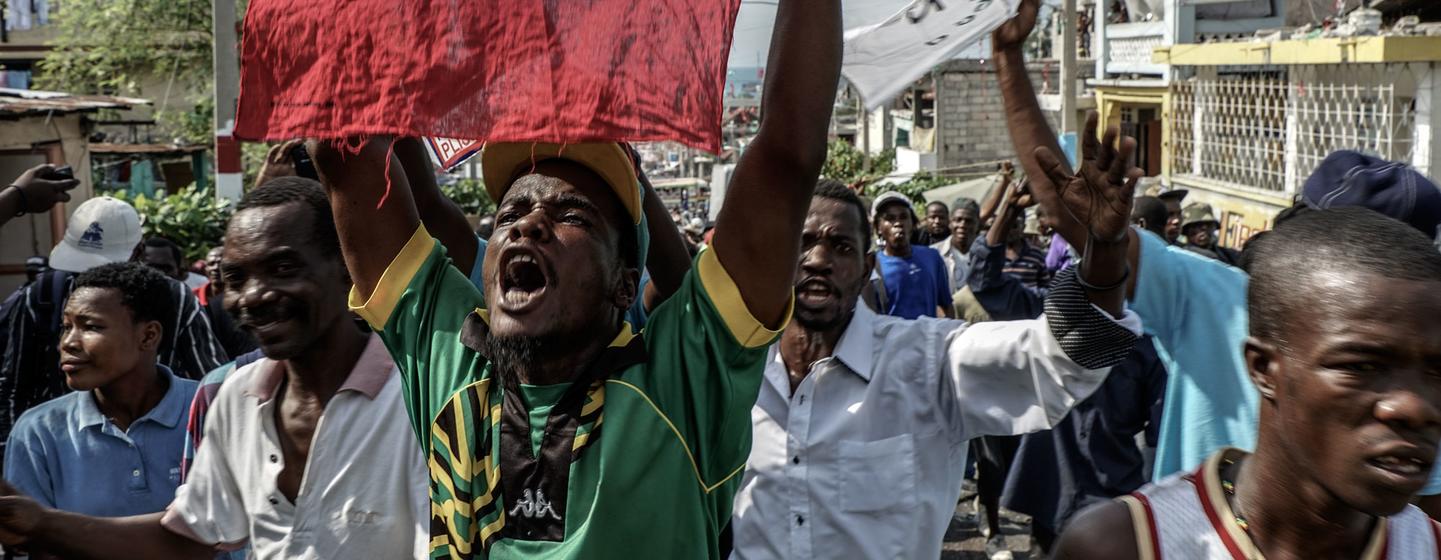 © UNOCHA/Giles Clarke Young Haitians are calling for peace and stability in the troubled Caribbean nation.
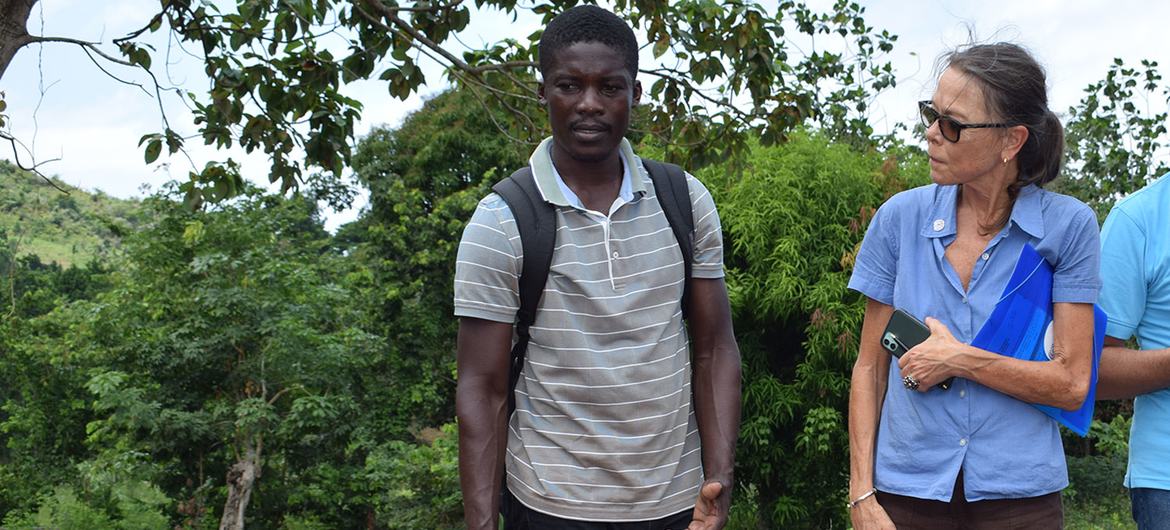 UN Haiti Ulrika Richardson (right) meets a cacao farmer in western Haiti.
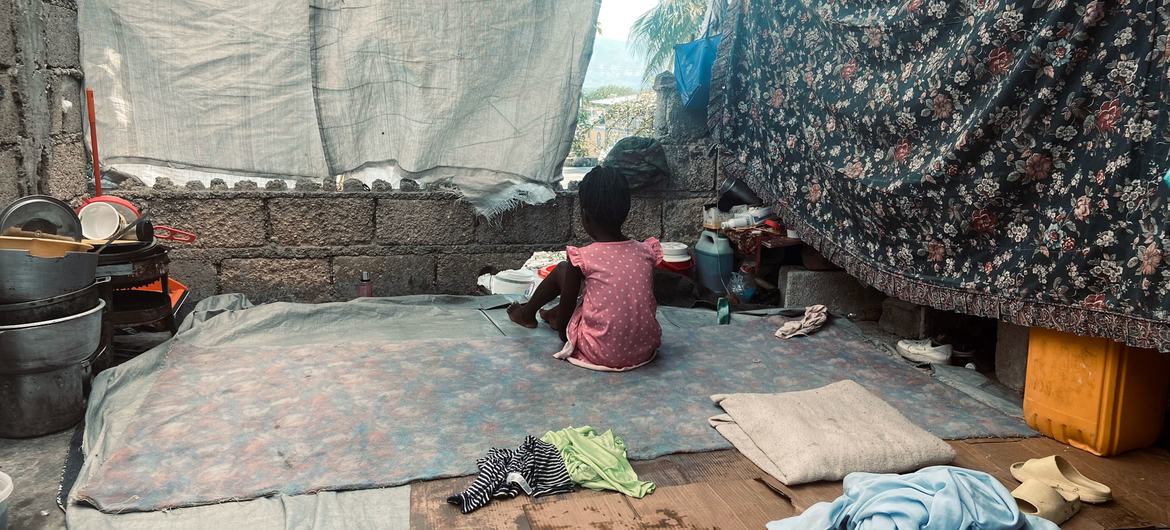 © OHCHR/Marion Mondain A young child whose family fled violence sits in a makeshift shelter in Port-au-Prince.
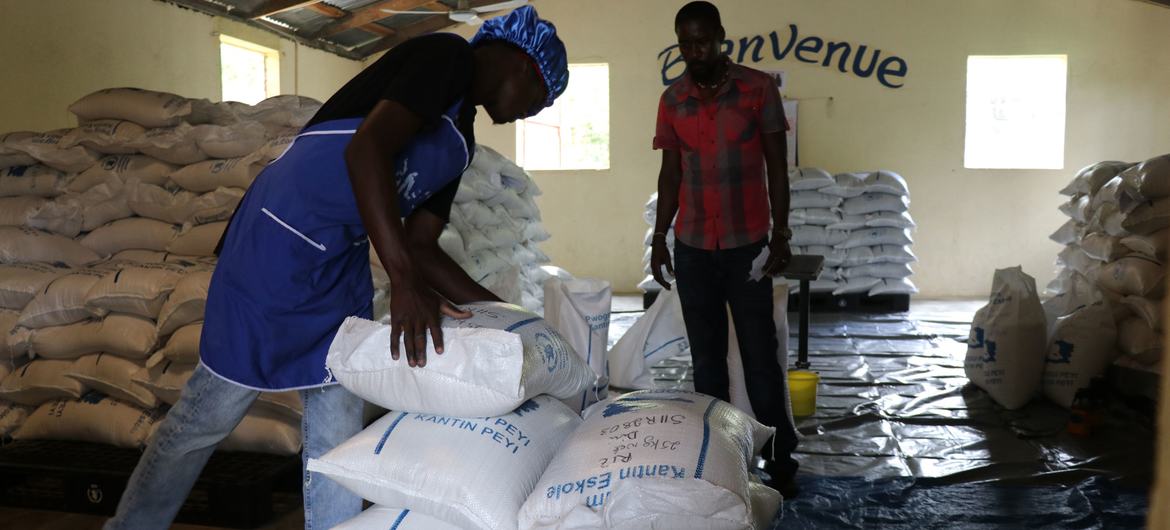 © WFP Workers in Haiti prepare humanitarian aid for distribution.
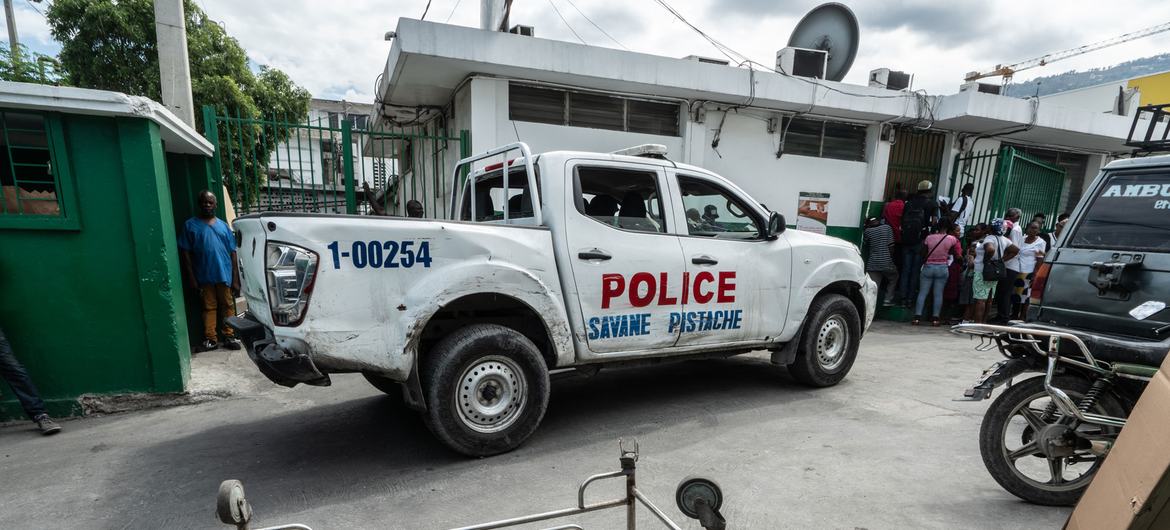 © UNOCHA/Giles Clarke A police vehicle passes by the General Hospital in Port-au-Prince.
 Mr. Jude Elie, President of the Haitian Federation of Past Pupils of Don Bosco, recently had the privilege of meeting with Pope Francis.