
YoutubeCelebrity.TV

Celebrity Media Alliance

Six UN Languages News.

منصة وسائل الإعلام المشاهير تبث الأخبار يوم الاثنين باللغة العربية

名人媒体平台星期二使用中文播报新闻

The celebrity media platform broadcasts news on Wednesday in English

La plateforme médiatique des célébrités diffuse les nouvelles le jeudi en français

Медийная платформа знаменитостей вещает новости в пятницу на русском языке

La plataforma de medios de celebridades transmite noticias el sábado en español

Strong UN Better World! 联合国强大 世界更美好!

>
 
Video cover
 
 
联合国秘书长塞浦路斯新闻发布会:联合国全力支持塞浦路斯人民
مؤتمر صحفي للأمين العام للأمم المتحدة في قبرص: الأمم المتحدة تدعم الشعب القبرصي دعماً كاملاً
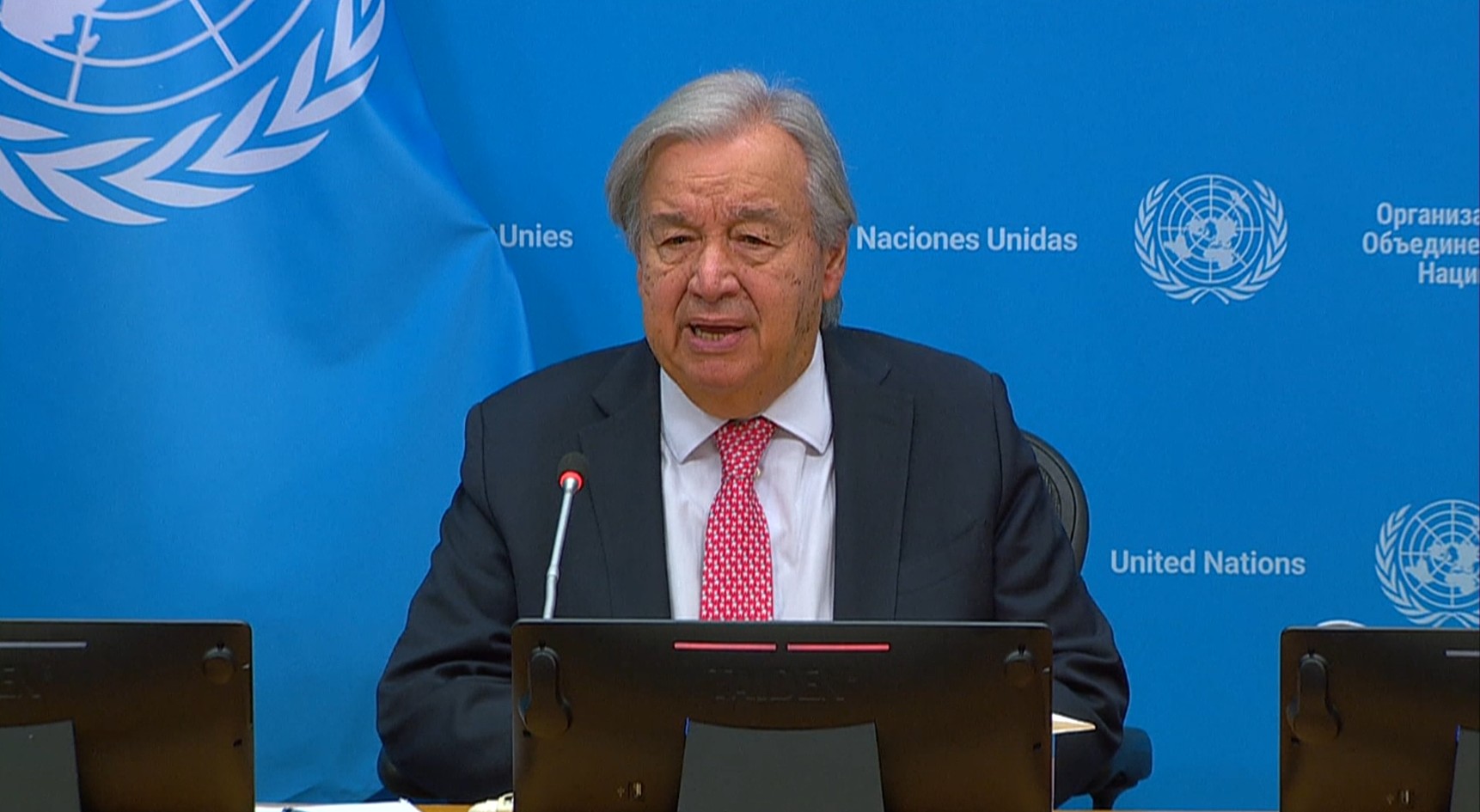
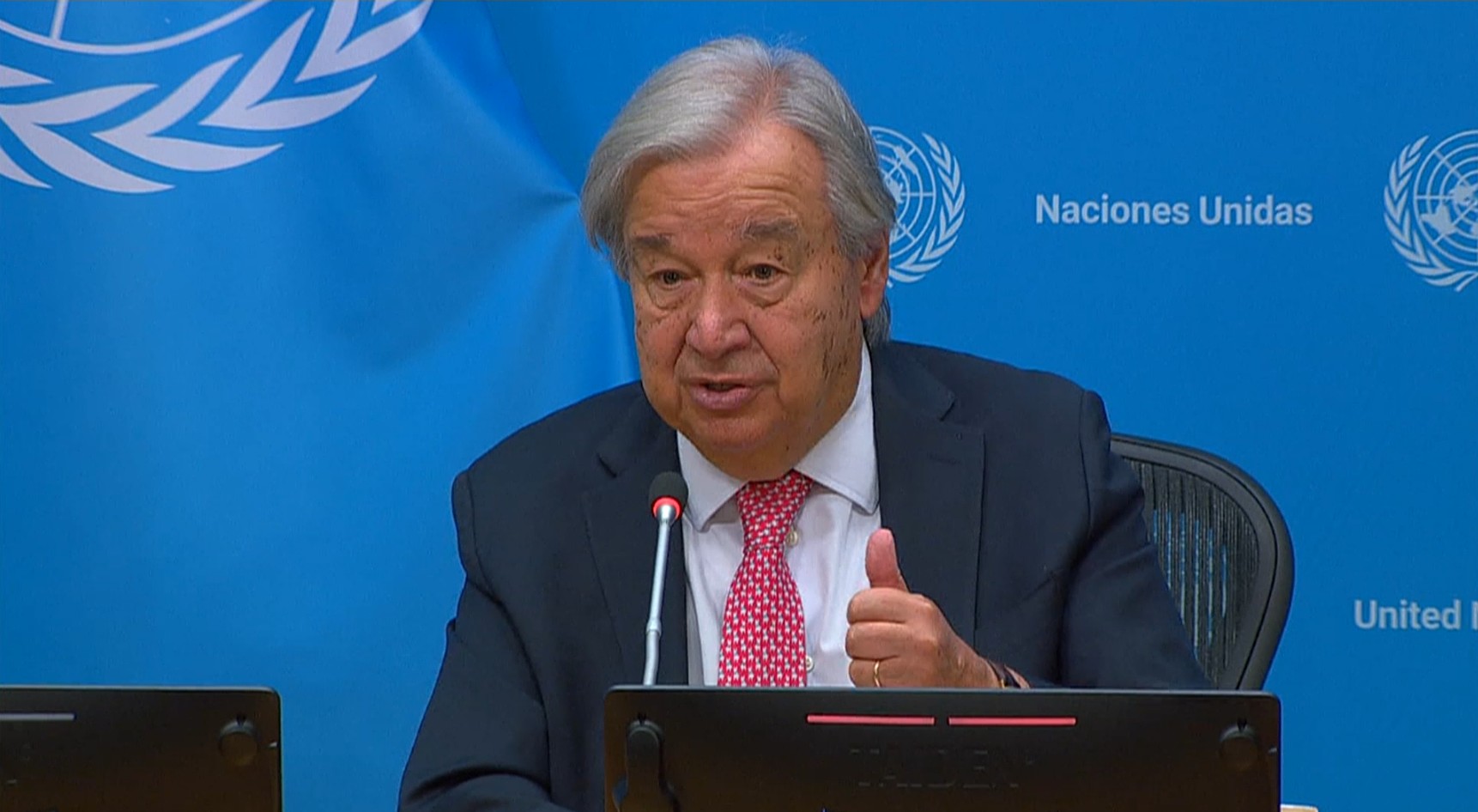
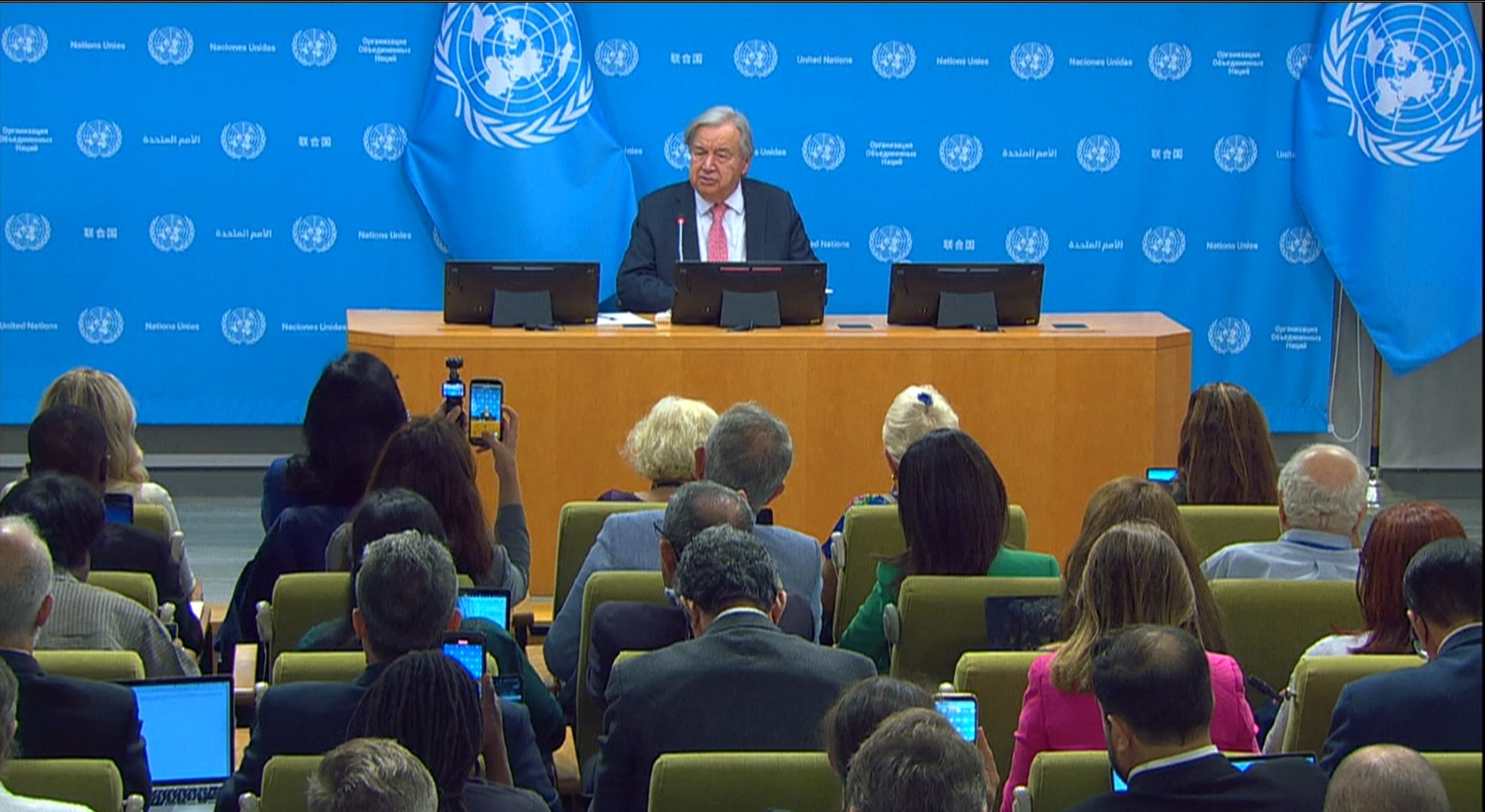
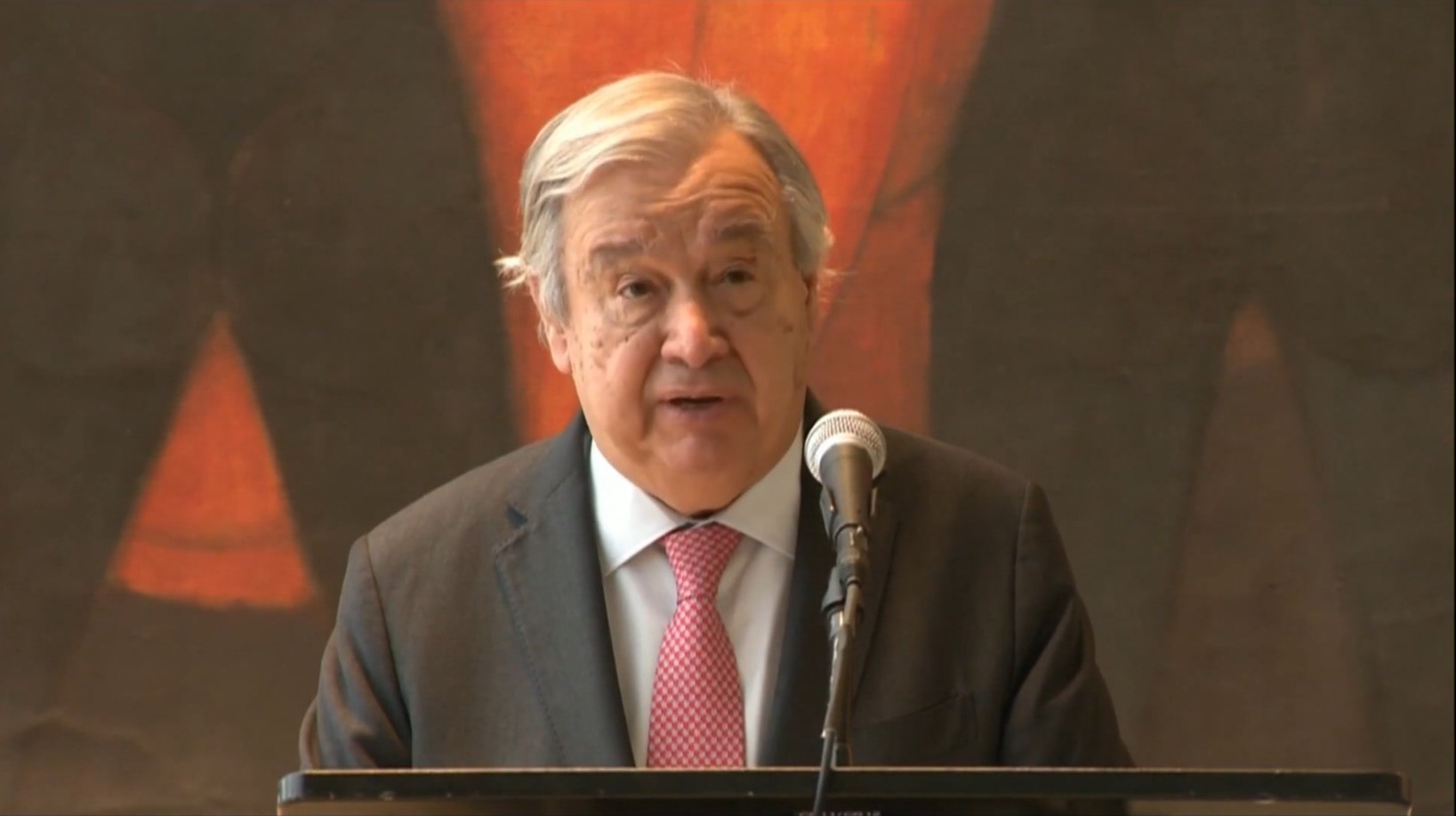
UN Secretary-General’s Press Conference in Cyprus: The United Nations Fully Supports the People of Cyprus
Conférence de presse du Secrétaire général de l’ONU à Chypre : l’ONU soutient pleinement le peuple chypriote
Пресс-конференция Генерального секретаря ООН на Кипре: ООН оказывает всестороннюю поддержку народу Кипра
Conferencia de prensa del Secretario General de la ONU en Chipre: las Naciones Unidas apoyan plenamente al pueblo chipriota
 
联合国秘书长塞浦路斯新闻发布会
Audio cover
News Summary of the Election for the Tenth Secretary-General of the UN

English Media

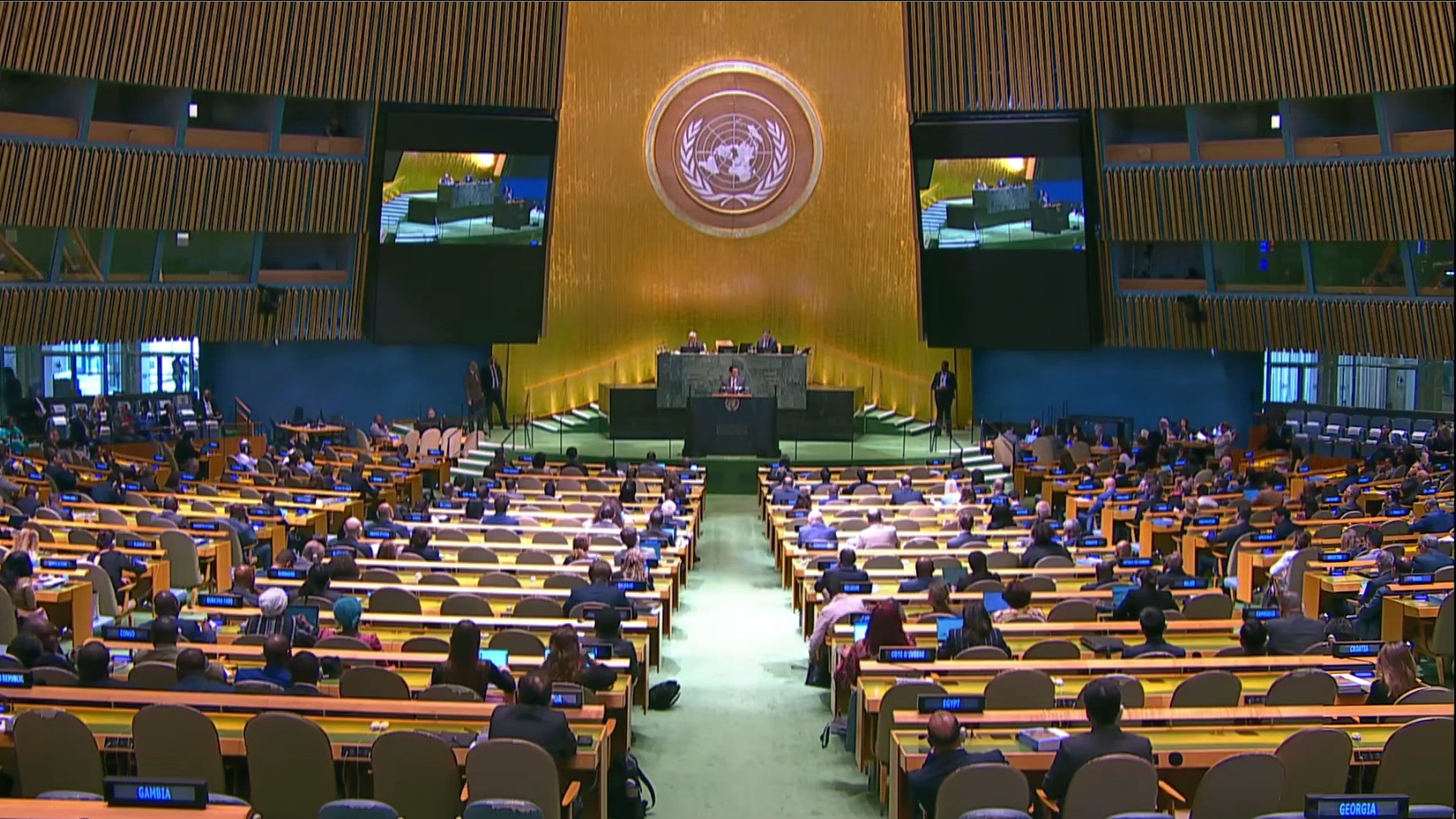
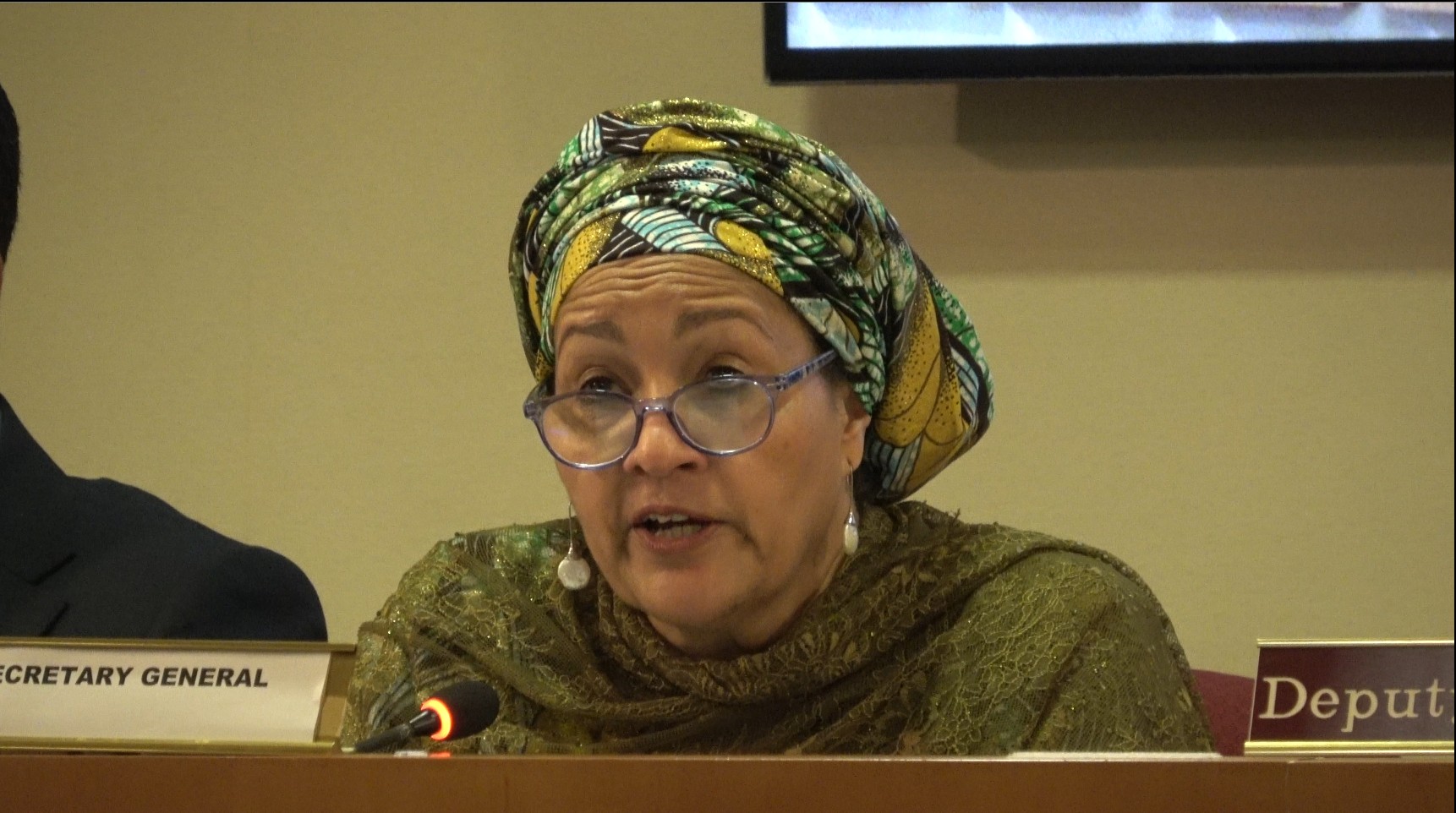
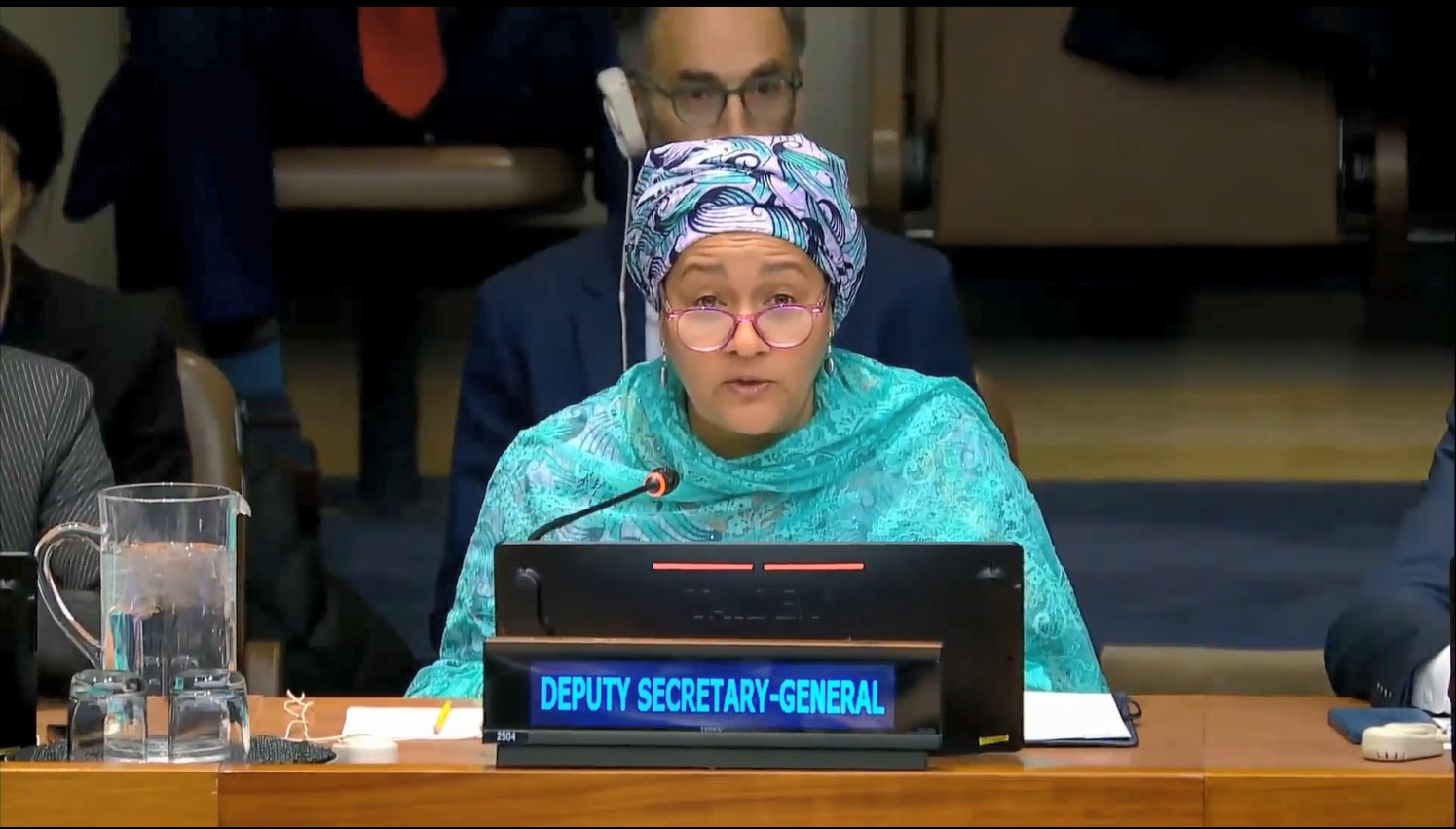
United Nations:Taking Stock of the Pact for the Future - UN Deputy Secretary-General Remarks

联合国常务副秘书长阿米娜·J·穆罕默德在《未来契约》落实情况评估会议上的讲话
كلمة نائبة الأمين العام للأمم المتحدة أمينة ج. محمد خلال اجتماع تقييم تنفيذ ميثاق المستقبل
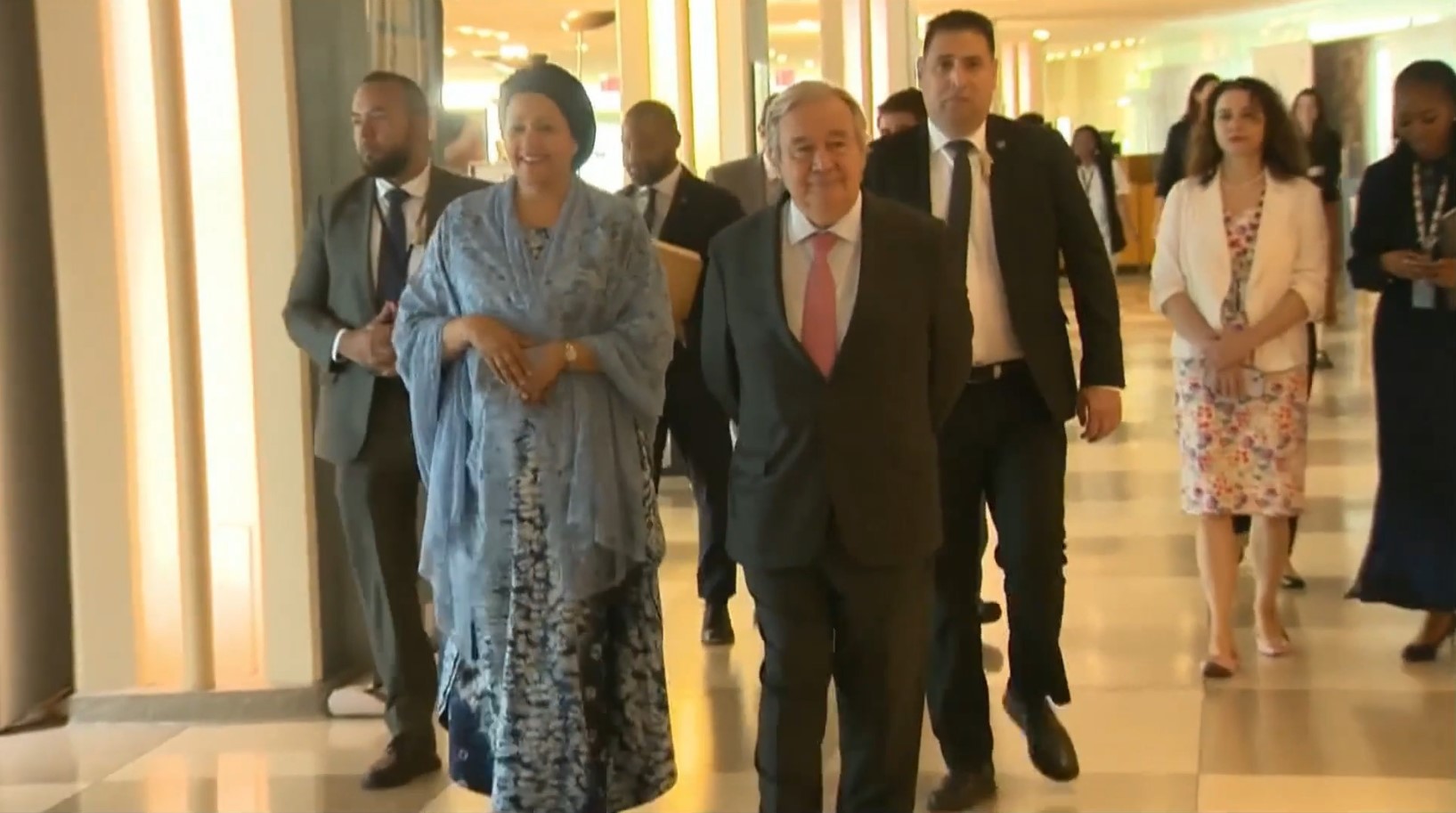
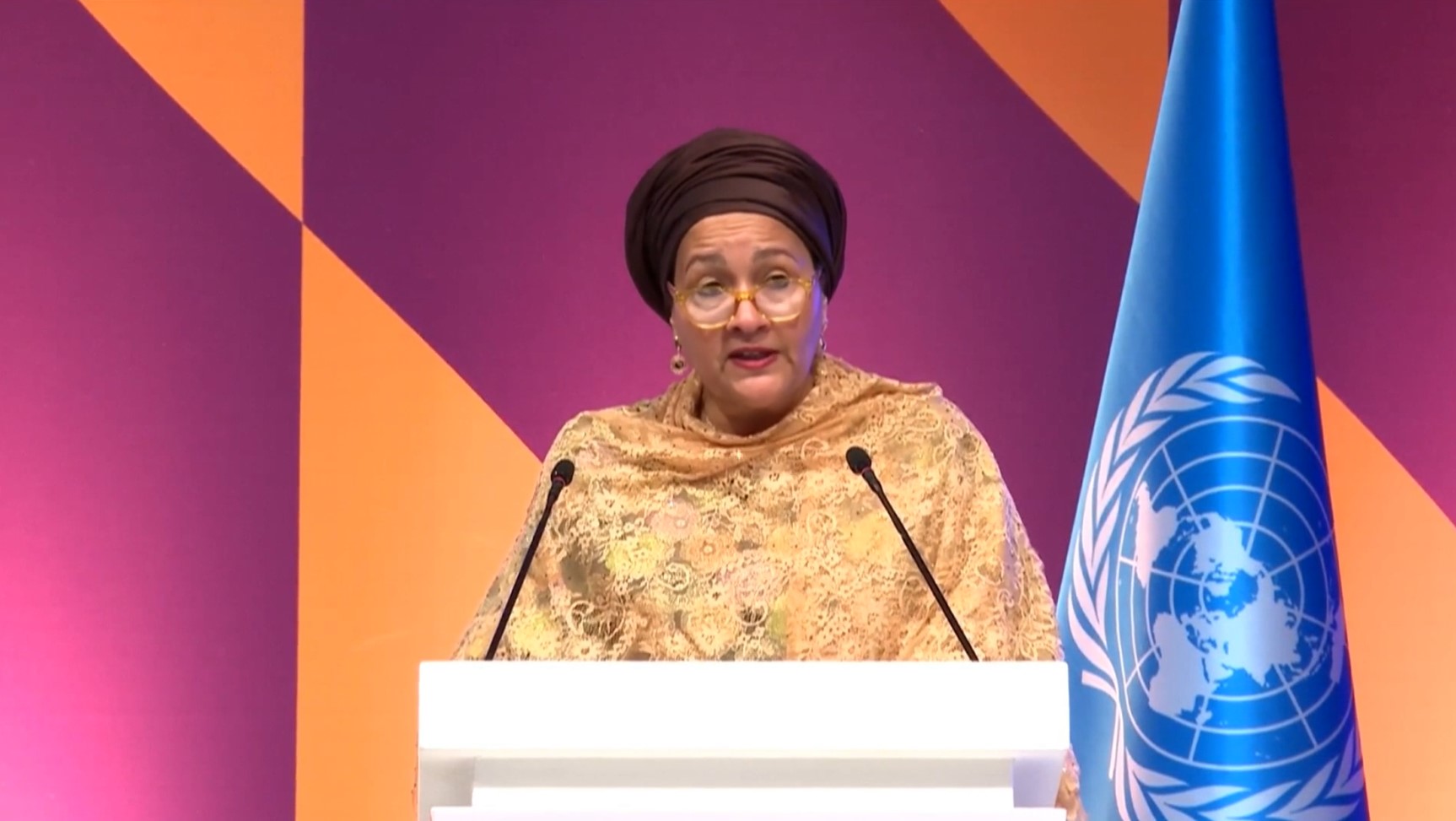
Remarks by UN Deputy Secretary-General Amina J. Mohammed at the Stocktaking of the Pact for the Future
Allocution de la Vice-Secrétaire générale des Nations Unies, Amina J. Mohammed, lors du bilan du Pacte pour l’avenir
Выступление заместителя Генерального секретаря ООН Амины Дж. Мохаммед на мероприятии по подведению итогов реализации Пакта во имя будущего
Discurso de la Vicesecretaria General de las Naciones Unidas, Amina J. Mohammed, durante la evaluación del Pacto para el Futuro


联合国秘书长在世界人工智能大会上的发言

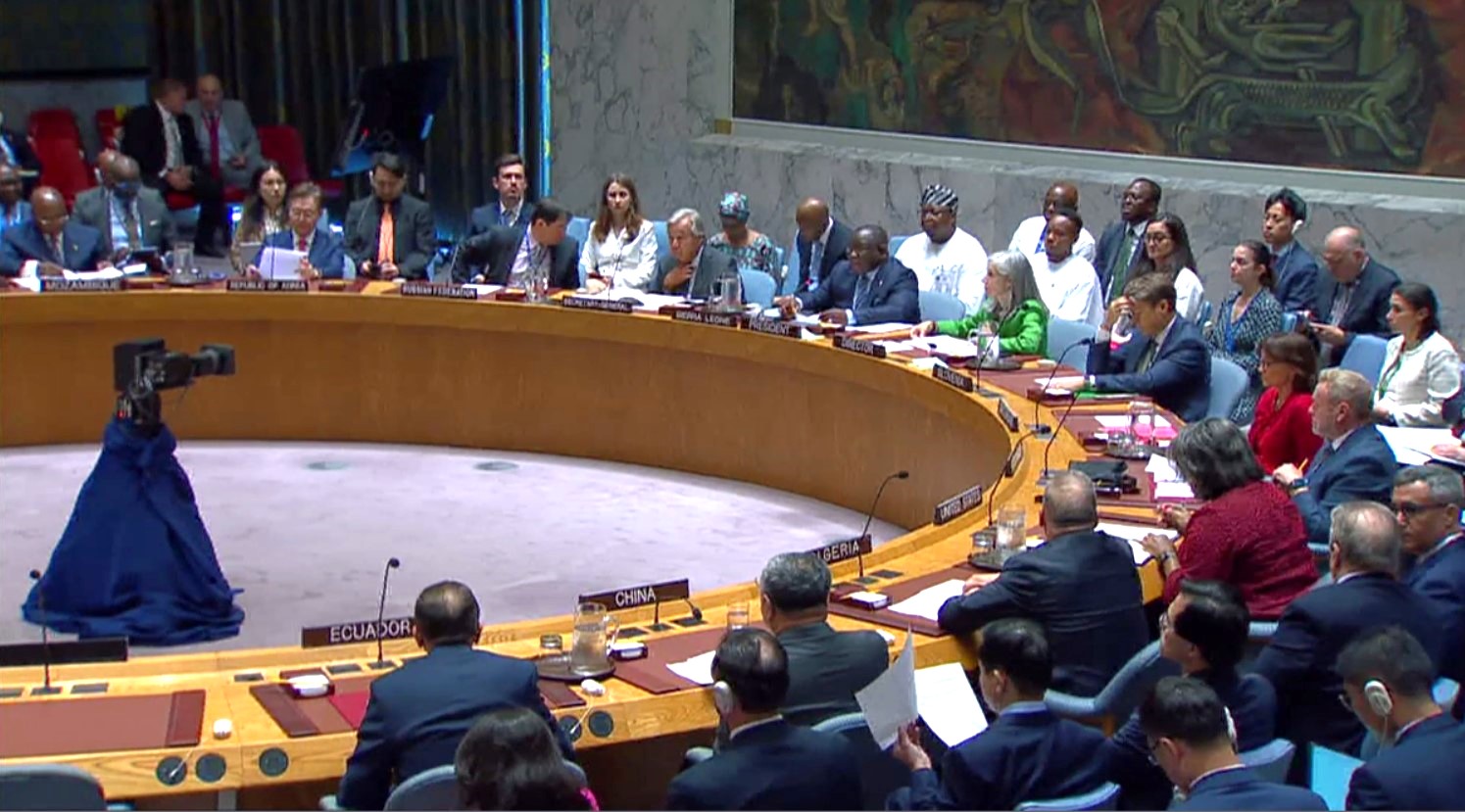
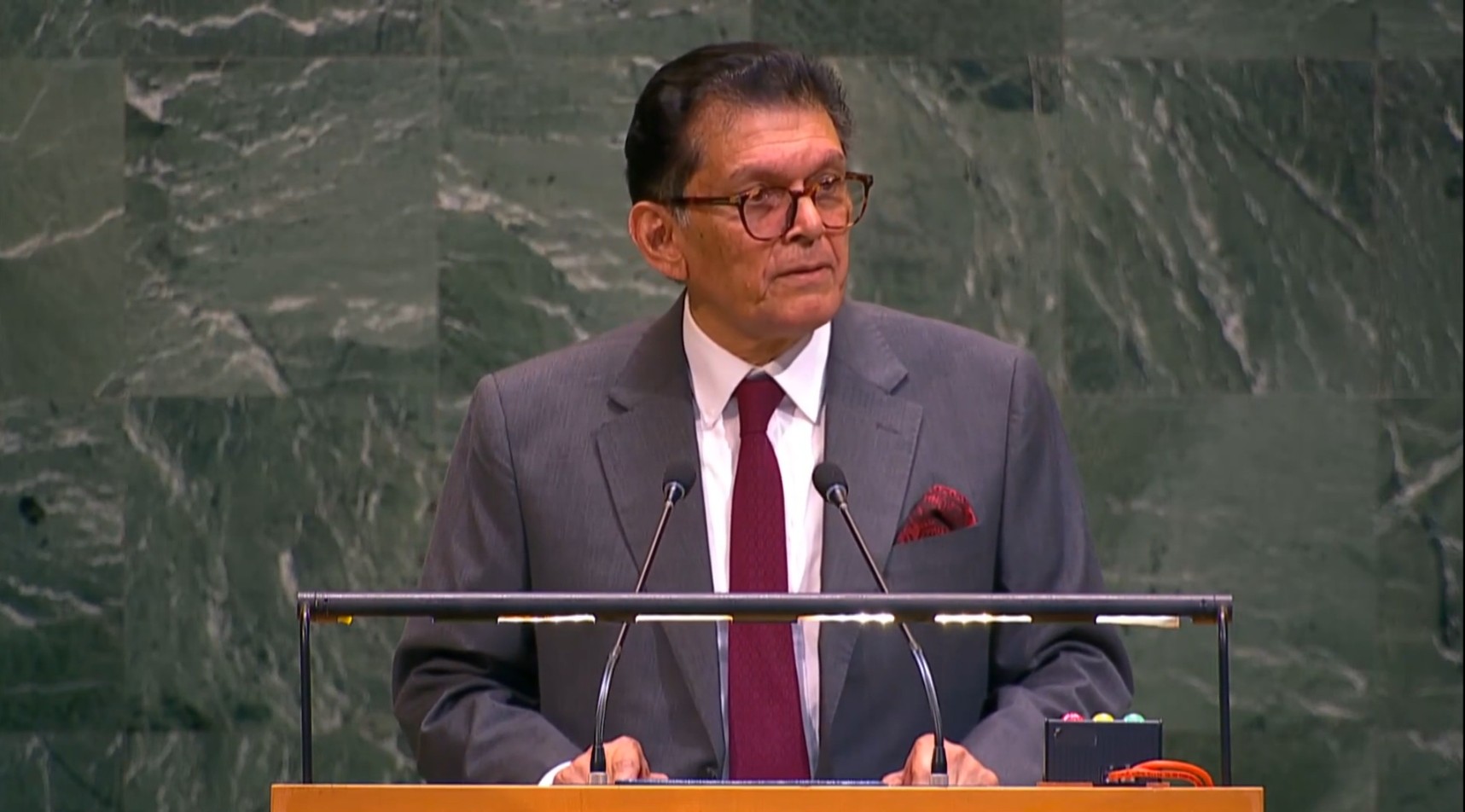
This morning’s debate today, and I now give the floor to the Deputy Secretary-General of the United Nations, Her Excellency Amina Mohammed. Thank you.

Thank you, Madam President, dear Annalena, Excellencies, ladies and gentlemen, and our colleagues from civil society.

My thanks to you, Madam President, for convening this really important meeting. It builds on the one earlier this morning, where we had interaction with our key stakeholders.

Nearly two years ago, in this building, Member States adopted the Pact for the Future. Today, I’d like to share where I think we stand on the commitments made, how far along the road the Pact has traveled, and what it would take to go the distance.

First, let’s consider the road conditions. Countries are navigating one of the most complex geopolitical landscapes in recent history. You’re facing debt pressures, conflict, climate impacts, and declining resources for sustainable development, with each new shock or crisis striking before you have recovered from the last.

In six years, we have faced a pandemic, a war in Europe, and now the crisis in the Strait of Hormuz that is choking energy, food, and fertilizer supplies. In that landscape, the SDGs remain our benchmark, and the Pact for the Future is our political compass. The UN80 Initiative is how we equip the United Nations to deliver better on both.

So, how are we doing? Let me share where the Pact’s commitments stand.

Starting with financing—the means of implementation—multilateral development banks are finding ways to lend more from the capital they already have. That amounts to at least $700 billion in additional lending capacity. The Borrowers Platform is up and running. ECOSOC is hosting a new dialogue on credit ratings. The reform of the IMF surcharges is well underway.

As for how we measure progress itself, the high-level expert group appointed by the Secretary-General delivered its proposal for going beyond GDP within a single year, capturing the economic, social, and environmental dimensions of development together. The intergovernmental process has begun to act on that.

On our institutions, the reviews of ECOSOC and the High-Level Political Forum are keeping these bodies fit for purpose. I thank the co-facilitators, the Permanent Representatives of Barbados and Malta, for their stewardship.

On country-level impact, under the leadership of Resident Coordinators, UN country teams are using the Pact as a practical framework to align national priorities with SDG acceleration efforts in several countries. Cooperation frameworks now reflect Pact commitments on financing, social protection, digital transformation, and institutional reform.

On future generations, country teams are supporting governments in embedding long-term thinking in policymaking, providing assistance with strategic foresight, and assessing national laws to better protect the interests of new and future generations.

On digital transformation, the UN has just concluded its very first Global Dialogue on Artificial Intelligence. Meanwhile, the Global Digital Compact is guiding national efforts to expand digital public infrastructure, close digital divides, and ensure that new technologies work for everyone.

Finally, the machinery for delivering the Pact for the Future in countries is in place and working. This is where the UN80 Initiative comes in. Its purpose is simple: a United Nations better able to support you in turning commitments into results on the ground—results that are visible, credible, and responsive to your national priorities, including those that you set out in your voluntary national reviews.

In practice, that means much stronger Resident Coordinator leadership. Country teams draw on the full policy, technical, and operational depth of the system, providing the expertise that countries need, surge capacity, better use of data, foresight and expertise, and fewer overlapping mandates, processes, and presences that place a burden on your governments.

All of this is about better implementation and better support for you and your national priorities.

Excellencies, governments cannot deliver this agenda alone. The good news is that they are increasingly choosing not to. Across regions, more countries are opening their voluntary national reviews to civil society, businesses, local authorities, academia, and young people, bringing their expertise and experience into the accounting.

The picture that emerges is fuller and much more honest. That is how national ownership takes root, how accountability deepens, and how the 2030 Agenda becomes a whole-of-society effort.

In closing, let me say this: the Pact will move at the speed at which you move it. Your leadership, your policies and investments, and your willingness to share what works will determine whether the commitments made here become the tangible progress that was promised to people two years ago.

So, in today’s roundtables, I would ask you not to hold back. Tell us what is working so others can use it. Tell us where you’re stuck so that we can help clear the way. Tell us what support you need—and be specific. The more specific you are, the better able we are to act.

I very much look forward to hearing your views on the road ahead to 2030 and beyond. I thank you.

I thank the Deputy Secretary-General for setting the scene so precisely—where we are with implementation, but also what we are working on within the UN system and through the UN80 reform.

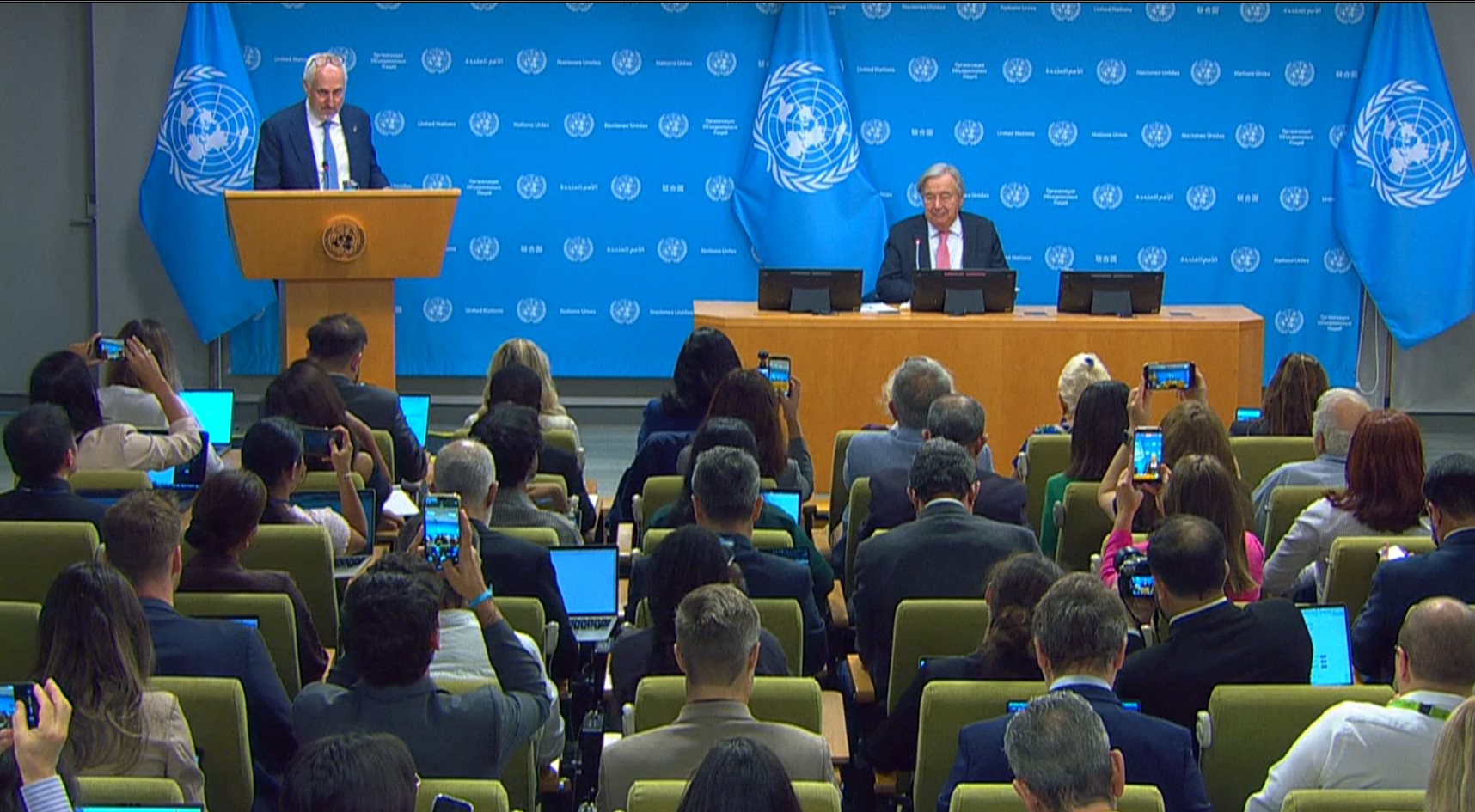
Press Conference for the 2026 United Nations Chiefs of Police Summit

2026年联合国警察首长峰会新闻发布会
المؤتمر الصحفي لقمة الأمم المتحدة لرؤساء الشرطة لعام 2026
Press Conference for the 2026 United Nations Chiefs of Police Summit
Conférence de presse du Sommet 2026 des chefs de police des Nations Unies
Пресс-конференция Саммита руководителей полиции Организации Объединённых Наций 2026 года
Conferencia de prensa de la Cumbre de Jefes de Policía de las Naciones Unidas de 2026
Press Conference for the 2026 United Nations Chiefs of Police Summit

Africa Day Ministerial Meeting Advances UN 2030 Agenda and AU Agenda 2063

Celebrity Media — An Africa Day High-Level Ministerial Meeting was held during the United Nations High-Level Political Forum, focusing on ways to accelerate the implementation of the United Nations 2030 Agenda for Sustainable Development and the African Union’s Agenda 2063.

Representatives of African governments, the African Union, United Nations agencies, the African Development Bank, youth organizations, and African diaspora groups attended the meeting. Participants reviewed Africa’s progress toward sustainable development, examined the major challenges facing the continent, and discussed priorities for the next phase of implementation.

The meeting noted that only a limited amount of time remains before the 2030 deadline. Africa continues to face overlapping challenges, including climate change, mounting debt, food insecurity, insufficient development financing, armed conflict, and geopolitical tensions. Participants stressed that Africa does not lack development strategies, policy documents, or assessment reports. The more serious weaknesses lie in the speed of implementation, institutional coordination, financing capacity, and accountability.

The representative of Tanzania shared the country’s experience in conducting several Voluntary National Reviews and gradually integrating the Sustainable Development Goals into national development plans, public investment programs, and annual budgets. The meeting emphasized that Voluntary National Reviews should not be treated merely as reports submitted to the United Nations. Instead, they should serve as practical government management tools for improving policies, coordinating institutions, and advancing implementation.

Broad participation by government ministries, local authorities, parliaments, academic institutions, civil society organizations, youth groups, and the private sector was also identified as essential to strengthening national ownership, public representation, and accountability.

The representative of Mozambique stated that the country had incorporated both the 2030 Agenda and Agenda 2063 into its long-term national development strategy and five-year government program. Mozambique had also used local-level voluntary reviews to translate national goals into action in districts and communities.

At the same time, Mozambique highlighted financing and debt burdens as central obstacles to the implementation of the two agendas. African countries may continue to face high borrowing costs and unfavorable risk assessments even after introducing reforms and improving governance. Participants therefore called for substantive changes to the international financial architecture so that African countries can obtain fairer access to development financing.

The representative of Somalia outlined progress in security, education, poverty reduction, water access, human rights, and gender equality. Somalia emphasized that its national objective should go beyond recovery from fragility and focus on building a more resilient, inclusive, and productive economy.

The representative of Cabo Verde addressed the particular challenges facing small island developing states. Climate risks, prolonged drought, limited freshwater resources, and dependence on imported energy are closely interconnected. Water and energy policies must therefore be developed and implemented together. Clean energy is not only a climate issue but also a key factor affecting drinking-water security, economic development, and social stability.

Youth and African diaspora representatives urged governments and institutions to move beyond symbolic youth participation. Young people should be directly involved in national budgeting, policymaking, project implementation, and decision-making processes.

The contribution of the African diaspora should also not be measured solely by remittances. The diaspora’s professional expertise, technical knowledge, international networks, investment relationships, and innovative capacity can provide long-term support for Africa’s development.

The meeting also called for greater recognition of African knowledge systems, languages, and cultures in global policy discussions. Sustainable development is not only about financing and development projects; it is also about intellectual authority and representation. African countries must strengthen the influence of their own knowledge systems in international decision-making and prevent African perspectives from being marginalized within global development frameworks.

Participants broadly agreed that future efforts must shift from repeatedly identifying problems to implementing concrete solutions. Recommendations emerging from international and regional meetings should be reflected in national budgets, public investment decisions, legislative oversight, local governance, and regional cooperation.

To achieve meaningful progress before 2030, Africa will require faster implementation, greater scale, stronger political commitment, and more effective regional and international partnerships.

The meeting concluded with closing remarks by Dr. Balgis Osman Elasha, Chief Regional Coordinator for Climate Change and Green Growth in North Africa at the African Development Bank.

Dr. Elasha emphasized that Africa needs structural transformation in climate resilience, integrated development planning, development financing, regional integration, and youth employment. Political commitments, she said, must be converted into measurable and sustainable development outcomes.

Speakers

  • Samir Abdelhafidh, Minister of Economy and Planning of Tunisia
  • Mohamud Abdirahman Sheik Farah, Minister of Planning, Investment and Economic Development of Somalia
  • Carlos Varela, Minister of Environment, Climate Action and Energy of Cabo Verde
  • Professor Kitila A. Mkumbo, Minister of State in the President’s Office for Planning and Investment of Tanzania
  • Carla Alexandra Oreste de Rosario Fernandes Loveira, Minister of Finance of Mozambique
  • Louise Pierrette Mvono, Minister of Planning and Prospective Affairs of Gabon
  • Lounes Magramane, Secretary-General of the Ministry of Foreign Affairs, National Community Abroad and African Affairs of Algeria
  • Professor Frédéric Nimubona, Deputy Director of Cabinet in the Office of the Prime Minister of Burundi
  • Eugenia Boateng, Founder of the African Diaspora Youth Hub
  • Ba Bocar, Vice-President of the Pan African Youth Union
  • Neema Lugangira, Secretary-General of Women Political Leaders

UN Secretary-General: The Technology Shaping Humanity’s Future Must Be Shaped by All Humanity Together.

联合国秘书长古特雷斯在中国上海召开的世界人工智能大会上的发言
كلمة الأمين العام للأمم المتحدة أمام المؤتمر العالمي للذكاء الاصطناعي في شنغهاي، الصين
Remarks by the United Nations Secretary-General at the World Artificial Intelligence Conference in Shanghai, China
Allocution du Secrétaire général des Nations Unies à la Conférence mondiale sur l’intelligence artificielle à Shanghai, en Chine
Выступление Генерального секретаря Организации Объединённых Наций на Всемирной конференции по искусственному интеллекту в Шанхае, Китай
Discurso del Secretario General de las Naciones Unidas en la Conferencia Mundial de Inteligencia Artificial celebrada en Shanghái, China
联合国秘书长在世界人工智能大会上的发言

UN Deputy Secretary-General Amina Mohammed and African Ministers Review SDG Progress at 2026 HLPF Africa Day

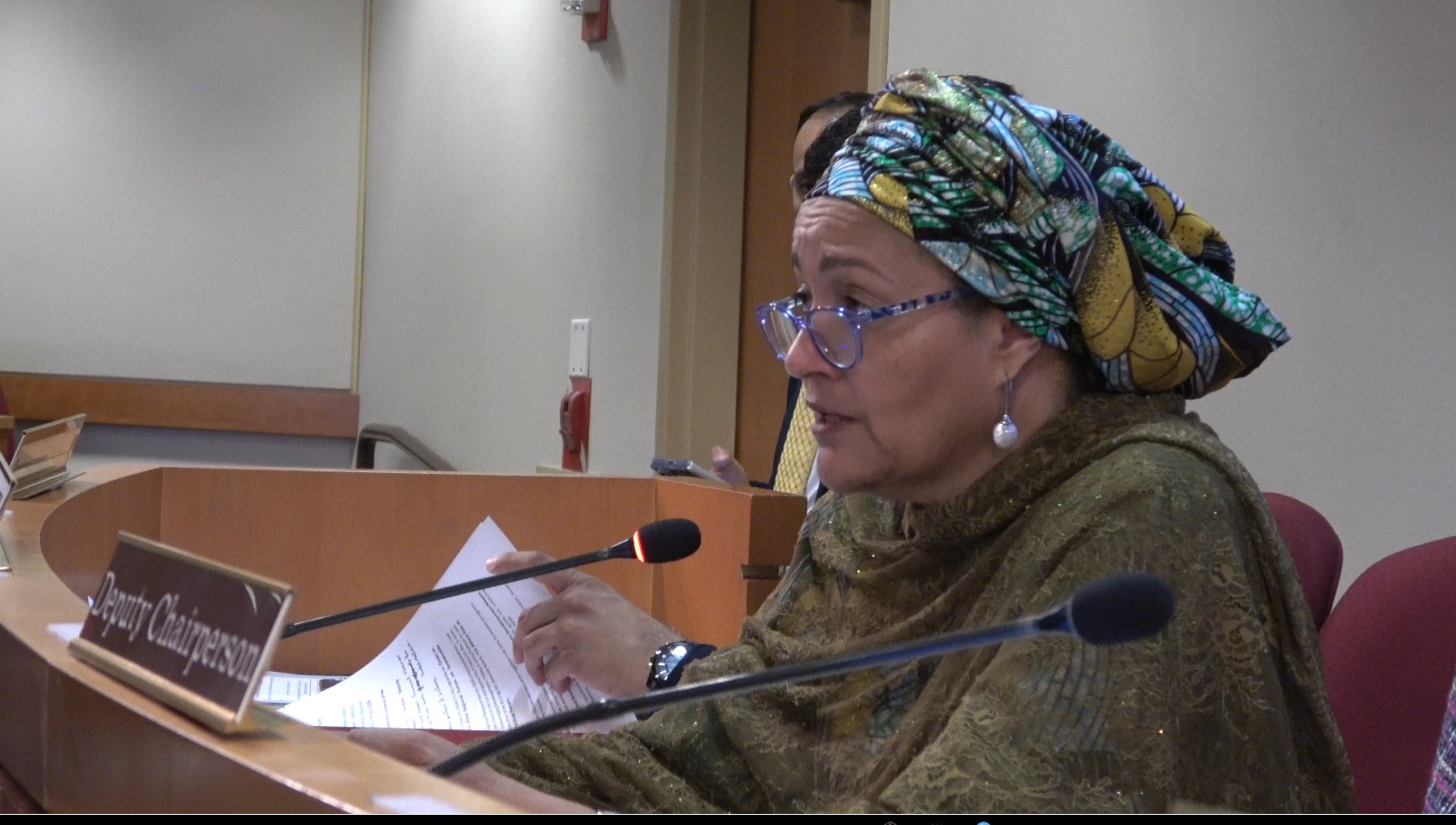
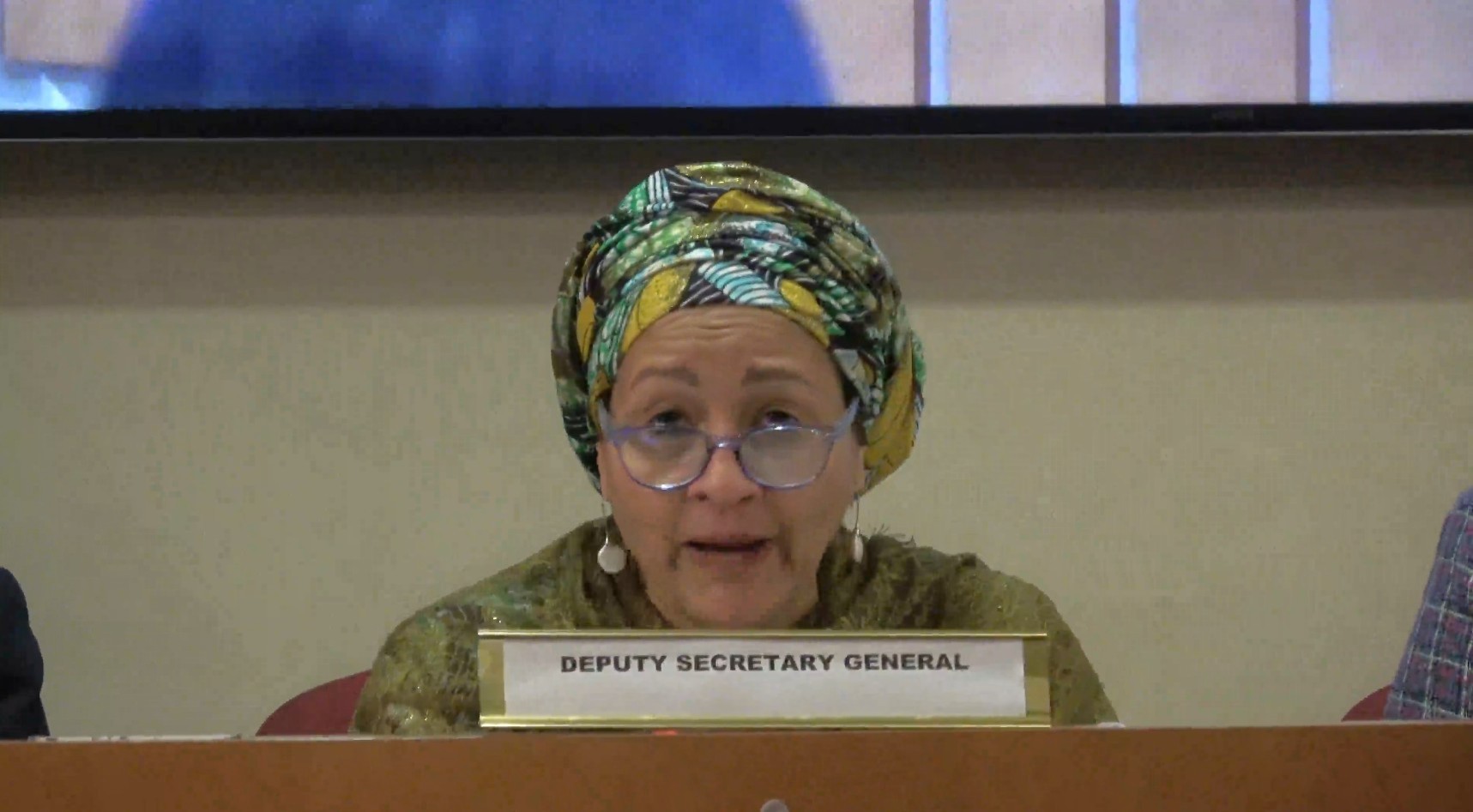
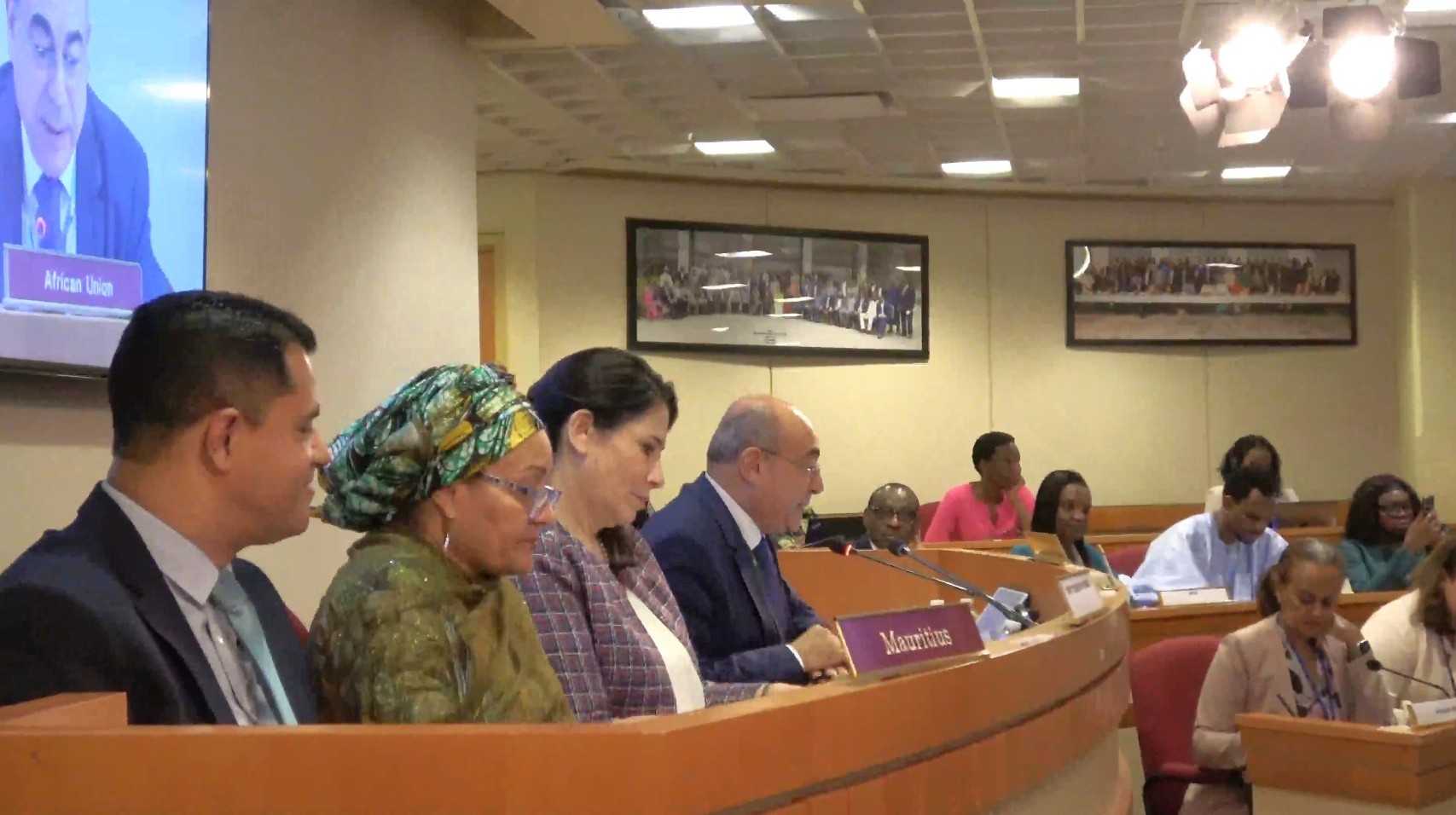
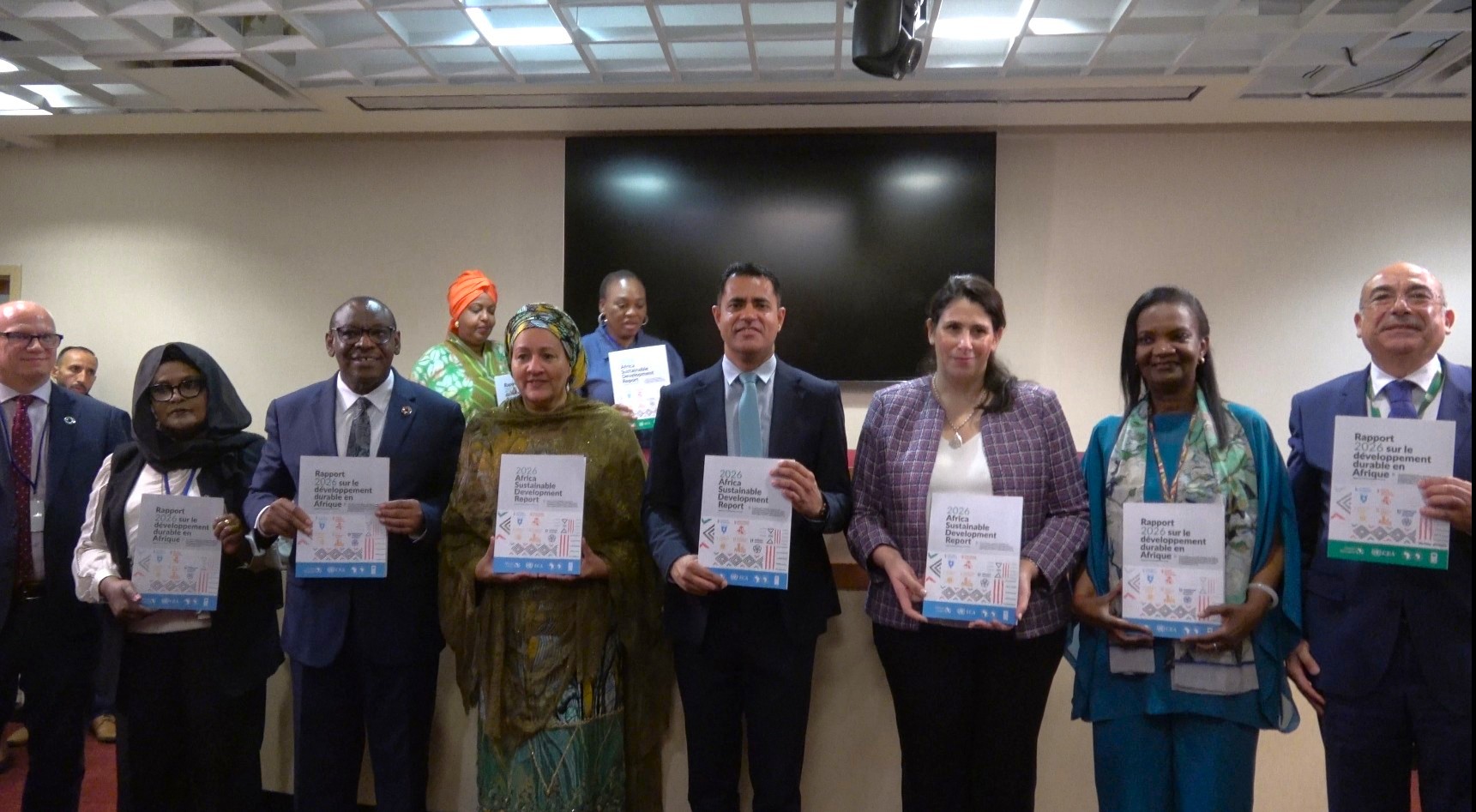
Celebrity Media, reporting on site from the Permanent Observer Mission of the African Union to the United Nations: The 2026 United Nations High-Level Political Forum on Sustainable Development special event, “Africa Day,” was held at United Nations Headquarters in New York. United Nations Deputy Secretary-General Amina Mohammed, senior officials of the African Union Commission, ministers and representatives from African countries, together with members of the United Nations system, international financial institutions, and development partners, reviewed Africa’s progress toward achieving the Sustainable Development Goals and discussed how transformative and coordinated action could accelerate implementation of the United Nations 2030 Agenda for Sustainable Development and the African Union’s Agenda 2063.

The event was jointly organized by the United Nations Office of the Special Adviser on Africa, the African Union Commission, the United Nations Economic Commission for Africa, the United Nations Development Programme, the African Development Bank, and other institutions, and was hosted by the Permanent Observer Mission of the African Union to the United Nations.

During the meeting, participants jointly launched the 2026 Africa Sustainable Development Report and presented the first biennial continental progress report on the Second Ten-Year Implementation Plan of the African Union’s Agenda 2063. The two reports assessed Africa’s current development achievements, existing gaps, and future priorities in areas including water and sanitation, energy, industry and infrastructure, sustainable cities, regional cooperation, and development partnerships.

In her remarks, United Nations Deputy Secretary-General Amina Mohammed stated that “Africa Day” serves as an important platform for the High-Level Political Forum to hear Africa’s own voice. This year, 19 African countries presented Voluntary National Reviews at the forum, representing different subregions and stages of development across the continent and demonstrating that African countries are examining their development processes with greater openness and accountability.

She said that Voluntary National Reviews are not only summaries of development achievements but also expressions of leadership and accountability. All 54 African countries have now submitted at least one Voluntary National Review, demonstrating that Africa does not shy away from evaluation but believes that only by accurately measuring development outcomes can problems be identified and policies improved.

Amina summarized three central messages concerning Africa’s current sustainable development.

First, Africa has made significant progress in expanding access to essential services, but the quality and equity of those services still need improvement. Relevant reports show that Africa has made progress on 12 of the 17 Sustainable Development Goals. Access to basic drinking water increased from 56% in 2013 to 81%; since 2015, access to electricity has risen from 46% to 53%; and mobile communications networks now cover nearly 93% of Africa’s population, opening new opportunities for education, entrepreneurship, digital services, and youth employment.

However, service coverage does not necessarily mean access to safe, reliable, and high-quality services. Only about 36% of Africa’s population has access to safely managed drinking water, compared with a global average of approximately 70%. Only around three in ten Africans have access to safely managed sanitation services, while approximately 650 million people still lack basic sanitation facilities.

At the same time, approximately 970 million Africans continue to cook with polluting fuels. The resulting household air pollution causes about 400,000 deaths each year, most of them among women and children. The urban-rural divide is also pronounced: more than 80% of Africa’s urban population has access to electricity, compared with only around 40% in rural areas, while nearly half of Africa’s urban population lives in informal settlements.

Second, Africa’s principal challenge is not a lack of development frameworks but insufficient implementation capacity, fiscal space, and institutional capability. The 2030 Agenda and the African Union’s Agenda 2063 have already established clear development visions, but fragmented implementation, limited financing, and inadequate institutional capacity continue to stand between policy planning and improvements in people’s daily lives.

Data show that African government revenue averages approximately 23% of gross domestic product, below the global average of around 32%, while tax revenue accounts for approximately 16% of gross domestic product. More than 20 African countries are currently in debt distress or face a high risk of debt distress. International borrowing costs have remained persistently higher than can reasonably be explained by their economic fundamentals, while official development assistance to Africa continues to decline.

Global economic uncertainty, geopolitical tensions, climate change, debt burdens, and shrinking fiscal space have further intensified Africa’s development pressures. Disruptions to trade routes resulting from tensions in the Middle East, as well as fluctuations in energy, food, and fertilizer prices, are also producing direct spillover effects on African economies.

Player loading...

Amina emphasized that addressing these problems requires action at both the domestic and international levels. African countries should broaden their tax bases, digitalize public revenue administration, curb illicit financial flows, and reduce remittance transaction costs. Africa receives more than $104 billion in remittances each year, making remittances one of the continent’s most stable sources of external financing.

The international community, meanwhile, must advance reform of the international financial architecture, expand access to concessional financing, implement debt-relief measures capable of genuinely restoring fiscal space, and fulfill climate-finance commitments. She noted that these measures are not optional forms of additional support but essential conditions for Africa to achieve the Sustainable Development Goals.

Third, Africa itself is the central force driving its development. Expanding intra-African trade through the African Continental Free Trade Area, developing cross-border energy and transportation infrastructure, strengthening regional value chains, and facilitating the movement of people, capital, technology, and goods across the continent will help build a more competitive and resilient Africa.

The African Union’s membership in the Group of Twenty has also given Africa a new platform to influence discussions on debt, trade, climate finance, and international financial rules. Amina stated that whether this seat can be converted into tangible development results will depend on African countries’ ability to formulate coordinated common priorities and consistently advance them in international forums.

She also emphasized that sustainable development cannot be separated from peace. One of the essential foundations for Africa to achieve its development goals is advancing the “Silencing the Guns in Africa” initiative and ensuring that peace can be sustained through good governance, strong democratic institutions, and inclusive political arrangements.

Amina stated that United Nations Resident Coordinators, country teams, and the wider United Nations system would continue supporting Africa’s development priorities with technical expertise and policy resources. She noted that although only a few years remain before the 2030 deadline, a decisive goal can still be scored in the closing stages, just as in a football match.

She called on Africa not merely to appear as a chapter in a global development narrative written by others, but to actively shape and tell its own development story and ensure that women and young people participate in defining Africa’s future priorities and major decisions.

A representative of the African Union Commission stated that the 2030 Agenda and Agenda 2063 are not two separate development paths but complementary and mutually reinforcing road maps. The former provides a global direction for development, while the latter reflects Africa’s own long-term vision for inclusive growth, structural transformation, and shared prosperity.

The first biennial continental progress report on the Second Ten-Year Implementation Plan of the African Union’s Agenda 2063 shows that, during the 2024–2025 period, the overall level of achievement across Africa’s seven development aspirations was approximately 53%. African countries made progress in integrating Agenda 2063 into national development plans, advancing digital transformation, and strengthening institutions. However, greater efforts are still required in structural economic transformation, productive employment, infrastructure connectivity, and sustainable financing.

The report noted that the gap between policy commitments and actual results remains one of Africa’s primary challenges. Africa must strengthen domestic resource mobilization, expand climate and development financing, accelerate digital transformation, invest in sustainable infrastructure, reinforce national data capacity, and protect existing development gains from the effects of conflict and climate change.

The meeting also emphasized the need to accelerate implementation of African Union flagship initiatives, including the African Continental Free Trade Area, the Programme for Infrastructure Development in Africa, the Single African Air Transport Market, the Integrated High-Speed Railway Network, the Digital Transformation Strategy for Africa, and the African Medicines Agency. These initiatives are not merely individual infrastructure or institutional projects but important catalysts for Africa’s economic transformation, regional integration, and shared prosperity.

A ministerial representative serving as Chair of the Twelfth Session of the Africa Regional Forum on Sustainable Development noted that Africa is the only region in the world simultaneously implementing two complementary sustainable development agendas. Africa comprises 54 countries and more than 1.5 billion people, representing approximately 19% of the world’s population. Although African countries differ in geographical conditions, income levels, cultural traditions, and development foundations, they share the vision of “one continent, one people, one future.”

He stated that traditional development models are no longer capable of addressing current challenges. Africa must move from commitment to implementation, from declarations to delivery, and from fragmented interventions to coordinated and transformative action.

Regarding future development, participants identified five priority areas: accelerating the implementation of transformative policies; expanding sustainable development financing; strengthening water resources, energy, infrastructure, innovation, and sustainable urban development; fully utilizing science, technology, innovation, and data; and establishing stronger partnerships among governments, international organizations, financial institutions, the private sector, and civil society.

The ministerial representative stated that Africa has the world’s youngest population, abundant natural resources, and growing innovation capacity, entrepreneurial spirit, and human capital. Africa does not lack vision or road maps. What it most urgently needs is faster implementation, stronger partnerships, and financing support commensurate with its development ambitions.

He called on African governments, the United Nations system, international financial institutions, development partners, the private sector, and civil society to renew their commitments and strengthen cooperation during this decisive phase leading to 2030.

“If we act with urgency, unity, and unwavering determination, the 2030 Agenda and Agenda 2063 will not remain visions on paper. They will become realities that can be experienced by the 1.5 billion African people we serve and will make an important contribution to building a more prosperous, resilient, and sustainable world.”

This year’s “Africa Day” event conveyed a clear message: in the face of global economic uncertainty, debt pressures, climate risks, and geopolitical conflict, Africa is not retreating but adapting, innovating, and continuing to move forward. As the 2030 deadline draws closer, the focus of Africa’s development has shifted from formulating visions to implementing action and from policy commitments to measurable, concrete results that benefit its people.