Commemoration Event of the International Day of Reflection at United Nations Headquarters by the Permanent Mission of Rwanda to the United Nations
- Details
- Category: English Media
- Published: Tuesday, 07 April 2026 19:54
- Written by Eager
Six UN Languages News.
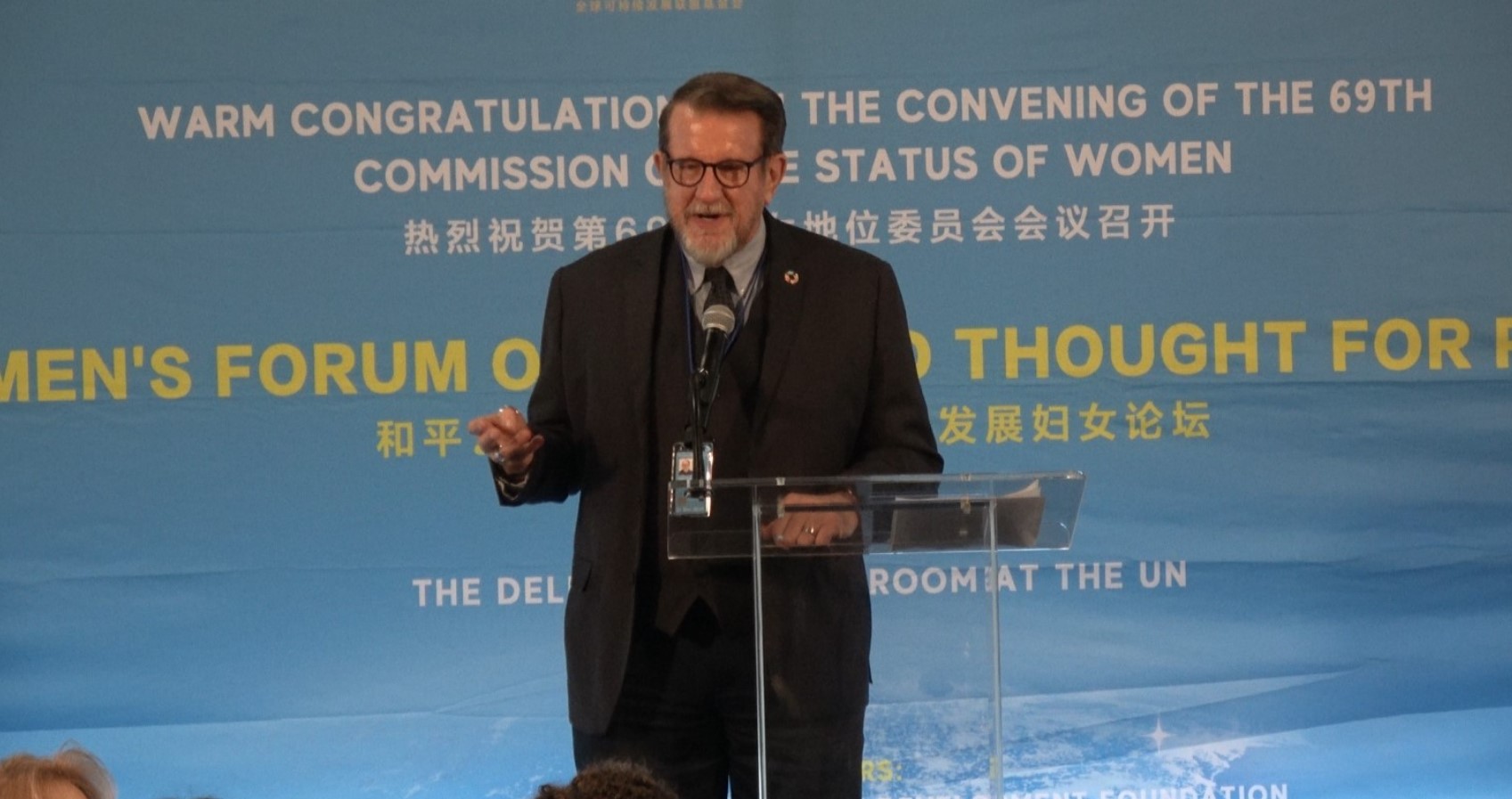


As the 2026 United Nations Secretary-General election enters a critical stage, global discussions around “whether the first female Secretary-General will emerge” are gradually shifting from a symbolic issue to a governance topic with real policy implications. At this historic juncture, the Celebrity Media Alliance, drawing on its long-standing experience in covering United Nations affairs, has launched the online platform “Empowering Women in the UN Secretary-General Agenda.” This platform centers on issue-building while using language as a bridge—systematically publishing and disseminating content in the six official UN languages (Chinese, العربية, English, Français, Русский, Español). It aims to achieve equivalent information reach and cognitive alignment on a global scale, enabling public discourse across diverse cultural backgrounds to become genuinely comparable and participatory.
As global governance enters a period of structural adjustment, what holds long-term value is not merely the outcome of a single appointment, but the cognitive frameworks and institutional reflections formed around it. Based on this understanding, the platform, beyond its mission of “empowering women,” is also positioned as a multilingual international information hub. Through the synchronized republishing and dissemination of governance practices, experiences, and perspectives from UN leadership, international organizations, and global leaders in six official languages, it enables different linguistic communities to develop cross-referential understanding within a shared issue framework, rather than remaining in fragmented cognitive systems.
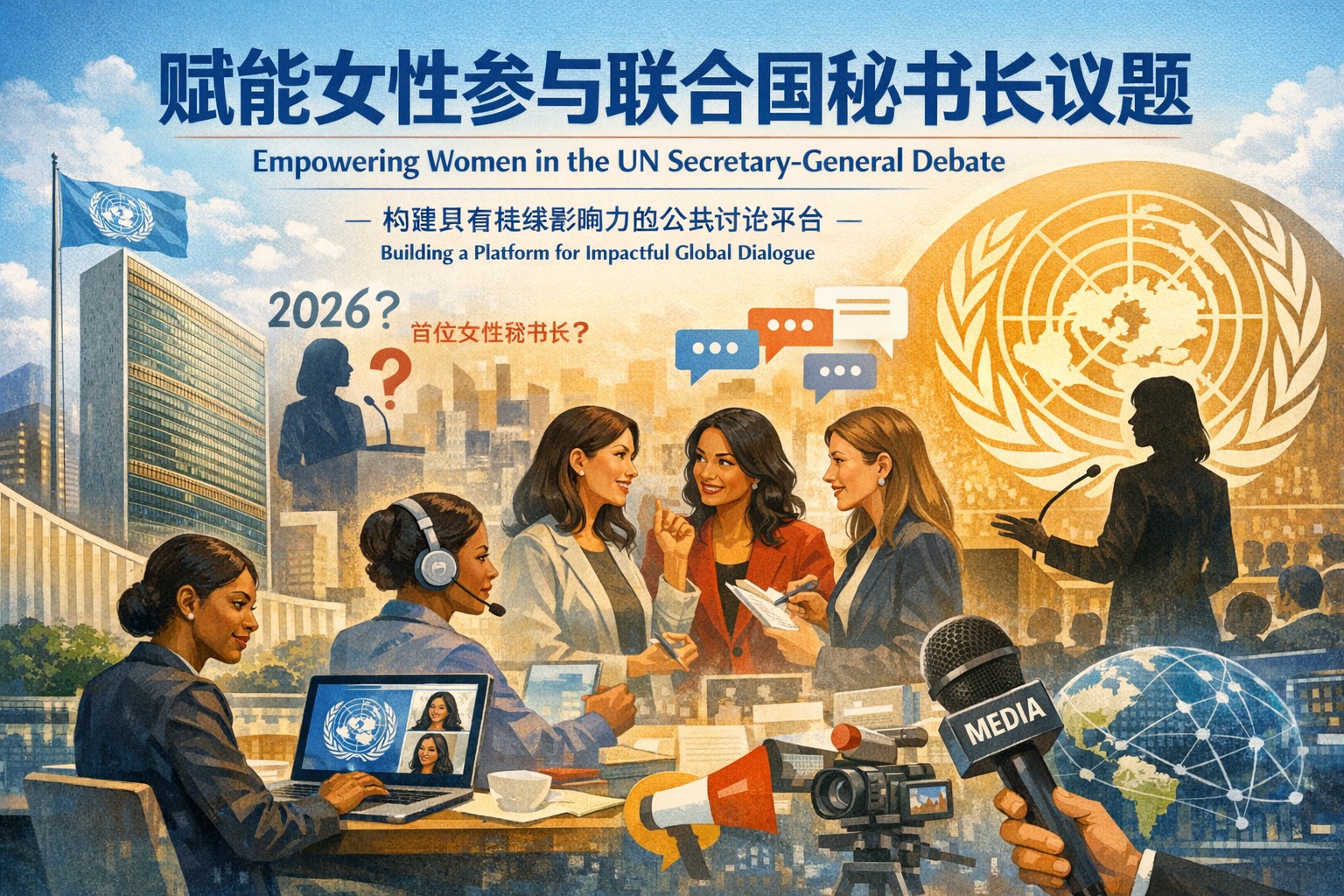
The mission of this platform can essentially be understood as a participation in and reshaping of the “discursive structure of global governance,” with its multilingual mechanism serving as one of its structural pillars.
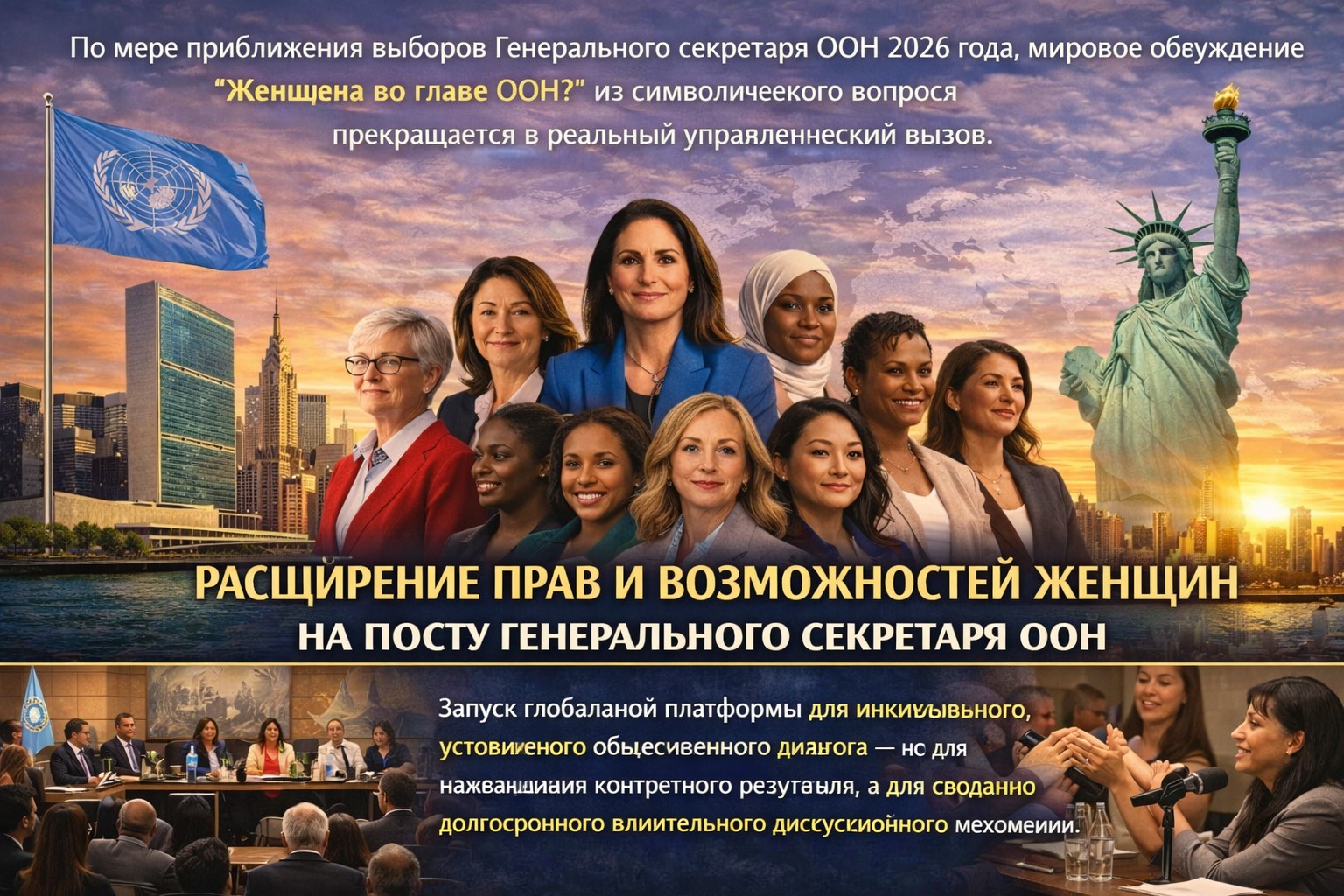
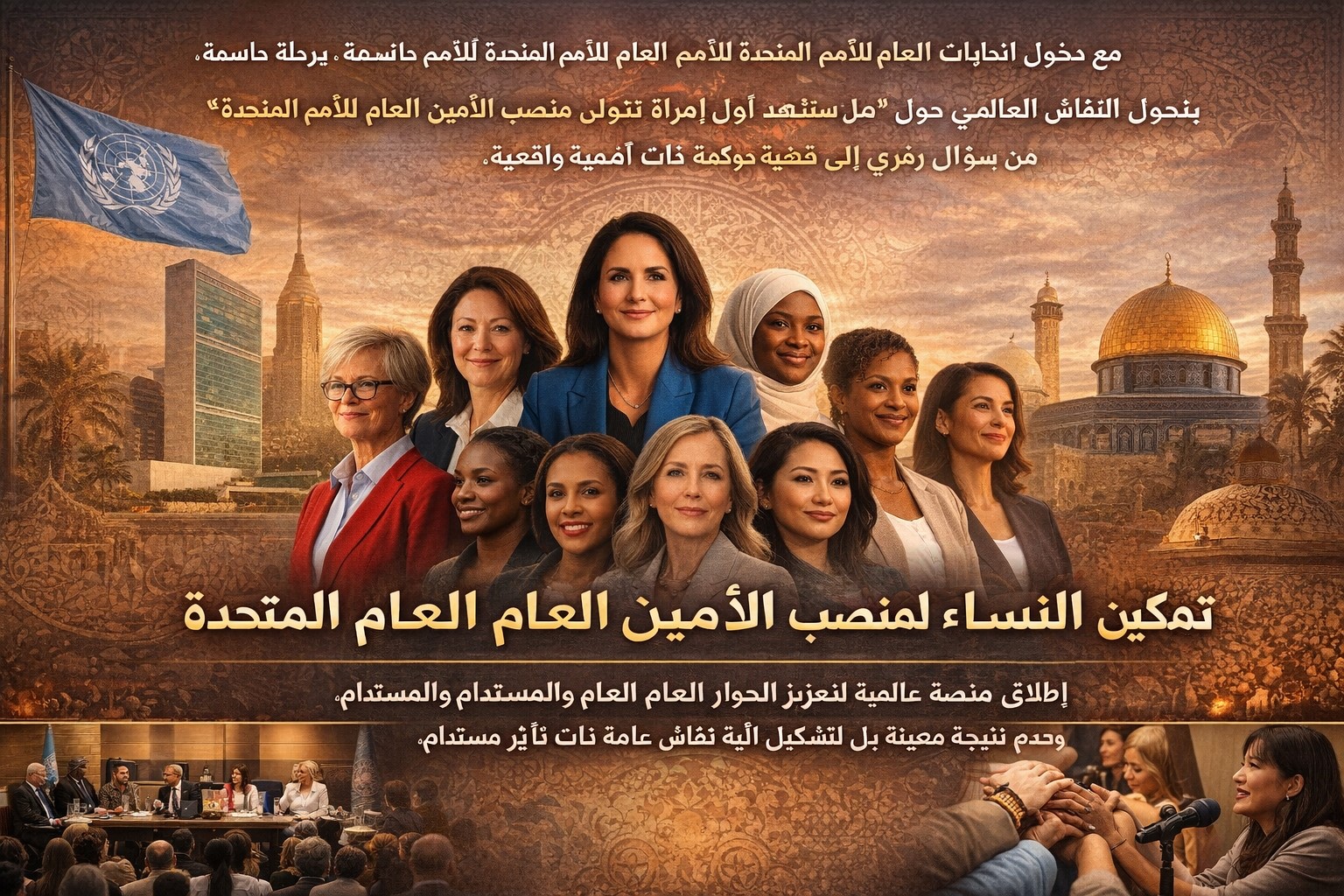
First, the platform is committed to building a rational dialogue space that transcends sectors, regions, and languages. In traditional UN Secretary-General selection processes, discussions have largely been confined within diplomatic systems, with limited public participation. Through its synchronized multilingual publishing mechanism, the platform effectively breaks down language barriers, enabling academia, the diplomatic community, and civil society to engage in dialogue within a unified issue framework. This “openness at the linguistic level,” combined with institutional openness, forms a practical extension of multilateralism.
Second, the platform assumes the function of “issue clarification.” In the global public discourse, discussions on female leadership are often distorted due to linguistic differences and varying cultural contexts, sometimes reduced to emotional or symbolic expressions. Through the comparative presentation and structured organization of multilingual content, the platform detaches “gender” from a single-label framework and repositions it within core evaluation dimensions such as capability, experience, and international trust, thereby promoting a more constructive discussion framework across different language systems.
Third, a key mission of the platform lies in “experience translation.” Leveraging Celebrity Media’s long-term observational accumulation of UN multilateral activities since the tenure of Ban Ki-moon, the platform is able to re-encode and disseminate real frontline diplomatic experiences through the six official languages. This transforms “expert knowledge within professional contexts” into “public understanding accessible and participatory for a global audience.” This cross-linguistic knowledge translation mechanism is a critical pathway for bridging the cognitive gap between international organizations and the global public.
In addition, the platform contributes to advancing a “renewal of leadership paradigms.” Amid the multiple challenges facing global governance today, traditional leadership models centered on power and decision-making are gradually transitioning toward more inclusive, consultative, and integrative approaches. By presenting, in multiple languages, the practical performance of female diplomats in cross-regional negotiation, social issue integration, and cultural communication, the platform enables audiences across different cultural contexts to jointly participate in redefining the meaning of leadership, thereby promoting the international reconstruction of evaluation standards.
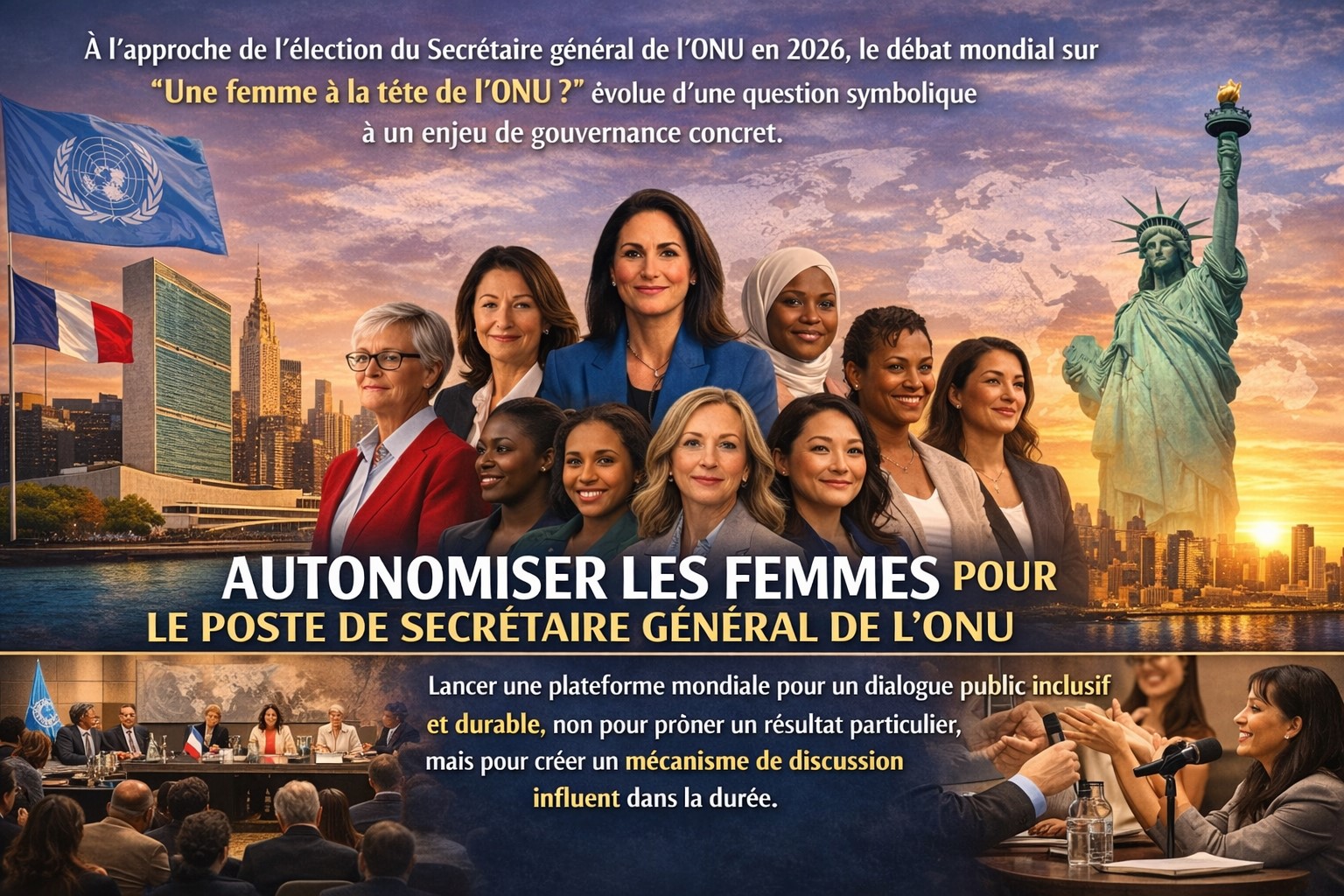
It should be made clear that the platform does not attempt to oversimplify the highly complex political process of selecting the UN Secretary-General. The principle of regional rotation, the structure of the Security Council, and major power dynamics remain decisive variables. Within this realistic framework, the platform’s role is not to promote a specific outcome, but to enhance the quality of global discourse through multilingual information symmetry and optimized issue structuring, enabling gender considerations to be understood and evaluated within a more mature and rational context.
From a broader perspective, the significance of this platform extends beyond a single election cycle. It responds to a more fundamental and long-term question: within an international system that has incorporated gender equality into the “2030 Agenda for Sustainable Development,” should the highest level of global governance also progressively reflect this consensus? The institutionalized use of six official languages ensures that this discussion is no longer confined to specific linguistic groups, but becomes a truly global issue.
Therefore, the mission of the “Empowering Women Secretary-General Network Platform” lies not only in empowerment itself, but also in cultivating a cross-cultural and cross-linguistic foundation of consensus for the issue of women’s international leadership through a multilingual communication mechanism. The platform does not seek to replace existing decision-making mechanisms, but rather to enhance the structural quality and cognitive depth of public discourse.
In this sense, the platform serves both as an observer and a participant; both as a disseminator of information and a builder of cognitive frameworks. Using language as a bridge and rationality as a pathway, it provides a continuously evolving space within the global multilateral system for the maturing issue of women’s leadership.
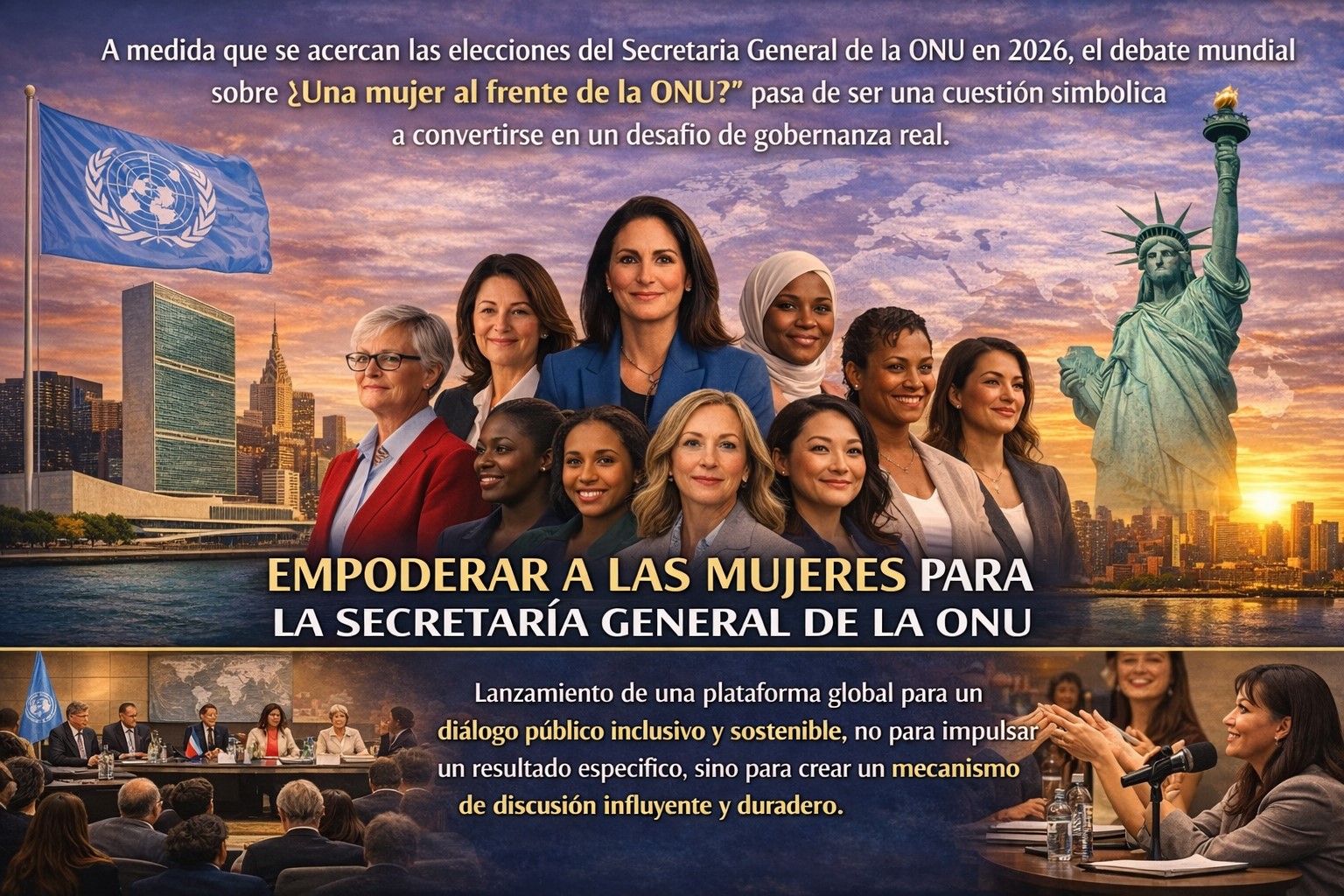


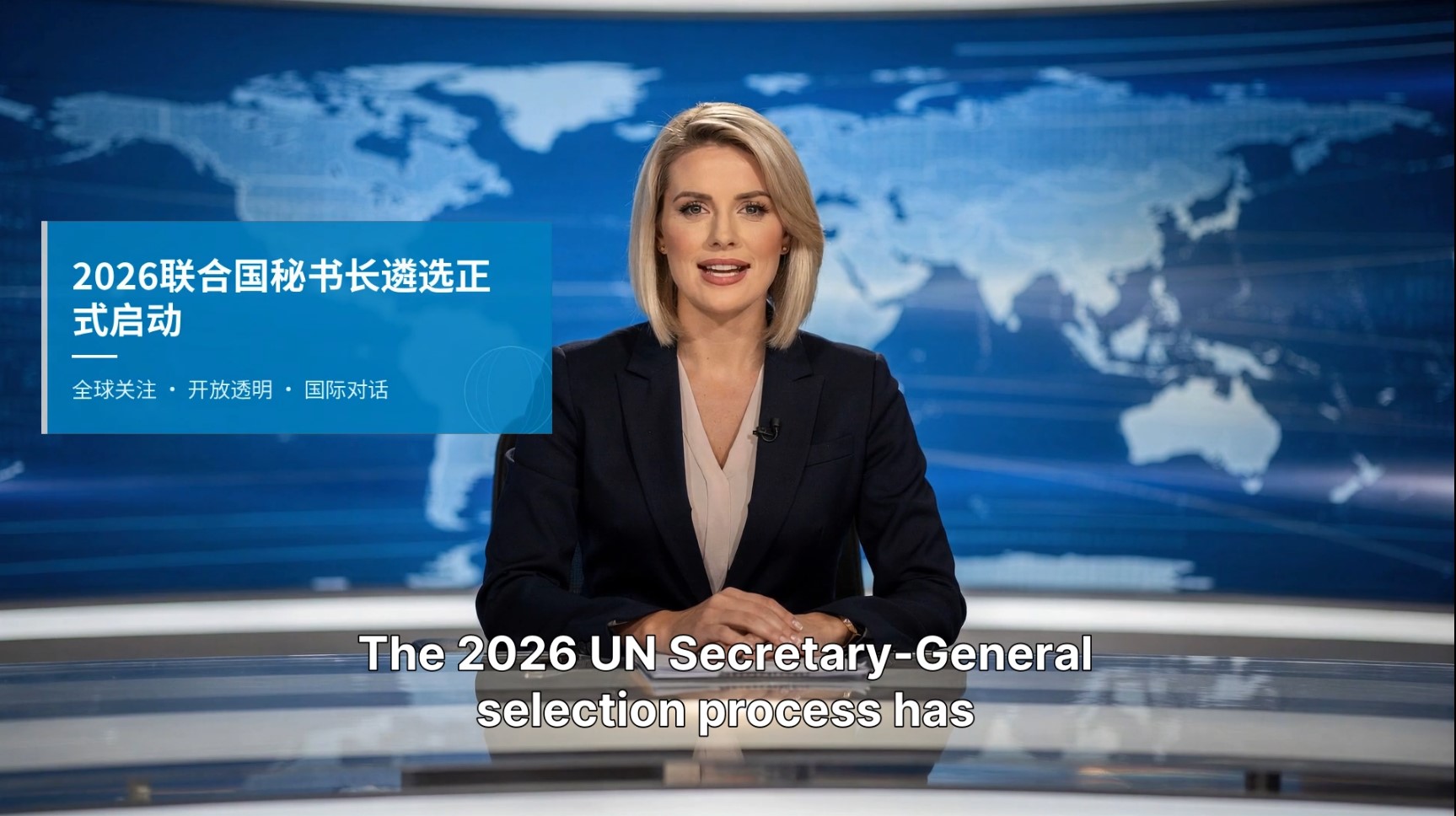
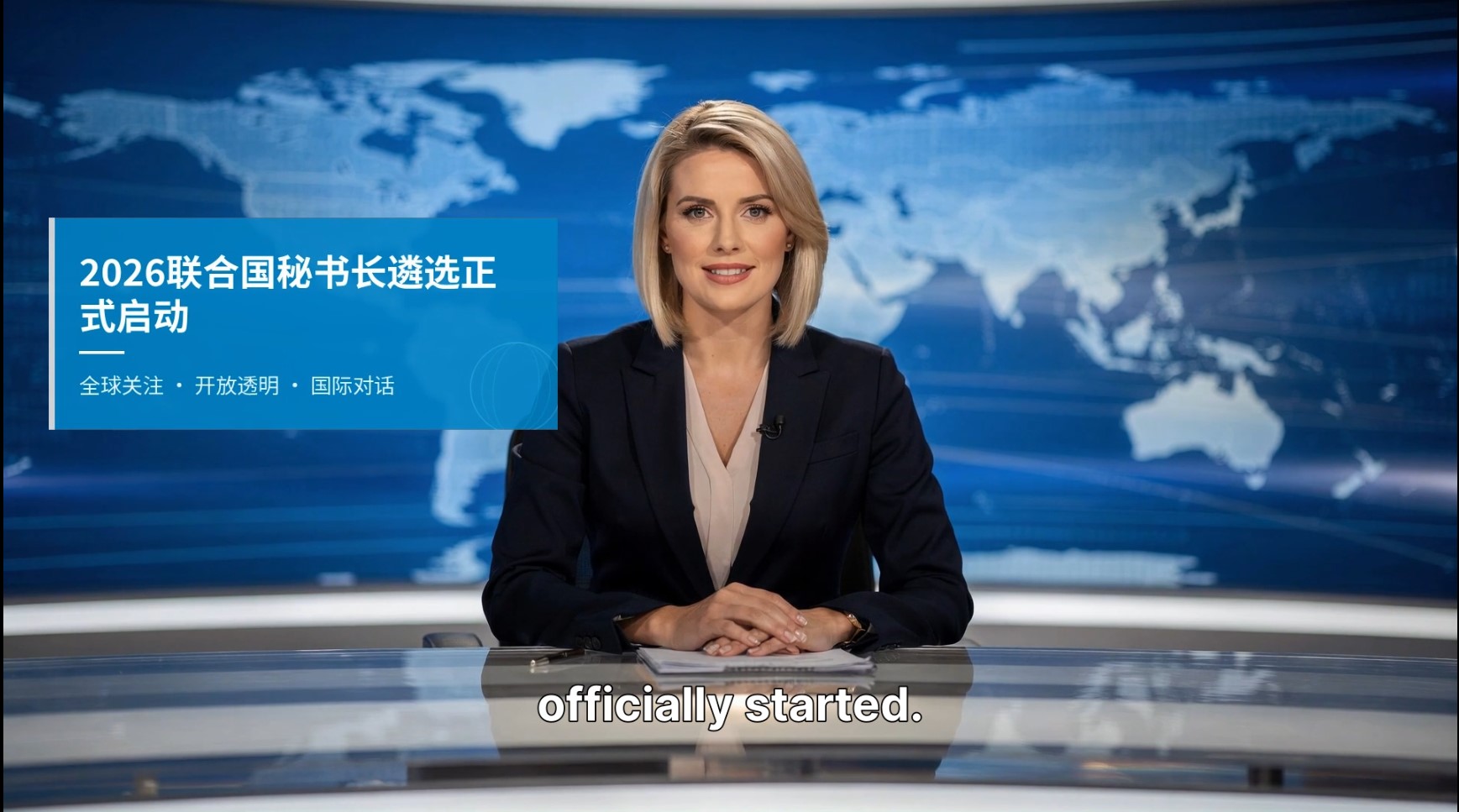
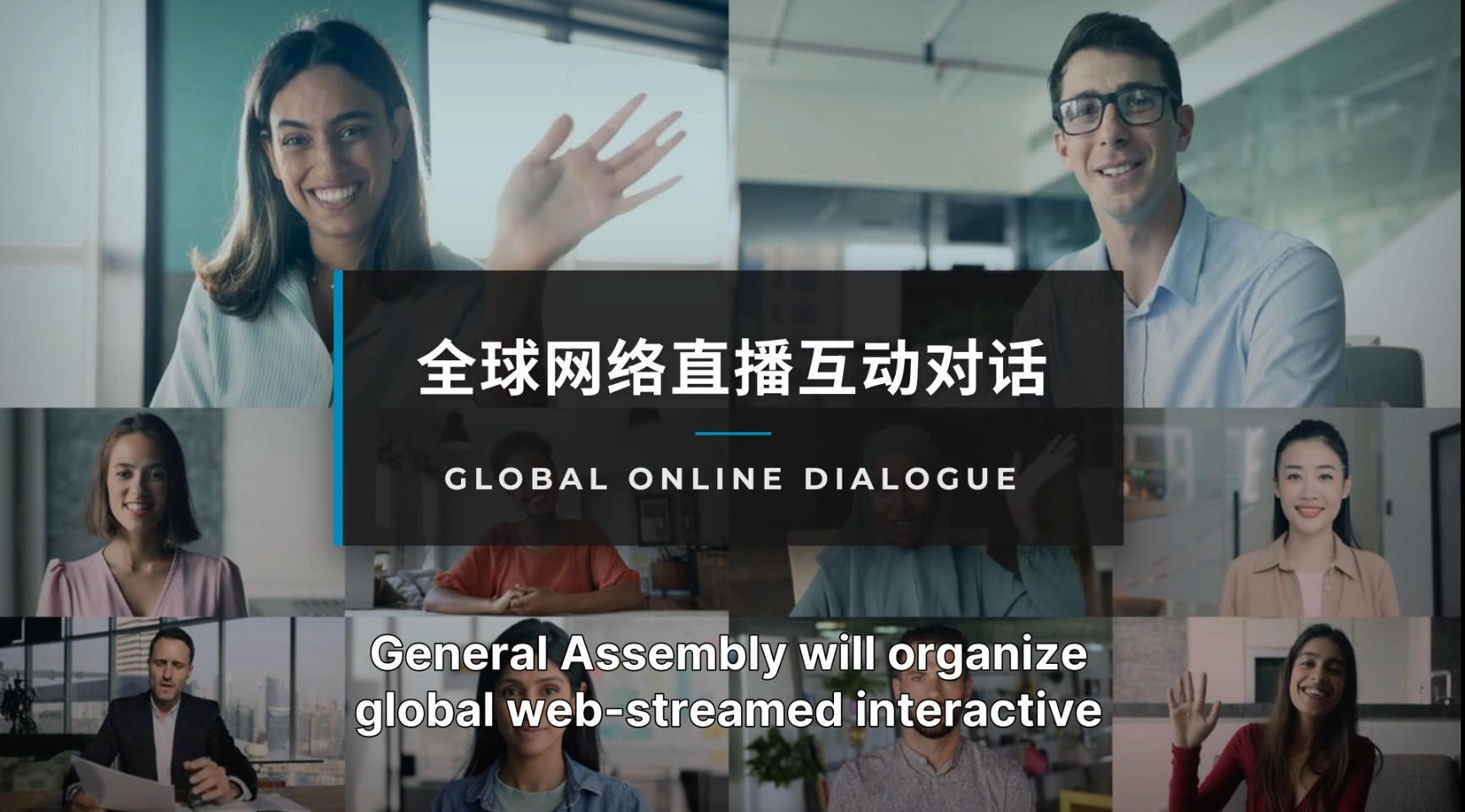
The appointment follows UN General Assembly procedures with transparency and inclusiveness.
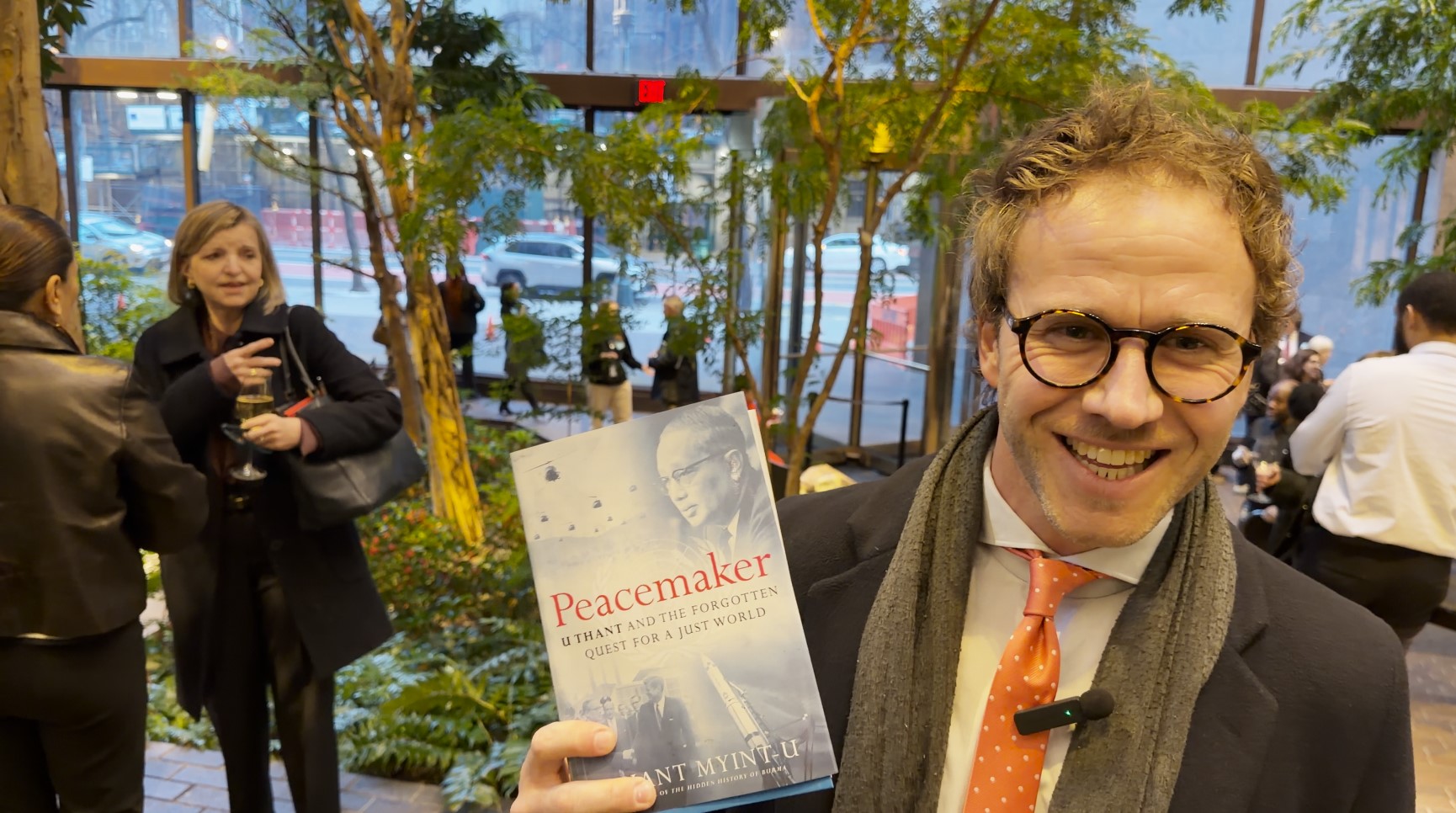
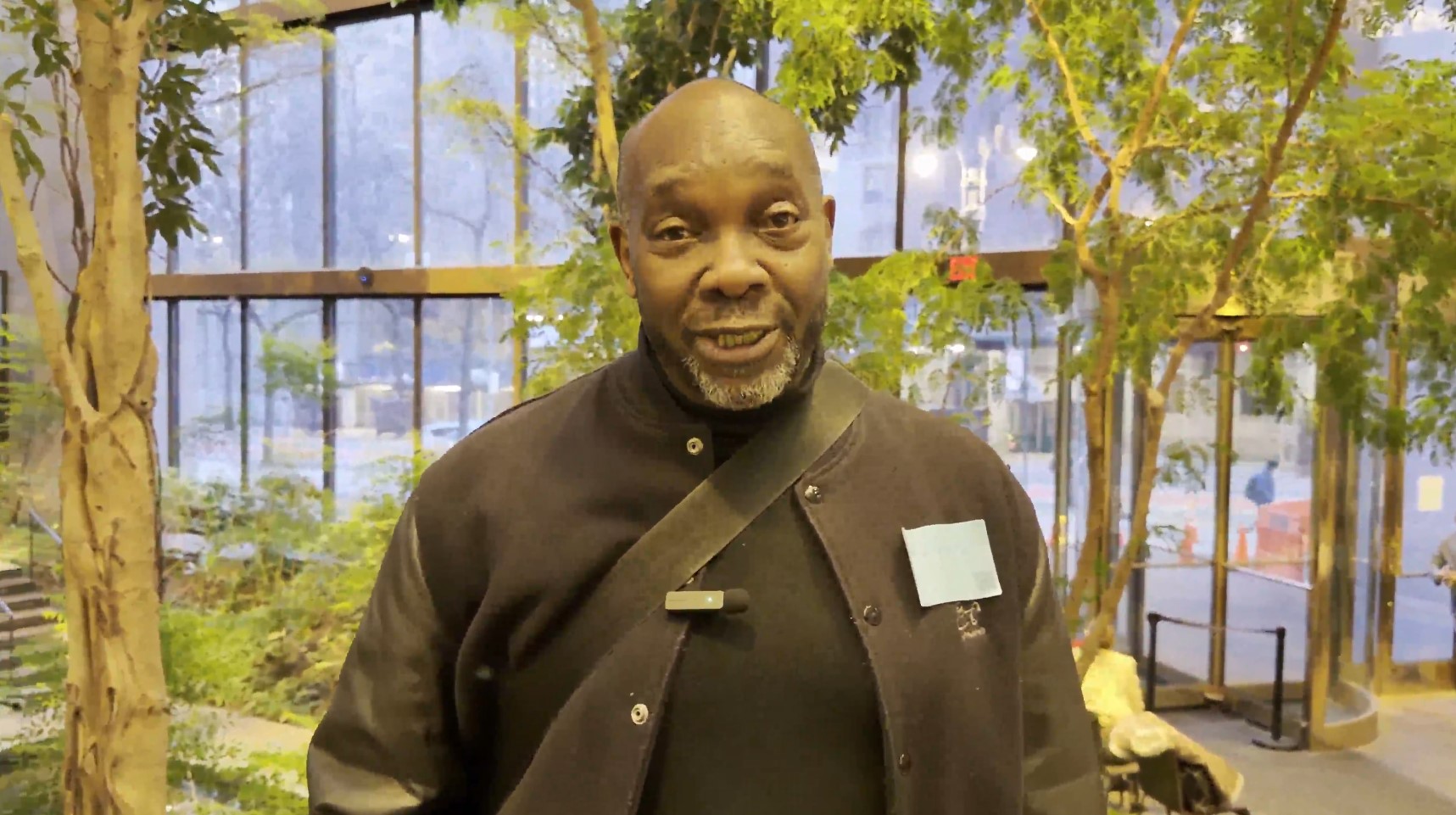
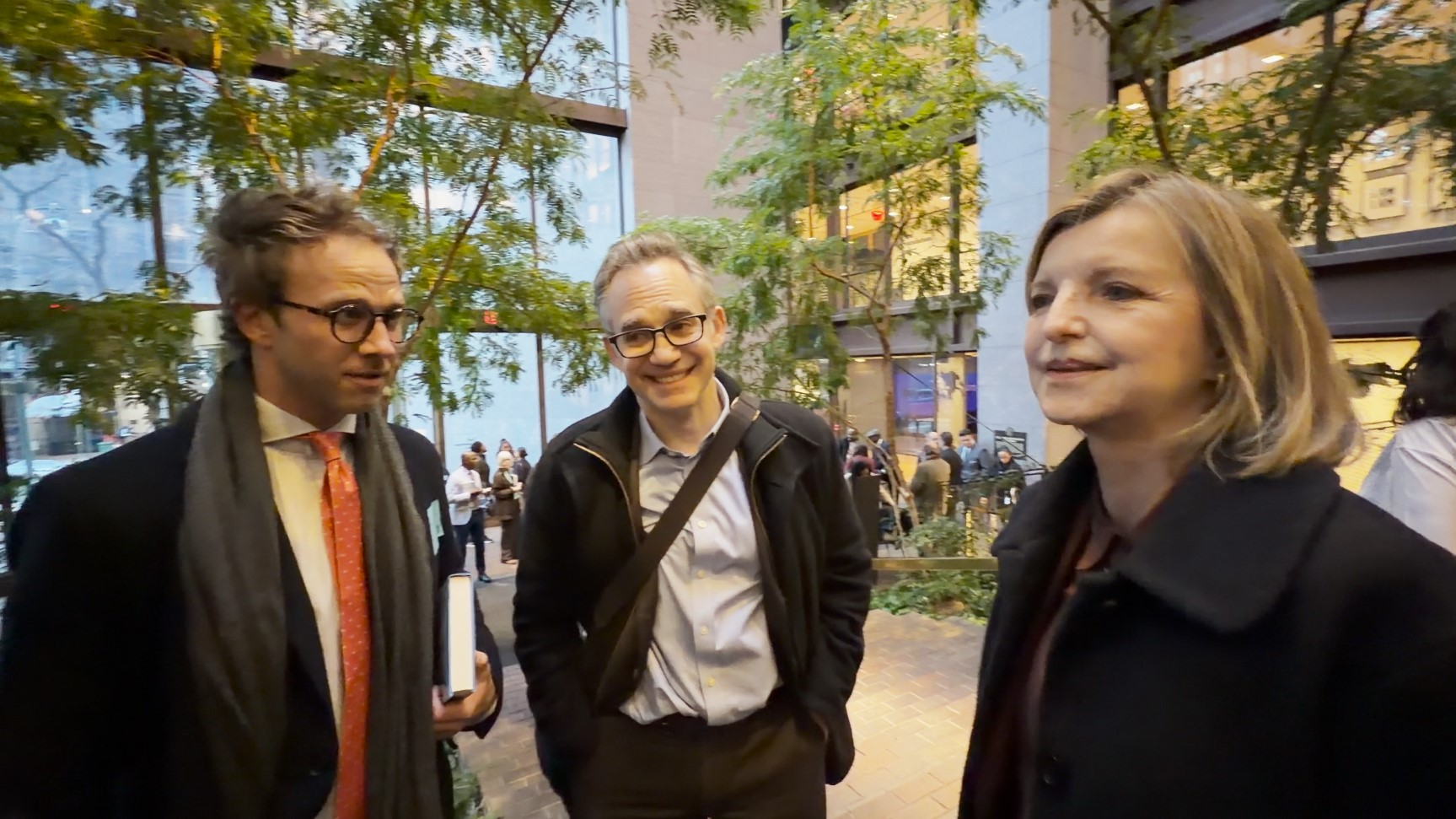
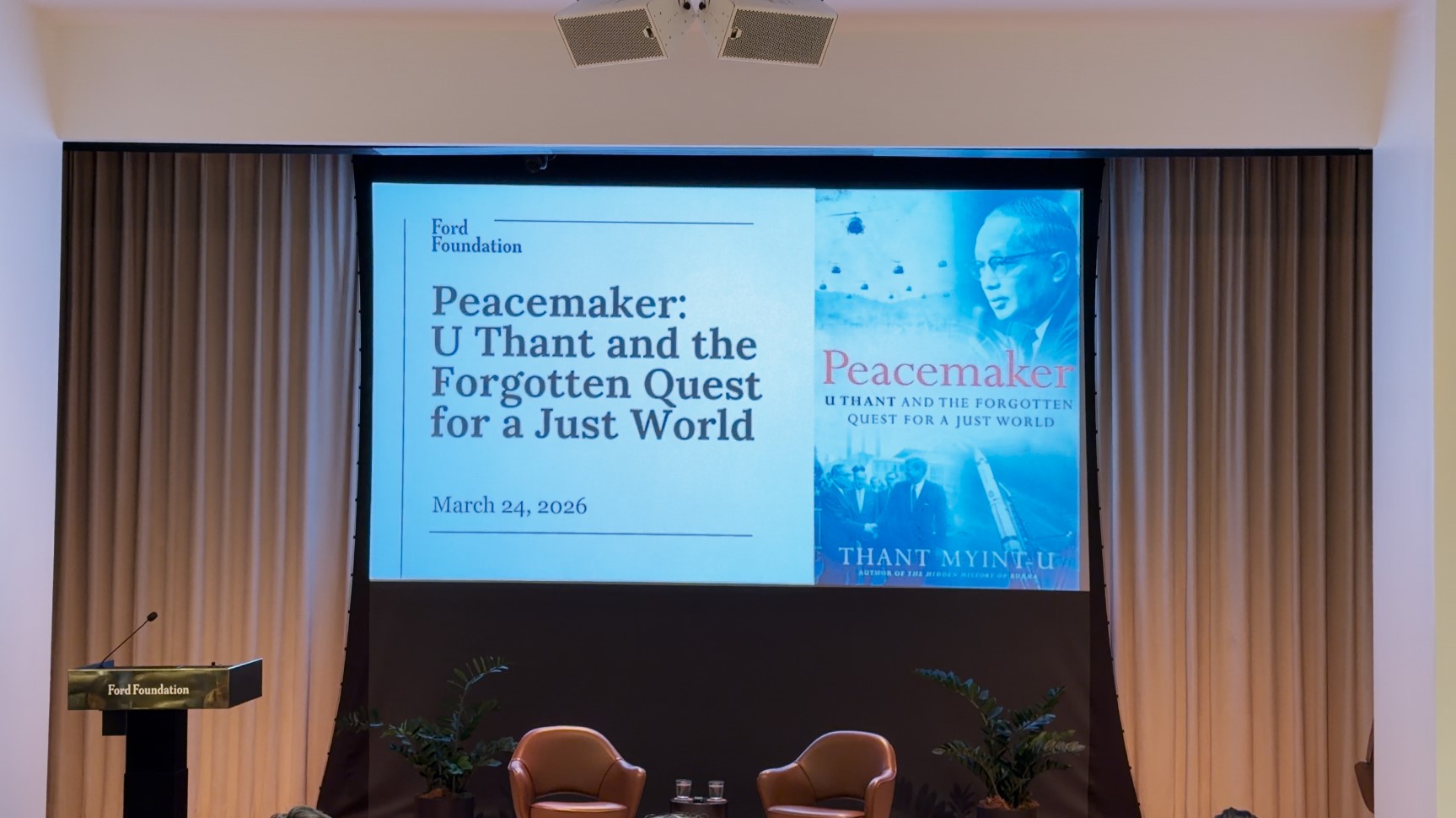
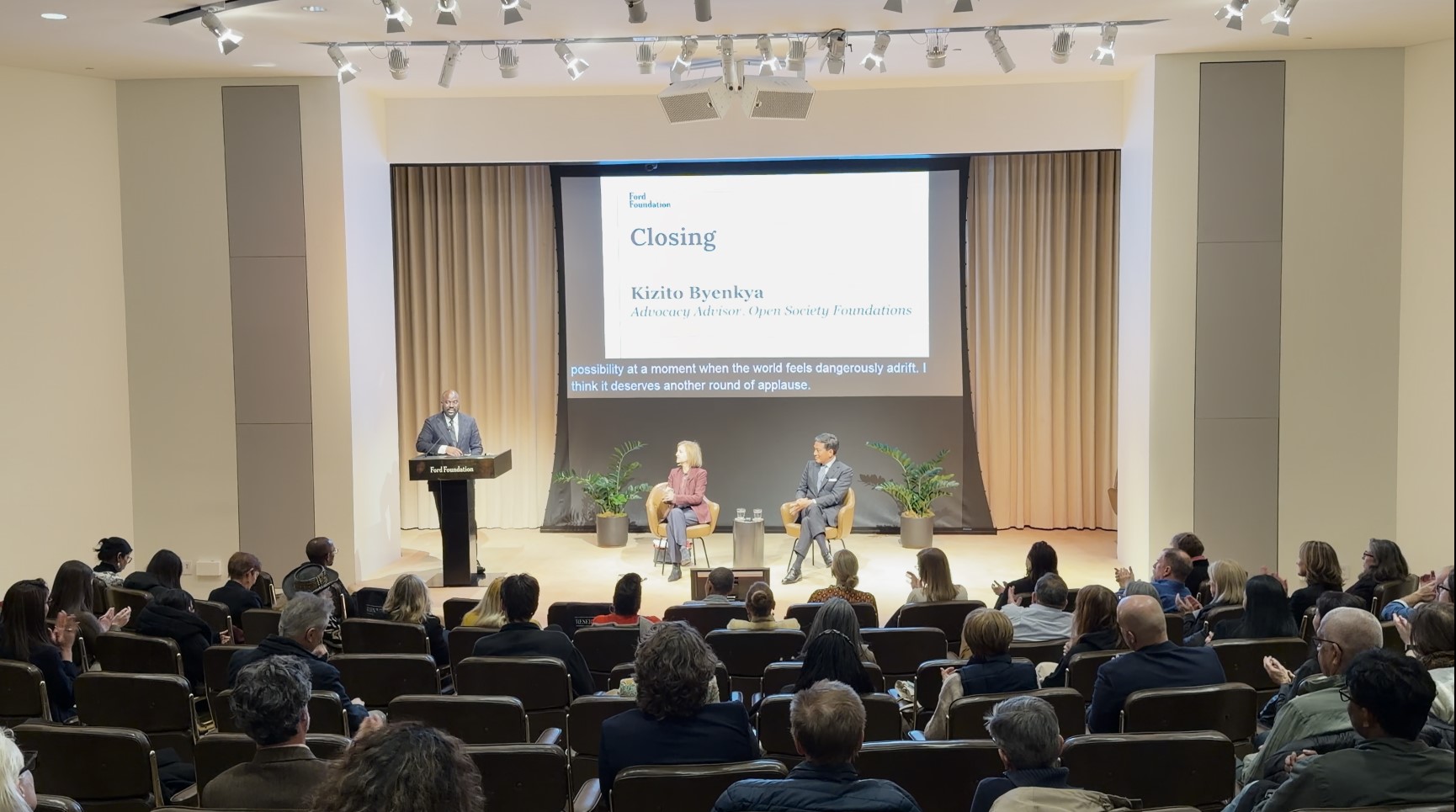
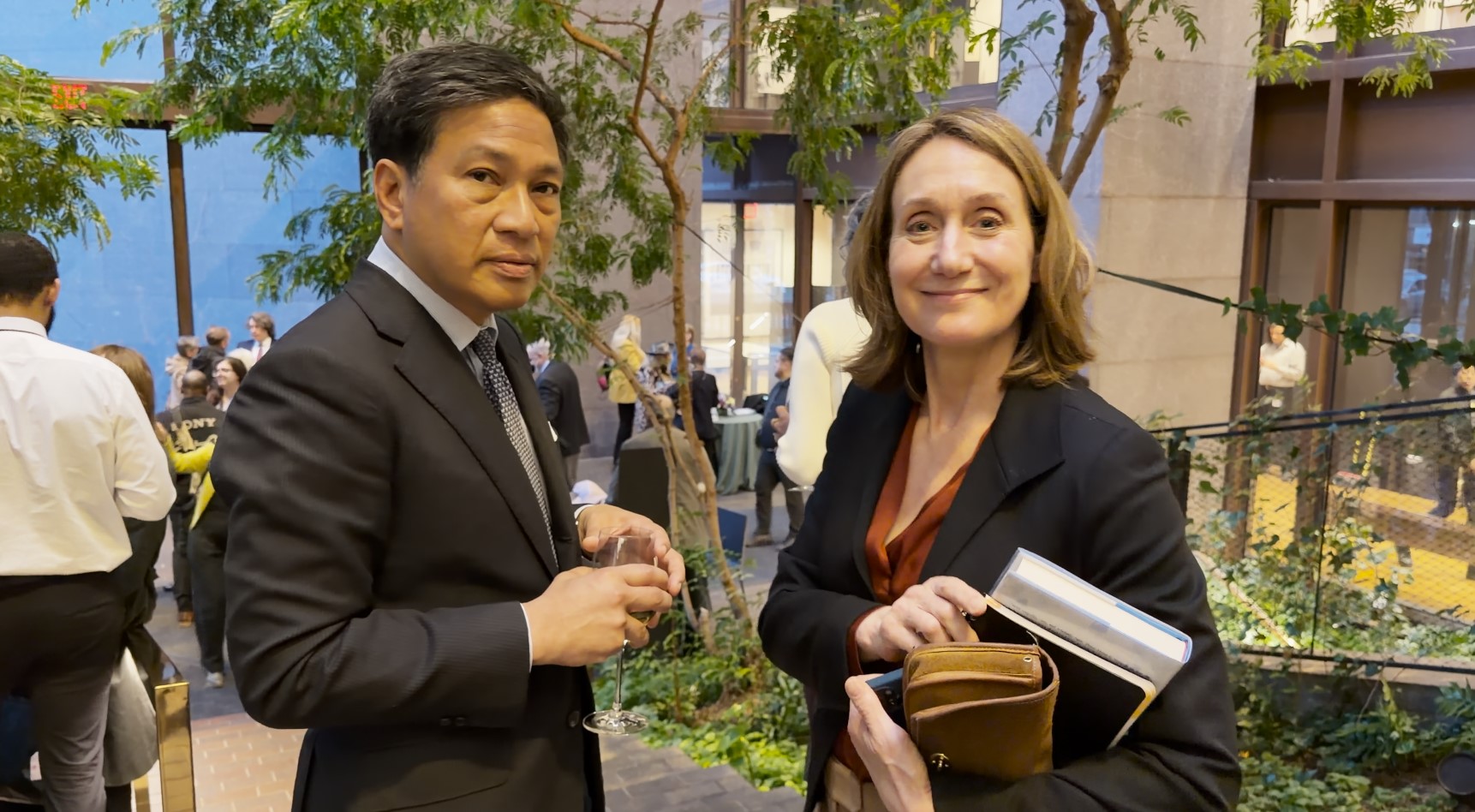
Celebrity Media Alliance Commentary: At the significant milestone of the 90th anniversary of the Ford Foundation, a profound dialogue on global governance, historical memory, and the future of multilateralism has quietly unfolded. This is not merely an exchange of academic ideas, but rather a renewed inquiry into and exploration of a “forgotten just world.”
From a historical perspective, the relationship between the Foundation and the United Nations is far from coincidental. As early as the mid-20th century, it participated in supporting the construction of the UN system and key agenda areas, including international cooperation mechanisms, environmental issues, and early discussions surrounding the International Atomic Energy Agency. This long-term engagement reflects an institutional ideal that transcends national boundaries—advancing peace, development, and human rights through multilateral mechanisms.
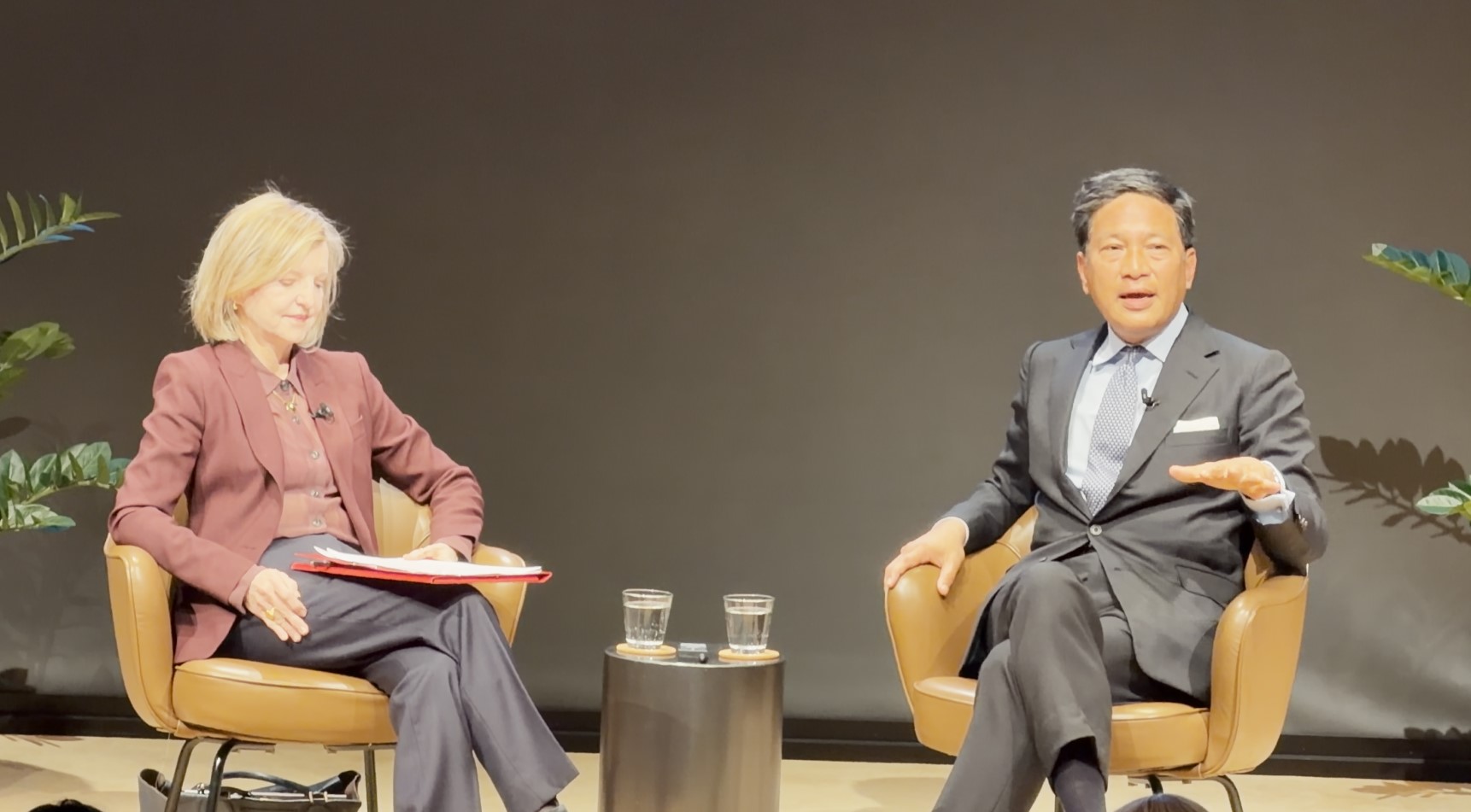
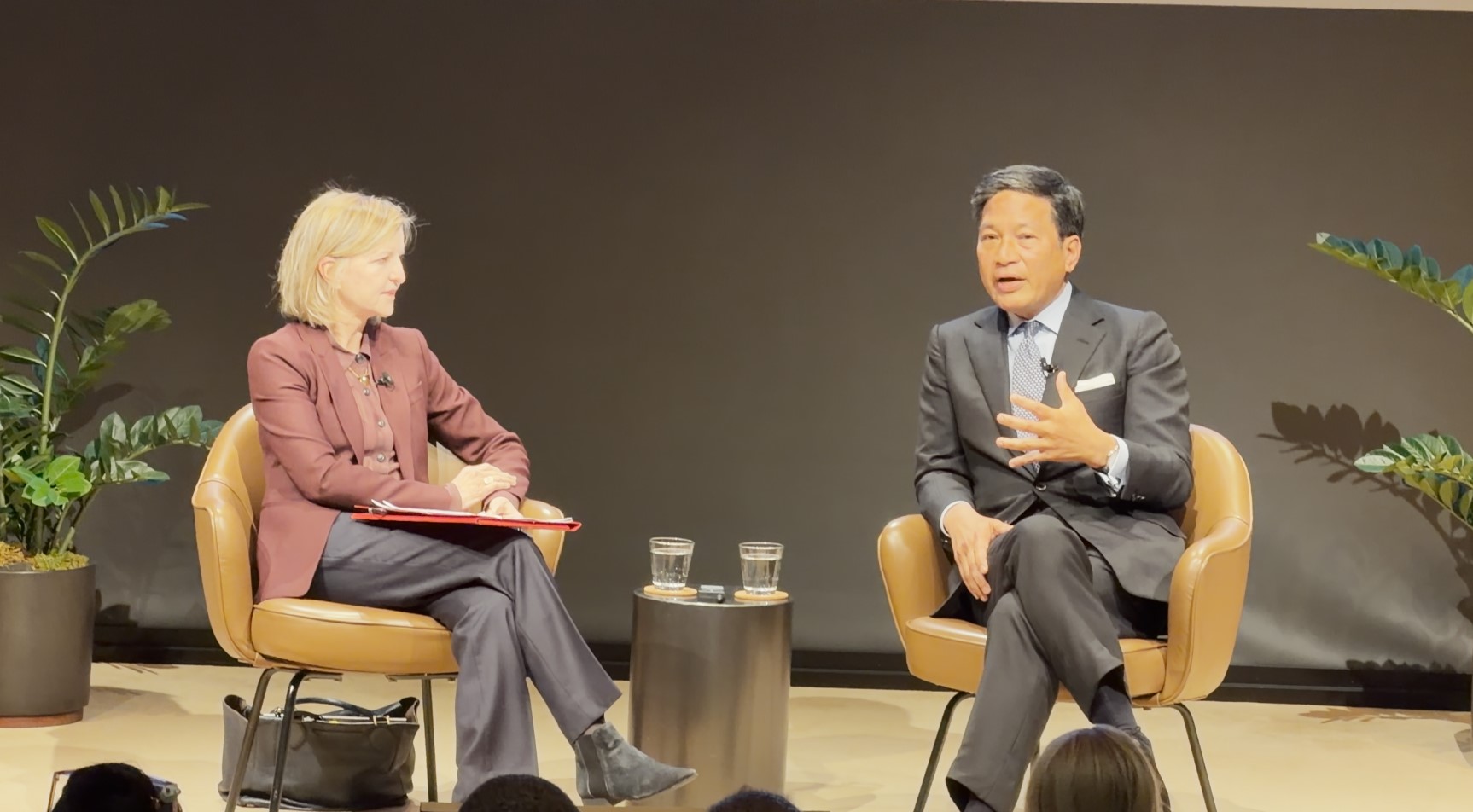
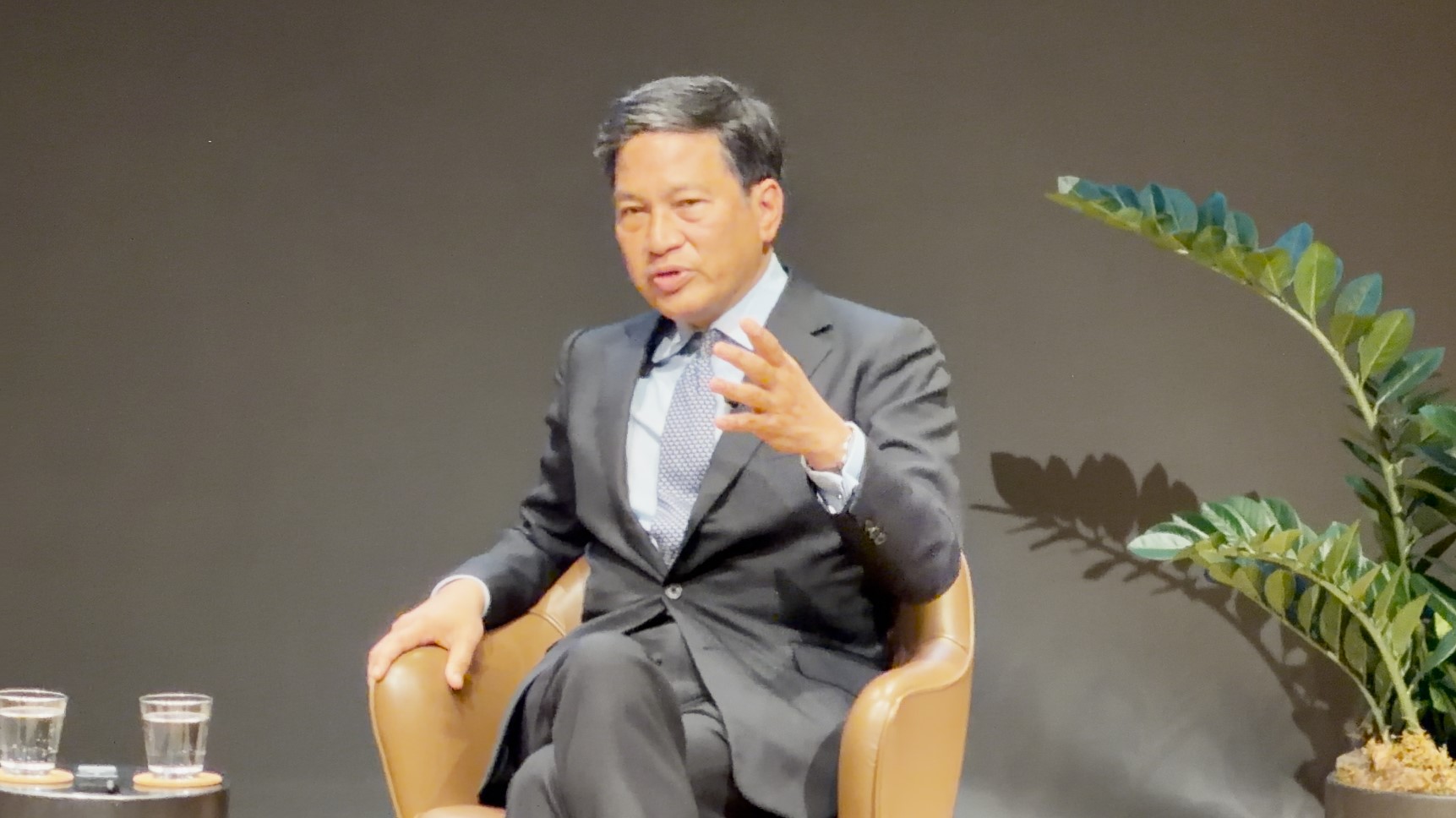
A key phenomenon repeatedly mentioned in the discussion is the “fracture of memory.” On one hand, the dominant narrative structure formed after the Cold War simplifies the complex history of the United Nations and multilateralism into notions of “inefficiency” or “failure.” On the other hand, agendas once driven by Global South countries—such as decolonization, economic sovereignty, and institutional reform—have been systematically marginalized or even diluted. This selective historical memory leaves contemporary international society without a cognitive foundation of “successful mediation experiences” when facing conflicts.
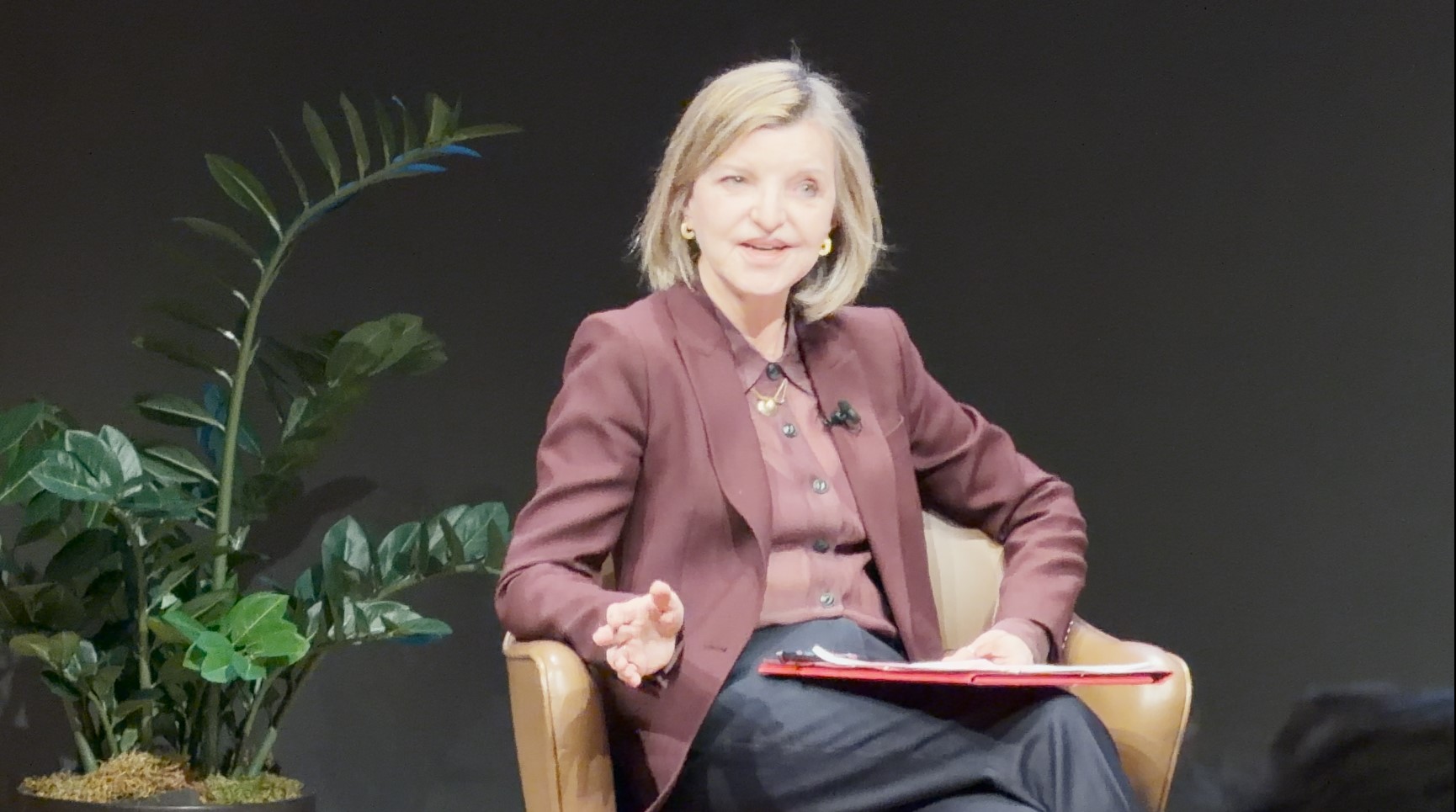
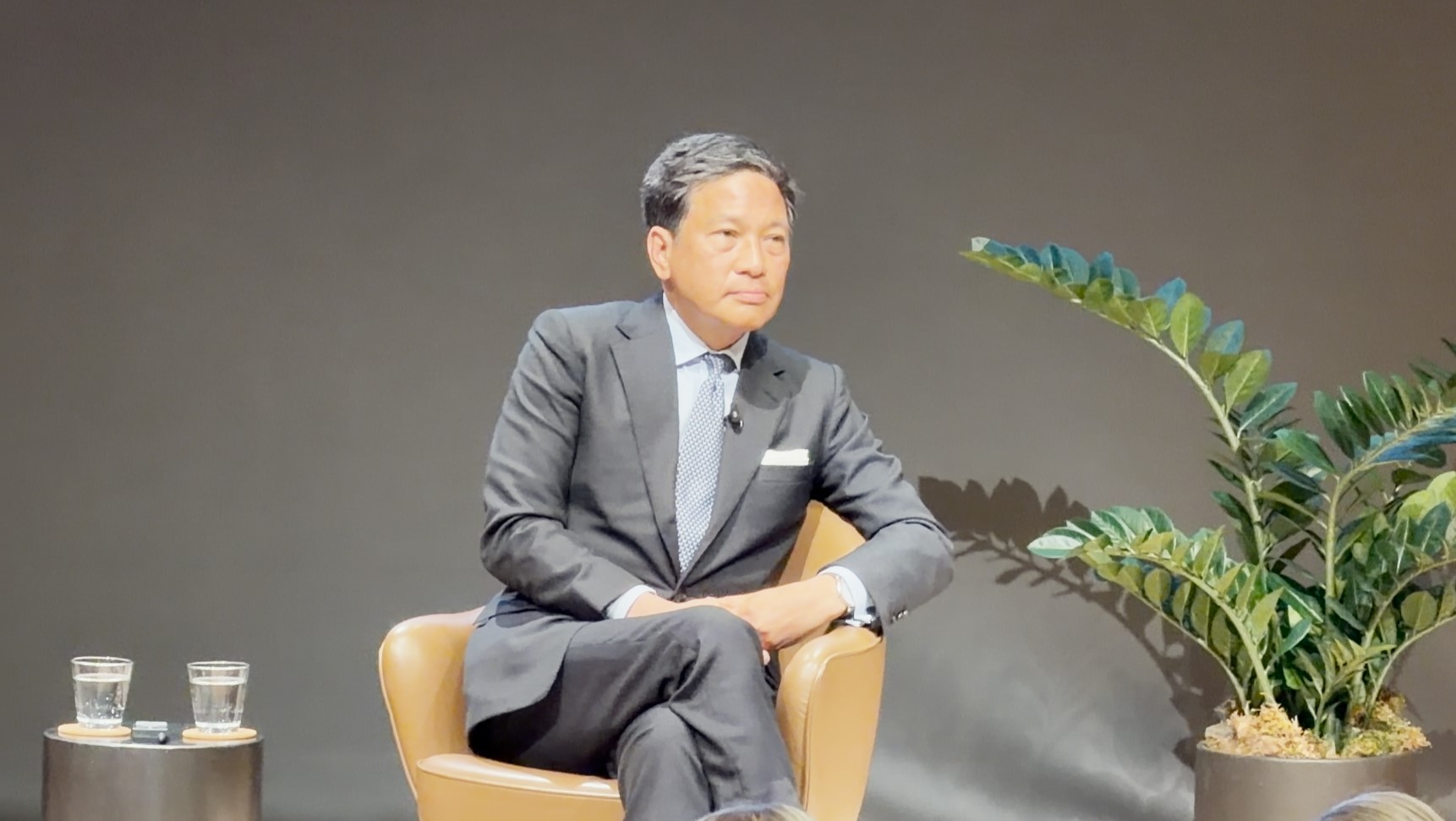
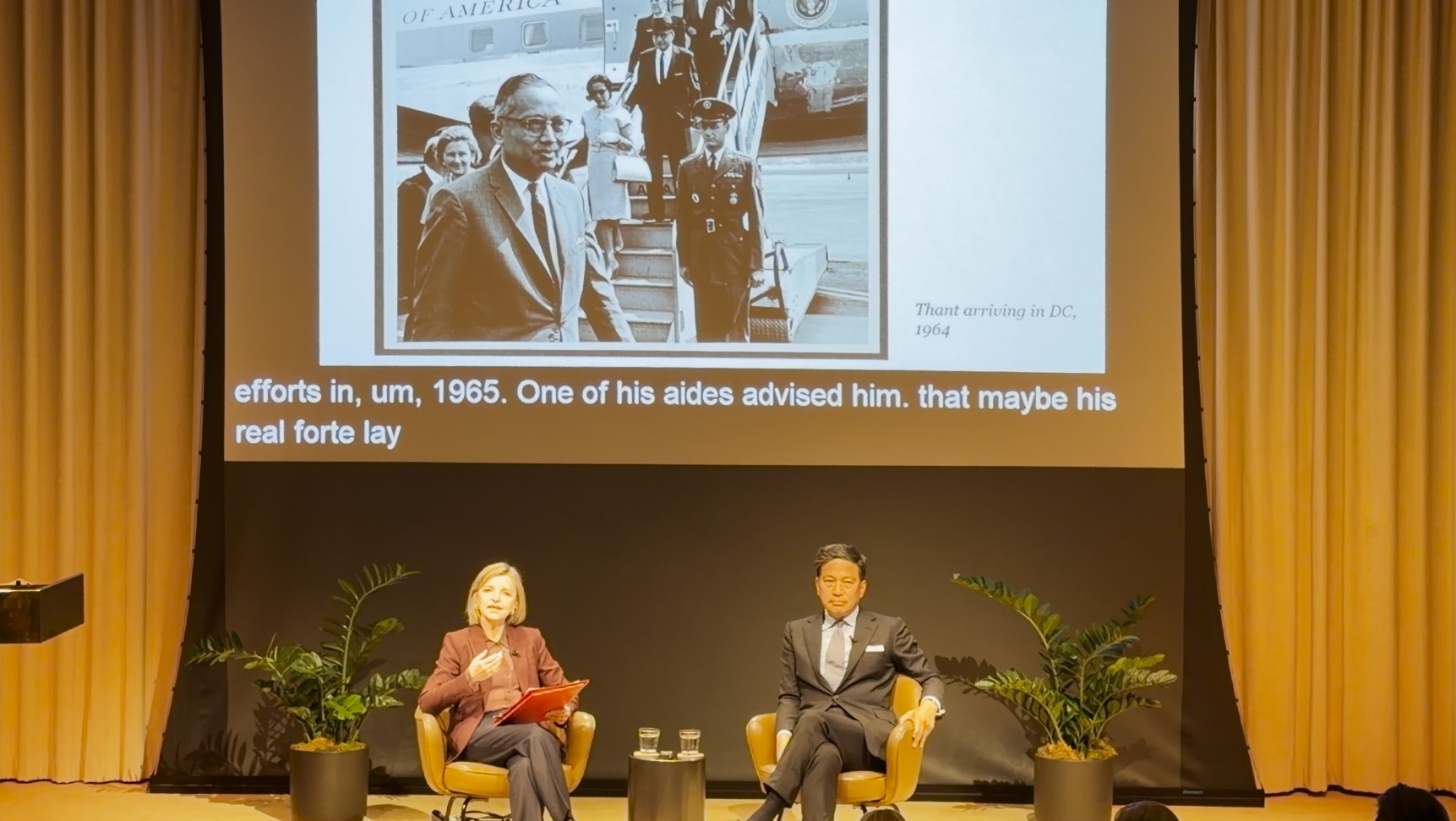
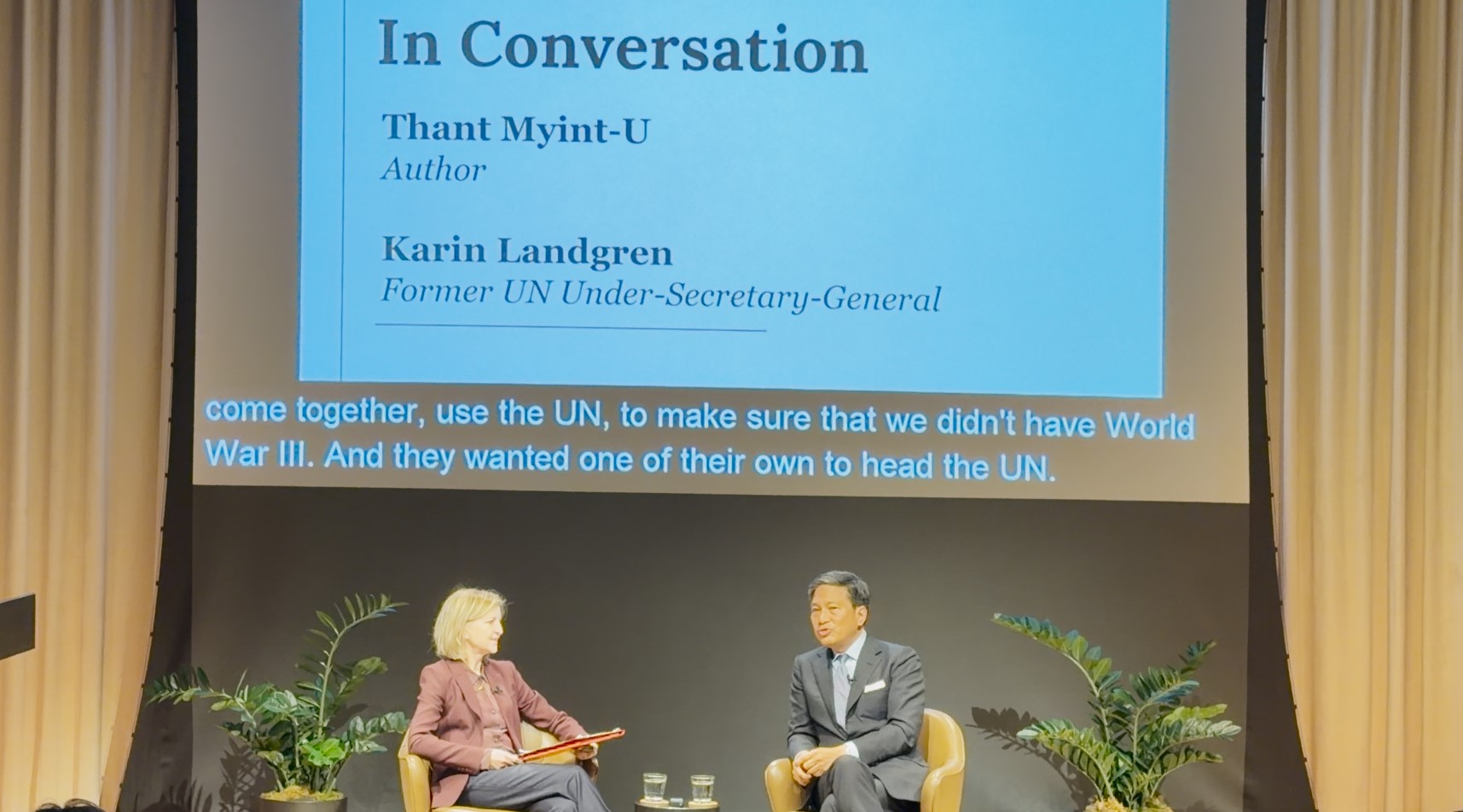
One of the key intellectual pillars of this dialogue comes from the research and writings of author Thant Myint-U. Using the diplomatic practice of his grandfather—U Thant, the third Secretary-General of the United Nations—as a point of entry, he reconstructs the overlooked history of mediation during the Cold War. He points out that the UN was not always “powerless”; on the contrary, in several critical crises, it effectively provided “de-escalation channels” for major power conflicts through informal diplomacy and moral authority. This form of historical writing itself serves as a correction to mainstream international relations narratives.
Echoing this is the practical perspective of former UN Assistant Secretary-General Karin Landgren. Having long been involved in the UN’s peacekeeping and political affairs systems, she emphasized in the discussion that the effectiveness of multilateral mechanisms is never merely a matter of institutional design, but highly dependent on political judgment and operational space. Her remarks not only supplement history at the institutional level but also reveal the real dilemmas the UN faces within today’s complex power structures.
However, the core of this discussion goes beyond individuals and history, raising a more challenging question: why have these “just world pathways,” which once truly existed and even played critical roles, gradually disappeared from contemporary narratives?
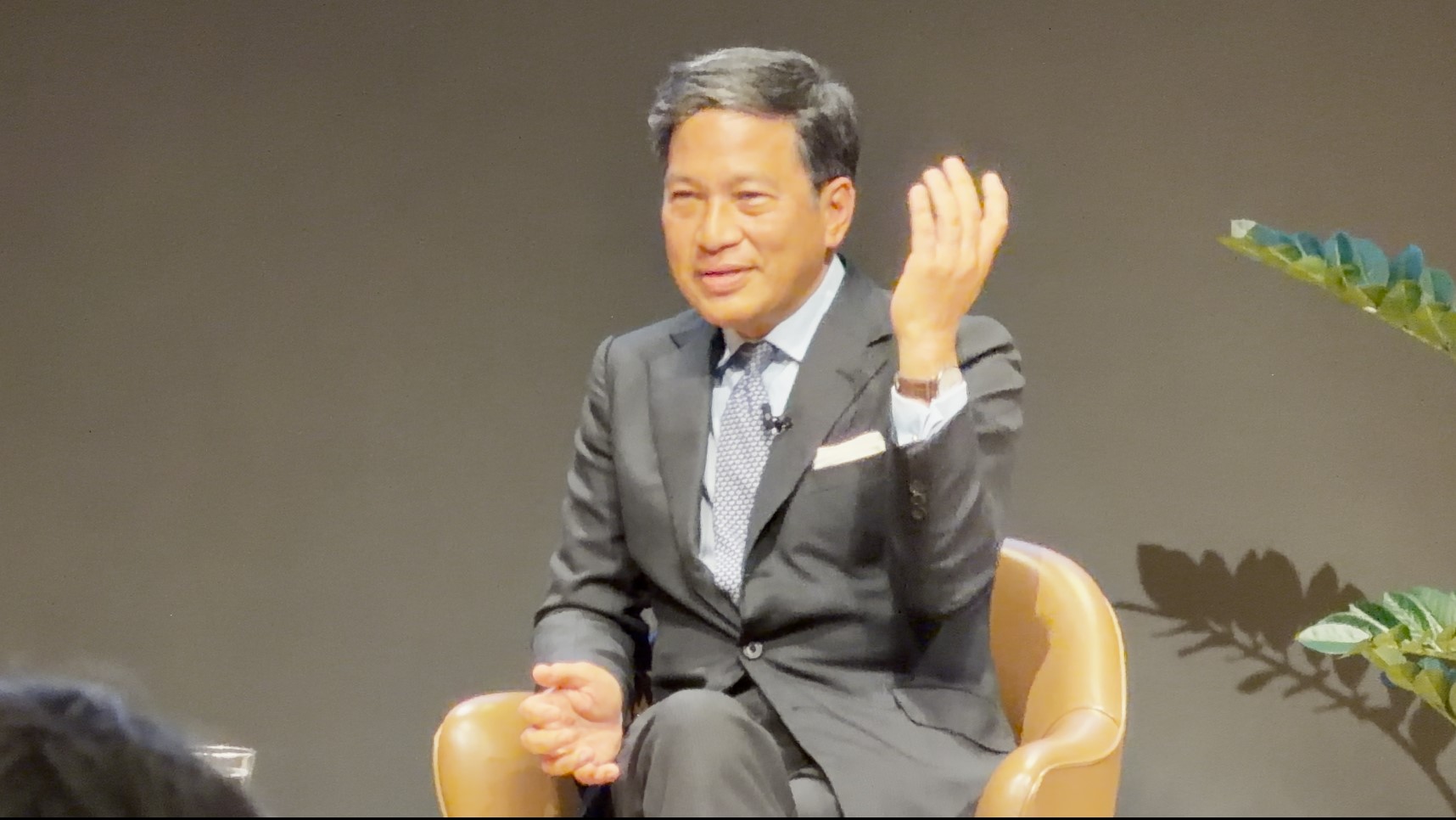
Taking the Cold War period as an example, UN Secretaries-General utilized informal diplomacy and moral authority to function as a “de-escalation mechanism” in key moments such as the Cuban Missile Crisis and the Indo-Pakistani conflicts. This mechanism was not a product of institutional design but relied more on the political courage of leaders, cross-cultural understanding, and keen judgment of historical moments. As emphasized in the discussion, what ultimately determines the effectiveness of multilateral systems is often not the structure itself, but the choices and capacities of individuals.
In this context, the “forgotten just world” is not an idealized utopia, but a once-existing yet obscured practical pathway. It includes several core characteristics:
First, the reconstruction of international order from a de-imperial perspective;
Second, a balance between state sovereignty and global responsibility;
Third, enabling those closest to conflict and suffering to participate in institutional rebuilding;
Fourth, constructing a “ladder of conflict de-escalation” through multilateral mechanisms rather than relying on singular power confrontation.
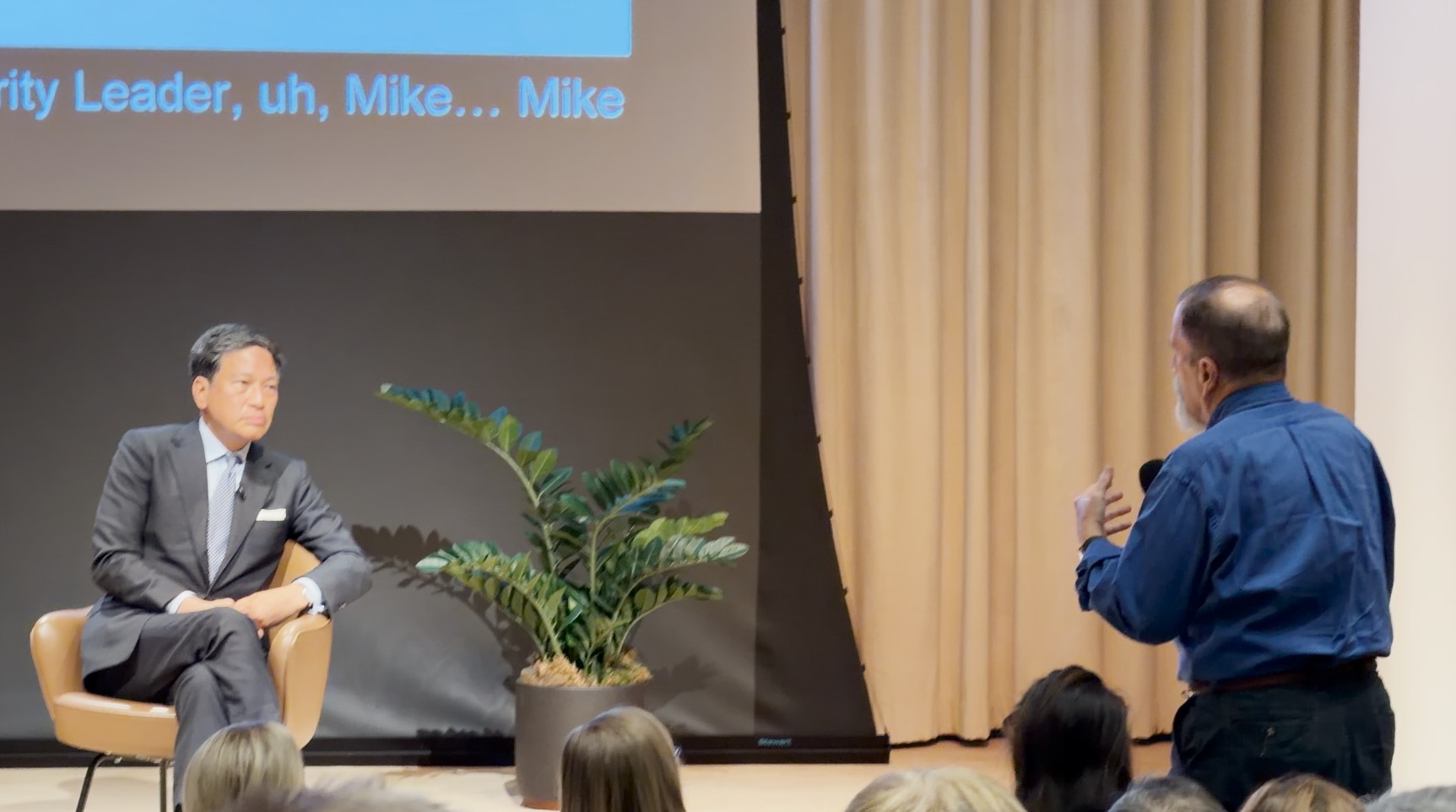
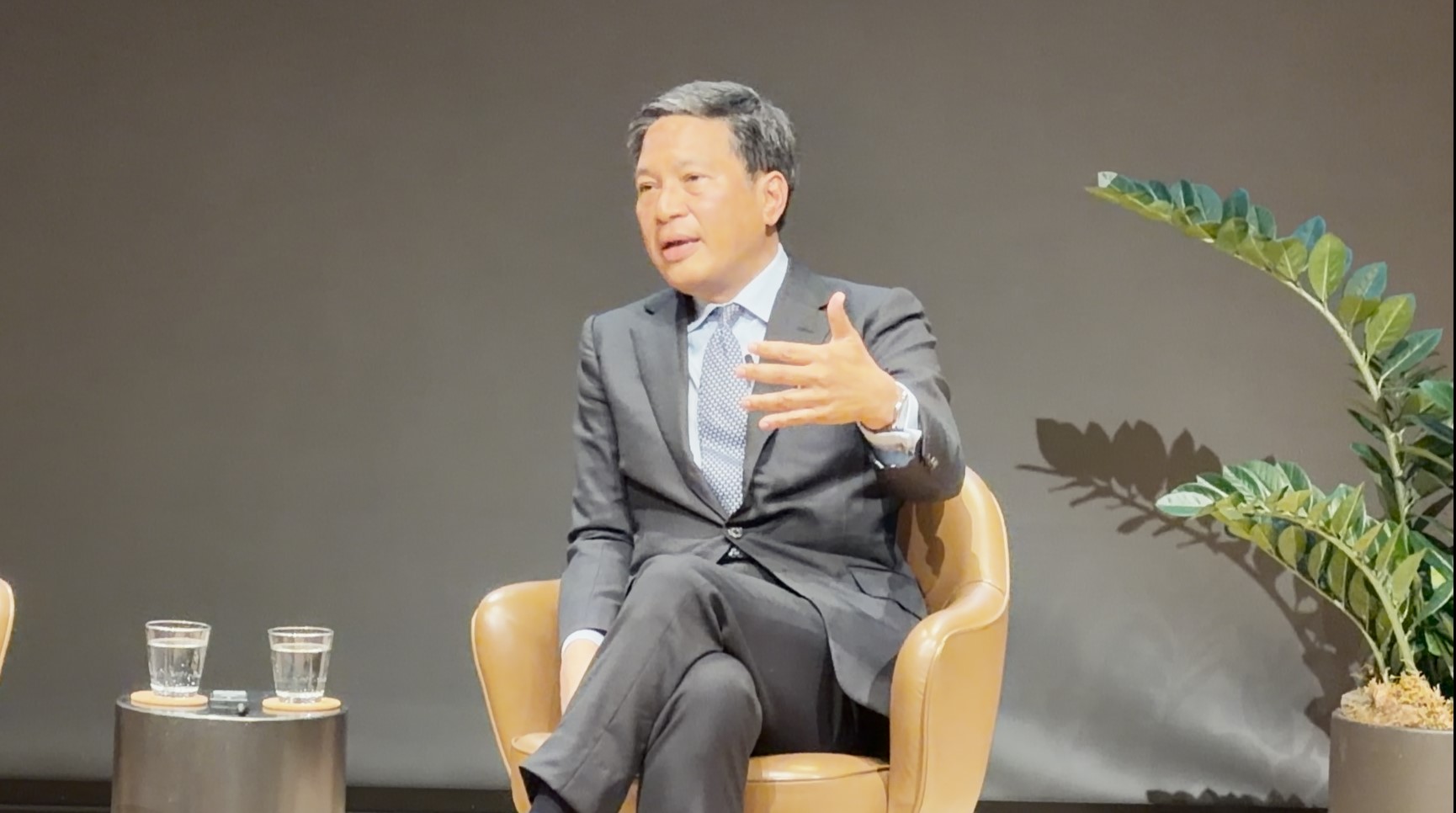
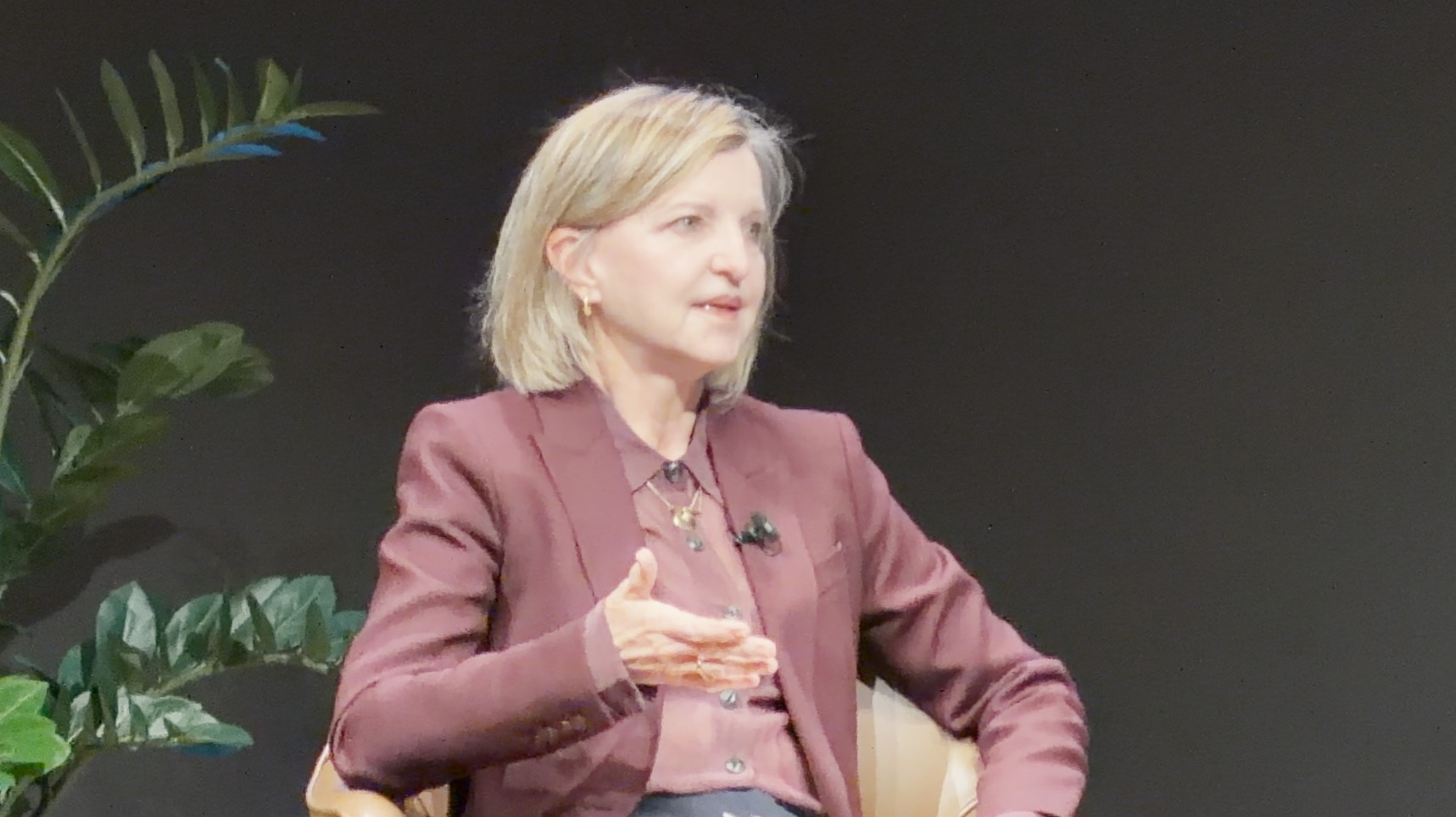
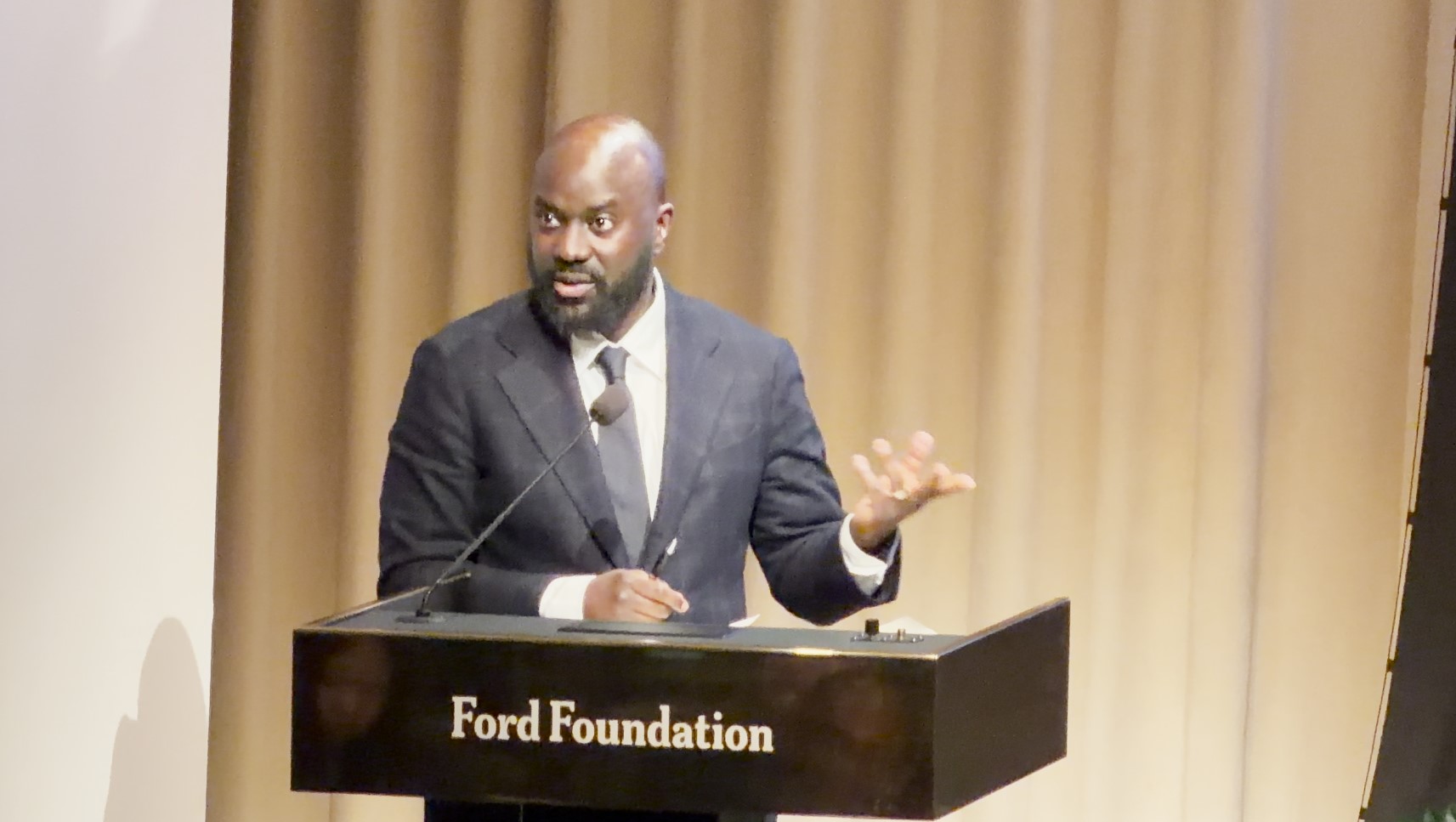
It is noteworthy that responses from institutions such as the Open Society Foundations further point out that contemporary multilateralism is undergoing a process of “regeneration”—it no longer exists solely within conference halls in New York or Geneva, but is gradually shifting toward a multi-layered structure involving regional organizations, middle-power networks, and civil society. This transformation, to some extent, represents a return to and revision of historical experience.
Therefore, U Thant’s “journey of exploration” can be understood as a dual action: both a rediscovery of overlooked roles and mechanisms in history, and a reimagining of future pathways for global governance. Against the backdrop of fractures in the current international order and frequent conflicts, this exploration carries clear contemporary urgency.
The conclusion of the commentary is not optimistic, yet neither is it pessimistic. History does not provide ready-made answers, but it does offer forgotten possibilities. The real question is whether, as the world once again stands at a structural turning point, there remain those willing to take risks, rebuild trust, and seek space for “mutual step-back” amid complex confrontations.
In this sense, the dialogue held at the Ford Foundation is not merely a commemoration of the past, but rather a tentative restart toward the future.