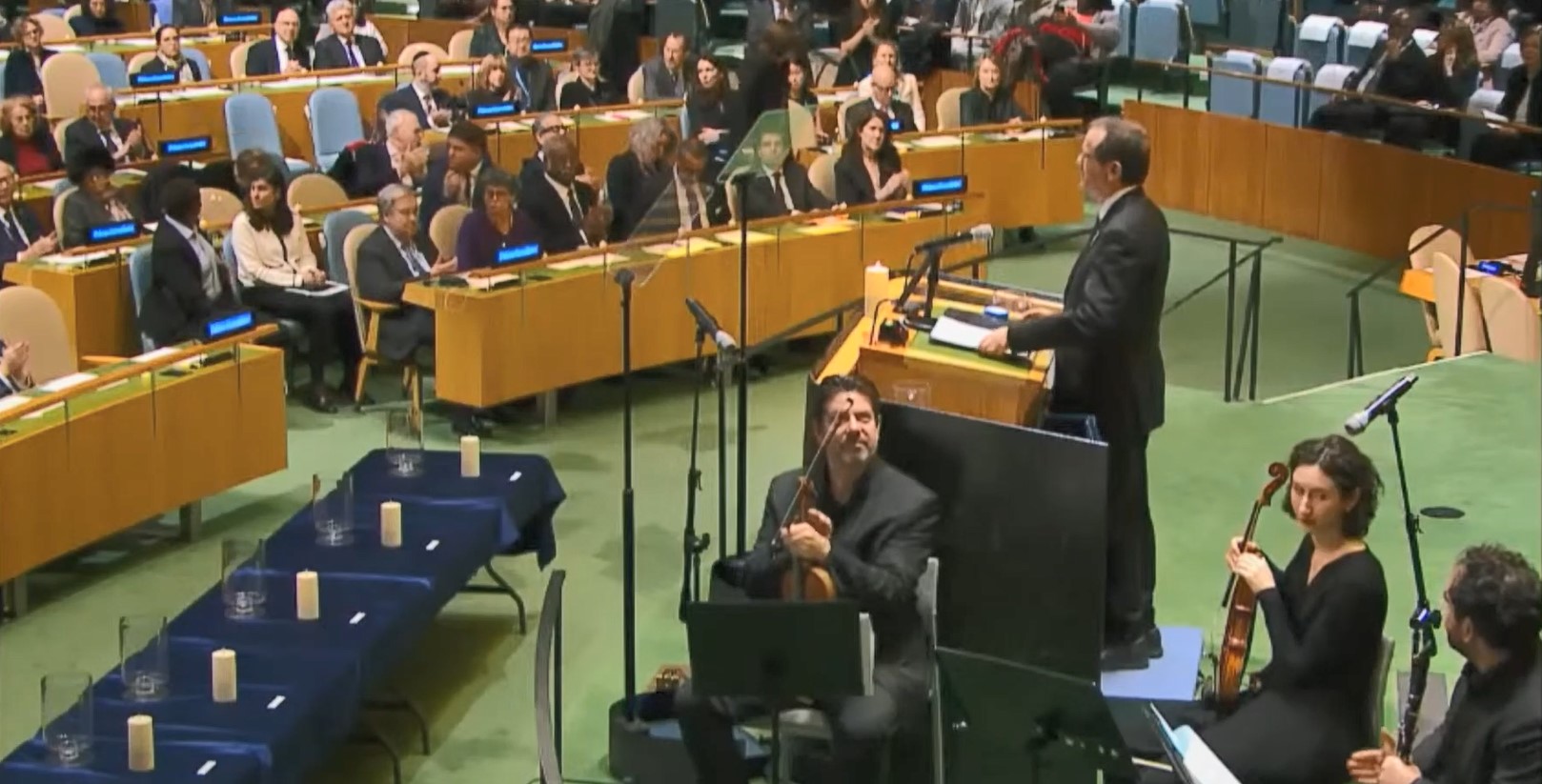
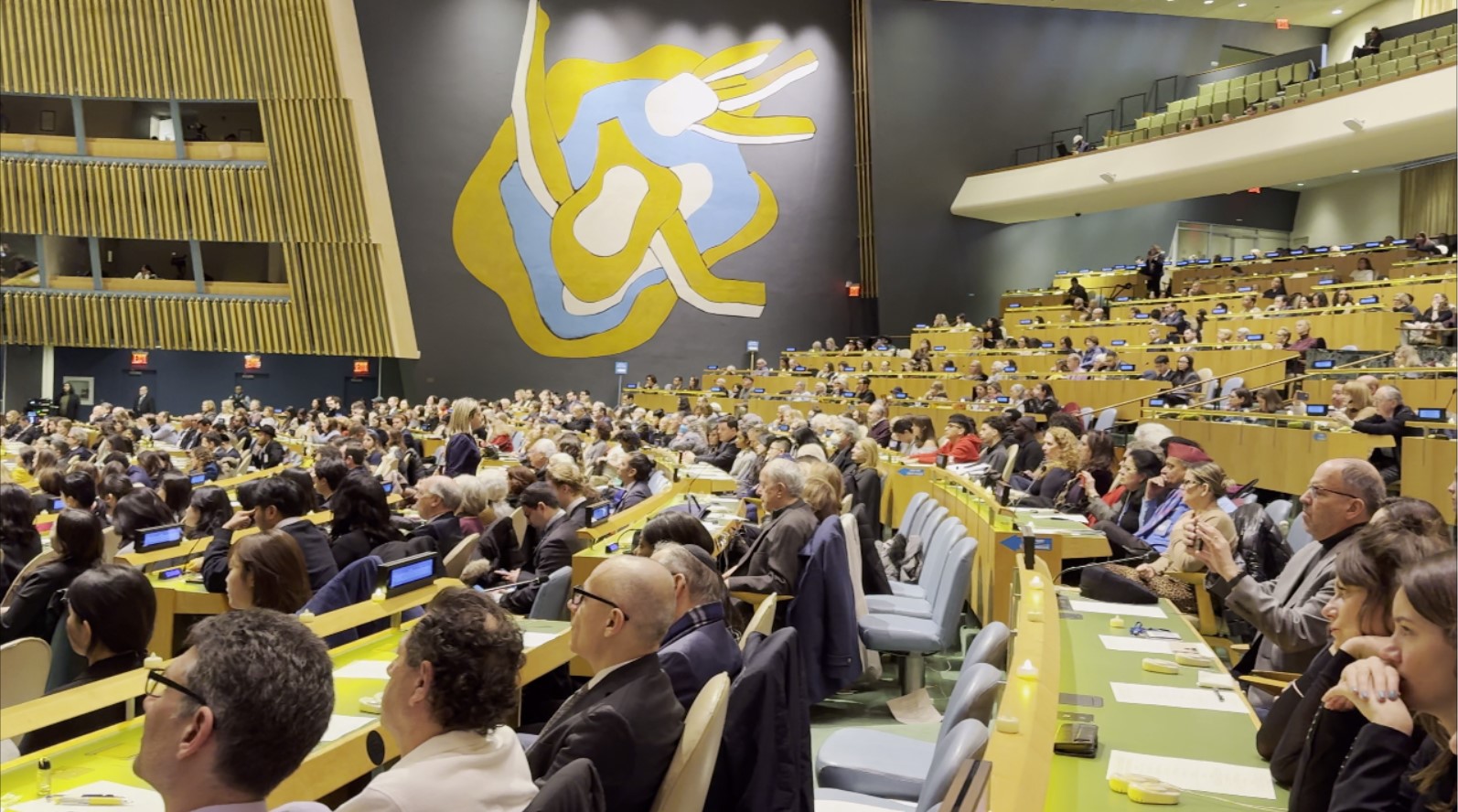
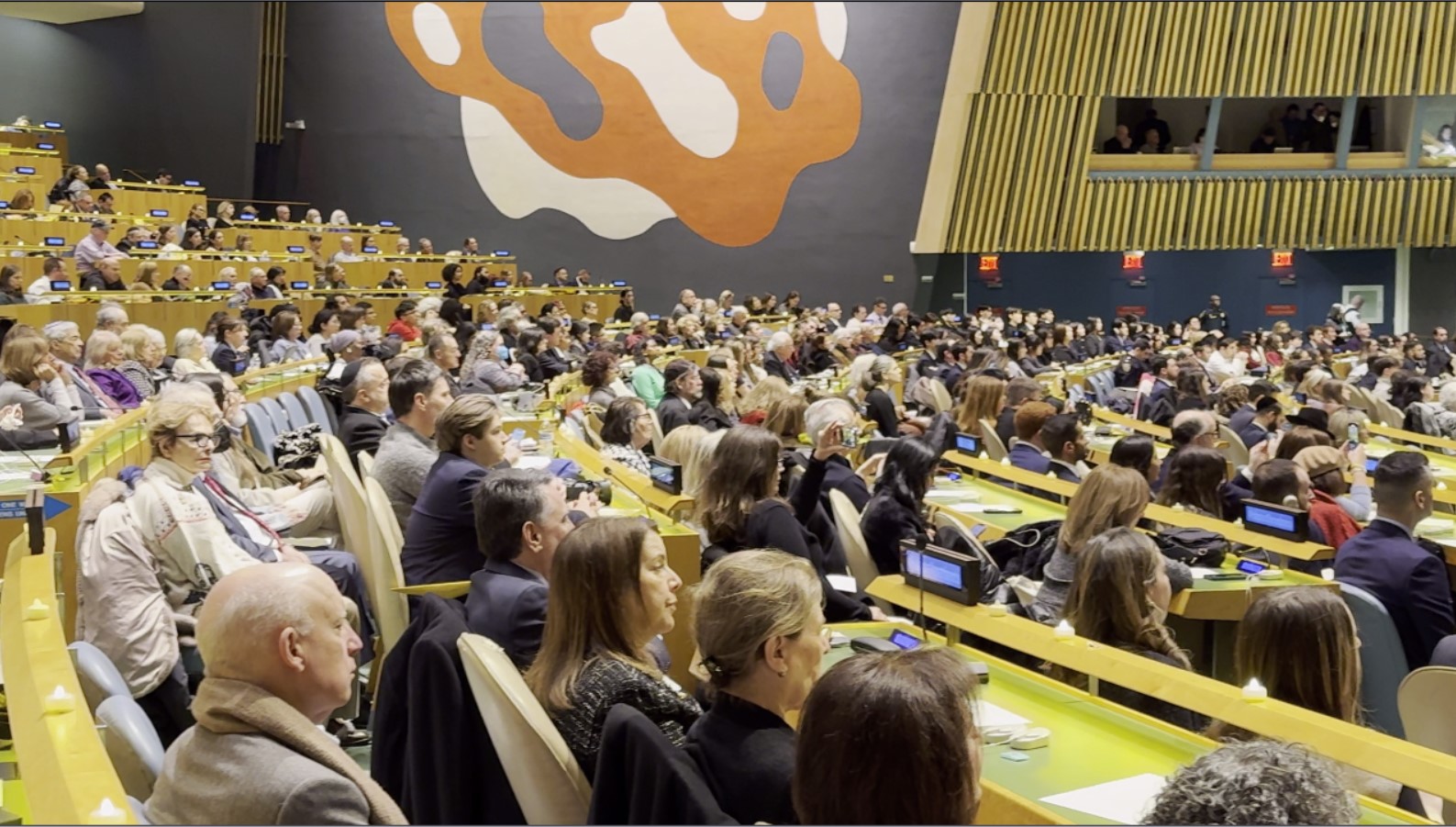
Celebrity Media Commentator: On January 27, 2025, the United Nations General Assembly Hall stood solemn and dignified as a Holocaust commemoration event was held under the theme "Remembering the Holocaust: Upholding Dignity and Human Rights." This day marks the 80th anniversary of the liberation of Auschwitz, serving as a historic moment for the global community to reflect on humanity's past atrocities and reaffirm its commitment to defending human rights and dignity.
This year also marks the 80th anniversary of both the end of World War II and the founding of the United Nations, making this Holocaust commemoration ceremony all the more historically significant at such a crucial time.
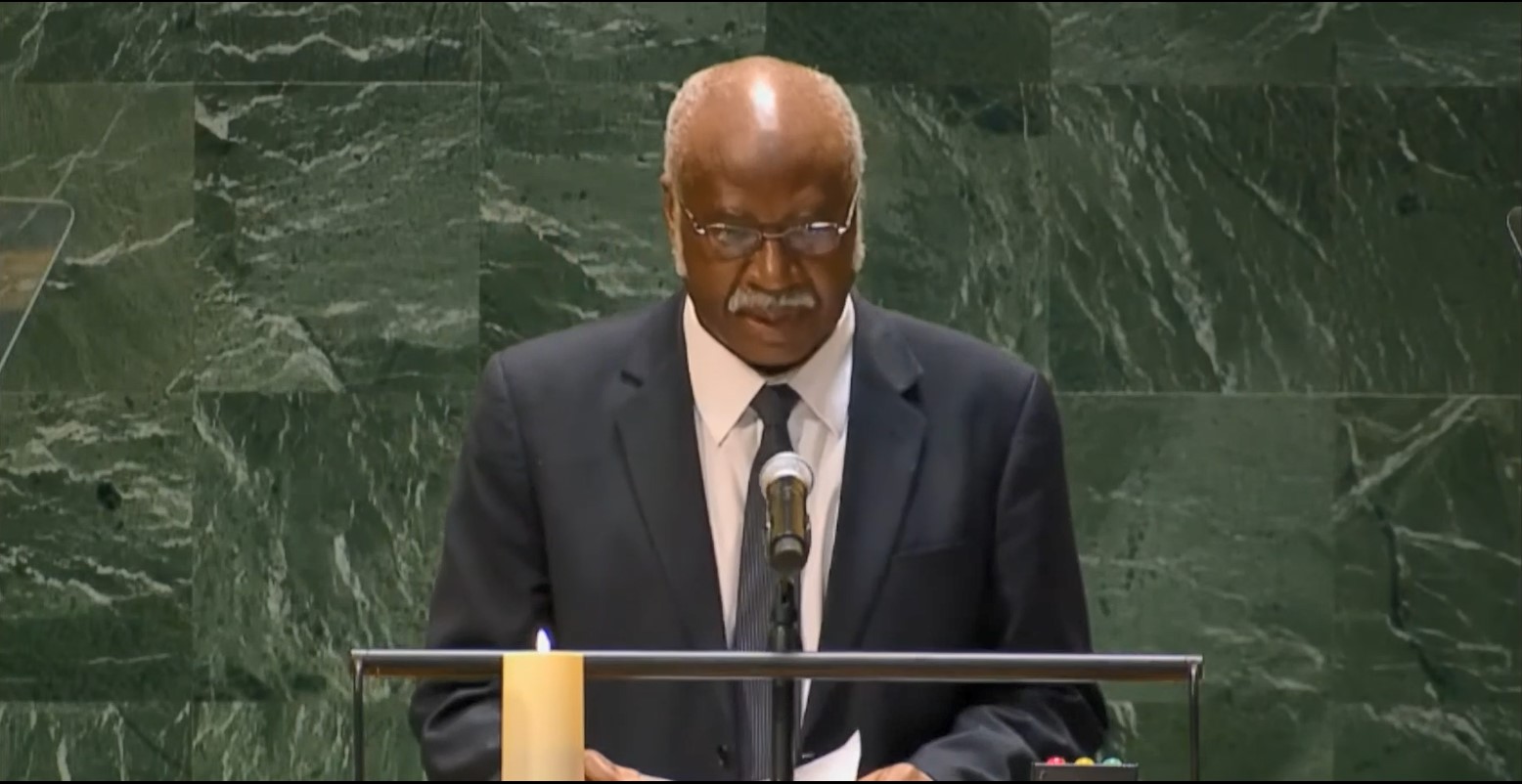
Mr. Philémon Yang President of the 79th Session of the United Nations General Assembly
播放器加载中....
Danny Danon, Israel's permanent representative to the United Nations (Third from right)
The head of UN Peace Operations has underscored the need for continued diplomatic efforts to end the crisis in eastern Democratic Republic of the Congo (DRC) and avert the potential for wider conflict.
Jean-Pierre Lacroix briefed journalists at UN Headquarters on Friday, as the M23 rebel group and Rwandan Defence Force (RDF) continued their march toward the city of Bukavu, having taken control of the provincial capital, Goma, earlier this week.
“We are concerned not only as far as the eastern DRC is concerned, but if you look at the past, this has the potential of triggering a wider regional conflict,” he said.
“Therefore, it is of the utmost importance that all diplomatic efforts should be geared towards avoiding this and bringing about a cessation of hostilities.”
Protection a priority
Mr. Lacroix was speaking as the M23 were some 60 kilometres north of Bukavu and “seem to be moving quite fast.”
He provided an update on Goma, where the situation remains tense and volatile but calm is gradually being restored. Water and electricity are also up and running, though unexploded ordnance continue to present “a very serious obstacle to freedom of movement”.
The UN has a peacekeeping mission in the DRC, known by the French acronym MONUSCO, and several of its bases have been re-supplied which he said is critical as a “significant number” of people are also sheltering in these locations.
“The priority of the mission remains the protection of its personnel, assets, and, of course, the many civilians sheltering within its premises - civilians and disarmed combatants. All are being protected by MONUSCO in accordance with international humanitarian law,” he said.
He reported that the bases “are under significant pressure” when it comes to providing water rations, sanitation and other support to those inside.
Political engagement ongoing
Meanwhile, the MONUSCO leadership is increasing political engagement with the Congolese authorities. The Secretary-General’s Special Representative and Head of the mission, Bintou Keita, has held discussions with top officials, including the Prime Minister and the leaders of the army and police.
A joint Government-MONUSCO group has been established to coordinate on various issues, including in the security, human rights, humanitarian and communications spheres, as well as the legal status of the territories under the control of the M23 and the RDF.
Mr. Lacroix highlighted the “florescence” of diplomatic activities in response to the crisis, which includes two UN Security Council meetings, a summit by the East African Community (EAC), another by the Southern African bloc SADC, and a meeting of the African Union’s Peace and Security Council.
The European Union, along with the United Kingdom, the United States and others, have also weighed in.
“Up to now, this has not resulted in cessation of hostilities,” he remarked, noting that “the M23 and the RDF are currently progressing towards the south, towards Bukavu, and that is of course a matter of concern.”
Respect UN premises
The peacekeeping chief emphasized the need to ensure the safety and security of UN personnel and civilians, including those sheltering in MONUSCO bases, and respect for UN premises which are inviolable.
“We cannot stress this enough in the current circumstances where MONUSCO bases are under stress, but also in some cases they have been under threat,” he said.
He stated that “diplomatic engagement and activities need to continue” towards the ultimate objective of ending the violence.
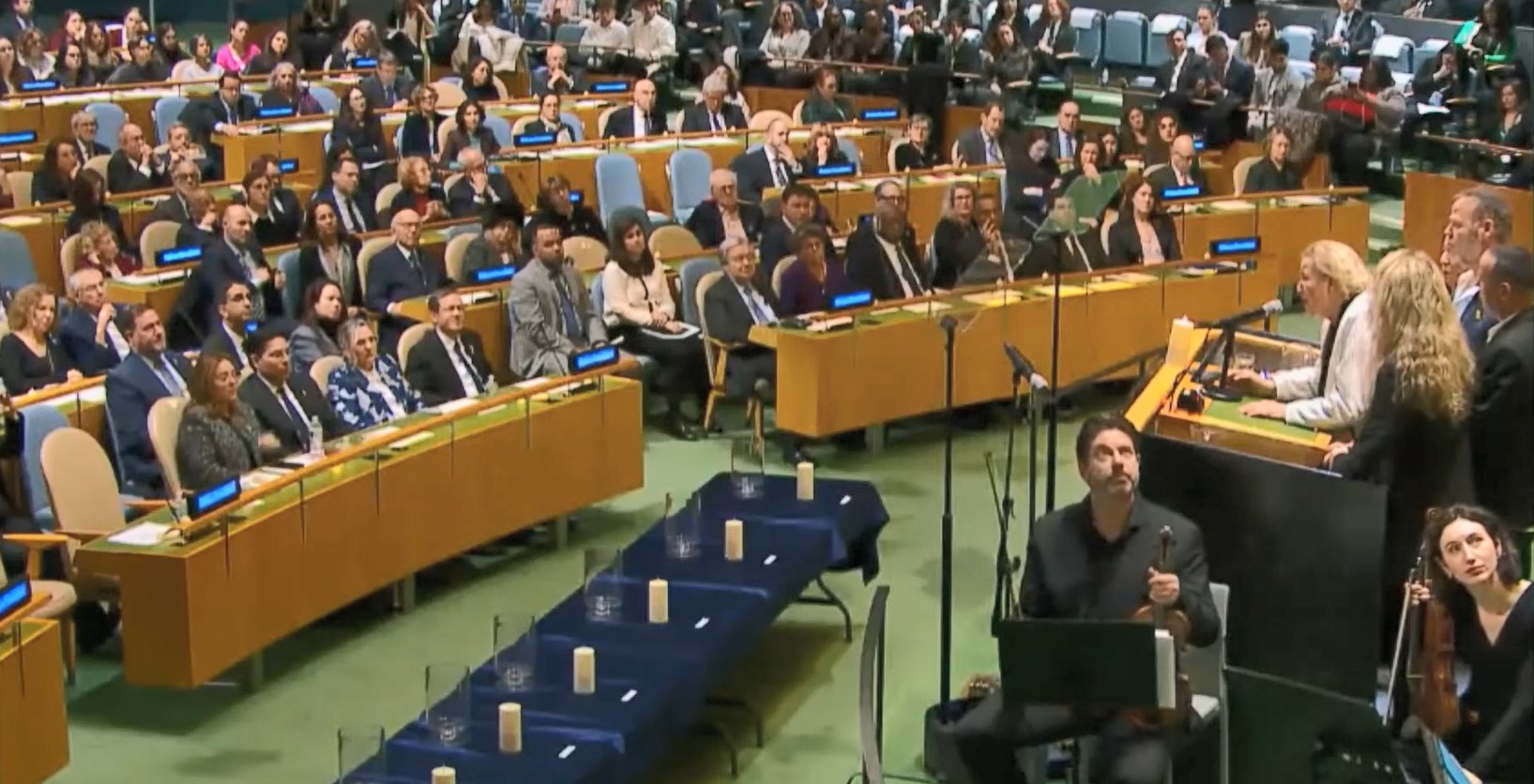
Celebrity Media Editorial Note: On January 27, 2025, the United Nations General Assembly Hall was solemn and dignified as a grand commemoration of the Holocaust took place under the theme:"Remembering the Holocaust: Upholding Dignity and Human Rights."
This day marks the 80th anniversary of the liberation of Auschwitz concentration camp, serving as a historic moment for the global community to reflect on the grave crimes committed in the past and to reaffirm the responsibility of defending human rights and dignity.
This year also marks the 80th anniversary of the end of World War II and the 80th anniversary of the founding of the United Nations, making the Holocaust commemoration ceremony at this significant time especially meaningful in history.
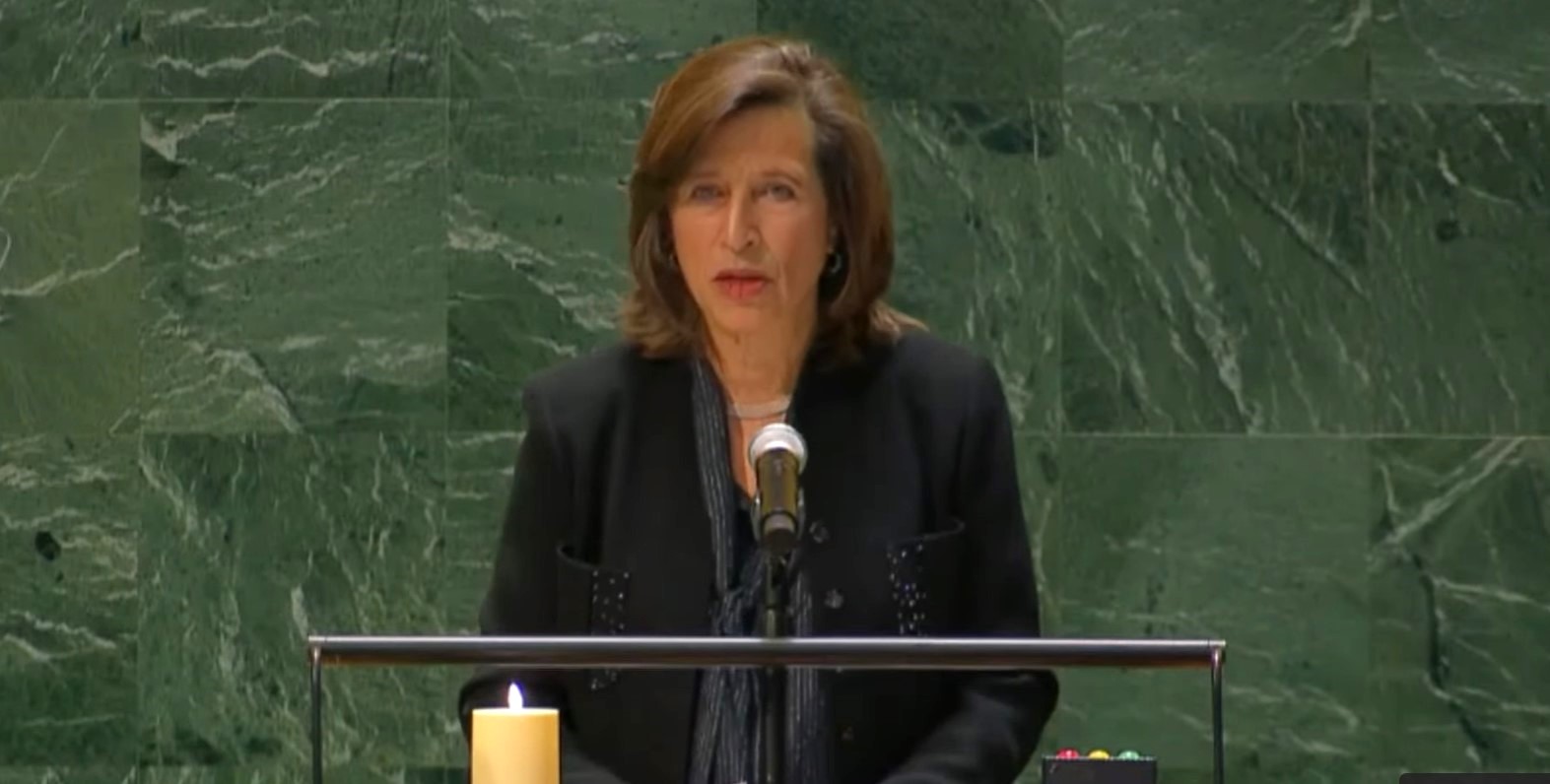
The ceremony was hosted by Melissa Fleming, the UN Under-Secretary-General for Global Communications. Distinguished attendees included:
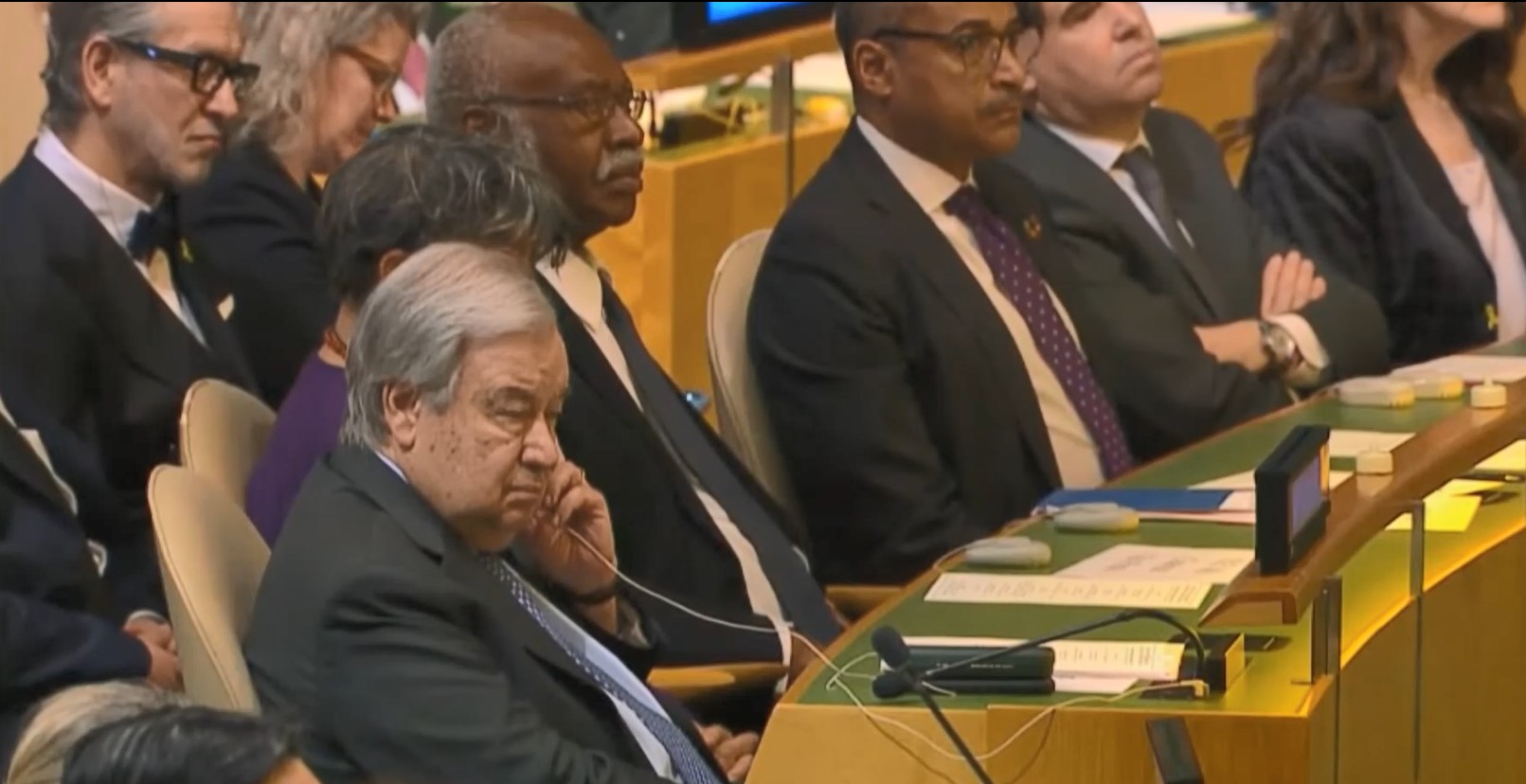
UN Secretary-General António Guterres
President of the 79th UN General Assembly, Dennis Francis
Israeli President Isaac Herzog
Acting U.S. Representative to the UN, Dorothy Shea
Head of the EU Delegation to the UN, Stavros Lambrinidis
Russian Permanent Representative to the UN, Vasily A. Nebenzya
Israeli Permanent Representative to the UN, Danny Danon
Romanian State Secretary, among other government officials and UN ambassadors from multiple countries.
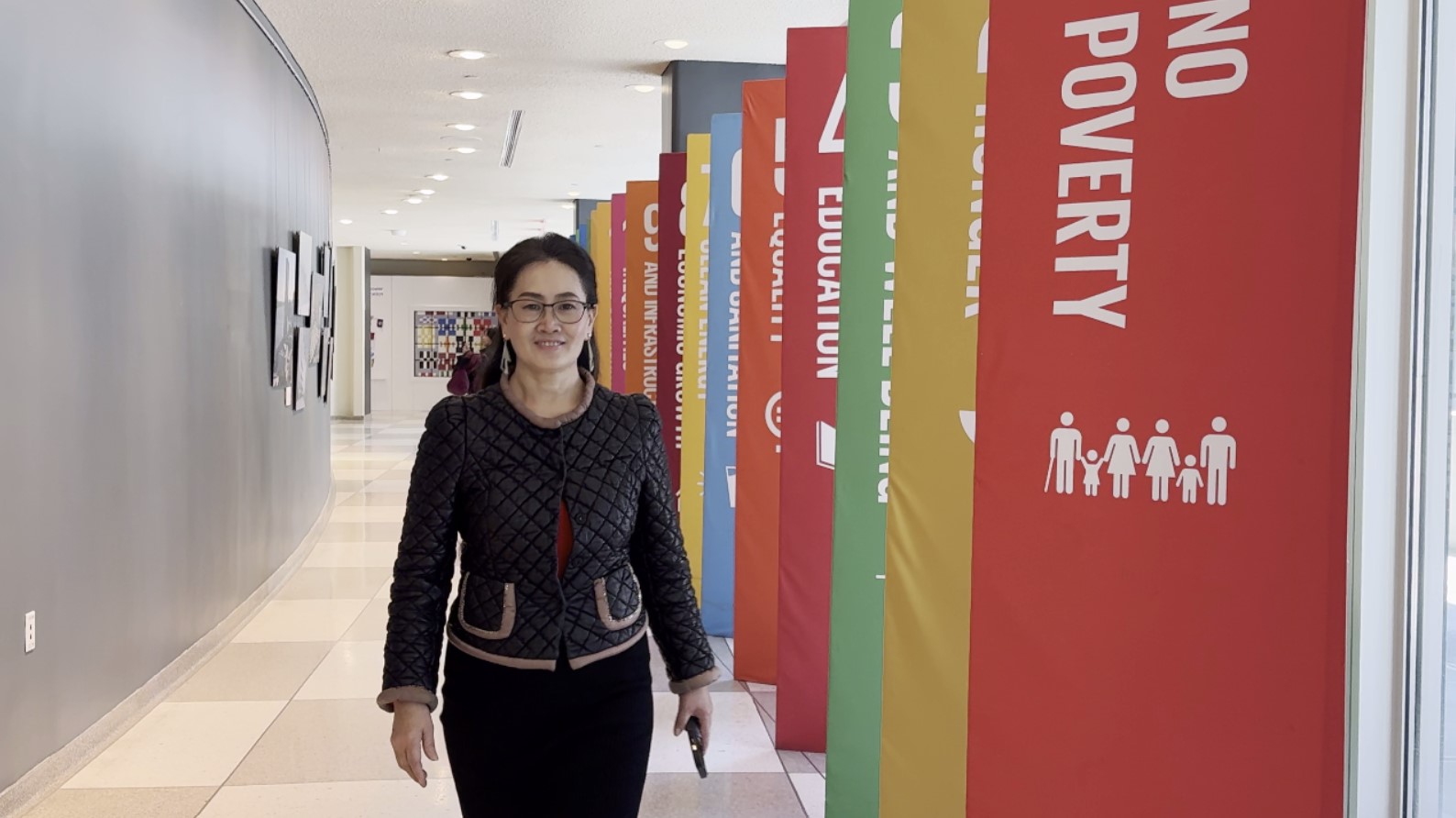
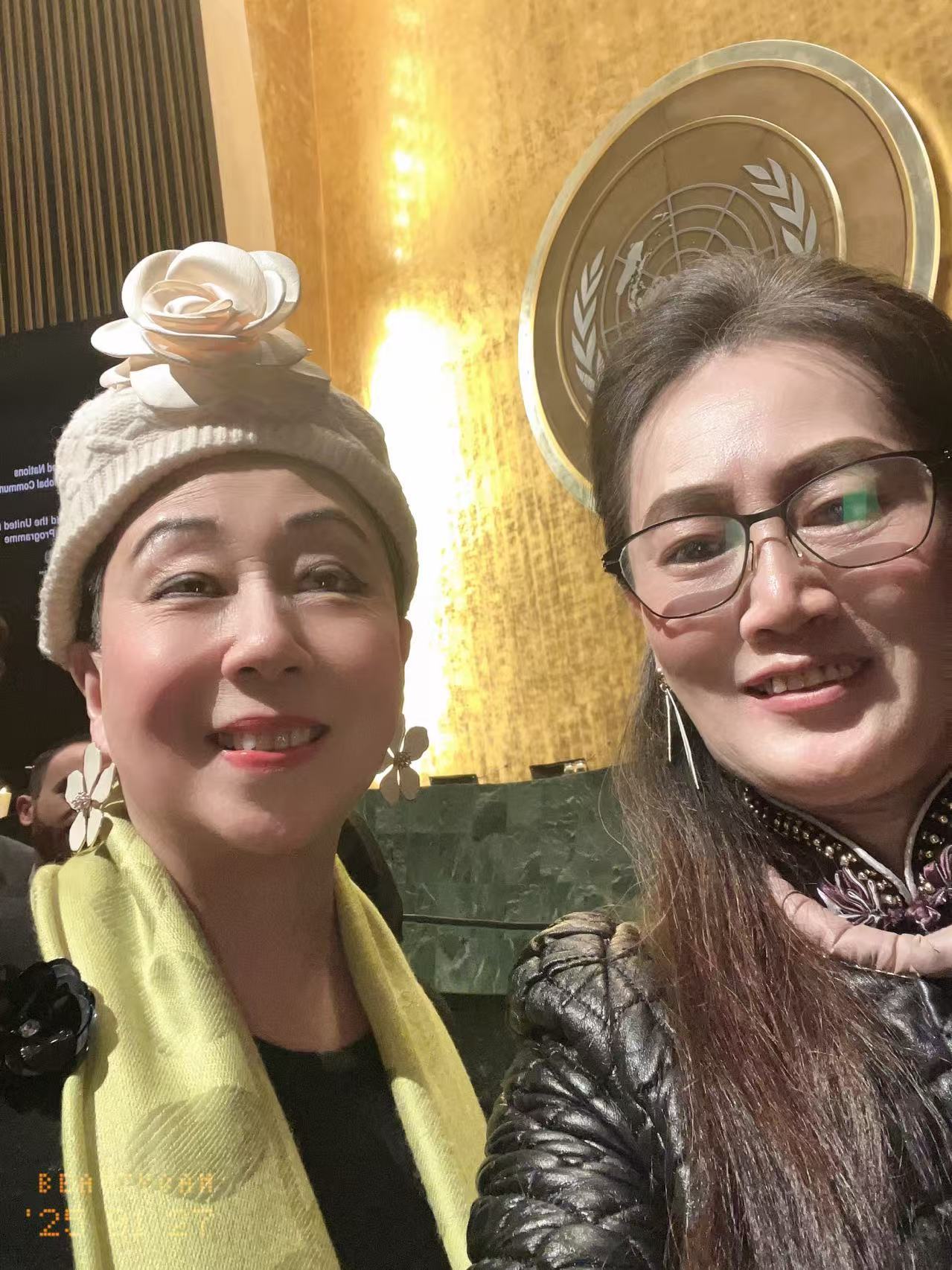
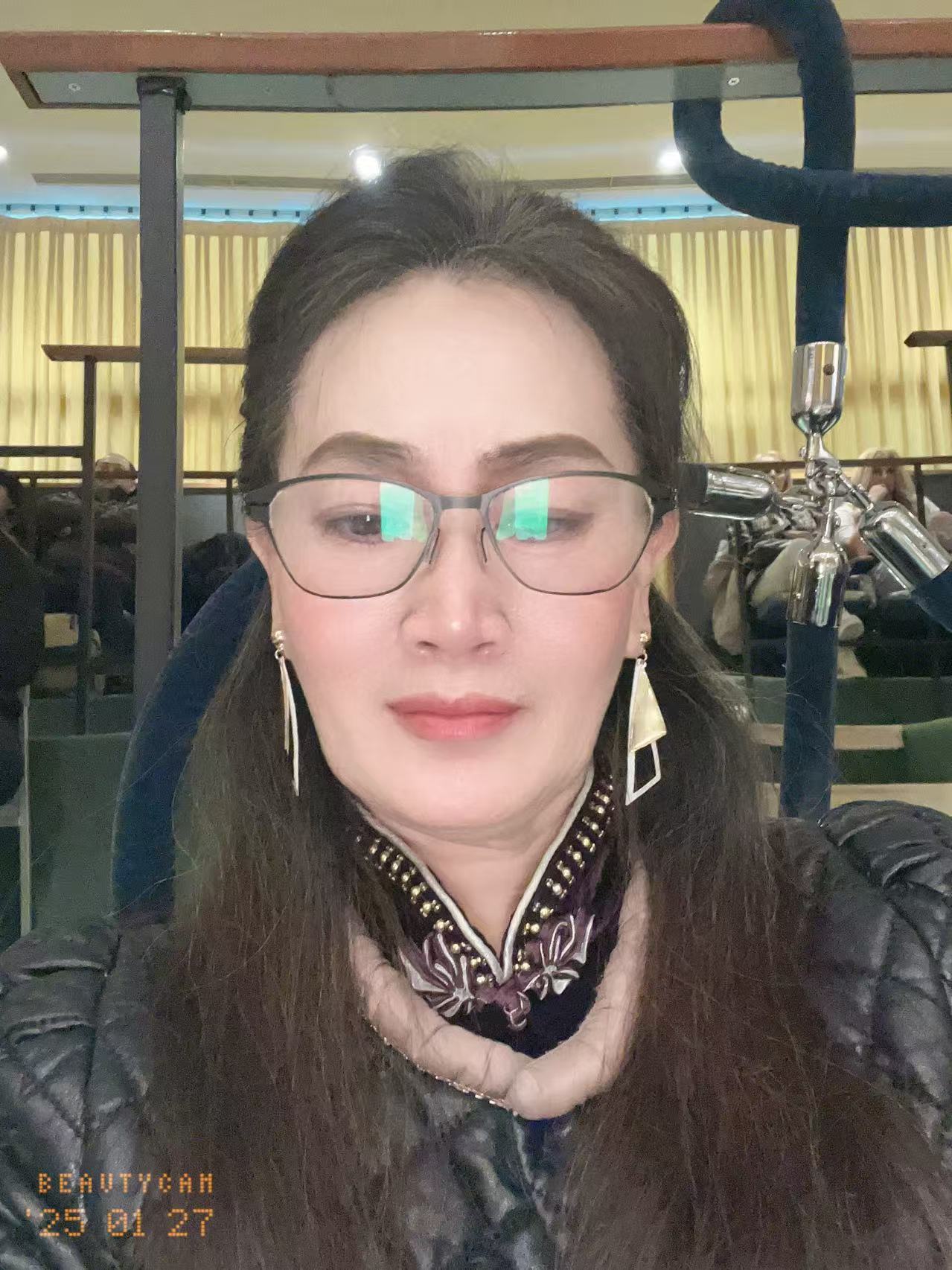
Ashley Chen, CEO of Celebrity Media, along with a photojournalist, Director of the Web & AI Technology Department, and two other team members, attended the prestigious ceremony that day. Click to read the full report.
Choose horizontal or vertical viewing for different effects
Mr. António GuterresUnited Nations Secretary-GeneralMr, Philémon Yang President of the 79th Session of the United Nations General AssemblyMr. lsaac Herzog President of the State of lsraelMs. Dorothy SheaChargée d'affaires ad interim of the United States to the United NationsMr. Stavros LambrinidisHead of the Delegation of the European Union to the United NationsMr. Vassily A. NebenziaPermanent Representative of the Russian Federation to the United NationsDanny Danon, Israel's permanent representative to the United Nations (Third from right)
Romanian State Secretary and Celebrity Media CEO Ashley Chen
Celebrity Media Commentator: On January 27, 2025, the United Nations General Assembly Hall stood solemn and dignified as a Holocaust commemoration event was held under the theme "Remembering the Holocaust: Upholding Dignity and Human Rights." This day marks the 80th anniversary of the liberation of Auschwitz, serving as a historic moment for the global community to reflect on humanity's past atrocities and reaffirm its commitment to defending human rights and dignity.
This year also marks the 80th anniversary of both the end of World War II and the founding of the United Nations, making this Holocaust commemoration ceremony all the more historically significant at such a crucial time.
Ms. Melissa Flemin United Nations Under-Secretary-General for Global Communications
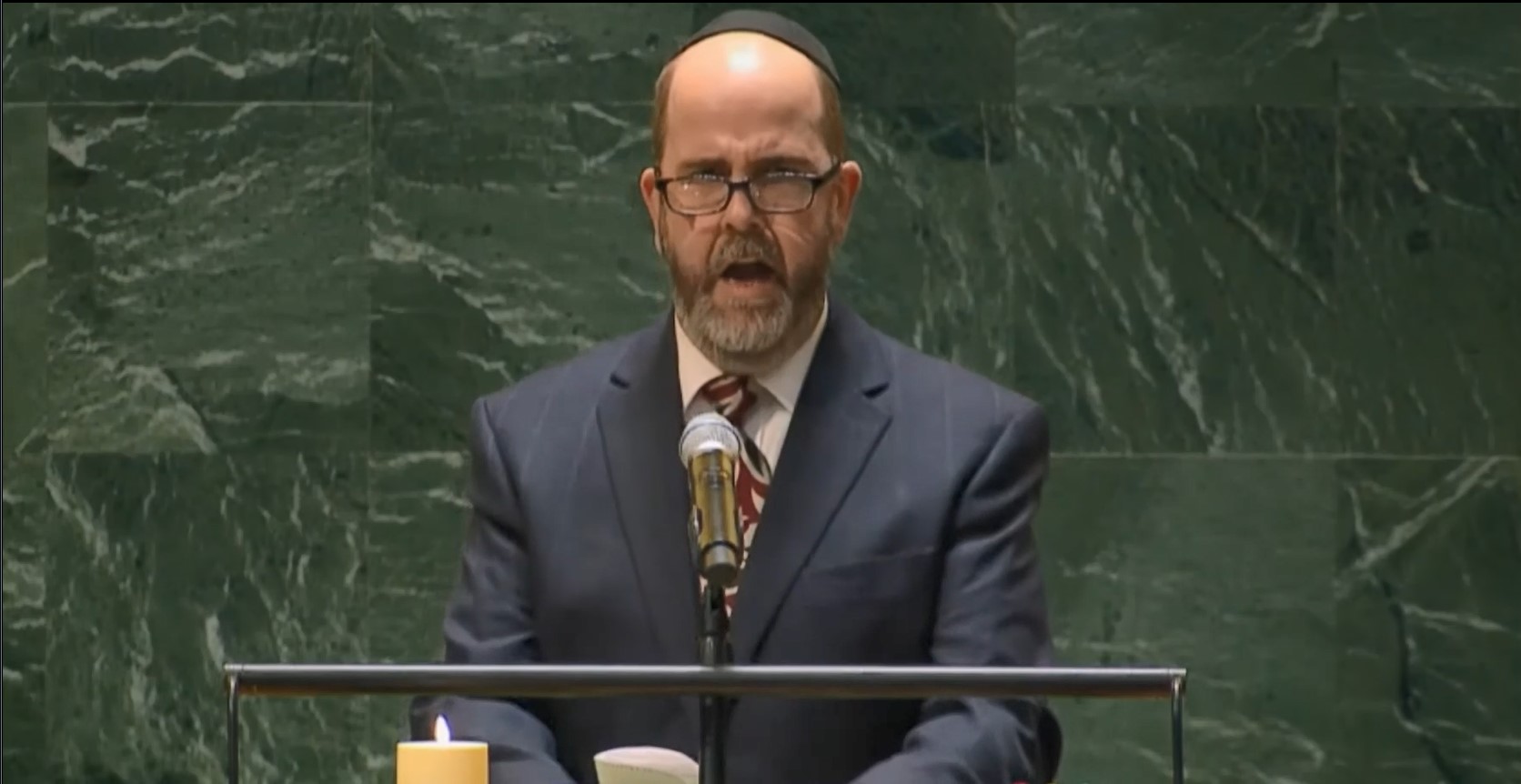
We must remember history and listen to the voices of Holocaust survivors. The Holocaust commemoration ceremony was presided over by Melissa Fleming, UN Under-Secretary-General for Global Communications. As the core segment of the event, the testimonies of Holocaust survivors and guest speakers brought a profound sense of shock and enlightenment, allowing attendees to truly grasp the weight of that dark chapter in history.
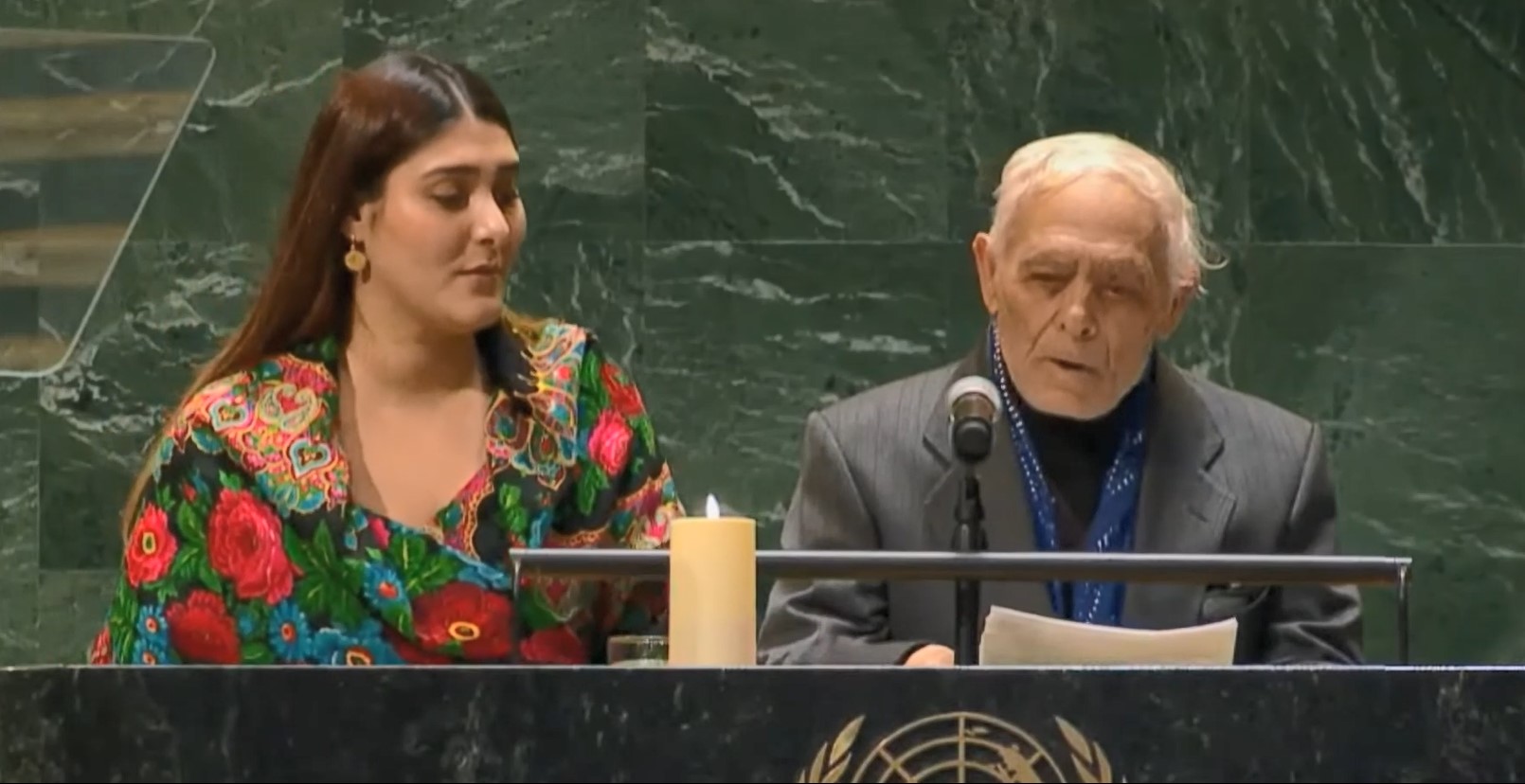
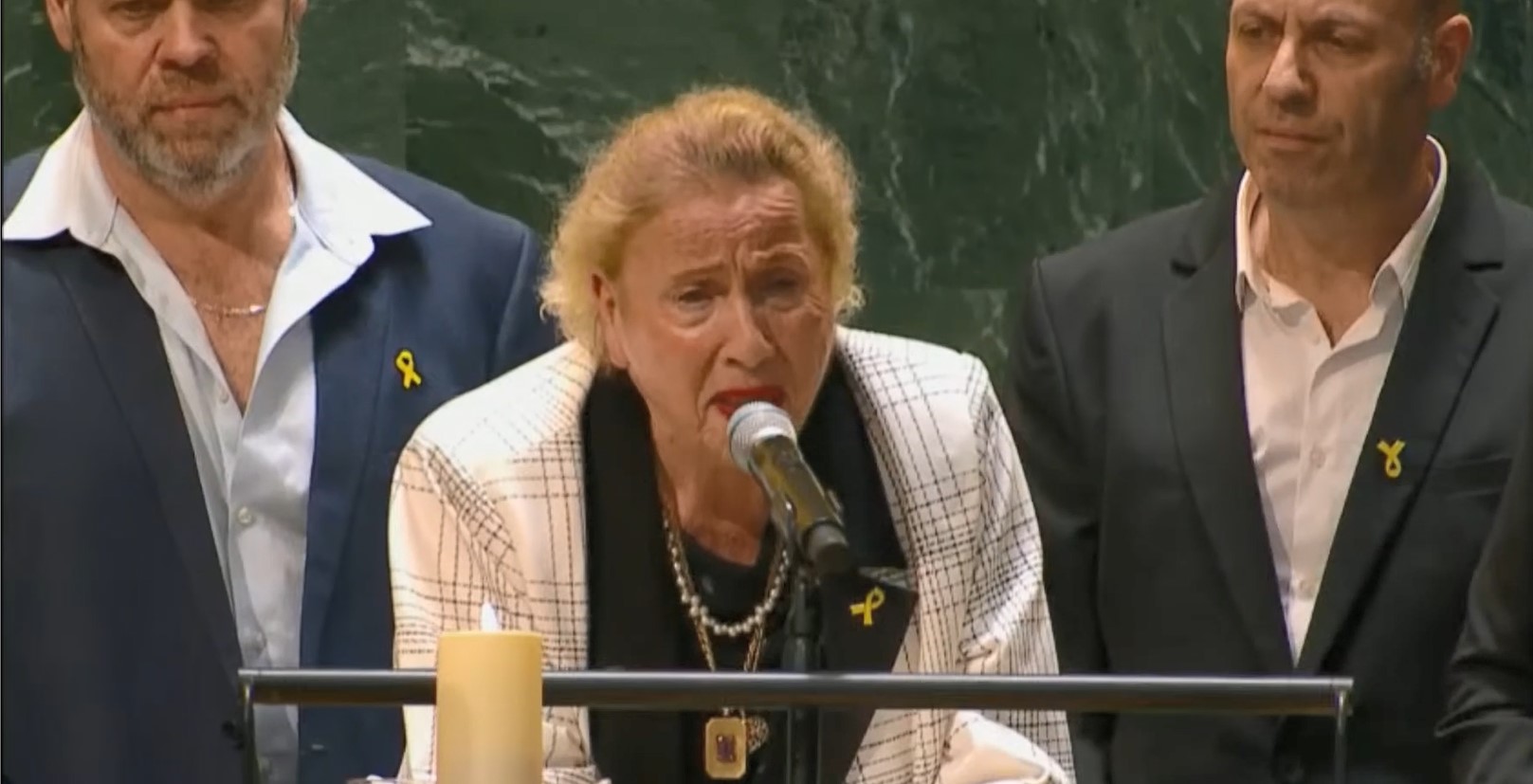
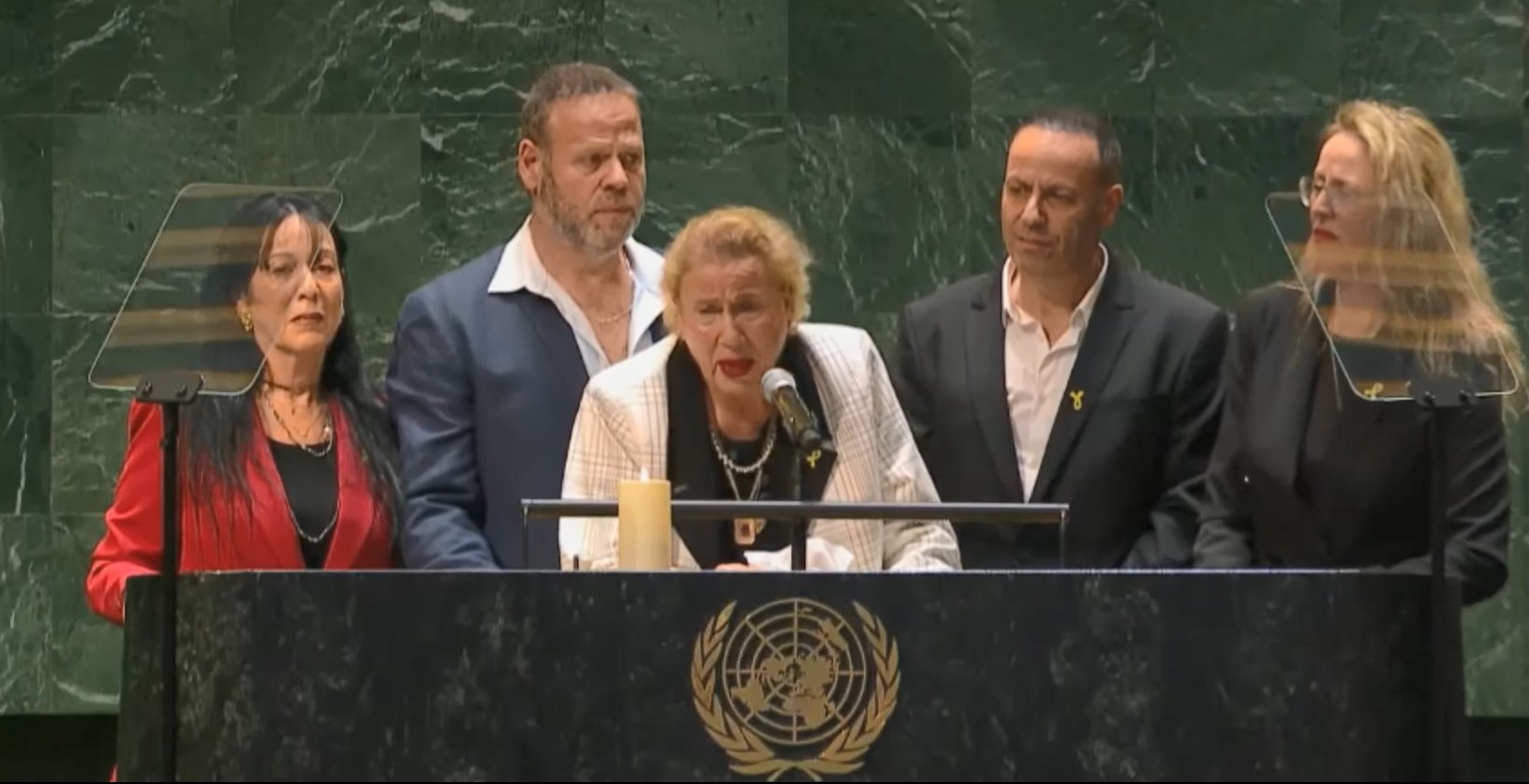
Survivor Dumitru Mihăilescu traveled from Budapest to share his personal experiences, warning the world never to forget the suffering endured by the Roma and Jewish communities. Another survivor, Marianne Müller, took the stage alongside her descendants, recounting the tragedy and resilience of her family. With unwavering conviction, she declared, "They are my answer to Hitler." This powerful statement not only conveyed a deeply personal belief but also symbolized hope, the triumph over hatred, and the perseverance of life itself.
Mr. António GuterresUnited Nations Secretary-GeneralMr, Philémon Yang President of the 79th Session of the United Nations General AssemblyMr. lsaac Herzog President of the State of lsrael
The commemoration ceremony responded to the calls of the international community, with the UN Secretary-General and the President of the 79th UN General Assembly delivering key speeches reaffirming the United Nations' commitment to preventing genocide and combating hate speech.
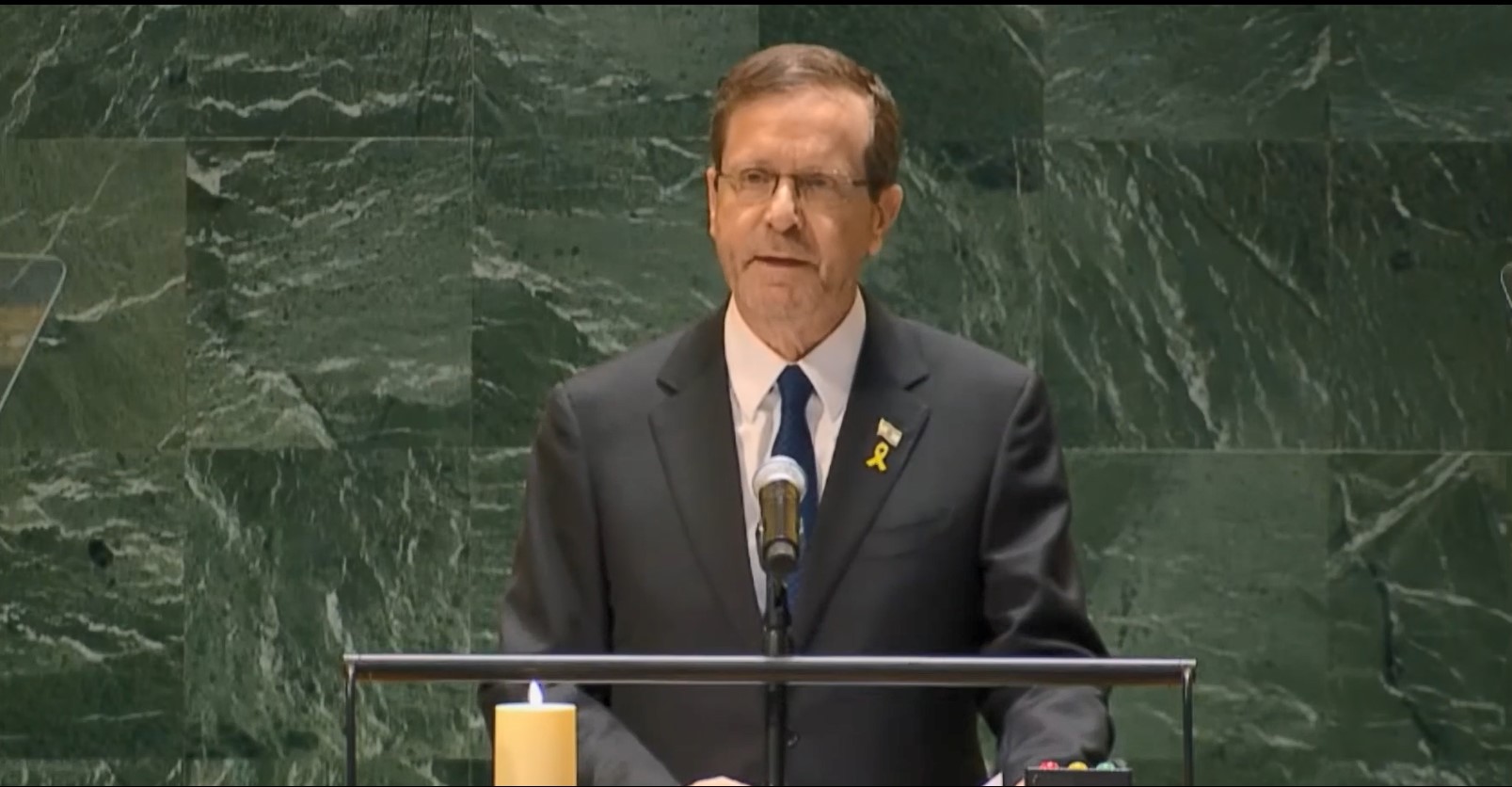
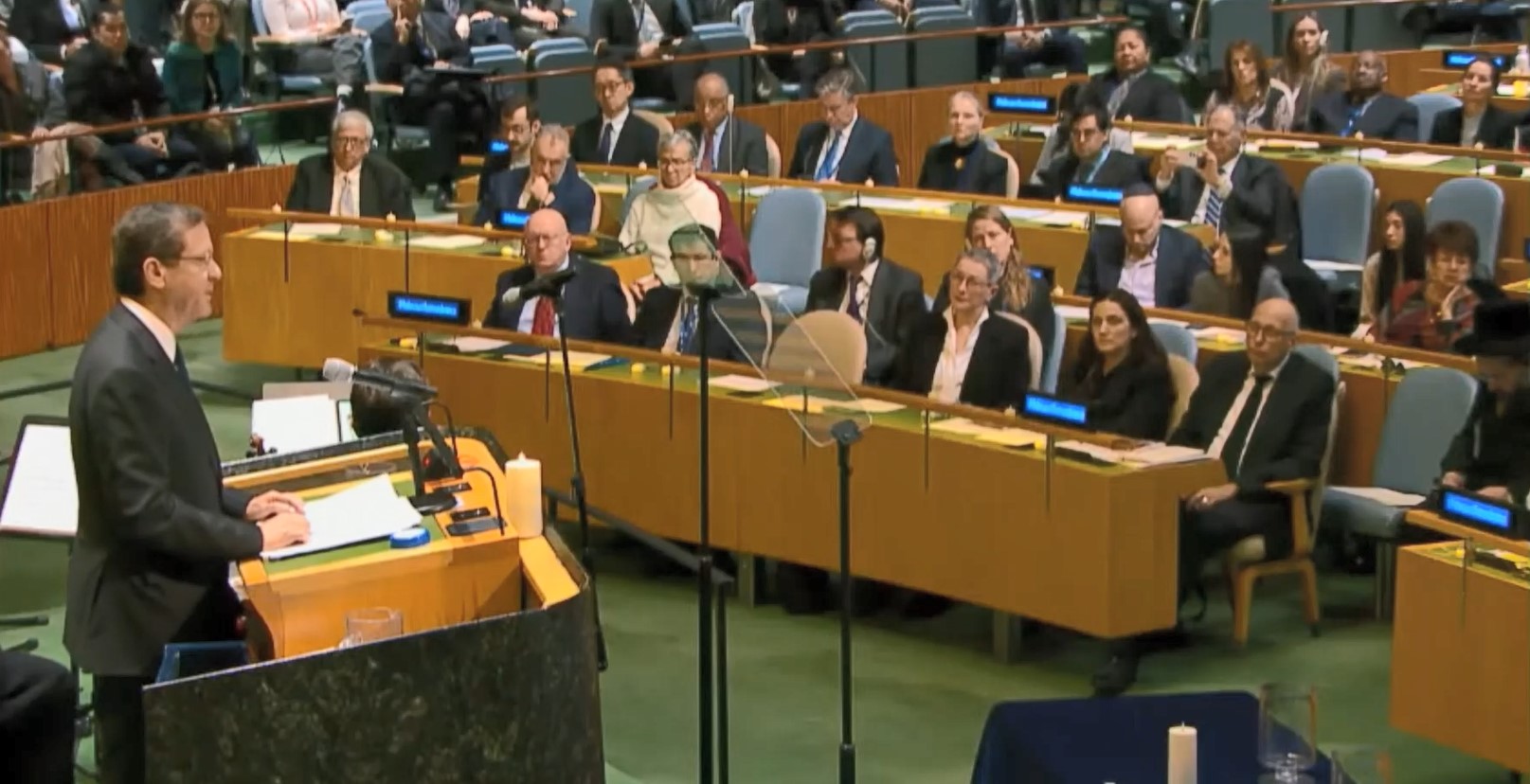
Israeli President Isaac Herzog delivered a particularly powerful address, stating: "It is time to recognize that challenging our right to exist is not diplomacy—it is blatant antisemitism." This striking remark underscores the reality that antisemitism is not just a historical issue but a persistent threat in modern society.
Ms. Dorothy SheaChargée d'affaires ad interim of the United States to the United NationsMr. Stavros LambrinidisHead of the Delegation of the European Union to the United NationsMr. Vassily A. NebenziaPermanent Representative of the Russian Federation to the United NationsDanny Danon, Israel's permanent representative to the United Nations (Third from right)
Mr. Dumitru MiclescuAccompanied by Ms. Izabela Tiberiade Ms. Marianne Muller
Listening to the Voices of Survivors
A core segment of the event was the testimonies of Holocaust survivors and guest speakers, whose accounts vividly brought to life one of history’s darkest chapters.
Survivor Dumitru Mihăilescu traveled from Budapest to deliver a solemn warning: the suffering of the Roma and Jewish people must never be forgotten. Another survivor, Marianne Müller, stood on stage with her descendants, sharing her family's story of tragedy and resilience. With unwavering resolve, she declared: "They are my answer to Hitler." This powerful statement not only conveyed her personal conviction but also symbolized the triumph of hope and life over hatred.
Speeches by Global Leaders
The UN Secretary-General and the President of the 79th UN General Assembly delivered important speeches, reaffirming the United Nations' commitment to preventing genocide and combating hate speech.
Israeli President Isaac Herzog made a particularly striking statement: "It is time to recognize that challenging our right to exist is not diplomacy—it is blatant antisemitism." His sharp remarks served as a stark reminder that antisemitism is not just a historical issue but remains a modern-day threat.
The Significance of the Commemoration
The commemoration was not only about remembering history but also about looking toward the future. Holocaust remembrance is more than a tribute to the past—it is a warning for generations to come.
Eighty years ago, the liberation of Auschwitz marked the end of one atrocity, yet the world has not fully rid itself of hatred and prejudice. The stories of Jewish, Roma, and other persecuted communities reveal that violations of human dignity and equality continue to manifest in different forms.
This UN commemoration serves as a crucial reminder that human rights and dignity must never be neglected or eroded under any pretext. The day stands as a wake-up call to the international community: history must not repeat itself. It is our collective responsibility to eliminate hatred, racism, and discrimination and ensure that the lessons of the past guide us toward a more just and humane future.
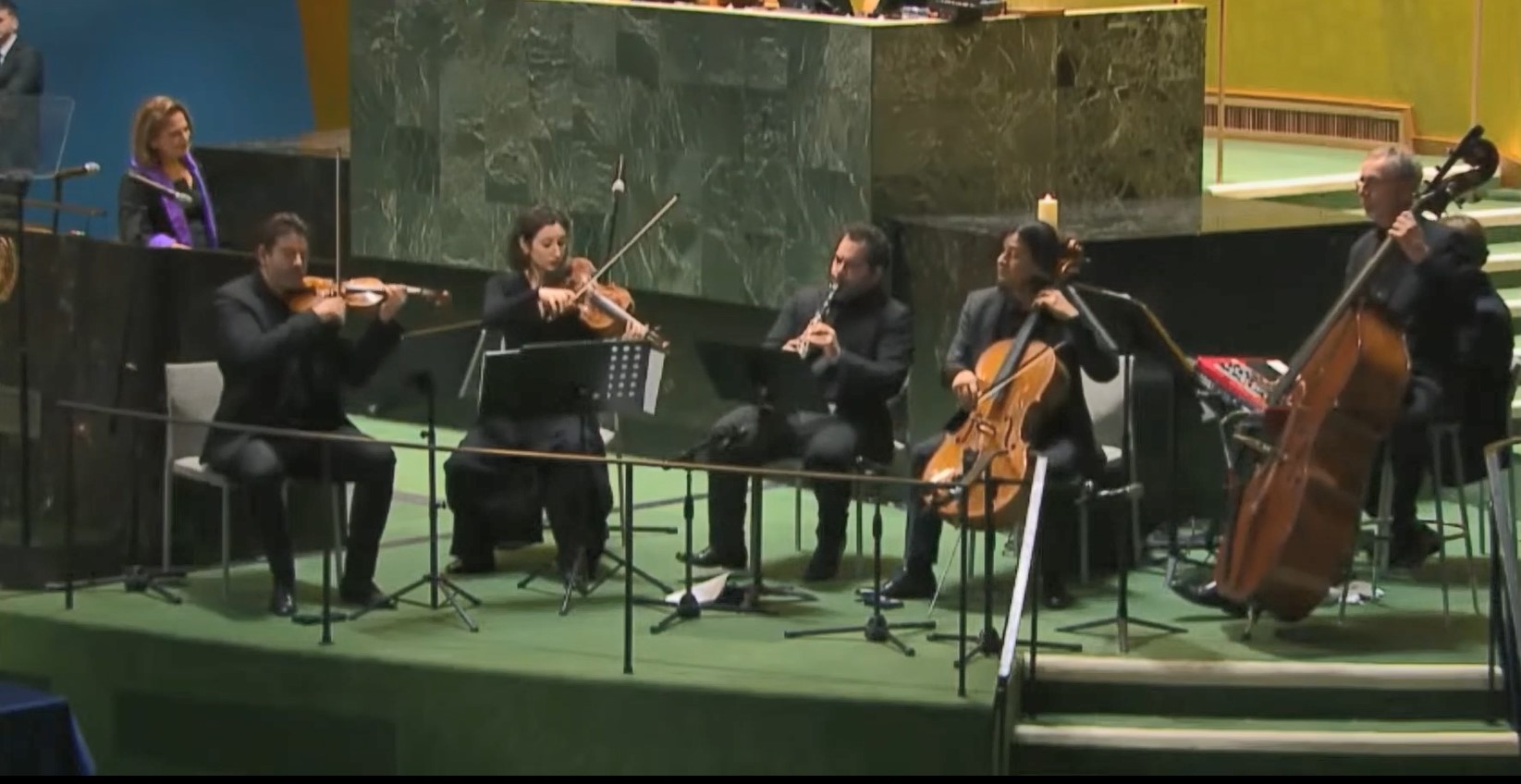
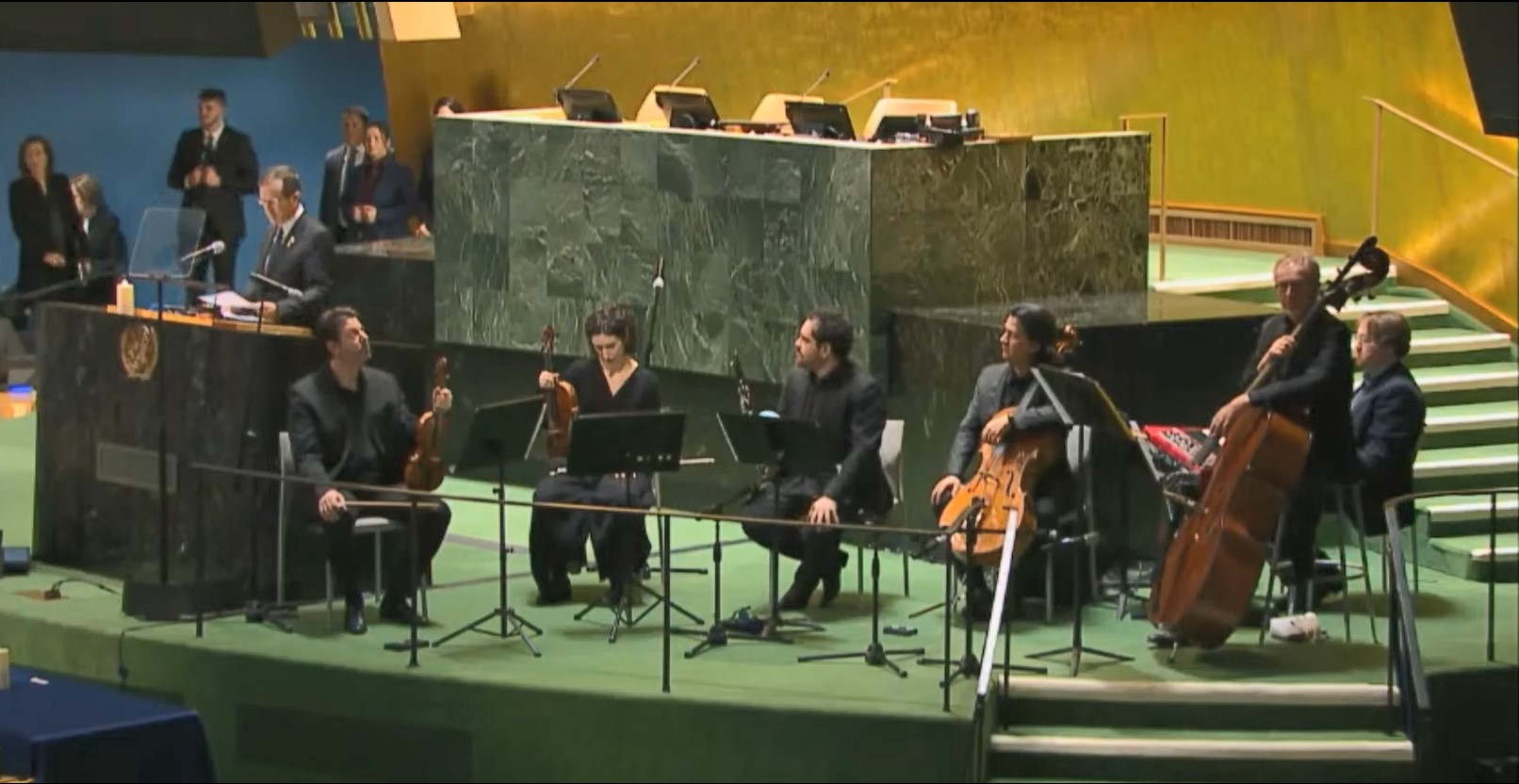
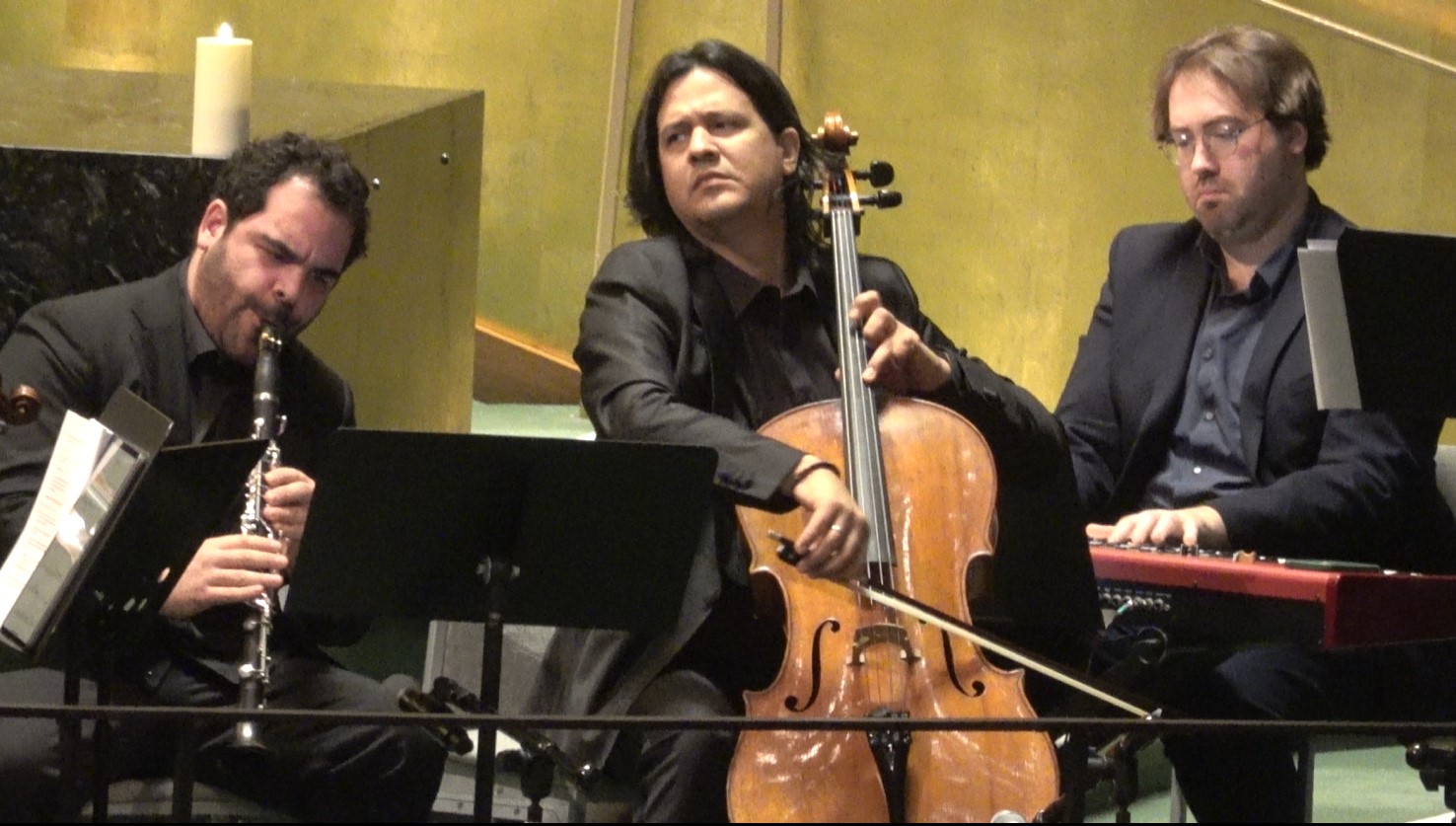
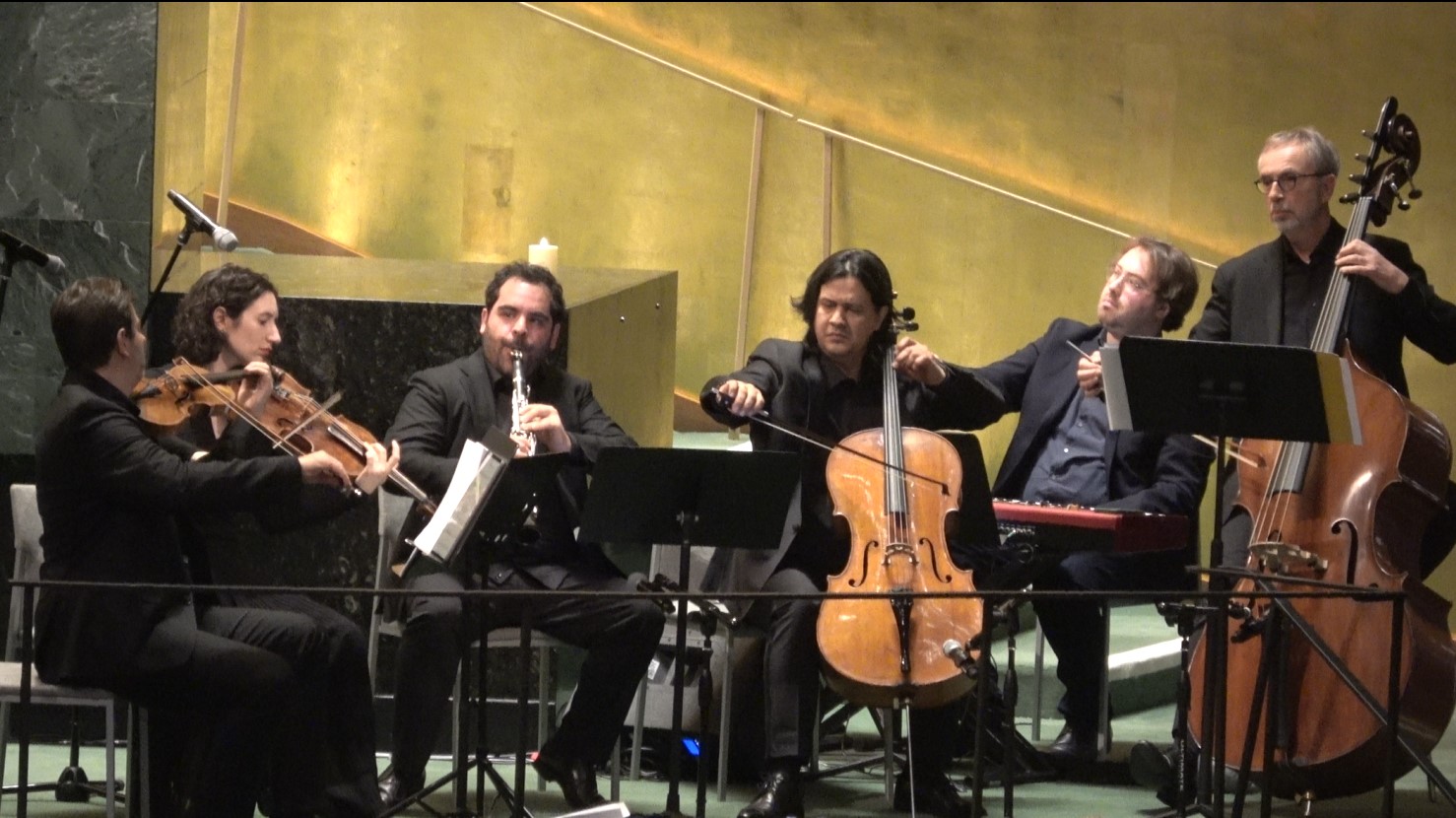
The Ministry of Foreign Affairs of Germany and the Permanent Mission of Germany to the United Nations for bringing Lebensmelodien to us. The Permanent Mission oflsrael to the United Nations in bringing Ms, Muller to us
From Remembrance to Action This year’s Holocaust remembrance emphasized action—drawing lessons from history to defend peace and justice. Key measures include educating future generations about history, combating antisemitism and all forms of hate speech, and encouraging tangible efforts by the international community to protect human rights.
The 2025 commemoration is not only a retrospective of a somber history but also a reaffirmation of humanity’s commitment to dignity and human rights. In the face of present challenges, it is everyone’s shared responsibility to honor the past with sincere actions and safeguard the future with unwavering determination.




 Mr. Philémon Yang President of the 79th Session of the United Nations General Assembly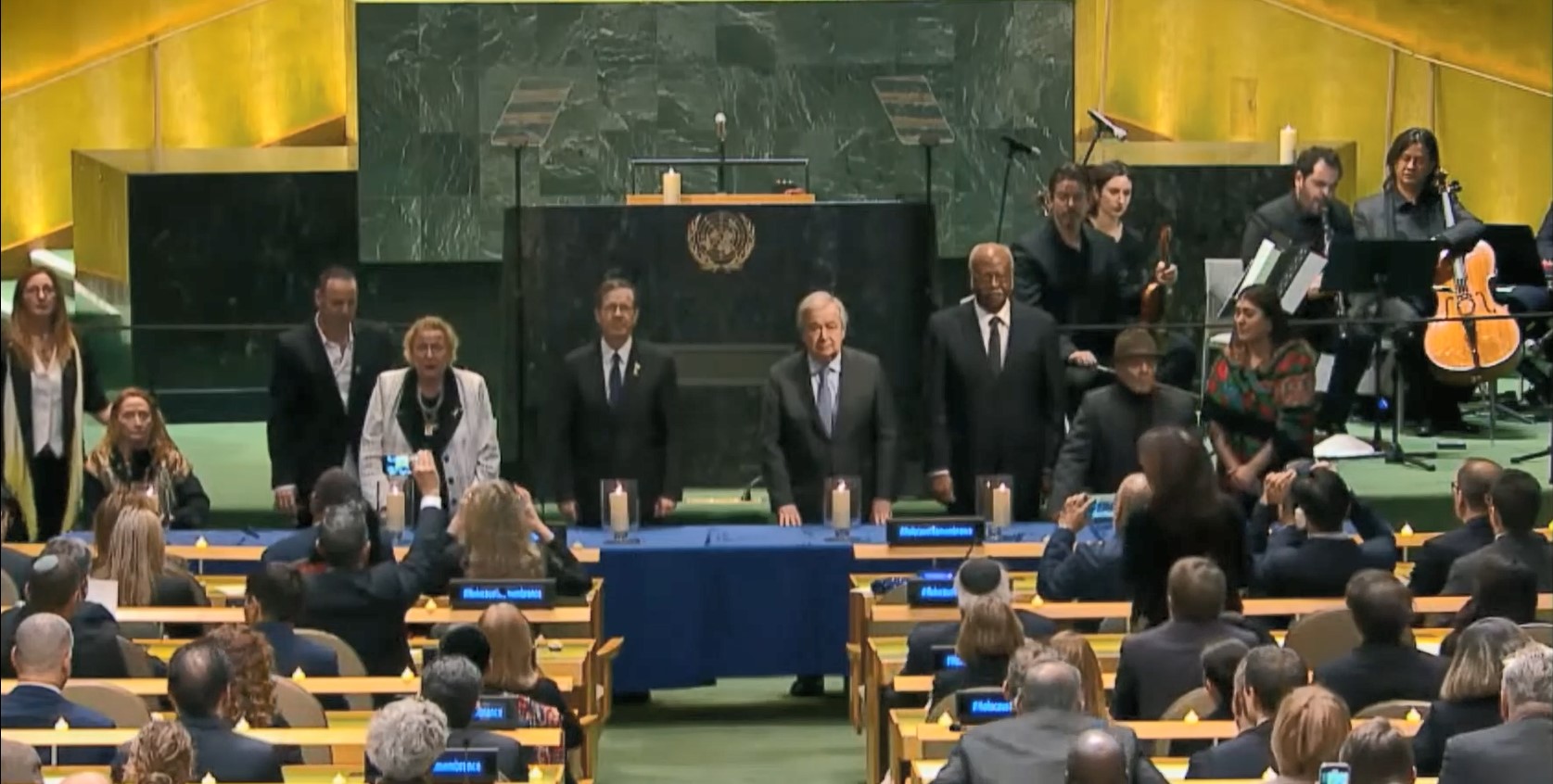
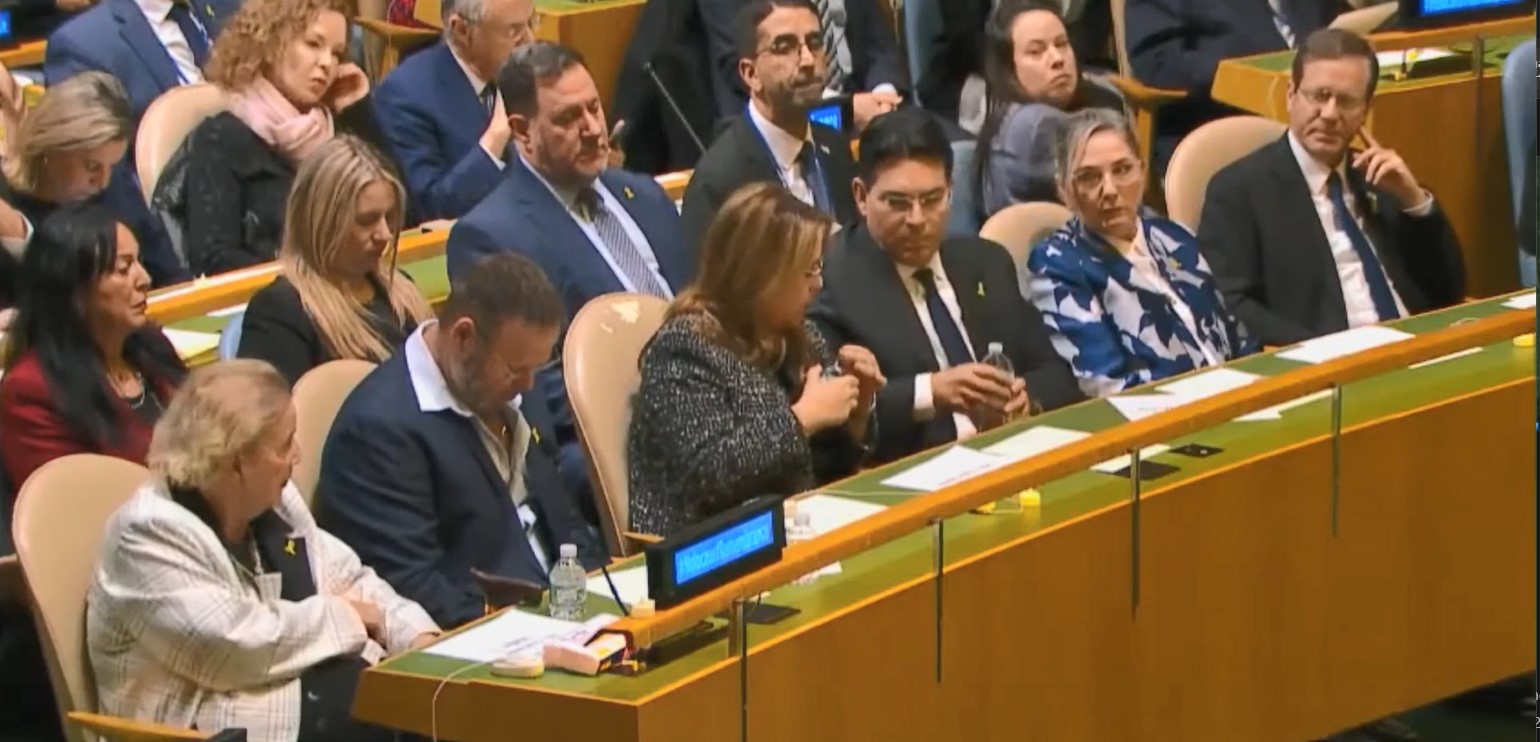 Danny Danon, Israel's permanent representative to the United Nations (Third from right)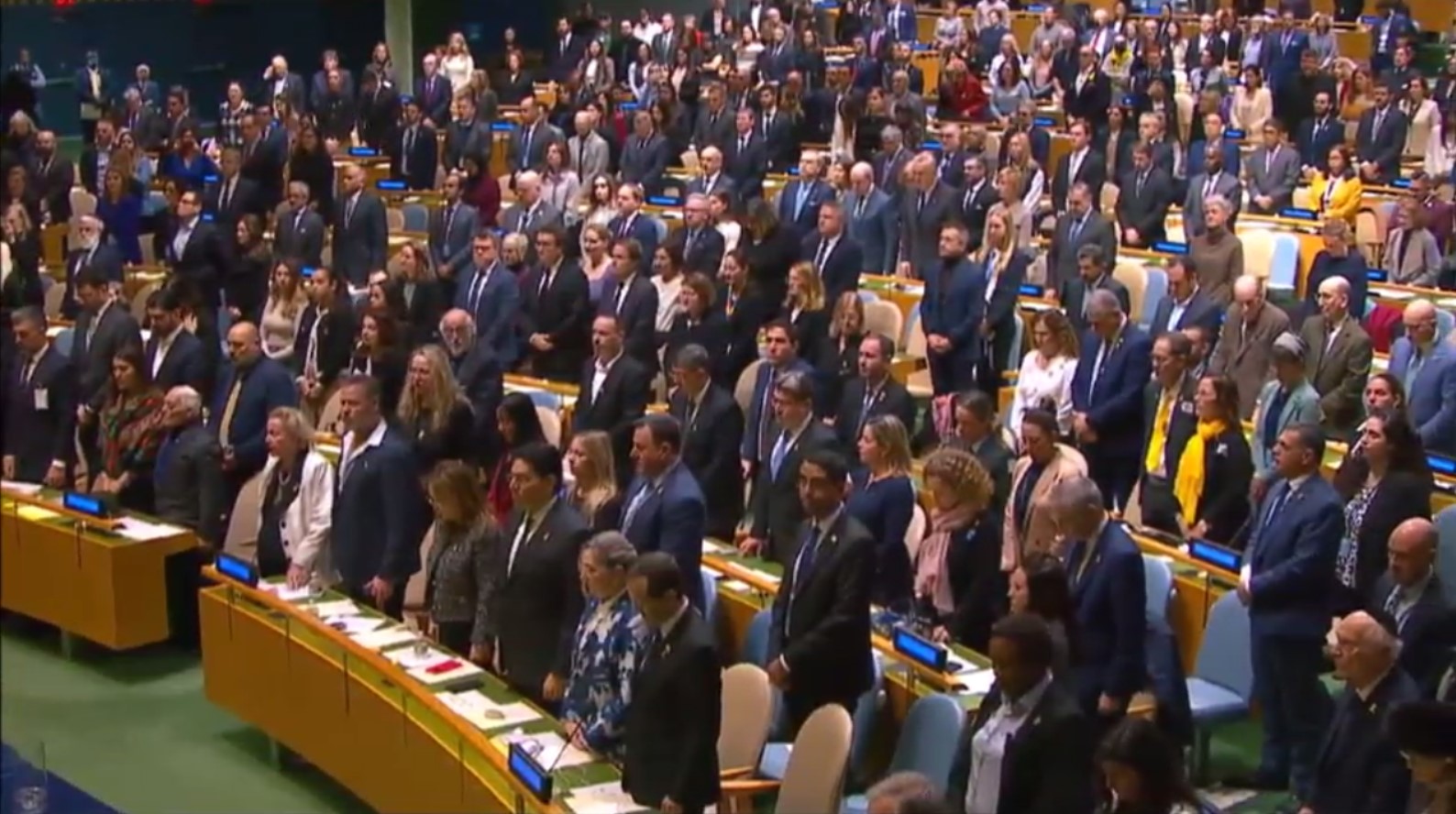

 © WFP/Moses Sawasawa A woman walks through the streets with children in Goma in the eastern Democratic Republic of the Congo.
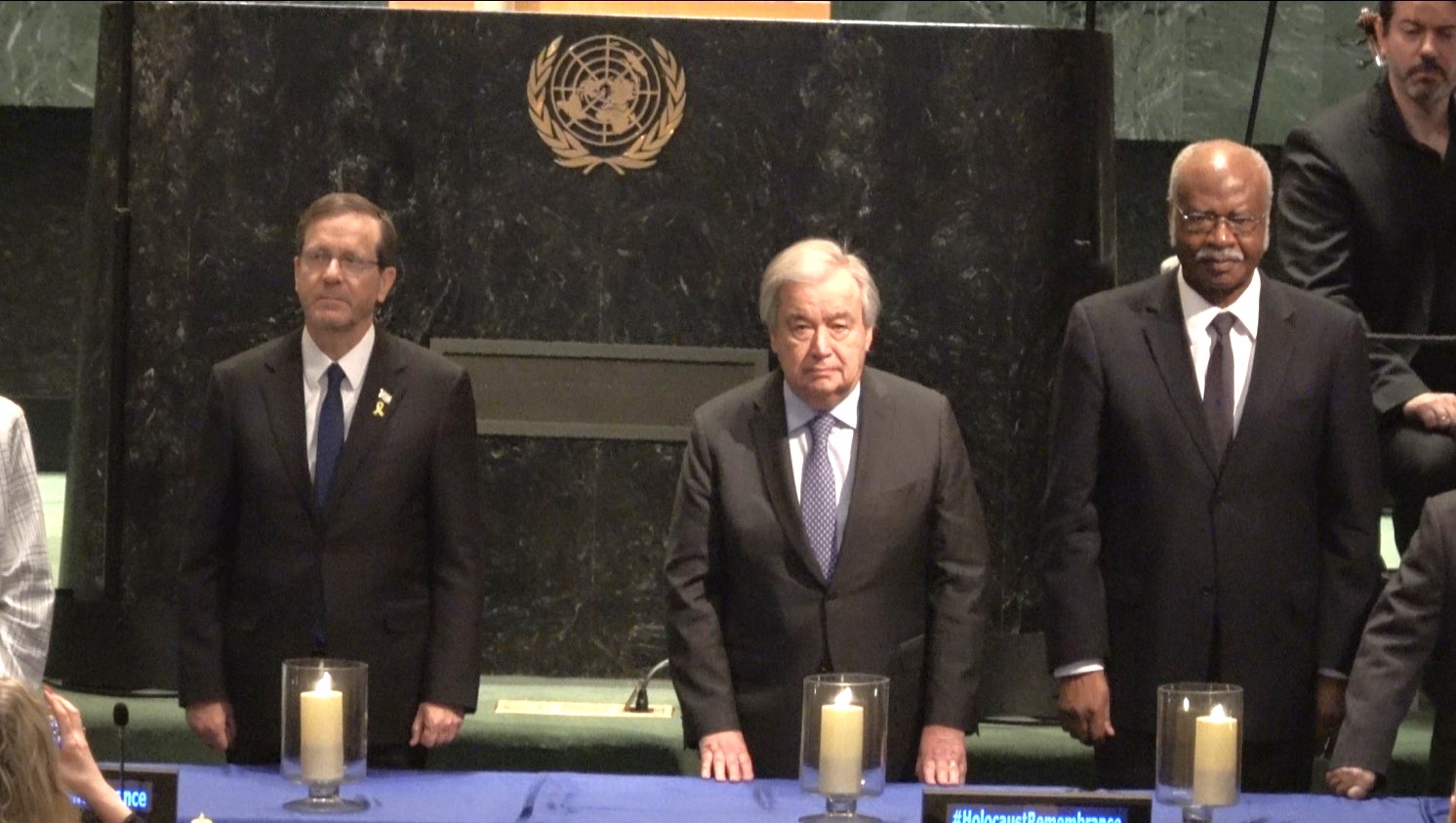


 Mr. António GuterresUnited Nations Secretary-General
 Mr, Philémon Yang President of the 79th Session of the United Nations General Assembly
 Mr. lsaac Herzog President of the State of lsrael
 Ms. Dorothy SheaChargée d'affaires ad interim of the United States to the United Nations
 Mr. Stavros LambrinidisHead of the Delegation of the European Union to the United Nations
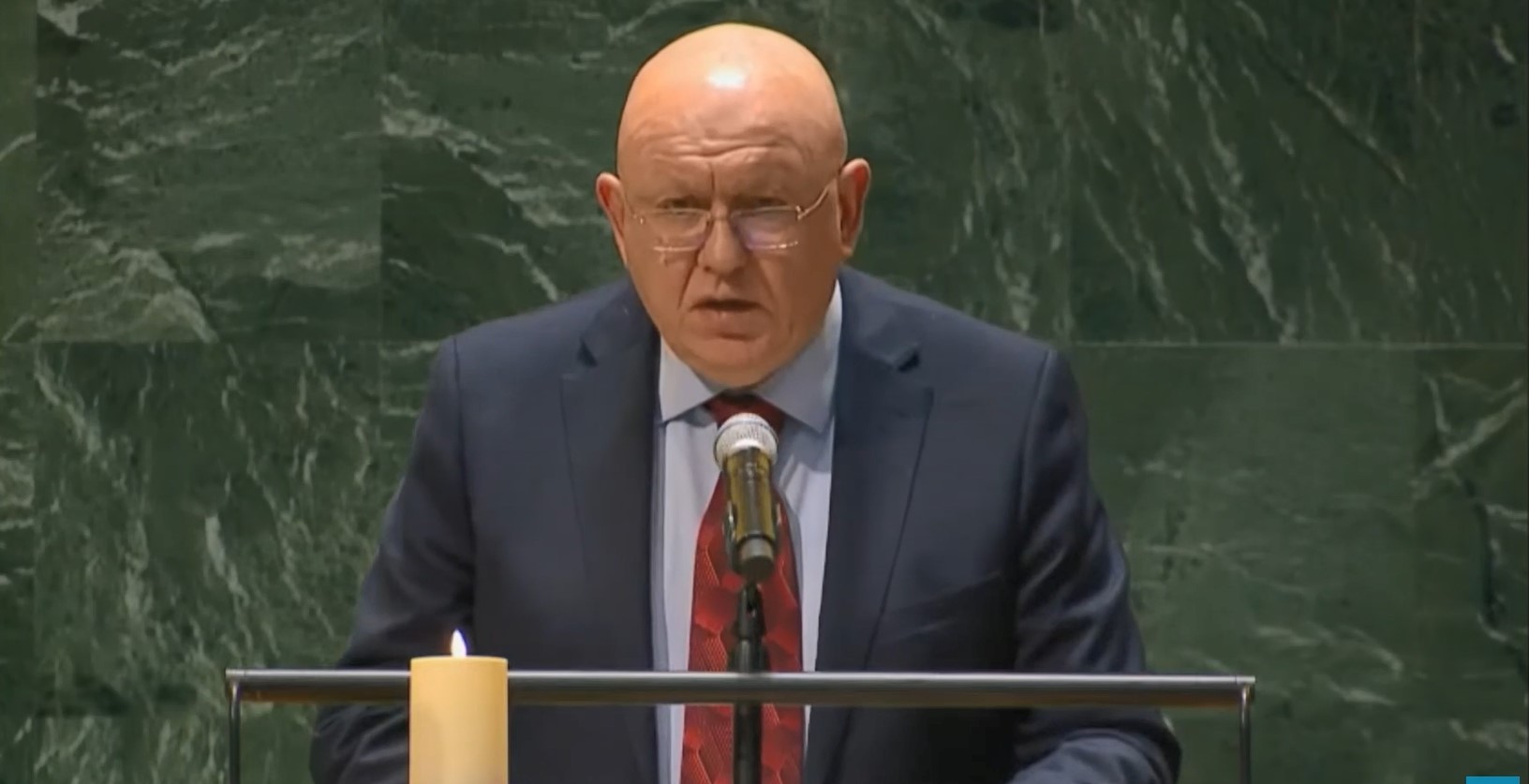 Mr. Vassily A. NebenziaPermanent Representative of the Russian Federation to the United Nations
 Danny Danon, Israel's permanent representative to the United Nations (Third from right)


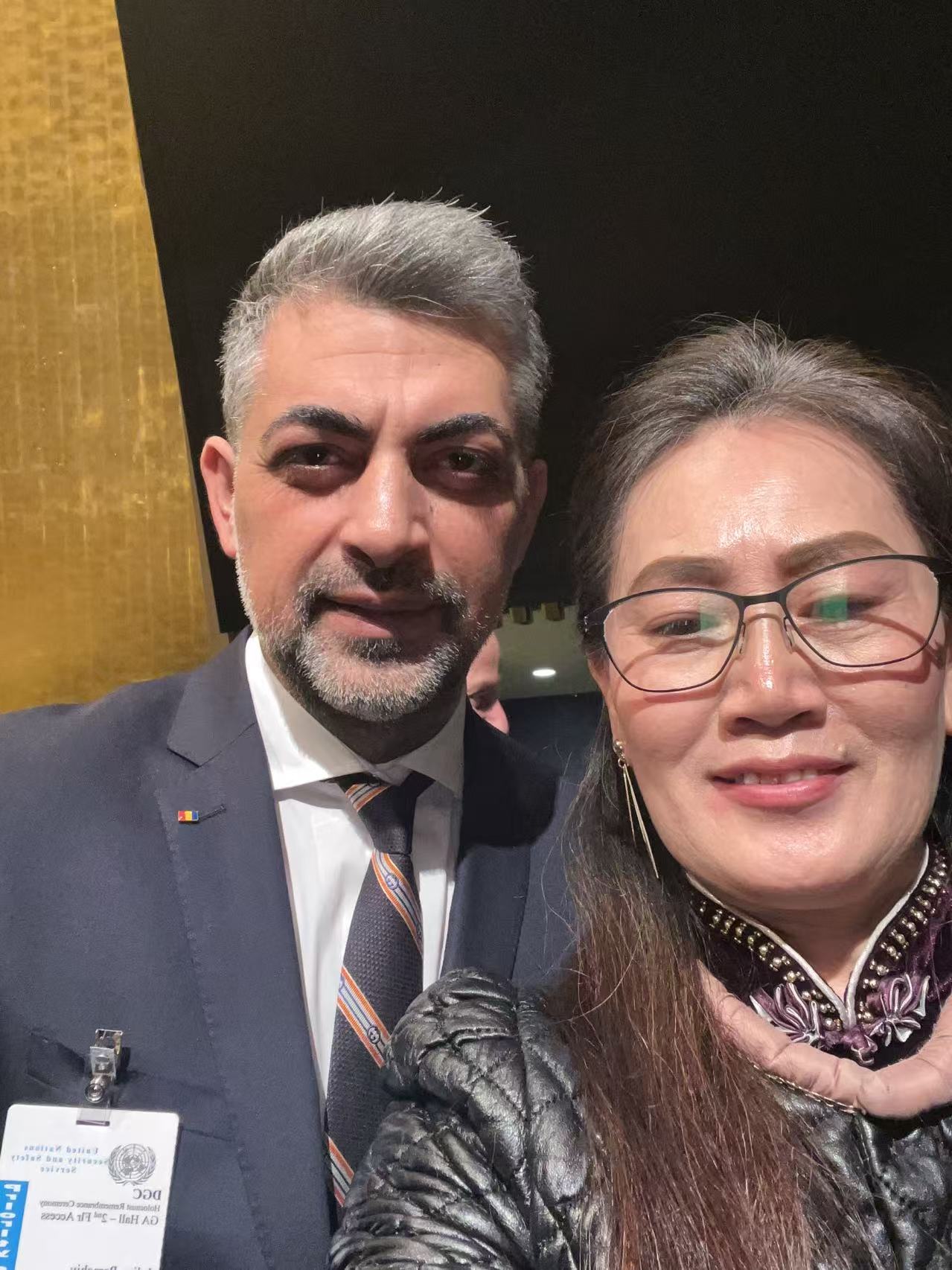 Romanian State Secretary and Celebrity Media CEO Ashley Chen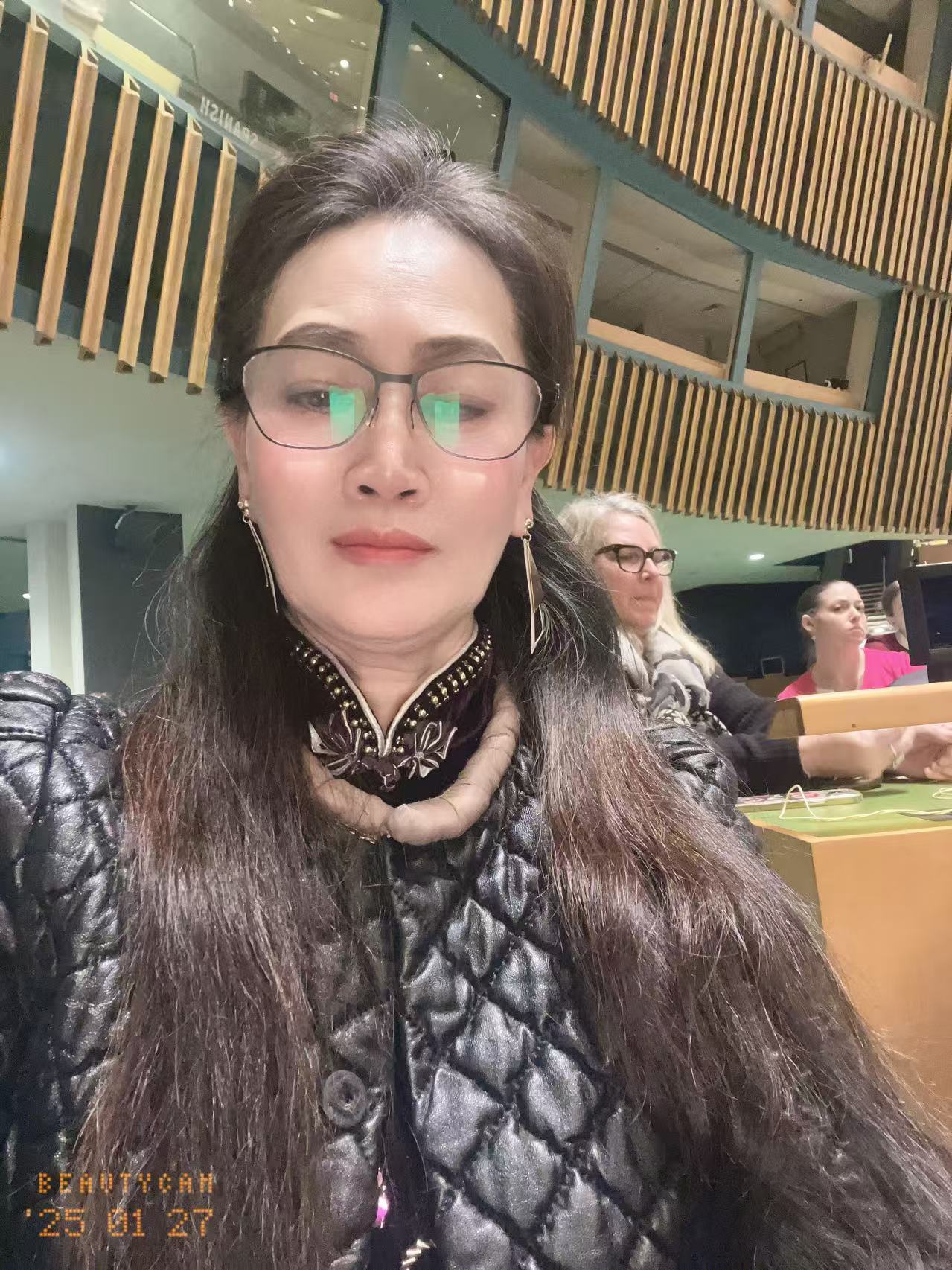
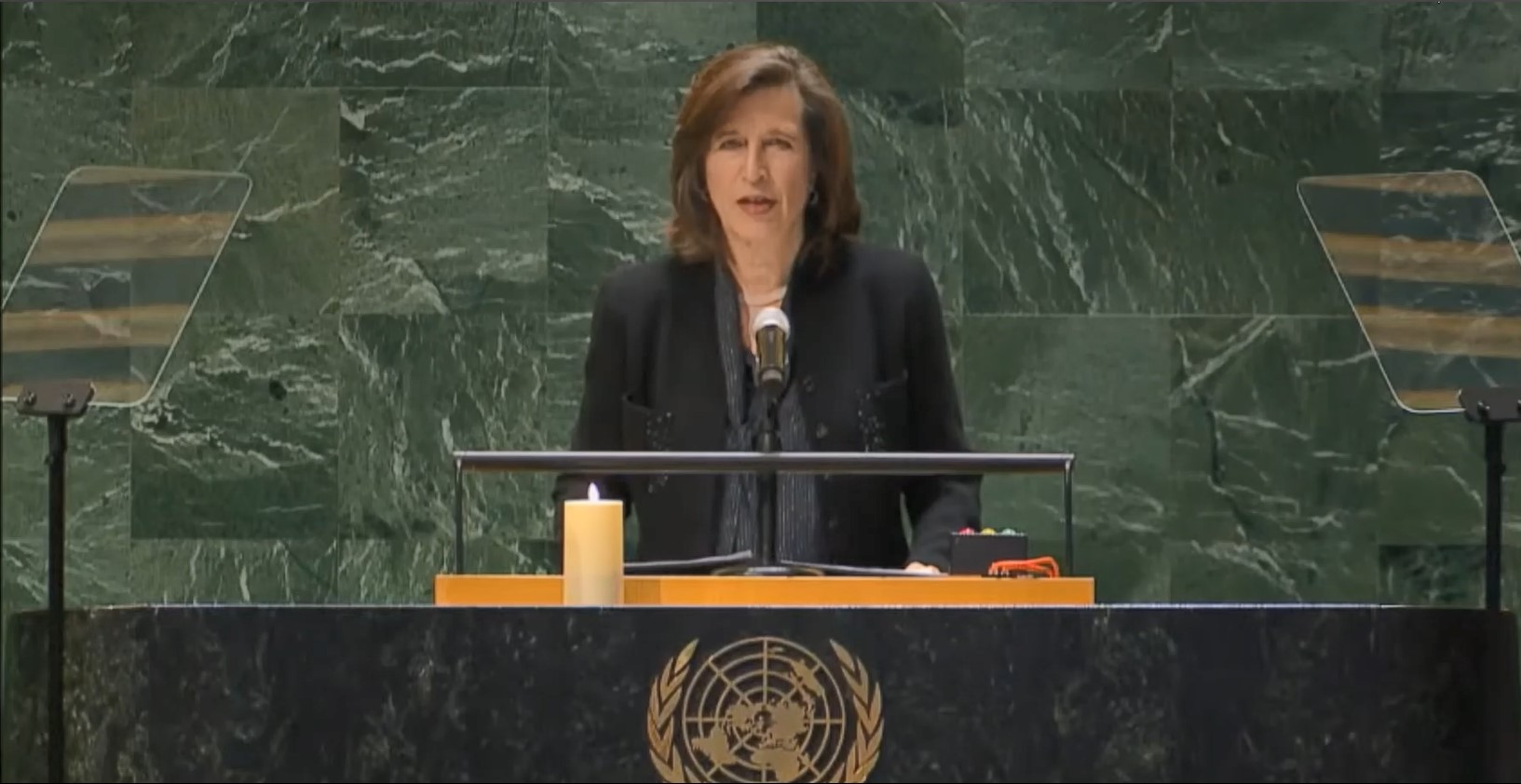 Ms. Melissa Flemin United Nations Under-Secretary-General for Global Communications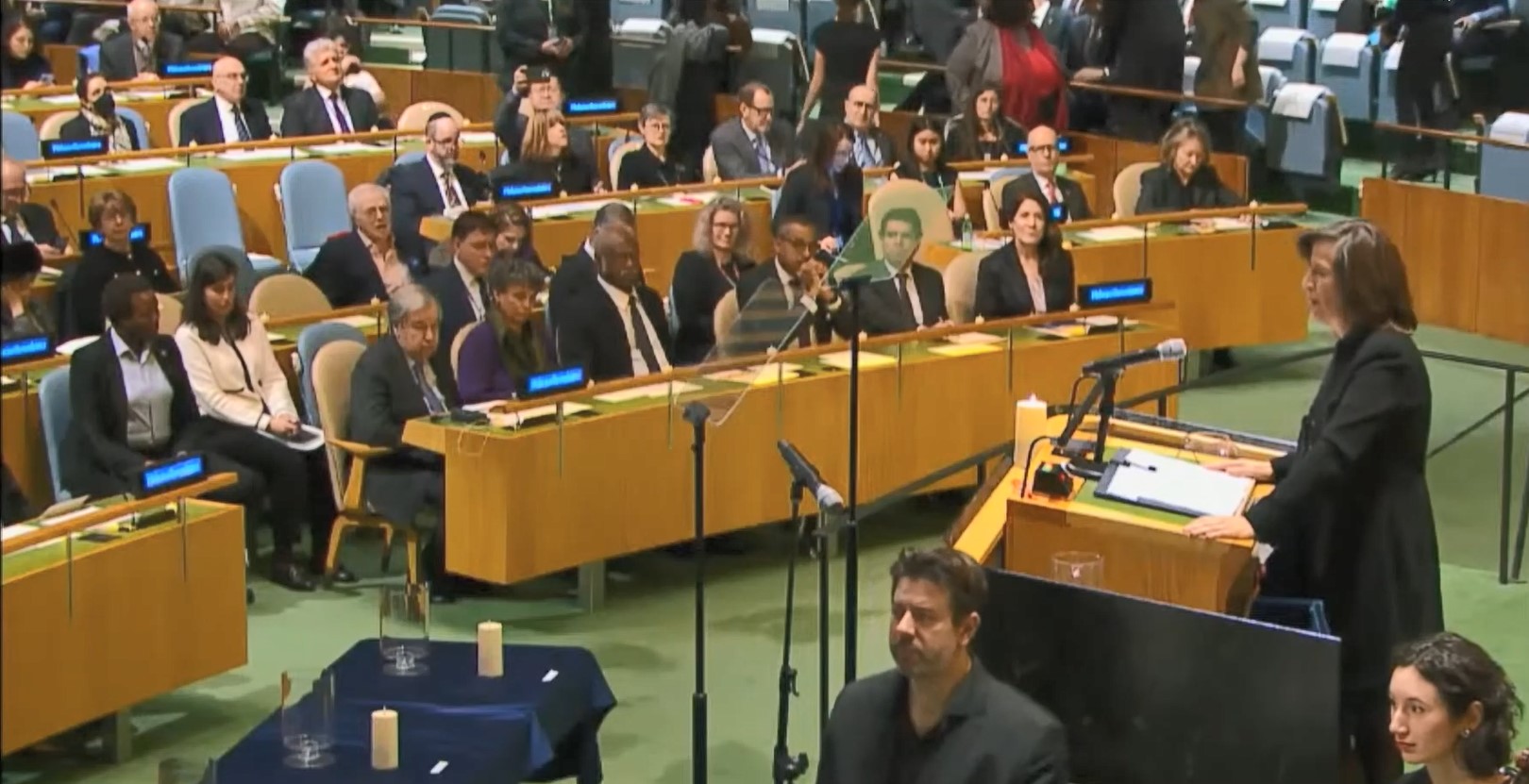
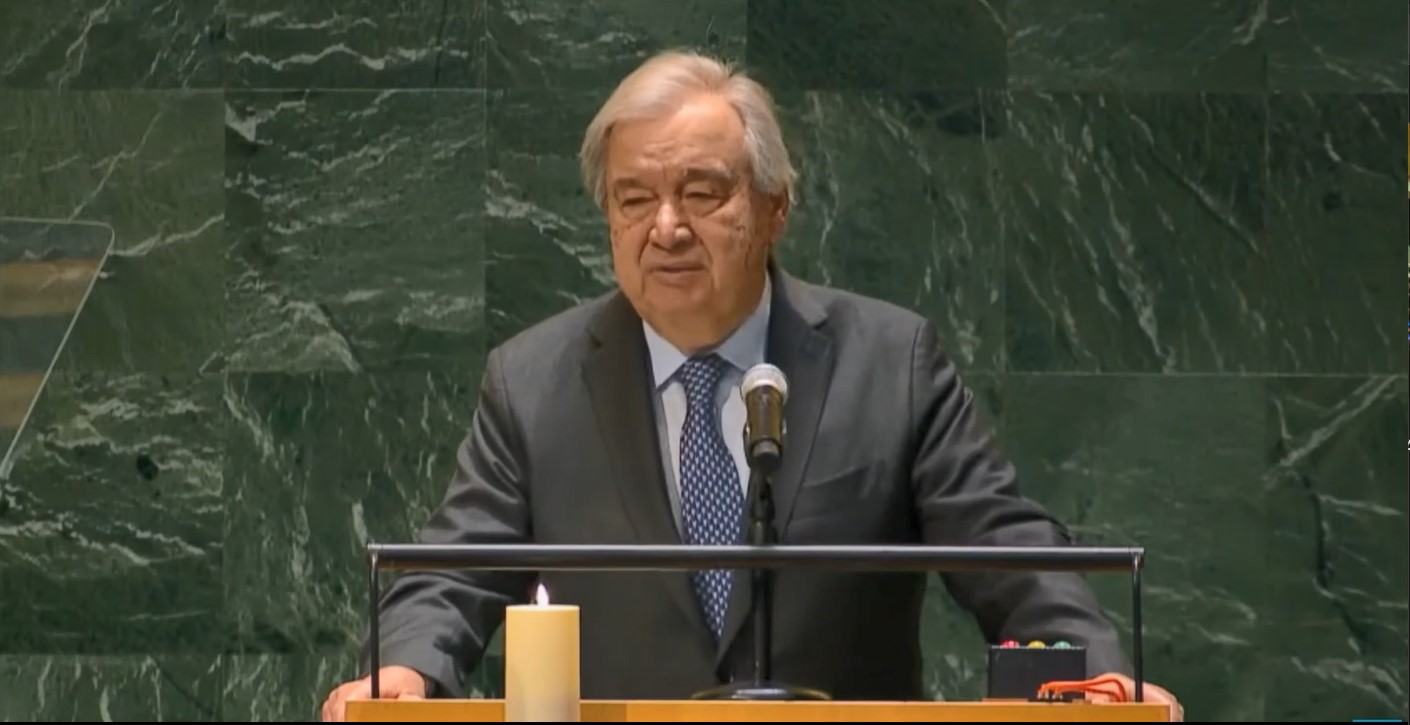 Mr. António GuterresUnited Nations Secretary-General
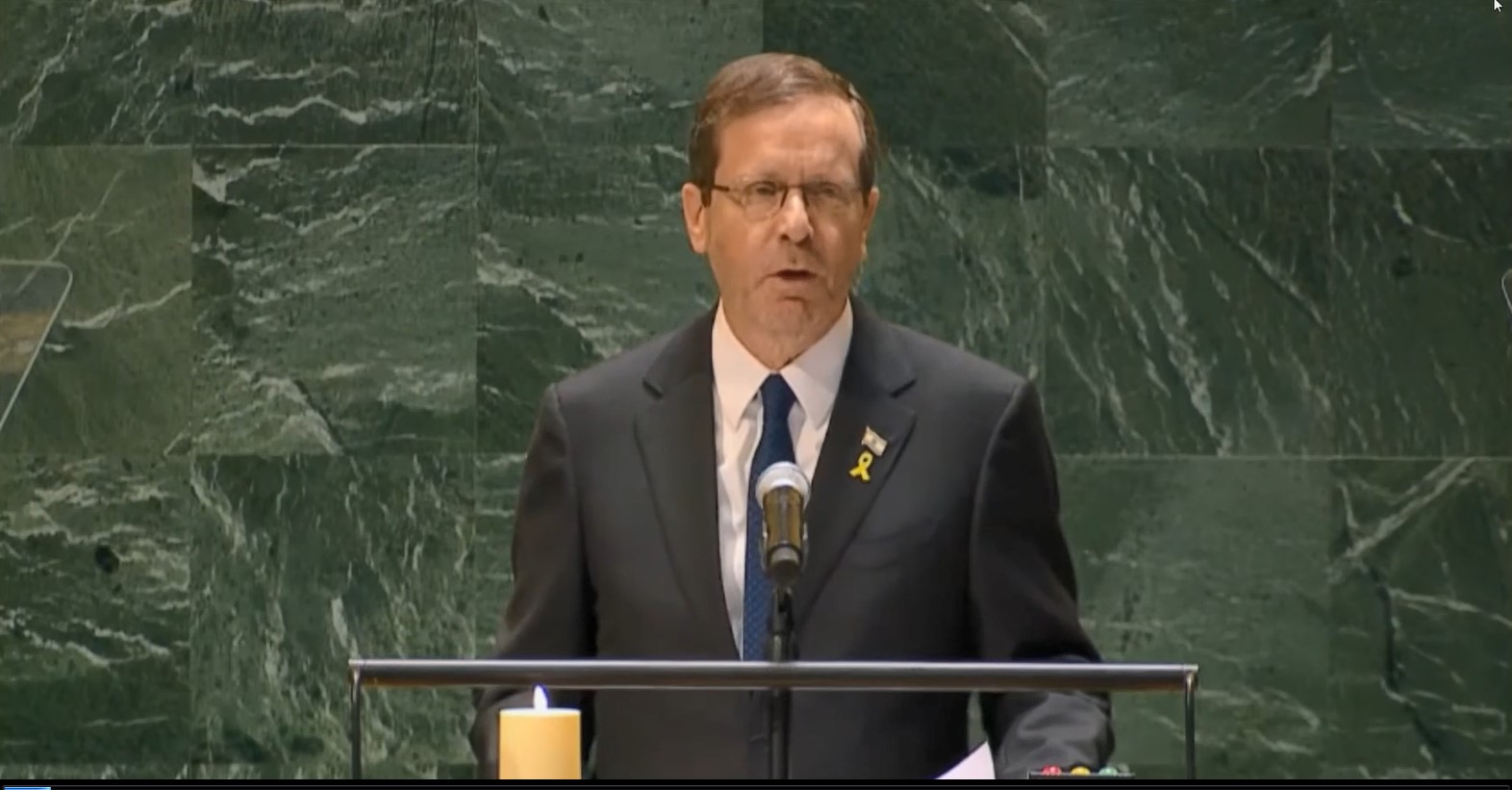 Mr. lsaac Herzog President of the State of lsrael
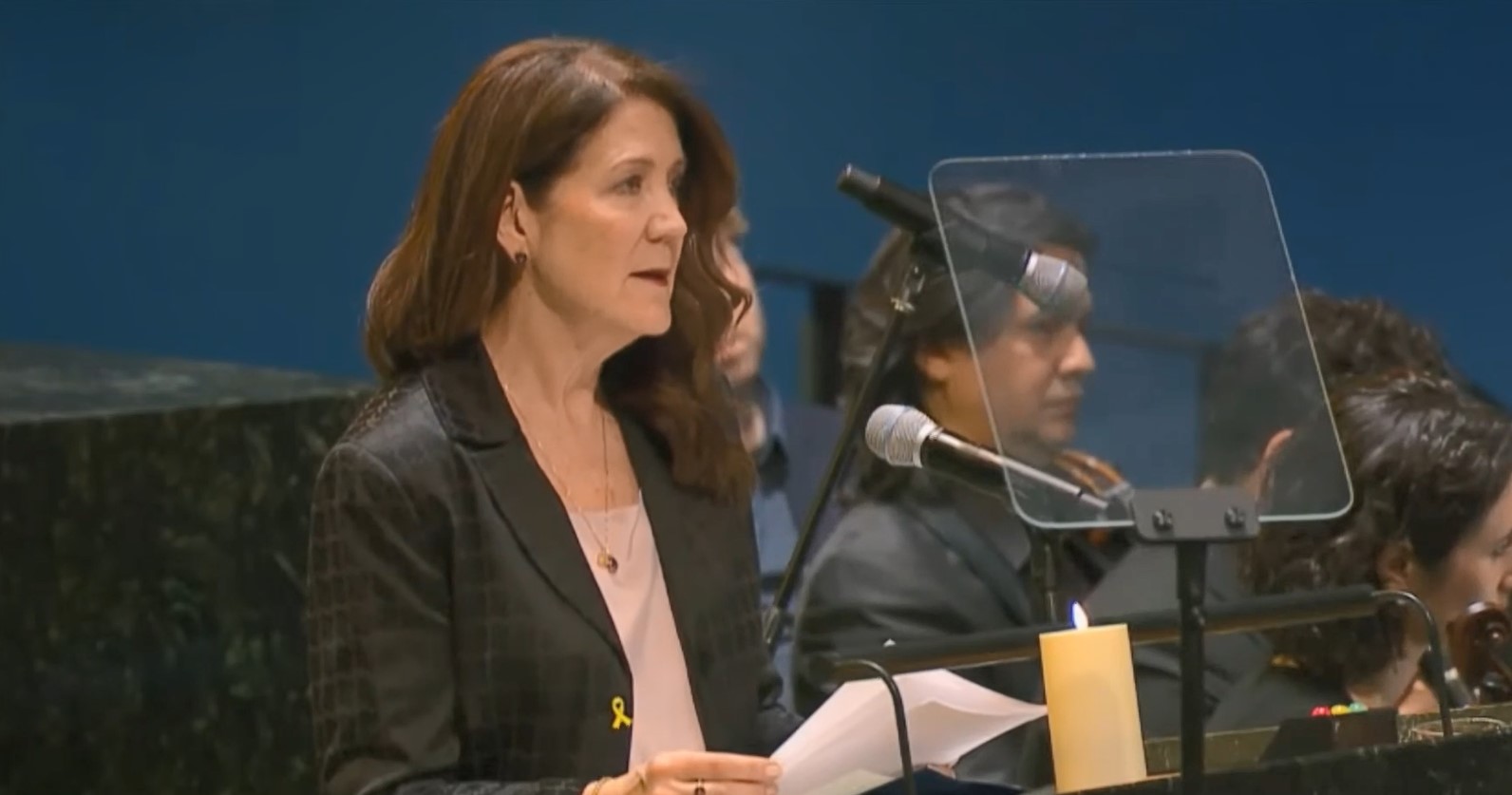 Ms. Dorothy SheaChargée d'affaires ad interim of the United States to the United Nations
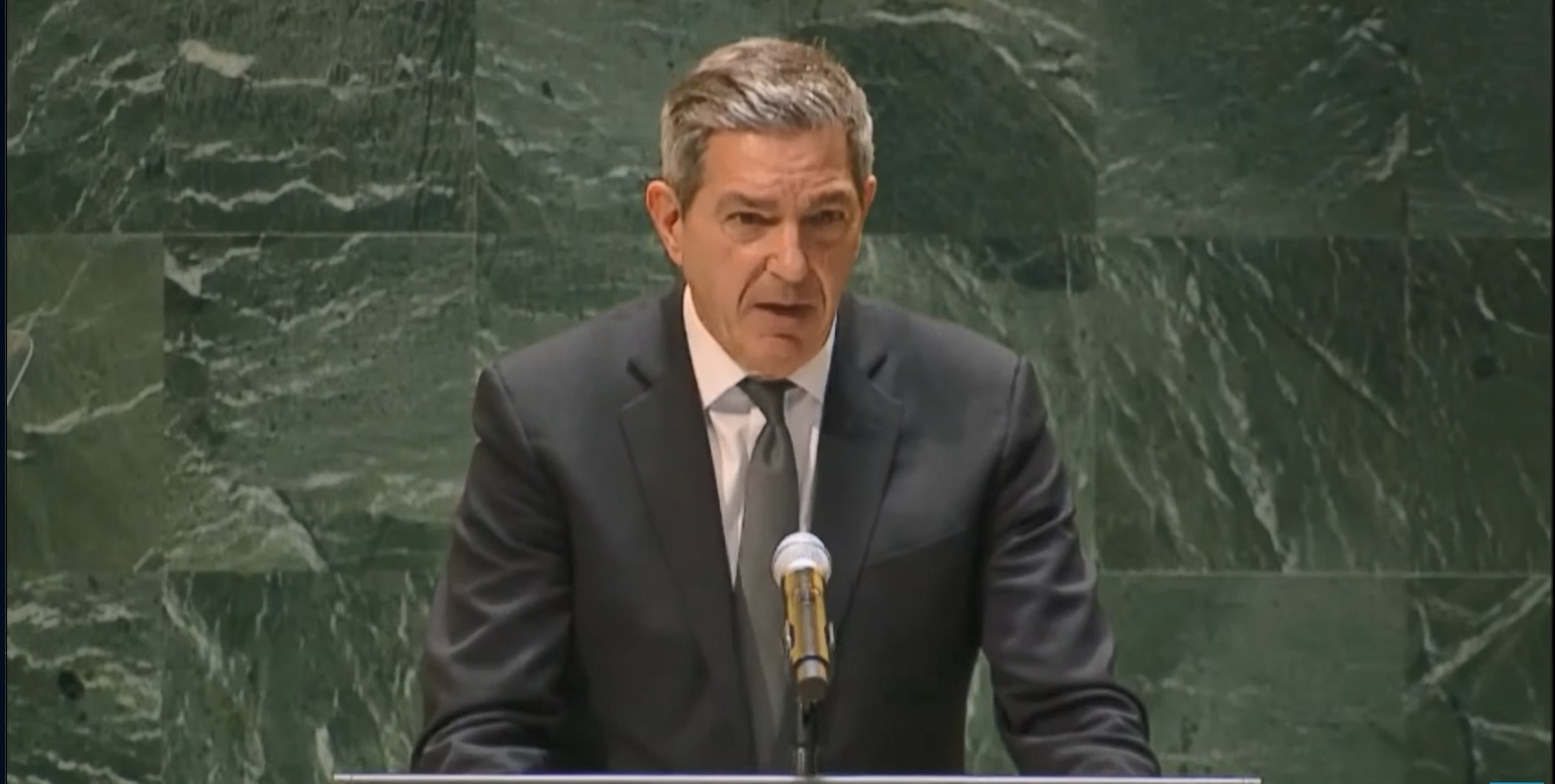 Mr. Stavros LambrinidisHead of the Delegation of the European Union to the United Nations
 Mr. Vassily A. NebenziaPermanent Representative of the Russian Federation to the United Nations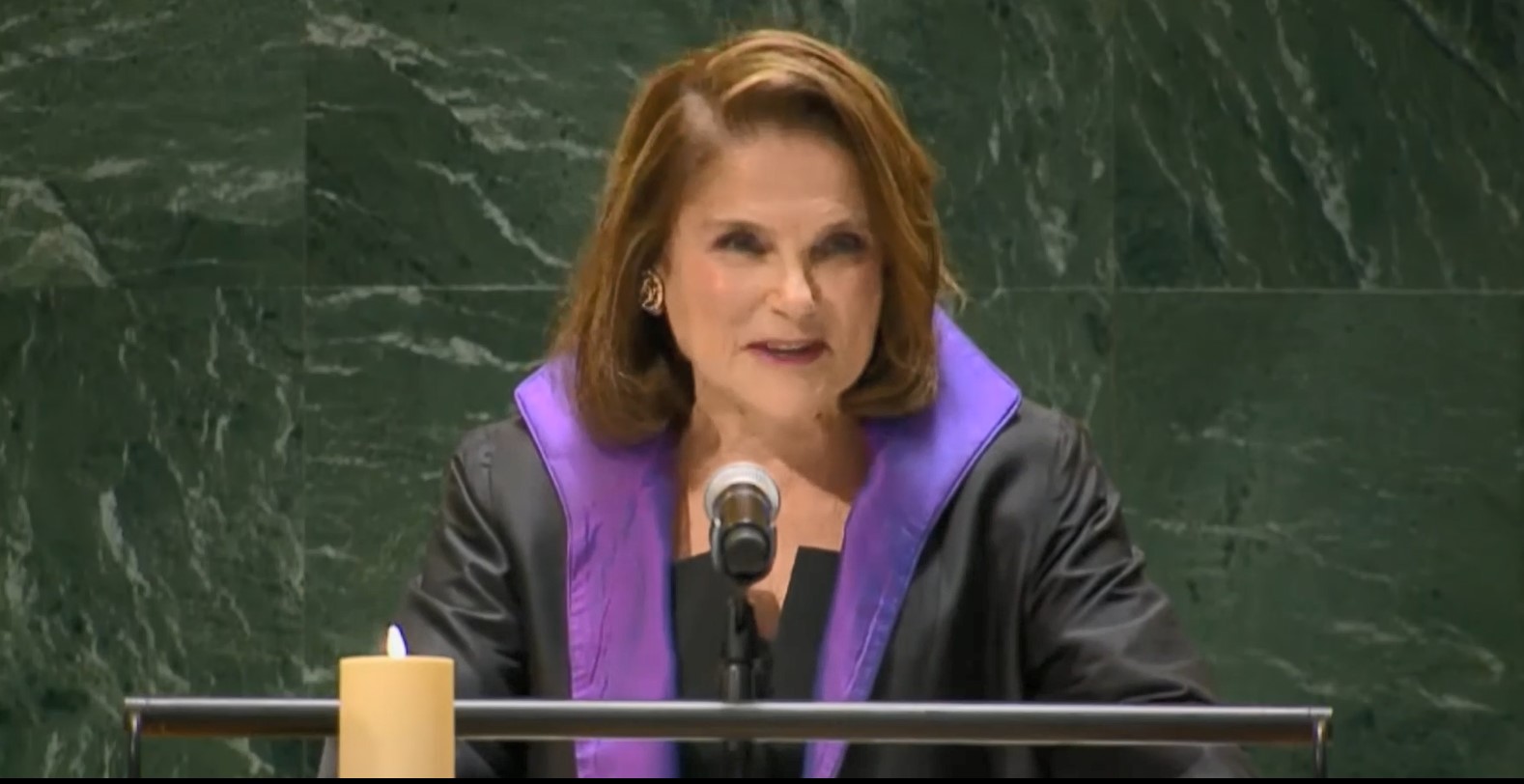
 Mr. Dumitru MiclescuAccompanied by Ms. Izabela Tiberiade
 Ms. Marianne Muller