- Details
-
Category: English Media
-
Published: Saturday, 29 March 2025 22:02
-
Written by Eager
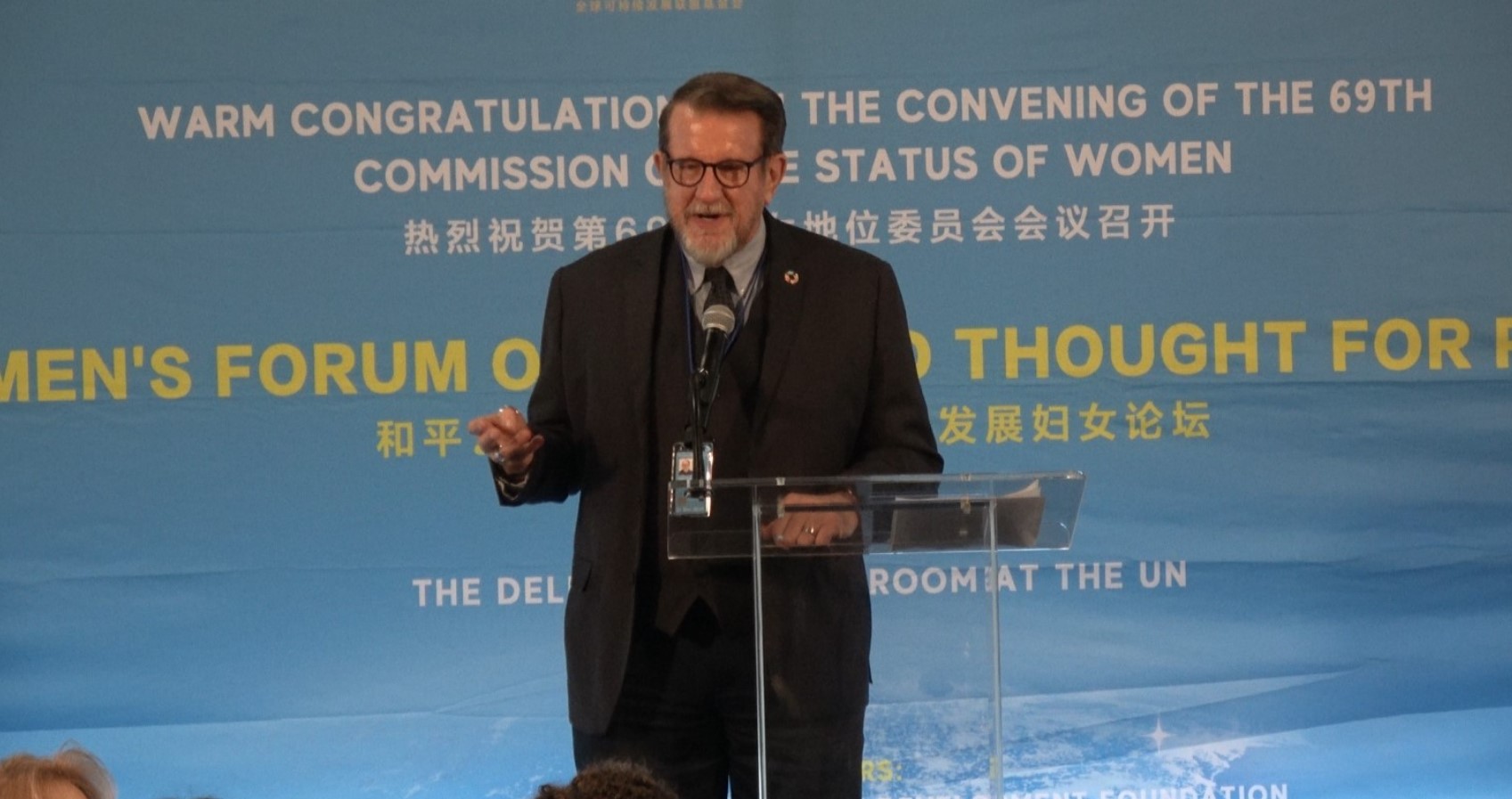
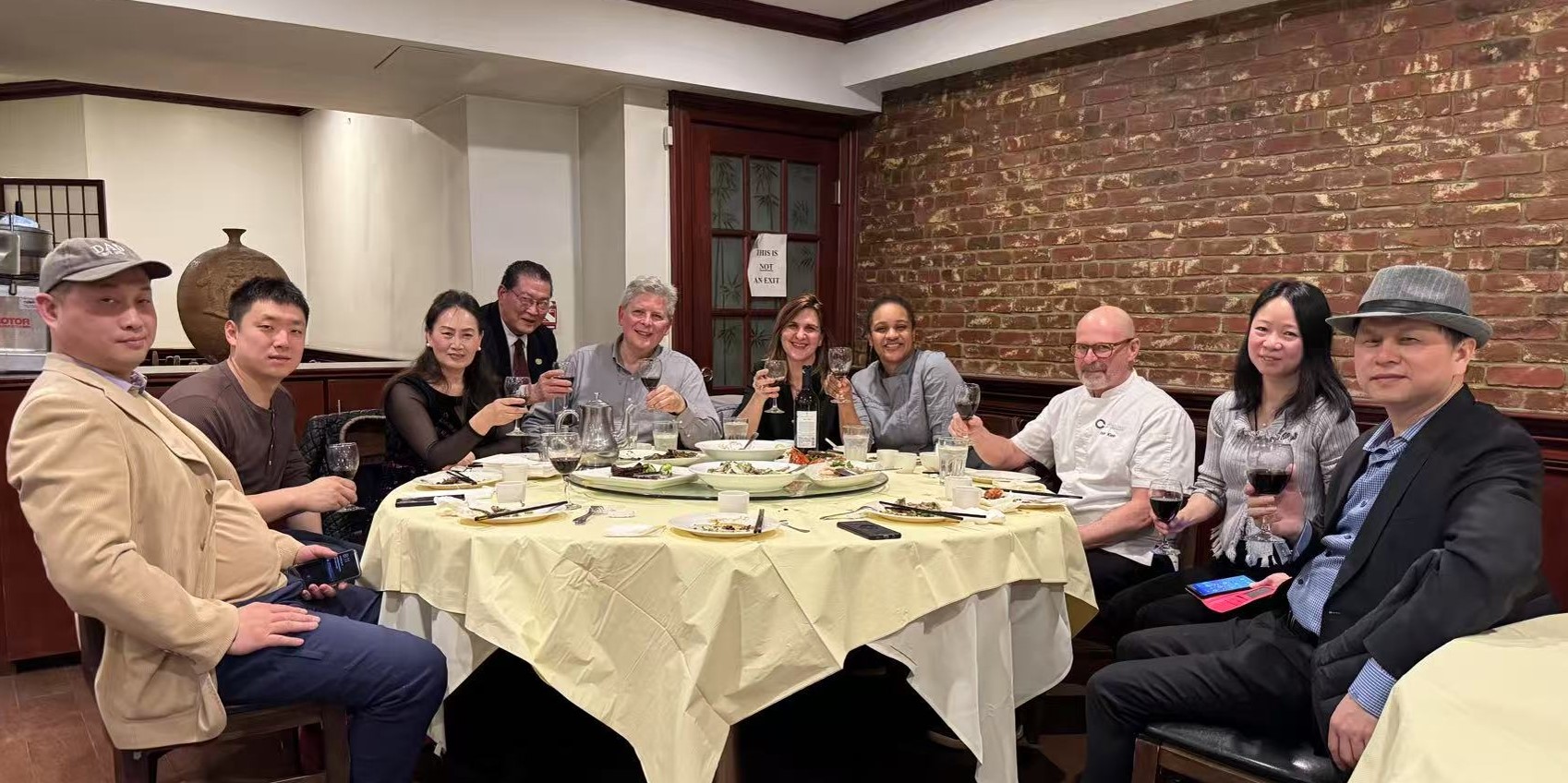
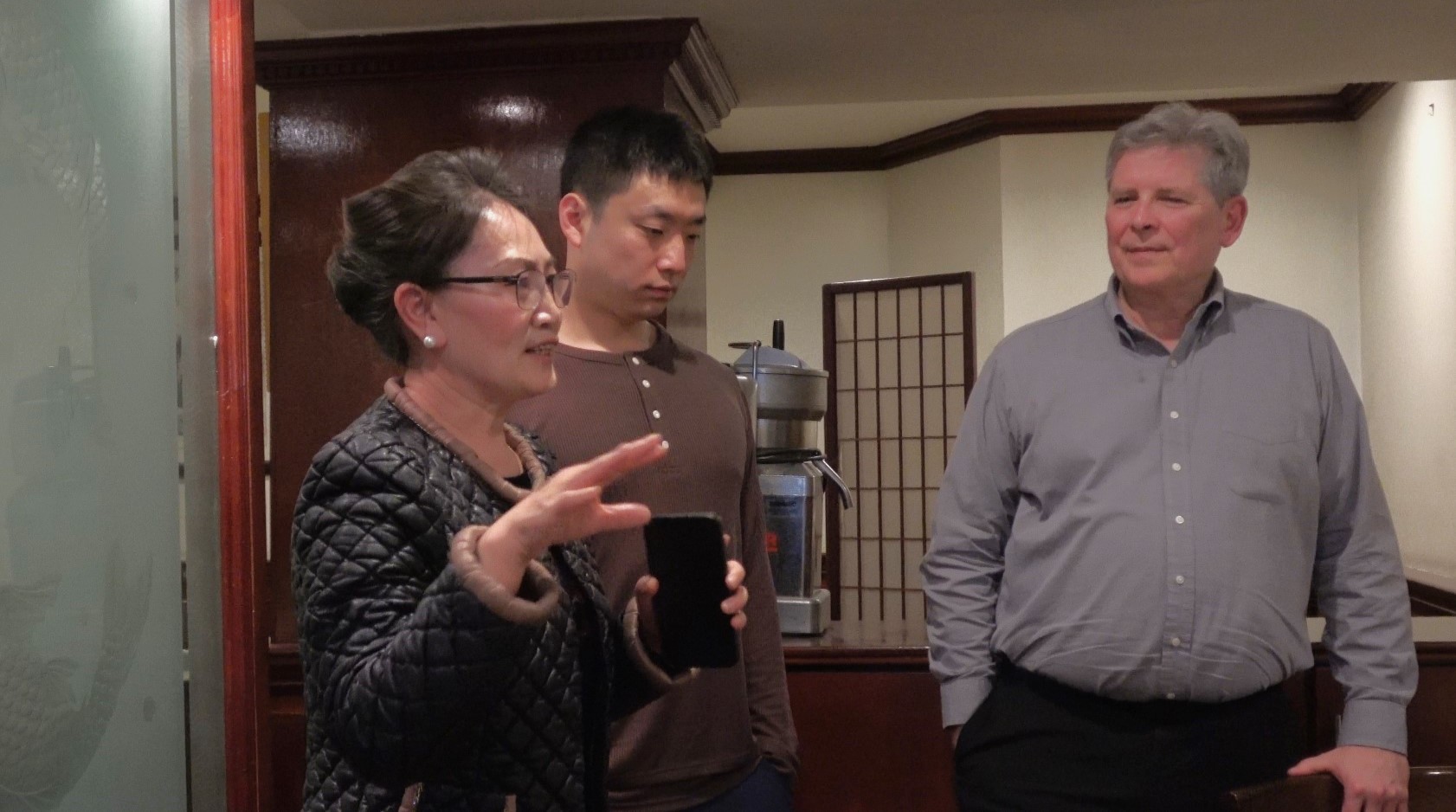
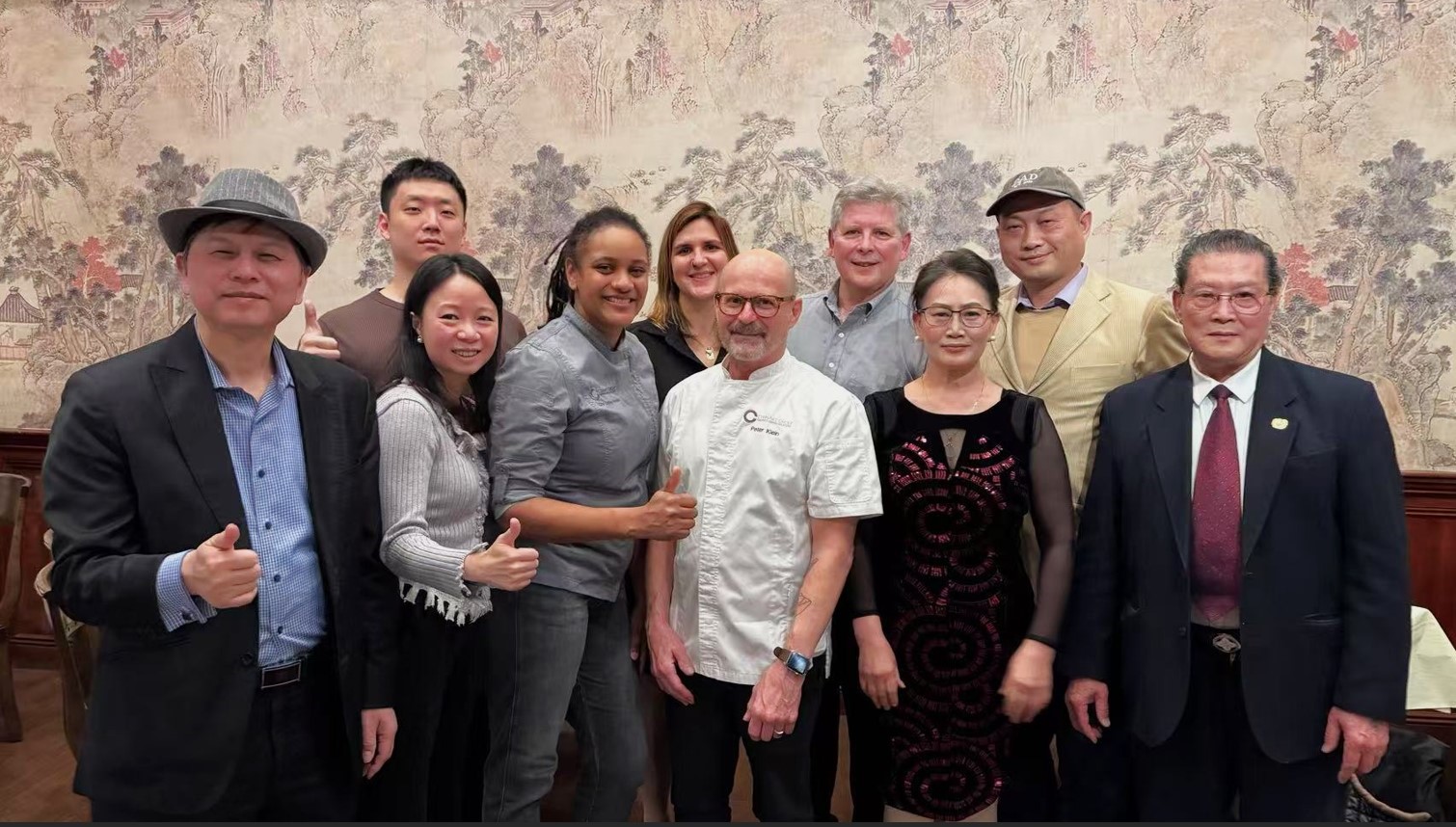
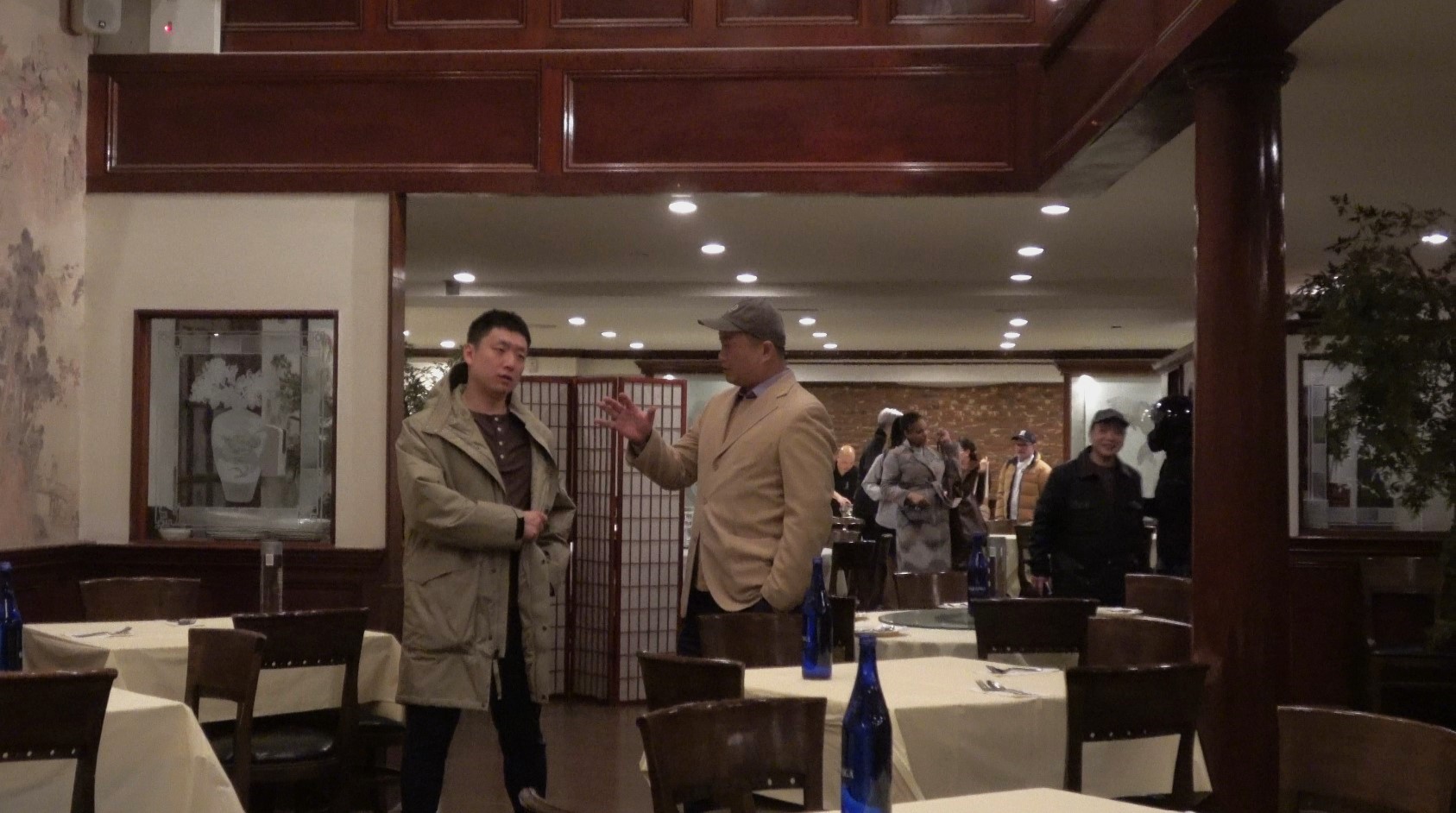
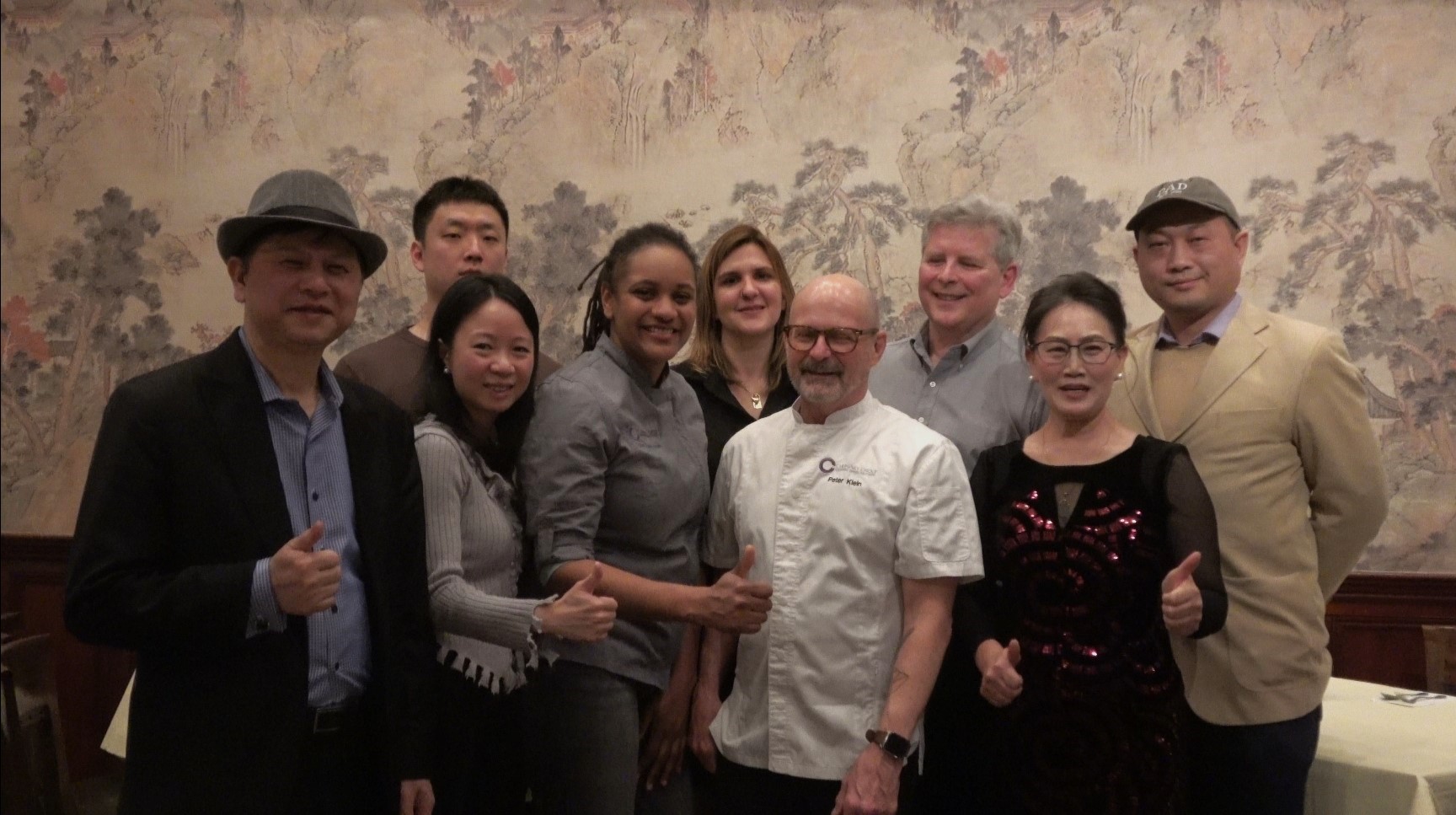
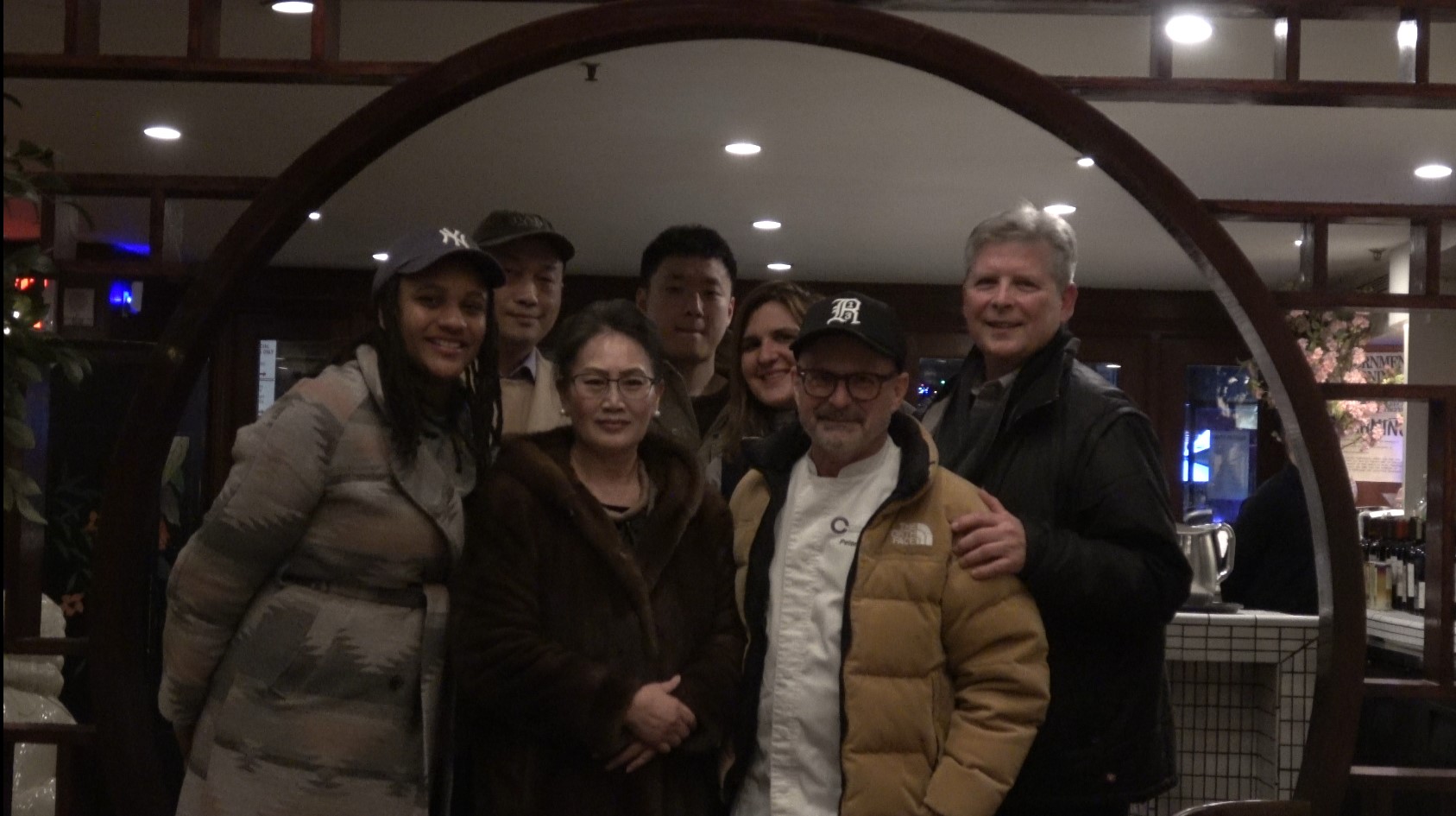
Celebrity Media Commentator: The 69th Session of the United Nations Commission on the Status of Women (CSW69) was held at the UN Headquarters from March 10 to 21. With the recommendation and arrangement of celebrity media, Mr. Ahmed Fathi, President of ATN American Television News, conducted an exclusive interview with representatives of a Chinese entrepreneur delegation.
In the spring of 2025, as women delegates from around the world once again walk into the UN Headquarters press hall, a familiar and determined figure appears—Ahmed Fathi, a veteran journalist active in the UN News Center for many years and President of ATN American Television News, busy preparing in-depth news coverage of CSW69. His camera always captures the easily overlooked yet crucial corners of the conference, and his questions consistently touch on the deepest issues of human concern.

Player loading....
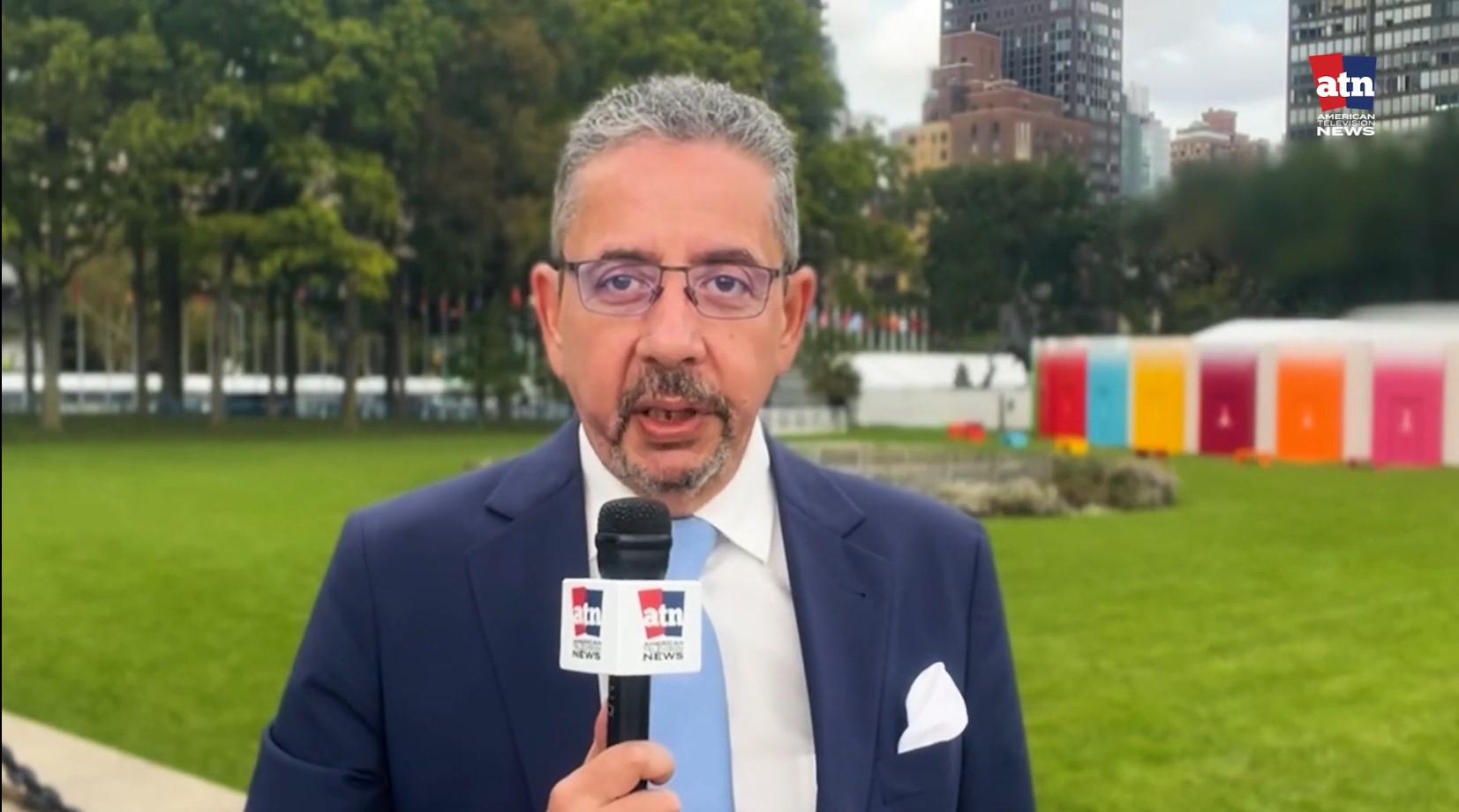
The soul of a journalist, standing at the turning point of narrative, as an Egyptian-American journalist, Ahmed Fathi has long traveled across five continents. From Middle East conflicts to the European Parliament, from impoverished communities in South America to innovation industries in East Asia, his reporting never stops at the surface of "facts" but constantly questions the underlying "meaning." In an era where global narratives are shaped by capital and algorithms, he insists on telling stories through multiple languages, cultures, and dimensions—this persistence led him to focus his lens at CSW69 on a non-traditional UN “main character”: a delegation of female entrepreneurs from China.
Who is telling the future? Who is focusing on women’s topics, while many media still focus on traditional government representatives and policymakers, Ahmed chose to interview Chinese female entrepreneurs who are innovating reality and influencing the world through action. They are not politicians or scholars, but with an impressive spirit of “social entrepreneurship,” they introduced cutting-edge concepts like postpartum care, mental development, AI platforms, aesthetic technology, and the blue economy into the UN dialogue space.
Ahmed focuses not only on their achievements but also on how those achievements are understood across cultures and globally disseminated. That is his true profession—not just as the head of a media organization, but as a builder of narrative ecosystems. He knows that only when non-Western, non-mainstream stories are shared professionally, clearly, and with contextual respect can true global consensus emerge.
These stories, carefully curated by Ahmed’s team, become “global content assets” that audiences in the U.S., Latin America, and Arabic-speaking countries can understand and connect with. He is not just a reporter, but a global content strategist who transforms marginalized voices into mainstream narratives.
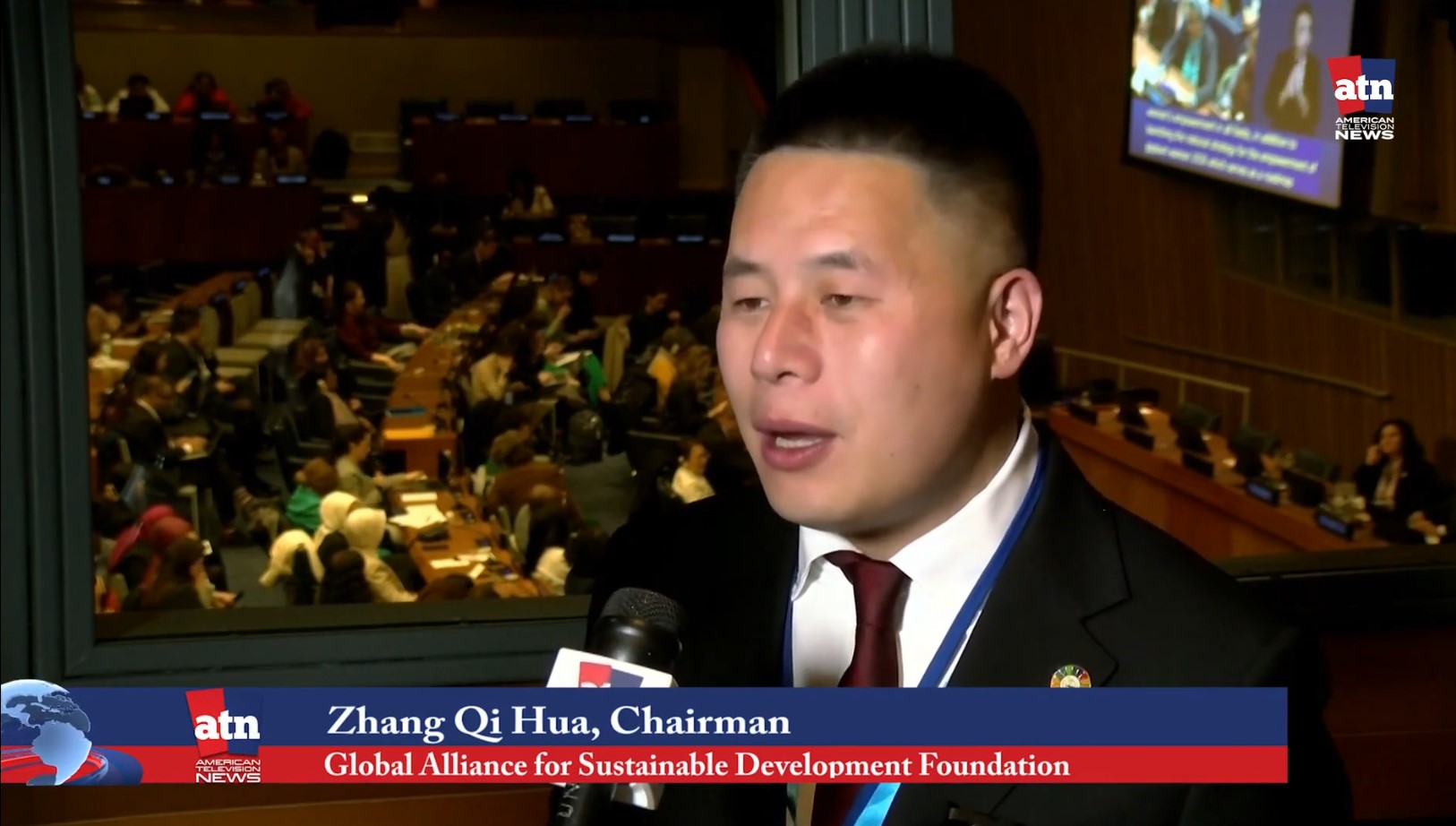
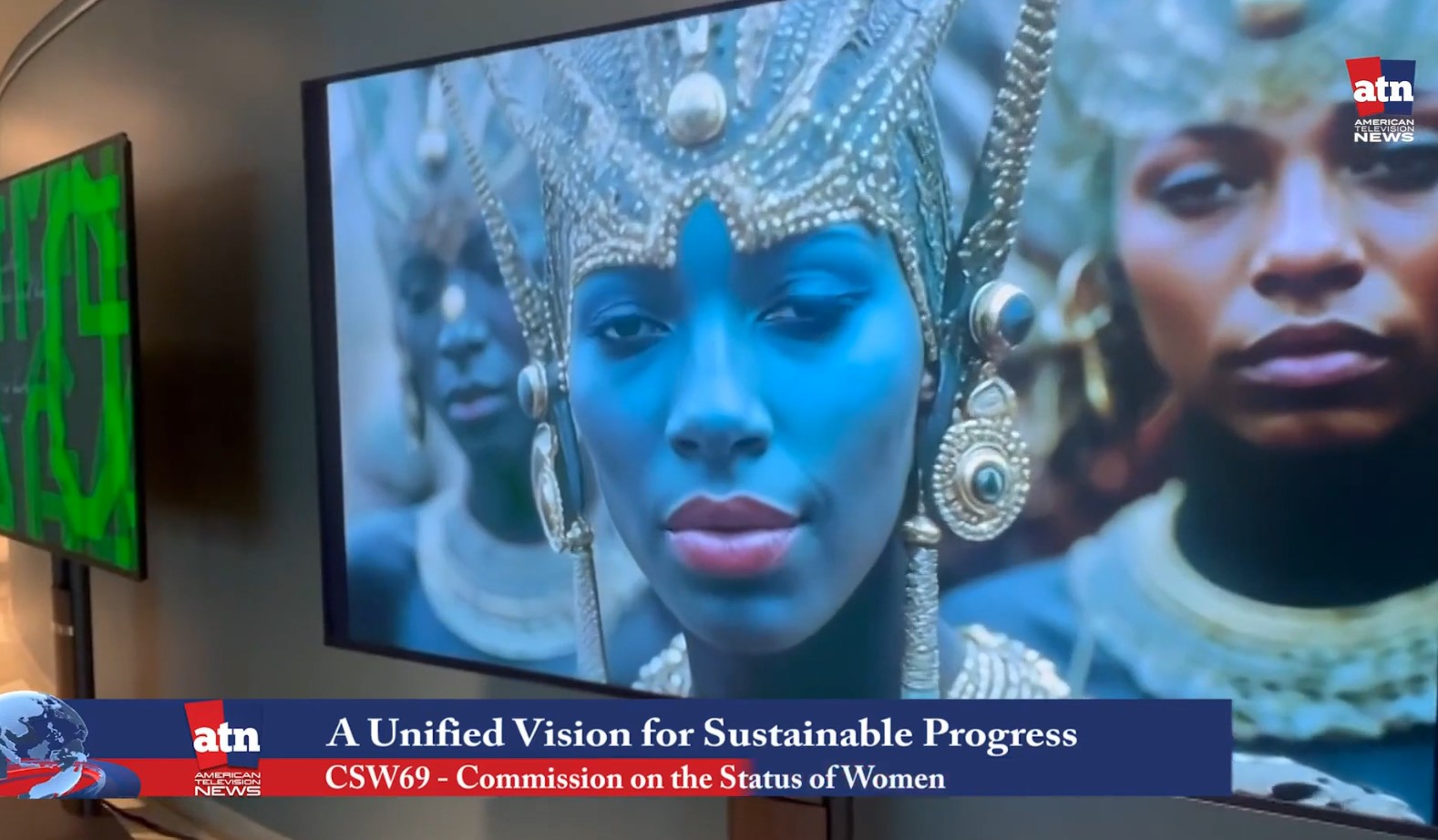
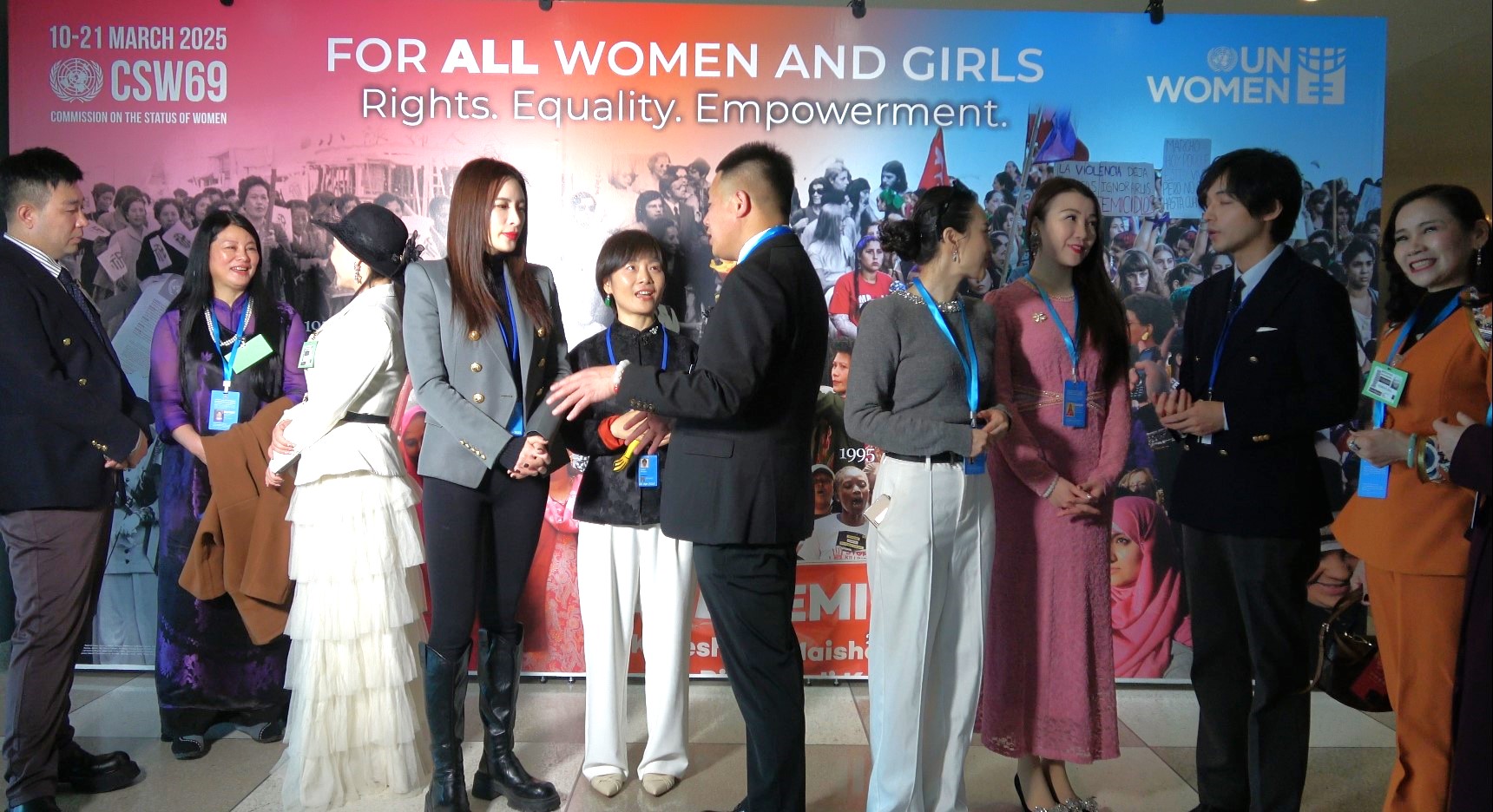
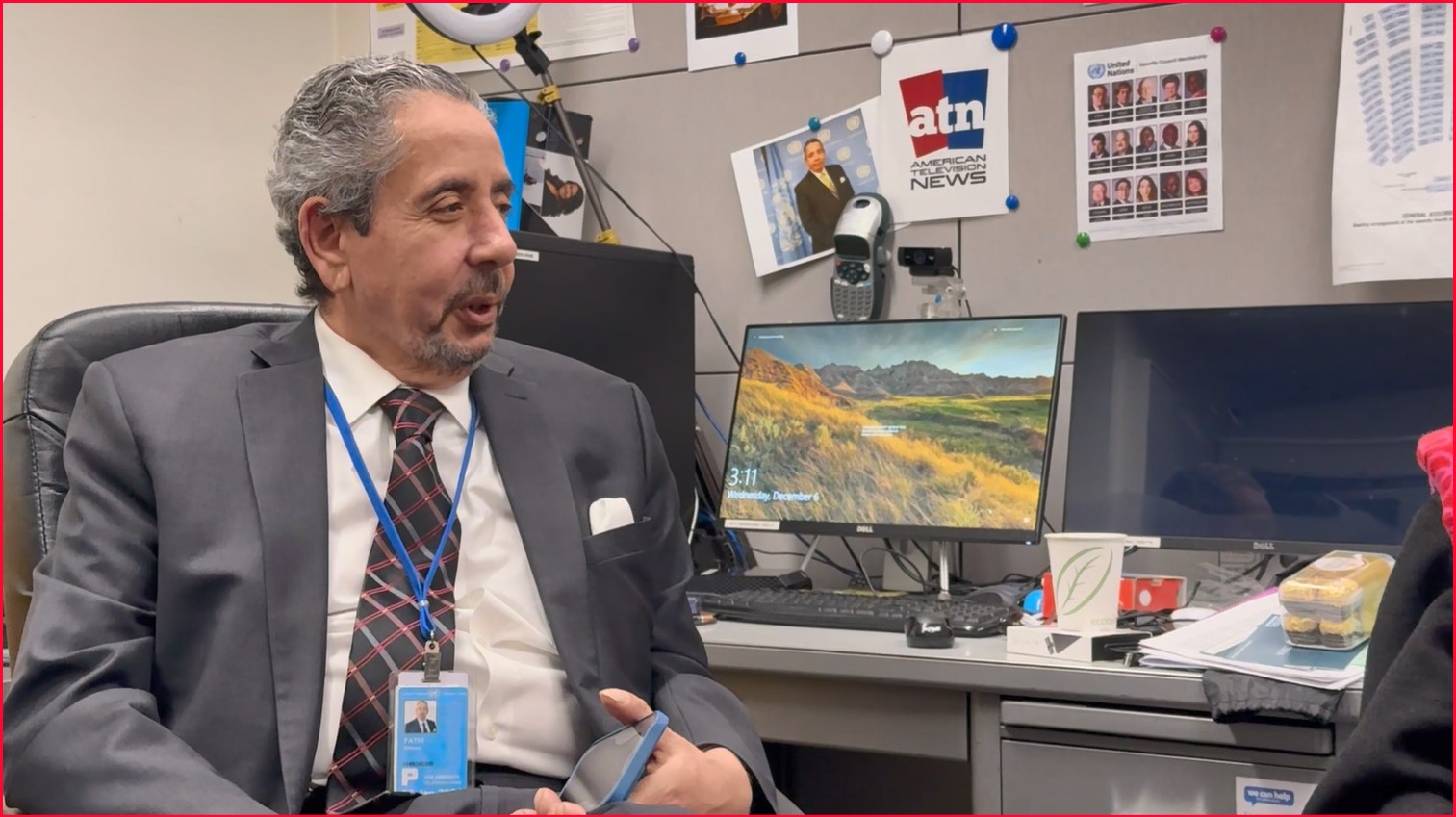
With the journalist’s mission, breaking the myth of “the single story”, we must admit that international media has long been trapped in the “single story” mindset. Ahmed has always been one of the few voices able to break free from this limitation. In this interview, he did not simply depict the Chinese delegation as “women striving in a developing country,” but truthfully presented them as digital platform builders, advocates of spiritual education, cultural content strategists, and global health innovators.
This is a return to journalistic ethics: reporting not to “prove assumptions,” but to “seek truth.” In every frame at the CSW69 venue, Ahmed was doing exactly that—bringing truth back to the narrative scene, allowing women's voices to not only be “heard” but truly “understood.”
The next step for global journalism: from language coverage to cultural connection ATN American Television News is now building a global communication platform with the Celebrity Media Alliance that covers the UN’s six official languages. Ahmed himself is fluent in Arabic, English, French, Dutch, and can converse in Afrikaans. His multilingual reporting is not for showcasing “technical ability,” but out of a deep understanding that language is the entry point to culture. In this report, he especially emphasized: “Chinese female entrepreneurs are not just doing things, they are redefining the language of 'female success.'”
Yes, in their language, there are words like “happiness,” “beauty,” “connection,” and “harmony”—terms often overlooked. Without suitable communicators, these words struggle to take root in mainstream international media. But with his cross-cultural sensitivity, Ahmed has opened a pathway.
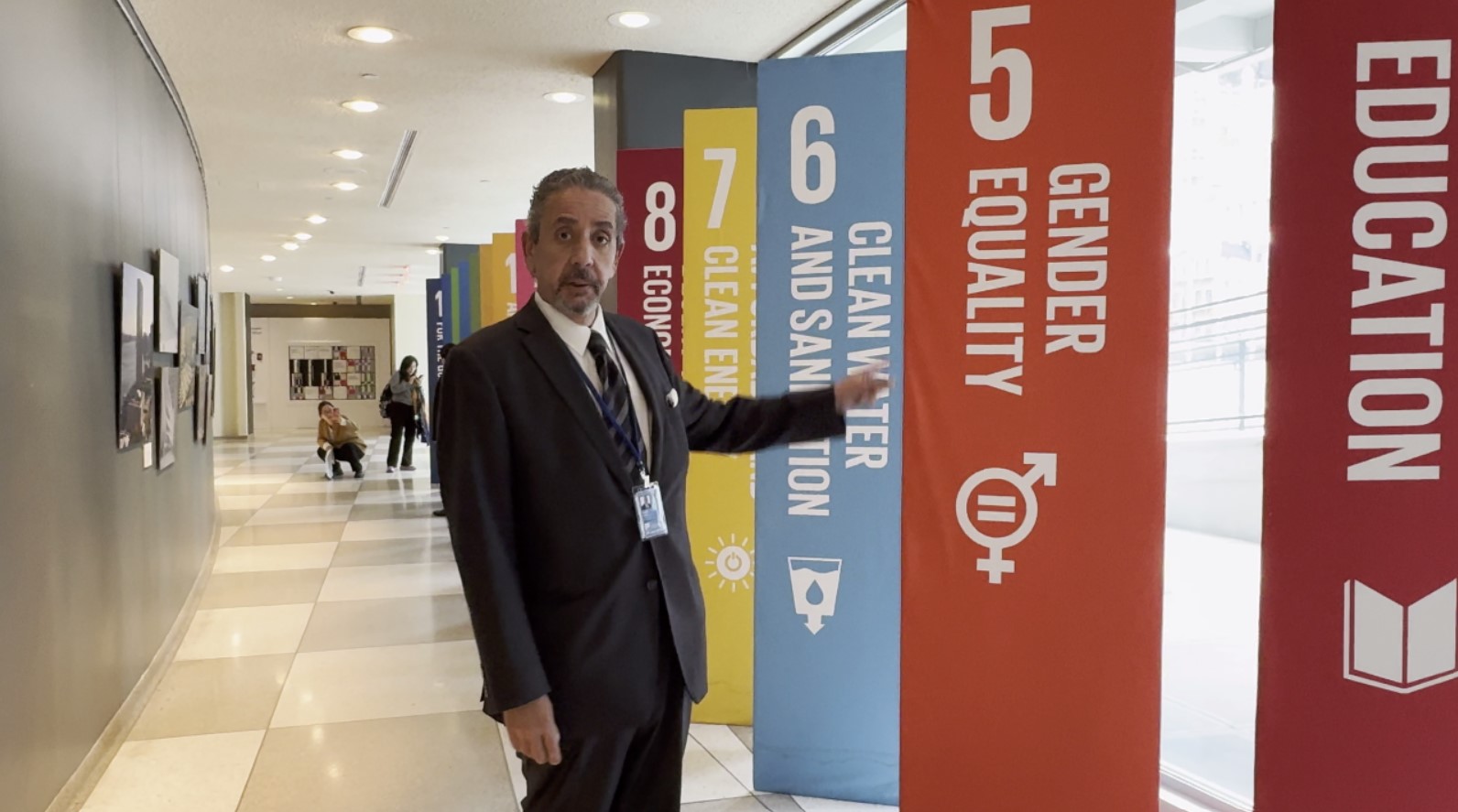
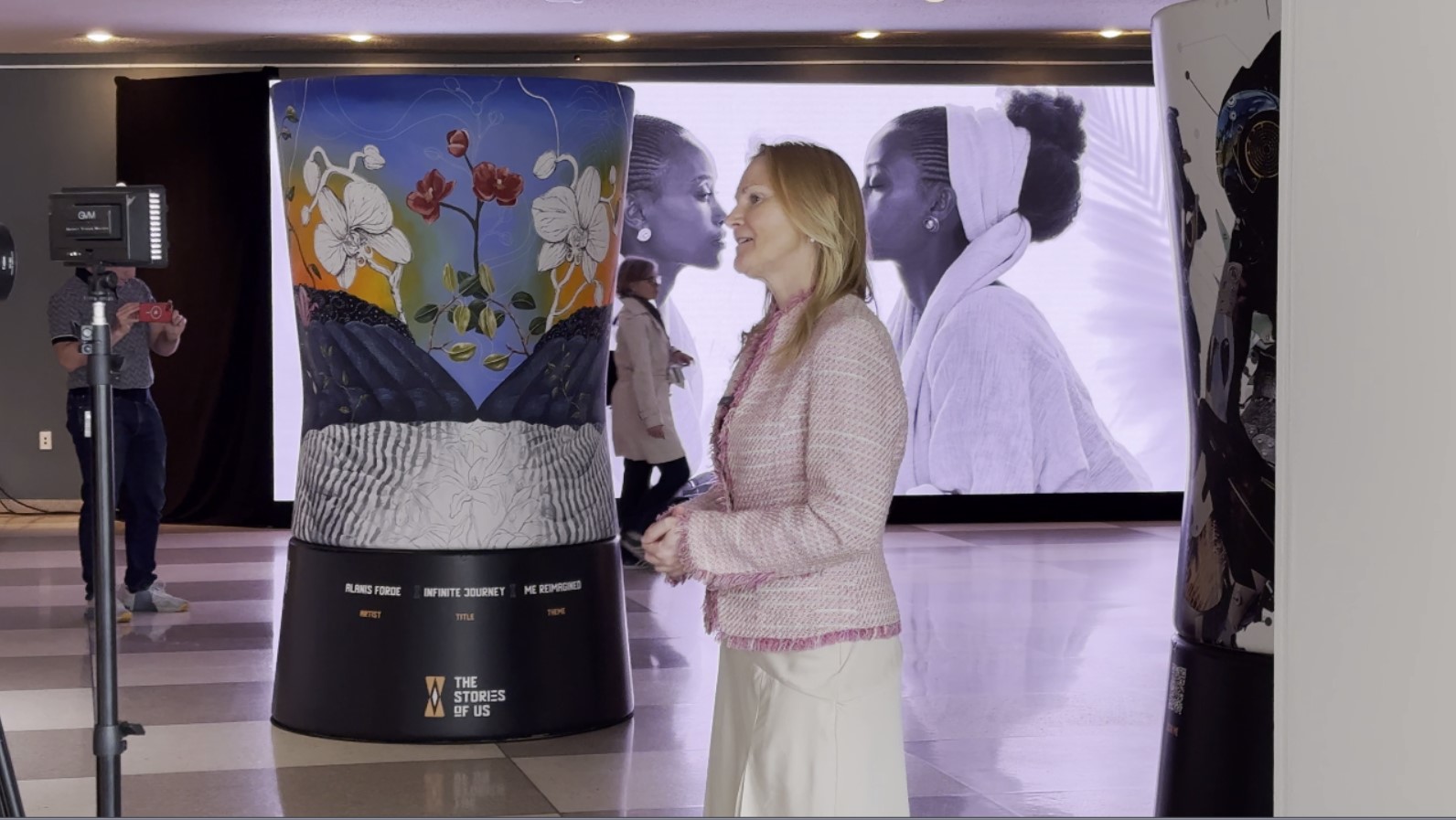
Women’s power through the eyes of a journalist, the rise of women in global communication, The 69th United Nations Commission on the Status of Women is a mirror reflecting the global focus on women’s issues. Ahmed Fathi’s exclusive interview is a pen recording the multifaceted reality within that mirror. He shows how professional journalism can restructure narratives in multilateral diplomacy, making the stories of female entrepreneurs not just “footnotes” but vital chapters in contemporary global development.
In this era of reshaping global narratives, we need more Ahmed-style journalists—with global vision and cultural depth; who stand for facts and respect emotion; who record the present and inspire the future.
The power of information drives progress in gender equality: The 69th UN Commission on the Status of Women is a crucial milestone in the gender equality movement, and media coverage is undoubtedly a vital force advancing this agenda. Through ATN’s comprehensive reporting, global audiences will gain a deeper understanding of CSW69’s achievements and challenges, sparking broader international awareness and action.


- Details
-
Category: English Media
-
Published: Wednesday, 26 March 2025 13:11
-
Written by Eager
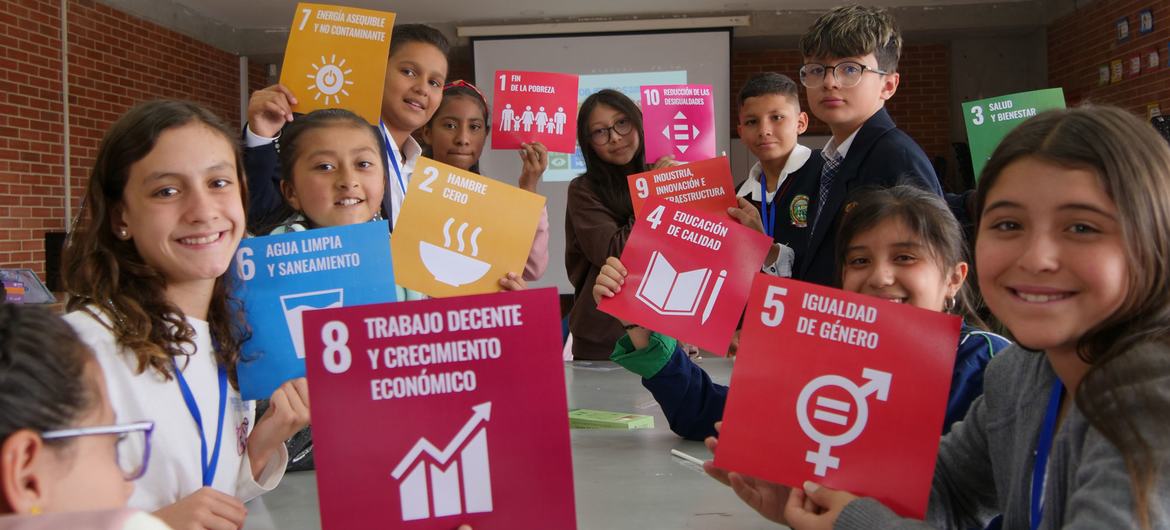 UNIC Bogota/José Ríos School children in Bogotá, Colombia hold SDG signs.
UN Member States met on Wednesday for the first of three key meetings to advance a global agreement that pledges concrete actions to achieve a safer, more peaceful, sustainable and inclusive world for generations to come.
General Assembly President Philémon Yang convened the informal interactive dialogue on the implementation of the Pact for the Future, which covers five areas: sustainable development, international peace and security, science and technology, youth, and transforming global governance.
It was adopted at a UN summit in September 2024 together with two annexes – a Global Digital Compact and a Declaration for Future Generations – marking a significant step towards a renewed multilateral system.
‘A shared commitment’
“The Pact for the Future is a shared commitment to a more just, sustainable and secure world. But a promise is only meaningful when it has been translated into action,” Mr. Yang told delegates gathered in the Trusteeship Council at UN Headquarters in New York.
He recognized the complexity and unique challenges that each country will face in implementation, including least developed countries, landlocked developing countries, and small island developing states.
Mr. Yang emphasized that implementation must reflect what works best for each nation, which requires tailored approaches that consider resource restraints and capacity gaps.
“To succeed, we must build an enabling environment through smart investments and right reforms,” he said, calling for closing the resource gap, flexible trade policies, and stronger international cooperation in technical assistance, capacity-building and knowledge-sharing.
Divisions and mistrust
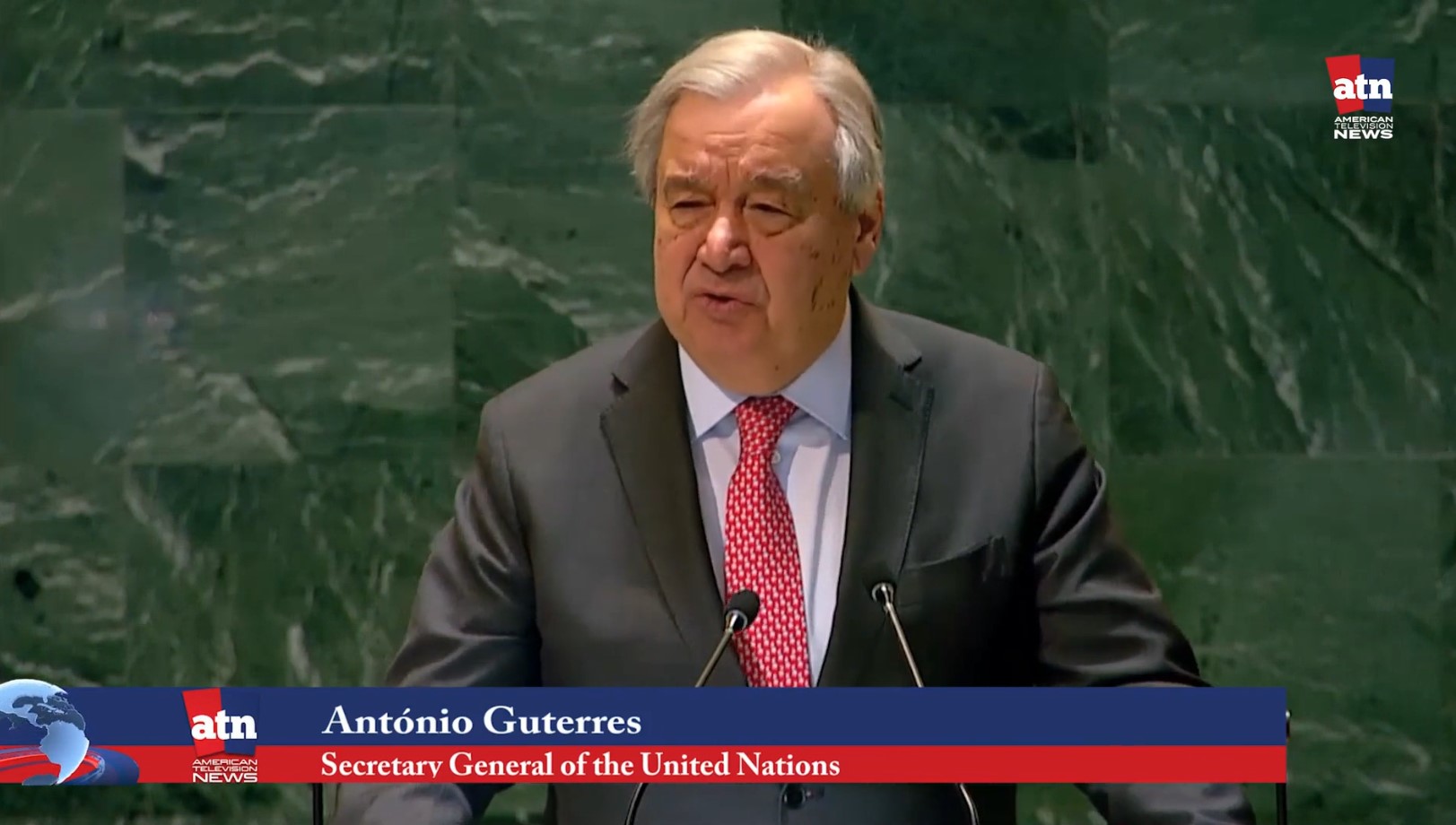
UN Secretary-General António Guterres highlighted action that has occurred since the Pact’s adoption but also the work that still lies ahead amid “a long list of challenges” that include intensifying conflicts and climate disasters.
“Geopolitical divisions and mistrust are blocking effective action, with some actively questioning the value of international cooperation and the multilateral system itself,” he said.
“Meanwhile, critical funding is being drastically cut for people in desperate need – with more reductions to come,” he warned.
Progress on peace efforts
Mr. Guterres updated on progress in four key areas, starting with peace and security. He said the Pact represents a commitment to strengthen tools to prevent and address conflict and ensure that UN peace efforts respond to new and emerging threats.
In this regard, he noted progress on a review of all Peace Operations, as requested in the agreement.
“The review will be an opportunity to help adapt peace operations to today’s realities, and ensure they’re guided by clear and sequenced mandates that are realistic and achievable – with viable exit strategies and transition plans,” he said.
“It will also recognize the limitations of our operations where there is little or no peace to keep,” he added.
Fairer financial system
Turning next to finance for development, Mr. Guterres said the UN has been working closely with the World Bank and the International Monetary Fund (IMF) to follow-up on action points in the Pact regarding improvements to the international financial system.
“Developing countries must be represented fairly in the governance of the very institutions they depend on,” he said.
The Secretary-General also has established an expert group to identify practical steps for action on debt.
“At the same time, we will continue advocating to increase the lending capacity of Multilateral Development Banks, making them bigger and bolder,” he said.
“This includes both stretching their balance sheets and recapitalization. And we must ensure that concessional finance is deployed where it is most needed.”
Meanwhile, the UN will also continue pushing forward on other priorities outlined in the Pact, including disarmament commitments around nuclear, biological and chemical weapons, lethal autonomous weapons and the growing weaponization of outer space.
Focus on youth
Mr. Guterres was adamant the international community must deliver for young people and generations to come.
He said progress is being made towards establishing a Youth Investment Platform to ensure that national funding mechanisms and investment platforms are focused on the needs of young people.
The UN is also developing core principles to strengthen youth engagement across its work, while the Declaration on Future Generations looks to those yet to be born.
The Secretary-General said that later this year he will appoint a Special Envoy for Future Generations to scale up these efforts.
Closing digital divides
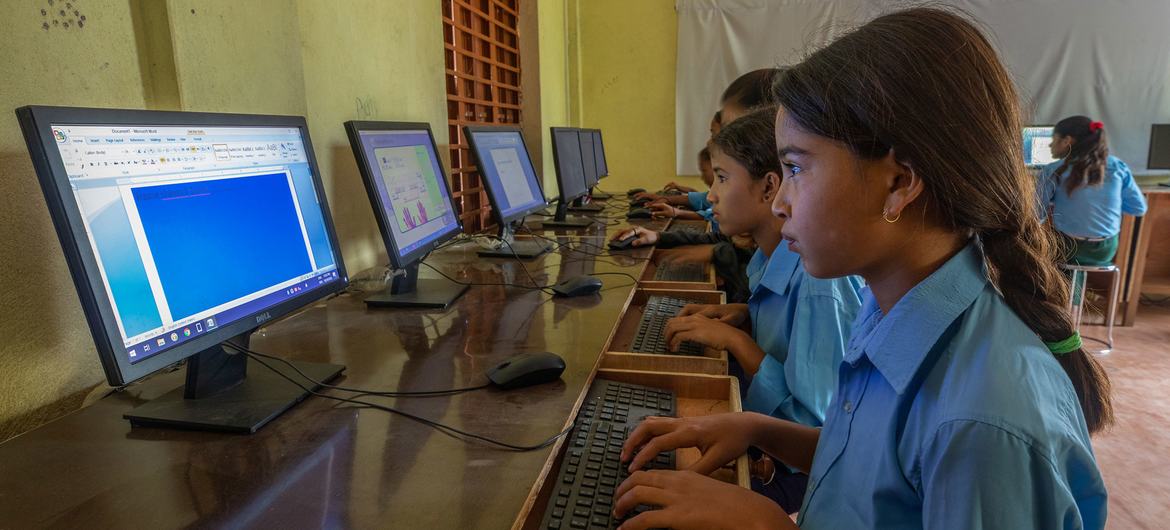
His final point concerned technology, and Mr. Guterres reported that the UN is implementing the Global Digital Compact’s calls to close all digital divides and ensure everyone, everywhere, benefits from a safe and secure digital space.
Particular focus is on Artificial Intelligence (AI), he said, and a report is being developed on voluntary financing options to help countries in the Global South to harness AI for the greater good.
Furthermore, the zero draft of a resolution to establish the International Independent Scientific Panel on AI and convene a Global Dialogue on AI Governance was circulated last week.
The UN chief urged the General Assembly to act swiftly to establish the Panel, ensure AI expertise and knowledge are available to all countries, and support the Global Dialogue.
UN taking action
Mr. Guterres added that as the UN pushes for these priorities, the global body is also improving the efficiency and effectiveness of its operations, in line with the Pact.
“We’re already seeing results: from speeding-up disaster assessments in the Asia-Pacific, to strengthening social security programmes in Malawi, to consolidating Information Technology functions across the UN System,” he said.
The Secretary-General stressed that this work must continue “especially in light of the funding challenges we face,” underlining the need for support.