

Mr. Maher Nasser:The Power of Voice to Inspire Change


- Details
- Category: English Media
- Published: Wednesday, 23 April 2025 10:16
- Written by Eager
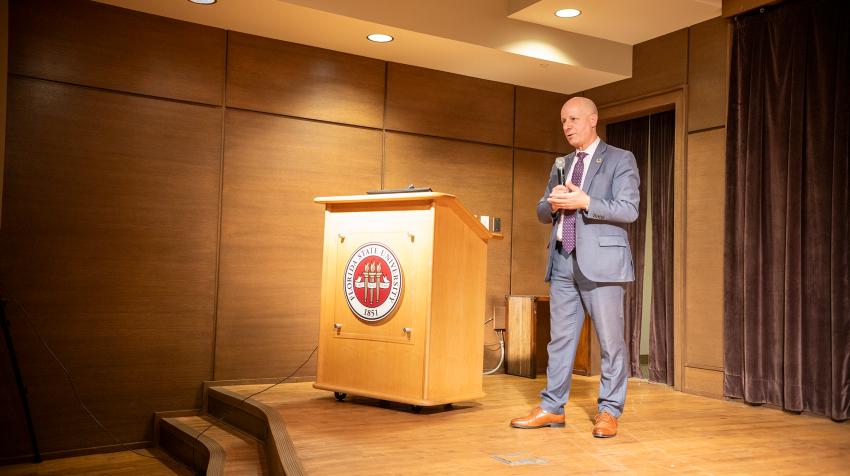 Mr. Maher Nasser, Commissioner-General of the United Nations at Expo 2025 in Osaka, Kansai, Japan, delivering the keynote opening speech at the South Asian Media and Cultural Studies Conference, held at Florida State University (FSU), Tallahassee, Florida, 30-31 January 2025. Credit: Sophia Ferraro/FSU
About the author Maher Nasser
Maher Nasser is Assistant Secretary-General and Commissioner-General of the United Nations at Expo 2025 in Osaka, Kansai, Japan; and Director, Outreach Division, United Nations Department of Global Communications.
On 30 January 2025, I had the opportunity to deliver the keynote opening address for the Eleventh Annual South Asian Media and Cultural Studies Conference at Florida State University in Tallahassee, Florida, under the theme, “Celebrating Voices”. Drawing on a career of over three and a half decades in the United Nations, I shared my perspective on how the Organization harnesses the power of voice to guide its efforts, communicate about the impact of its work on people’s lives and inspire more people to support its mission. What follows is an adapted version of my remarks.
Yuval Noah Harari, in his bestselling book, Sapiens: A Brief History of Humankind, argues that the main reason that humans, Homo sapiens, have been the most successful species in the world is their ability to cooperate in large numbers, which is only possible due to our unique capacity to believe in things that exist in our imagination or, in other words, to compose stories and narratives. Some research has indicated that a significant part of all human communication is based on storytelling, which is how we use our unique voice to convey information and, along with that, our hope to change minds and behaviours.
Businesses, brands, social movements, religions, political parties and politicians achieve success by creating a narrative that enables them to stand out compared to others at a given time.
So, stories and narratives matter, which is why they have been an important part of the communications strategy at the United Nations. In today’s interconnected world, our success in reaching audiences to fulfil the mandates given to us by Member States depends not only on using fact- and science-based data and information, but also on being able to convey this knowledge in a story arc that is both relevant and authentic.
In addition, we know from surveys and research that people around the world are turning away from news. According to a June 2024 report by the Reuters Institute of Oxford University, approximately 40 per cent of people worldwide often or sometimes actively avoid the news, compared with 29 per cent in 2017. They describe the news as depressing, relentless or boring.
Response, insight, evidence and limitations are the key elements of solutions journalism.
There is a growing body of evidence, however, that when people read an article featuring not only a problem but also how it was addressed, describing successes and failures, they come back for more. In short, it is not enough to highlight a problem or a challenge; you need to also present a solution and give the reader or viewer an opportunity to learn from or be part of that solution.
To that effect, in 2013, a group of journalists established the Solutions Journalism Network (SJN), aiming to lead a global shift in journalism focused on advancing rigorous reporting about how people are trying to solve problems and what we can learn from those efforts. Response, insight, evidence and limitations are the key elements of solutions journalism, and SJN has trained over 57,000 journalists to date.
Building on these concepts, the United Nations global communications strategy, since 2020, has been by guided by what we call “the three Ws”:
- What? We lead the narrative by providing timely, authoritative information on United Nations priority issues.
- Why care? We design storytelling communications to get target audiences to care, proactively reaching them on platforms they use.
- What now? We develop campaigns and content that highlight solutions and encourage specific actions.
This year marks the eightieth anniversary of the United Nations, an organization that has had a great impact on the lives of hundreds of millions of people around the world, including my own.
The United Nations has been in my life directly since I was 5 years old. As a child of Palestine refugees, I attended a school run by the United Nations Relief and Works Agency for Palestine Refugees (UNRWA), received a scholarship from UNRWA towards my university fees and, subsequently, joined UNRWA as a public information officer in Gaza in 1987. Thereafter I worked and lived in Jerusalem, Amman, Vienna, Cairo, Dubai and New York.
 Pamphlets on some of the Sustainable Development Goals (SDGs) on display during the event “International Day of Sport for Development and Peace 2023: Scoring for People and the Planet”, New York, 6 April 2023. UN Photo/Mark Garten
Shaped by a quest for peace, dignity, prosperity and justice, I found an alignment between the values I grew up with and those enshrined in the Charter of the United Nations and the Universal Declaration of Human Rights. I always liked reading and telling stories, and that is perhaps why I found success in communications and never worked in civil engineering, the profession I trained for at university.
The countless examples of stories like this, in which an individual’s future has been shaped in part by the United Nations, often have more impact on people’s perceptions than the texts of our treaties and resolutions.
This is why staff of the United Nations and other organizations working to save lives do not rely on numbers to create empathy and raise funds for their operations to support and protect vulnerable people, be they refugees, displaced people, children or minorities. They rely on stories that touch people in ways that statistics and tables cannot.
These stories must not be exploitative. They must be told without undermining the dignity, privacy or confidentiality of the people who are the subjects of the story.
While I was in Dubai as Commissioner-General for the United Nations at Expo 2020, I worked with a group of storytellers who developed a platform called “Dignified Storytelling”, which fosters a shared understanding and practice of storytelling that upholds and celebrates the dignity of all persons. As we rely more on stories, particularly those that inspire us with solutions, the principles of dignified storytelling become ever more important.
But what about communicating on subjects that cannot be linked to a single human story? In these cases, too, we must create a story arc that generates a connection.
Let’s look at the United Nations. While not perfect, it remains a beacon of hope, with its bold premise that dialogue and engagement are better than war and conflict, and that by working together, we can create a world in which everyone thrives in peace, dignity and equality on a healthy planet.
The Pact for the Future was the culmination of a year-long, worldwide listening exercise to hear from people about their priorities and expectations for international cooperation.
Over the past 80 years, through peacemaking, peacekeeping and peacebuilding, the United Nations has saved countless people from the hell of war and displacement, from diseases such as smallpox and polio, and from injustice.
The United Nations presents a framework for norm-setting on a global scale through resolutions that become conventions and treaties, establishing standards that enable trade, communications and travel to take place safely. Its work contributes to averting famine, preventing nuclear proliferation, containing and eradicating diseases, educating millions of children, collaborating to address environmental crises, and more.
Yet the world today is very different from the one in which the United Nations was born in 1945. Membership has grown from 51 to 193, the global population has almost quadrupled, and most of humanity now lives in urban centres, not rural areas.
These changes have not been reflected in today’s United Nations. While the General Assembly is regarded as the most representative and deliberative organ of the Organization, serving as humanity’s townhall, the Security Council is seen as unrepresentative of the world today, with five countries wielding veto power over critical issues of peace and security. It can be said that the same level of maladjustment is present within global financial institutions.
Last September, at the Summit of the Future, Member States adopted the Pact for the Future, which contained provisions for starting a process and discussions to expand the Security Council, reform the international financial system and adopt global governance for artificial intelligence.
The Pact for the Future was the culmination of a year-long, worldwide listening exercise to hear from people about their priorities and expectations for international cooperation. Over 1.5 million people from 193 Member States took part in an online survey. Independent polling firms conducted surveys in 70 countries, and inputs were received from over 1,000 online dialogues in 94 countries.
 Maher Nasser (centre) with participants in the South Asian Media and Cultural Studies Conference, held at FSU,
Tallahassee, Florida, 30-31 January 2025. Credit: Sophia Ferraro/FSU
Those voices collectively determined what happened next: based on the findings of that global public consultation, Member States requested a report on the way forward. In response, United Nations Secretary-General António Guterres issued a document titled “Our Common Agenda”, which called for an upgrade of the Organization over the next 25 years, bolstered by an immediate realignment with the Sustainable Development Goals (SDGs).
Why are the SDGs, also called the Global Goals, still among the most popular outcomes from the United Nations in decades, seen as having more legitimacy than those of other summits and resolutions?
Adopted in 2015, the SDGs were also the culmination of a global process of consultations conducted to gauge people’s priorities for the post-2015 development agenda. They are inherently useful, given their integration of the economic, social and environmental dimensions of sustainable development and their associated indicators and targets. But the SDGs were written in a somewhat bureaucratic lingo we informally call “UN-ese”; if it had been left to that original text, I doubt we would have seen the Goals reach the level of familiarity and support they have today.
What sets the SDGs apart is how we communicate about them, which inspires audiences as being part of an agenda to end poverty and hunger, protect the planet, and ensure prosperity and equality for all by 2030. And this is not for governments to achieve alone; we all have the ability and responsibility to take actions to achieve it.
Working with creative partners, short texts with colorful icons were developed, each representing one Goal. To reach audiences beyond our own platforms, celebrities have helped amplify the messaging and advocacy around United Nations issues. We look for opportunities to expand our work with the creative industries, and to have a wider and stronger impact by incorporating issues into film and television productions.
Our voices are as powerful as those of the people who came before us, and the same potential that sparked change in the past can continue to be a force for good as we take on current global challenges and opportunities.
We have collaborated with Sony Entertainment on a series of videos with characters from the Angry Birds and The Smurfs franchises to popularize the Goals and promote actions people can take to reduce their carbon footprint. In Japan, we worked with Sanrio on a series of videos in which the company’s most popular character, Hello Kitty, focused on one SDG, in partnership with the United Nations entity most associated to that Goal. We also collaborated with Mattel to introduce the SDGs to preschool audiences through a season of the animated television series Thomas & Friends.
We engage with universities and academic institutions through the United Nations Academic Impact (UNAI), which invites members to commit to principles aligned with sustainability. UNAI now has over 1,700 members in over 130 countries. Last summer, we issued a call for members to express interest in becoming a chair or vice-chair of one of 17 hubs, each focused on one of the SDGs. Over 300 universities responded.
We continue to rely on the Organization’s long and established relationship with civil society, either through the Economic and Social Council (ECOSOC) or the Department of Global Communications, but we have also branched out to new industries. In July 2022, we launched our Football for the Goals initiative, which provides a platform for the global football community, with its fanbase of approximately 4 billion people, to advocate for the SDGs. All six regional football confederations have since joined, along with over 330 national federations, leagues, professional and amateur clubs, foundations, media entities and civil society organizations.
Communication is a tool for social, cultural and environmental transformation, and these examples show that when you engage people on the level of their profession, passion or pastime, they will use their voices with purpose and commitment, knowing they can change the future. Our voices are as powerful as those of the people who came before us, and the same potential that sparked change in the past can continue to be a force for good as we take on current global challenges and opportunities. In this context, I urge you to keep speaking, keep listening and keep fighting for the change you believe in.




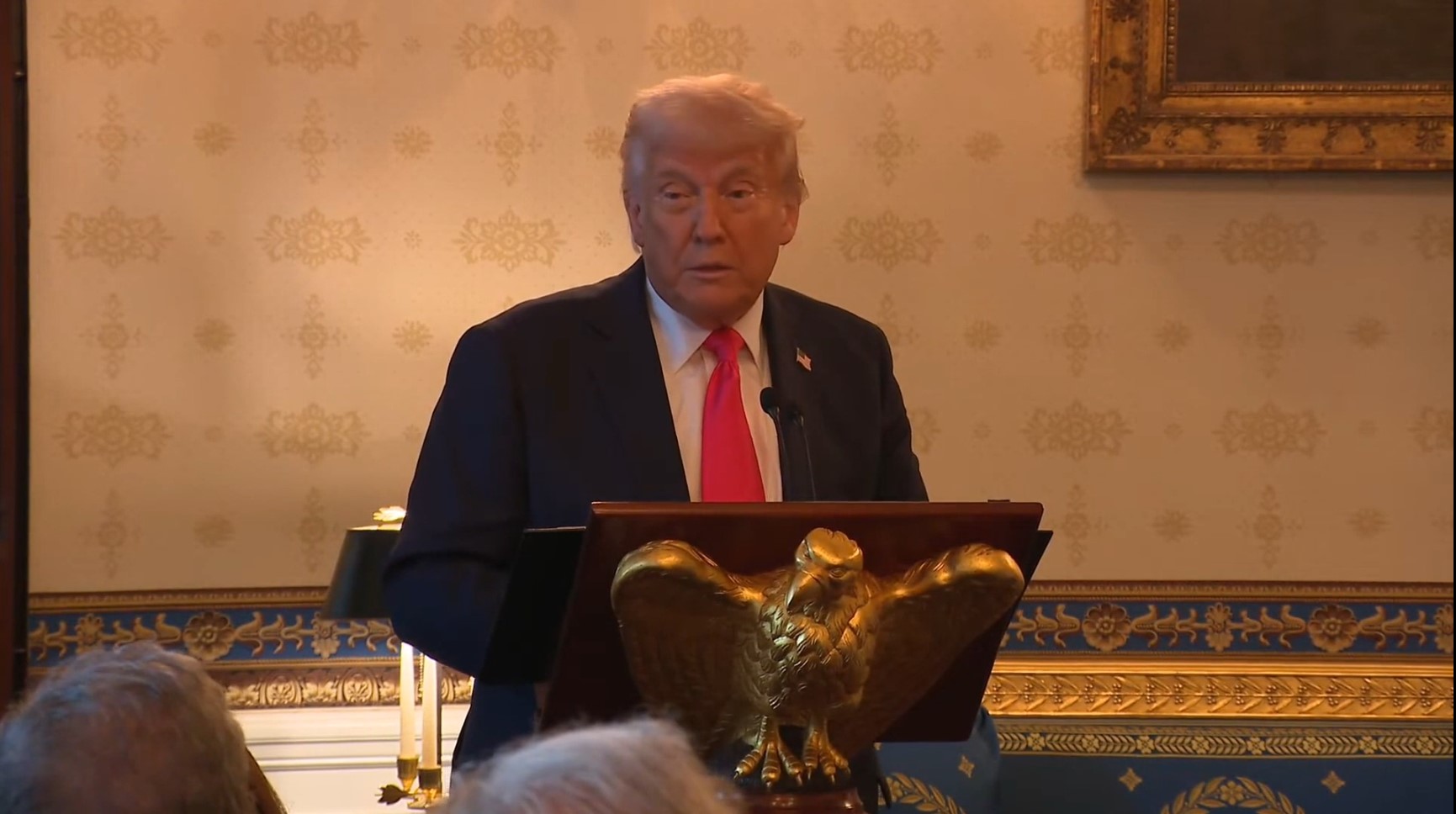
 Remarks by the President of the United States: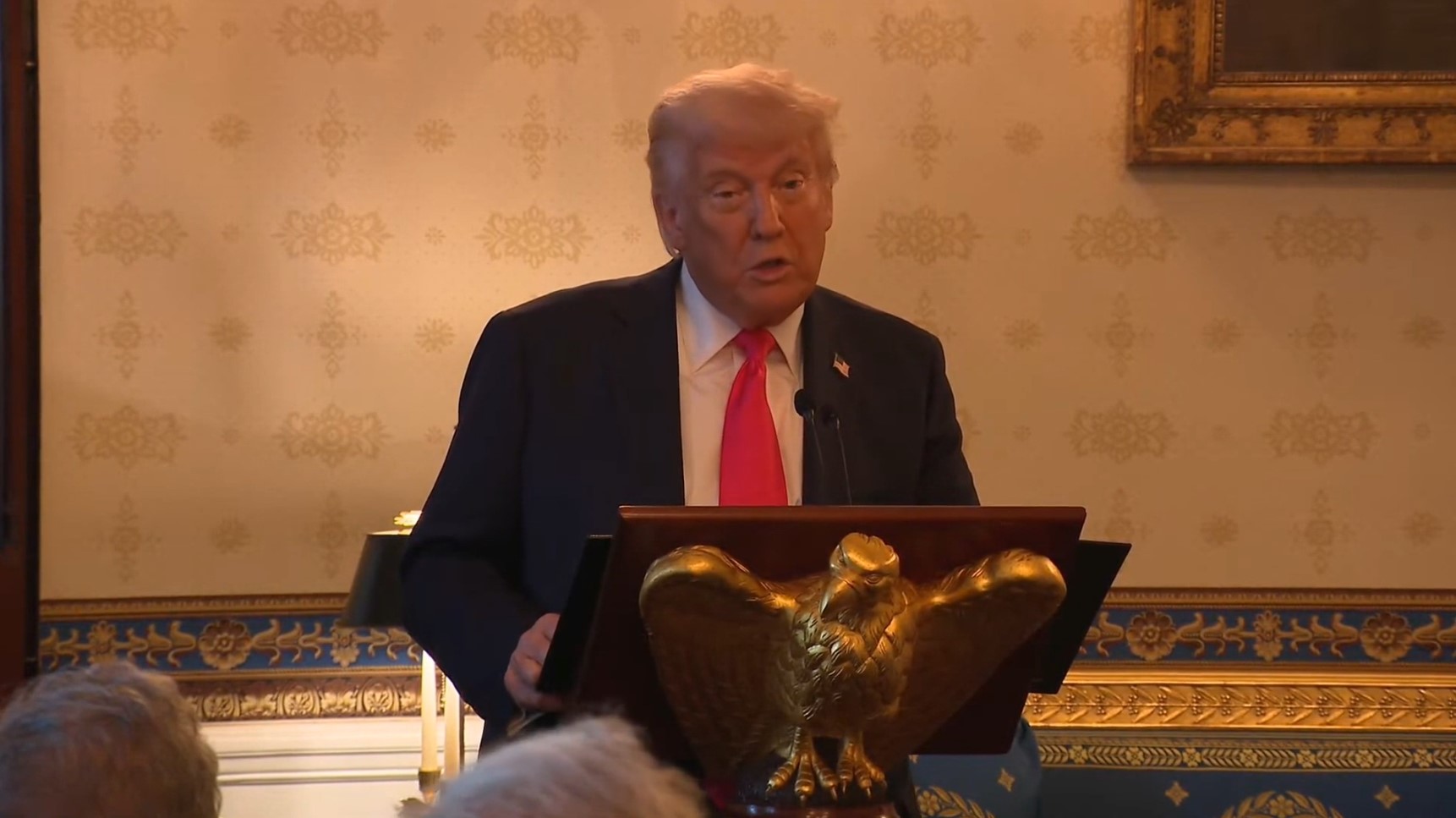
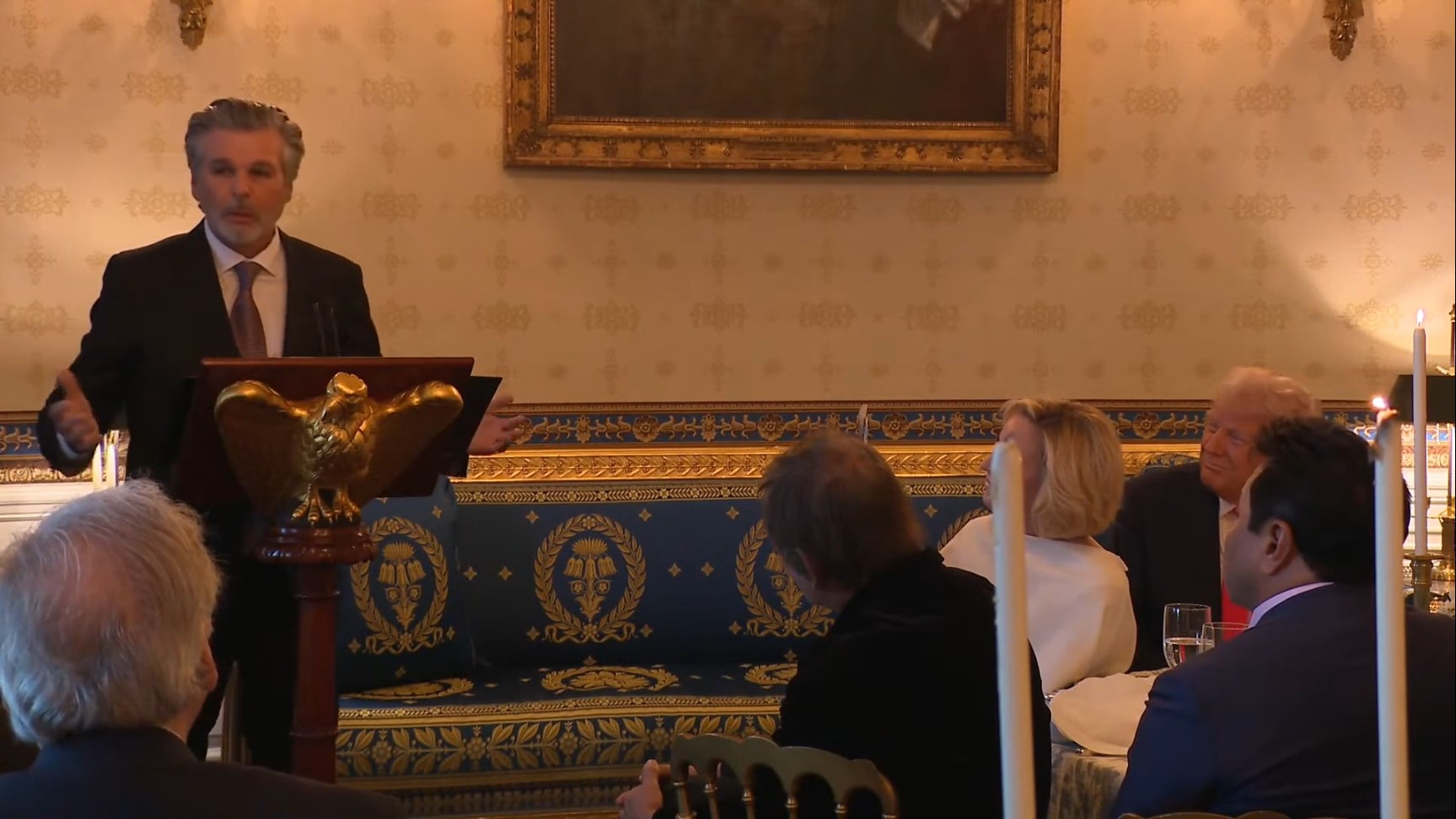 Remarks and Prayer by Pastor Jentezen Franklin: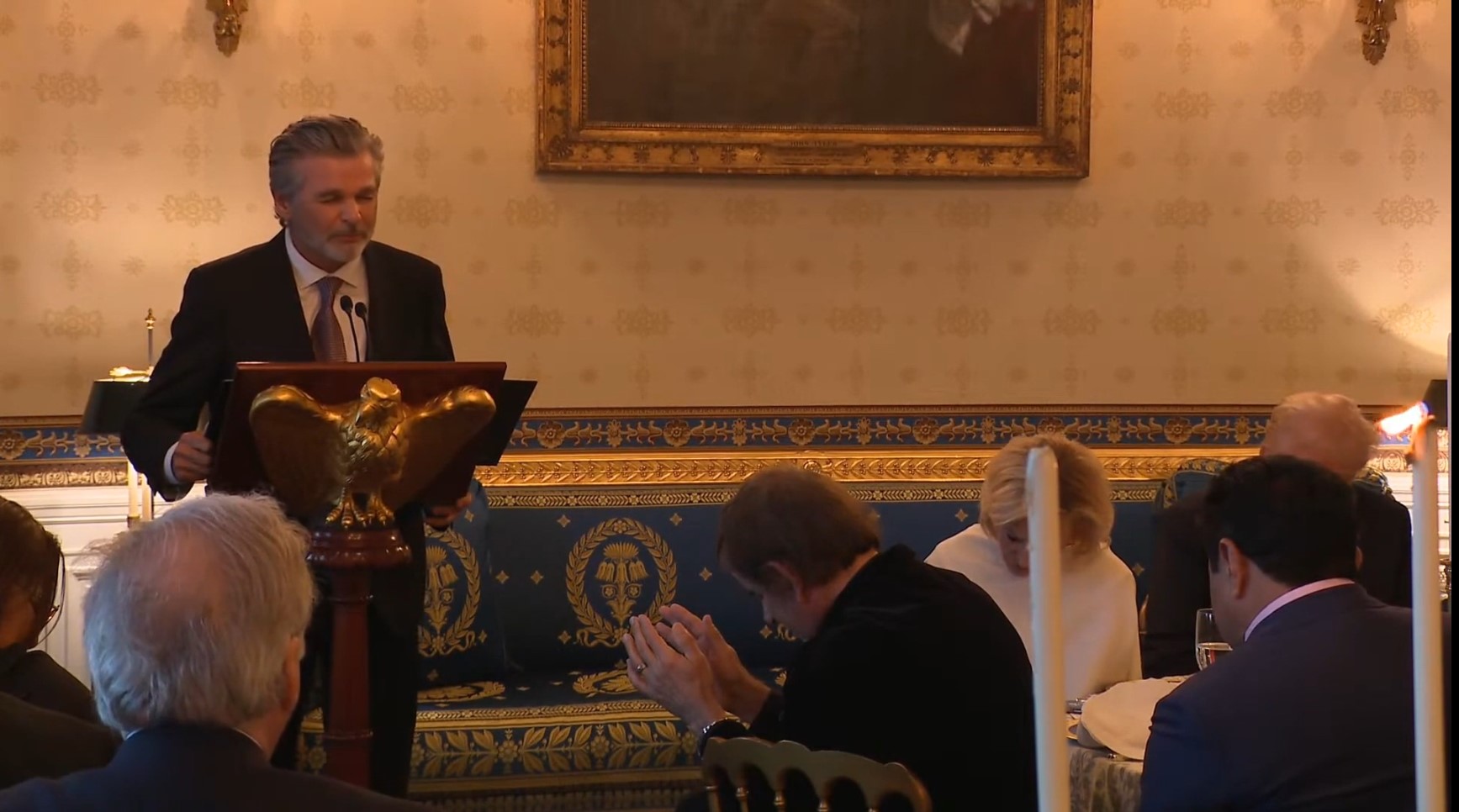
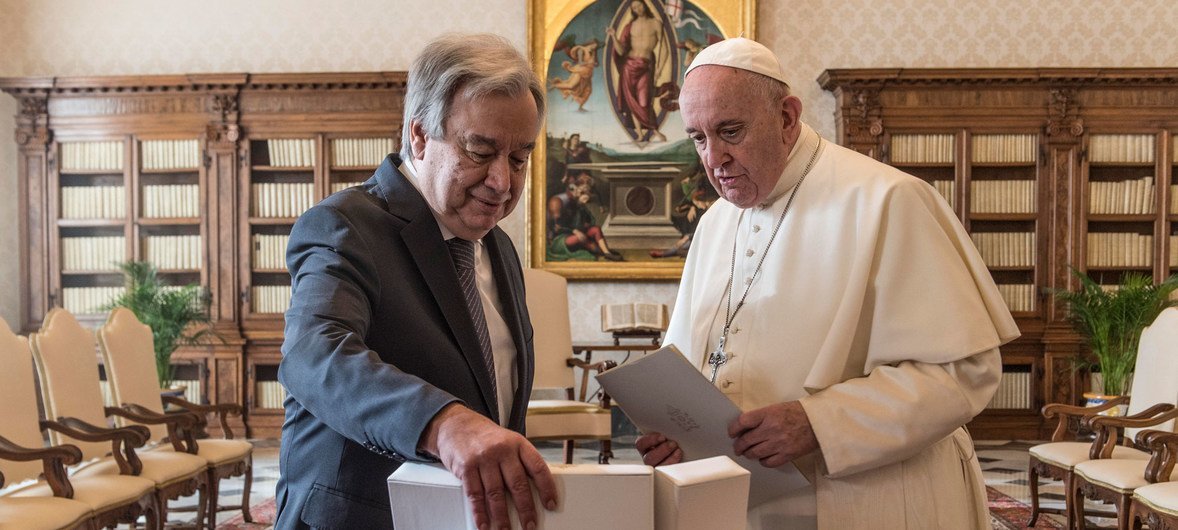 UN Photo/Rein Skullerud Secretary-General António Guterres (right) during an audience with Pope Francis at the Vatican in Rome in December 2019.
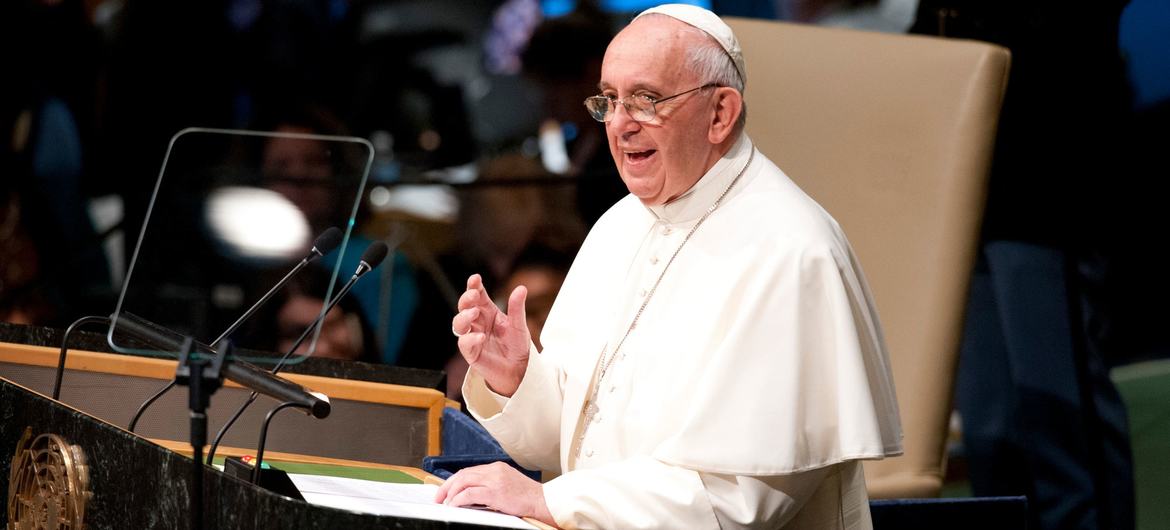 UN Photo/Kim Haughton Pope Francis addresses the General Assembly during his visit to United Nations Headquarters in 2015.
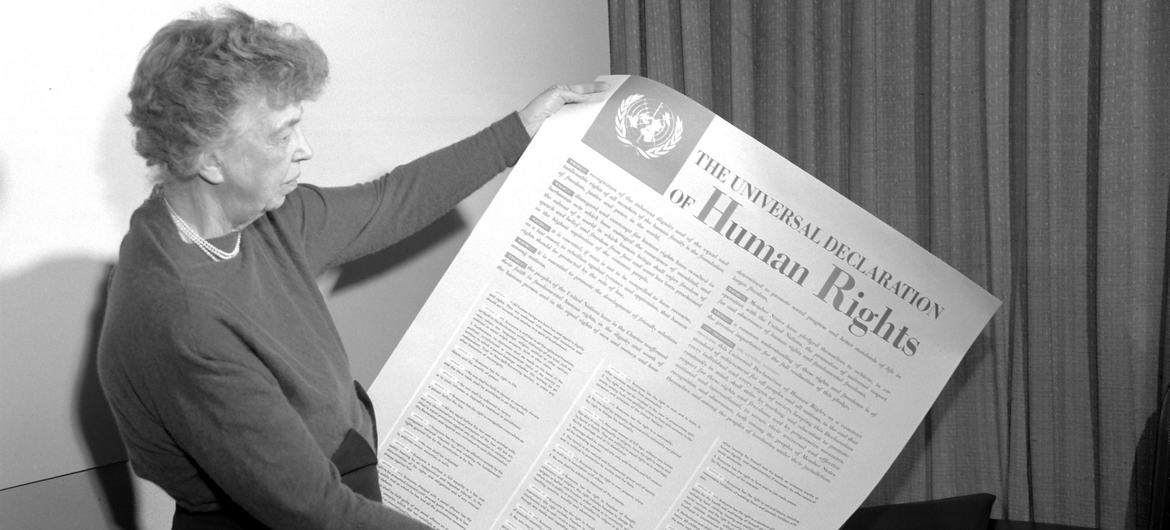 UN Photo Eleanor Roosevelt of the United States holds an English version of the Declaration of Human Rights poster. (November 1949)
 © UNESCO The Itḫāf Al-Mahbṻb documents the Arab world’s contributions to astronomy, planetary movement, celestial bodies, and astrological analysis during the first millennium of our era.