
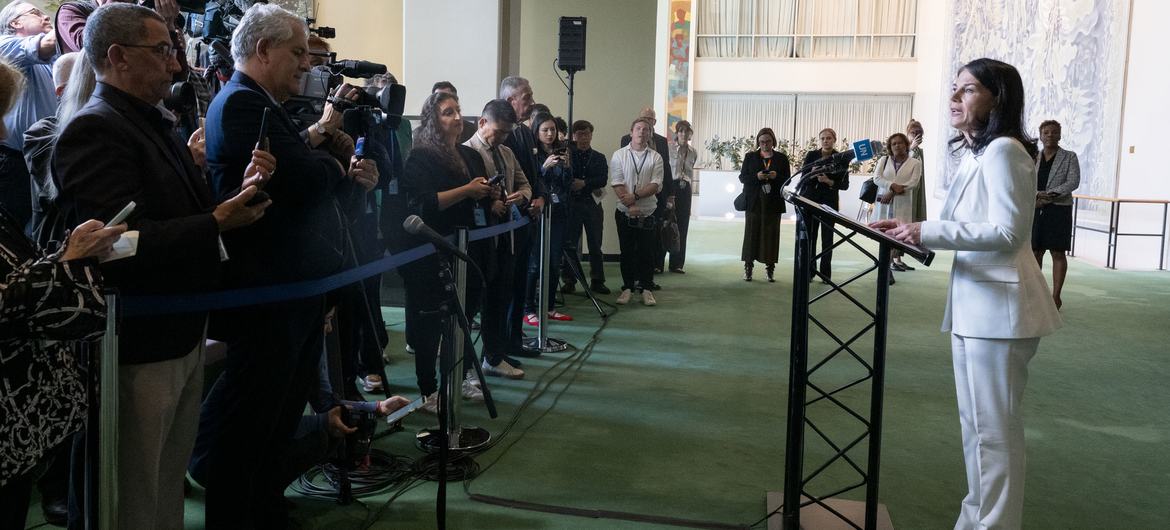
Analena Burbach the President-elect of the 80th UNGA: "Better Together" is the theme of my presidency.


- Details
- Category: English Media
- Published: Wednesday, 11 June 2025 13:08
- Written by Eager
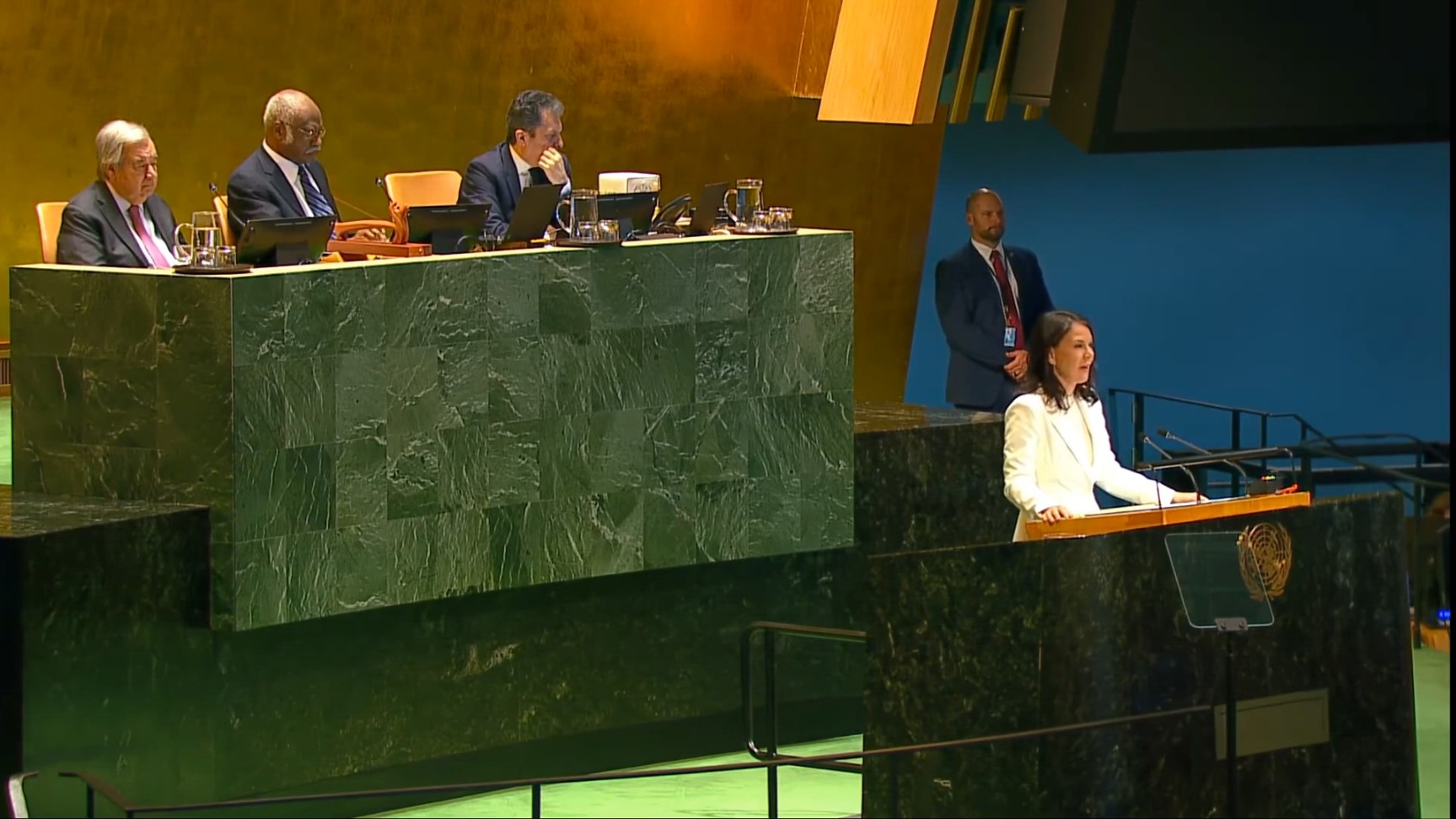
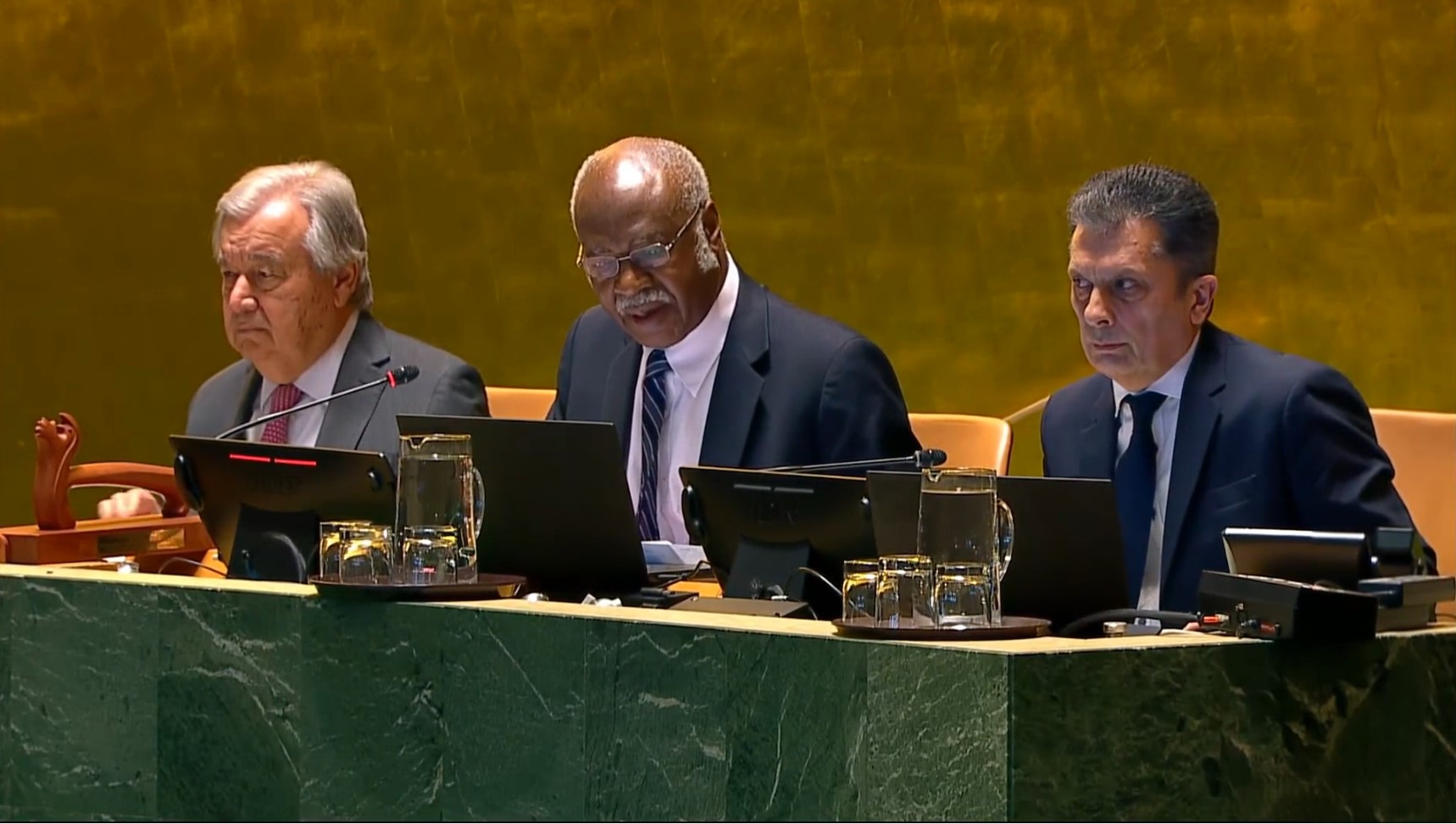 I invite Her Excellency Analena Burbach, who has just been elected President of the General Assembly at its 80th session, to take the floor.
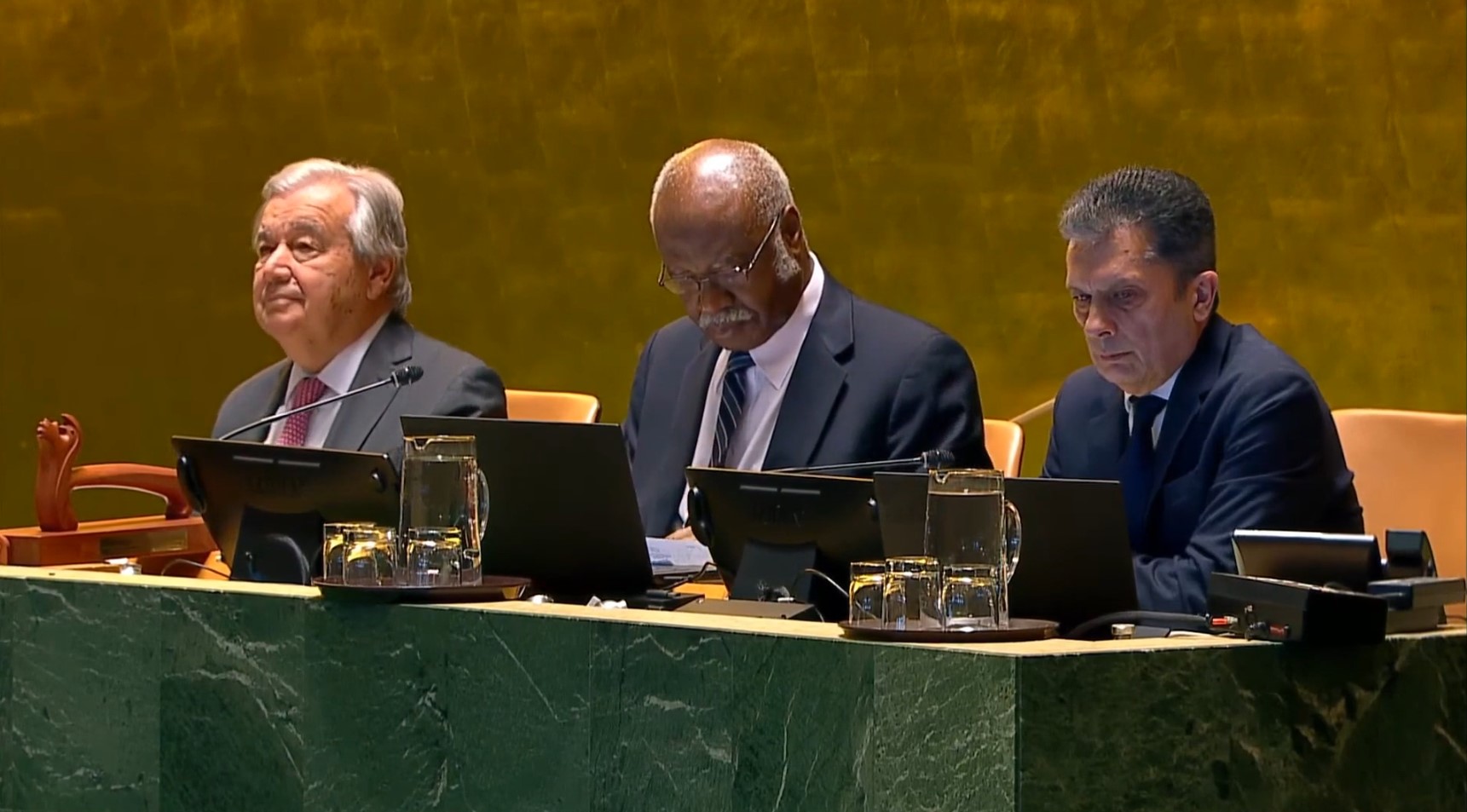
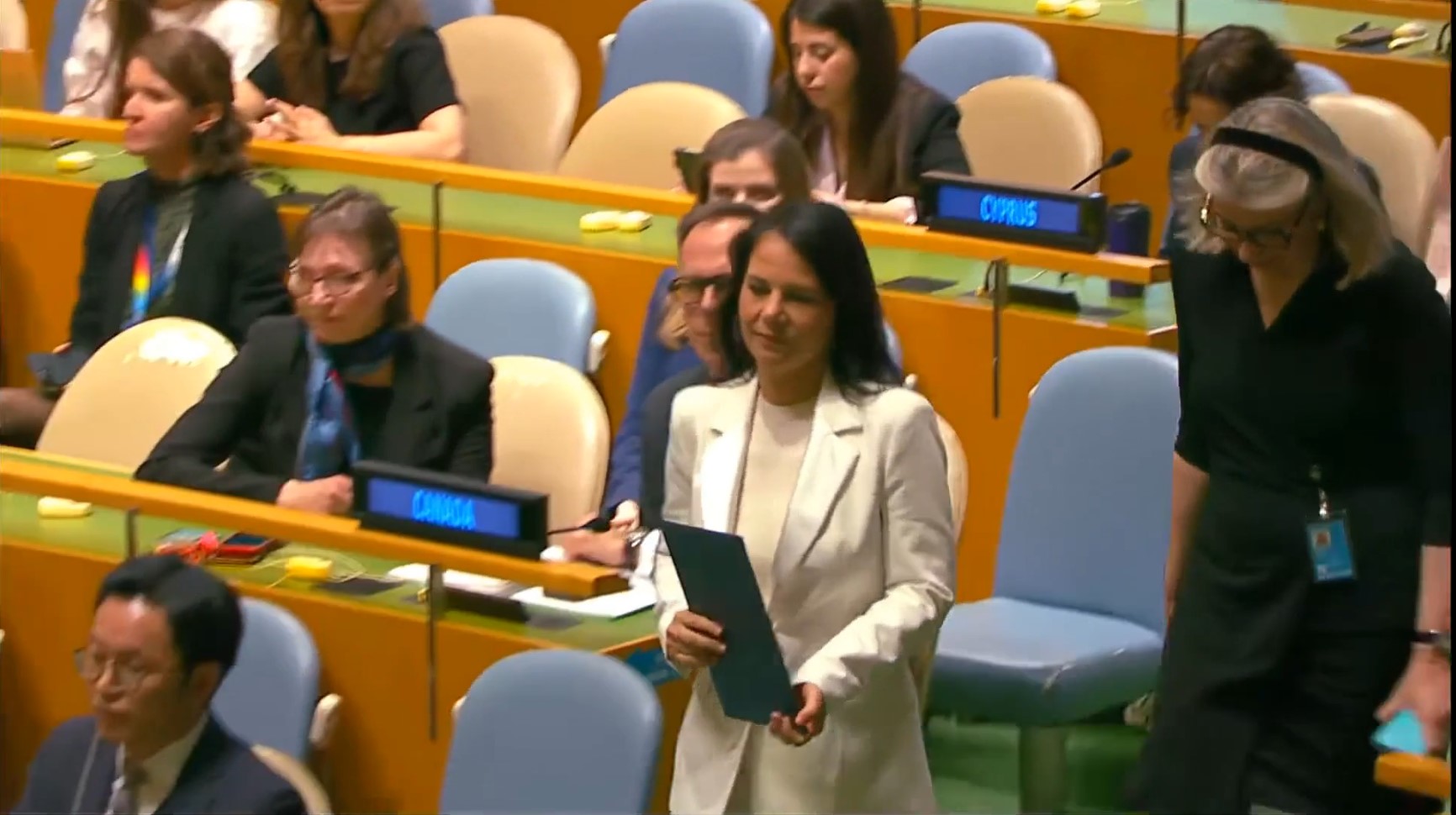
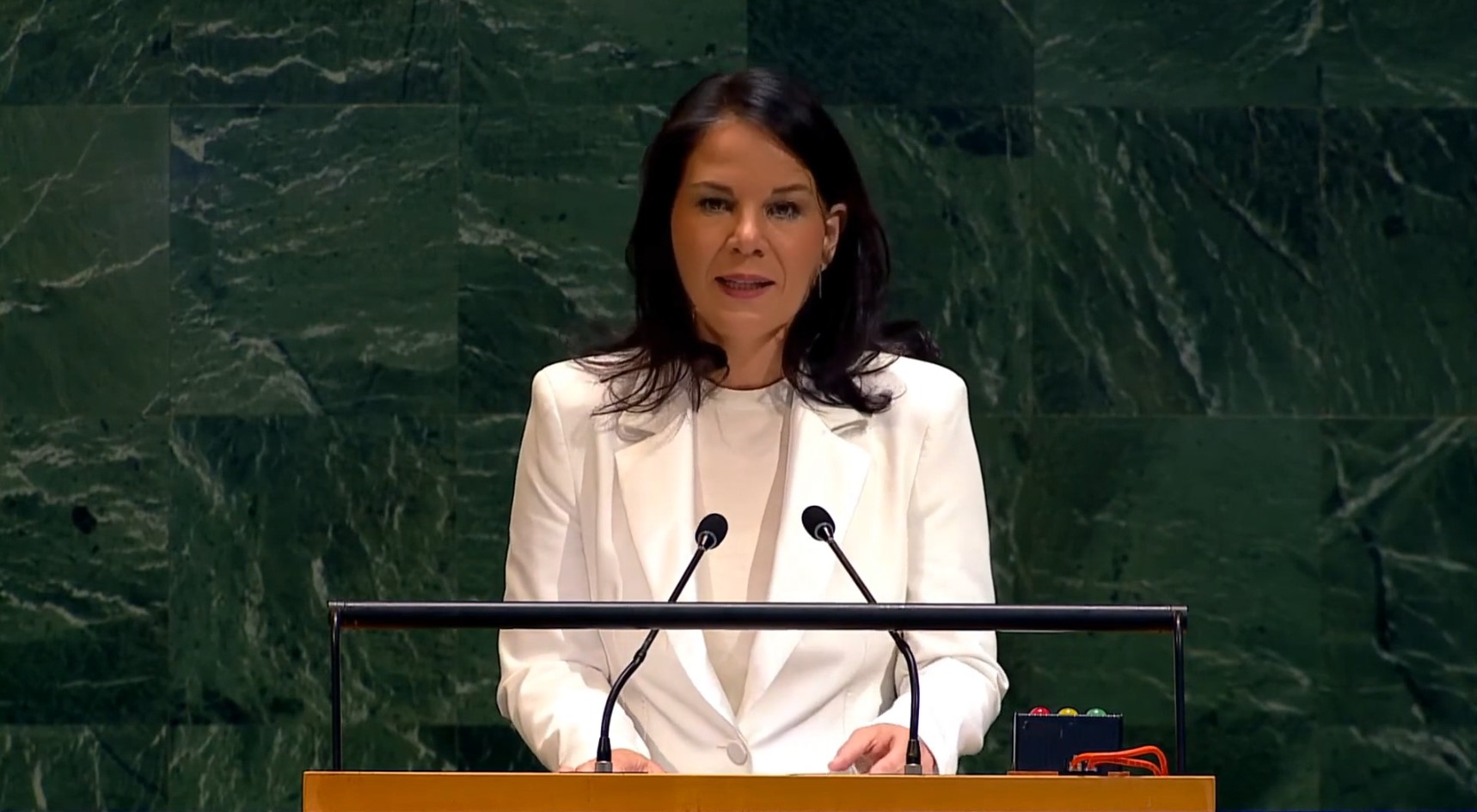
Mr. President, Mr. Secretary-General, Excellencies, ladies and gentlemen:
First of all, my special gratitude to His Excellency President Filimon Young for your kind words and guidance. Your wise, inspiring, and unifying leadership of the General Assembly will guide me during my term.
Excellencies, dear colleagues, thank you for your overwhelming support and your trust. I’m deeply grateful and humbled to have the honor to serve all of you and preside over the General Assembly during its 80th session.
As I emphasized at the informal interactive dialogue, I will serve all 193 Member States as an honest broker and as a unifier. As President of the General Assembly, I will engage in a trust-based dialogue with all Member States. My door will always be open for everyone.
“Better Together” — this is the theme of my presidency, which will guide my work as President of the General Assembly, and I’m grateful to hear that it resonates with so many of you.
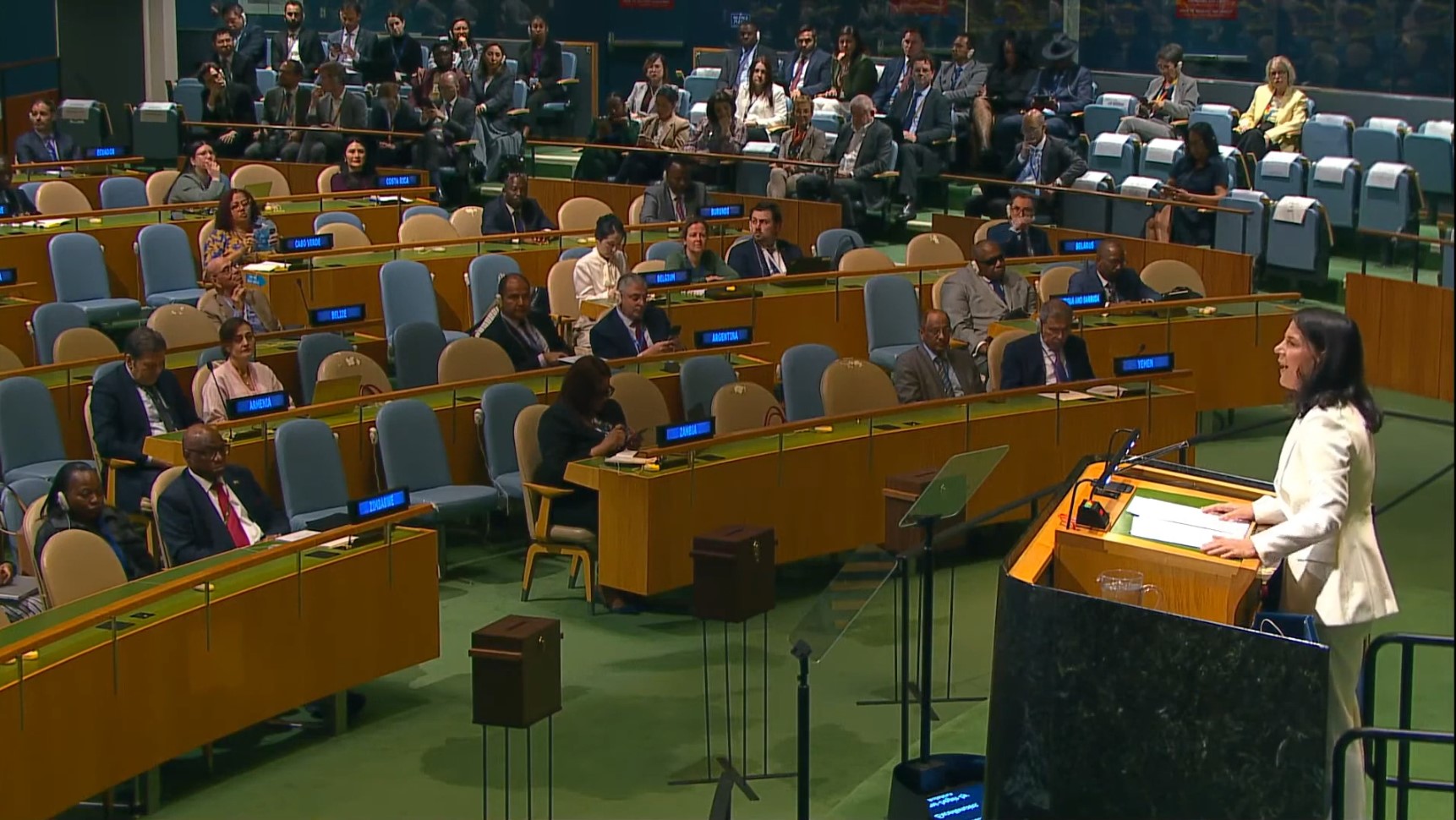
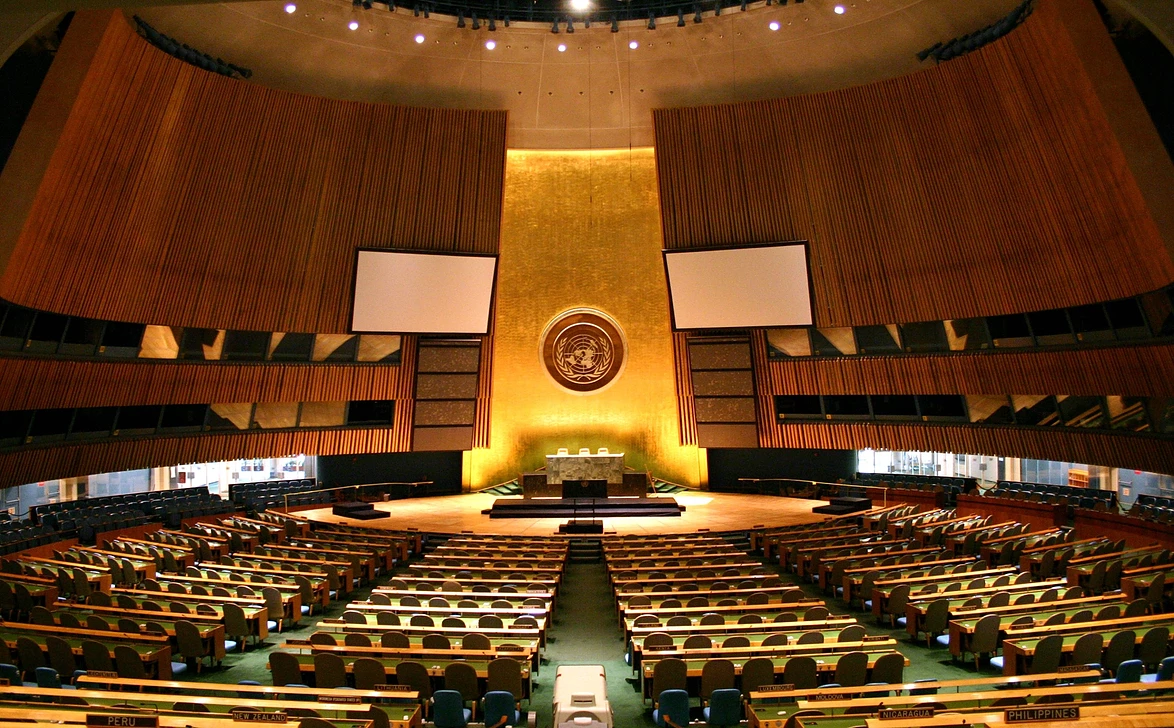
When visitors come to the General Assembly, they obviously do not enter through these glass doors. Instead, they take a narrow hallway on the third floor, and they stumble over a quote from Dag Hammarskjöld, the second Secretary-General of the United Nations:
“The UN was not created to take mankind to heaven, but to save humanity from hell.”
It’s a powerful reminder.
This organization was founded on the ashes of the Second World War. Yet the response to the horrors of war was a common vision — not heaven, but a hopeful vision. A vision based on human rights, on respect for international law, on peaceful coexistence, and on international cooperation to benefit all peoples.
Today, we live in challenging times. We are walking on a tightrope of uncertainty. But the birth of the United Nations 80 years ago reminds us: we have lived through difficult times before — and it’s up to us to take on these challenges.
We might come from different regions, from different backgrounds. We might see the world differently, and we might even disagree sometimes. But when we come together at the United Nations, we are all united by this common vision and by the founding principles of the United Nations.
The Charter is, and will remain, the irrevocable foundation of our work. As President of the General Assembly, I will be committed to upholding our Charter and the purposes and principles enshrined within it. I will focus on what we can do together instead of asking what divides us — because we are better together.
The 80th session of the General Assembly will be a crucial moment for our organization. The United Nations, the center of the multilateral system, is under immense pressure — politically and financially. More than 120 armed conflicts remind us that the primary mission of the United Nations — “to save succeeding generations from the scourge of war” — remains unaccomplished.
Achieving the Sustainable Development Goals will remain elusive without bold, ambitious, accelerated, just, and transformative actions, as we committed to in the Pact for the Future.
Yet, nothing would be better without the United Nations. We have achieved much together over the past 80 years. Just as the founding fathers — and also a few founding mothers — of our organization resolved to combine their efforts, we also need to join efforts now: to preserve what the United Nations has achieved since its establishment in 1945, to address current global crises, and to adapt to emerging future challenges.
As President, my first key objective will be to support Member States to renew, to refocus, and to make our organization fit for purpose — fit for the 21st century.
This organization requires adequate, reliable funding. And at the same time, we need to increase the efficiency and effectiveness of the entire system.
Mr. Secretary-General, I would like to thank you for your leadership in this respect and for launching the UN 2.0 initiative. This initiative is an important opportunity to make the United Nations stronger and more effective. As many delegations, I welcome that you have committed to closely consult with Member States during this process.
As President of the General Assembly, I will place a strong emphasis on ensuring that the perspectives and interests of all Member States are considered. This means we, as the General Assembly, also have to do our homework.
While we need to be bold, ambitious, and ready to take difficult decisions, the UN 2.0 initiative should not be a mere cost-cutting exercise. Our common goal is a strong, focused, nimble, and fit-for-purpose organization — one that is capable of realizing its core objectives.
 We need a United Nations that delivers on peace, development, and justice.
This brings me to the second main task for the upcoming session. The Pact for the Future is a blueprint for the actions we need to take in order to forge a better future for all. People around the world must feel that our work makes a real difference in their daily lives.
The General Assembly is the most representative and main deliberative and policy-making body of the United Nations. It is in our hands to use this role to its full potential.
It is key to further strengthen the role of the General Assembly with regard to peace and security matters — in close cooperation with the Security Council and the Peacebuilding Commission. However, lasting peace will never be reached without sustainable development. Yet less than one-fifth of the SDG targets are on track.
A key focus of the 80th session will therefore be to advance the 2030 Agenda for Sustainable Development — working closely with the Economic and Social Council and other relevant partners.
The three pillars of the United Nations Charter — peace and security, development, and human rights — are deeply interconnected. Respect for international law, international human rights law, and international humanitarian law are essential for a world in which every person can live in peace, prosperity, and dignity.
Better Together is a team sport.
My third priority is a United Nations that embraces everyone. I see the diversity of the General Assembly as our strength. This is a place where all nations come together, and where every country has a seat and a voice.
As President, I aim to ensure that this multitude of perspectives is taken into account — that every Member State, region, and group is heard, and that the General Assembly is a truly inclusive forum. By activating, for example, the General Committee and by building on the different interactive formats of my predecessors.
This includes the revitalization process, as well as the selection of the next Secretary-General, which will be at the center of the 80th session. Transparency and inclusiveness will be key. I will organize the selection process in line with General Assembly resolutions and build on past best practices.
However, I depend on your support and commitment — because the General Assembly will only be as strong as the commitment of its members.
As only the fifth woman in this position in 80 years, I’m fully aware that peace and development can only be sustained when half of the world’s population — when women — have an equal seat at the table.
Inclusive multilateralism also means to engage with civil society — and especially with young people. It improves the outcome and the legitimacy of decisions, which are based on a wide range of input and broad consultations.
Active communication and promoting a better understanding of the United Nations will be vital during the 80th session — in particular, in these times of disinformation. To ensure that we foster our understanding and no voice is left out, I commit to promoting multilingualism — a core value of the United Nations.
I will embed this principle into the daily work of my office, building on the great work of my predecessor, and with a truly diverse, multilingual OPGA team in which all regional groups are being represented.
This is only possible through your generous contributions to the Trust Fund and great secondments to my team from all different regional groups — for which I’m thankful.
Mr. President, Excellencies, ladies and gentlemen:
80 years on, the world does not look like heaven. But it is our world. And this is the task of our time — to make the United Nations fit for purpose, fit for the future, to uphold the Charter, and to deliver tangible results for everyone.
And I’m deeply honored to work with all of you in this challenging endeavor — Better Together.
I thank you.



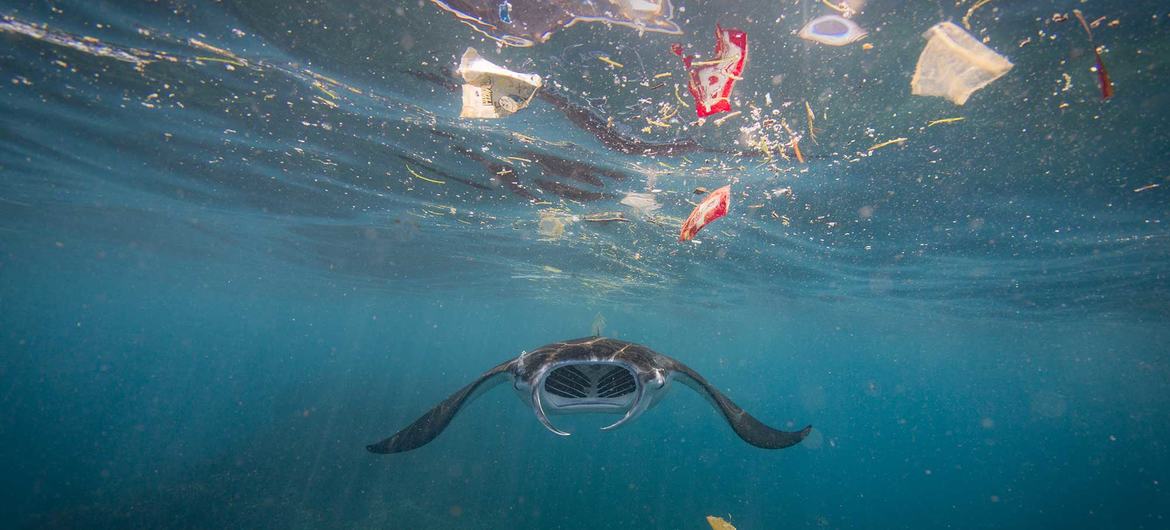 © The Ocean Story / Vincent Kneefel Up to 12 million metric tons of plastic enter the ocean every year — the equivalent of a garbage truck every minute.
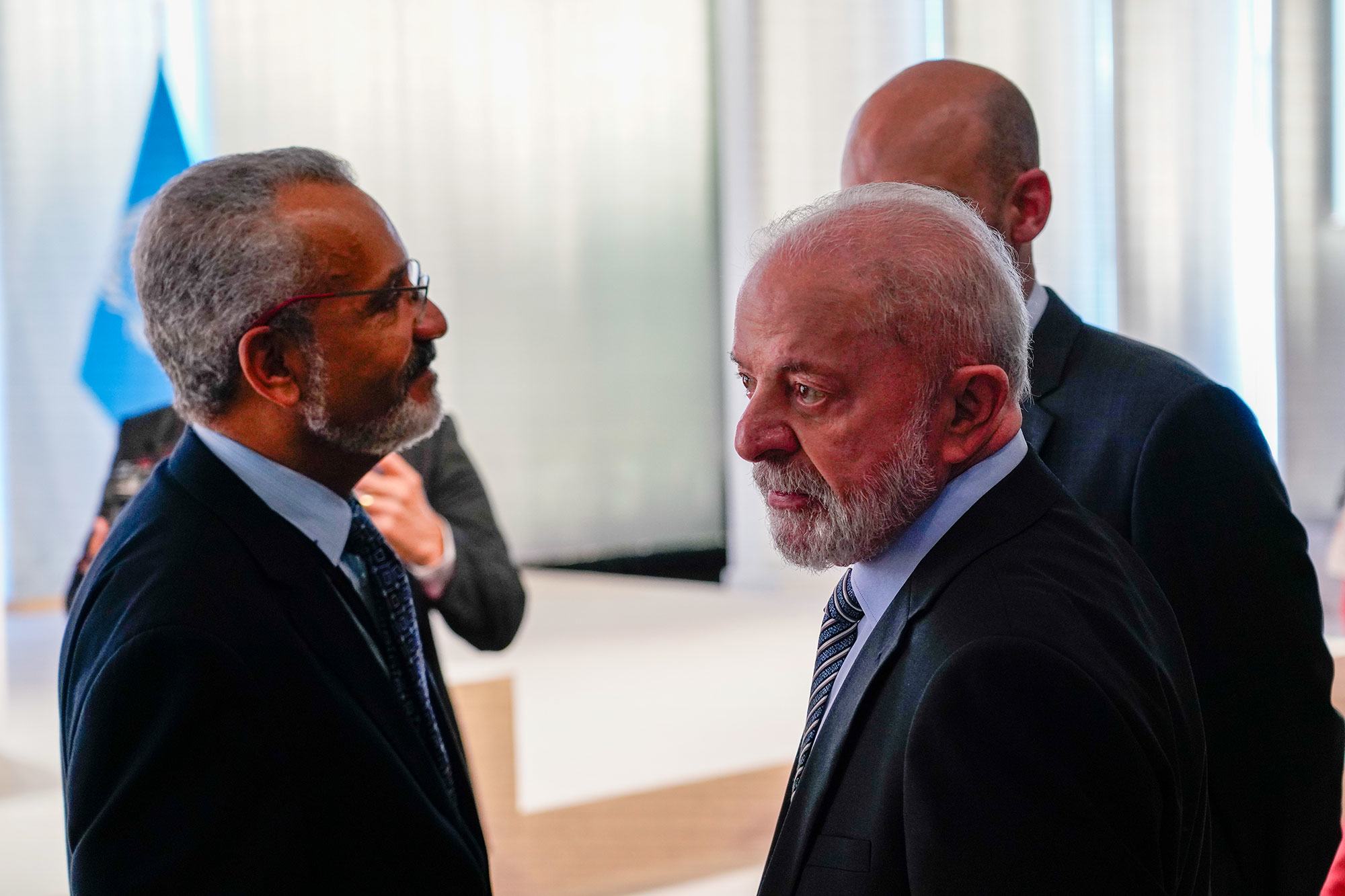 UN News/Heyi Zou Brazilian President Luiz Inácio Lula da Silva, at the opening ceremony of UNOC3
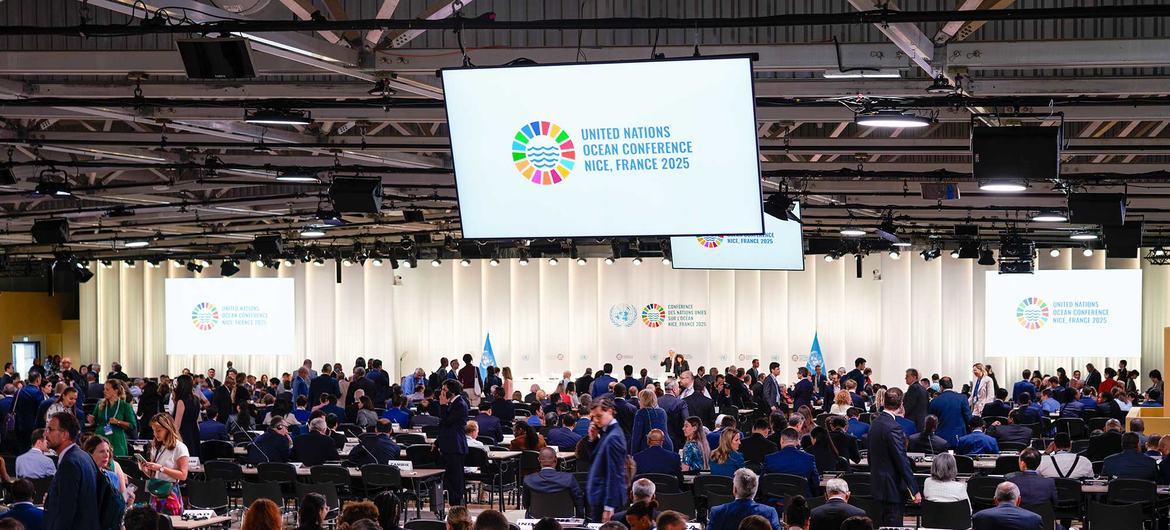 UN News/Heyi Zou The plenary hall of the third UN Ocean Conference (UNOC3) in Nice.
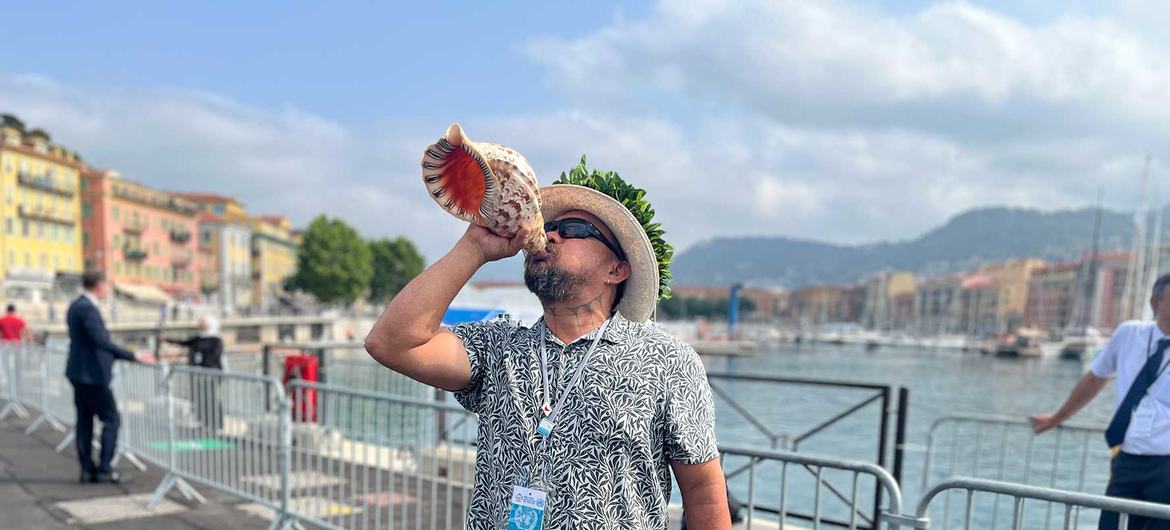 UN News/Fabrice Robinet Ludovic Burns Tuki marked the start of the summit by blowing a pu, a traditional conch shell
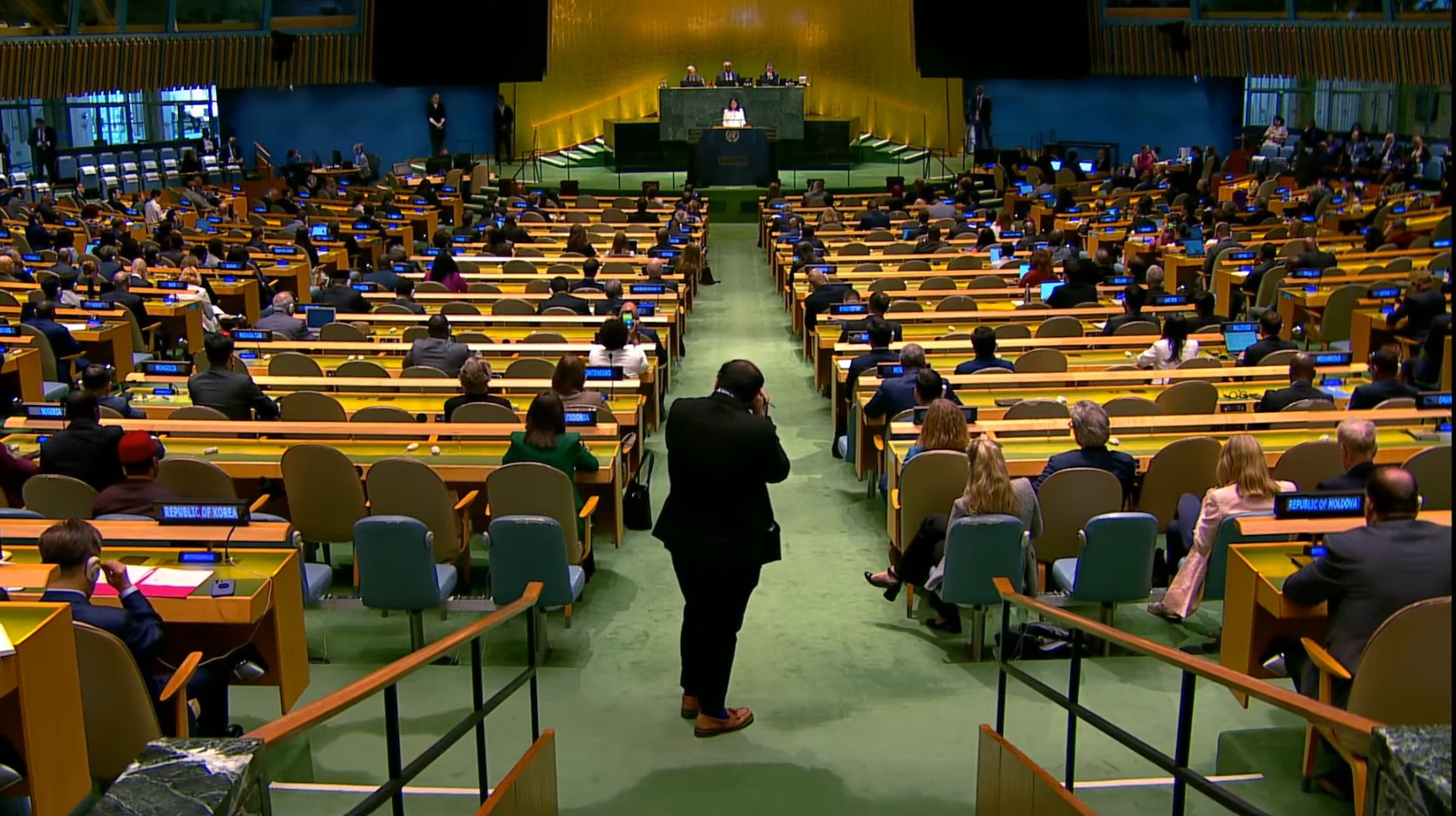
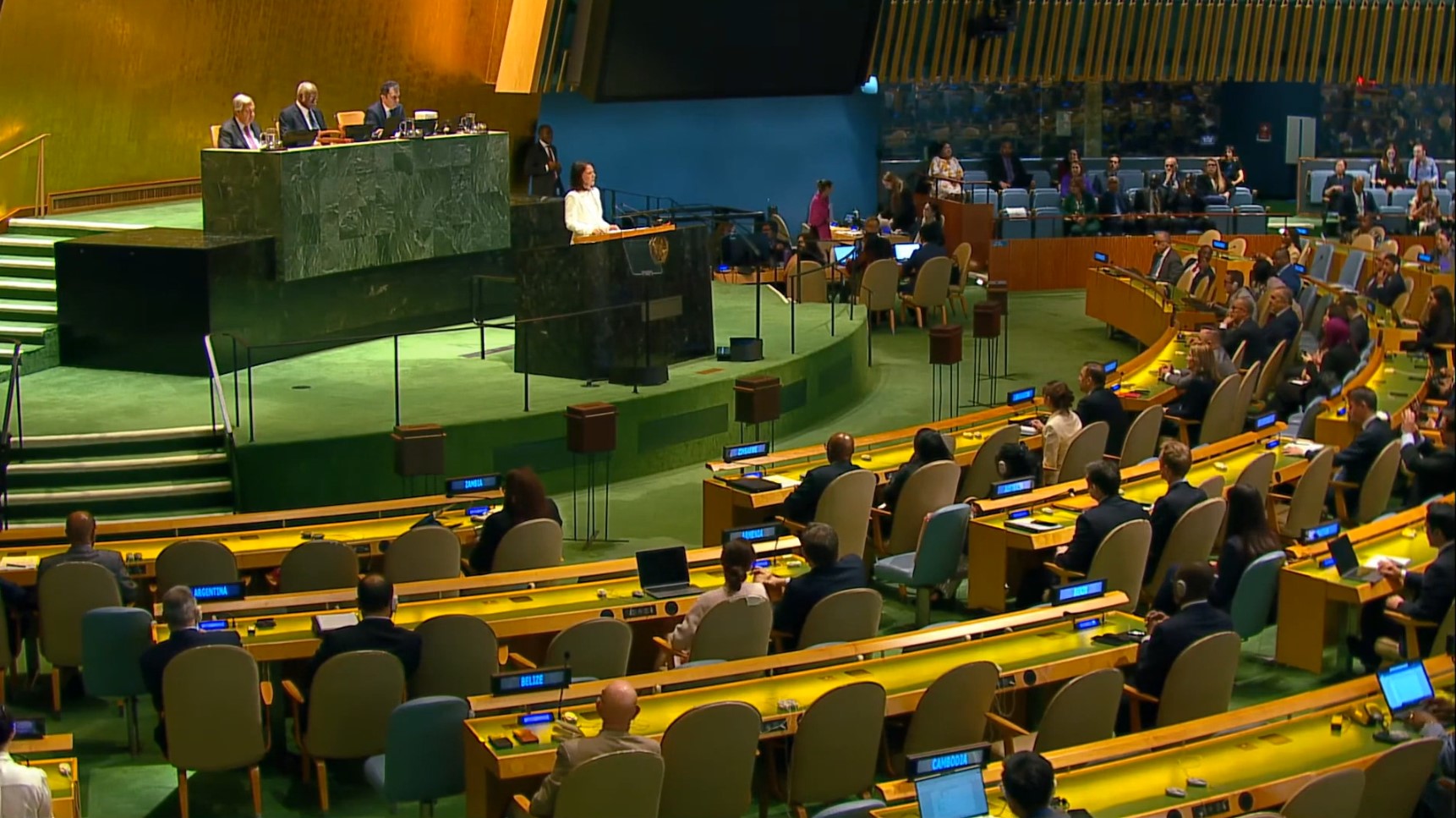
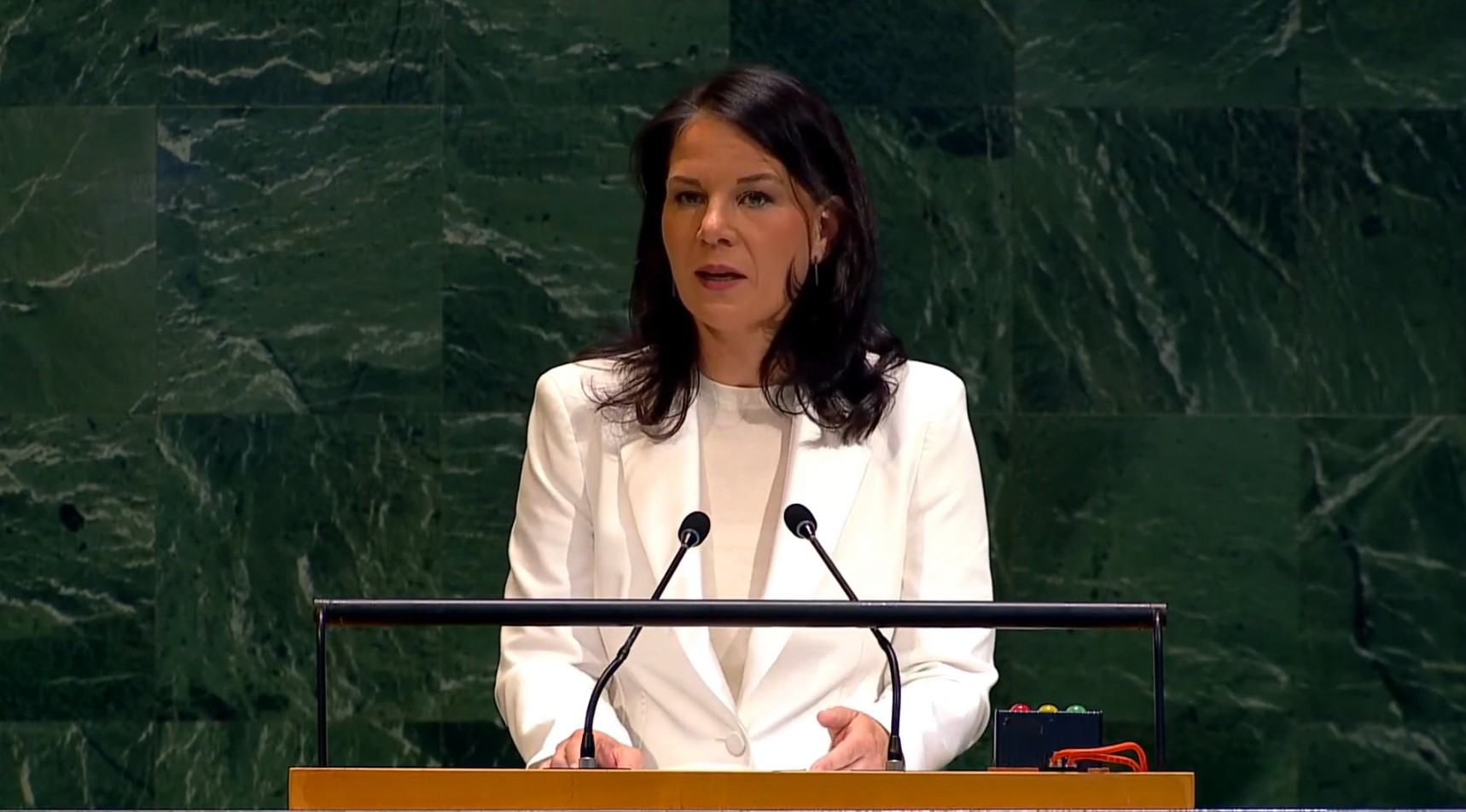
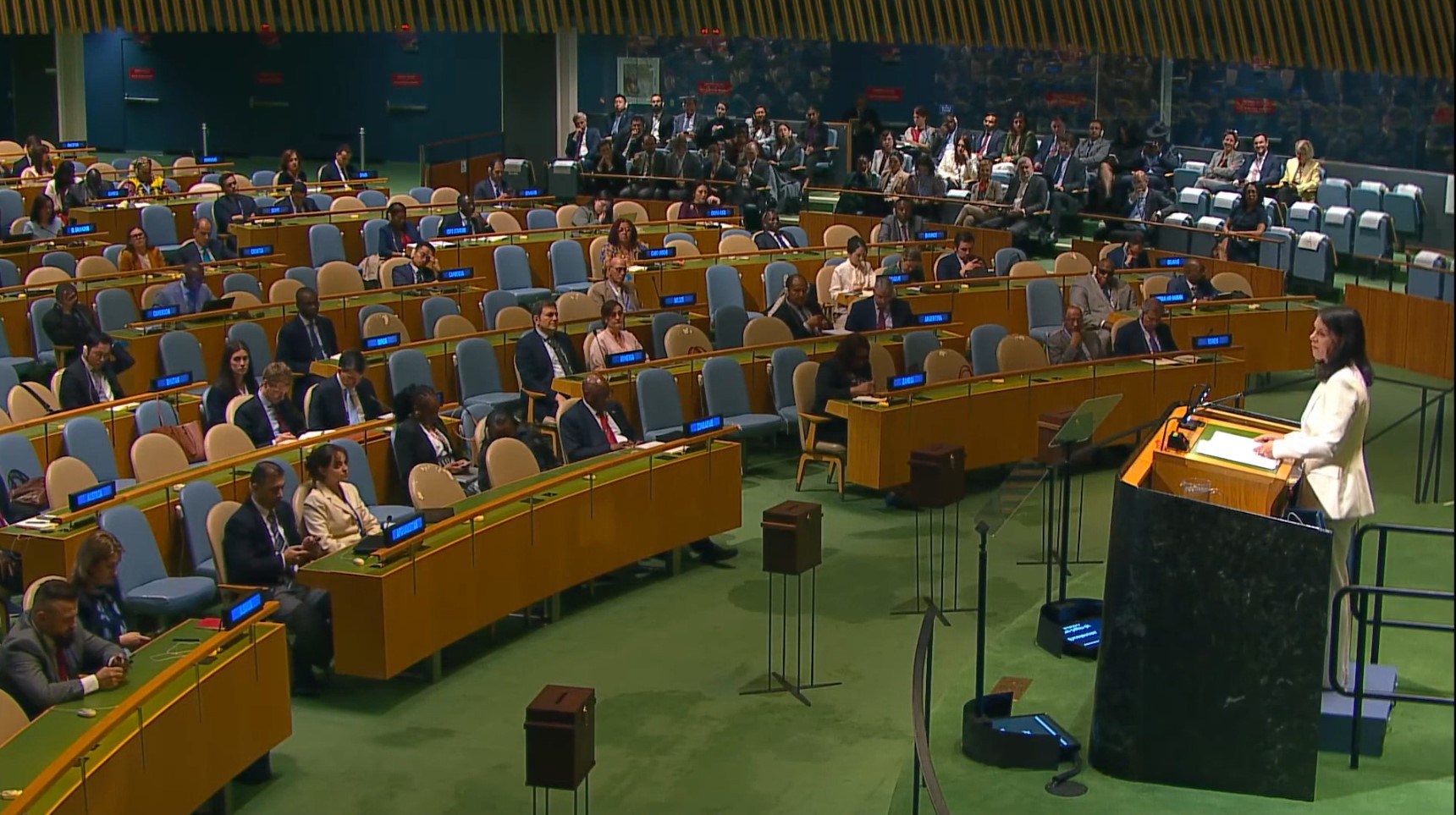
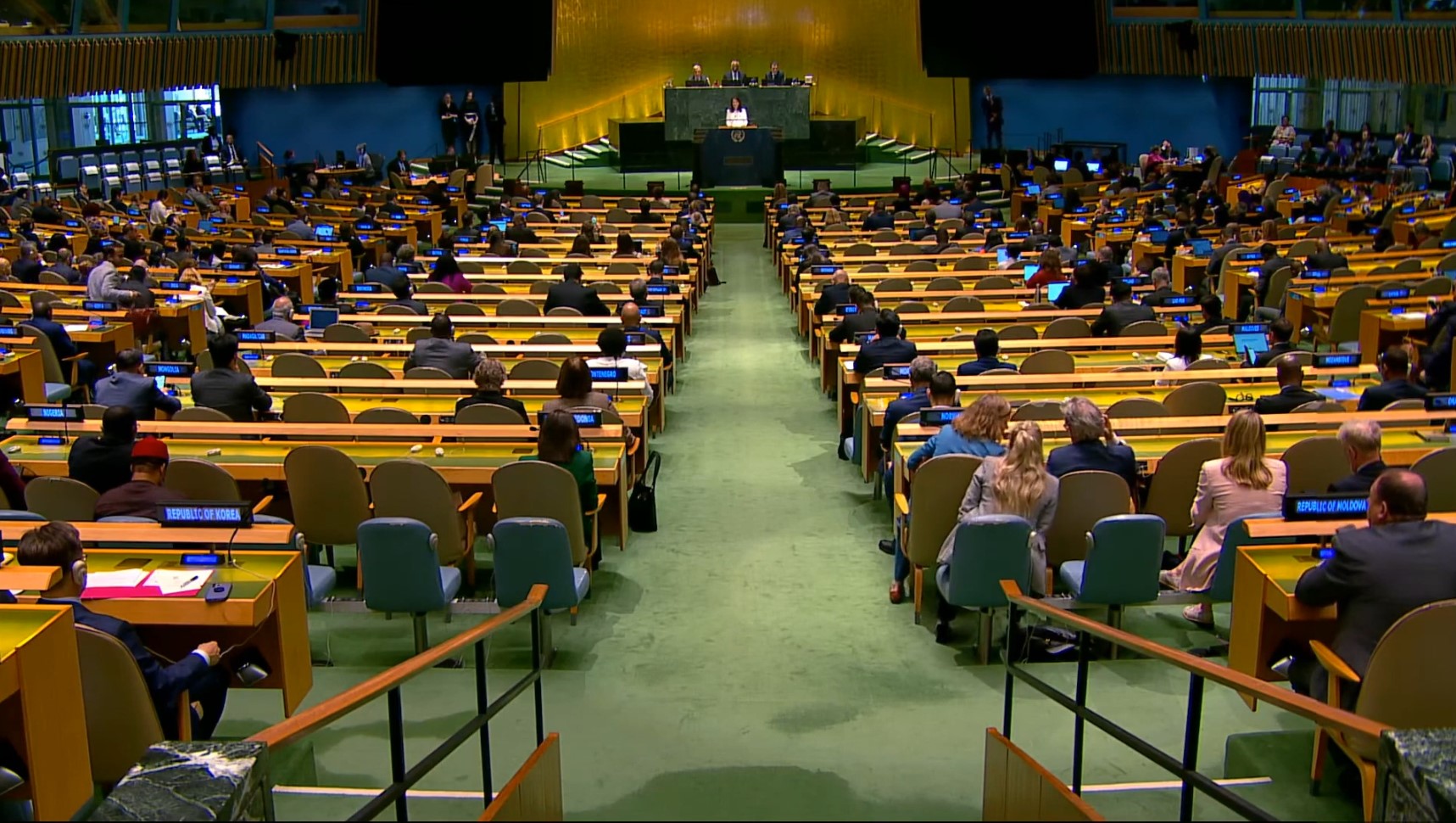
 UN Photo/Manuel Elías Annalena Baerbock, President-elect of the General Assembly at its eightieth session addresses delegations after her election.
 UN Photo/Eskinder Debebe