Celebrity Media Commentator Every year, September 26 marks the “International Day for the Total Elimination of Nuclear Weapons.” It is not only a commemorative date but also a shared echo of humanity’s promise. In 2025—a particularly crucial year marking both the 80th anniversary of the nuclear age and the founding of the United Nations—the UN Office for Disarmament Affairs, in collaboration with the Western States Legal Foundation and the World Future Council, once again spotlights the global denuclearization process, opening a window for dialogue and action from civil society.
Over the past decades, intergovernmental nuclear disarmament negotiations have frequently stalled, yet civil society has never remained silent. From youth-led initiatives like “Horizons 2045” to unsung but persistent peaceworkers around the world, they form the underground streams of a peace vision, slowly yet steadfastly nourishing the hope for a nuclear-free world.
UN Secretary-General António Guterres recently issued a stark warning: “The risk of nuclear weapon use is at its highest level since the Cold War.” This statement is not just an official alarm, but a ringing bell of conscience. The “qualitative” arms race, the uncontrolled expansion of artificial intelligence, and the blatant return of nuclear blackmail—these are no longer theoretical worries but real shadows looming over the world.
UN Charter 80th Anniversary
Civil society cooperation and action for the 2025 International Day
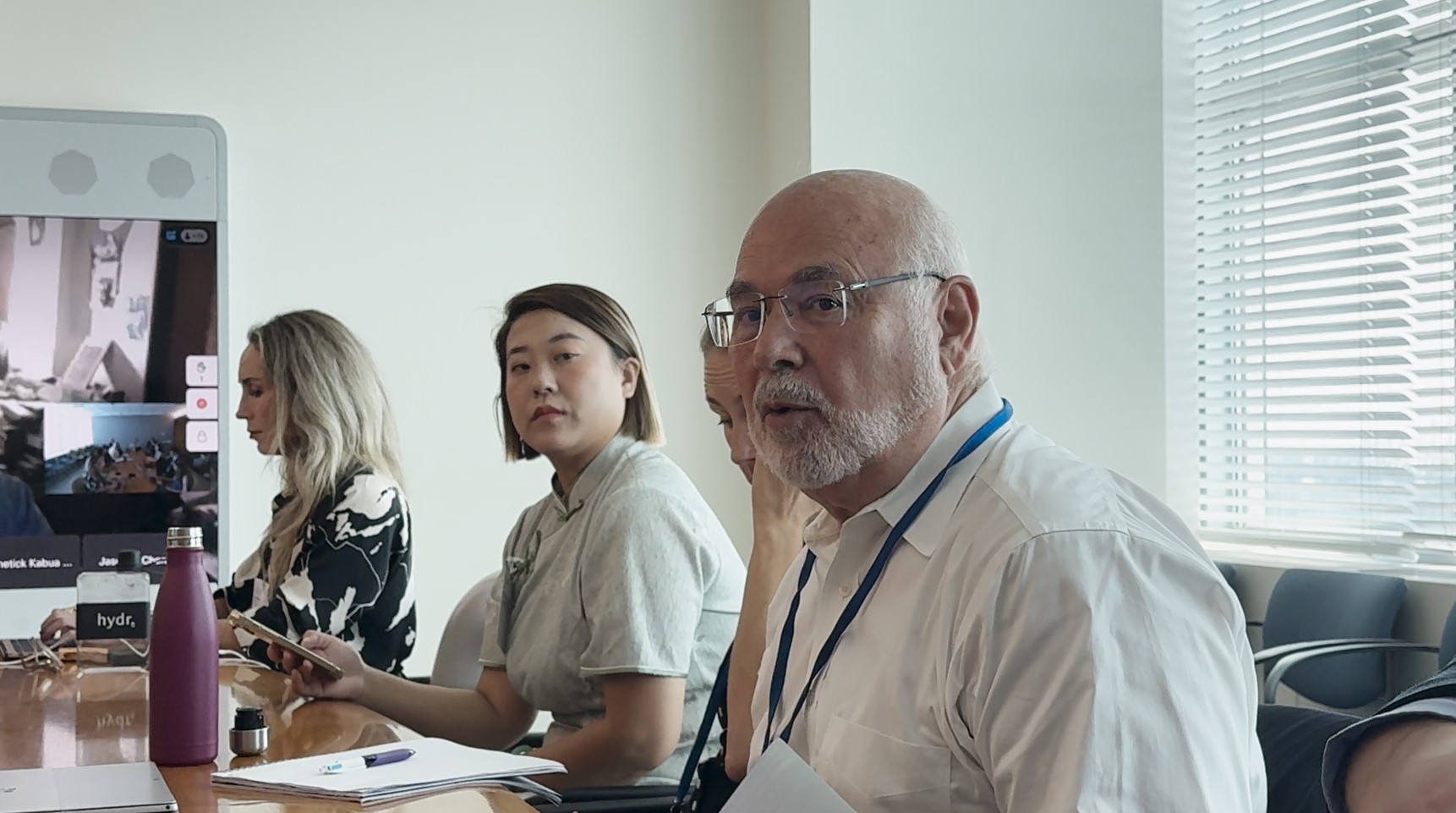
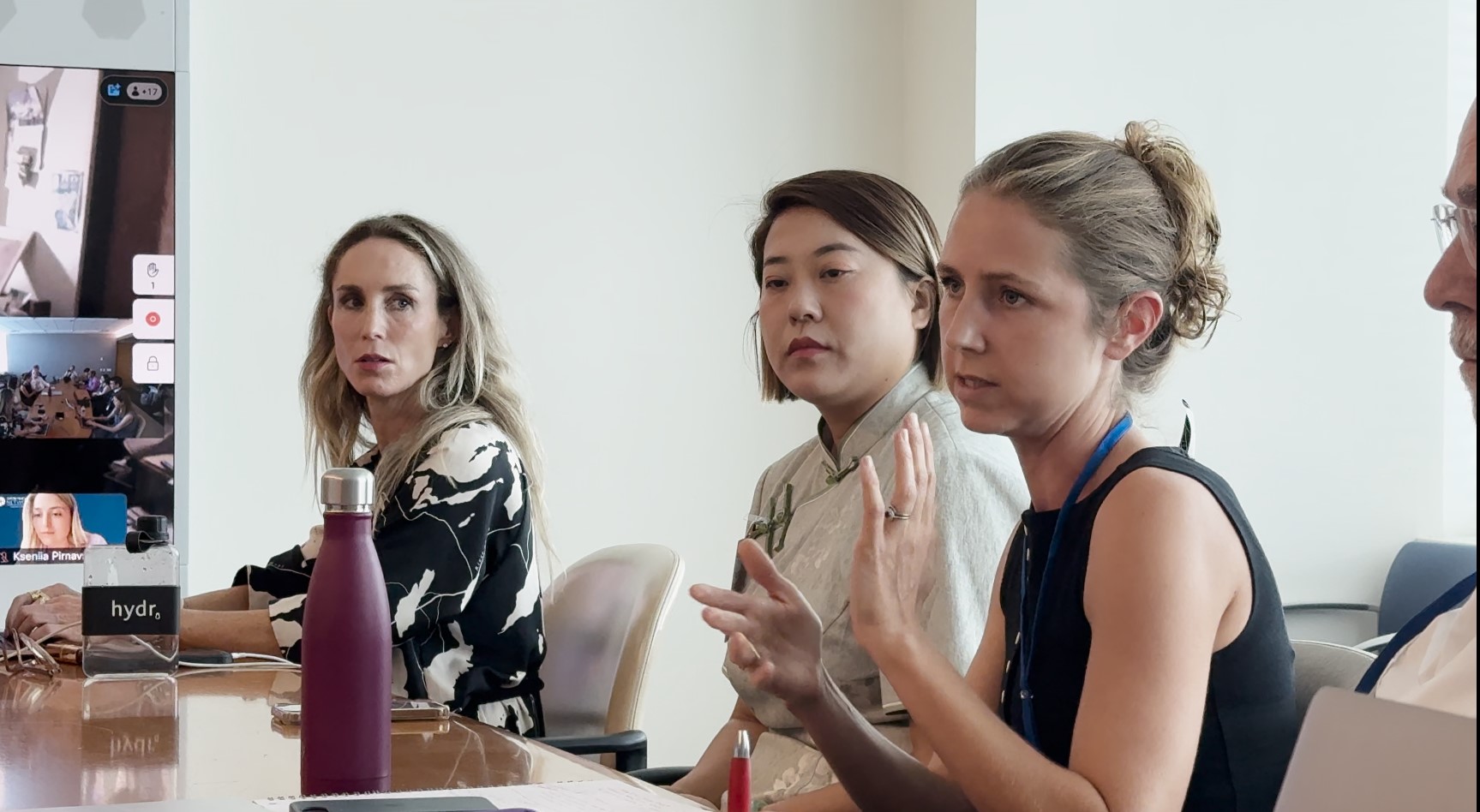
Christopher King, an official from the United Nations Office for Disarmament Affairs, expressed his candid views on the International Day for the Total Elimination of Nuclear Weapons, established by the UN on September 26: “I’ve attended many such commemorative days, and over time, they do tend to feel repetitive and formulaic. This day urgently needs an infusion of creativity, commitment, and energy to truly fulfill its role in raising public awareness about the threat of nuclear weapons.”
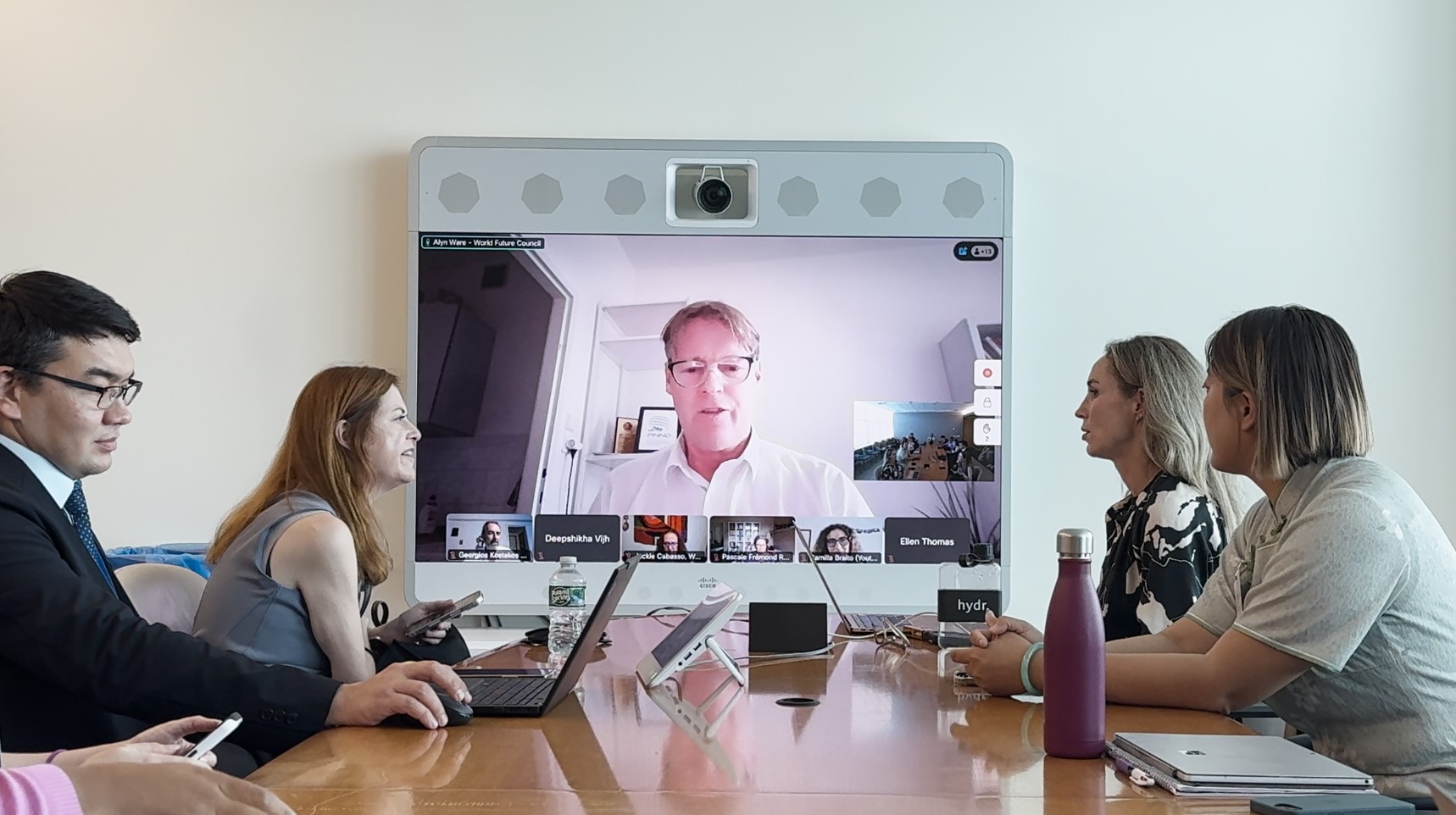
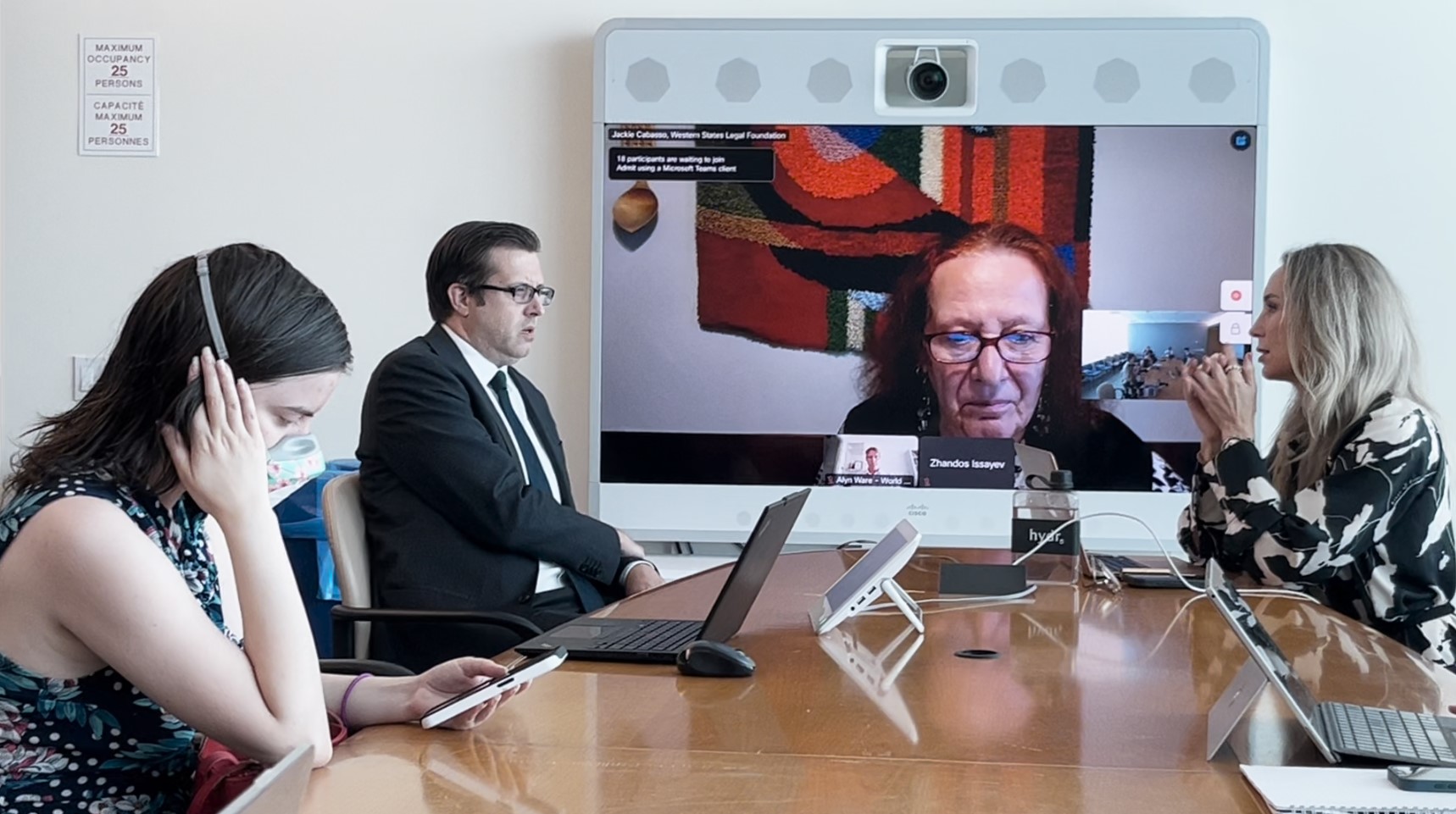
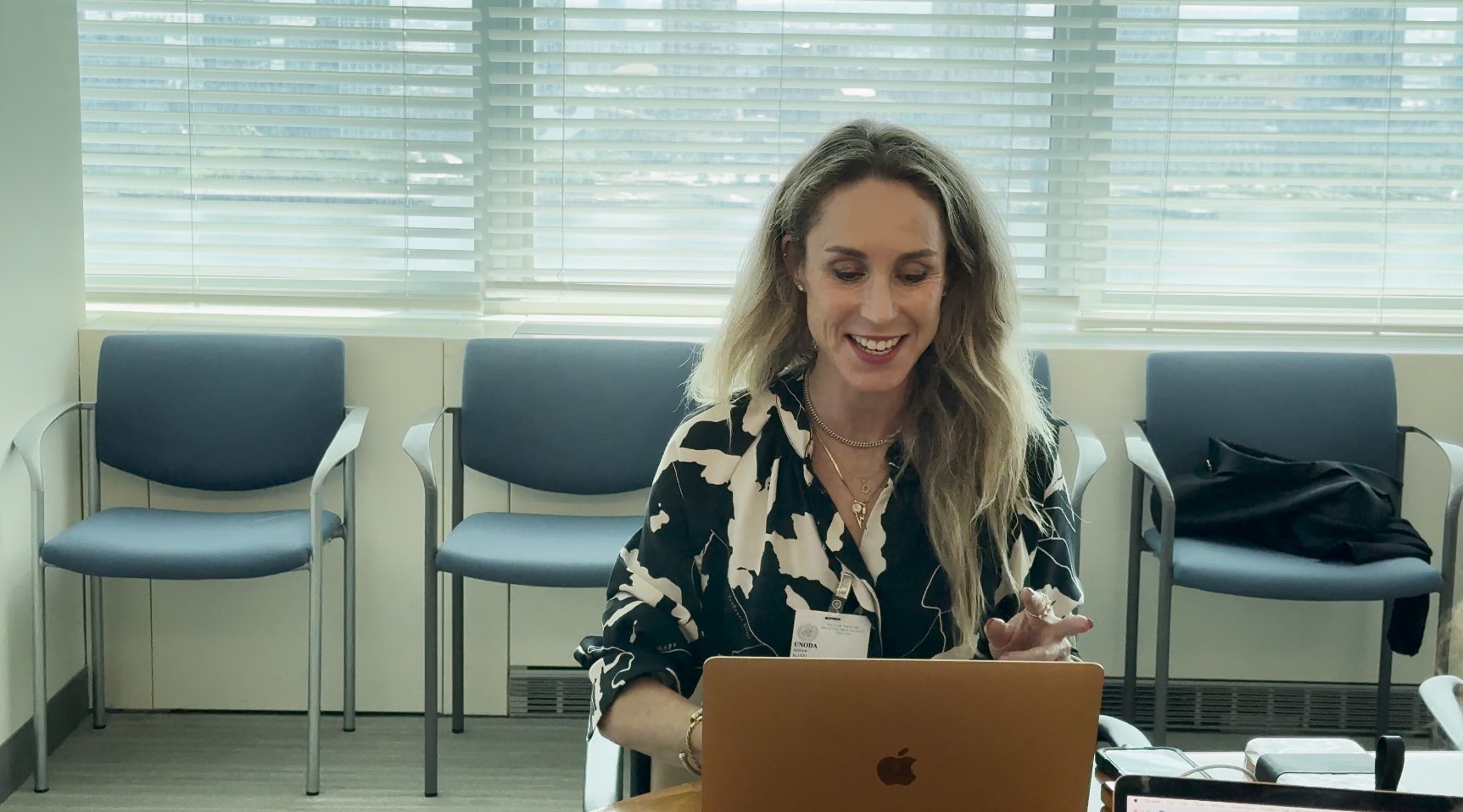
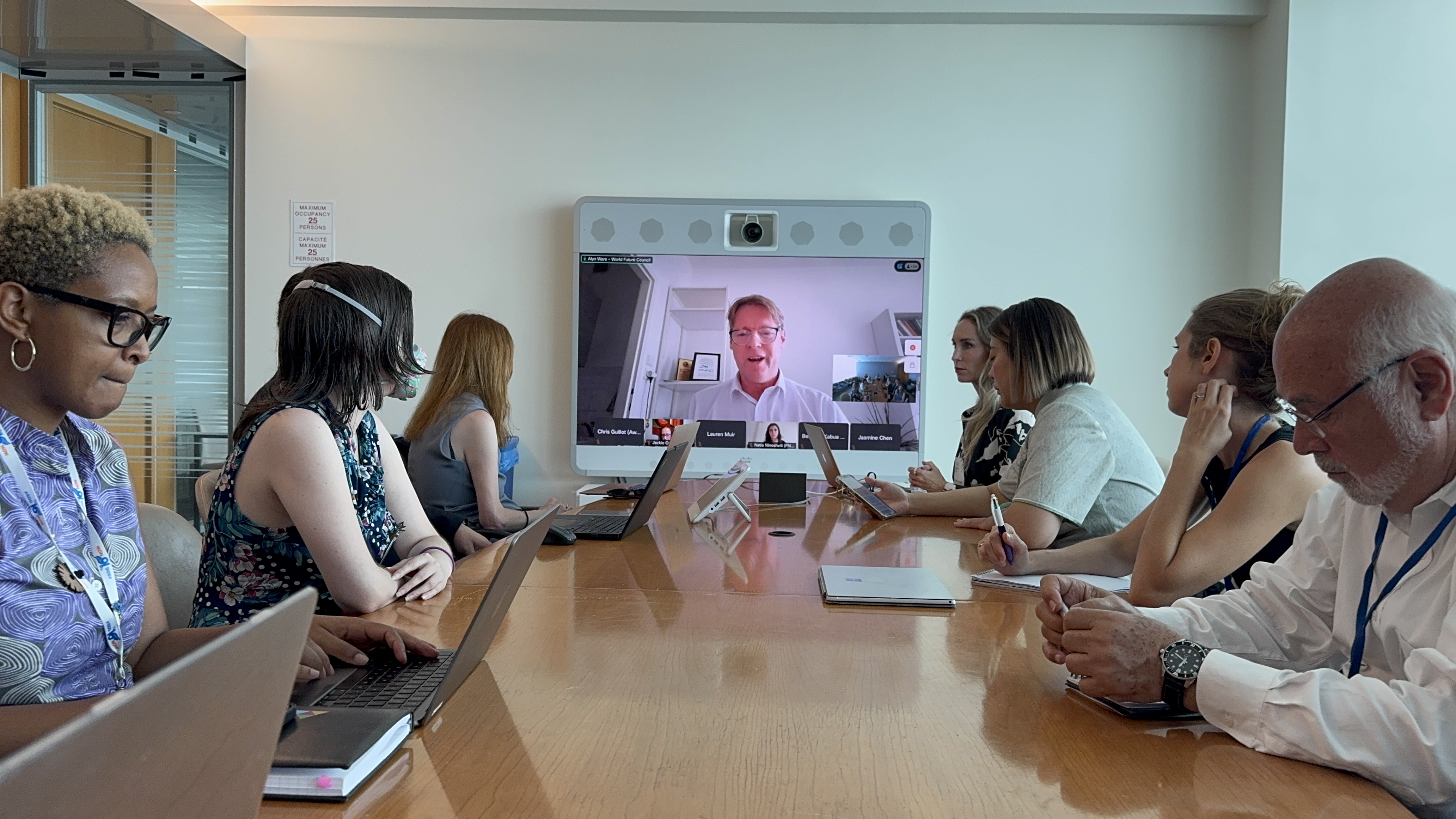
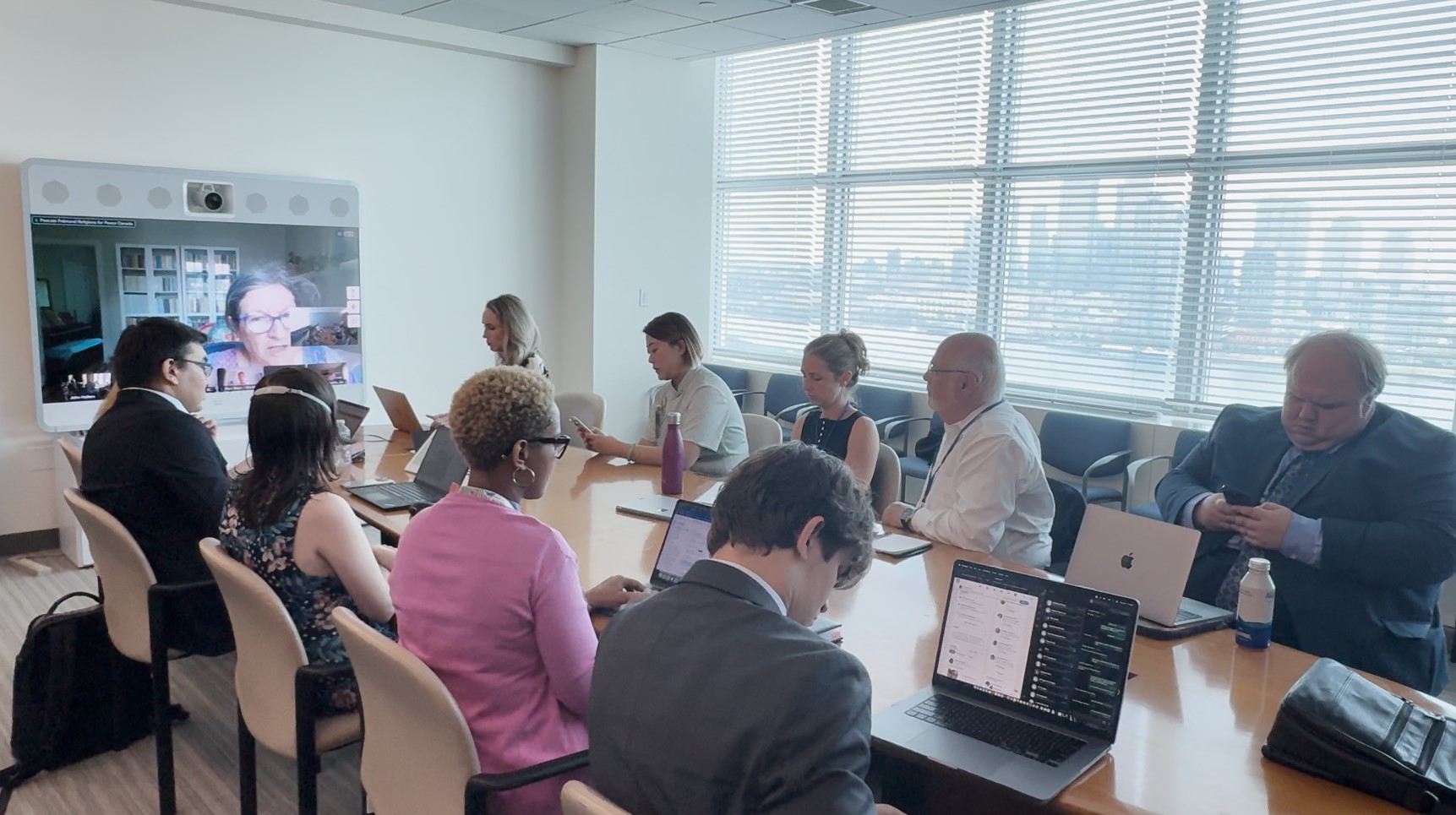
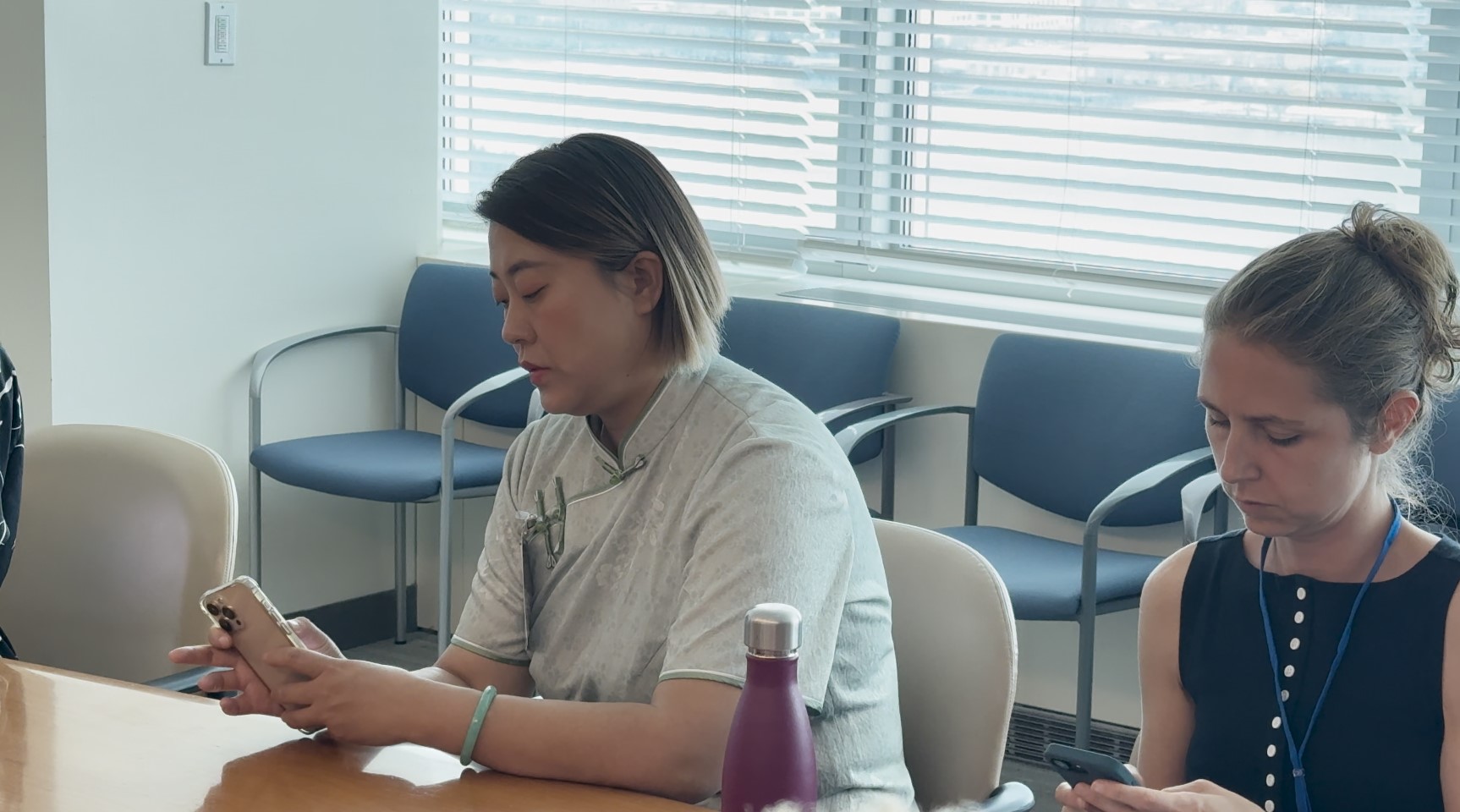
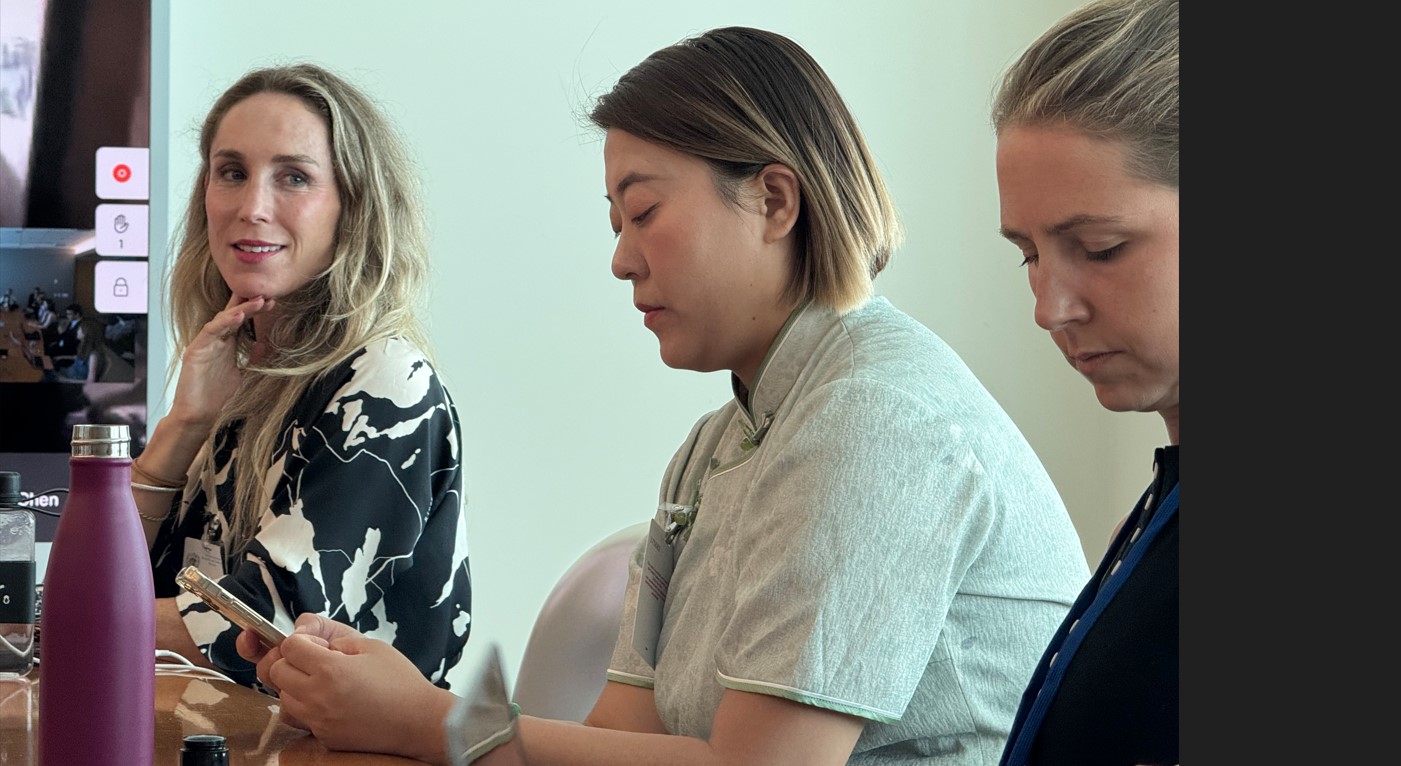
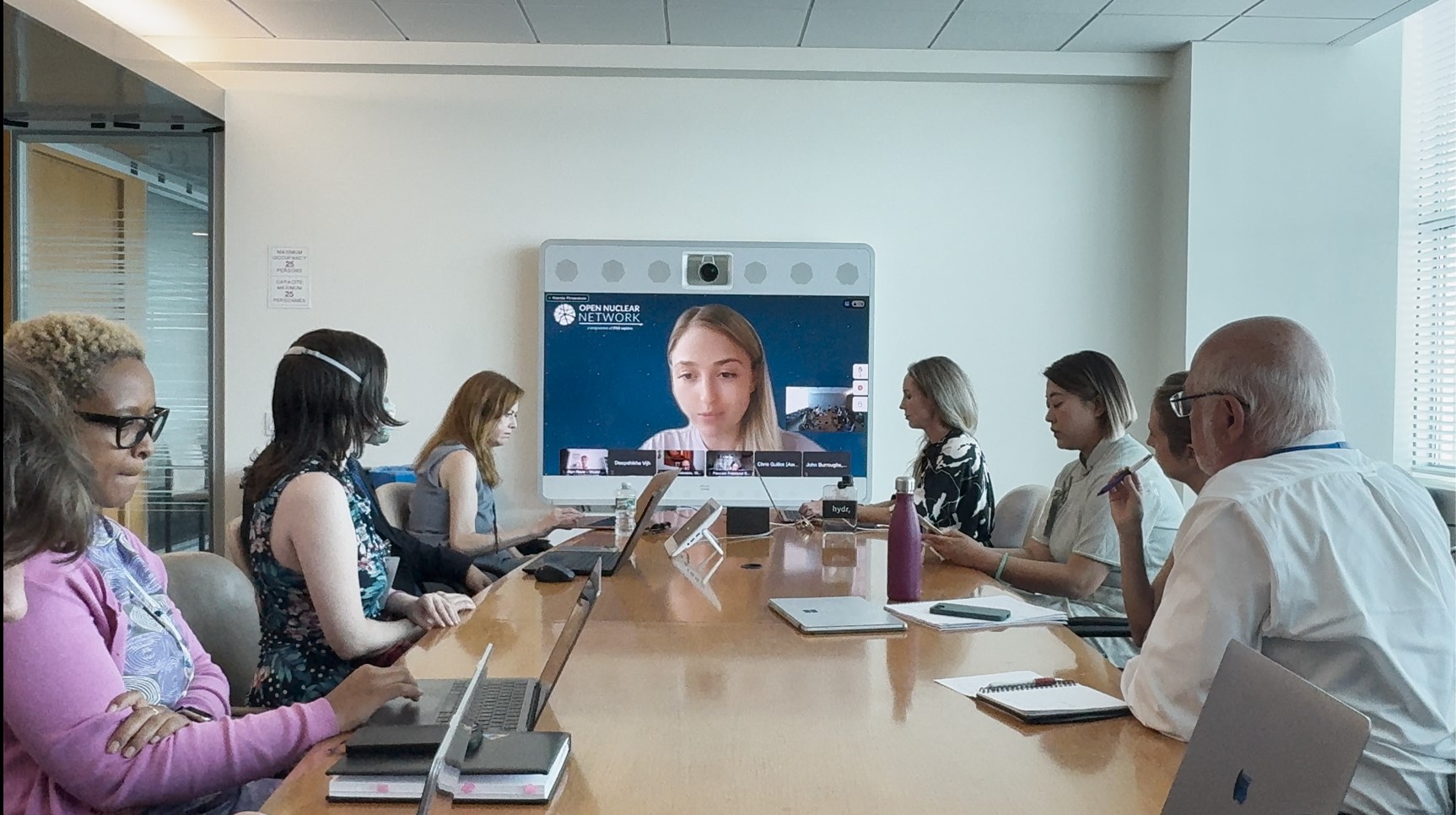
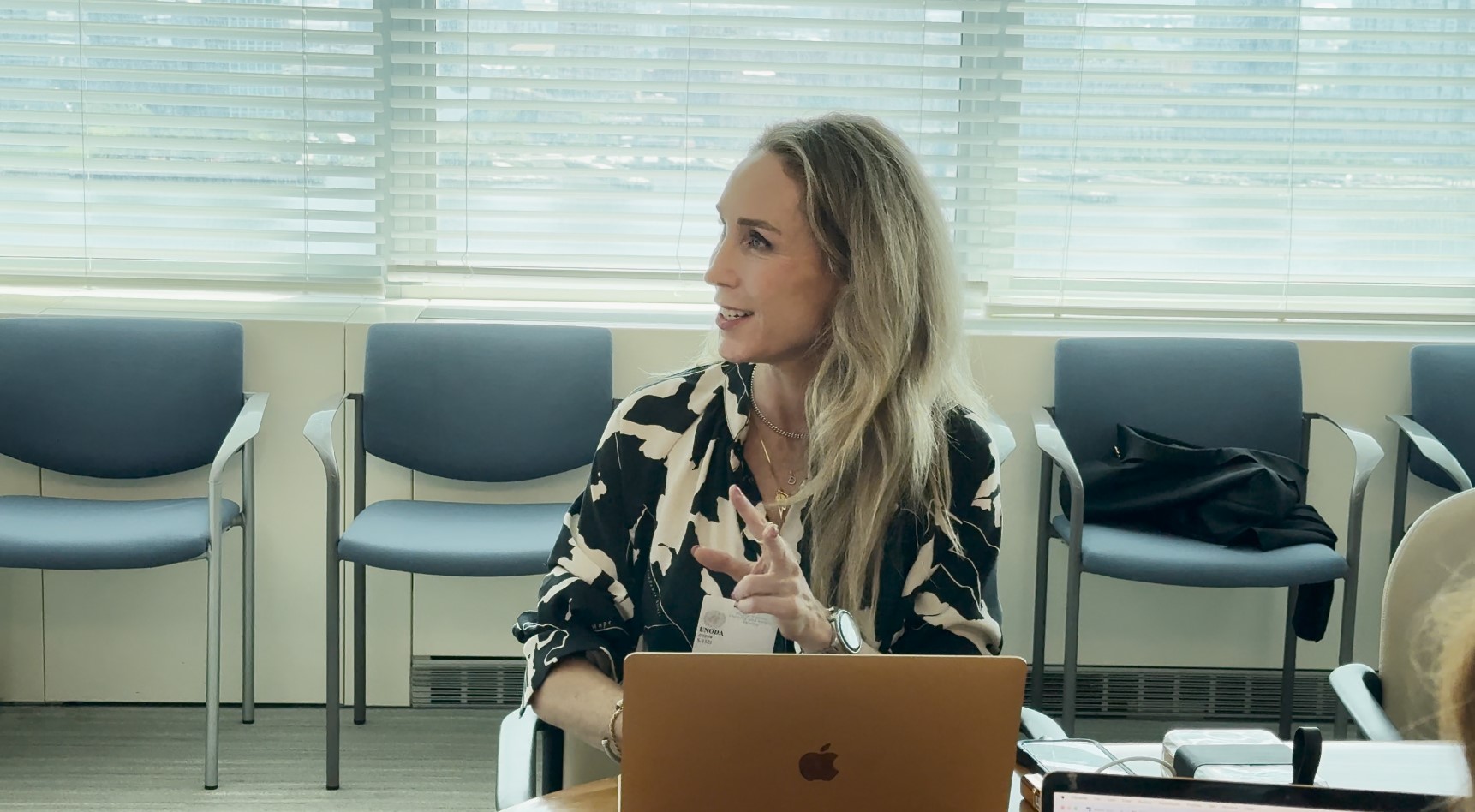
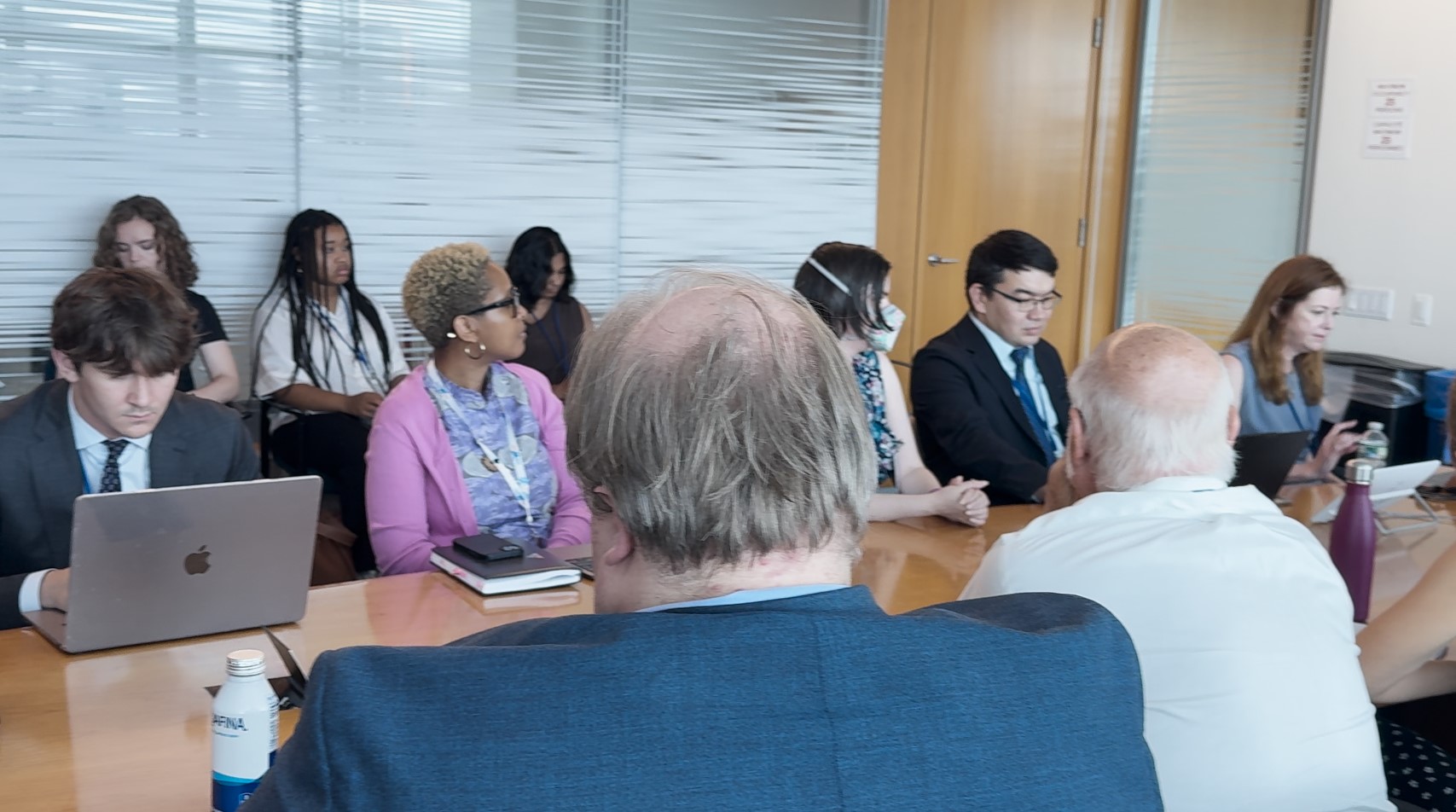
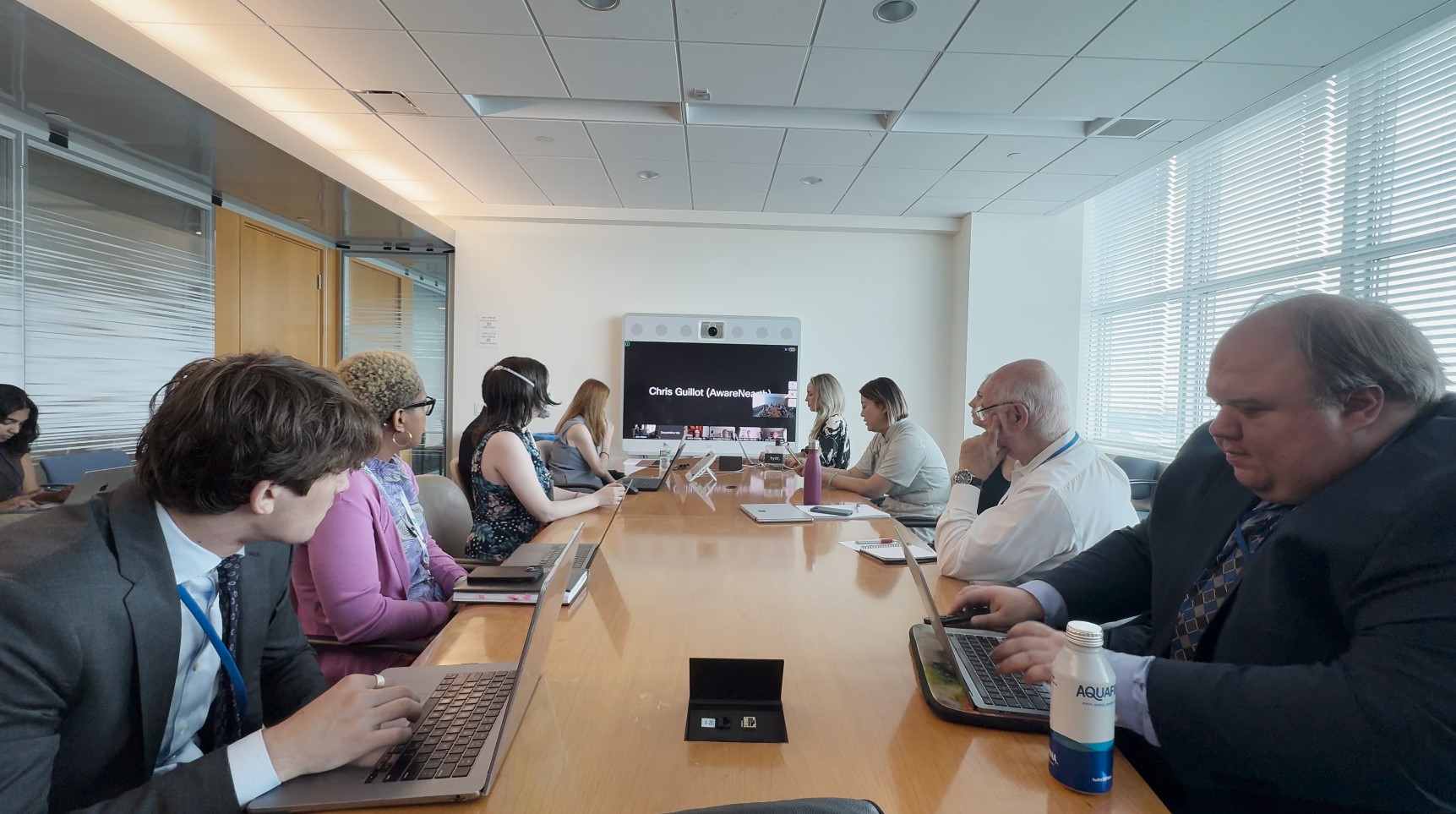
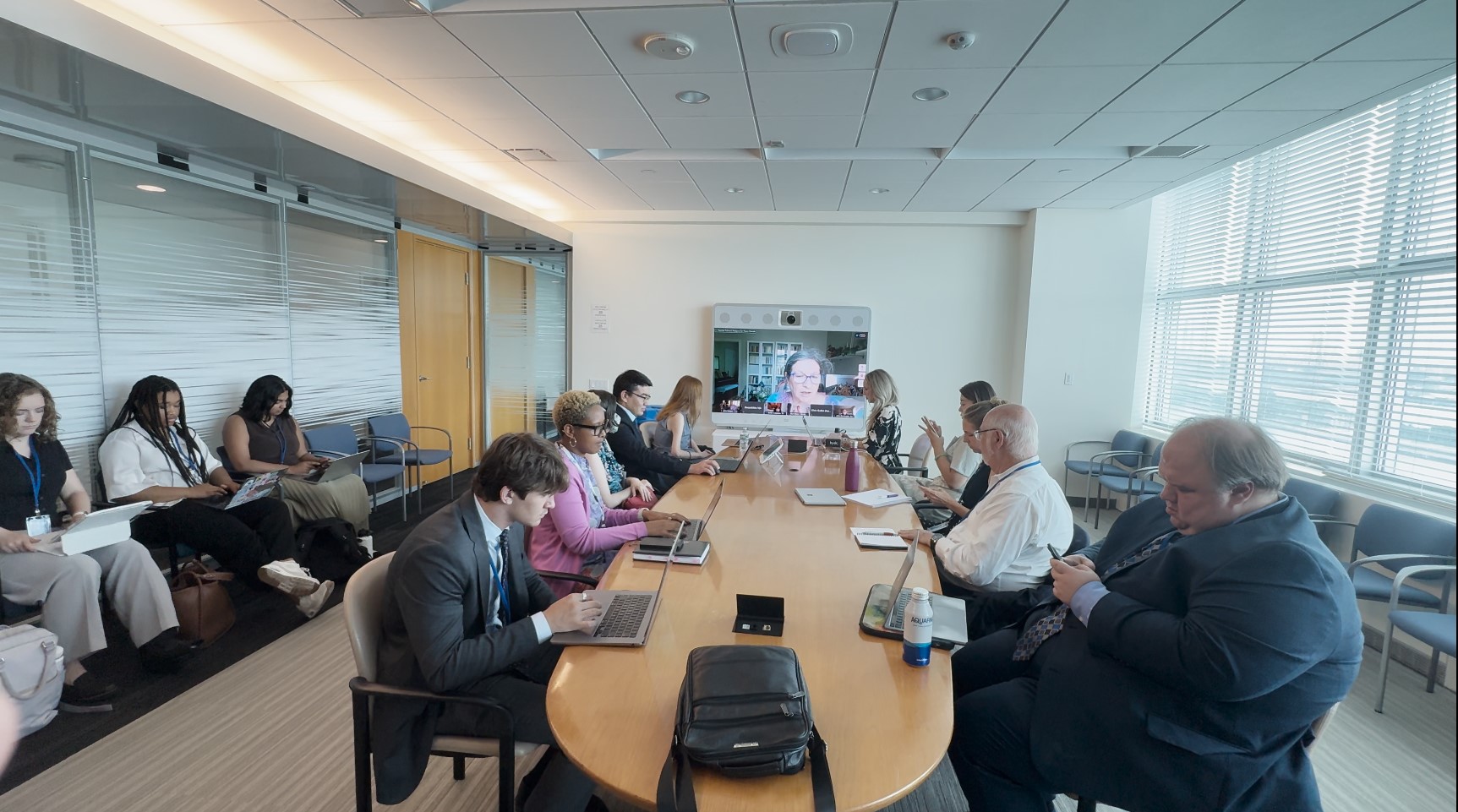
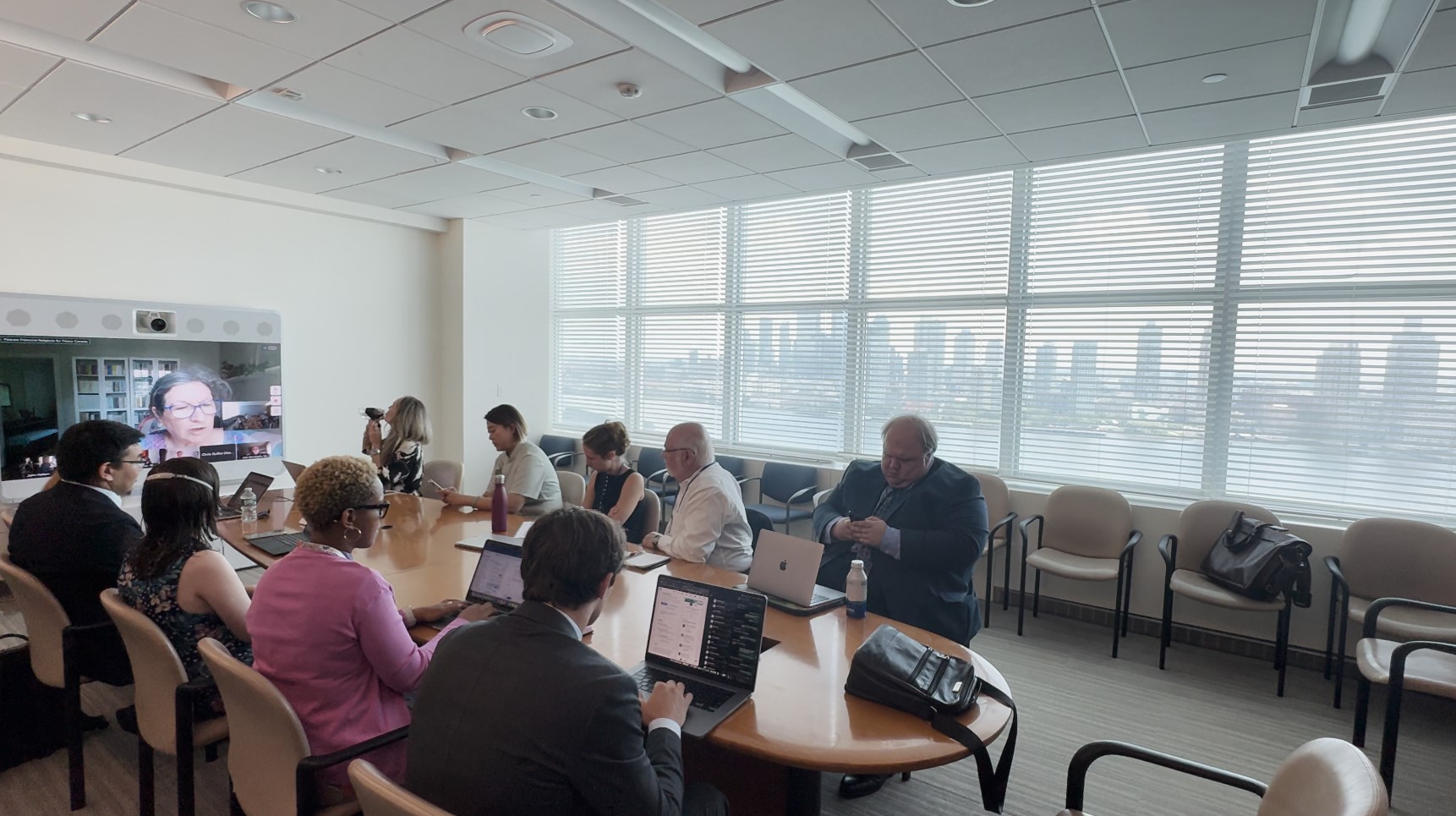
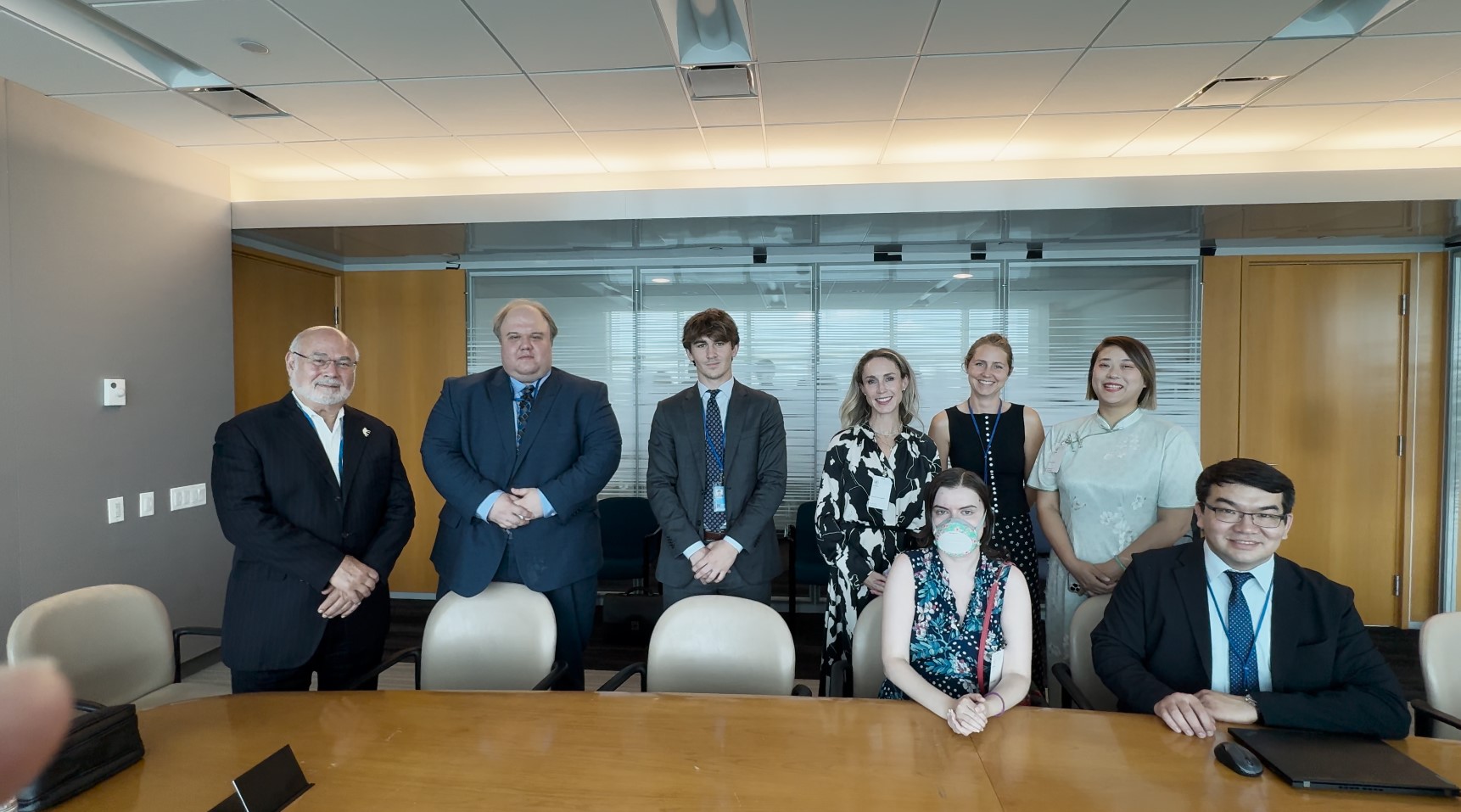
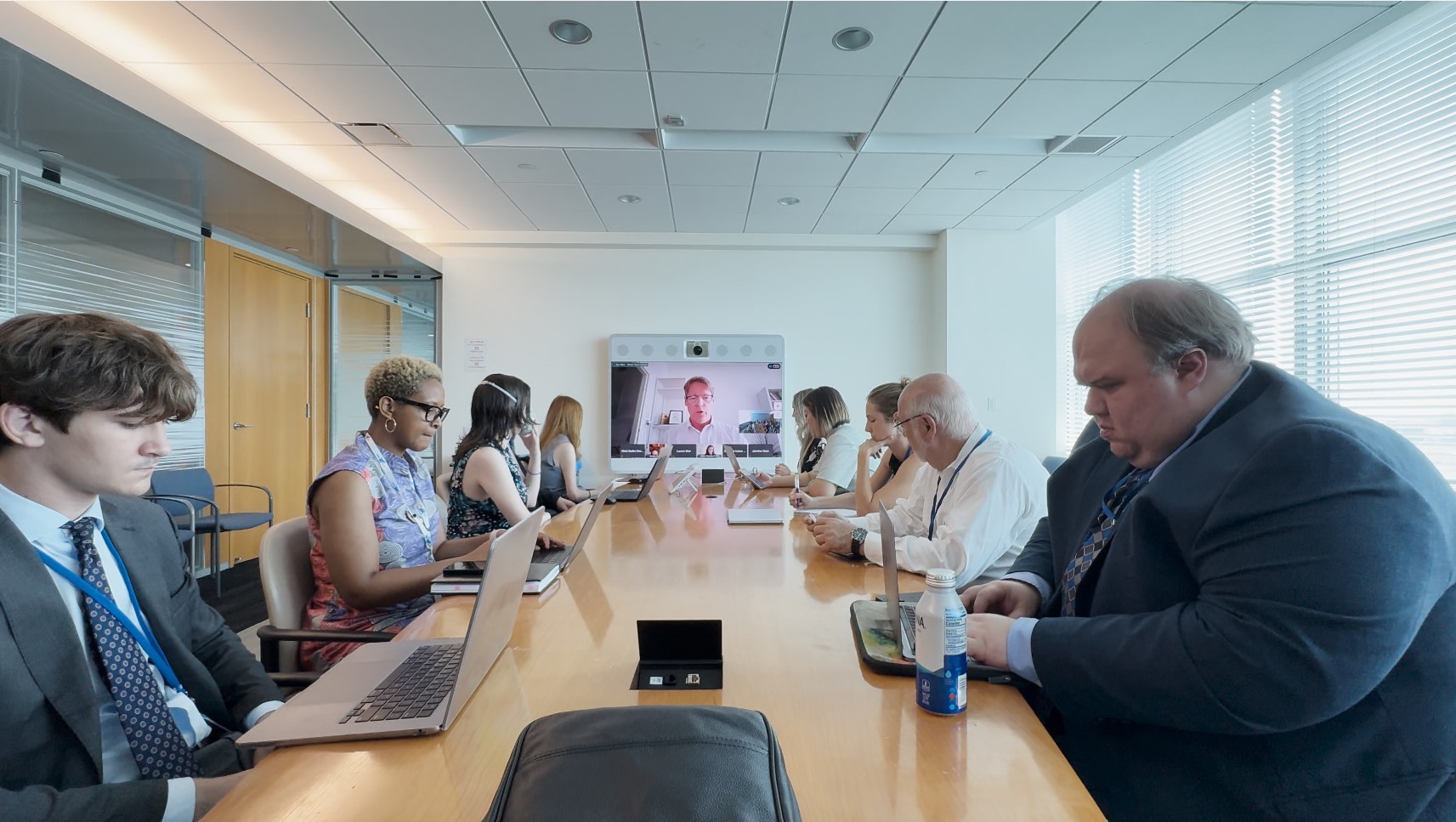
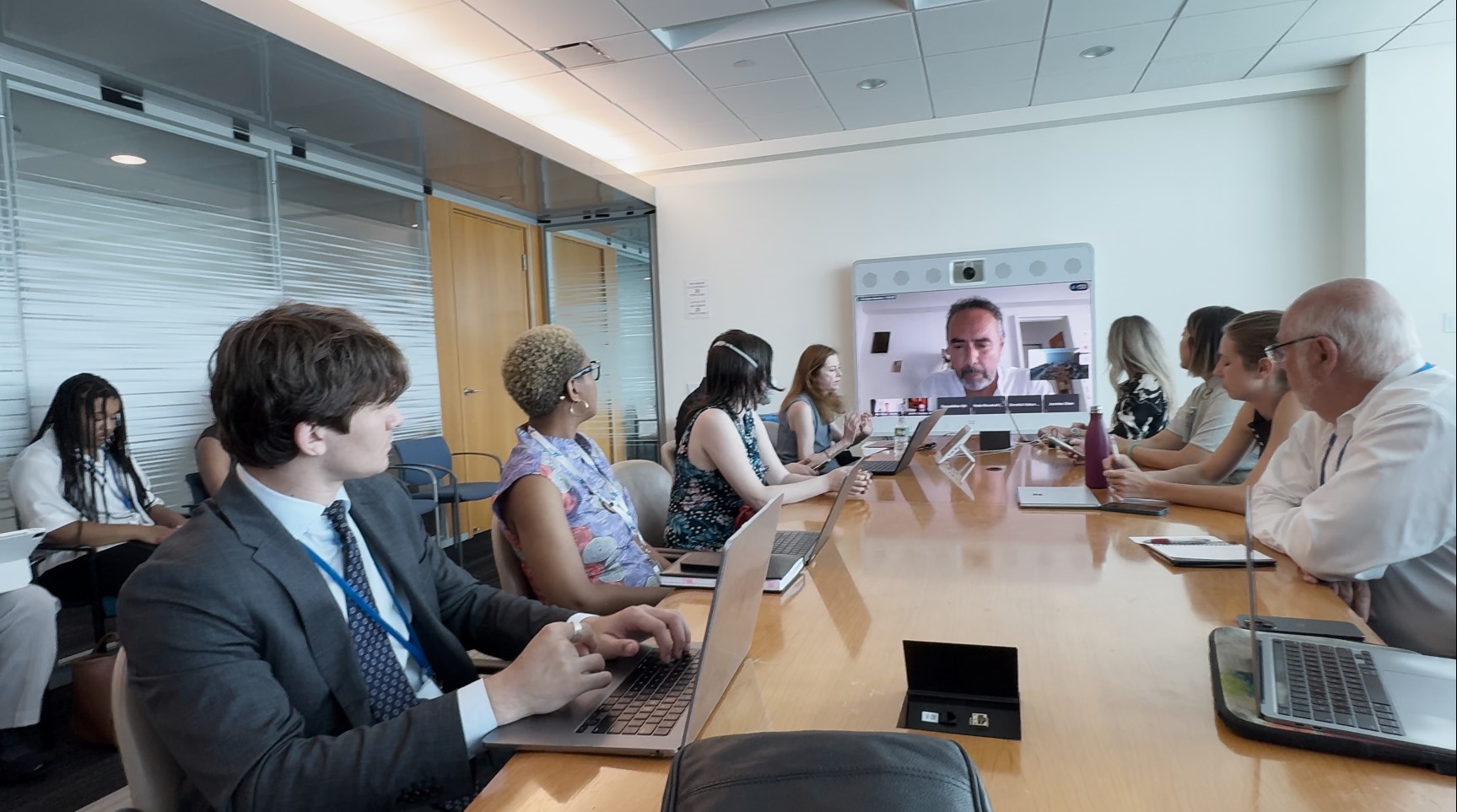
The meeting held on July 8, moderated by Danielle McLaughlin, aimed to build a bridge leading up to the UN General Assembly High-Level Meeting—a wake-up call to both the public and policymakers, and a mobilization of global citizens. Participants discussed specific projects, narratives, and creative ideas that could pierce through apathy and shatter power structures, embedding the idea of a “nuclear-free world” not only in international treaties but also in individual consciousness.
Therefore, at this crossroads in 2025—a year that both commemorates the past and determines the future—the role of civil society must be re-empowered. This is not just about organizing an event or sharing a message. It means that ordinary people outside the UN system—teachers, artists, engineers, mothers, youth—must realize that they themselves are levers that can drive the wheels of history forward.
We can no longer treat a “nuclear-free world” as a utopian ideal on paper. It is a pragmatic strategy based on the logic of survival and a moral imperative rooted in human dignity. Realizing this vision cannot rely solely on decisions made at diplomatic tables. It requires the convergence of millions of civic efforts—sowing seeds of peace consciousness in classrooms, organizing anti-nuclear exhibits in communities, breaking the silence of indifference on social media, and voicing rational but firm stances in legislative processes.
The meaning of the “International Day” is not just in remembrance—it should serve as a catalyst for global resonance. The year 2025 should be a new starting point for the re-alignment of global civil society—we need cooperation beyond borders, intergenerational understanding and trust, and a continuous convergence of local actions into international synergy.
The path to ending dependence on nuclear weapons remains rugged, but today, more than ever, we understand: this path cannot be reversed, and each of us is both a witness to and a driver of this historic turning point.
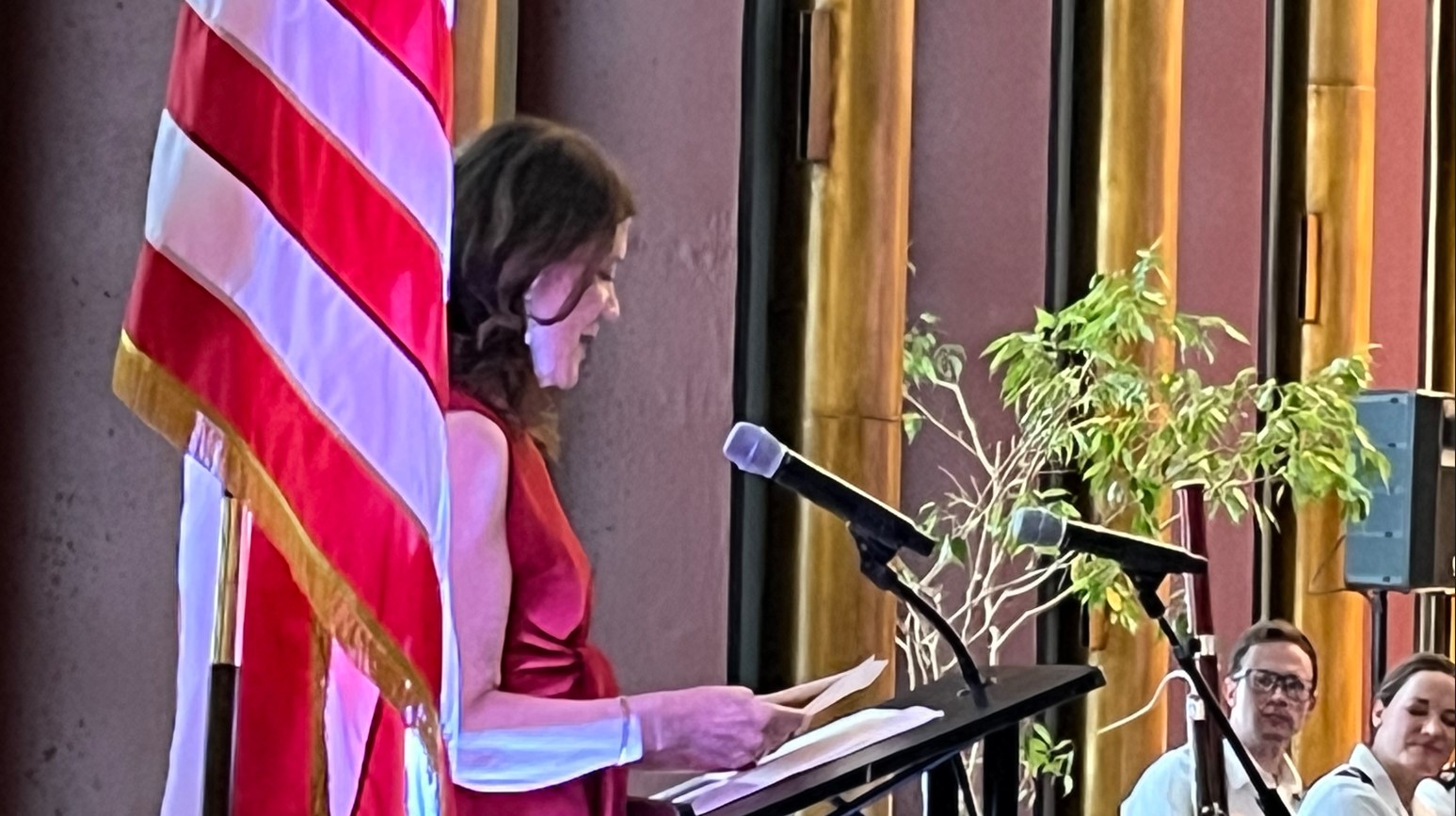
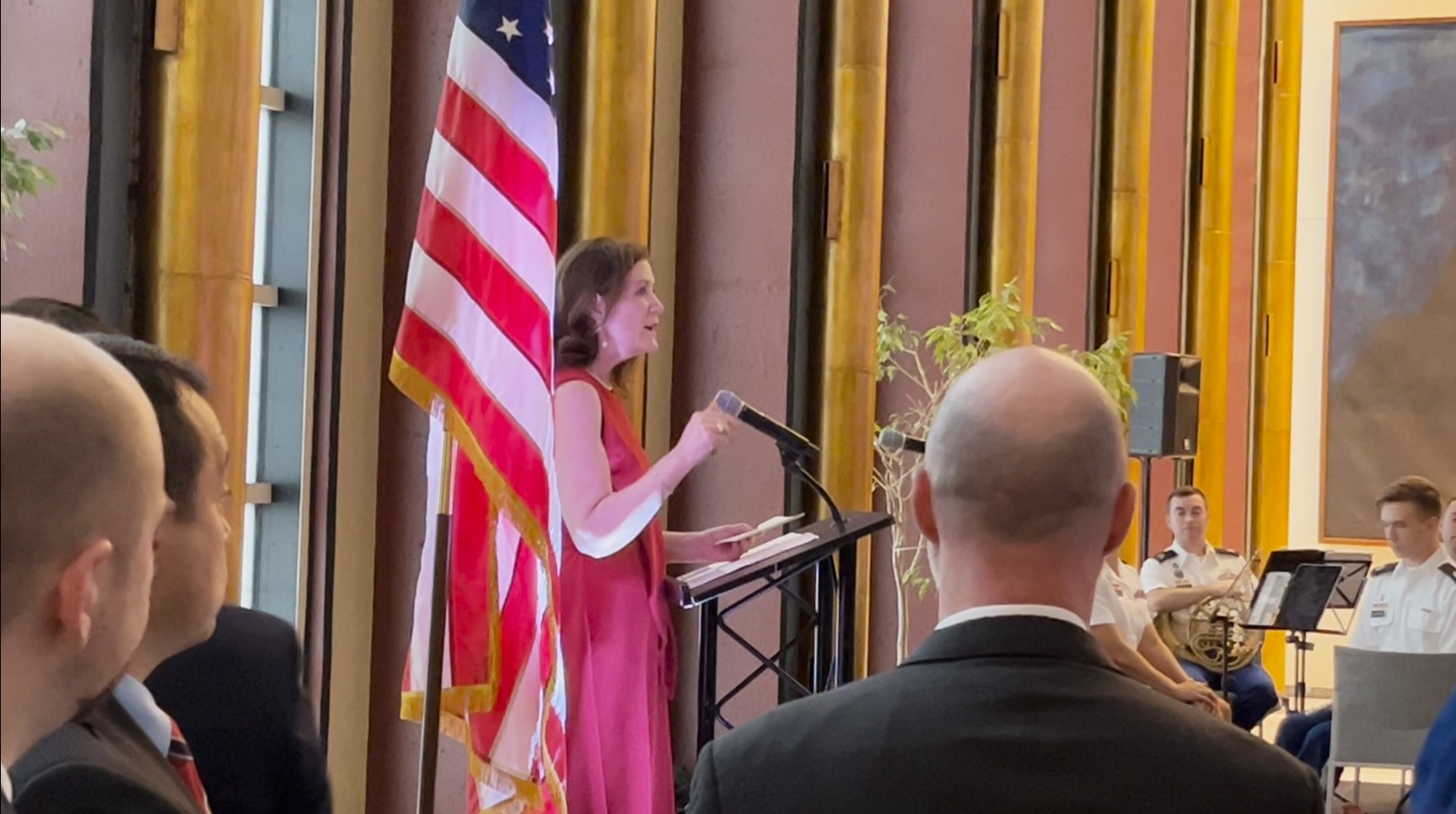
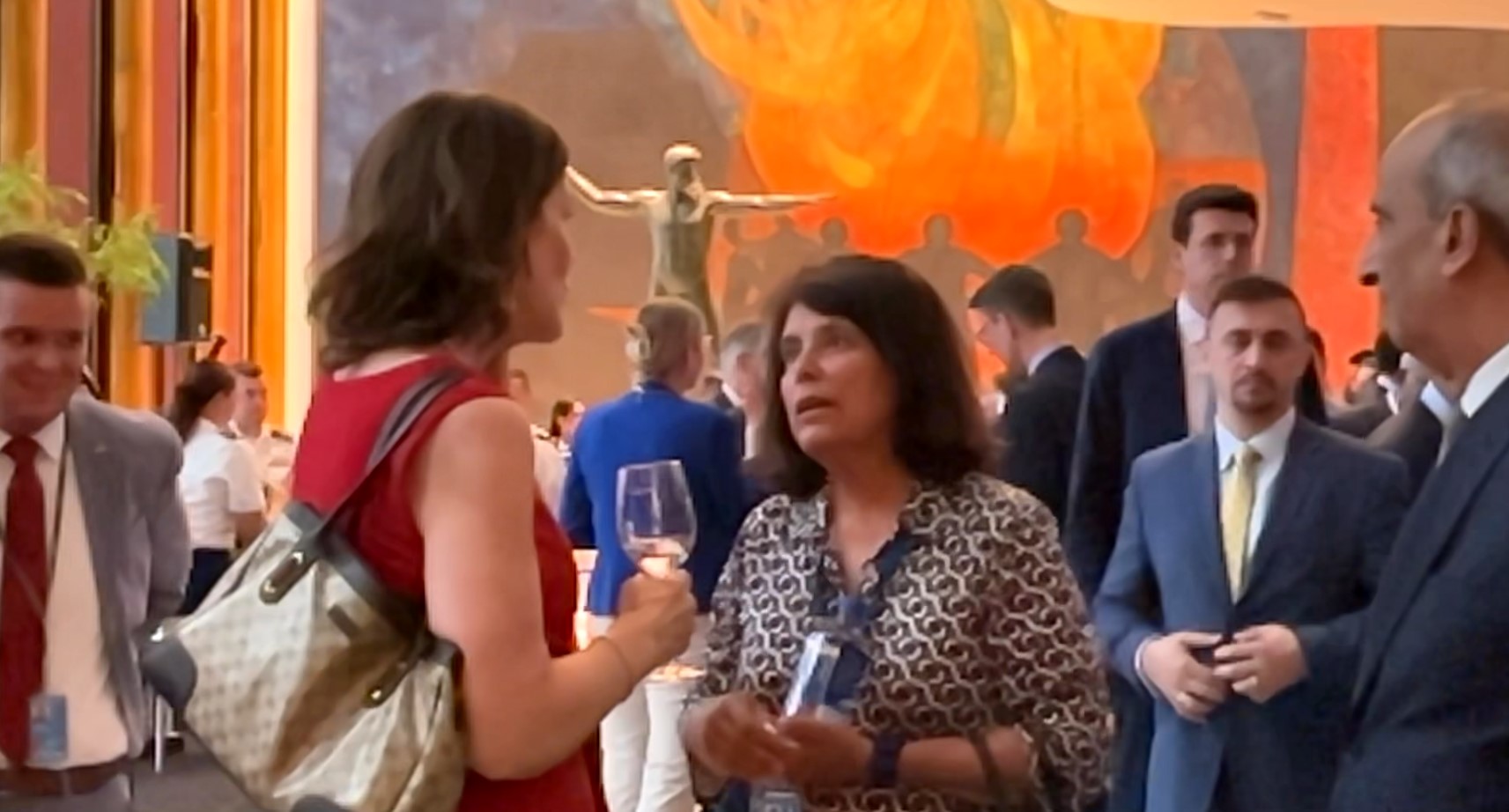
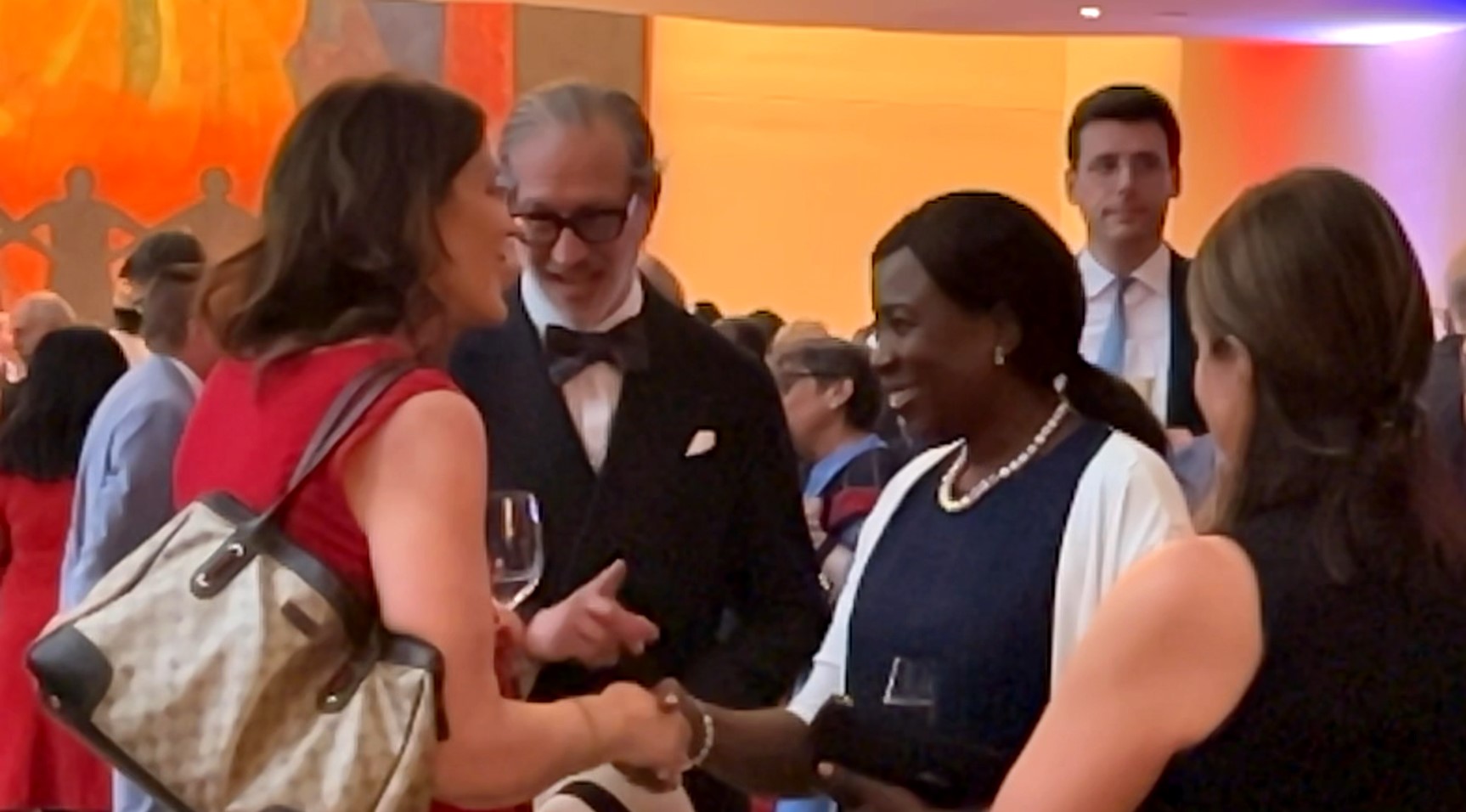
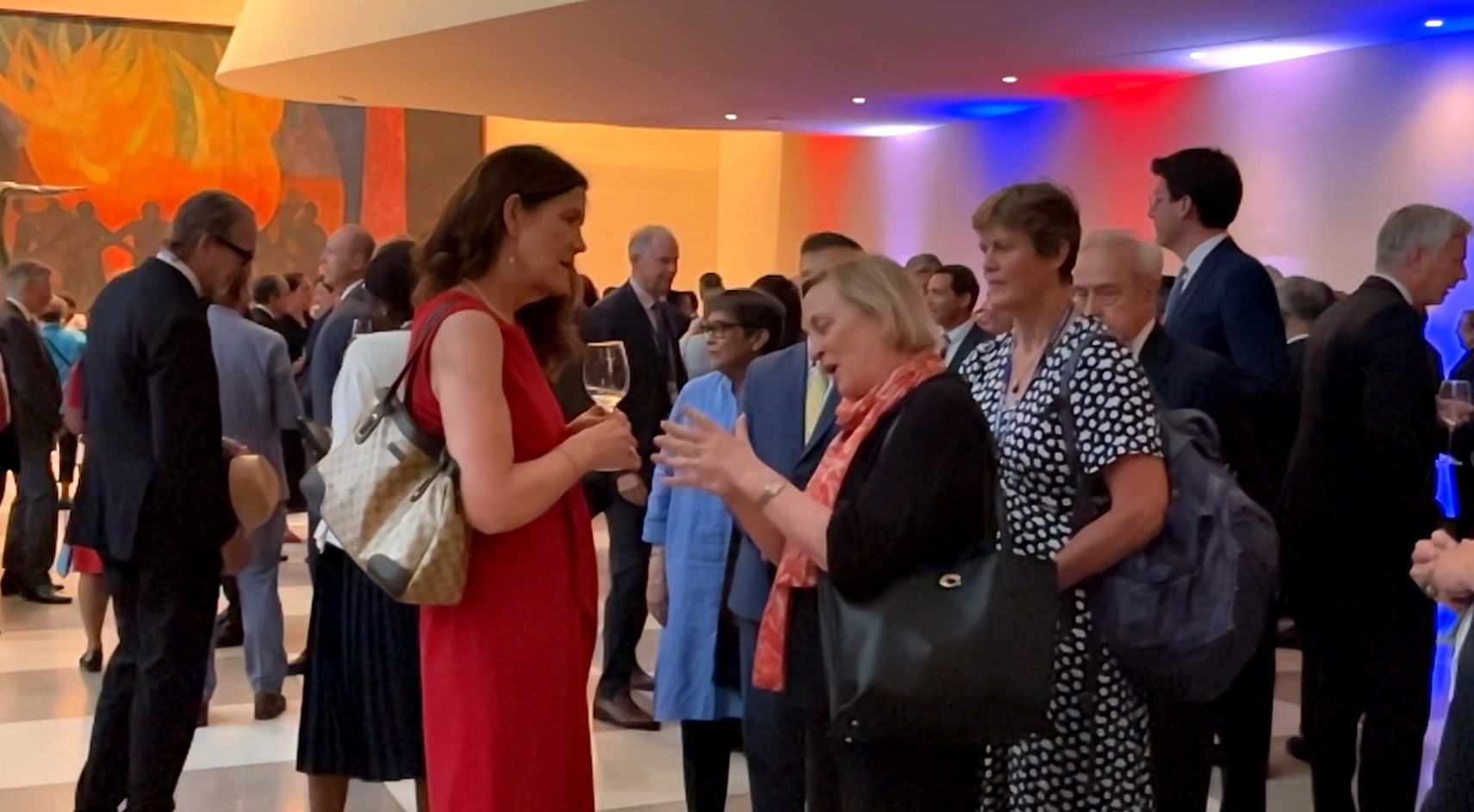
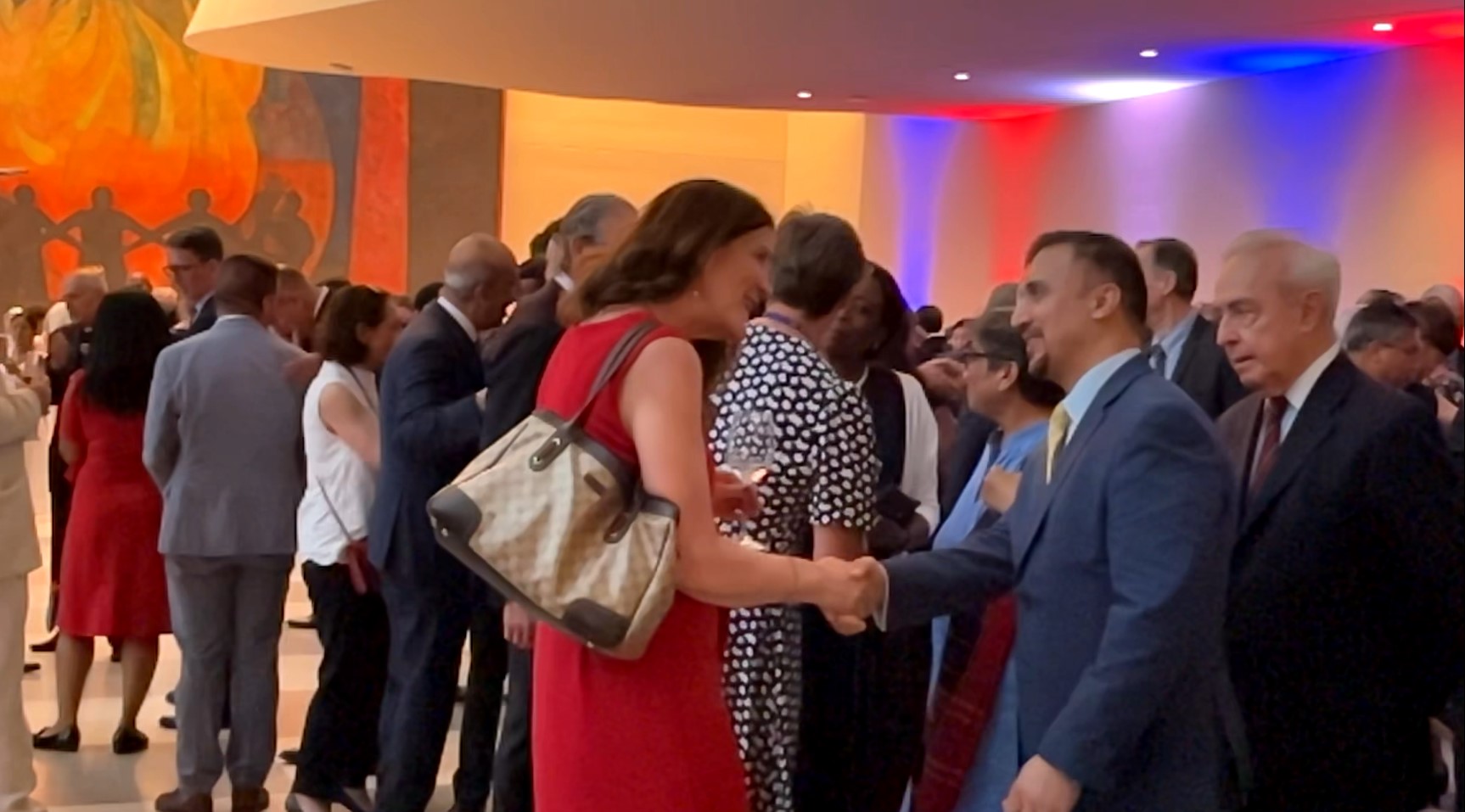
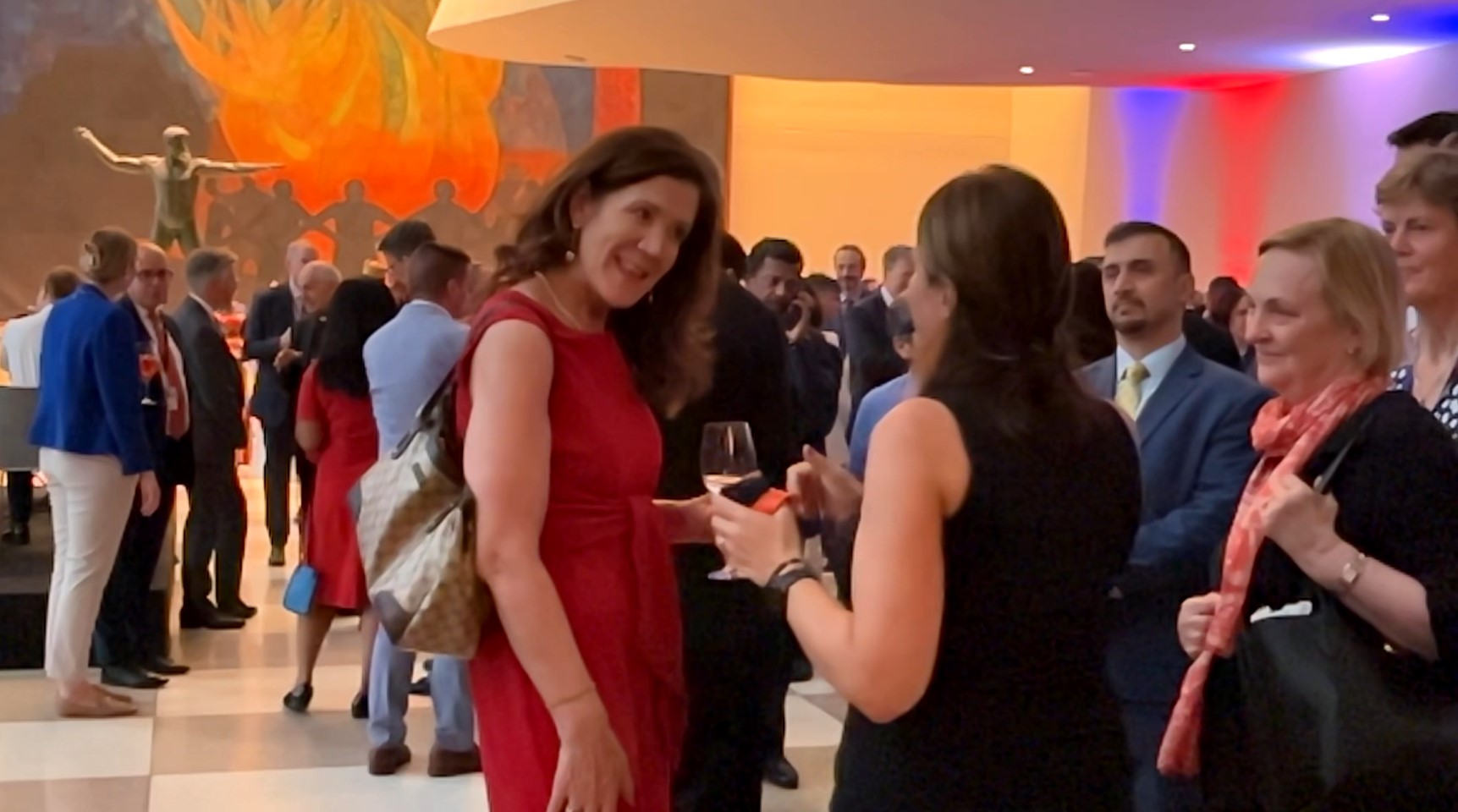
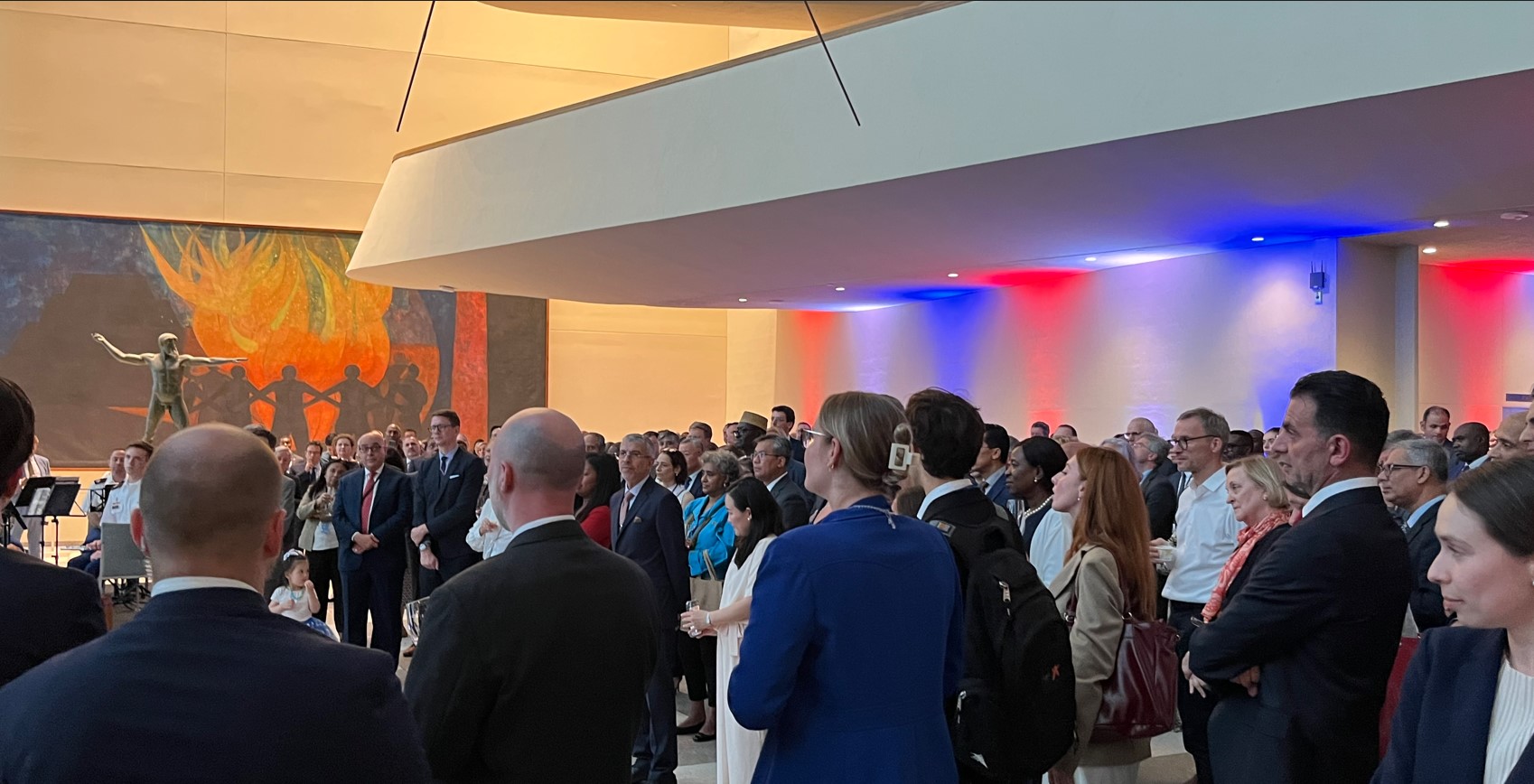
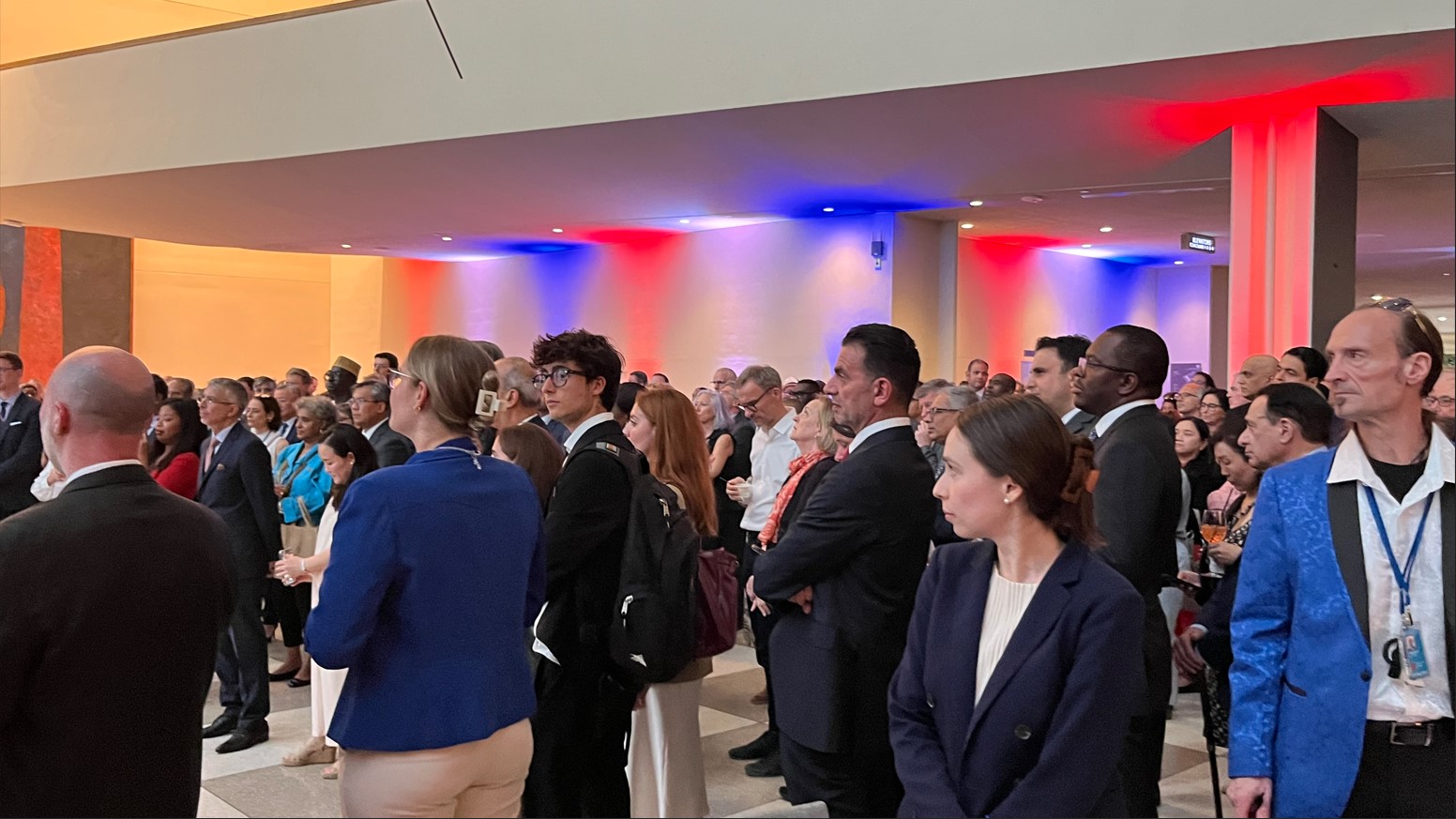
Celebrity Media Editor’s Note: On July 8, 2025, the U.S. Mission to the United Nations hosted a solemn commemorative event in the Visitor's Lobby of the United Nations Headquarters in New York to celebrate the 80th anniversary of the signing of the UN Charter.
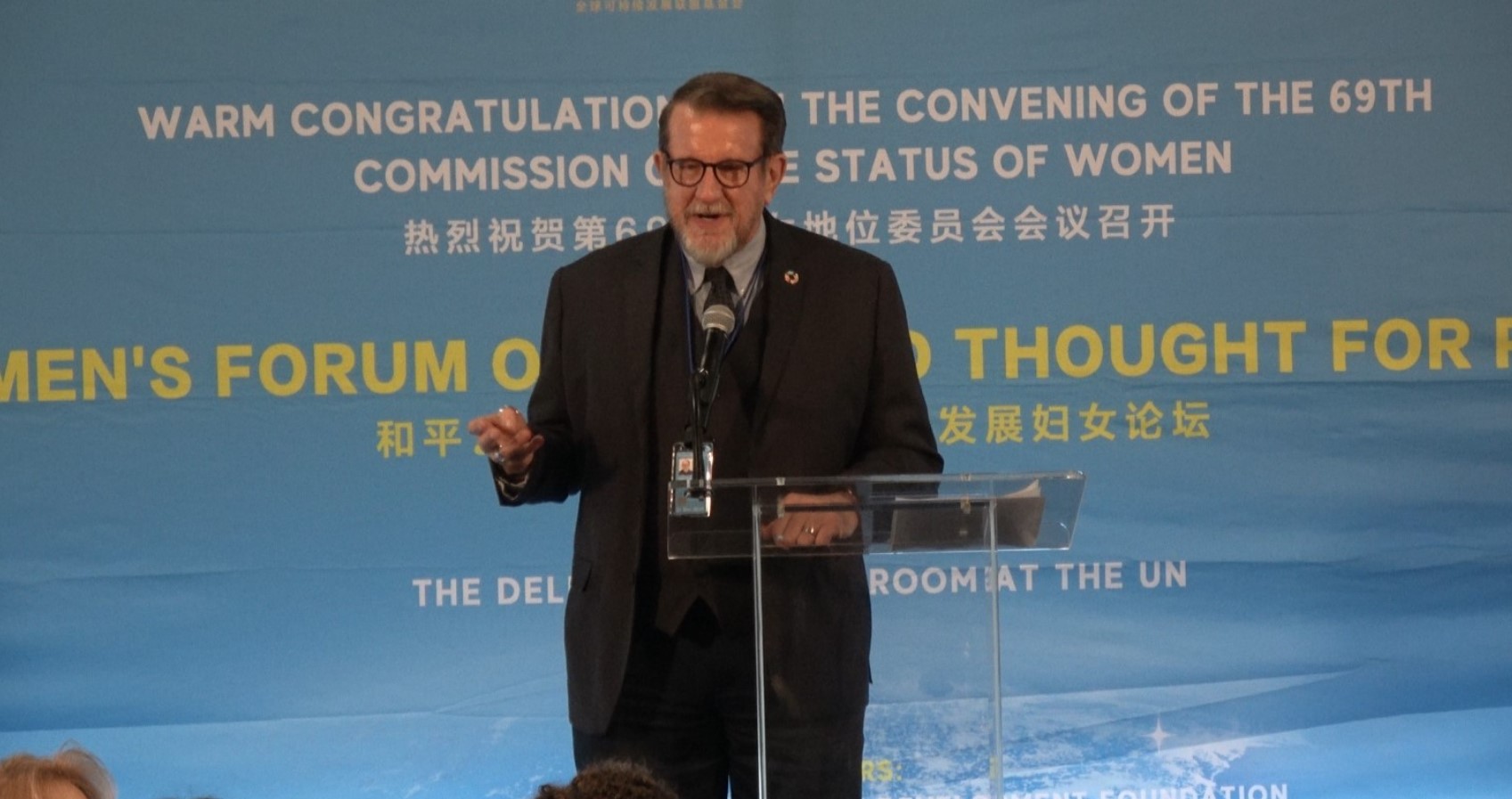
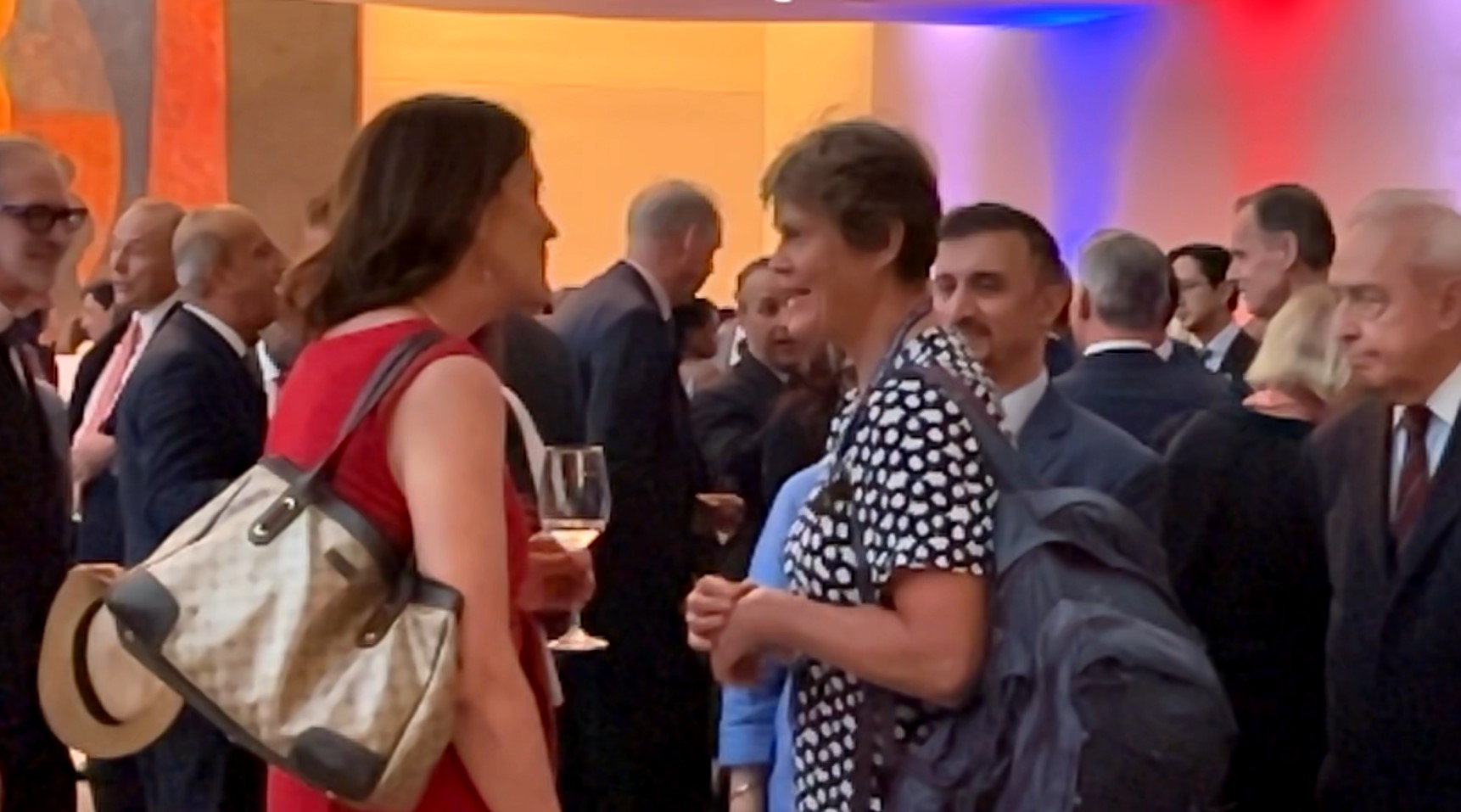
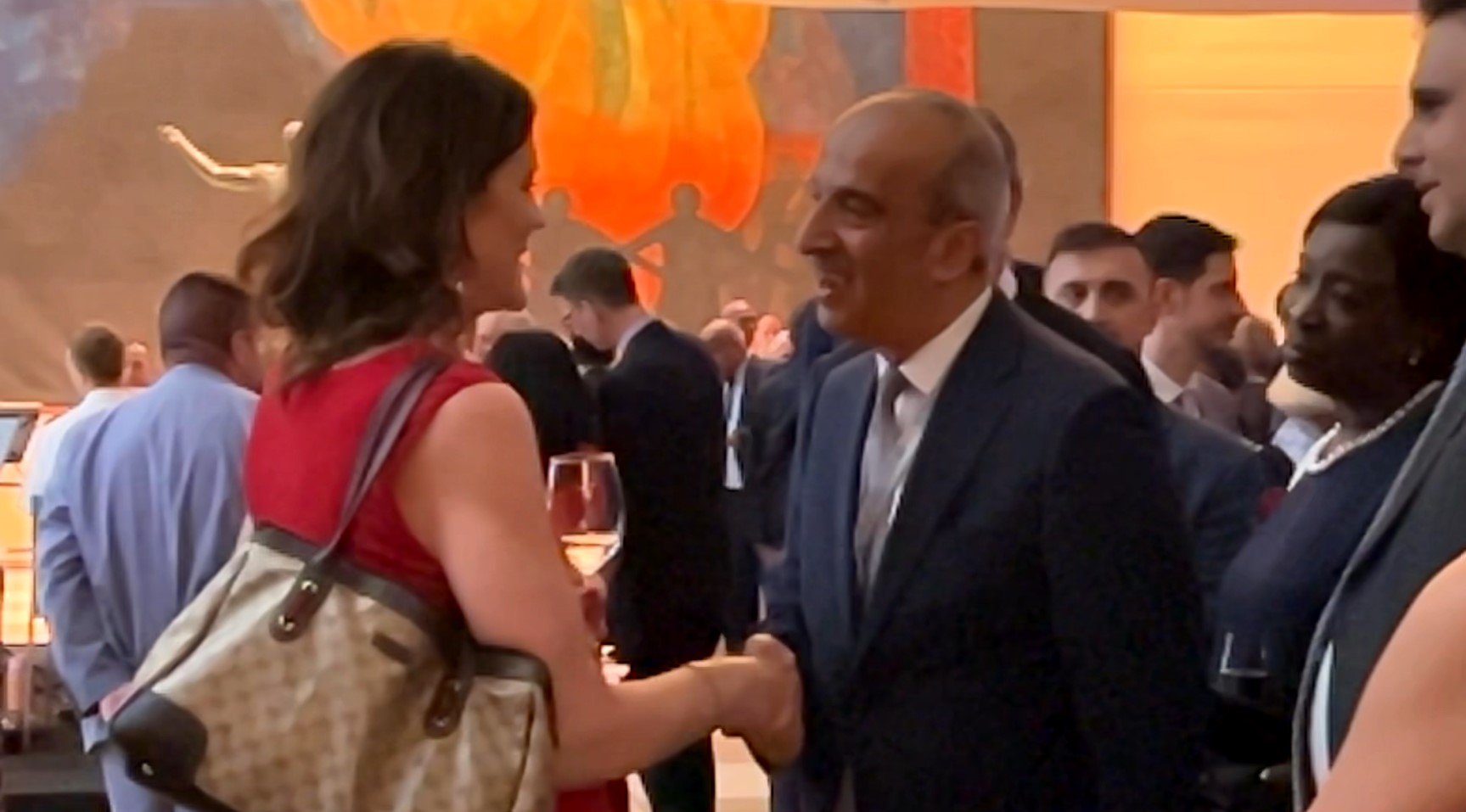
The event was attended by representatives from UN Member States and senior UN officials. The atmosphere was both dignified and heartfelt, highlighting a collective tribute to the enduring spirit of the Charter. Deputy Permanent Representative of the United States to the United Nations,
Ms.Ambassador Dorothy Camille Shea delivered a keynote address, reaffirming the United States’ strong commitment to the core values enshrined in the UN Charter. Speaking to the distinguished guests,
Ambassador Dorothy Camille Shea told the distinguished guests: "If you haven’t had the chance to see it in person, the original Charter is on display at the end of the hallway—and during High-Level Week, it will be moved to the end of the General Assembly Hall, where world leaders will have the opportunity to view it themselves. Our colleagues at the National Archives have the great honor of safeguarding the UN Charter—just as they do the U.S. Declaration of Independence, our Constitution, and the Bill of Rights—what we call our own charter of freedom."
UN Charter 80th Anniversary
UN Charter 80th Anniversary
This commemoration was not only a reflection on history, but also a vision for the future. It serves as a powerful reminder to the international community that the UN Charter is not just the legal cornerstone of post-World War II peace, but also an essential framework for modern multilateral cooperation.
Nota del Editor de Medios de Celebridades: La exitosa conclusión de la Cuarta Conferencia Internacional sobre Financiación para el Desarrollo en Sevilla representa un avance significativo en los esfuerzos globales por transformar el sistema financiero internacional. Con 130 iniciativas concretas surgidas del encuentro, el Compromiso de Sevilla—Compromiso de Sevilla—ha pasado de ser una visión compartida a estrategias accionables. Estos resultados reflejan una voluntad global unificada de aumentar la inversión en desarrollo sostenible, enfrentar la creciente crisis de deuda que enfrentan las naciones más pobres del mundo y amplificar las voces de los países en desarrollo en la gobernanza financiera global. Esta conferencia histórica bien podría representar un punto de inflexión hacia un futuro financiero más equitativo y resiliente.
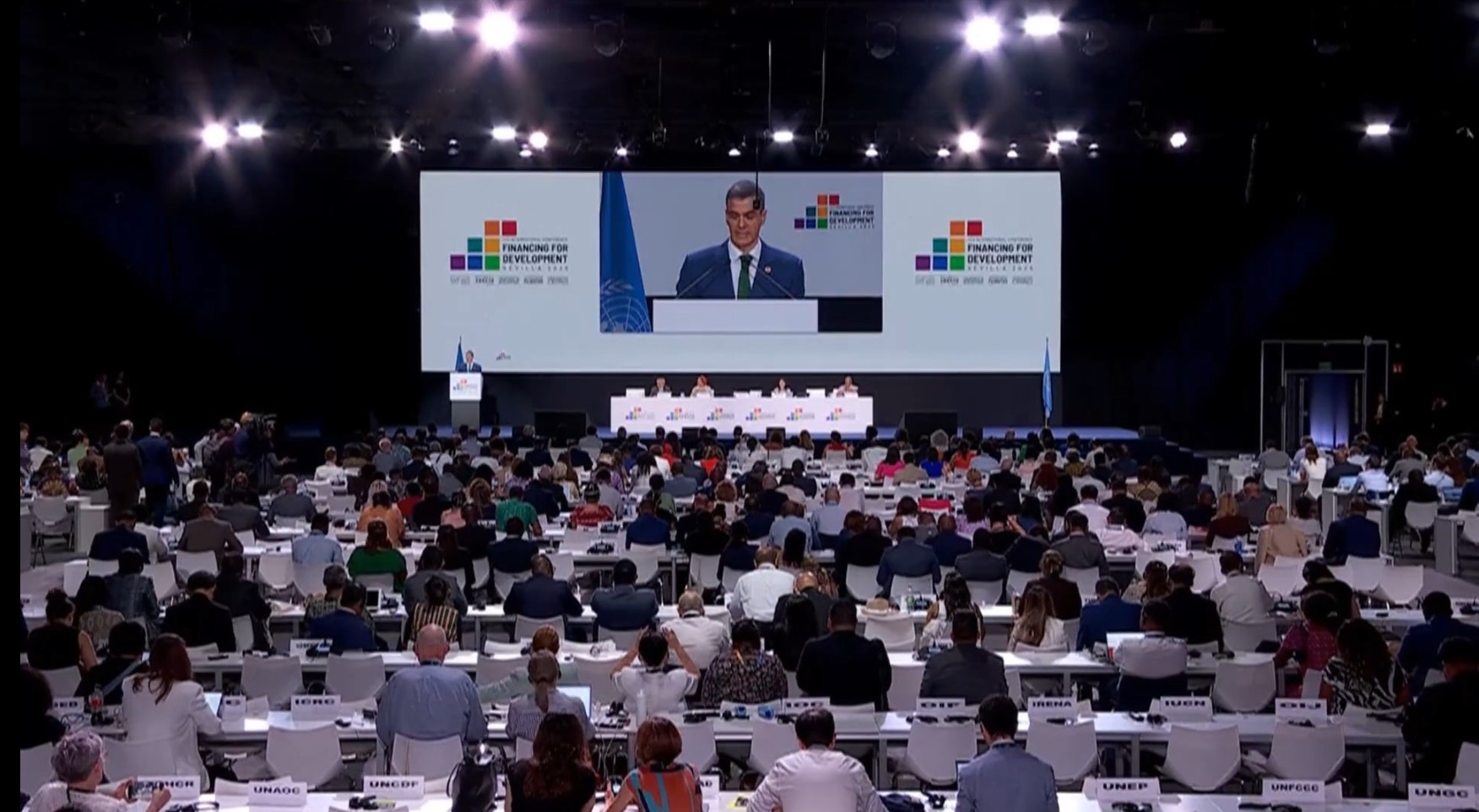
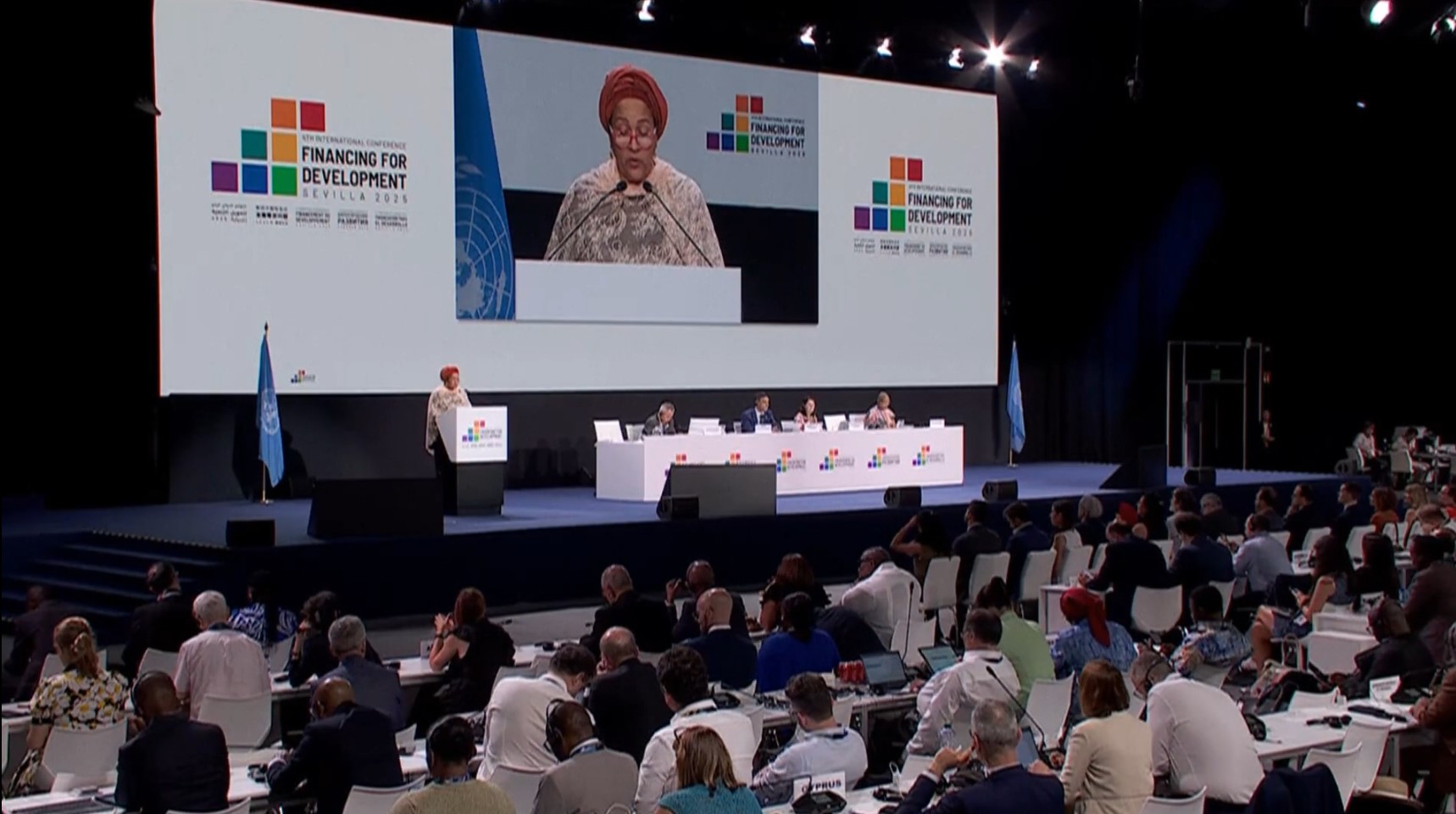
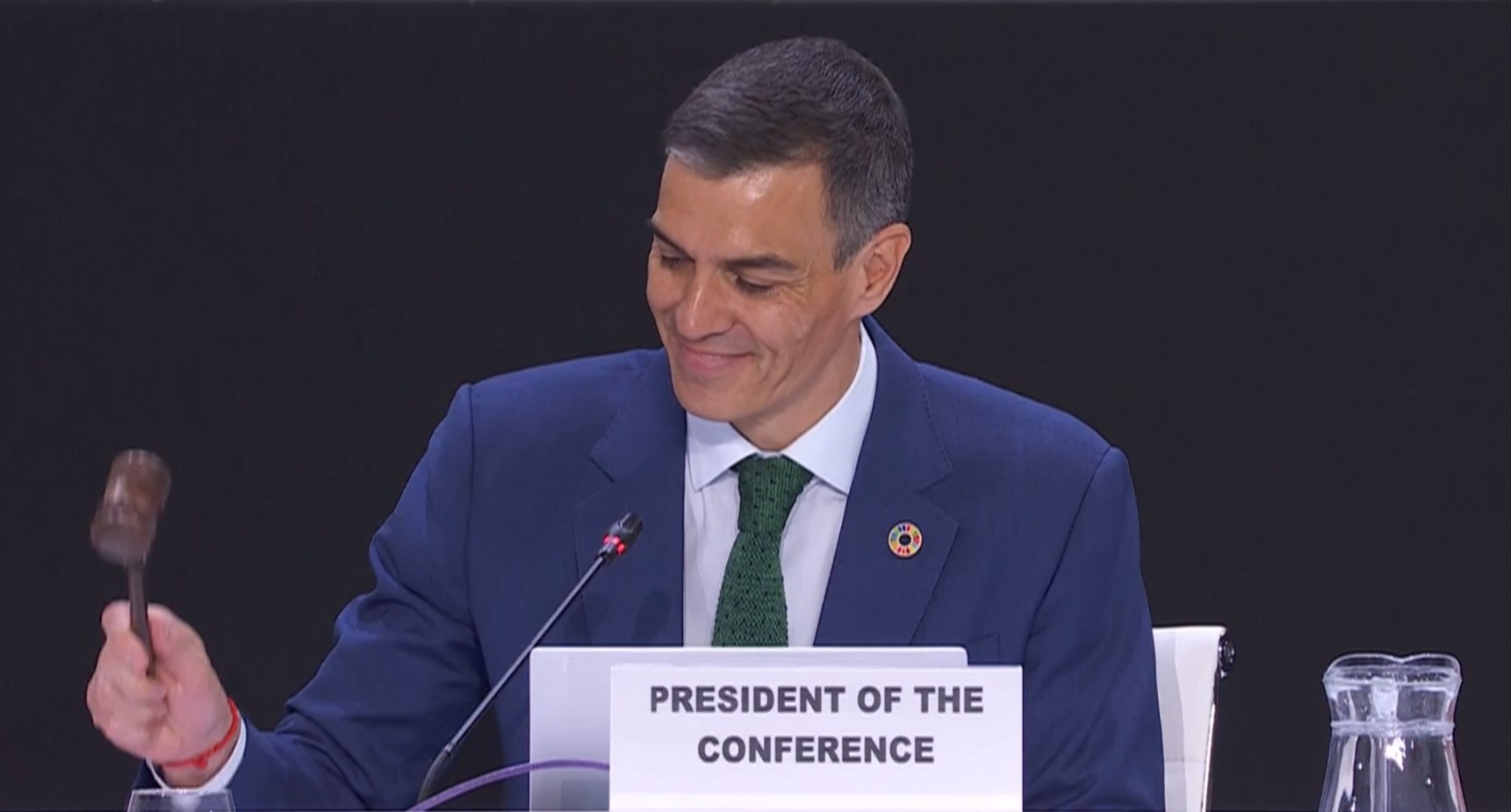
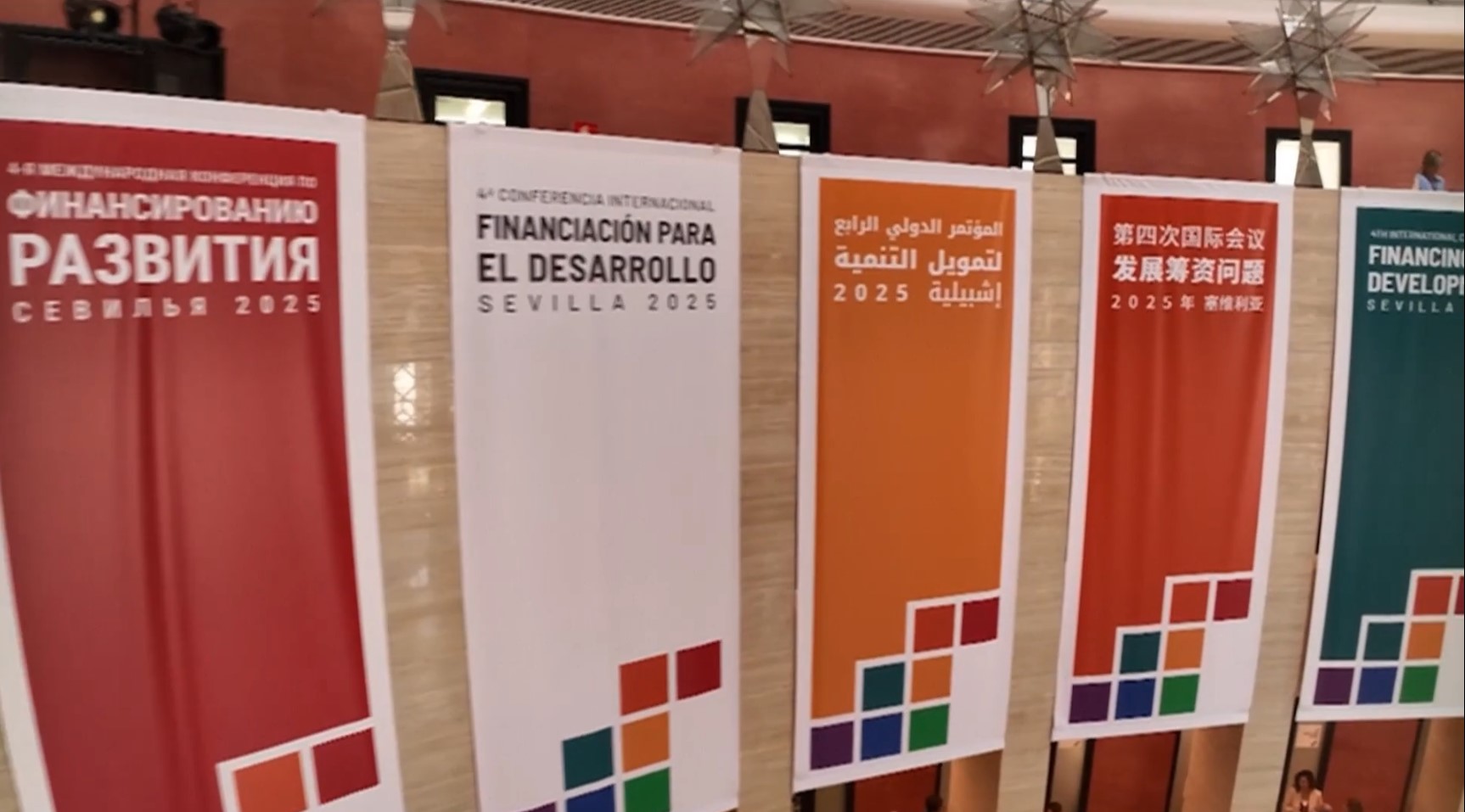
La Cuarta Conferencia Internacional sobre Financiación para el Desarrollo concluyó hoy (03 de julio) en Sevilla, España, con 130 iniciativas que convirtieron el Compromiso de Sevilla en acciones concretas para impulsar la inversión en desarrollo sostenible, abordar la crisis de deuda que afecta a muchos de los países más pobres del mundo, y dar a los países en desarrollo una voz más fuerte en la arquitectura financiera internacional.
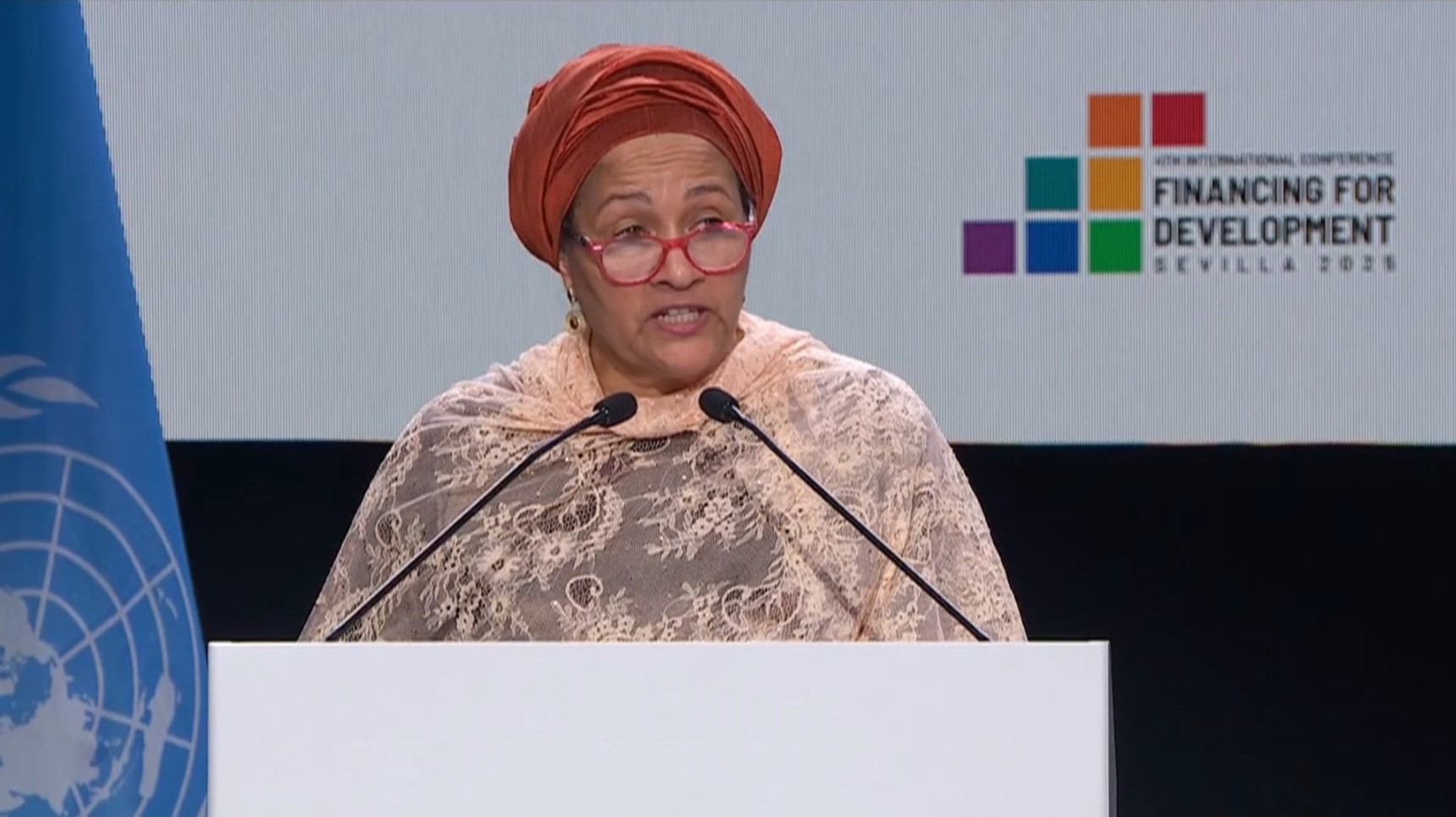
En la clausura de la Conferencia, la Vicesecretaria General Amina Mohammed también anunció que el gobierno español, con el apoyo del Secretario General de la ONU en consulta con los Estados Miembros y partes interesadas, pondrá en funcionamiento el Foro de Sevilla sobre Deuda, que ayudará a los países a aprender unos de otros y coordinar sus enfoques en gestión, negociación y reestructuración de la deuda.
Cargando reproductor....
La jefa adjunta de la ONU destacó: “Todos están enfocados en la implementación, implementación e implementación.”
“Los compromisos acordados en el documento final vienen con detalles específicos, y los Estados Miembros, las instituciones financieras, las empresas y la sociedad civil ya están pensando en cómo cumplir con estos compromisos con una actitud positiva”, dijo, y añadió: “considerando conjuntamente la practicidad y la implementación, esto proporciona una base para reconstruir la confianza y la solidaridad.”
La Vicesecretaria General subrayó: “El camino que tenemos por delante no será fácil. Los desafíos globales que enfrentamos no se superarán de la noche a la mañana. Pero dejo Sevilla con la confianza de que podemos recorrer ese camino juntos, con claridad, valentía, sentido de propósito y compromiso.”
“Que FFD4 Sevilla sea recordada como una conferencia donde el mundo eligió la cooperación sobre la fragmentación, la unidad sobre la división y la acción sobre la inacción. Salgamos de aquí inspirados y listos para financiar el futuro que queremos”, concluyó la vicesecretaria general de la ONU.
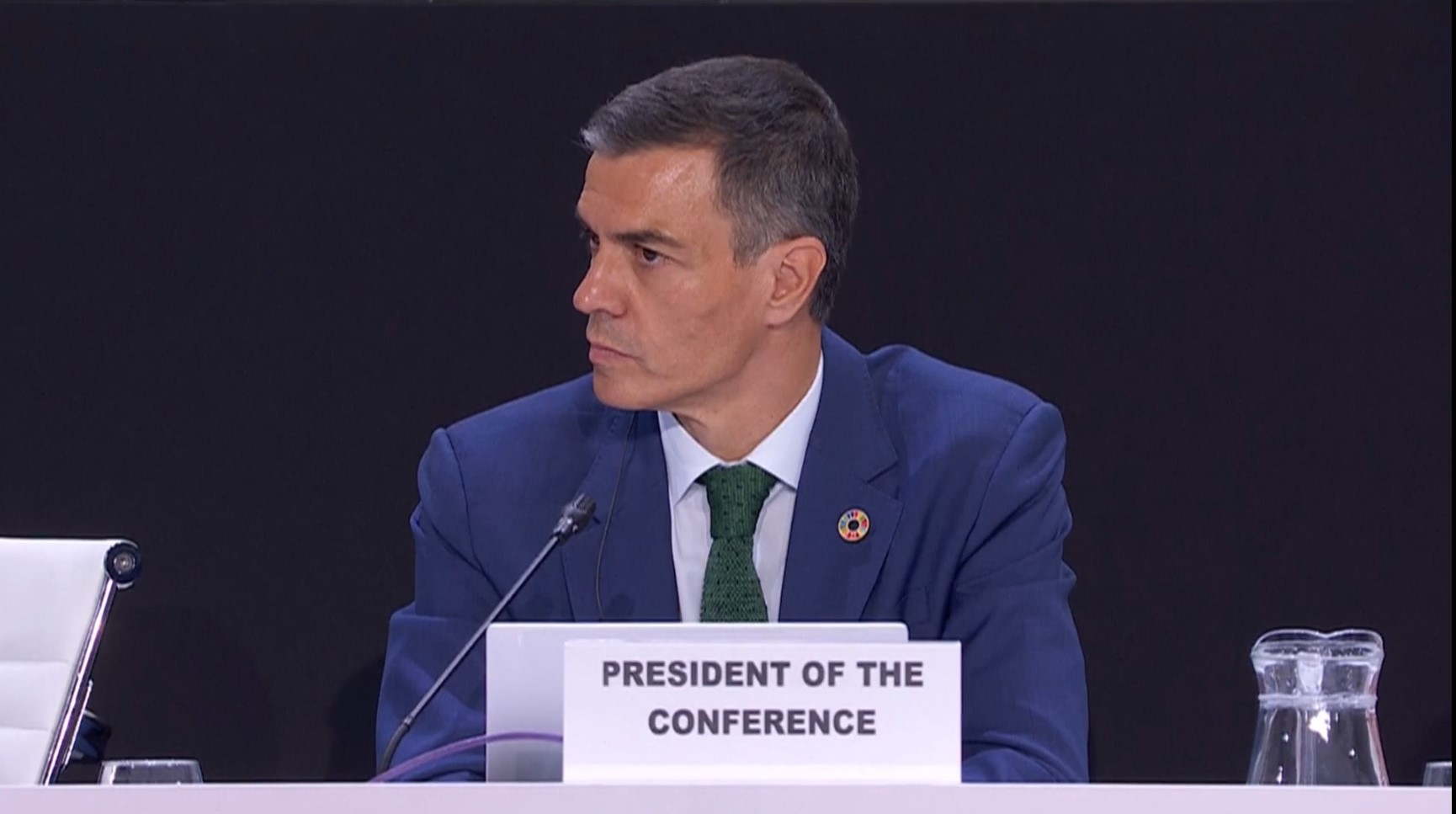
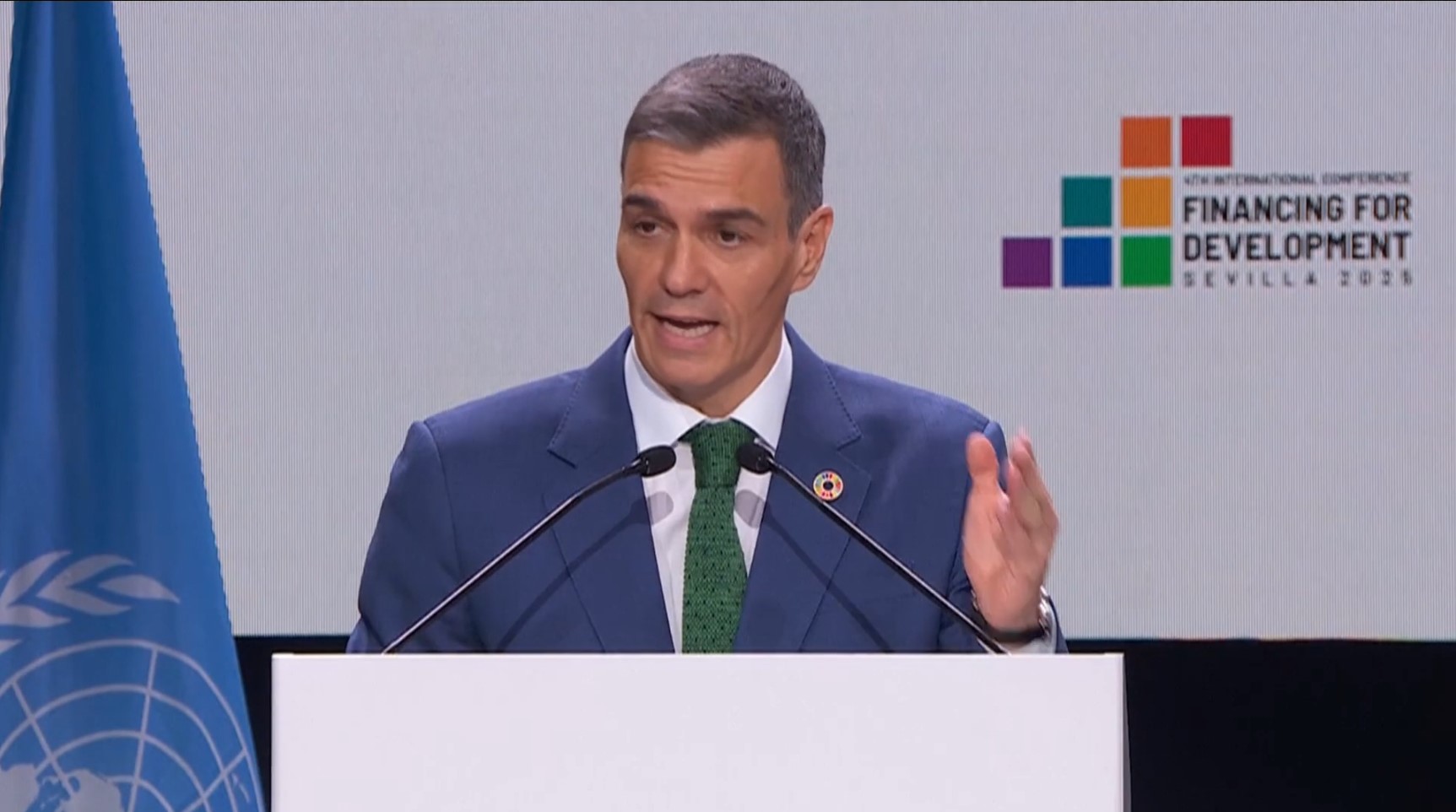
Por su parte, Pedro Sánchez, Presidente del Gobierno, dijo: “En un mundo dividido, desde Sevilla hemos enviado un mensaje de unidad. Así que el Compromiso de Sevilla es esencial en ese sentido; hemos acordado un compromiso que moviliza recursos para canalizar una mayor financiación y aumentar la capacidad fiscal de los países en desarrollo.”
“Hemos alcanzado un acuerdo que mejora la sostenibilidad de la deuda y los mecanismos de rendición de cuentas. Y además, este compromiso trae consigo más de 130 acciones específicas a través de la Plataforma de Acción de Sevilla”, afirmó Sánchez.
Reiteró: “Hoy no estamos solo cerrando una conferencia, estamos abriendo un nuevo camino y lo estamos haciendo trabajando en algo mucho más poderoso que el discurso del odio y la confrontación que otros parecen promover. Hemos estado defendiendo lo que realmente importa, y nuestra voz es más fuerte porque está respaldada por la razón, por el hecho de que estamos en el lado correcto de la historia.”
“Cuando hayan pasado los años, y miremos atrás, todos los que estamos aquí hoy recordaremos Sevilla, y recordaremos este momento con orgullo. Estaremos orgullosos de haber hecho lo correcto cuando era absolutamente crucial hacerlo. Estamos defendiendo el poder de las palabras por encima de la fuerza y convirtiendo las palabras en acción”, concluyó Sánchez.
El Compromiso de Sevilla, adoptado por consenso al inicio de la Conferencia, establece un camino para cerrar la brecha de financiación anual de 4 billones de dólares para los ODS en los países en desarrollo. Es el primer marco de financiación para el desarrollo acordado intergubernamentalmente desde 2015, y un llamado a renovar un sistema que está fallando a miles de millones de personas y alejando los objetivos globales.
En un momento de aumento de la deuda, disminución de la inversión, reducción de la ayuda y crecientes tensiones comerciales, el desarrollo sostenible enfrenta vientos en contra sin precedentes. Las consecuencias son claras: 3 mil millones de personas viven en países que gastan más en pagos de intereses que en salud o educación. Con cinco años restantes para lograr los ODS en tiempos cada vez más inciertos, el Compromiso de Sevilla traza un camino en tres frentes: catalizar inversiones a gran escala para el desarrollo sostenible; abordar la crisis de deuda y desarrollo; reformar la arquitectura financiera internacional.
Bajo la Plataforma de Acción de Sevilla, se lanzaron 130 iniciativas durante los cuatro días de la Conferencia para comenzar a implementar el Compromiso de Sevilla. Las iniciativas se centraron en impulsar la inversión pública y privada para el desarrollo sostenible, incluidas acciones para fortalecer los sistemas tributarios y la movilización de recursos internos.
Se anunciaron nuevos mecanismos de financiación para abordar las cargas insostenibles de deuda, y otras iniciativas apuntaron a mejorar la respuesta ante crisis y la resiliencia climática, ampliar el acceso a la protección social y apoyar las economías locales y digitales, entre otras.
Sobre la base de los cimientos sentados por el Consenso de Monterrey (2002), la Declaración de Doha (2008), y la Agenda de Acción de Addis Abeba (2015), así como el Pacto para el Futuro adoptado en la ONU el pasado septiembre, la Cuarta Conferencia Internacional sobre Financiación para el Desarrollo (FFD4) se celebró en Sevilla, España, del 30 de junio al 3 de julio de 2025. La Conferencia reunió a más de 15.000 participantes, incluidos cerca de 60 jefes de Estado y de Gobierno, y presentó más de 470 eventos paralelos y especiales, junto con sesiones emblemáticas como el Foro Internacional de Negocios, la Feria de Inversión en los ODS, y una serie de anuncios en el marco de la Plataforma de Acción de Sevilla.
Celebrity Media Commentator: Is this a sign of the times when national authority bows to Christ?
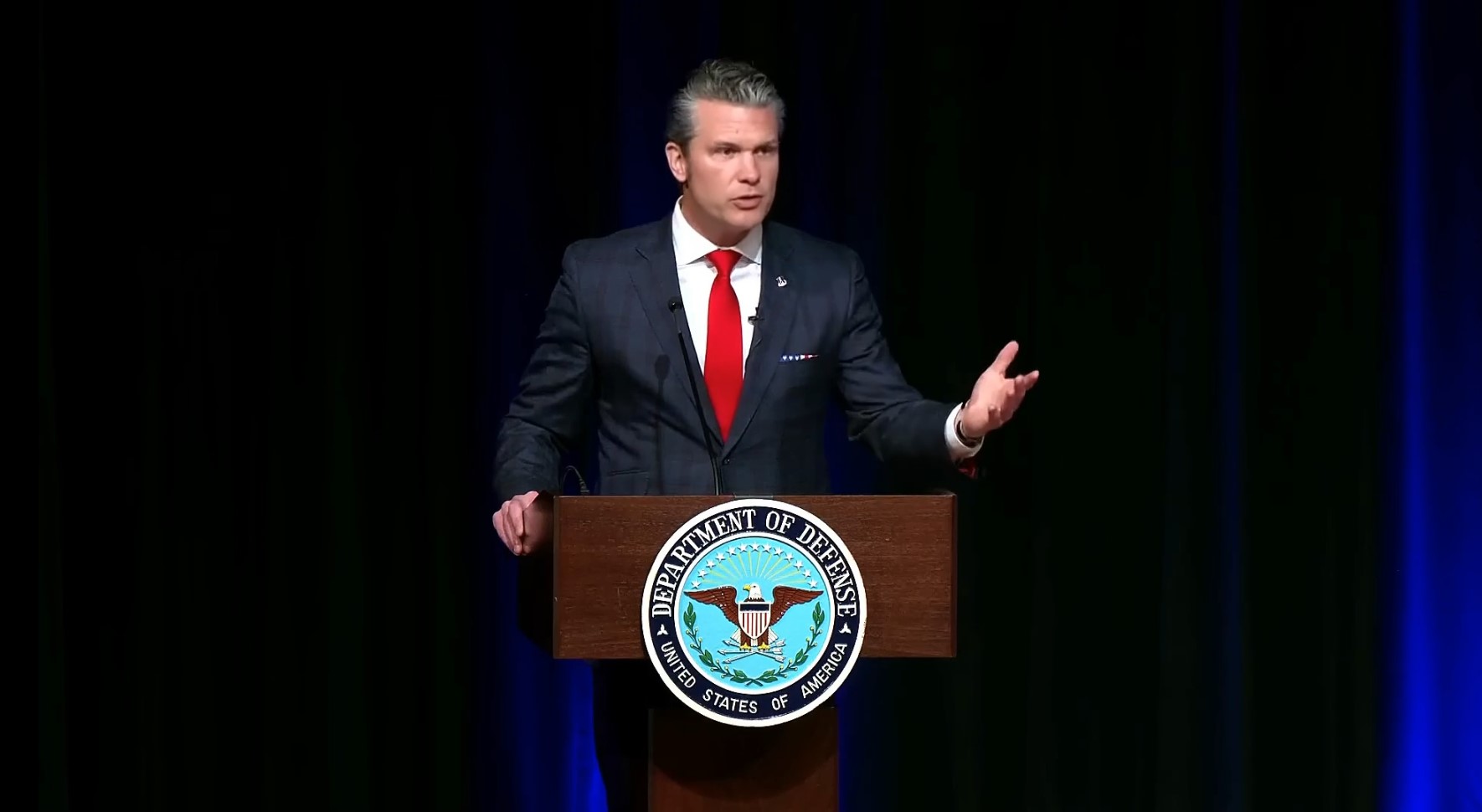
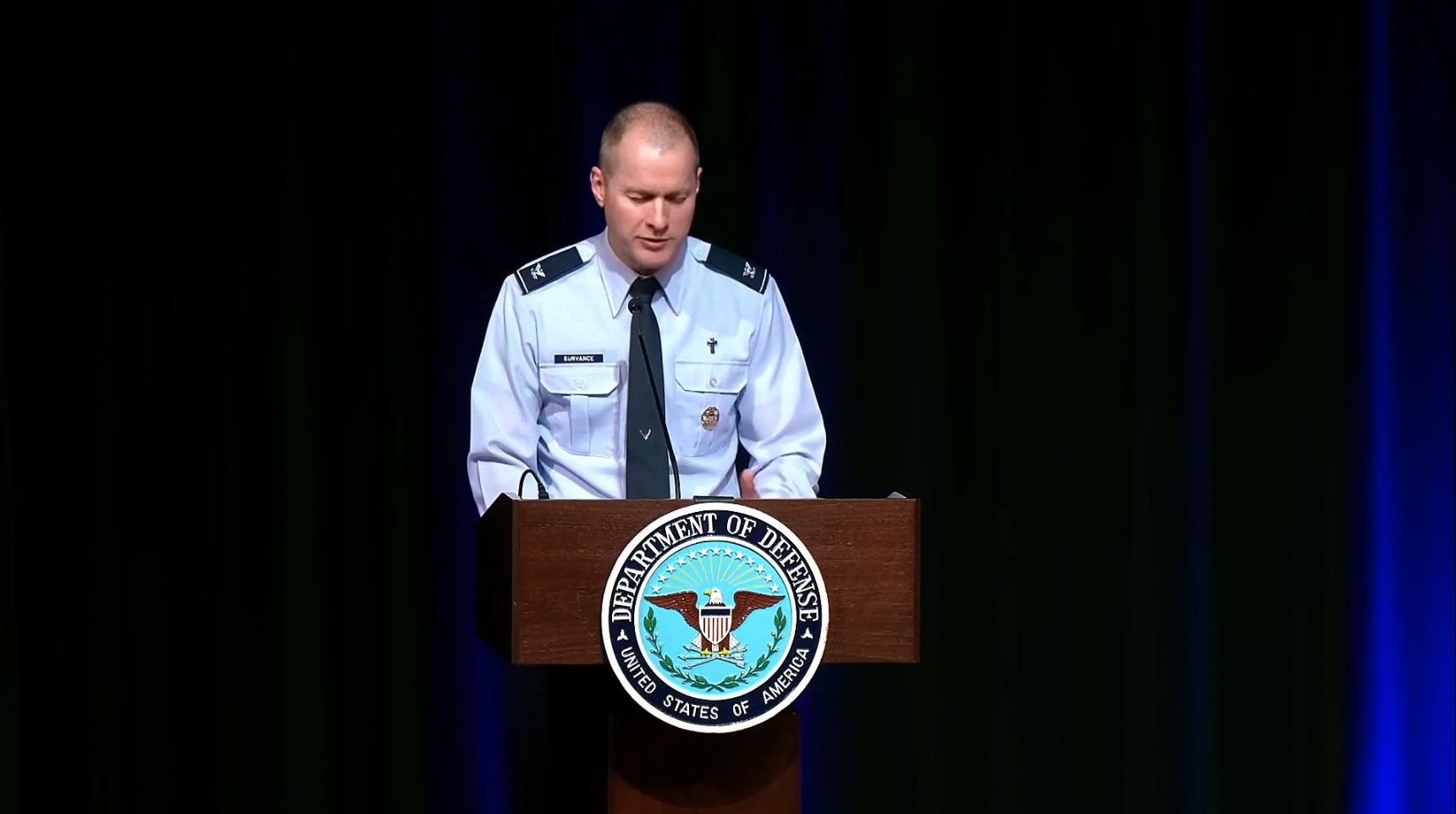
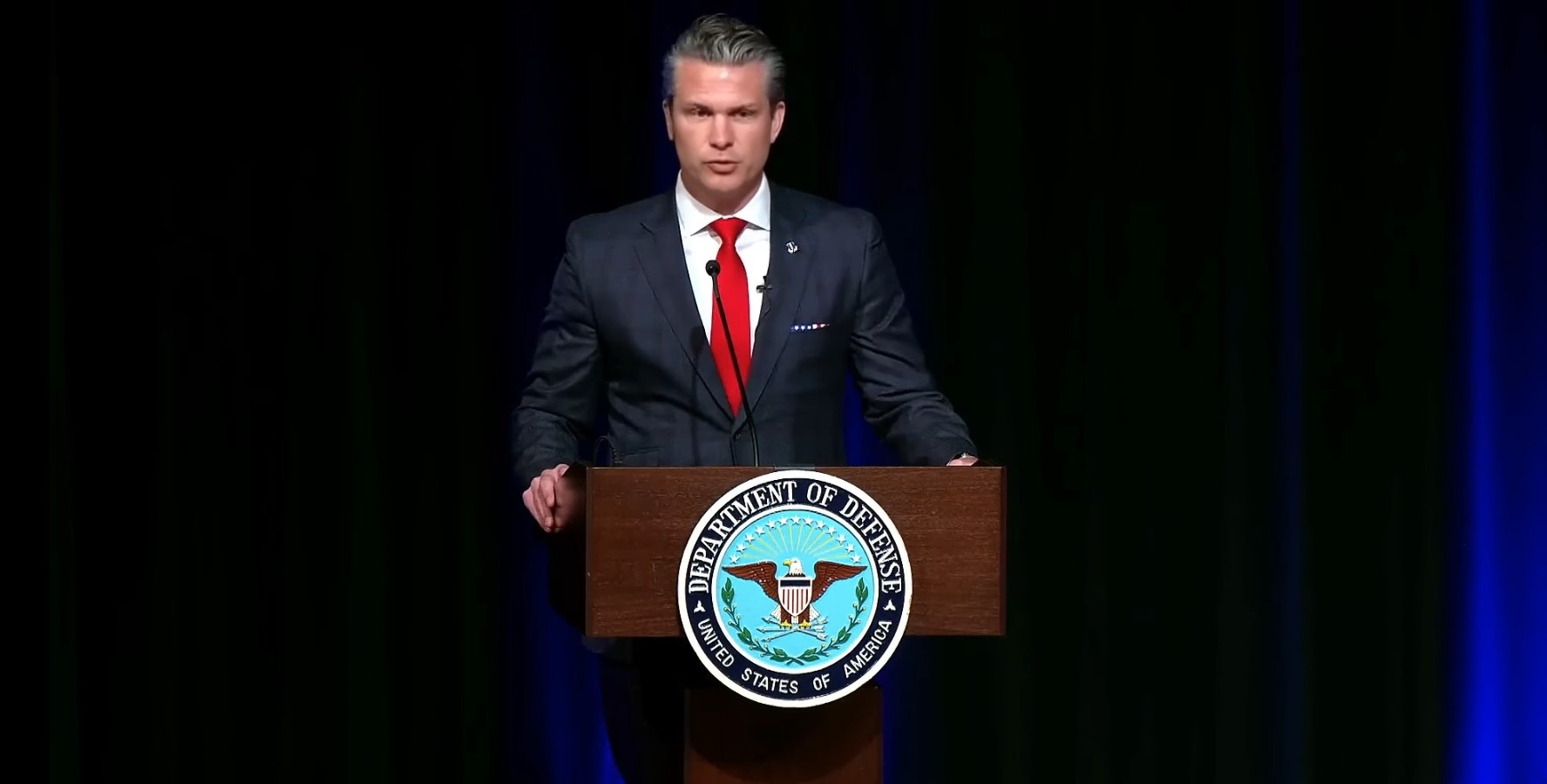
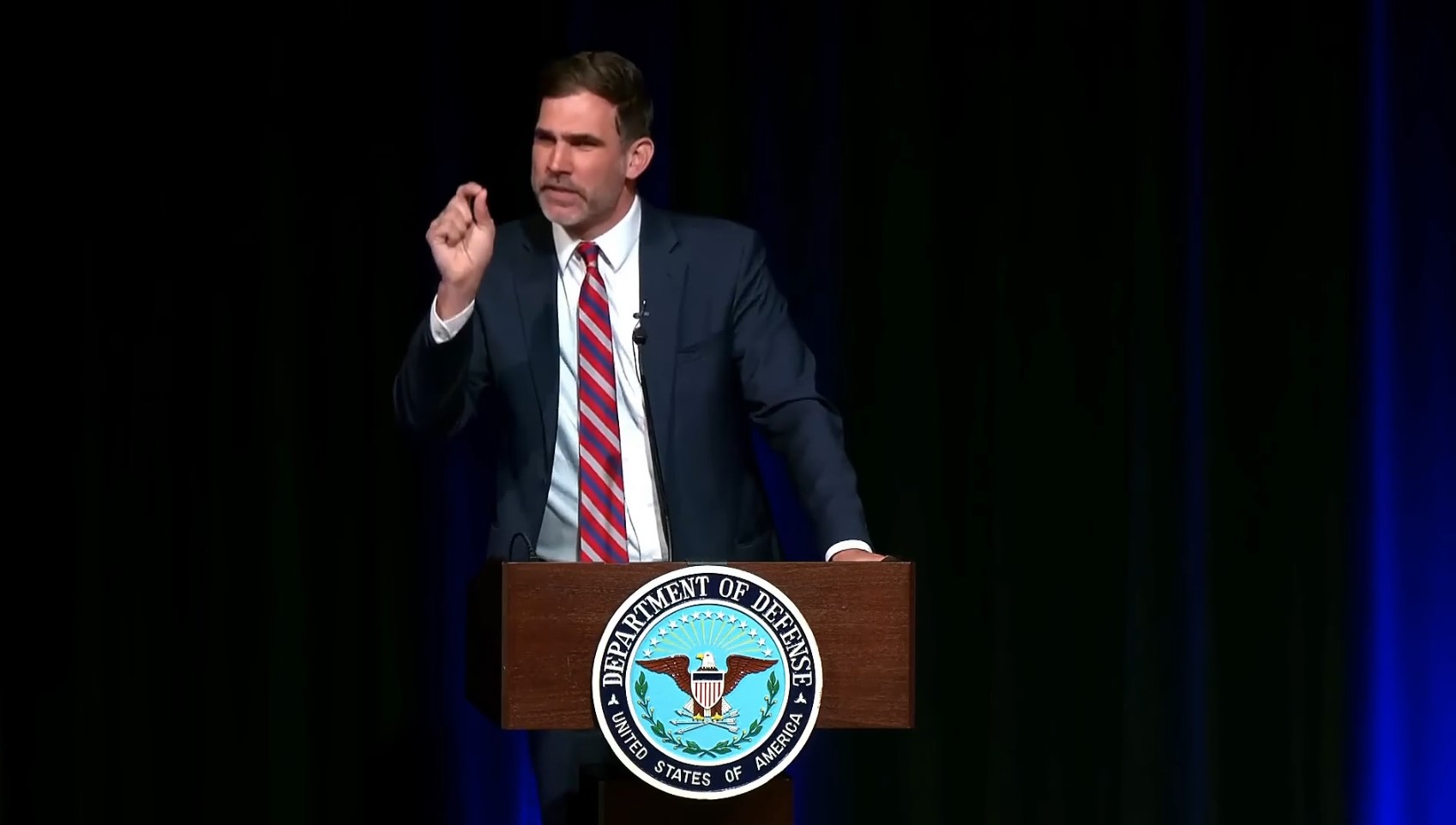
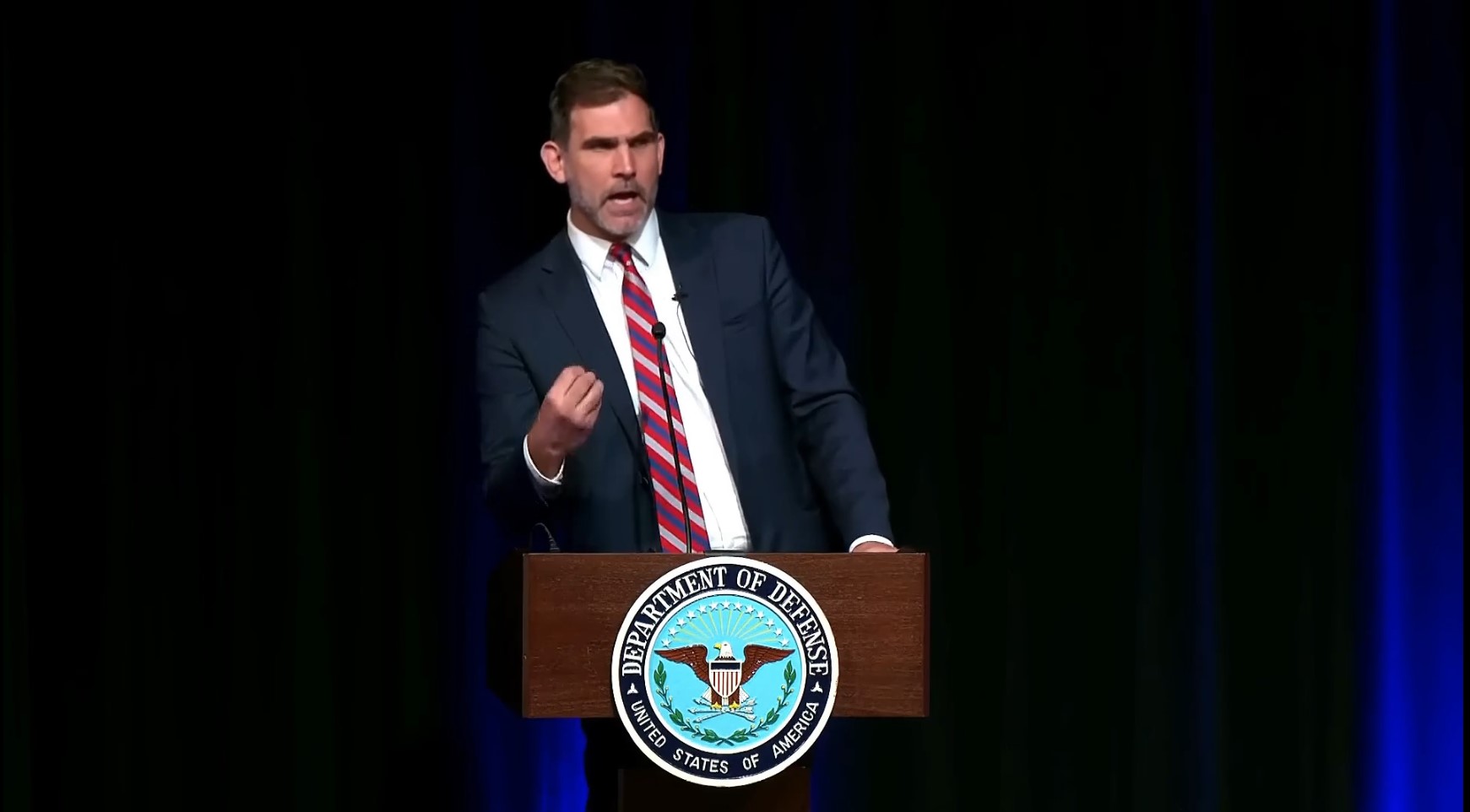
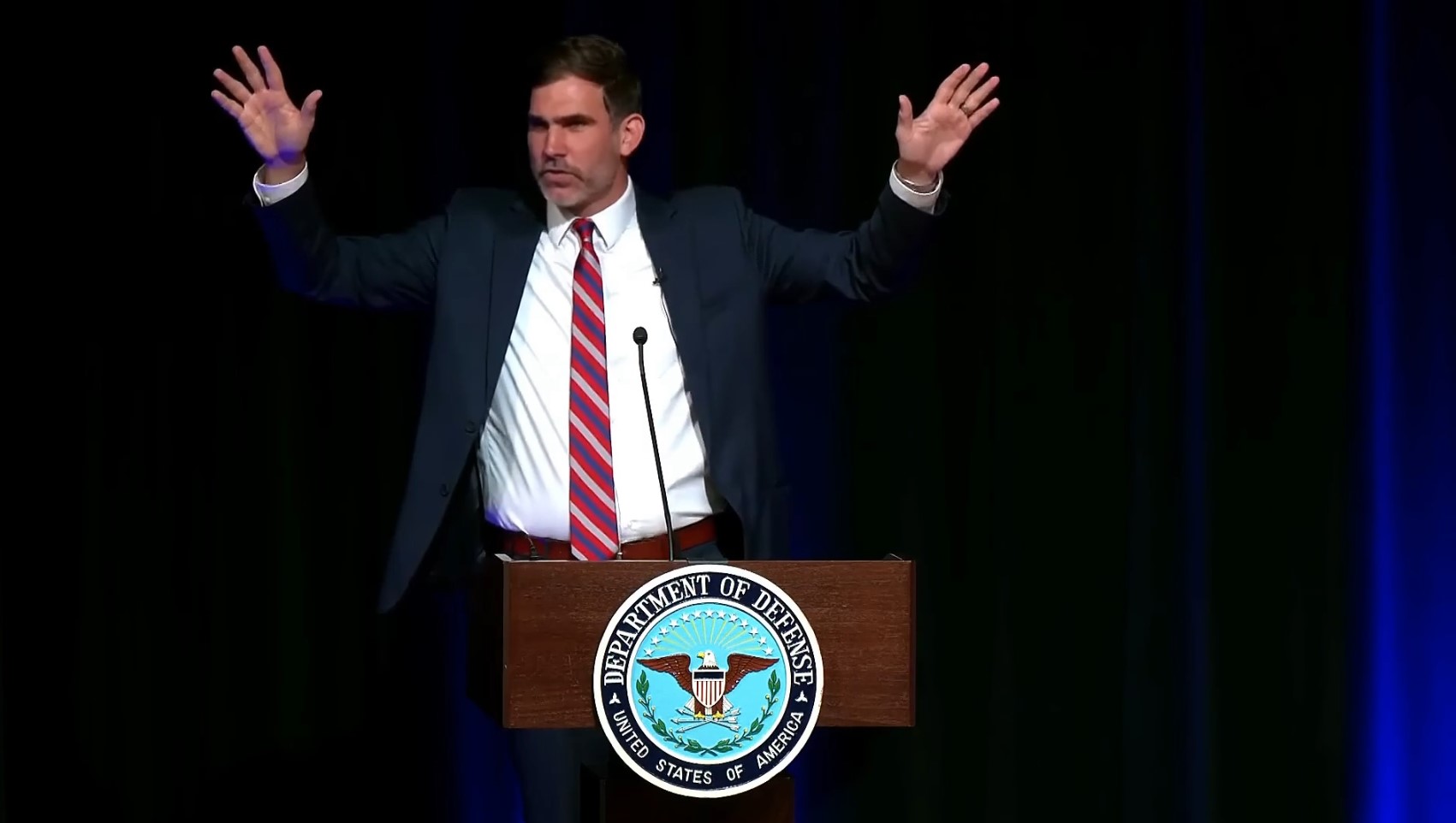
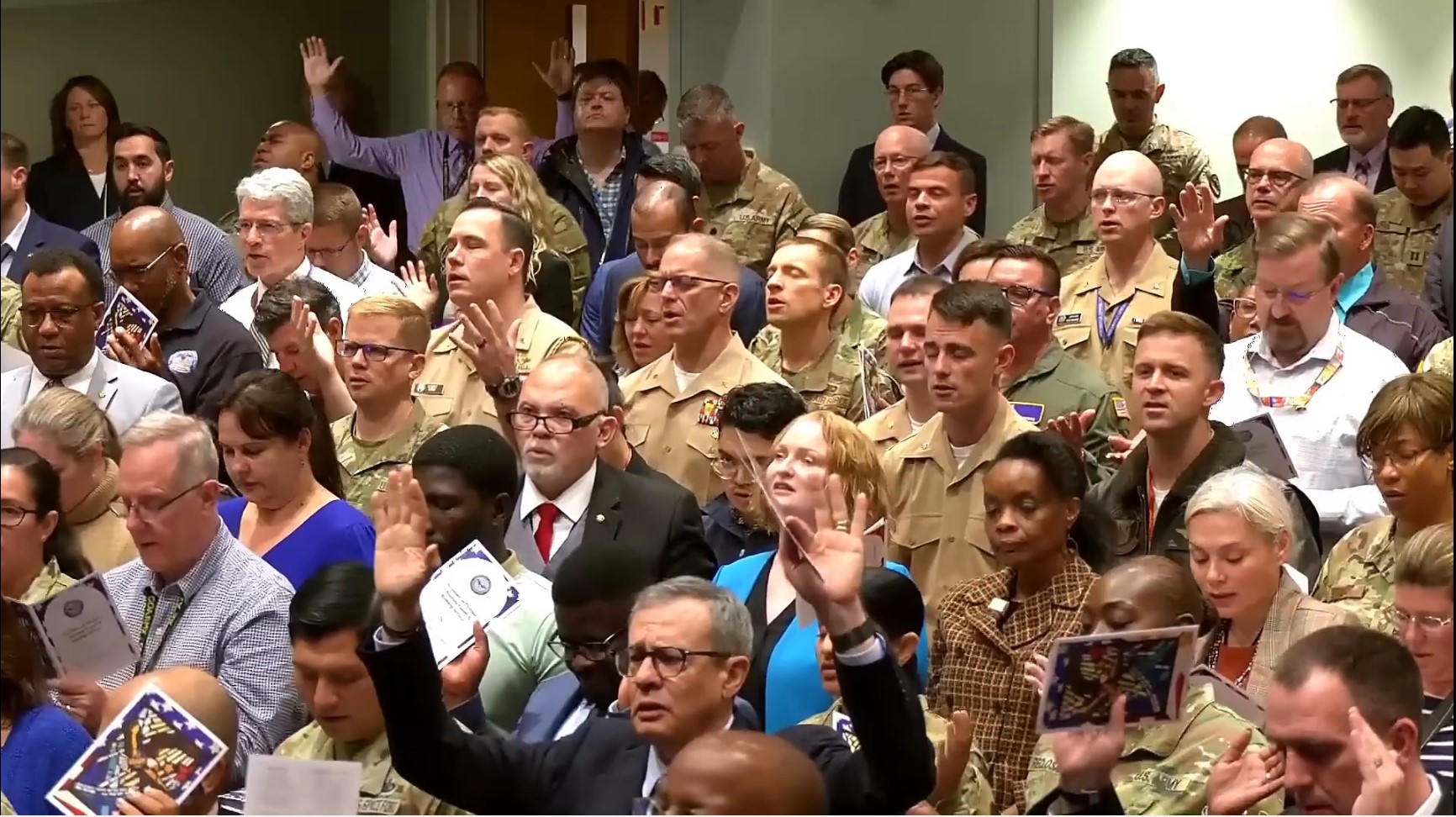
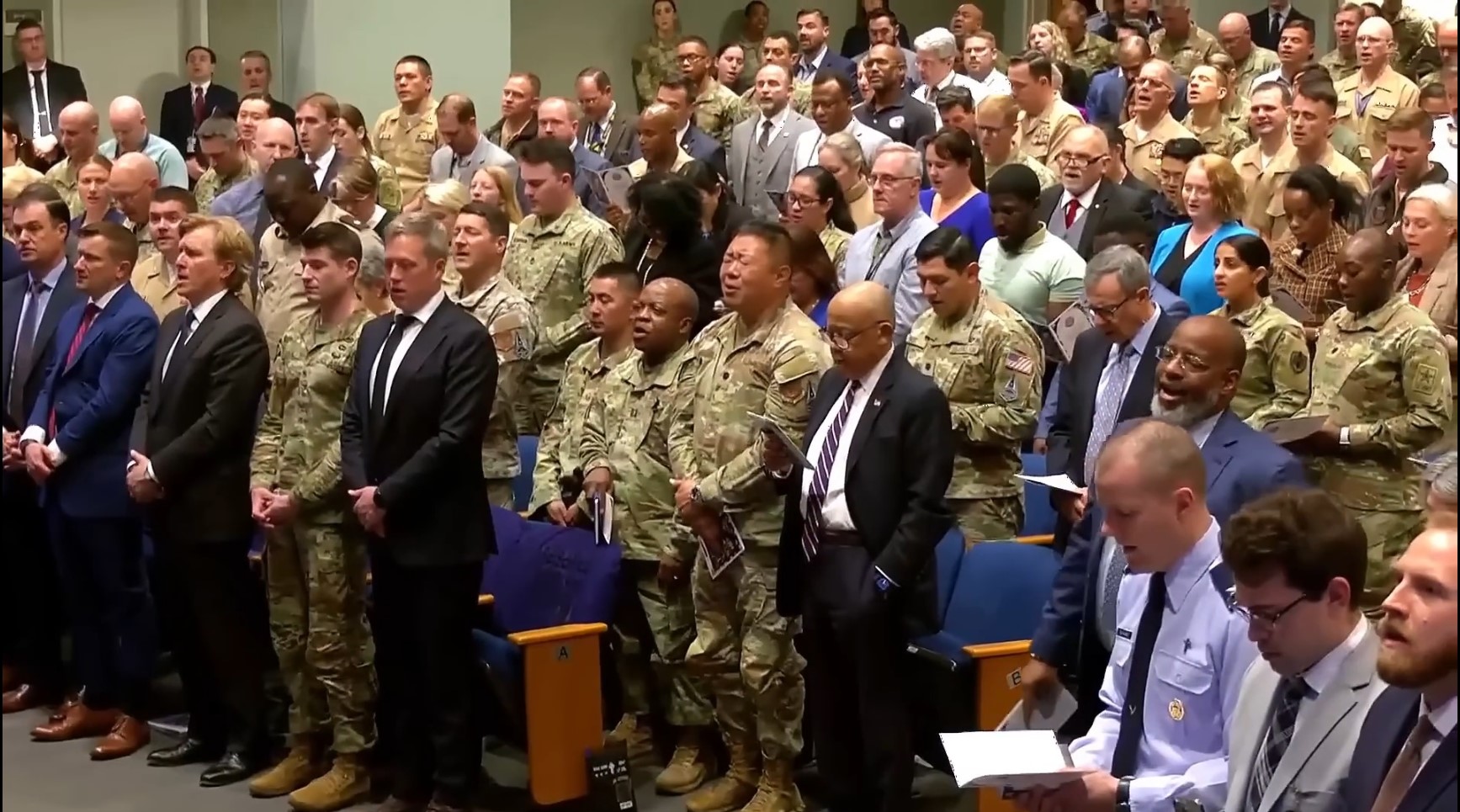
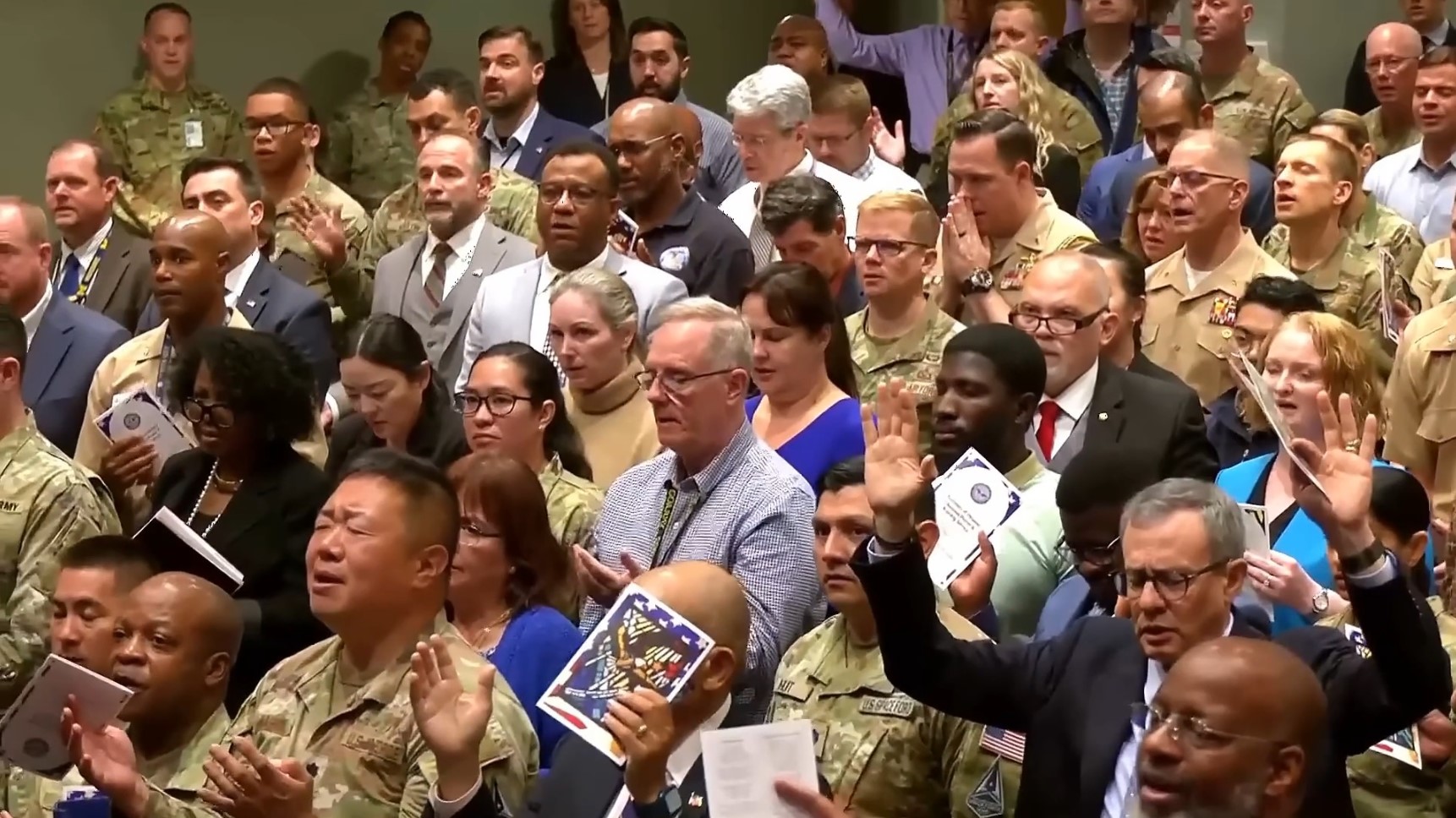
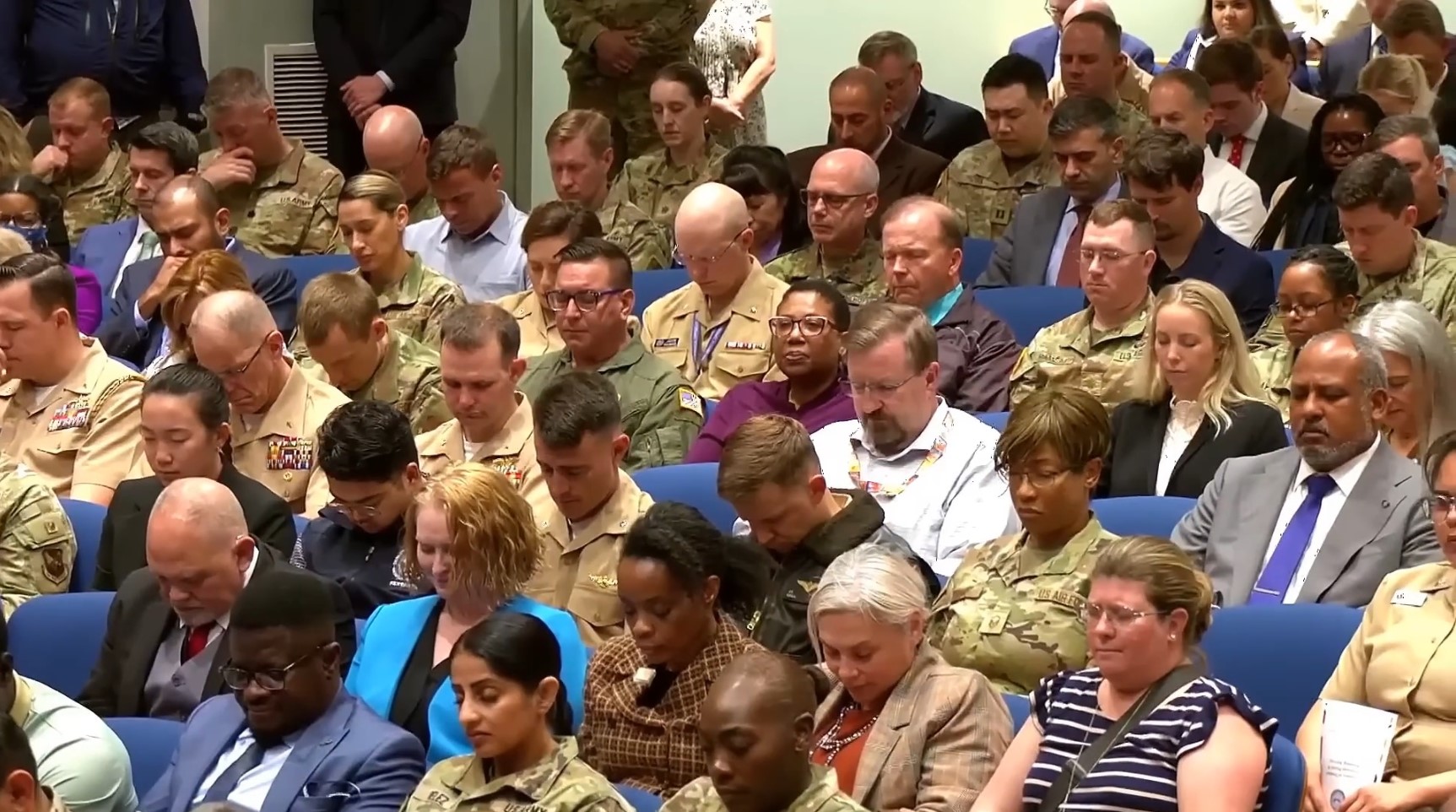
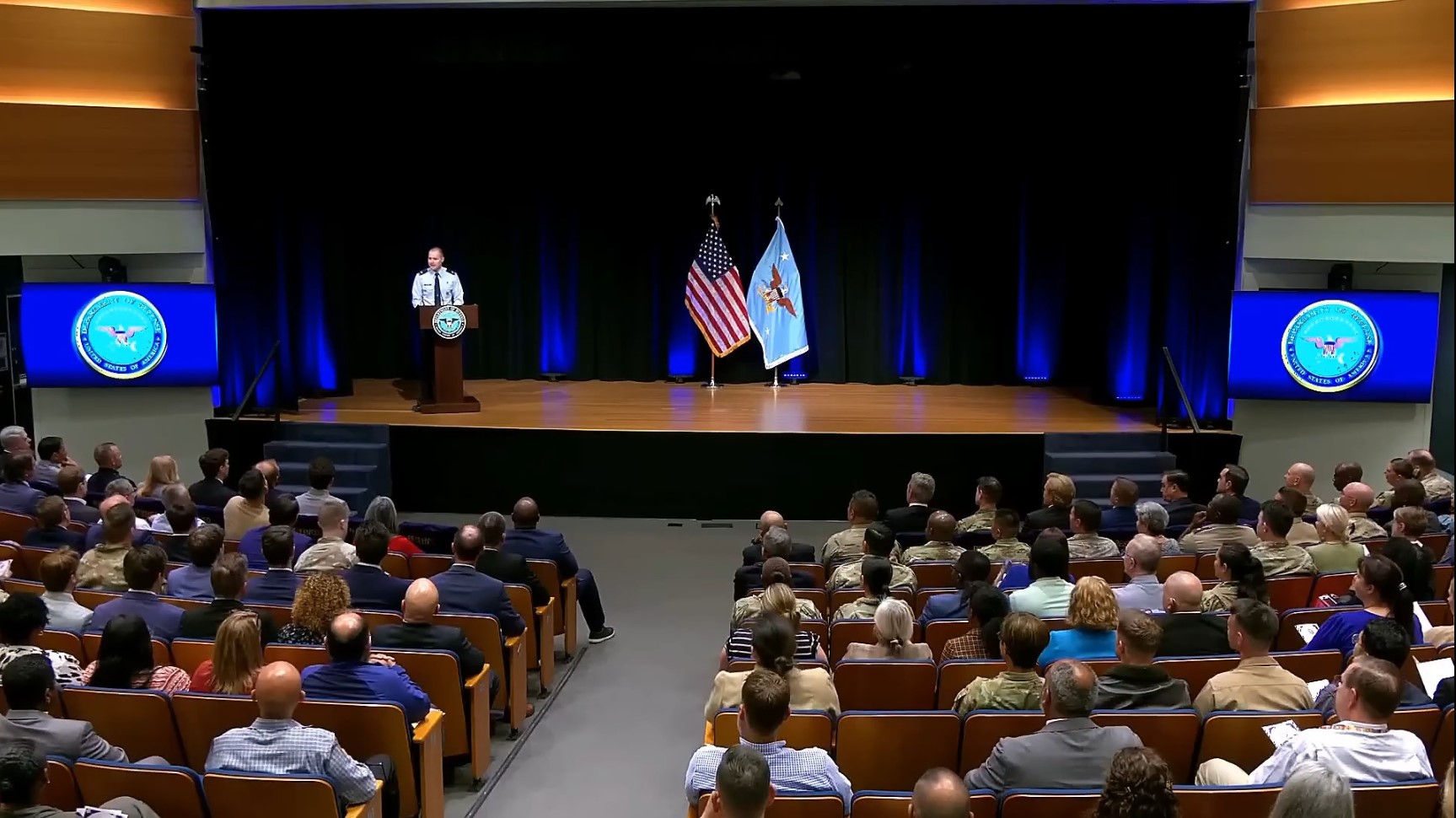
Recently, a video of a worship and prayer event held at the Pentagon has rapidly spread online, stirring passionate responses and amazement among believers. In the video, U.S. Acting Secretary of Defense Christopher C. Hergerthes personally leads a public worship and prayer session at the core office building of the Pentagon. He raises his hands and leads officers and civilian officials in exalting the name of Jesus in unison prayer and worship!
In the past few decades, such a scene has rarely occurred in the heart of the highest security institution of the U.S. government—but today, it truly happened.
✝️ The Secretary of Defense personally leads the prayer—this is no ordinary gathering
Secretary Hergerthes is not worshiping in a church or private space, but at the most militarily influential location in the world—the Pentagon. This is not just a prayer meeting, but a spiritual proclamation:
In the place of greatest earthly power, the highest heavenly authority is acknowledged.
In his prayer, he publicly declared Jesus as "the only way, the truth, and the life," and called upon the Lord to guide America's military and political direction. He did not shy away or hide, but boldly exalted Jesus’ name before a room full of dignitaries and officers.
Civilian and military officials worshiping in unity—is this a military revival sparked by God?
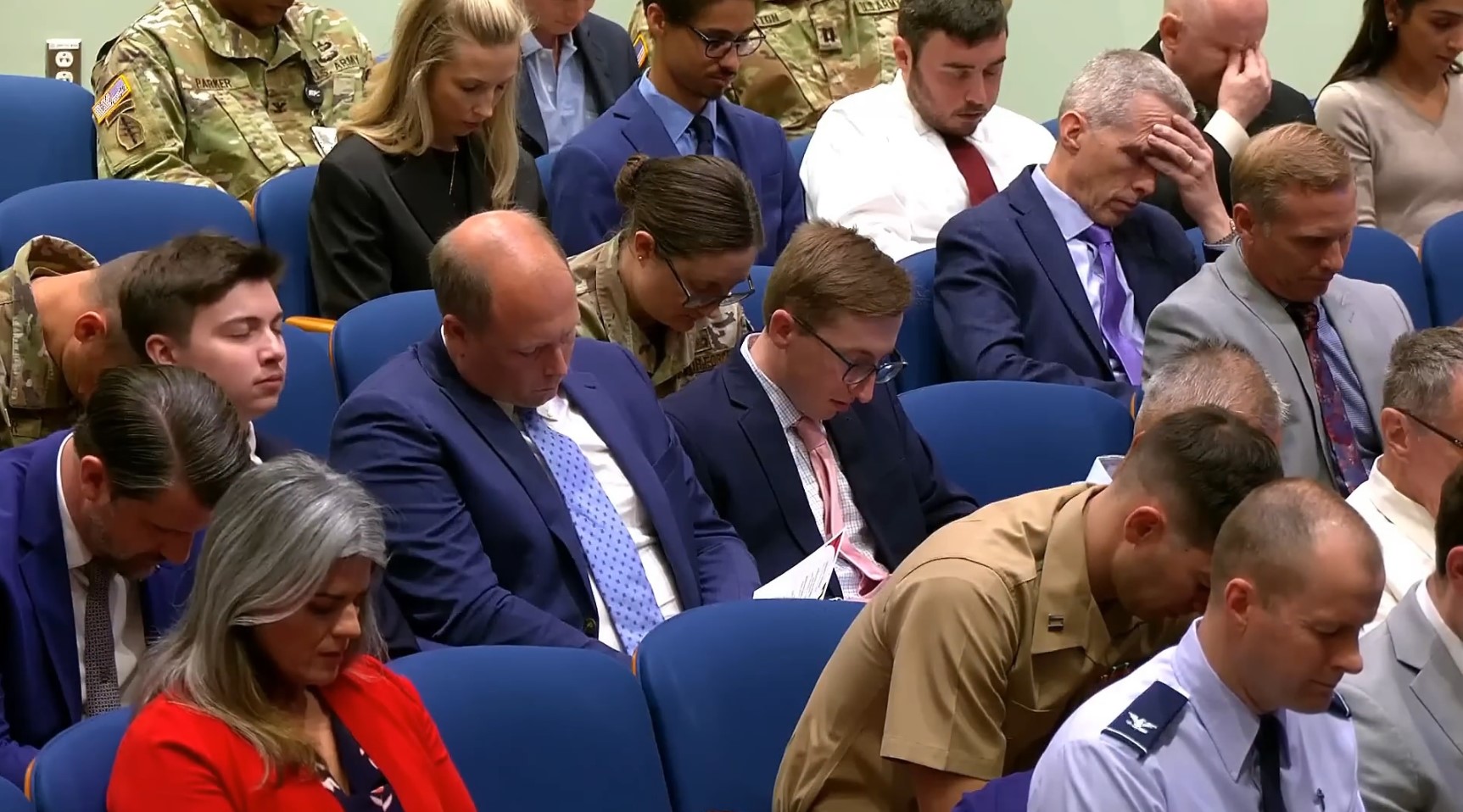
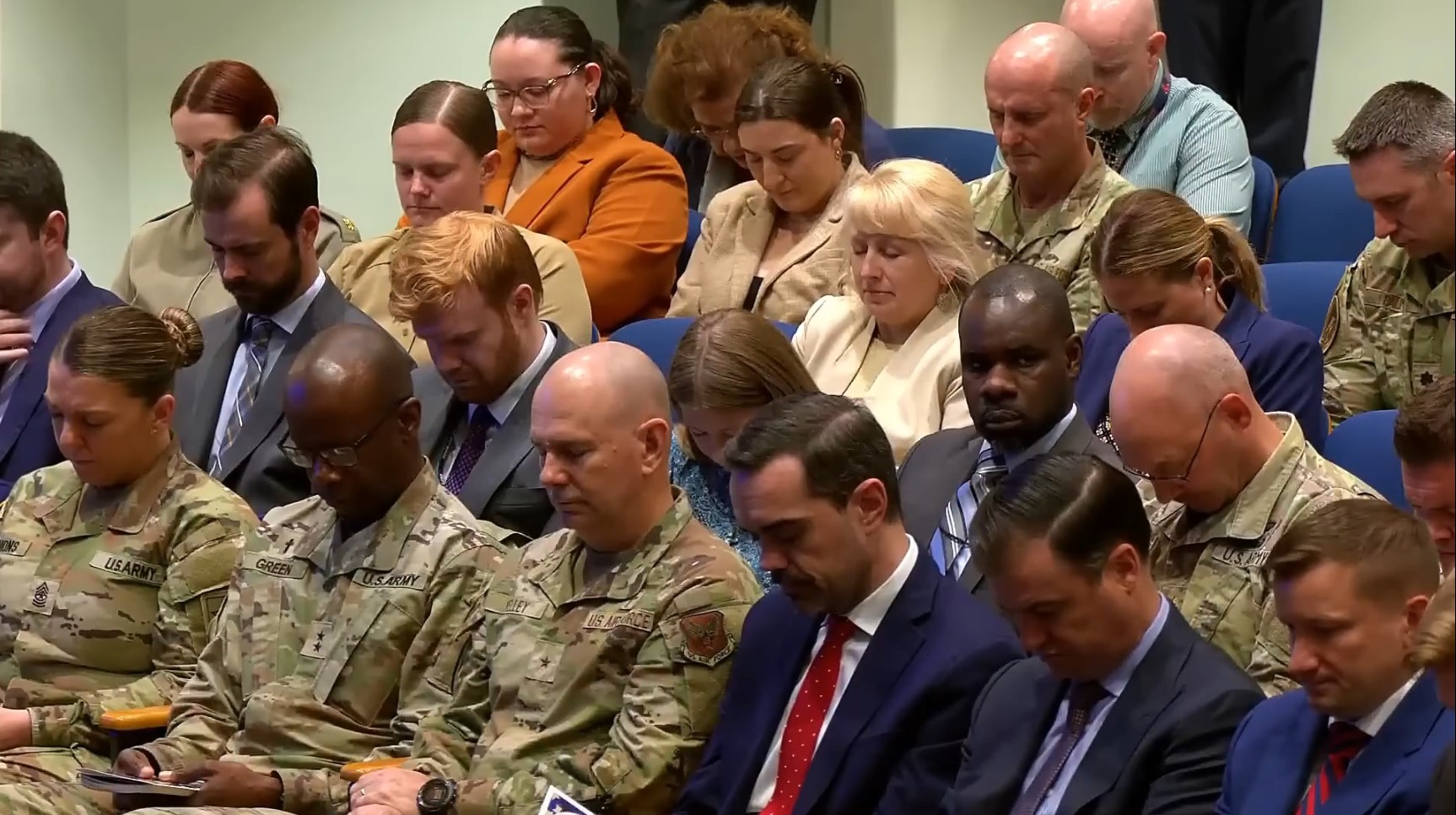
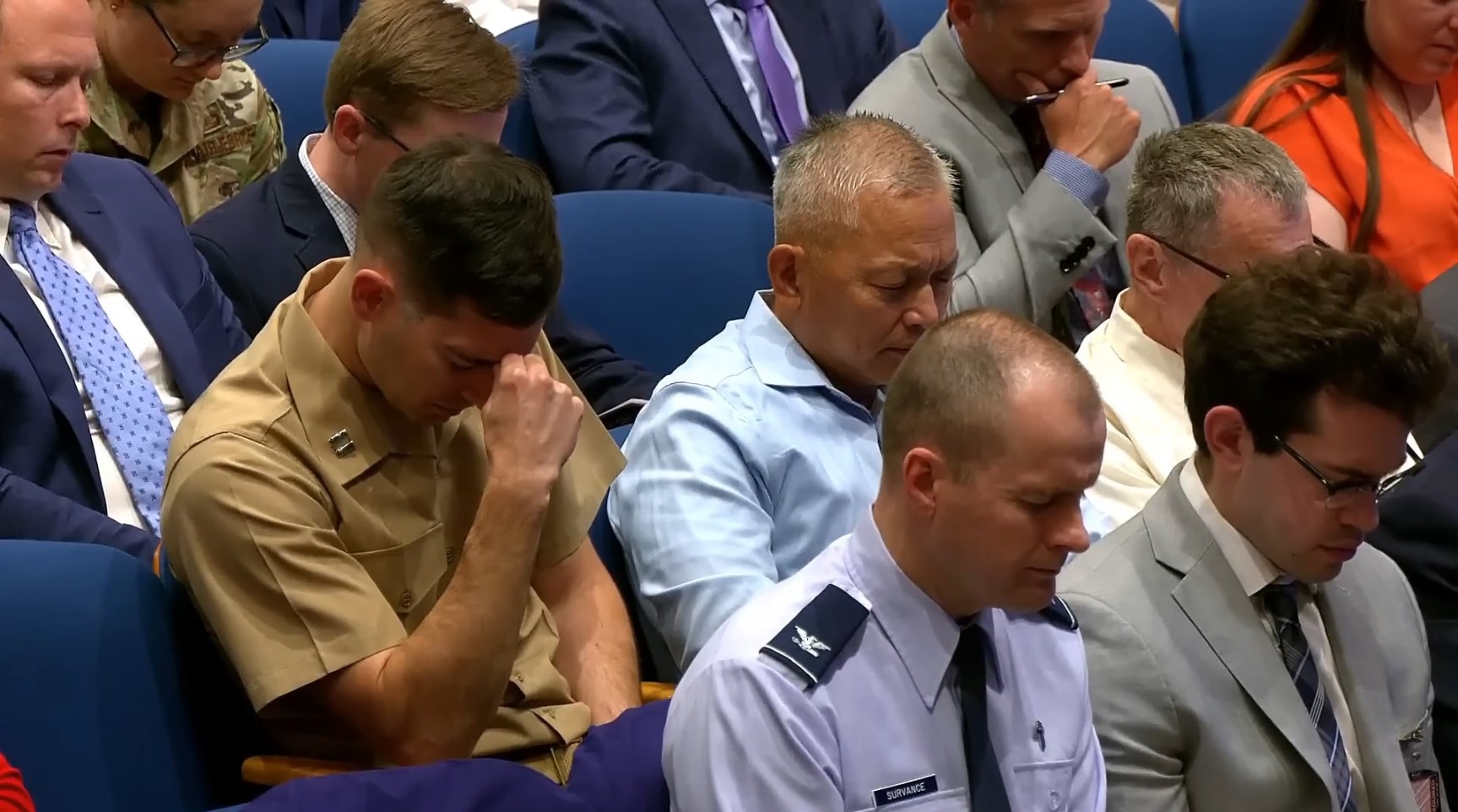
In the video, in addition to Hergerthes, several generals, defense officials, and civilian staff worship and pray together. Some raise their hands and sing, some bow their heads in tears, and some openly profess their faith. They are not in church but in the everyday meeting rooms where national security is governed, worshiping God in spirit and in truth!
This scene reveals that even in the darkest seats of world power, God still preserves His people—even in the Pentagon, a group of God-fearing officials stand firm and are unashamed of the gospel.
Faith returning to the center of power—is this the prelude to spiritual awakening?
For a long time, American politics emphasized "separation of church and state," causing many Christian officials to fear openly expressing their faith. But now, Hergerthes is not hiding his faith—instead, he worships publicly in a place of national authority and invites others to join him in exalting Jesus Christ!
This may be a new season that God is opening:
In times of global turmoil, moral confusion, and looming wars, the Lord is calling His people back under His name. When the Secretary of Defense kneels in prayer at the seat of power, it is a spiritual breakthrough; when officials collectively look to the cross, it signals a shift in the nation.
If you want to live in America, you must understand the foundation of its culture
"If you want to live in America long-term, you must understand that the current government upholds Christian values."
This is not a political statement but a spiritual realization: Although the U.S. has its constitution and institutions, its cultural foundation and national identity have been intertwined with biblical truth since its founding.
Today, when American leaders are willing to acknowledge the name of Jesus publicly in the Pentagon, it shows that—there are still people in power willing to let God reign. Of course, the government may shift direction in four years; but ultimate authority over this world is not in the hands of presidents, congresses, or defense ministers, but in the hands of the Creator of all, who reigns forever!
This reminds us: Never place your hope in any political party or system— true rule over nations belongs to the Lord!
In closing: Pray for America, and also for your own nation
Dear brothers and sisters, when we witness such a scene, do you sense that the Lord is doing a new thing? For Christ’s name to be exalted in the halls of power is no coincidence—this is the hand of God moving and calling.
Today’s America is still filled with challenges, division, and crisis. But if God wills to revive it, He will first rebuild its spiritual foundation through those in authority. Let us pray for America, and also for our nations—that more leaders would fear God, and that the name of the Lord would be exalted in every country!
"Every knee shall bow and every tongue confess that Jesus Christ is Lord, to the glory of God the Father." — Philippians 2:10-11
Celebrity Media Editor’s Note: The successful conclusion of the Fourth International Conference on Financing for Development in Sevilla marks a significant step forward in global efforts to reshape the international financial system. With 130 concrete initiatives emerging from the gathering, the Sevilla Commitment—Compromiso de Sevilla—has been transformed from a shared vision into actionable strategies. These outcomes reflect a unified global will to increase investment in sustainable development, confront the growing debt crisis faced by the world’s poorest nations, and amplify the voices of developing countries in global financial governance. This milestone conference may well represent a turning point toward a more equitable and resilient financial future.
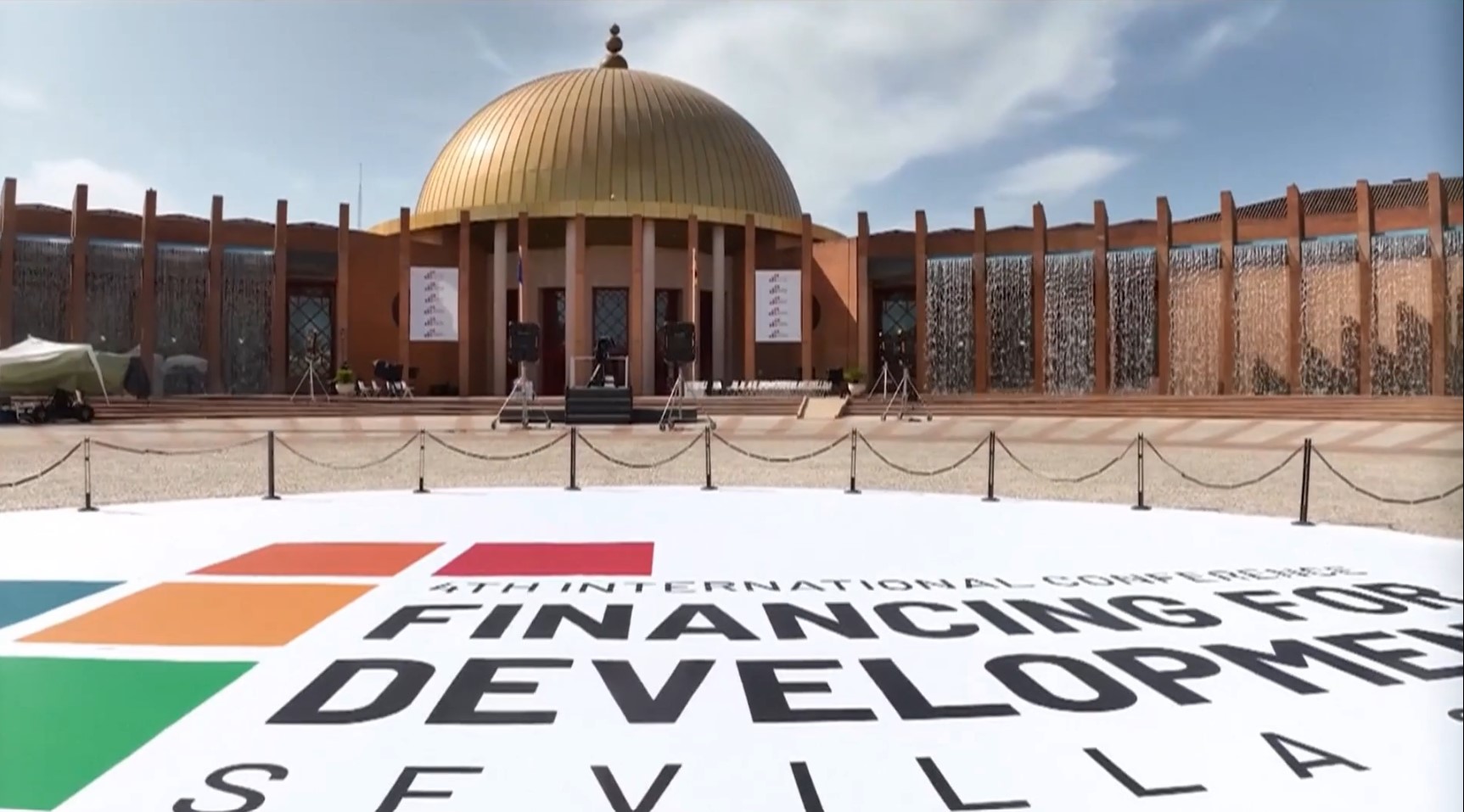
The Fourth International Conference on Financing for Development concluded today (03 Jul) in Sevilla, Spain, with 130 initiatives turning the Sevilla Commitment or Compromiso de Sevilla into action through concrete steps to boost investment in sustainable development, address the debt crisis afflicting many of the world’s poorest countries, and give developing countries a stronger voice in the international financing architecture.
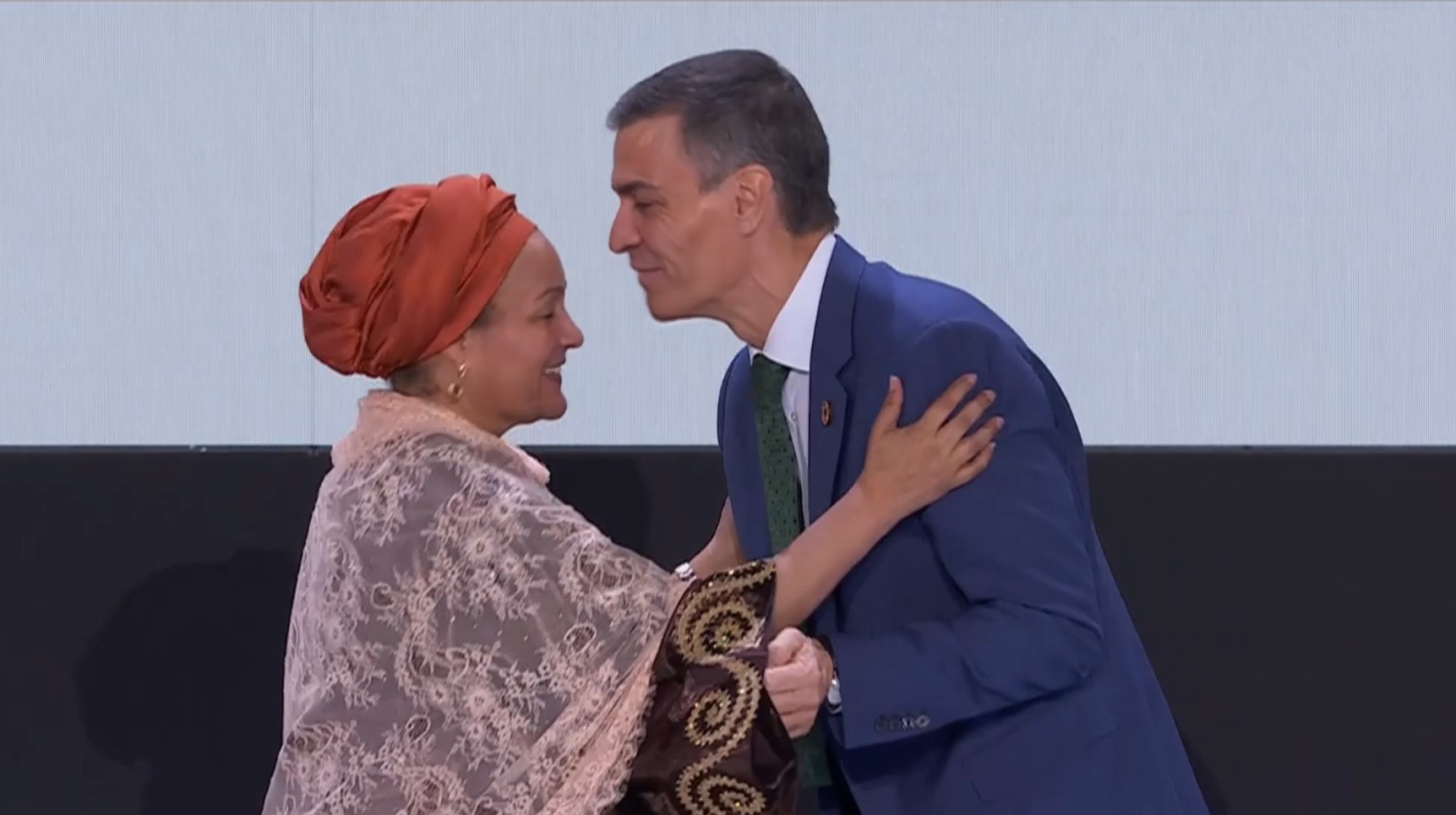
At the closing of the Conference , Deputy Secretary-General Amina Mohammed also announced that the Spanish government, with support the UN Secretary General in consultation with Member States and stakeholders will operationalize the Sevilla Forum on Debt, which would help countries learn from one another and coordinate their approaches in debt management, negotiation and restructuring.
播放器加载中....
The UN deputy chief highlighted, “Everyone is focused on implementation, implementation and implementation.”
“The commitments agreed in the outcome document come with specifics, and Member States, financial institutions, businesses and civil society are already looking ahead at how these commitments can be delivered with a can-do attitude,” she said, adding “taken together resolve practicality and implementation, this provides a basis for rebuilding trust and solidarity.”
The Deputy Secretary-Genera stressed, “The journey ahead is not going to be easy. The global challenges we face will not be overcome overnight. But I leave Sevilla confident that we can walk that path together with clarity, with courage, a sense of purpose and commitment.”
“Let FFD4 Sevilla be remembered as a conference where the world chose cooperation over fragmentation, unity over division and action over inaction. Let us leave here inspired and ready to finance the future that we want,” the UN deputy chief concluded.
For his part, Pedro Sanchez, Prime Minister (officially known as President of the Government) said, “In a divided world, from Sevilla we have sent a message of unity. So Sevilla Commitment or Compromiso de Sevilla is essential in that respect, we have agreed on an agreement that mobilizes resources in order to channel greater financing and increase the fiscal capacity of developing countries.”
“We have reached an agreement that improves debt sustainability and accountability mechanisms. And in addition, this commitment brings with it more than 130 specific actions through the Sevilla Platform for Action,” Sanchez said.
He reiterated, “Today we are not just closing a conference, we are opening up a new path and we are doing so by working on something that is so much more powerful than the hate speech and the confrontation that others seem to prone. We have been defending what truly matters, and our voice is stronger because it is underpinned by reason, by the fact that we are on the right side of history.”
“When years will have gone by, and when we look back, all of us who are here today will remember Sevilla, and we remember this moment with pride. We will be proud of having done the right thing when it was absolutely crucial to do so. We are defending the power of words above force and turning words into action,” Sanchez concluded.
The Sevilla Commitment, adopted by consensus at the start of the Conference, lays out a path to close the $4 trillion annual SDG financing gap in developing countries. It is the first inter-governmentally agreed financing for development framework since 2015, and a rallying call to overhaul a system that is failing billions of people and pushing global goals further out of reach.
At a time of rising debt, declining investment, shrinking aid and escalating trade tensions, sustainable development faces unprecedented headwinds. The consequences are stark: 3 billion people live in countries that spend more on interest payments than on health or education. With five years left to achieve the SDGs in increasingly uncertain times, the Sevilla Commitment charts a path on three fronts: Catalyzing investment at scale for sustainable development; Addressing the debt and development crisis; Reforming the international financial architecture
Under the Sevilla Platform for Action, 130 initiatives were launched over the course of four days of the Conference to begin implementing the Sevilla Commitment. Initiatives focused on boosting public and private investment for sustainable development, including actions to strengthen tax systems and domestic resource mobilization.
New financing mechanisms were announced to tackle unsustainable debt burdens, and additional initiatives aimed to enhance crisis response and climate resilience, expand access to social protection and support local and digital economies, among others
Building on the foundations laid by the Monterrey Consensus (2002), Doha Declaration (2008), and Addis Ababa Action Agenda (2015), as well as the Pact for the Future adopted at the UN last September, the Fourth International Conference on Financing for Development (FFD4), took place in Sevilla, Spain, from 30 June to 3 July 2025. The Conference brought together over 15,000 participants, including nearly 60 Heads of State and Government, and featured more than 470 side and special events, alongside flagship sessions such as the International Business Forum, SDG Investment Fair, and a series of announcements under the Sevilla Platform for Action.