- Details
-
Category: English Media
-
Published: Tuesday, 01 July 2025 16:08
-
Written by Eager
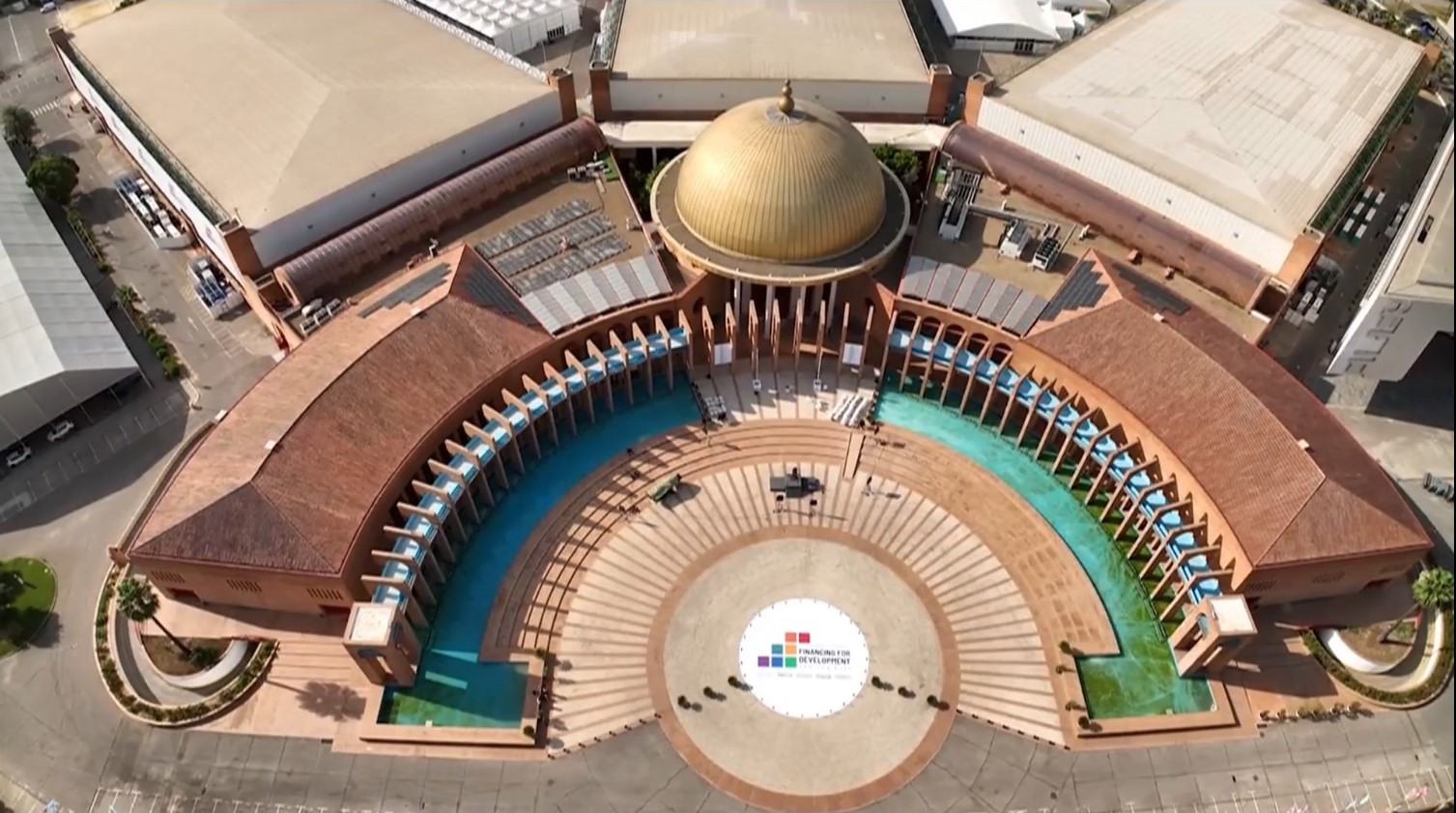
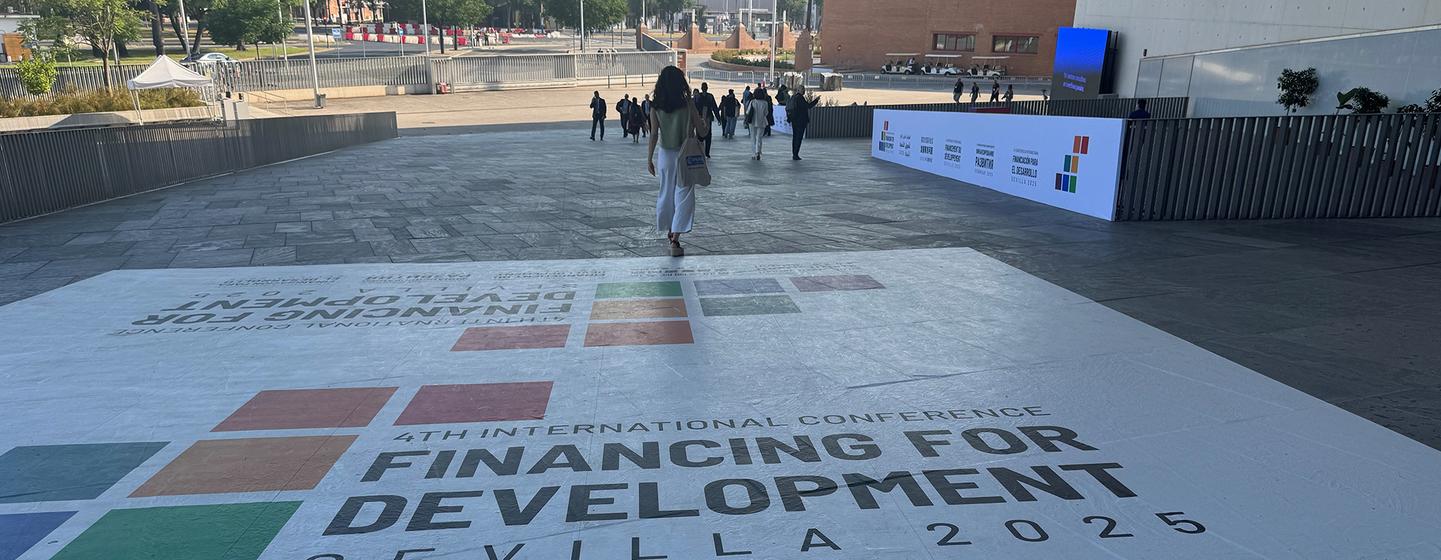
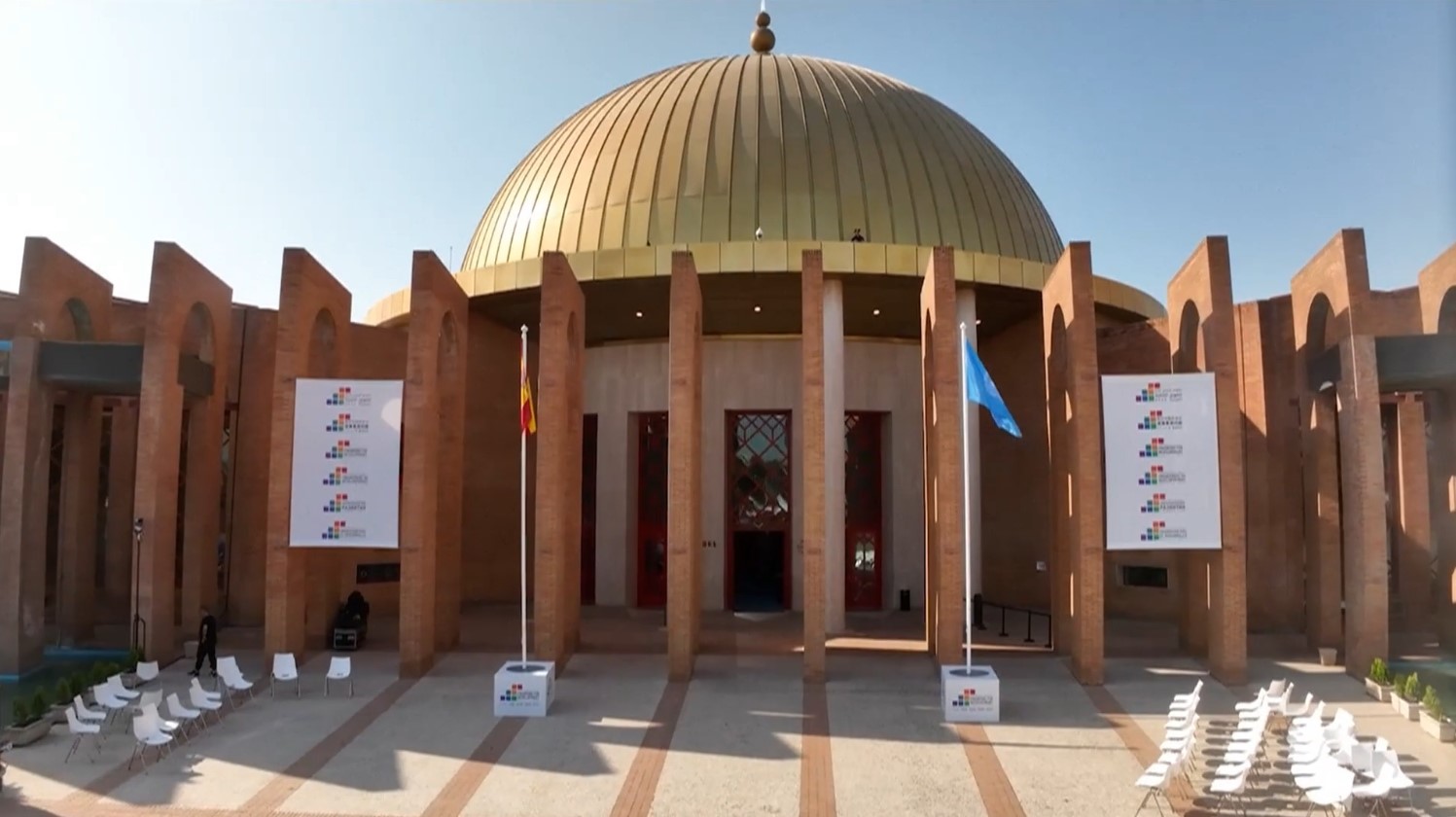
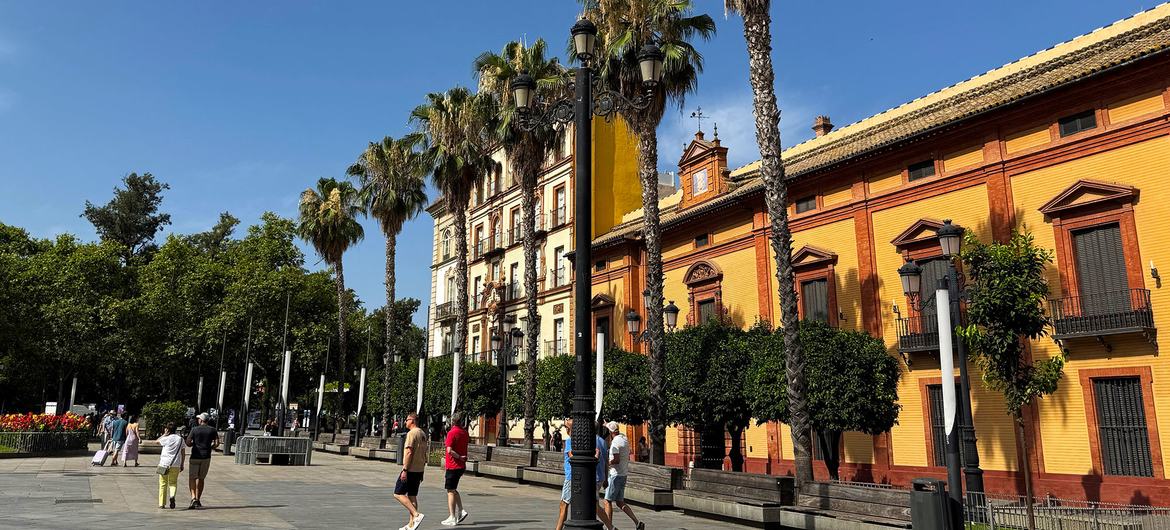 UN News/Matt Wells Sevilla is hosting the fourth Financing for Development conference.
By Matt Wells in Sevilla
“We’re here in Sevilla to change course,” the UN chief told world leaders on Monday, calling on them to grasp a once-in-a-decade opportunity to close a $4 trillion financing gap facing developing countries to meet sustainable development goals – and build a better world for all.
António Guterres issued his clarion call noting that sustainable development powered by international cooperation, is now facing “massive headwinds.”
Addressing the opening session of the 4th Financing for Development Conference (FFD4) in baking hot Sevilla, Spain – basking in record high June temperatures – the Secretary-General noted multilateralism itself is also feeling the heat, while trust between nations and institutions fray.
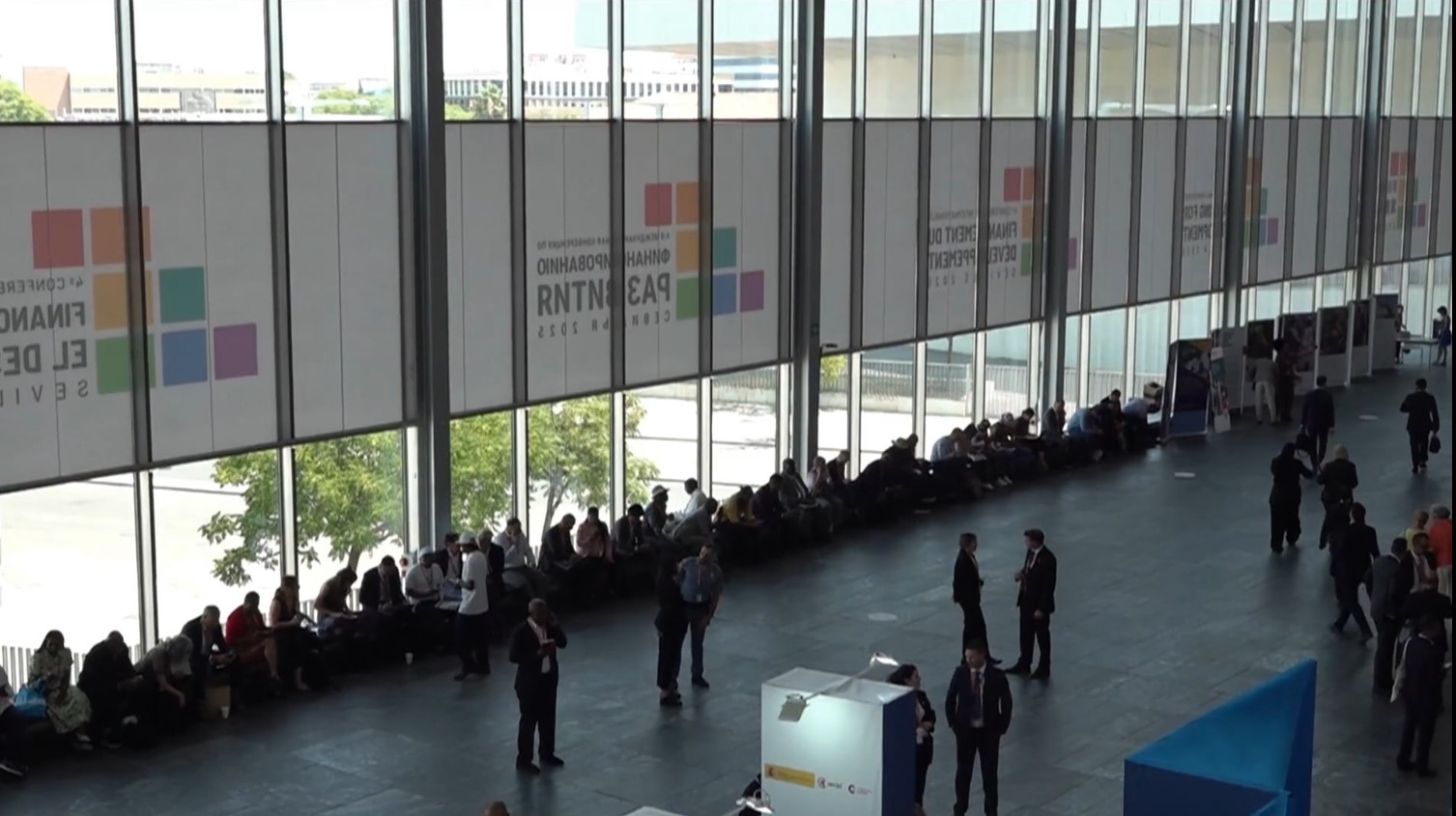
The world is on fire, shaken by inequalities, climate chaos and raging conflicts: “Financing is the engine of development and right now, this engine is sputtering,” he told the conference, attended by close to 60 world leaders, over 150 nations and around 15,000 delegates.
“As we meet, the 2030 Agenda for Sustainable Development – our global promise to transform our world for a better, fairer future – is in danger.”
Some two-thirds of the ambitious Sustainable Development Goals (SDGs) targets agreed in 2015 are significantly off track – hence the staggering $4 trillion investment needed to turn it around.
“We are here in Sevilla to change course. To repair and rev up the engine of development to accelerate investment at the scale and speed required,” said Mr. Guterres.
He described the outcome known as the Sevilla Commitment adopted on Monday – without the United States which pulled out of the process earlier this month – as a “global promise” to low-income nations to lift them up the development ladder.
The UN chief outlined three key action areas:
- First, get resources flowing fast at home to spur sustainable growth, and for richer countries to honour their pledge under the accord to double aid to poorer countries to boost development. This includes tripling the lending capacity of Multilateral Development Banks and innovative solutions to unlock private cash.
- Second, fix the “unsustainable, unfair and unaffordable” global debt system. Right now, poorer countries are spending around $1.4 trillion just servicing their vast debts in the form of interest payments. Among the innovations, a new borrowers’ forum will ensure fairer debt resolution and action.
- Third, reform the global financial architecture, with major shareholders playing their part, so that it empowers every country. “We need a fairer global tax system shaped by all, not just a few.”
The current crisis of affordability and stalled development is “a crisis of people,” he continued, which leaves families hungry, children unvaccinated, and girls left out of education.
“This conference is not about charity. It’s about restoring justice and to facilitate the ability of all people to live in dignity,” said Mr. Guterres.
“This conference is not about money – it’s about investments in the future we wish to build together.”
A tangible and actionable’ roadmap
King Felipe of Spain spoke just ahead of the official opening, telling delegates the multicultural city of Sevilla welcomes the world “with open arms”.
He said a new roadmap would emerge that is based on what is “concrete and tangible and actionable”.
The conference must be a success, because cooperation is one of our fundamental pillars of the multilateral world and “the ultimate embodiment of the values that sustain it – especially at this particular point in history where many certainties are melting away and many fears and uncertainties are taking shape.”
‘Our time is now’
Spain’s Prime Minister Pedro Sánchez (officially known as President of the Government) told delegates “our time is now and our place is here.” Millions of lives will depend on the choices made in Sevilla and going forward.
We must choose “ambition over paralysis, solidarity over indifference and courage over convenience,” he continued, adding that the eyes of world are on this hall, to see what we are ready to do together and in the face of this historic challenge we must prove our worth.”
Sevilla was “the New York of the 16th century” in diplomatic terms he told delegates – and a cradle of globalism – we must all do that legacy justice today.
‘Sevilla is not an end point’
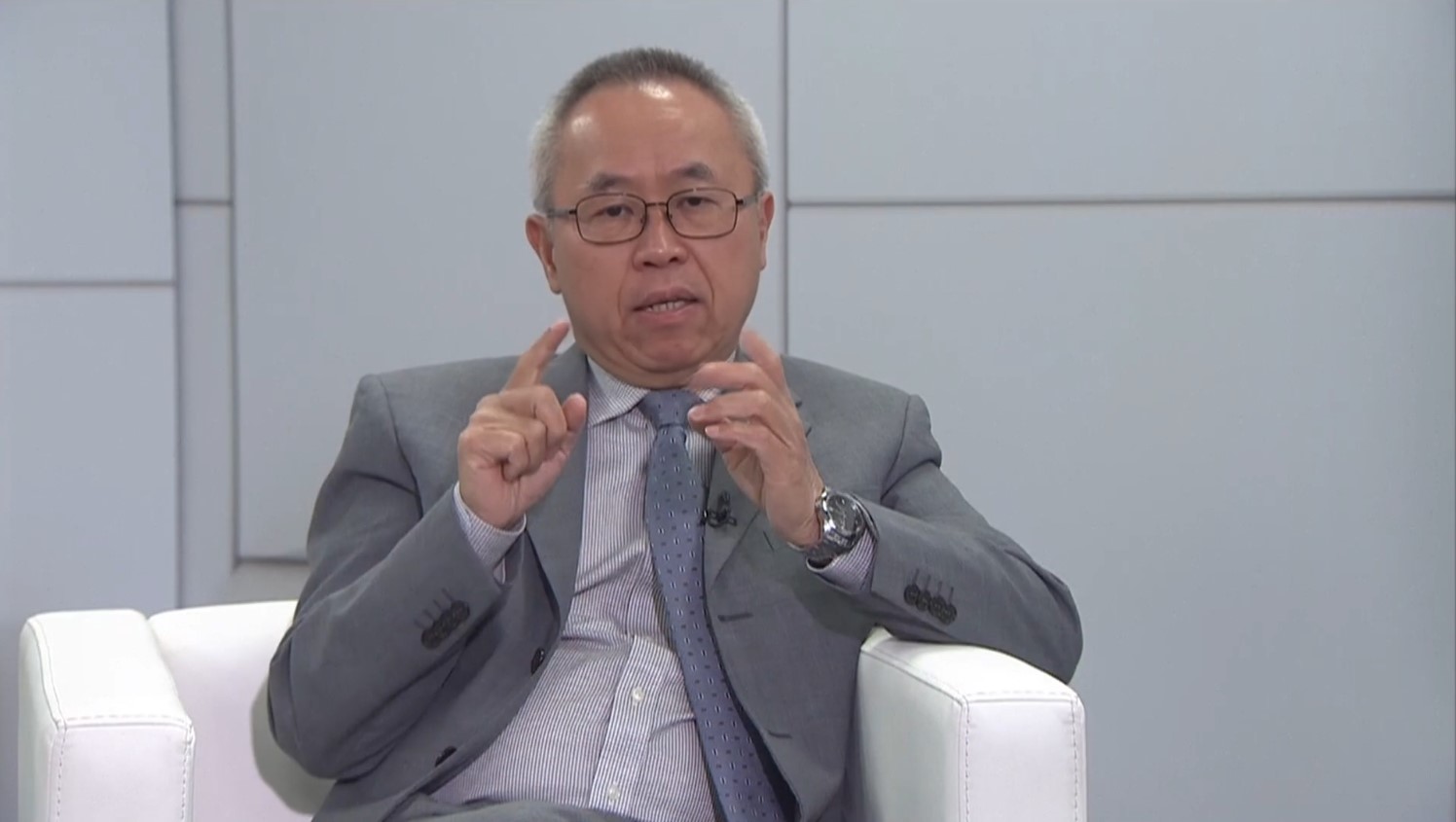
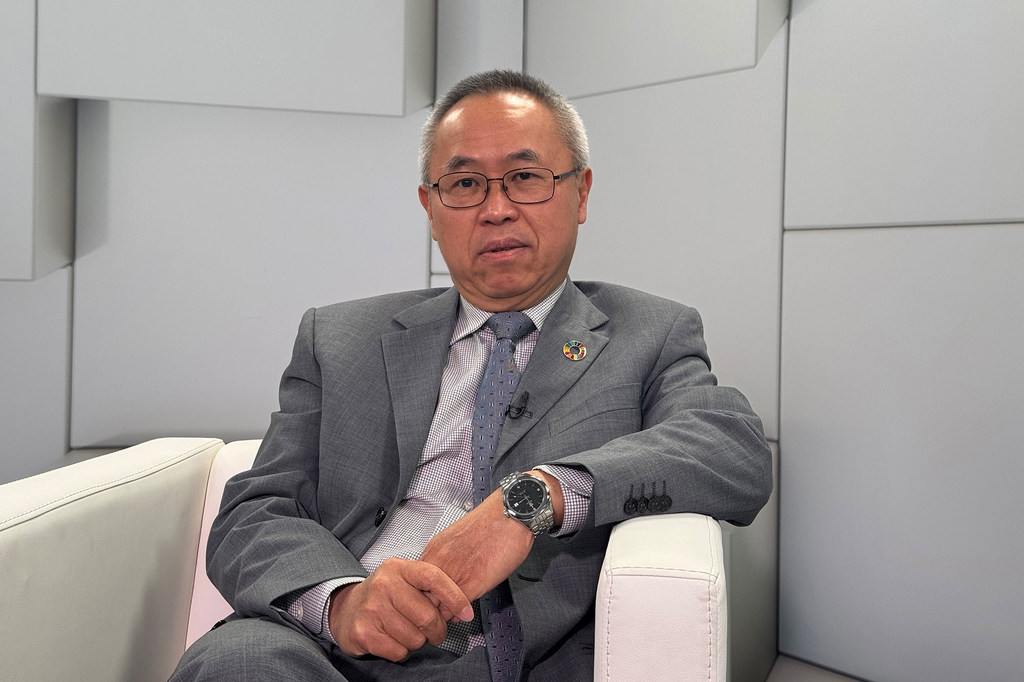
Secretary-General of the conference, Li Junhua – who’s in charge of the UN's Department of Economic and Social Affairs (DESA) – said the week in Sevilla is key moment to mobilise the resources necessary to build a just, inclusive and sustainable future.
The UN effort to finance development has been anchored in multilateralism and solidarity – but today, the whole framework is under “profound stress.”
He said never has sustainable development been so tested but the pact made in Sevilla puts people back at the centre.
“Sevilla is not an end point, it is a launch pad for a new era of implementation, accountability and solidarity.” UNDESA is ready to support all nations to translate the commitment into international action, he underscored.
President of the UN General Assembly Philémon Yang told delegates above all, “we need leadership to guide the world forward into a brighter more prosperous future for everyone, everywhere.”
He said the Sevilla framework will renew global partnership for the decade ahead and provide a focus on a debt burden which is crippling the developing world.
President of the UN Economic and Social Council Bob Rae said trust between countries had to be strengthened, because its absence “creates chaos.”
“Most of all I want to congratulate states for bringing forward the ambition, deepening engagement between financial institutions.”
The week represents a real commitment to action, he said.
Ajay Banga, President of the World Bank Group, told delegates ending poverty remains his key mission and the surge in population underway in developing countries requires resources “at an unprecedented scale and pace.”
He said everyone knew that governments, philanthropies and institutions are unable to meet every projection or promise – which is why the private sector is essential to the Sevilla Agreement so that capital can flow.
Mr. Banga added that the bank’s reforms of recent years are about being a better partner to the private sector and government clients.
Improving response time, boosting capital and systems of growth are key – but much more is needed to deliver for the next generation.
Exempt least-developed from punishing tariffs: WTO
Ngozi Okonjo-Iweala, Director-General of World Trade Organization said the conference was gathering at a time of unprecedented difficulty.
After decades of positive contributions, the global trading system has now been “severely disrupted” leaving exports so hampered by unilateral tariff measures and policy uncertainty that the WTO has sharply downgraded growth forecasts.
Further tariff barriers on 9 July – the deadline set by the US administration – will only make the contraction in global trade worse.
She reminded that the WTO has argued for the least developed nations and Africa overall to be exempted from the tariffs, “so we can better integrate them into the world trading system, not further exclude them.”
She said the Sevilla Agreement rightly recognises international trade as an engine of development.
“We therefore need to bolster stability and predictability in global trade,” through action at many levels that can grow national resources through exports, she told delegates.
IMF calls for broader tax base
Nigel Clarke, Deputy Managing Director of the International Monetary Fund (IMF), called for broadening the tax base, building strong financial management systems, coordinating support and addressing debt more sustainably.
“Many countries continue to struggle with high interest costs,” he said, calling on the international community to improve debt restructuring processes.
Through its capacity development, the Fund is equipping members to chart their own paths and is also providing financial support when they need it most, he added.
- Details
-
Category: English Media
-
Published: Thursday, 26 June 2025 09:34
-
Written by Eager
Celebrity Media Editor's Note: Commemorating the 80th anniversary of the founding of the United Nations holds profound and significant meaning, especially in light of the complex and multifaceted challenges facing the world today. This milestone is not only a reflection on the efforts made by the UN since its establishment in 1945, but also a renewed call to strengthen and redefine its mission for the future.
The UN’s 80th anniversary is more than just a historical landmark — it is a crucial moment for unity, transformation, and hope. It reminds us that only through consensus and cooperation can humanity rise to meet our shared global challenges and build a more just, peaceful, and sustainable future.
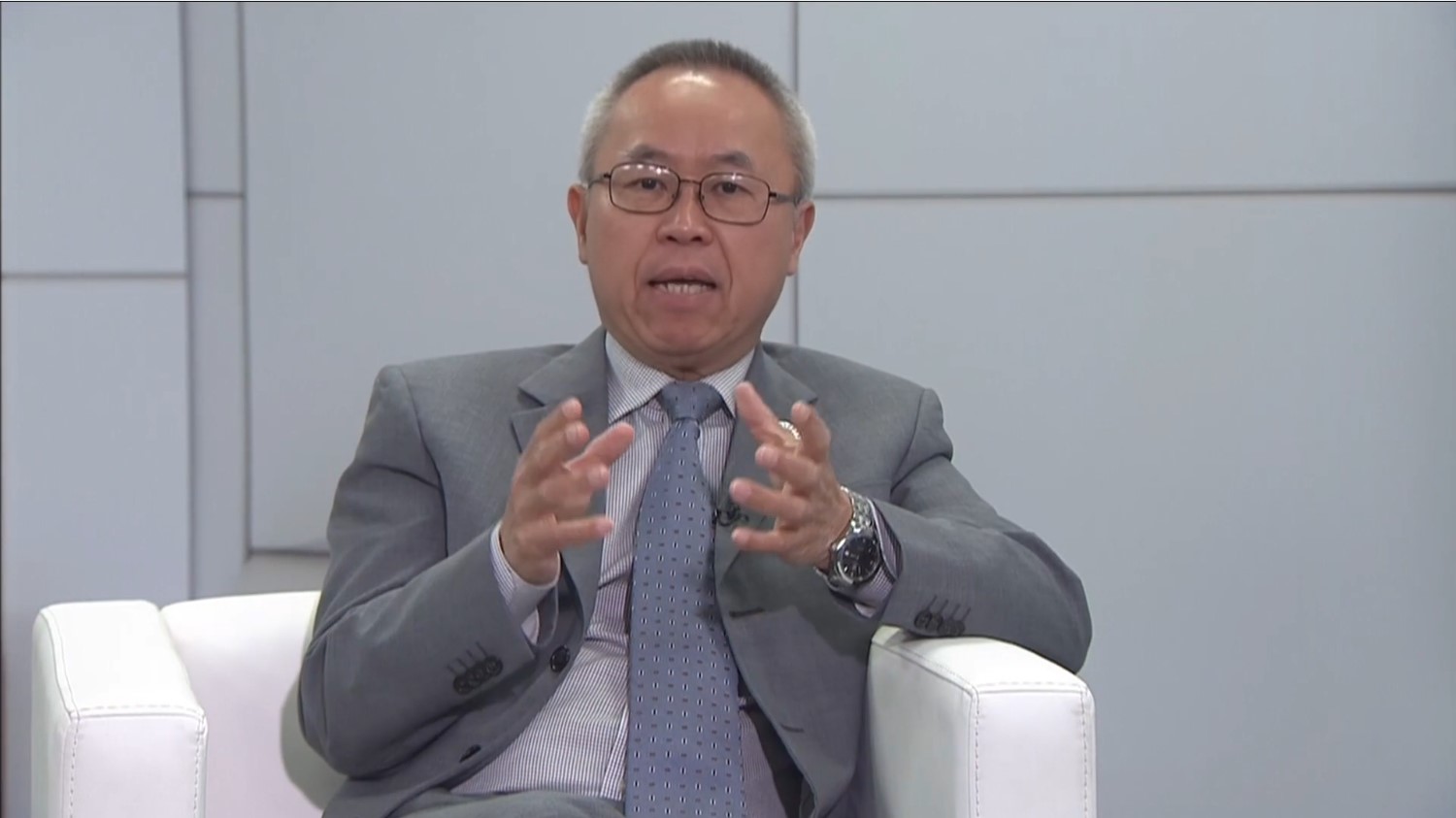
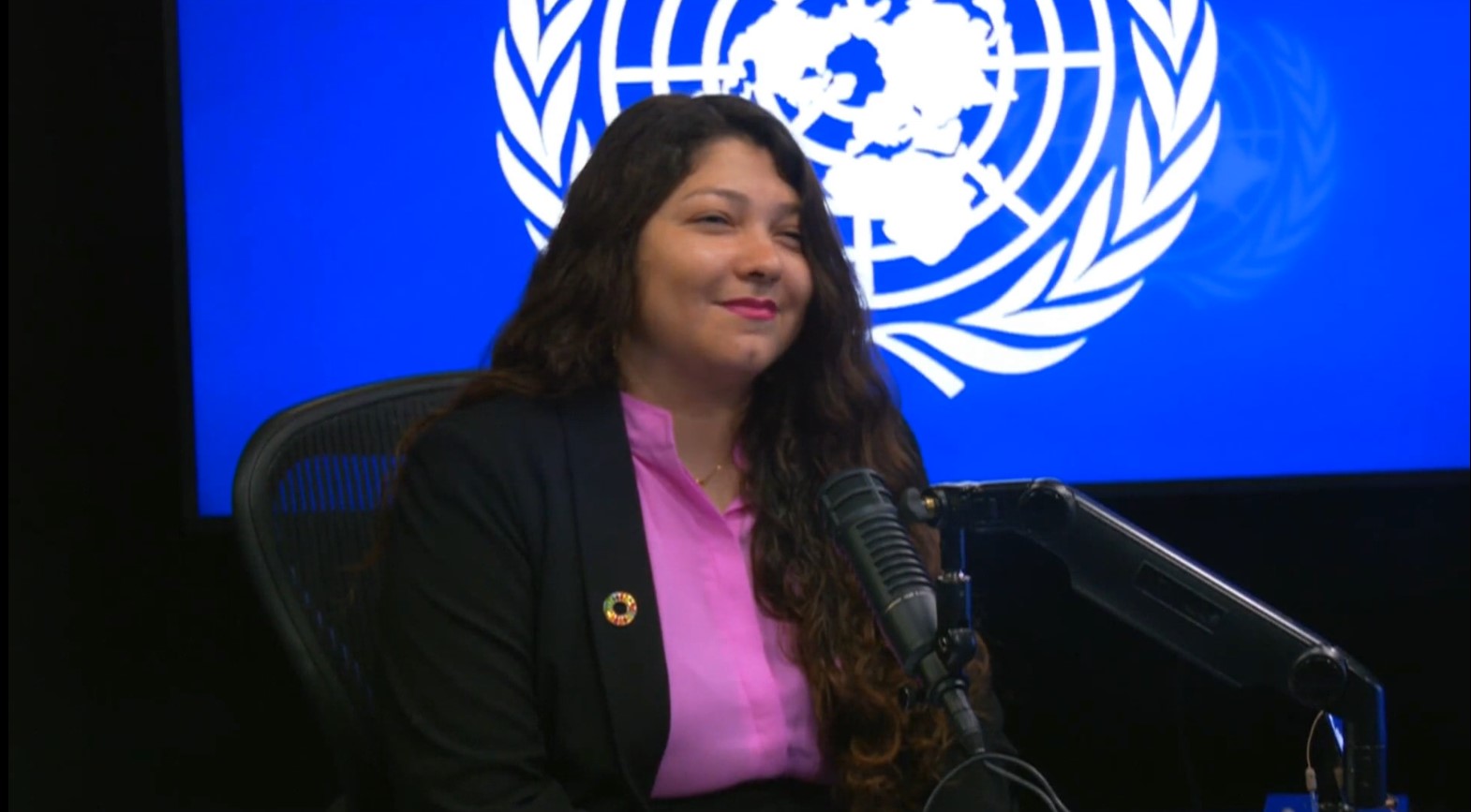
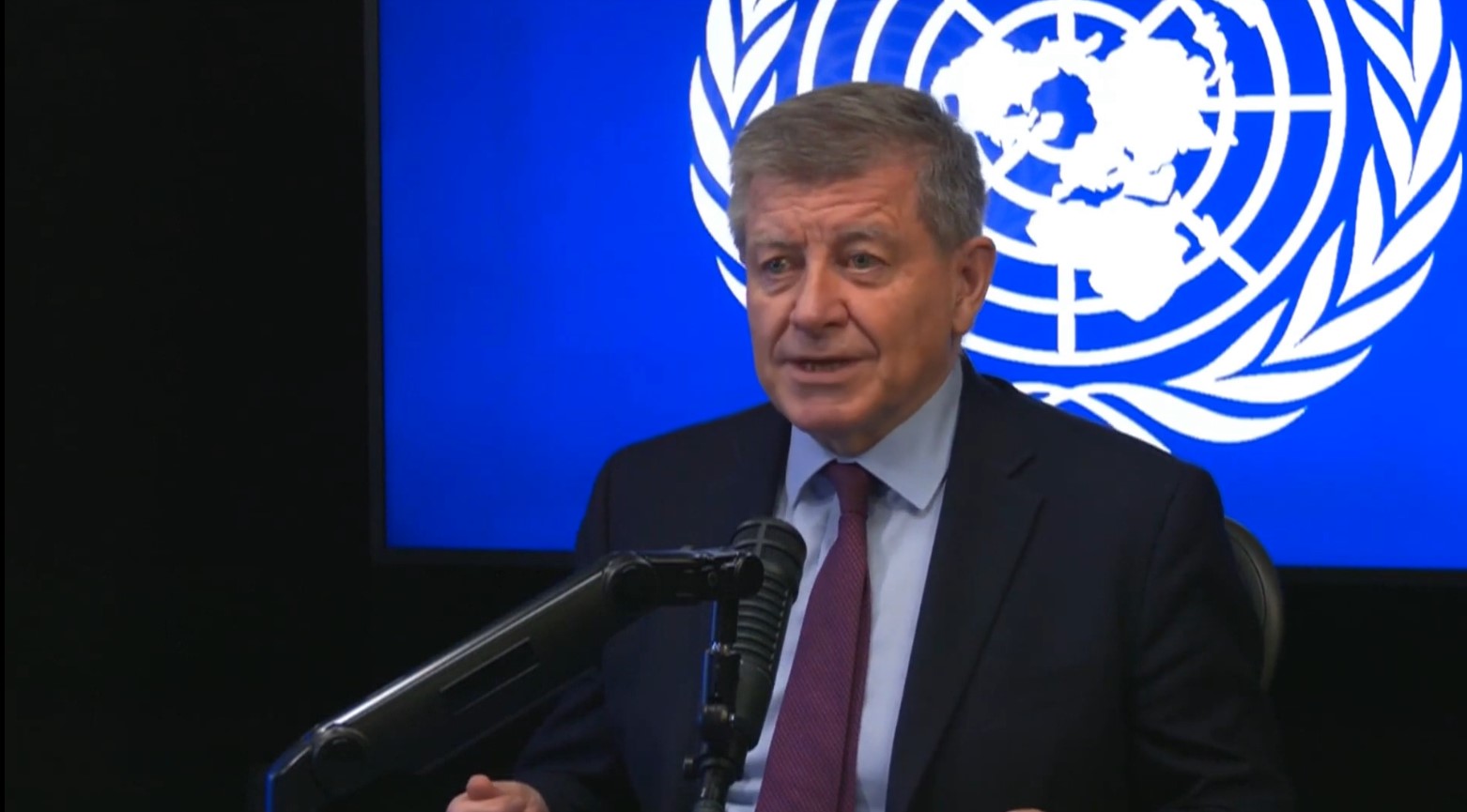
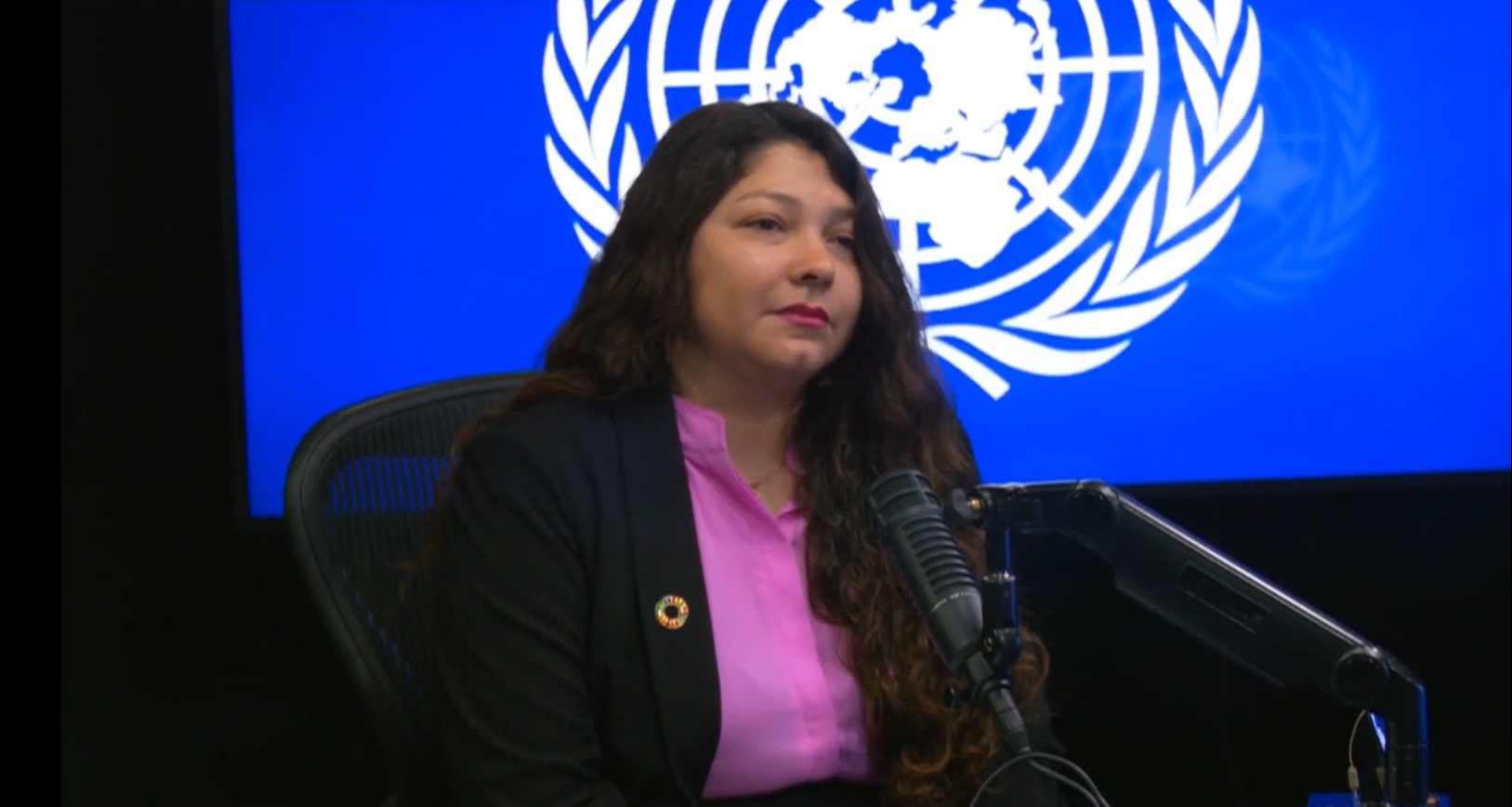
Guy Ryder, Chair of the UN’s 80th Anniversary Special Task Force, provided a comprehensive and insightful explanation of the UN80’s initiatives in an interview with Laura Quiñones. He emphasized that these efforts aim to “make the United Nations better and stronger,” and ensure it is “capable of effectively responding to the multiple challenges it faces.”
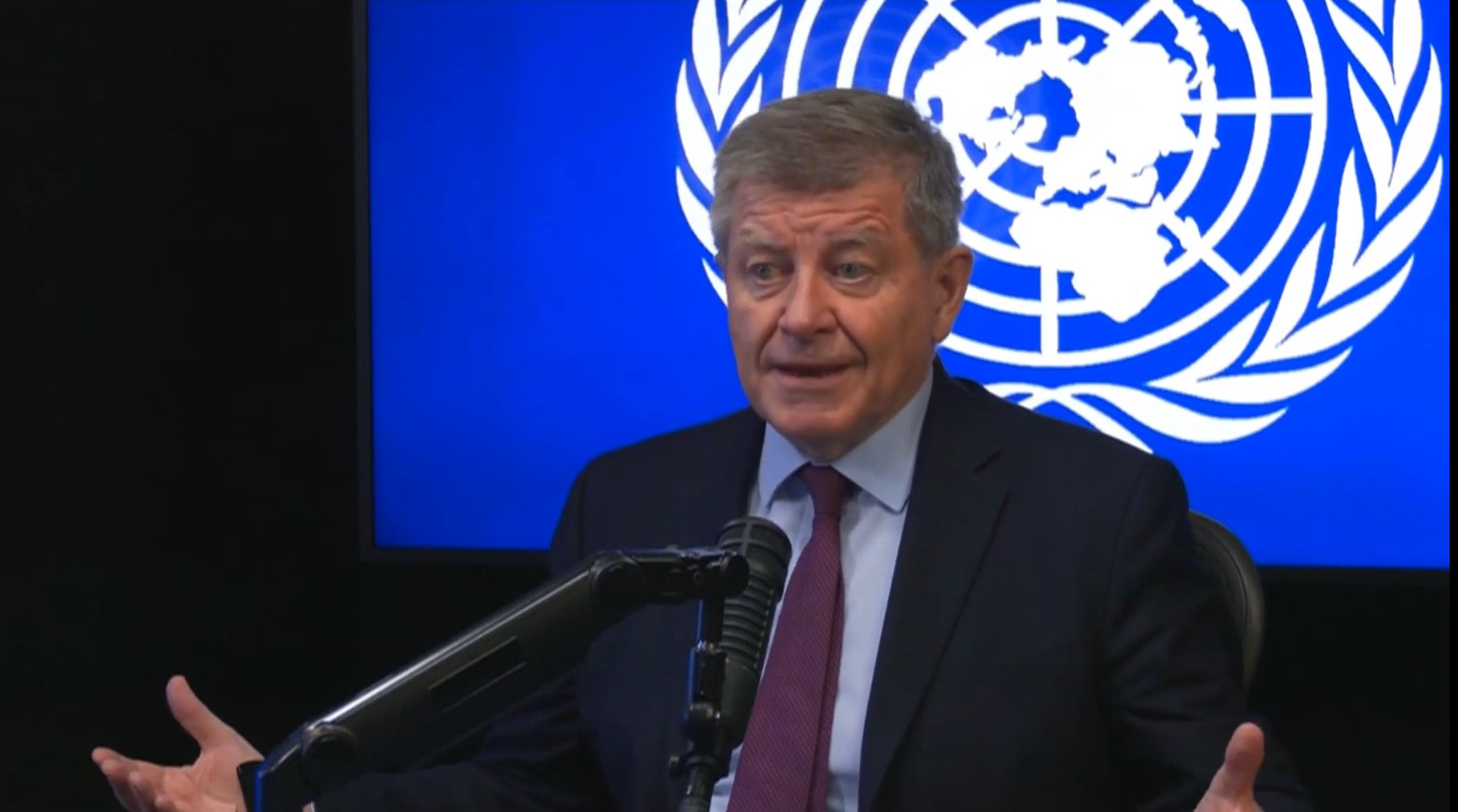
The Chair of the UN80 Task Force, Guy Ryder, said the objective of the initiative is “to make the UN better, to make it stronger,” and to enable the Organization “to respond effectively to the multiple challenges that are out there.”
As the United Nations marks its 80th anniversary this year amid overlapping global challenges – ranging from conflict, displacement, and inequality to climate shocks and rapid technological change – Ryder told UN NEWS’ Laura Quiñones that, “an eighty-year anniversary is a good time to take a look at yourself and see how fit for purpose we are, in a set of circumstances which, let's be honest, are quite challenging for multilateralism and for the UN.”
播放器加载中....
He said, “sometimes it's bad to define something by what it is not. But this is not simply a cost cutting, downsizing effort. Yes, we do face financial challenges. No need to avert our eyes from that. But we want to come out of this stronger. We want to see what we can do better.”
At the heart of UN80 are three major workstreams. The first is focused on improving internal efficiency, reducing fragmentation, cutting red tape, and optimizing the UN’s global footprint.
Ryder said, “we're looking at efficiencies and improvements within our existing institution arrangements. So, we are looking at ways that we can, as I've said, remove duplications; relocations of staff and functions is part of the story. We can make gains from moving from higher costs to lower cost locations. We can look at our business processes. Many of us who work in the system find the bureaucracies a little bit heavy, sometimes, a little bit frustrating. Why not look at those obstacles and try and move them away?”
The second workstream is a mandate implementation review, which involves examining nearly 4,000 mandates underpinning the UN’s work for 2025 alone. The third stream explores whether even deeper structural changes and programme realignment are needed across the UN System.
The UN80 Chair said, “we're looking at the substance of what we do, the mandates that we implement. So, it's the what as well as the how. And eventually, you know, we might want to look at the architecture of the United Nations system, at the different structures we have in place, which have grown over eight decades and have become quite complicated. Not a bad idea to have a look at those as well.”
The mandates, he stressed, “belong to Member States. They've decided on them. Only they can evaluate them,” adding that the Secretary-General “has a margin of decision making, he can do a certain number of things on his own authority, but for the most part, Member States will decide where this thing goes, and that's how it should be in a democratic, Member States driven organization such as the United Nations.”
Ryder said, “the success of UN 80 will be judged by the impact that the United Nations is able to have for all end beneficiaries, the people who need the support to the UN. And that could be in the field of peace and security, it could be on the humanitarian front - and you've mentioned some of the very, very brutal cuts that we've had to face there - or it could be in the area of sustainable development, the three pillars of the UN. And here's the point; the point is UN80 is designed to improve the impact and effect of multilateralism and the UN.”
A revised programme budget for 2026, due in September, is expected to include significant reductions in funding and posts for Secretariat entities — a consequence of persistent cash flow constraints linked to delayed contributions from Member States.
The Chair said, “we have to look at our budget. You know that the Secretary-General has stated his intention to have a revised budget for 2026, which will involve substantial cuts in both budget and in posts. That’s the reality that we are in. But it’s not one thing or another. It's not just downsizing and job reductions or effectiveness. We have to reconcile the two objectives of making ourselves financially sustainable in the difficult circumstances we find ourselves in, but also be attentive, as always, to the impact that we have in delivering on our responsibilities under the charter.”
Firstly, he continued, “in the revised budget that we will be put to Member States in September. So, the 26 budget will incorporate them – the process will go into 27 as well - and when Member States get the evidence of our mandate review, implementation review, they're going to have to decide what they want to do with it. Do they wish to set up an intergovernmental process - the Secretary general has mentioned this as a possibility already. We'll have to see.”
The Pact for the Future, adopted in the General Assembly last September, Ryder said, “gives us a great blueprint of the things that we need to be focusing on, the types of substance that can make us a forward-looking system.”
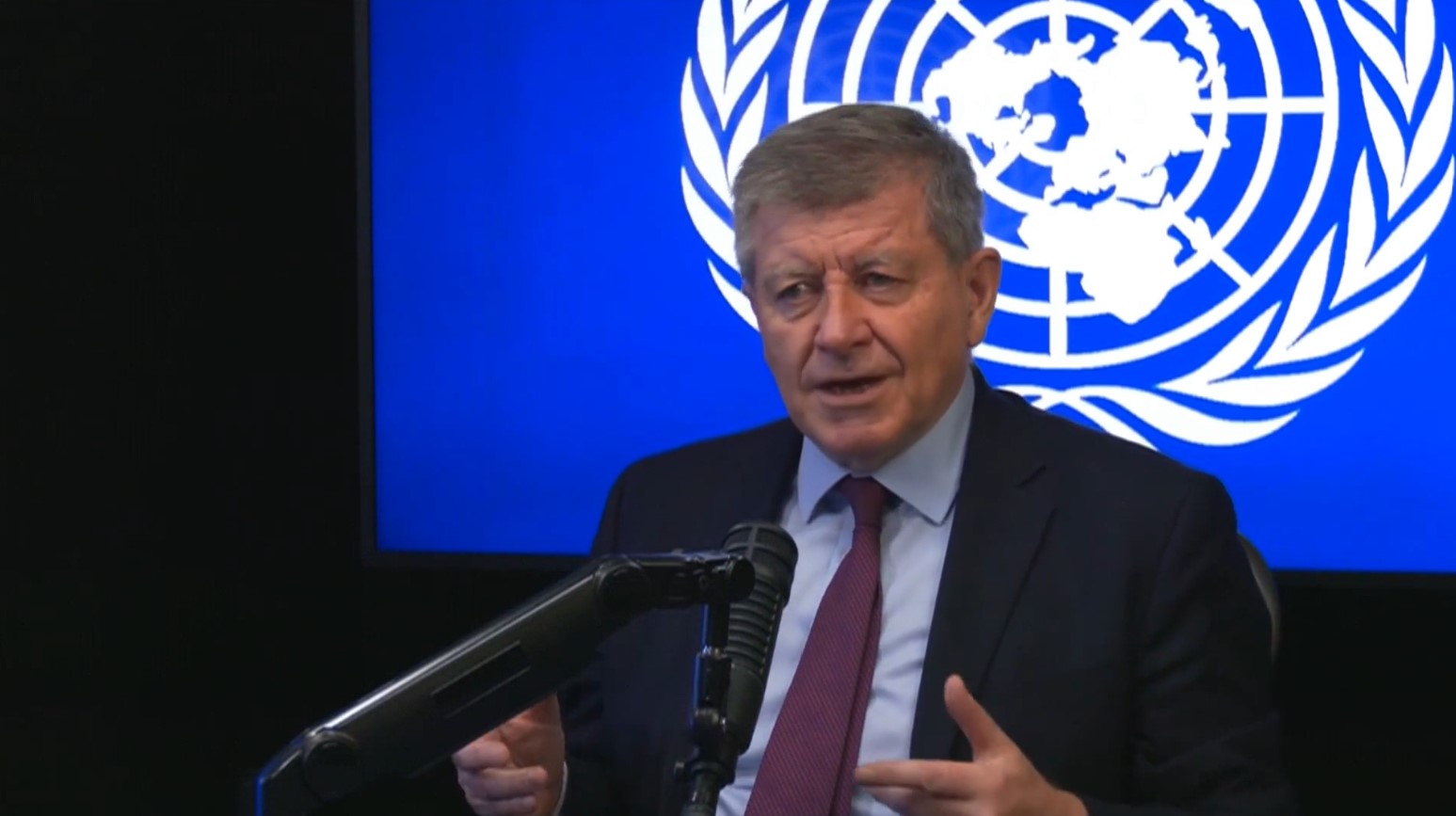
He recalled that the UN “had a look at this massive number of mandates back in 2006,” but “didn't quite give the results that we wanted,” but said, this time, “we've got the data analytical capacities. We're applying, artificial intelligence techniques. I think, to provide much more and better organized information to Member States, a more compelling case that could drive, I think, a productive process there.”
Success, Ryder said, “will be precisely a UN system which is able to deliver more effectively, which is able to gather strength and consolidate - use a word that you wish - trust in and support for multilateral action. A UN system which is sustainable, a UN system, which is able to convey to public opinion and to political decision makers that yes, this is an organization, this is a system, these are methods that are worth investing in.”
Secretary-General António Guterres launched UN80 as a system-wide multi-phased push to transform the United Nations and strengthen how it delivers for people around the world. It seeks to restore confidence in the UN’s capacity to respond to today’s while also responding to external pressures such as shrinking budgets and growing scepticism about the effectiveness of multilateral institutions.
To tackle reform across such a vast institution, the Secretary-General established seven thematic clusters led by senior UN leaders from across the system. These cover peace and security, humanitarian action, development (Secretariat and UN system), human rights, training and research, and specialized agencies.
Each cluster is expected to produce proposals to improve coordination, reduce fragmentation, and realign functions where needed. Several clusters have already submitted initial ideas. A broader set of proposals will follow in July.
Initial reform proposals are expected to be reflected in the revised 2026 UN budget to be presented to the Member States in September. A report on the mandate implementation review and a public mandate registry will follow in the next few months, and system-wide proposals for structural changes are expected later.





 UN News/Matt Wells