YoutubeCelebrity.TV

Celebrity Media Alliance

Six UN Languages News.

منصة وسائل الإعلام المشاهير تبث الأخبار يوم الاثنين باللغة العربية

名人媒体平台星期二使用中文播报新闻

The celebrity media platform broadcasts news on Wednesday in English

La plateforme médiatique des célébrités diffuse les nouvelles le jeudi en français

Медийная платформа знаменитостей вещает новости в пятницу на русском языке

La plataforma de medios de celebridades transmite noticias el sábado en español

Strong UN Better World! 联合国强大 世界更美好!

>
 
Video cover
 
 
联合国秘书长在世界人工智能大会上的发言
Audio cover
News Summary of the Election for the Tenth Secretary-General of the UN

English Media

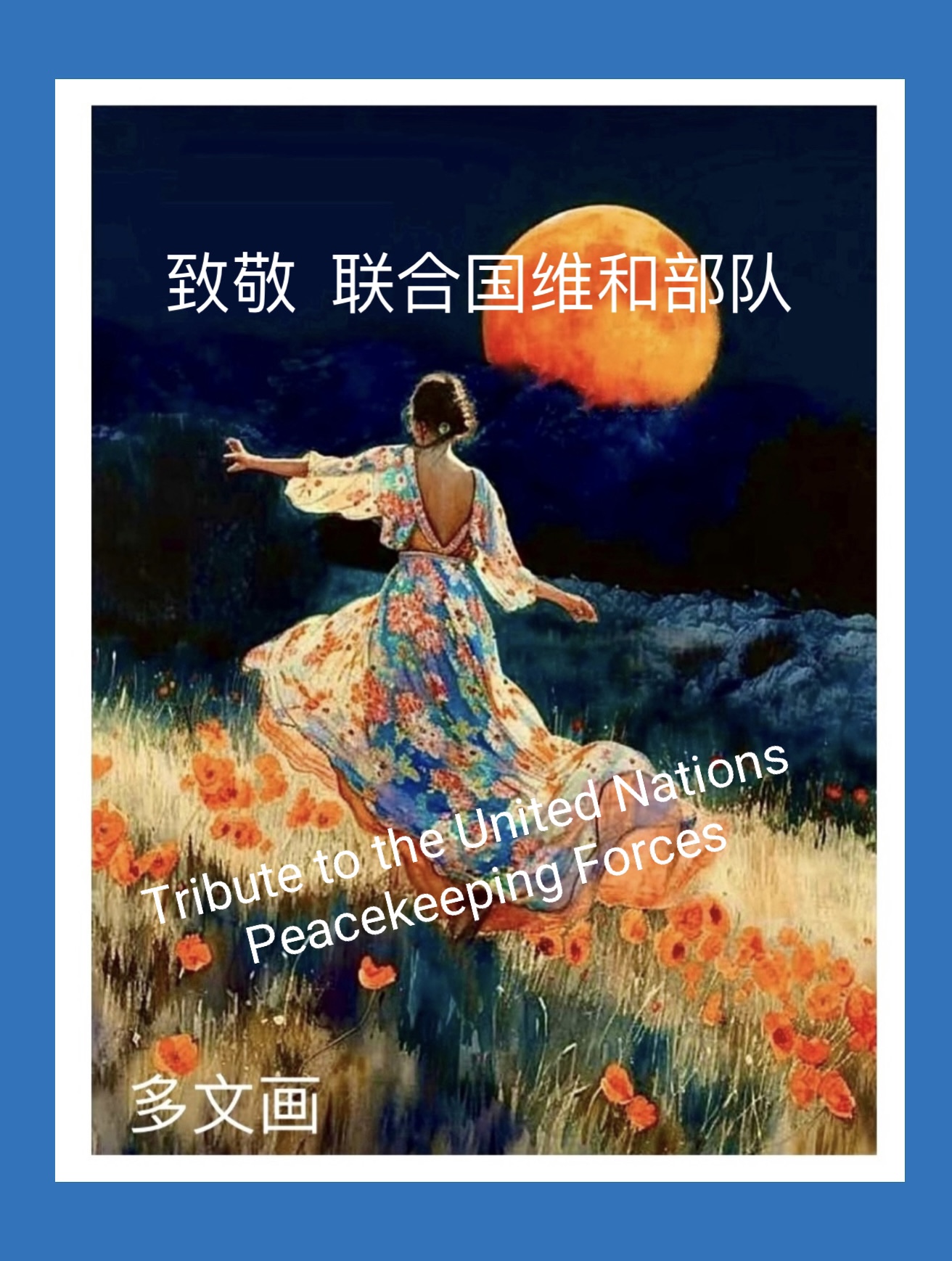
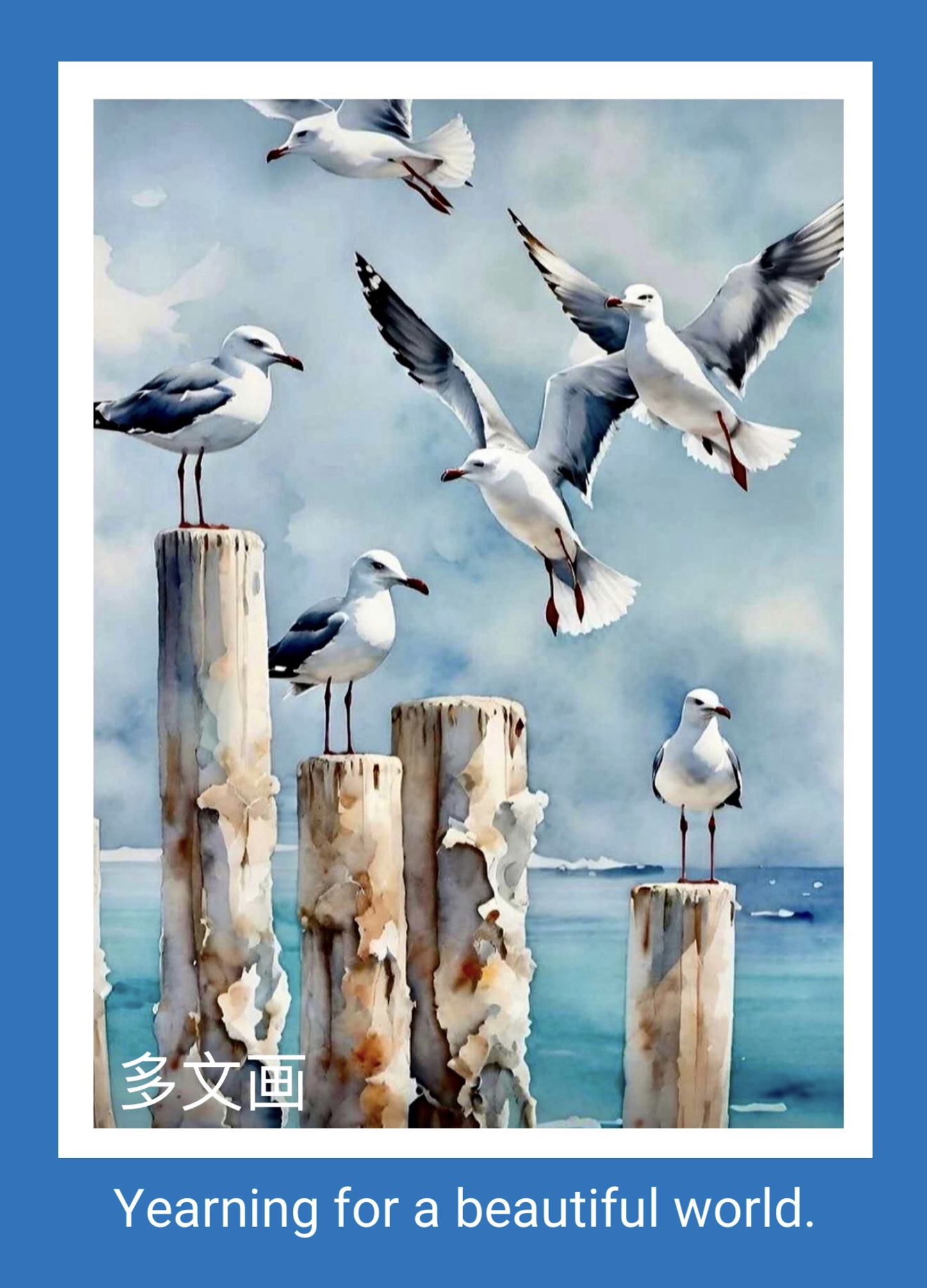
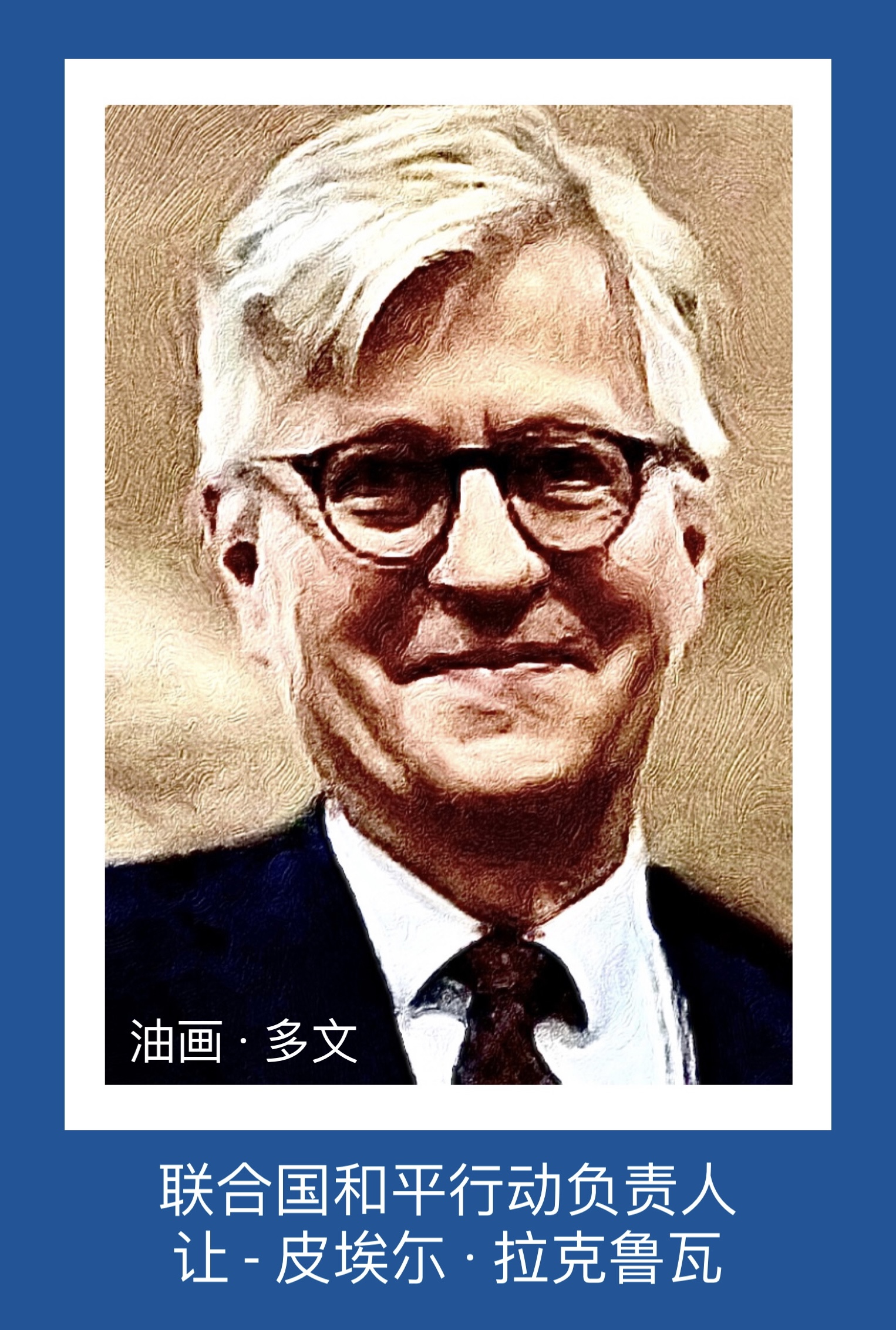
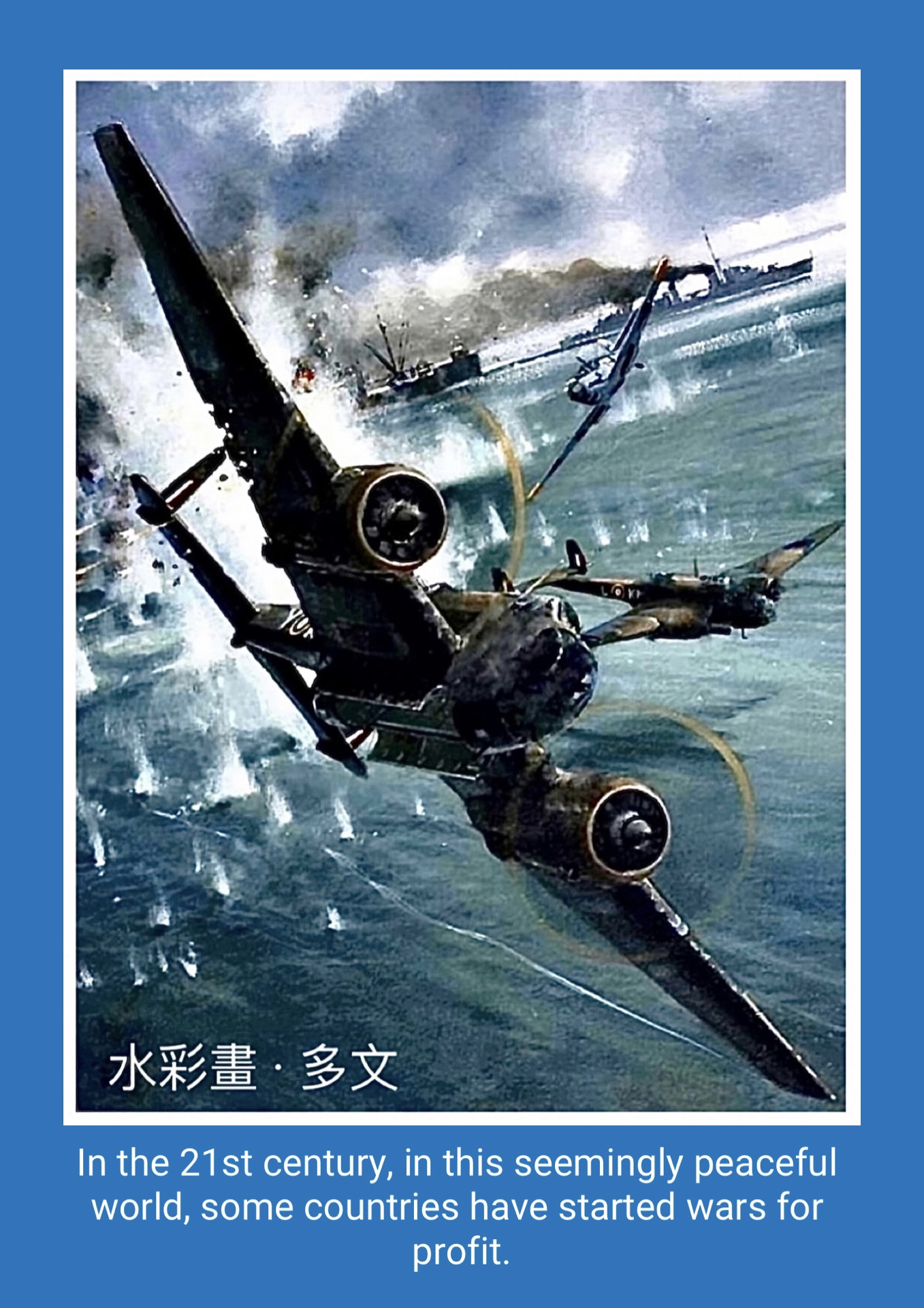
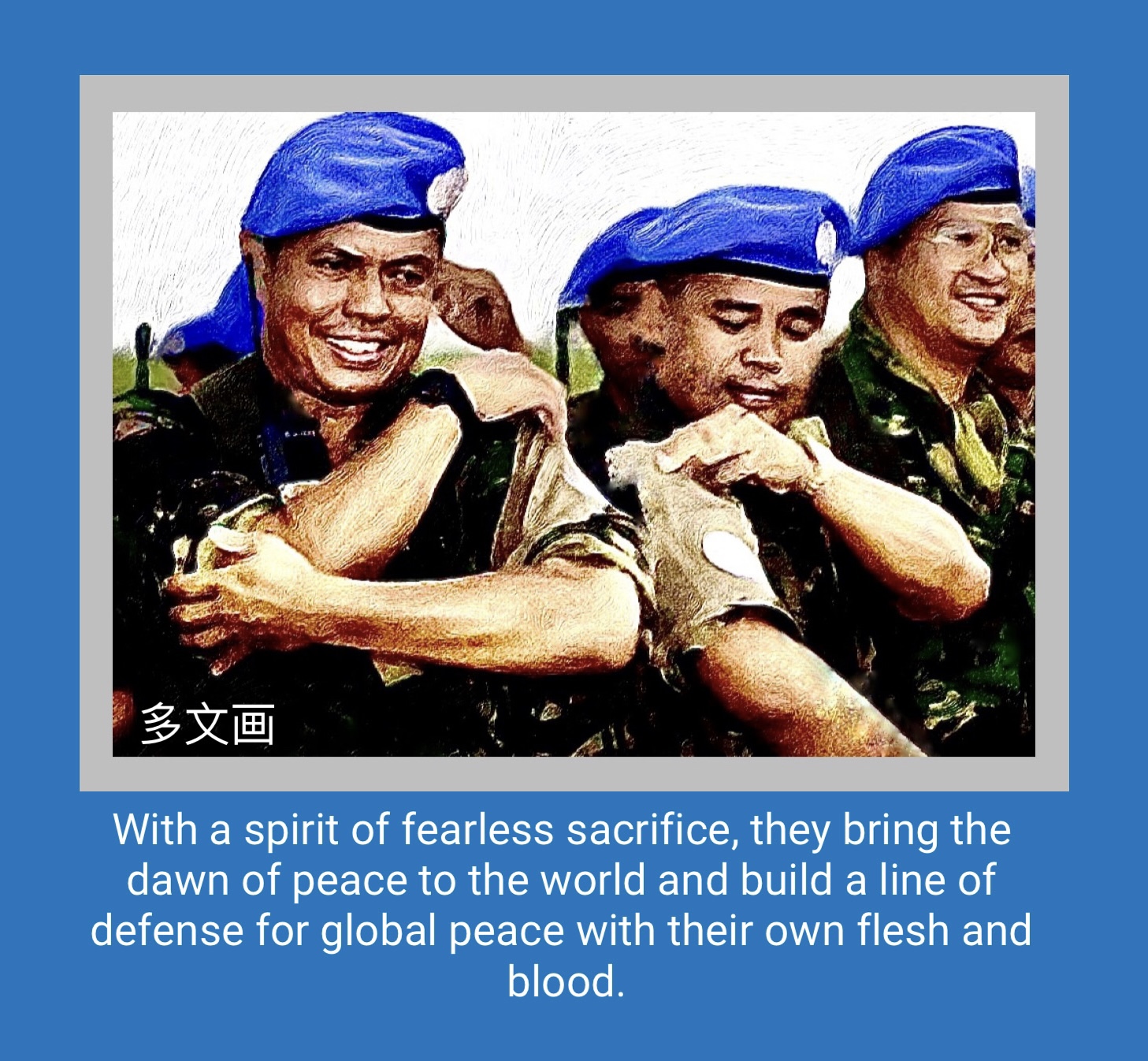
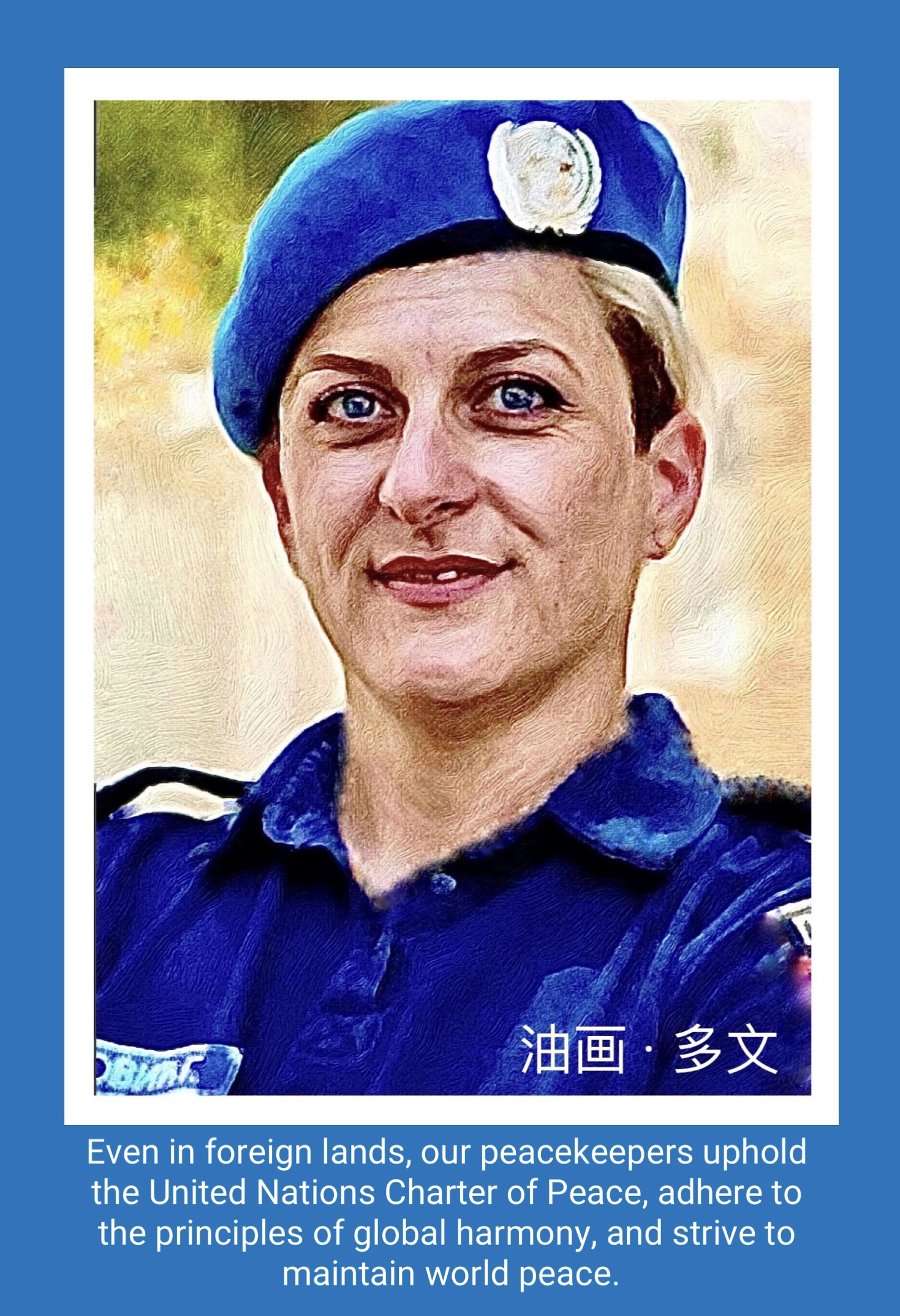
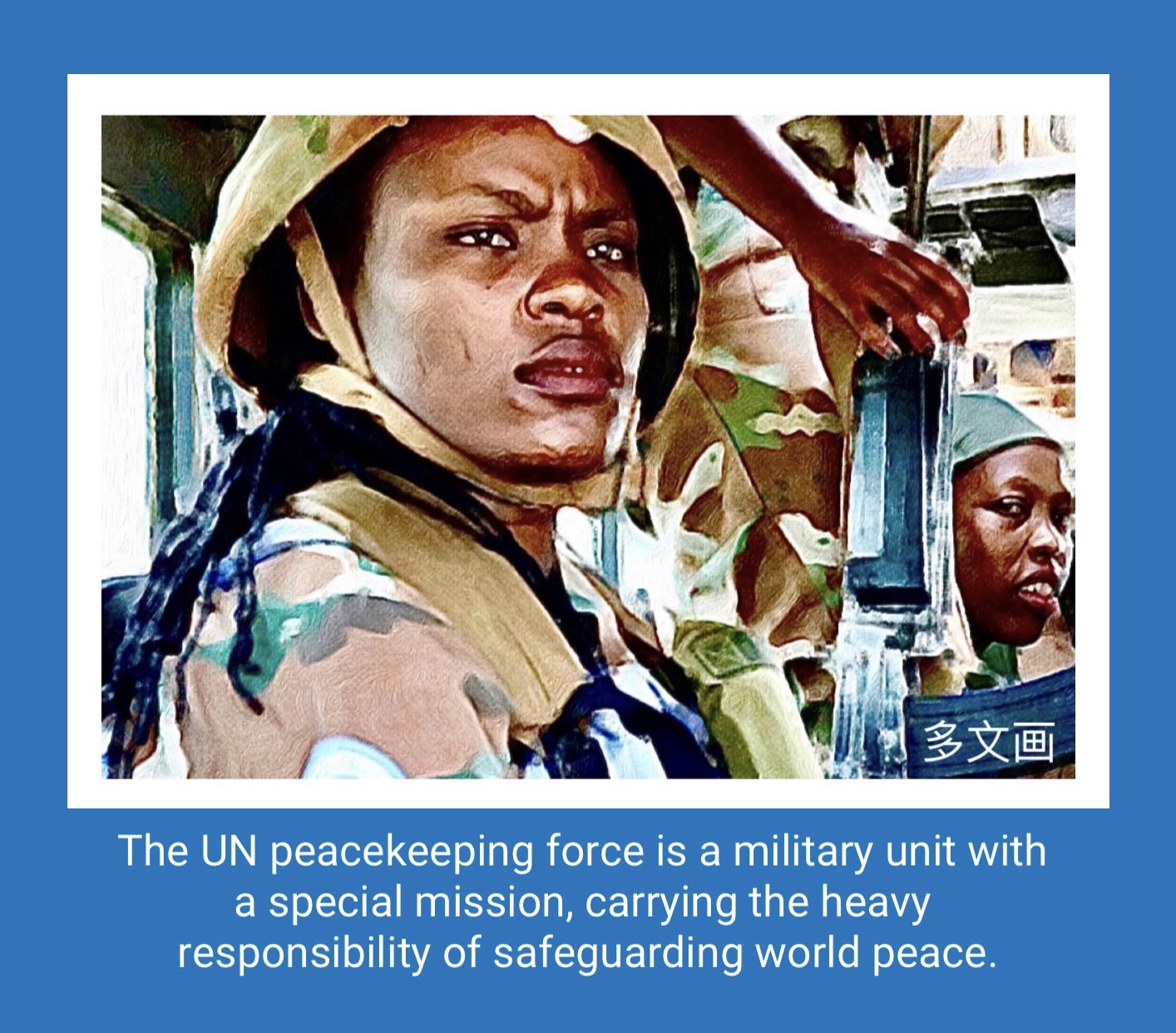
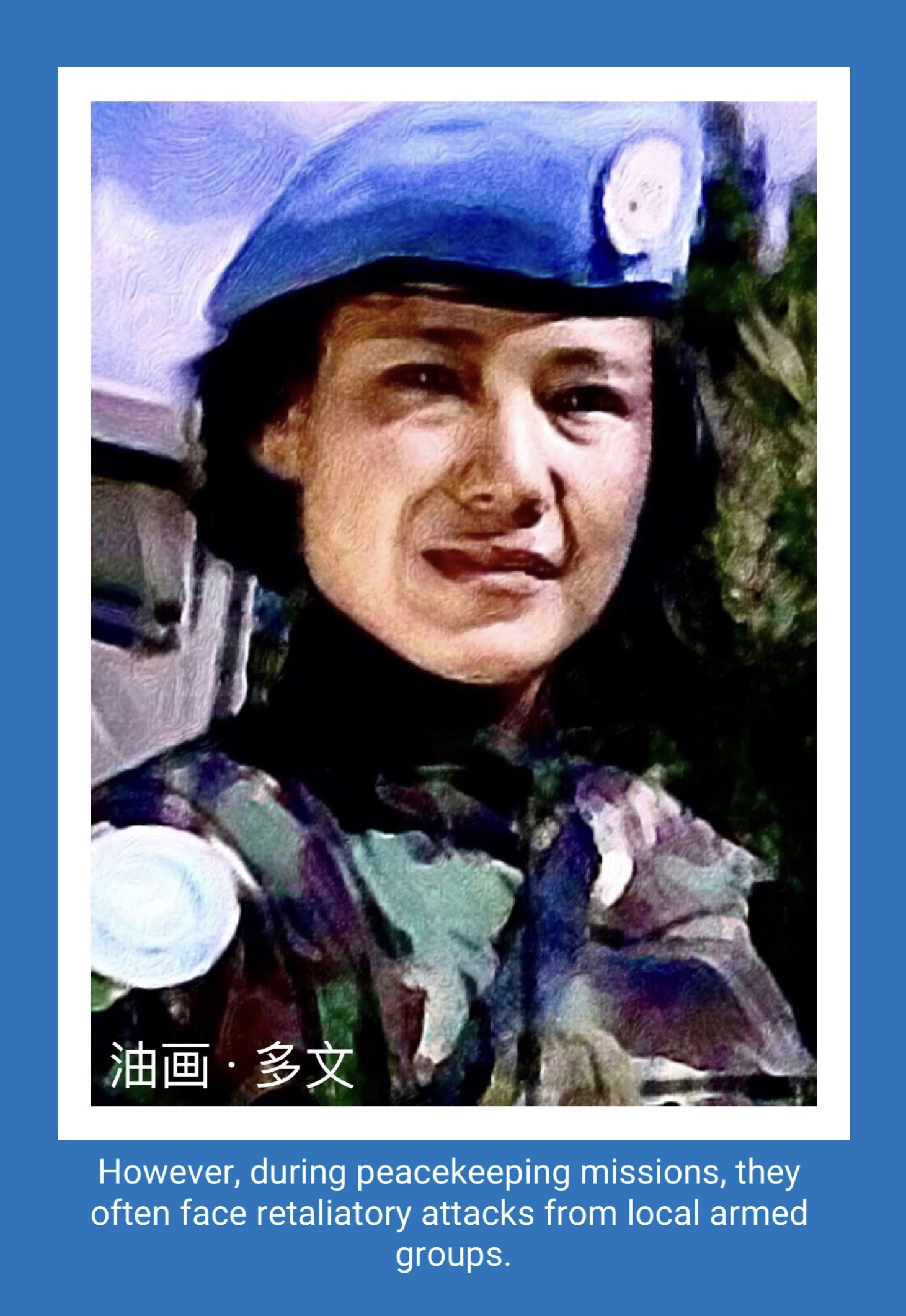
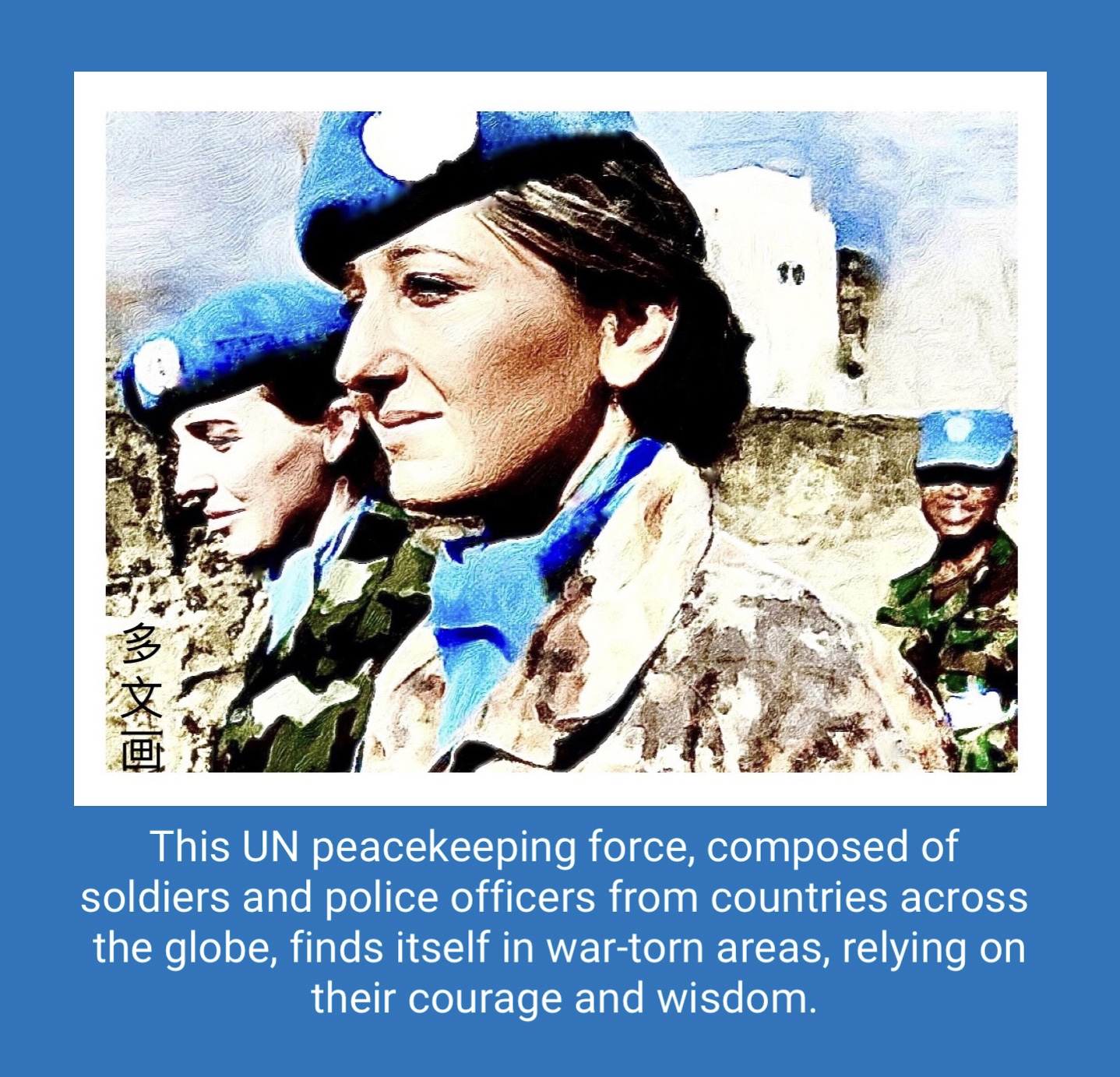
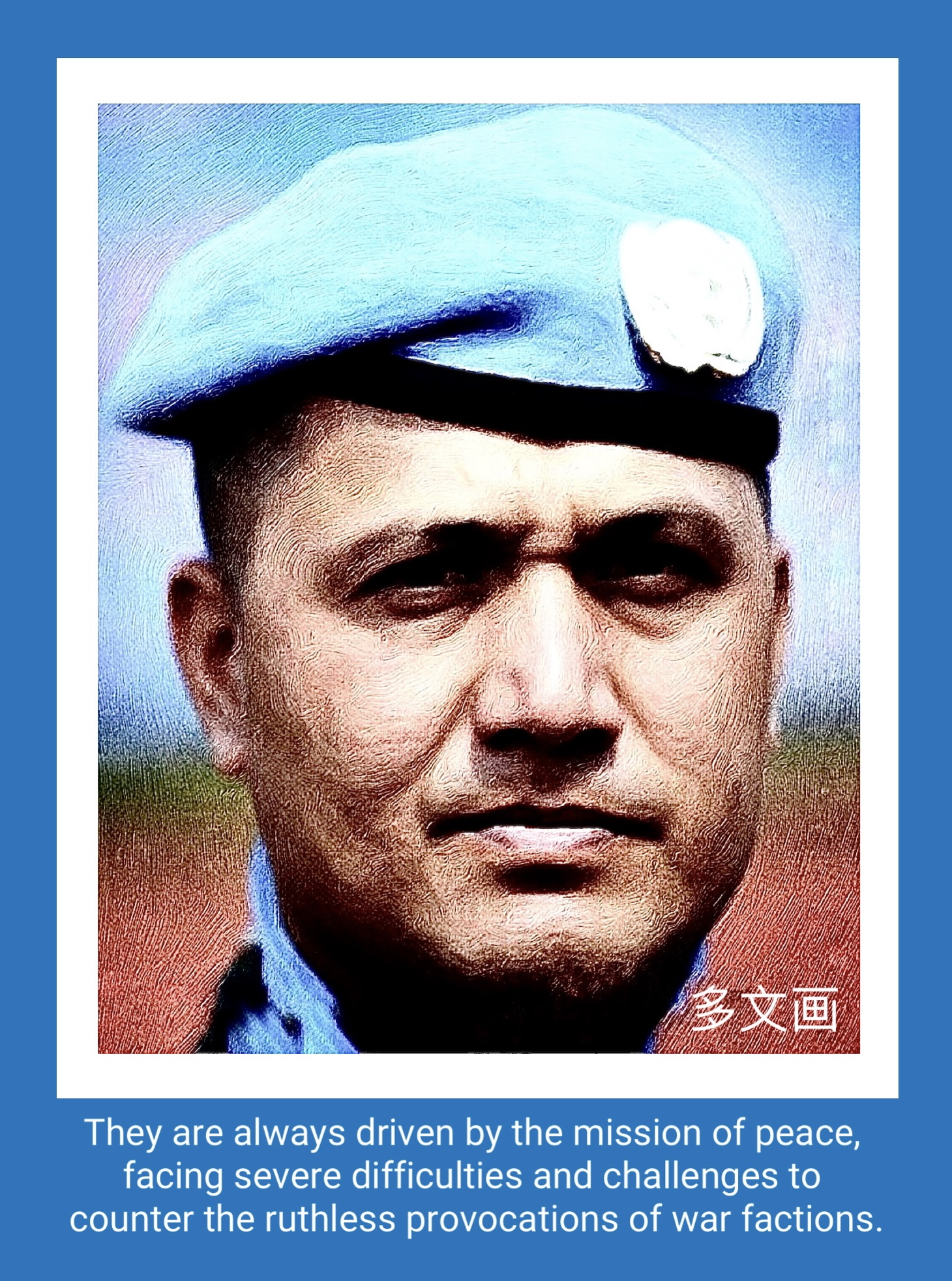
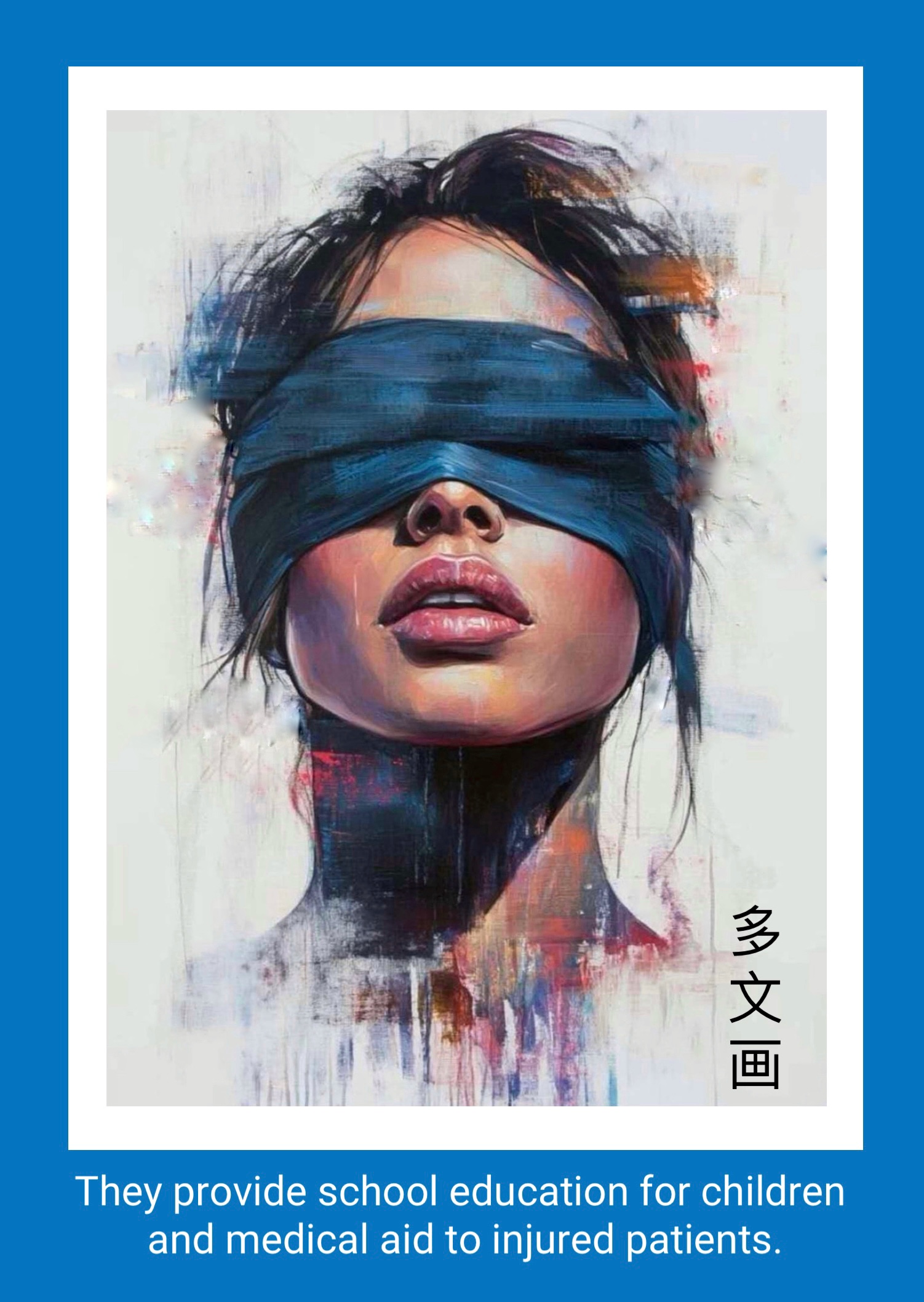
Renowned Hong Kong painter Ran Dowen interprets the outstanding contributions of the United Nations Peacekeeping Forces through his artwork.

Celebrity Media Editor's Note: The renowned Hong Kong painter, Ran Dowen, with profound artistic insight, vividly showcases the unique charm of the United Nations Peacekeeping Forces through his paintings. These works especially highlight the special roles and irreplaceable contributions of female soldiers in peacekeeping missions. Against the backdrop of complex and volatile international situations and shifting geopolitical landscapes, Ran Dowen uses artistic language to interpret the critical significance of female power in peacekeeping. These paintings resonate with the efforts of UN Under-Secretary-General for Peace Operations Jean-Pierre Lacroix, who is about to embark on diplomatic mediation in the Middle East.

Over the years, Ran Dowen has consistently used art as a medium, creating works in response to commemorative events and key issues addressed by the United Nations at various times. Through vivid artistic expressions, he has showcased the tremendous efforts and outstanding contributions of UN officials and organizations at all levels in promoting world peace and resolving international affairs. These works not only intertwine art and reality but also become precious records of the times and history for the United Nations.

The 79th United Nations Commission on the Status of Women is set to convene in March. Ran Dowen’s paintings depicting the participation of female peacekeepers not only highlight their efficiency in executing peacekeeping missions but also demonstrate their unique strengths in humanitarian care and cultural communication. From interacting with local women and children to preventing gender-based violence and carrying out special tasks, female soldiers embody meticulousness, courage, and wisdom, becoming bridges of peace and symbols of hope. Their presence injects diversity and inclusivity into peacekeeping forces, inspiring more women to engage in peace endeavors and advancing the implementation of the UN's "Women, Peace, and Security Agenda."

Ran Dowen’s works pay tribute to these unsung heroes of peace efforts, using visual art to inspire greater attention and support for gender equality and peacekeeping missions. While appreciating these works, we also hope more women can step forward and contribute to a peaceful and beautiful future for the world.

Player loading...

Player loading...


Celebrity Media Commentator: The Vision for Middle East Peace and the Crucial Role of the United Nations in Mediation and Diplomacy

Celebrity Media Commentator: Recently, UN Secretary-General António Guterres delivered a series of important speeches during his visit to Lebanon, discussing the Middle East peace process. These speeches not only brought hope to Lebanon but also outlined the direction for the peace process in the region. Against the backdrop of global turmoil, the Middle East issue is closely linked to the Israeli-Palestinian ceasefire agreement, the Russia-Ukraine war, and the new U.S. administration led by Donald Trump, highlighting the importance and role of the UN in this era of multipolar challenges.

Loading player...


Middle East Peace and Global Power Shifts

On January 20, 2025, Donald Trump resumed the U.S. presidency, marking a new shift in American foreign policy. During his previous term, Trump adopted a harsh and unbalanced approach to Middle East issues, exacerbating the Israeli-Palestinian conflict and undermining regional stability. With the start of his second term, the direction of Middle East issues has become a focus of international attention.

Meanwhile, the Israeli-Palestinian ceasefire agreement has provided a temporary respite, but history has shown that such agreements are often fragile. During his visit, Guterres emphasized the importance of the withdrawal of Israeli forces and the deployment of Lebanese forces in the south, which is crucial for stabilizing the situation and part of the multilateral coordination logic behind the ceasefire agreement. However, achieving lasting peace in the Middle East requires stronger international coordination, not just temporary compromises.

On the other hand, the Russia-Ukraine war has added more uncertainty to global dynamics. This war has not only diverted international attention from Middle East issues but also led to energy price fluctuations, exacerbating the region's economic crisis. For Lebanon, which is heavily affected by fluctuations in the international energy market, this period is critical for its political and economic recovery. In this context, the role of the UN in mediation and support becomes even more significant.

Opportunities for Stability Amid Fragile Peace

Guterres described the ceasefire in southern Lebanon as "fragile but sustained," aptly summarizing the current state of the Middle East peace process. Lebanon's future is closely tied to the trajectory of the Israeli-Palestinian conflict, which also reflects regional and international balance. The gradual withdrawal of Israeli forces, the deployment of Lebanese forces, and international support for Lebanese sovereignty are the three fundamental pillars of peace in the region. However, military solutions alone are insufficient to achieve peace; they must be accompanied by economic reconstruction and enhanced social trust.

The election of a new president and the appointment of a new prime minister have brought hope for improved governance in Lebanon. However, as Guterres pointed out, "the future remains challenging." These challenges include rebuilding internal political systems, balancing responses to major power competition, and regional divisions. This balance not only determines Lebanon's future but also the stability of the entire Middle East.

The Role of the UN and the Future of Global Cooperation

In an era of complex and multifaceted conflicts, the UN, as an important international organization, is playing an increasingly vital role. Whether coordinating multilateral negotiations on the Russia-Ukraine war or promoting peace in the Middle East, the UN faces dual pressures: on one hand, widening differences in member states' interests; on the other, limitations on the UN's ability to manage global affairs. Guterres's visit to Lebanon was not only a direct intervention for peace in the region but also a declaration that the UN remains a core pillar of international peace and security.

Furthermore, Guterres's support for the United Nations Relief and Works Agency for Palestine Refugees in the Near East (UNRWA) reflects the UN's moral commitment to protecting vulnerable populations. The long-neglected issue of Palestinian refugees remains an important part of Middle East peace. Supporting them demonstrates the importance of global cooperation—true peace cannot be achieved without protecting the rights of vulnerable groups.

From the Middle East to the World: The Shared Destiny of Peace

From the ceasefire in southern Lebanon to the complexity of the Israeli-Palestinian conflict, and the impact of the Russia-Ukraine war, the Middle East peace process has never been detached from globalization. Today, peace and conflict are not merely regional issues but reflections of power struggles on the international stage. Guterres's visit reminds us that hope for peace always exists, but achieving peace requires the joint efforts of all parties.

In the current situation, how the new U.S. administration addresses Middle East issues and whether the Russia-Ukraine war could escalate into a broader conflict will profoundly affect the Middle East's future. For the UN, its role as an international mediator must be based on strengthening multilateralism and advancing global cooperation toward peace.

History teaches us that peace is not achieved overnight. It requires compromise, cooperation, and patience. The Middle East, a land of immense potential, continues to nurture countless hopes despite enduring prolonged suffering. Against the backdrop of international commitment to dialogue and cooperation, the dawn of peace will illuminate this ancient and turbulent land. Lebanon's future will continue to witness the importance of global peace.


Lebanon/Israel: Calls for the withdrawal of the Israel Defense Forces from the Blue Line - Security Council Briefing in Six languages

播放器加载中....

لبنان/إسرائيل: دعوات لانسحاب قوات الدفاع الإسرائيلية من الخط الأزرق - إحاطة مجلس الأمن | الأمم المتحدة

播放器加载中....

黎巴嫩/以色列:呼吁以色列国防军撤出蓝线——安理会简报 | 联合国

播放器加载中....

Liban/Israël : Appels au retrait de l'armée israélienne de la Ligne bleue - Briefing du Conseil de sécurité | Nations Unies

播放器加载中....

Ливан/Израиль: Призывы к выводу Армии обороны Израиля с Голубой линии - Брифинг Совета Безопасности | Организация Объединённых Наций

播放器加载中....

Líbano/Israel: Llamados a la retirada de las Fuerzas de Defensa de Israel de la Línea Azul - Informe del Consejo de Seguridad | Naciones Unidas

Trump Re-elected as U.S. President: The Intersection of Faith and Public Will

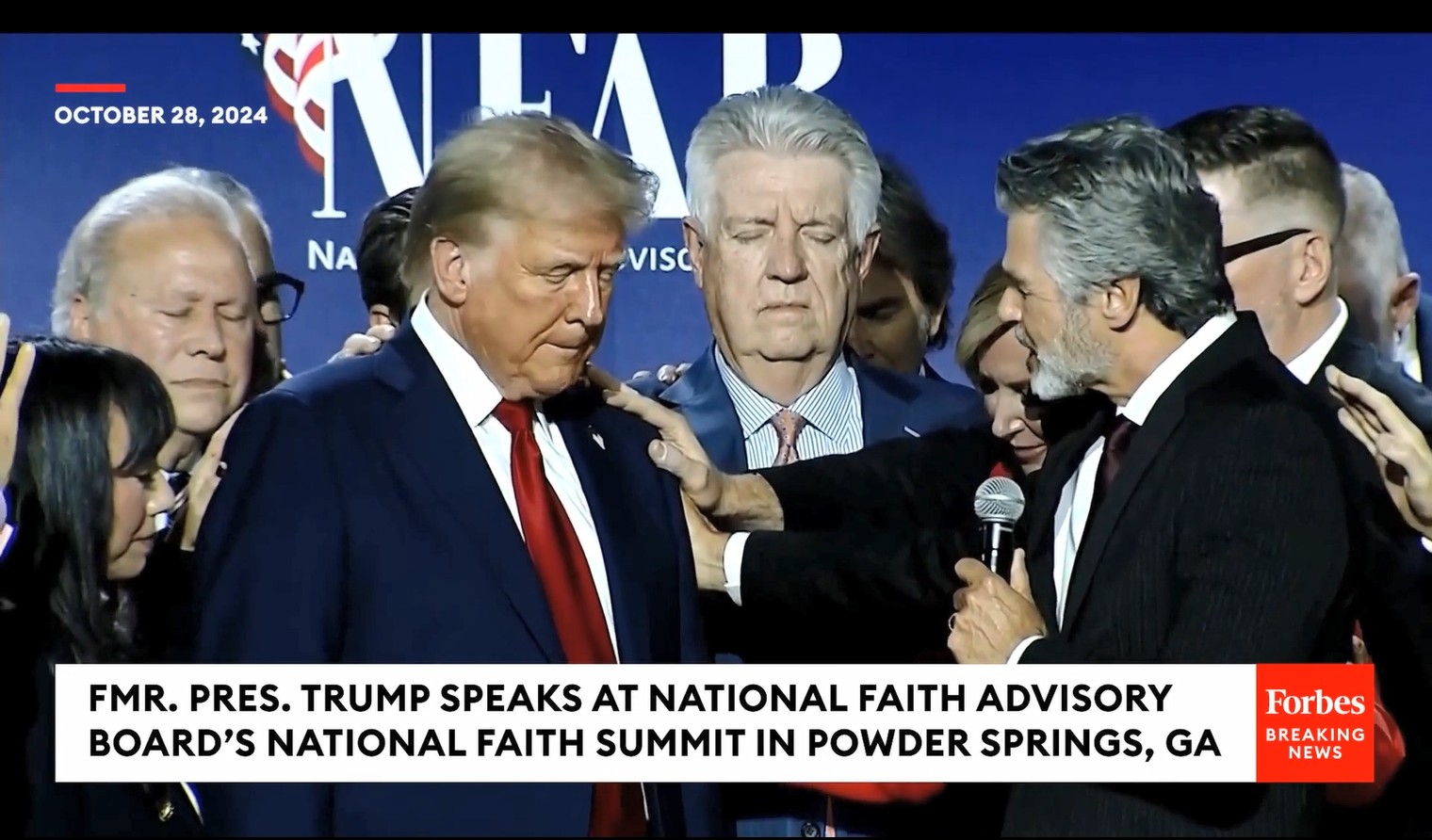
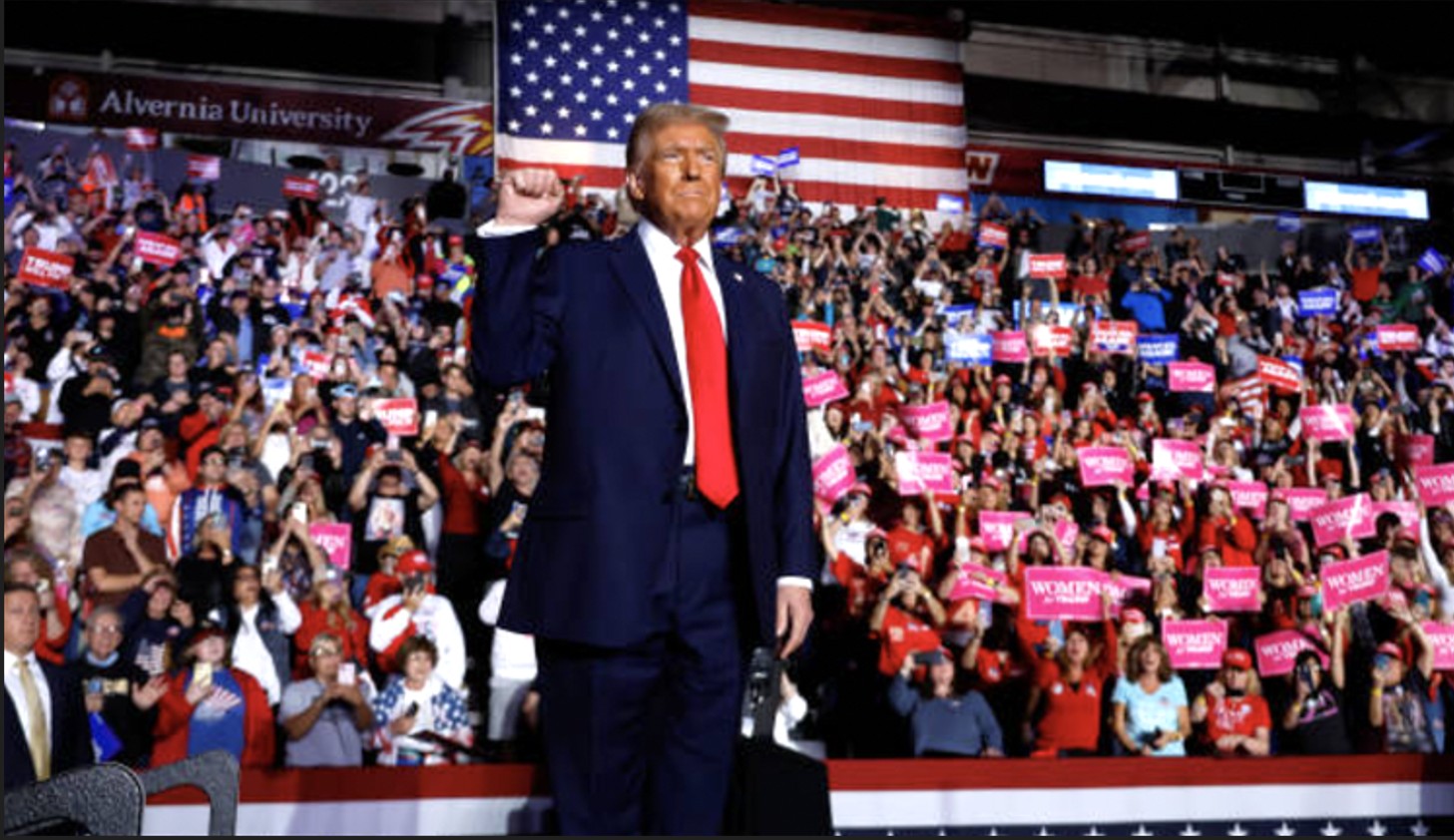
Celebrity Media Commentator: The 2024 U.S. presidential election concluded with Donald Trump being re-elected, a result that has drawn great attention among believers worldwide. For many, this is not just a political victory but a demonstration of faith and public will. Trump's voting results indicate that he not only gained broad public support but also allowed many to see the boundless power of God's will.

Trump won massive voter support in the election, representing the intersection of faith and public will, especially in the U.S.'s traditional "Bible Belt" region, where voters of faith demonstrated significant strength at the polls. They believe Trump's firm stance on protecting religious freedom, opposing abortion, and defending traditional family values is a crucial step toward bringing America back to its Christian foundation.

Data shows that Trump’s vote share was overwhelmingly high among voters of faith, particularly evangelical Christians, Catholics, and other conservative believers. Their voting behavior was not just an endorsement of Trump's policies but also a response to God's will. For many, Trump's victory is seen as an act of God manifested through public will.

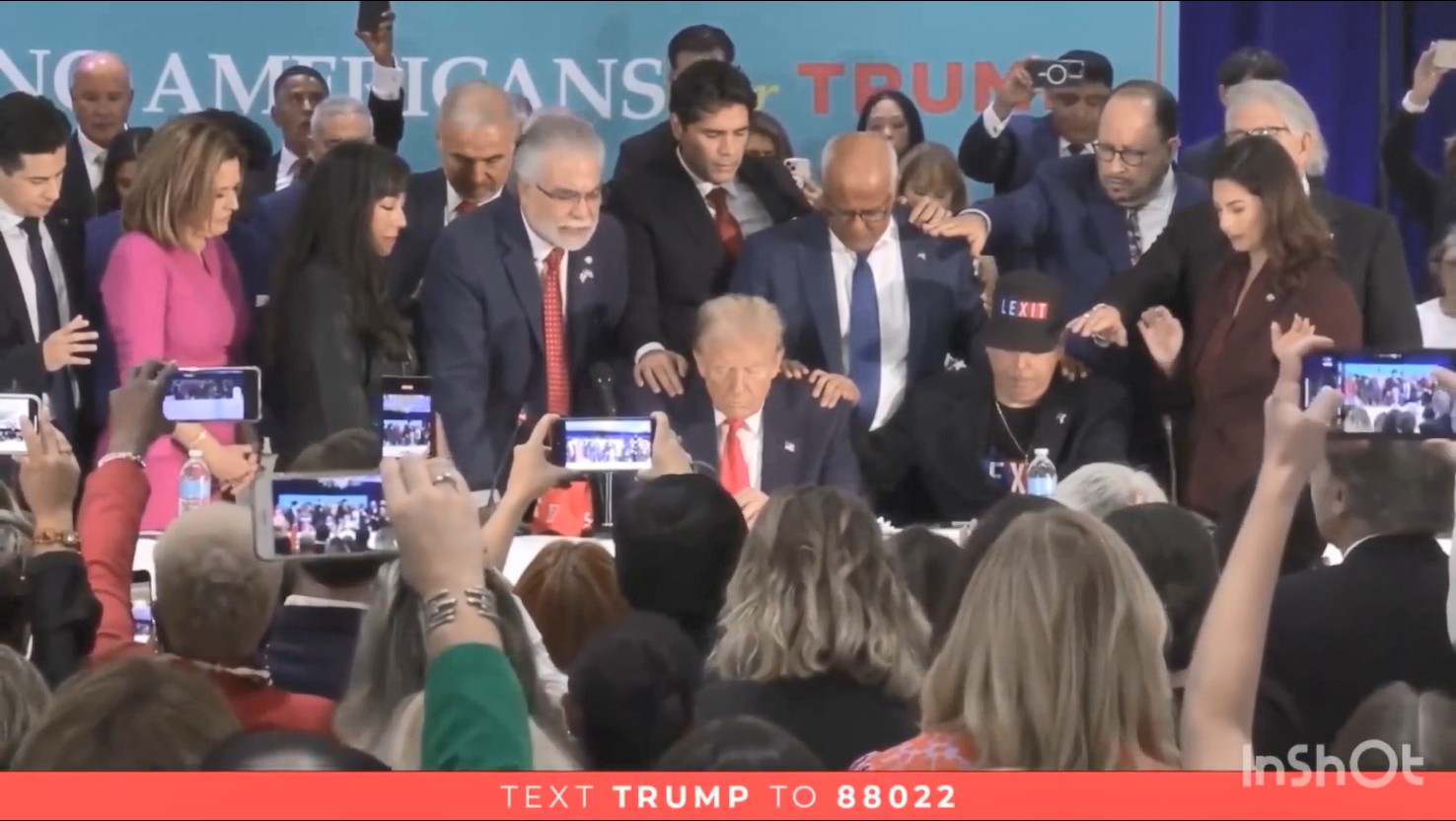
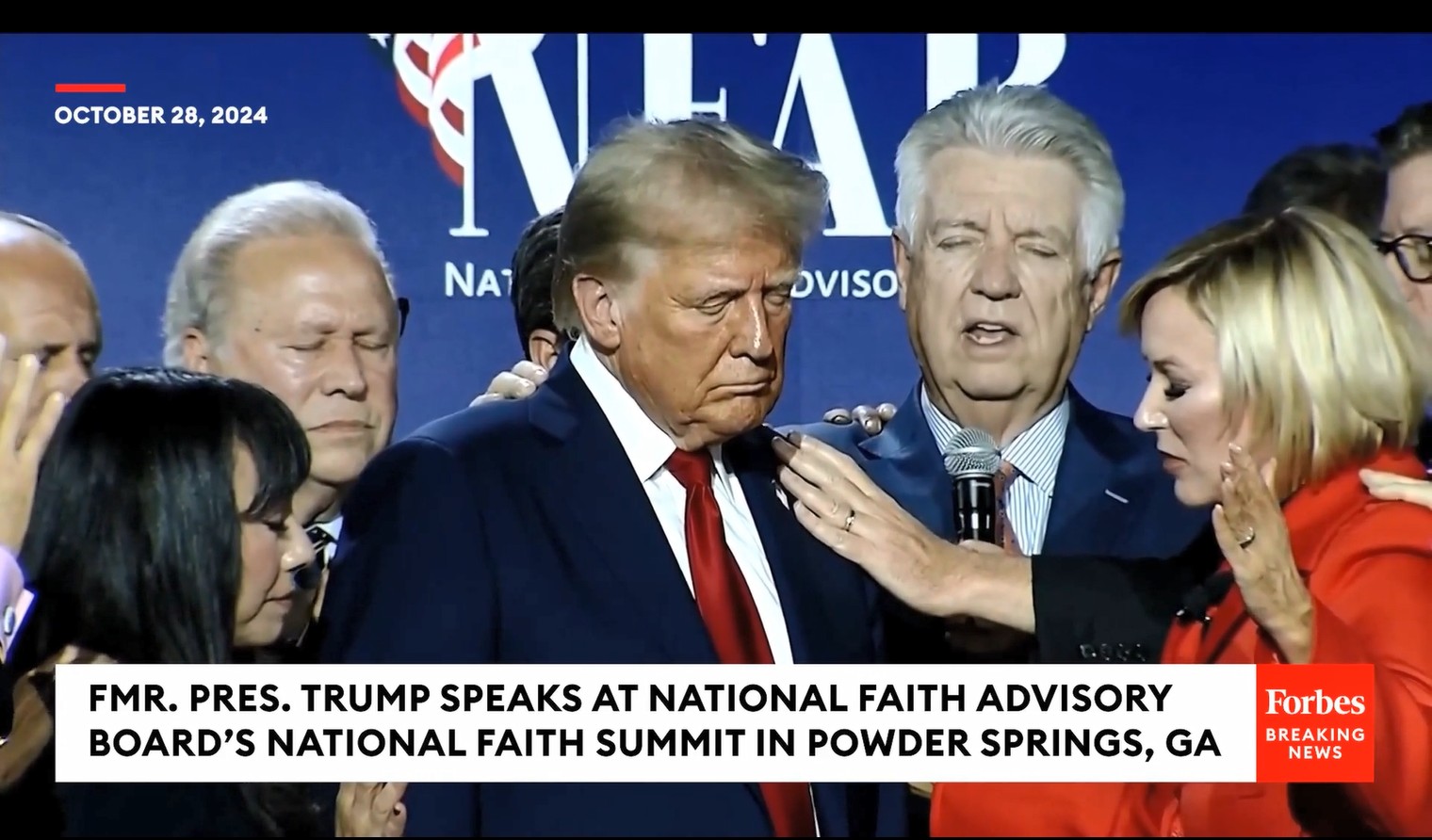
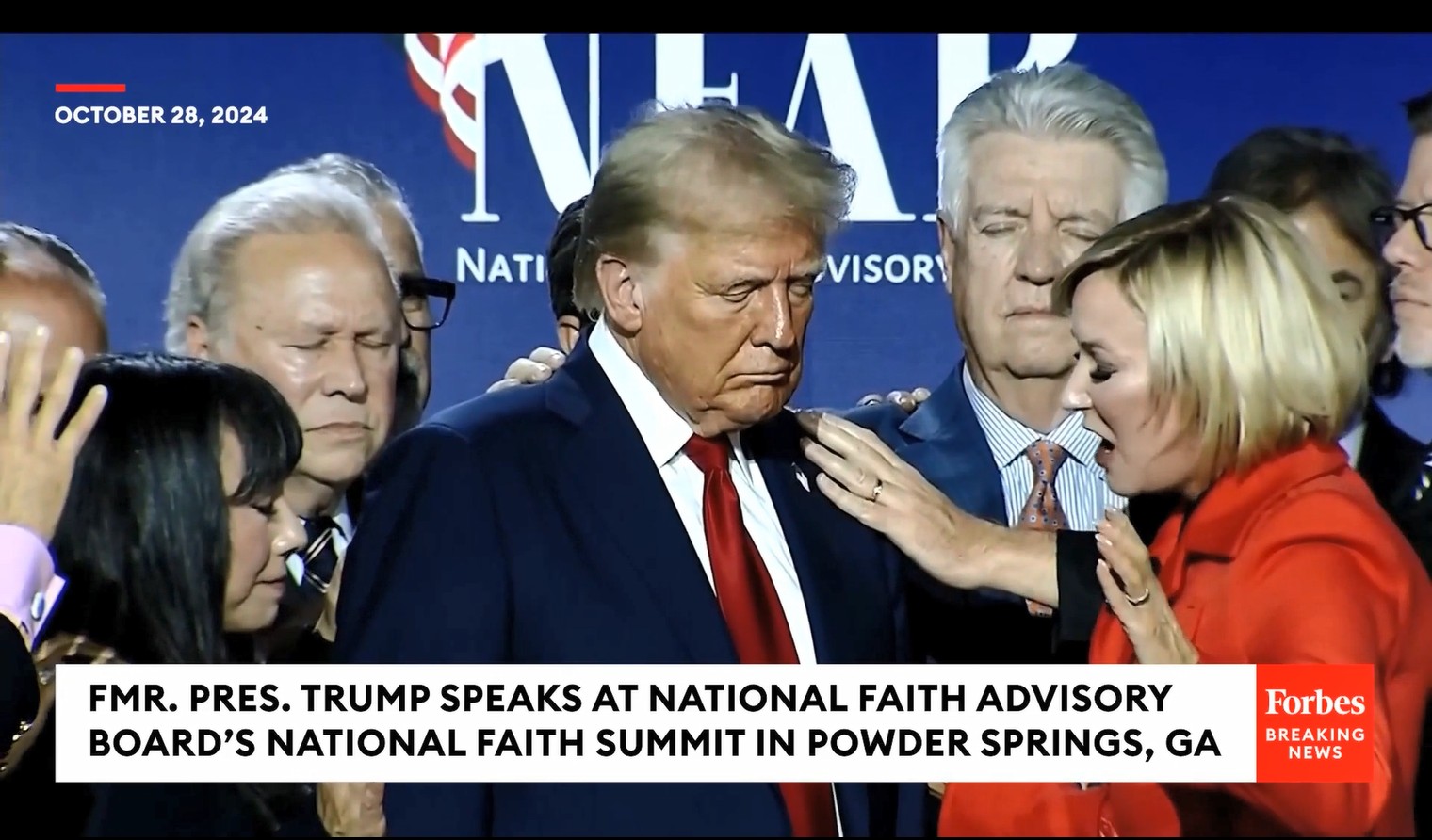
Donald Trump’s re-election as president highlights the spiritual power of prayer. Leading up to and during the election, churches worldwide initiated an unprecedented prayer movement. Pastors led congregations in praying for a wise leader and the future of the nation. Some pastors even prophesied that God would raise Trump to lead America again and usher the nation into a new era of revival.

Trump’s victory has convinced many that prayer is the bridge connecting public will with God’s will. As Proverbs 21:1 states, "The king’s heart is in the hand of the Lord; he directs it like a watercourse wherever he pleases." Trump's success reveals how God uses public will to fulfill His plan.

From the voting results, Trump’s victory not only reflects public approval of his policies but also signals that faith remains a significant force shaping the direction of a nation in modern society. Many voters of faith see their voting behavior as more than a political choice—it is a response to God’s call. Through their votes, they expressed their commitment to defending the core values of Christianity and their hope for America to find revival through faith.

Trump’s re-election is not only a recognition of public will but also a testament to the power of faith. It gives us greater expectations for faith in the future. During his upcoming administration, people of faith hope he will continue promoting policies that protect religious freedom, uphold the sanctity of life, and advance social justice. At the same time, this calls for greater responsibility from faith communities: not only to continue praying and supporting but also to contribute through concrete actions to the nation’s revival and harmony.

Trump’s re-election result reflects the powerful fusion of public will and faith. In the eyes of many believers, it is clear evidence that God has answered their prayers and a new beginning for America to seek its faith-based foundations. Regardless of how the political landscape evolves, people of faith should move forward with greater confidence and love, witnessing God’s work through their actions. As Romans 8:28 says, "And we know that in all things God works for the good of those who love him, who have been called according to his purpose."

Nomination Call - United Nations Nelson Rolihlahla Mandela Prize 2025

Nomination Call - United Nations Nelson Rolihlahla Mandela Prize 2025© UN Photo/Pernaca Sudhakaran

Details of the Nomination

The United Nations is accepting nominations for the 2025 United Nations Nelson Rolihlahla Mandela Prize until 28 February 2025.

This prize is given out only every five years. It acknowledges individuals who dedicate their lives to the service of humanity, by promoting the purposes and principles of the United Nations. It also honours Nelson Mandela’s legacy of reconciliation, political transition and social transformation.

Two individuals - a woman and a man from different geographic regions – will be selected by a United Nations committee chaired by the President of the General Assembly and representatives of six Member States, plus five eminent advisers. The United Nations Department of Global Communications serves as the committee’s secretariat.

The award ceremony will be in New York at the annual commemoration for Nelson Mandela Day on 18 July.

The laureates in 2020 were Marianna V. Vardinoyannis, a Greek philanthropist and world advocate for human rights and the protection of children’s health and welfare, who is also a United Nations Educational, Scientific and Cultural Organization (UNESCO) Goodwill Ambassador; and Morissanda Kouyaté, a leading advocate from Guinea on ending violence against women and girls in Africa.

In 2015, the Prize recognized Dr. Helena Ndume of Namibia, an ophthalmologist whose life’s work has been the treatment of blindness and eye-related illnesses in Namibia and throughout the developing world; and former President of Portugal Jorge Fernando Branco Sampaio, a leader in the struggle for the restoration of democracy in his country.

Online nominations for the prize will be accepted until the deadline of 28 February 2025.

CLICK HERE TO SUBMIT A NOMINATION

``