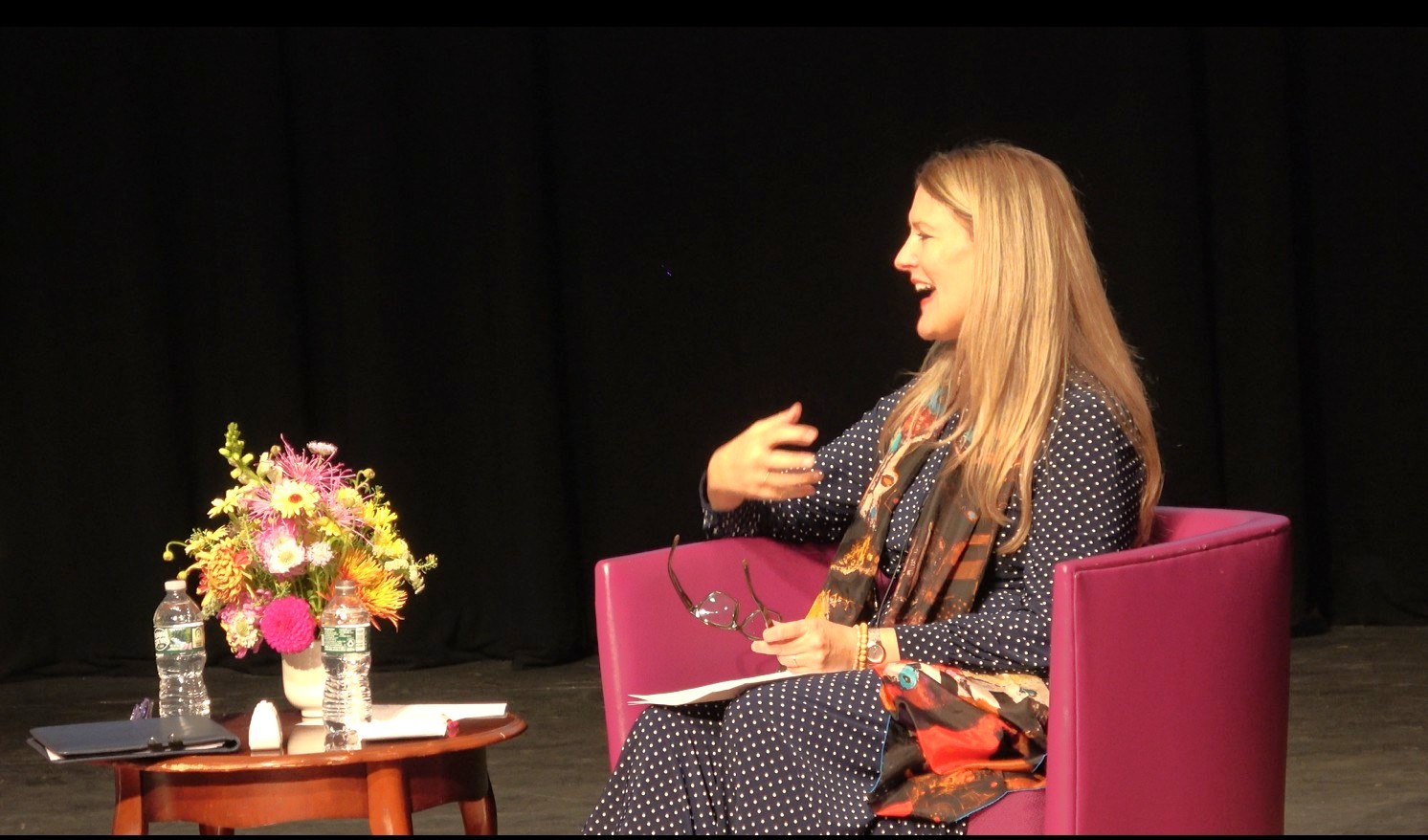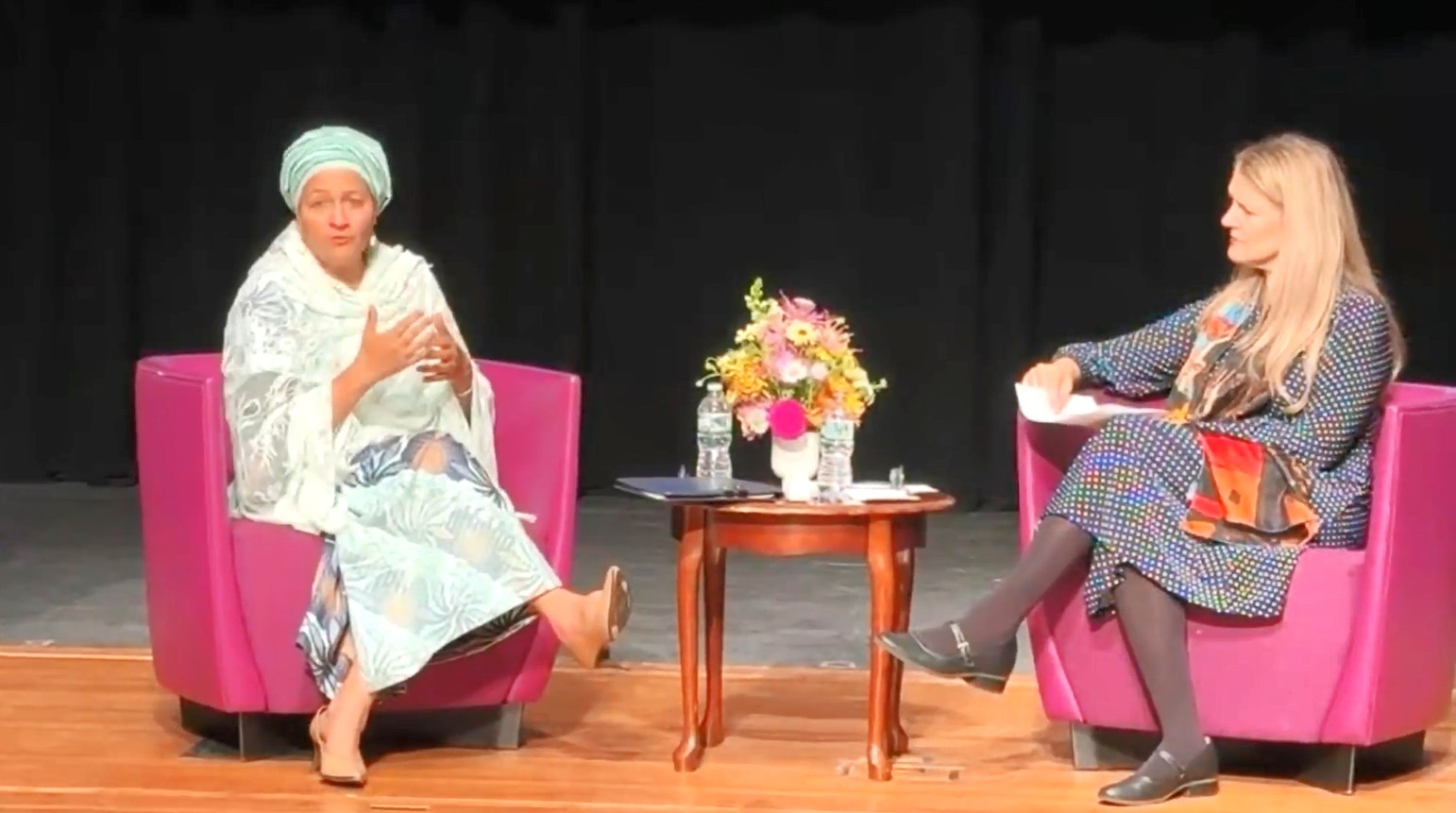

UN News Center Media ATN-American Television News Appoints Karen Cantrell as Vice President of Content Procurement
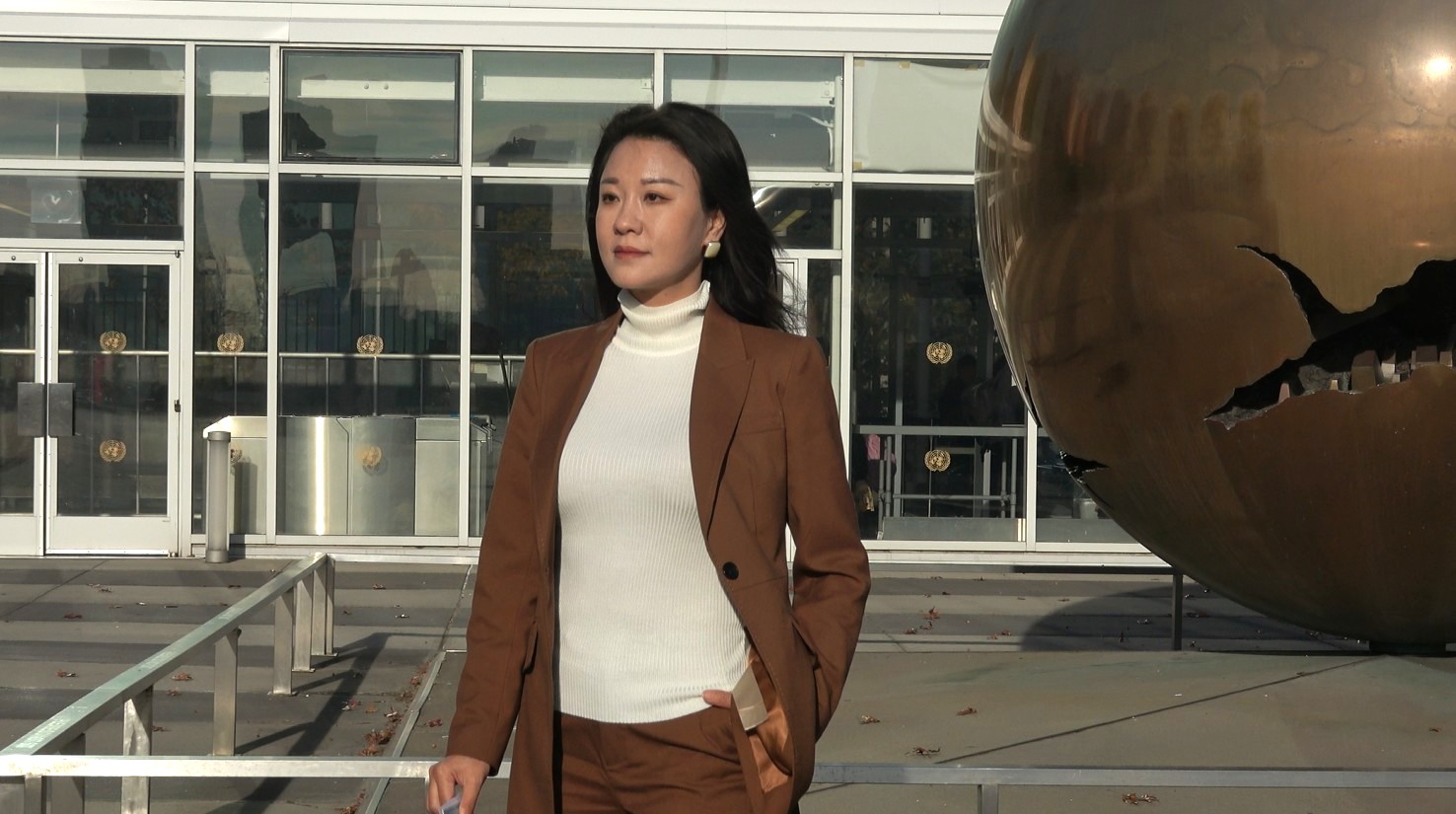
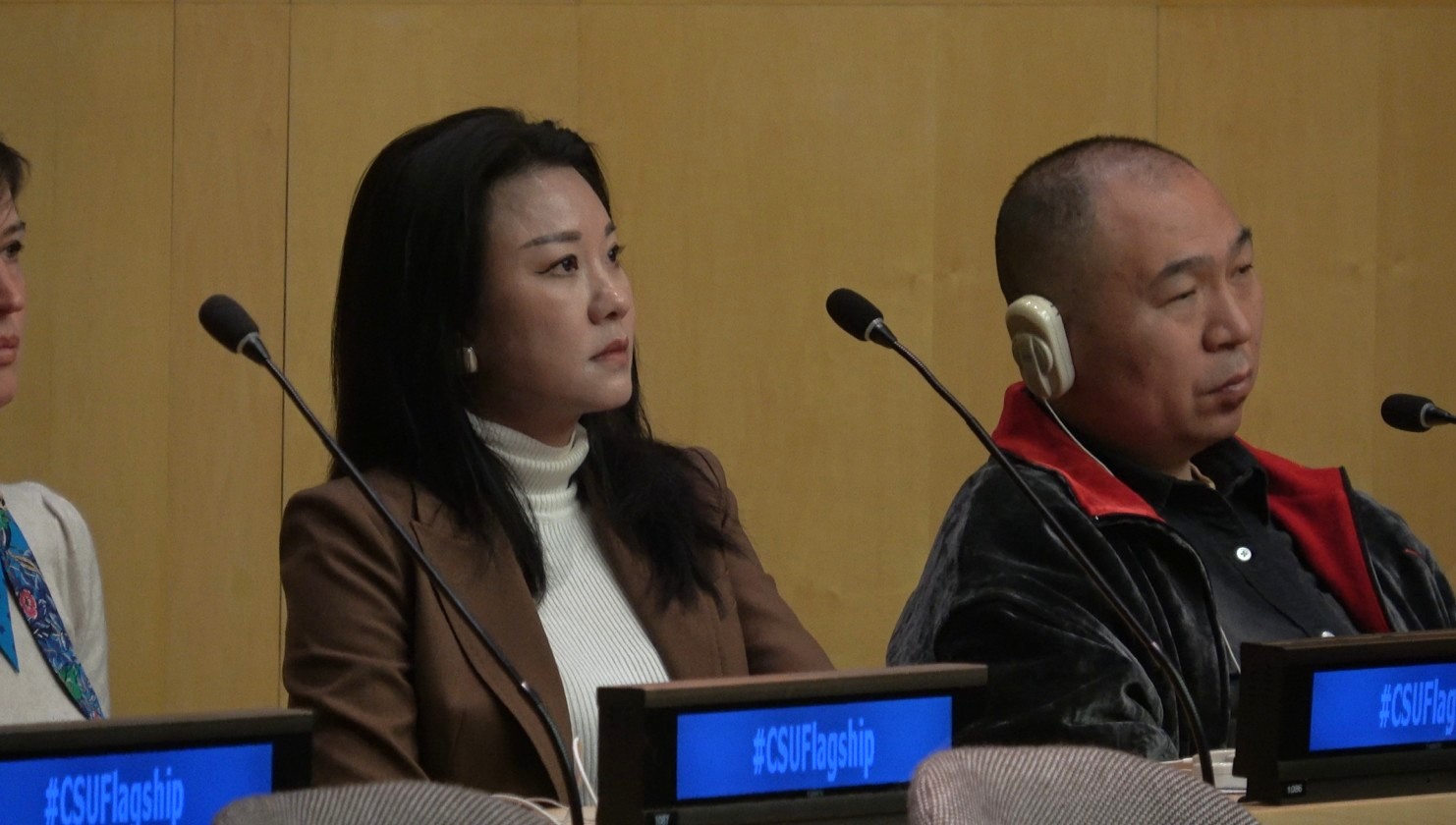
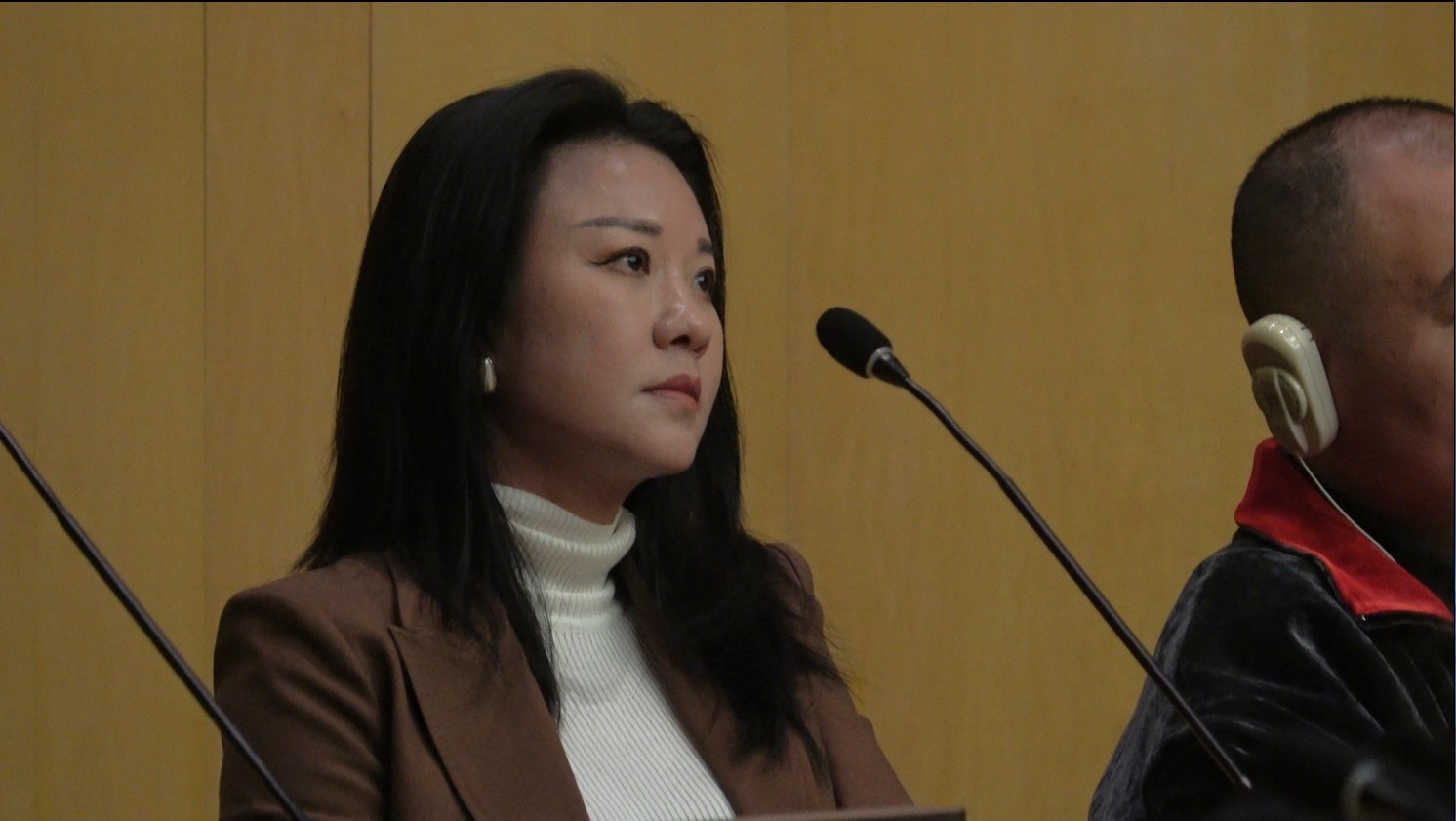
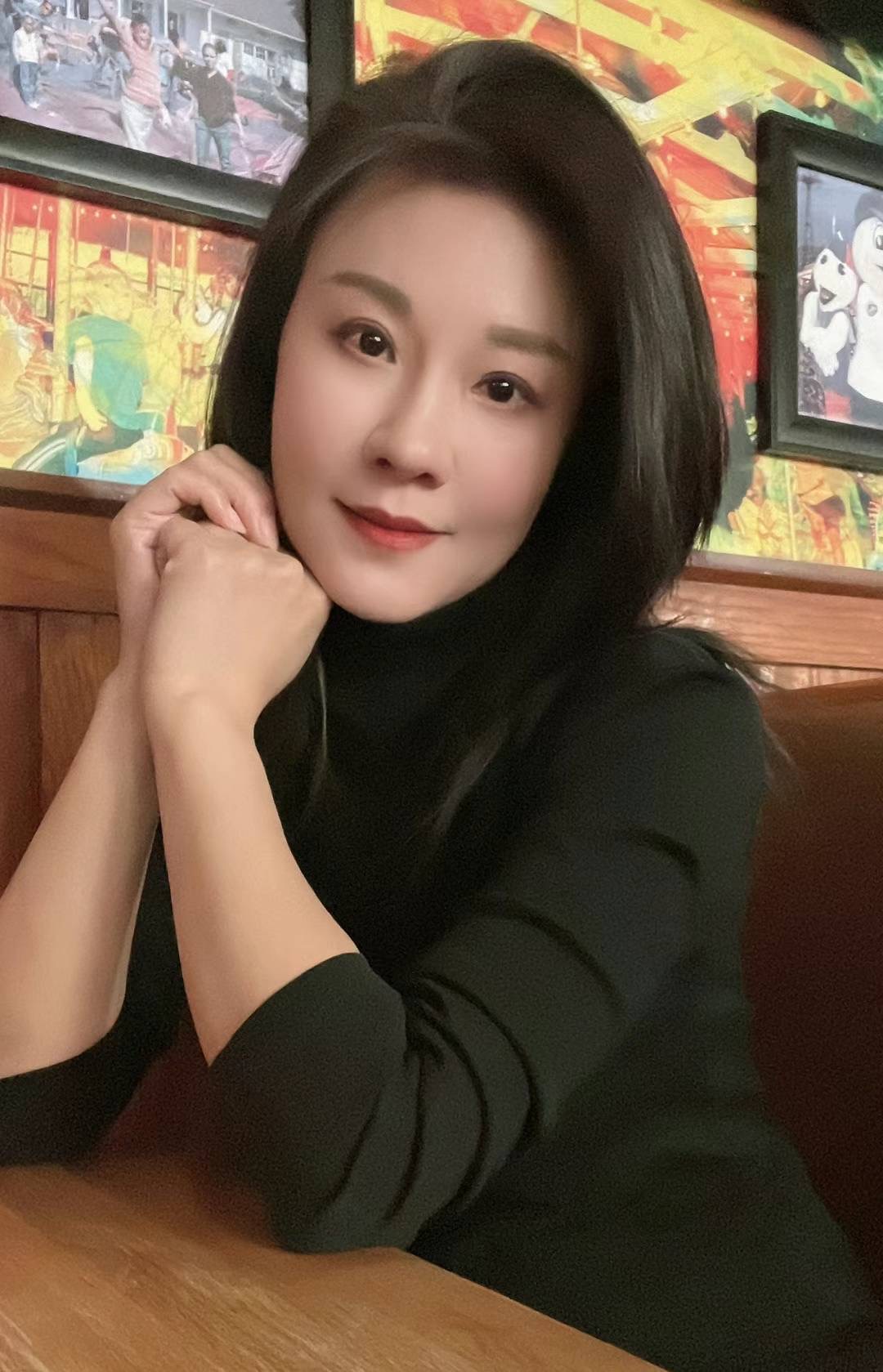
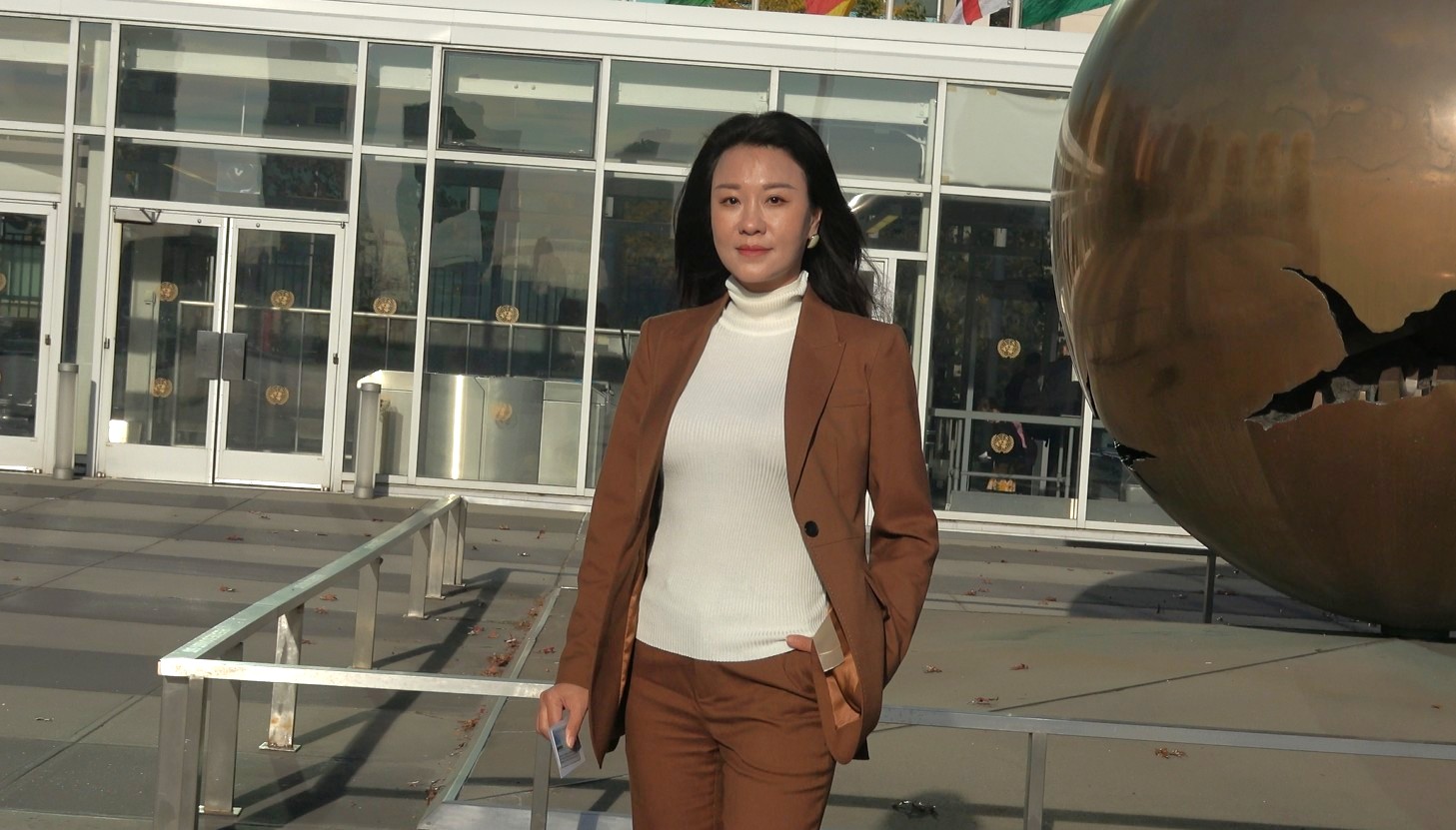
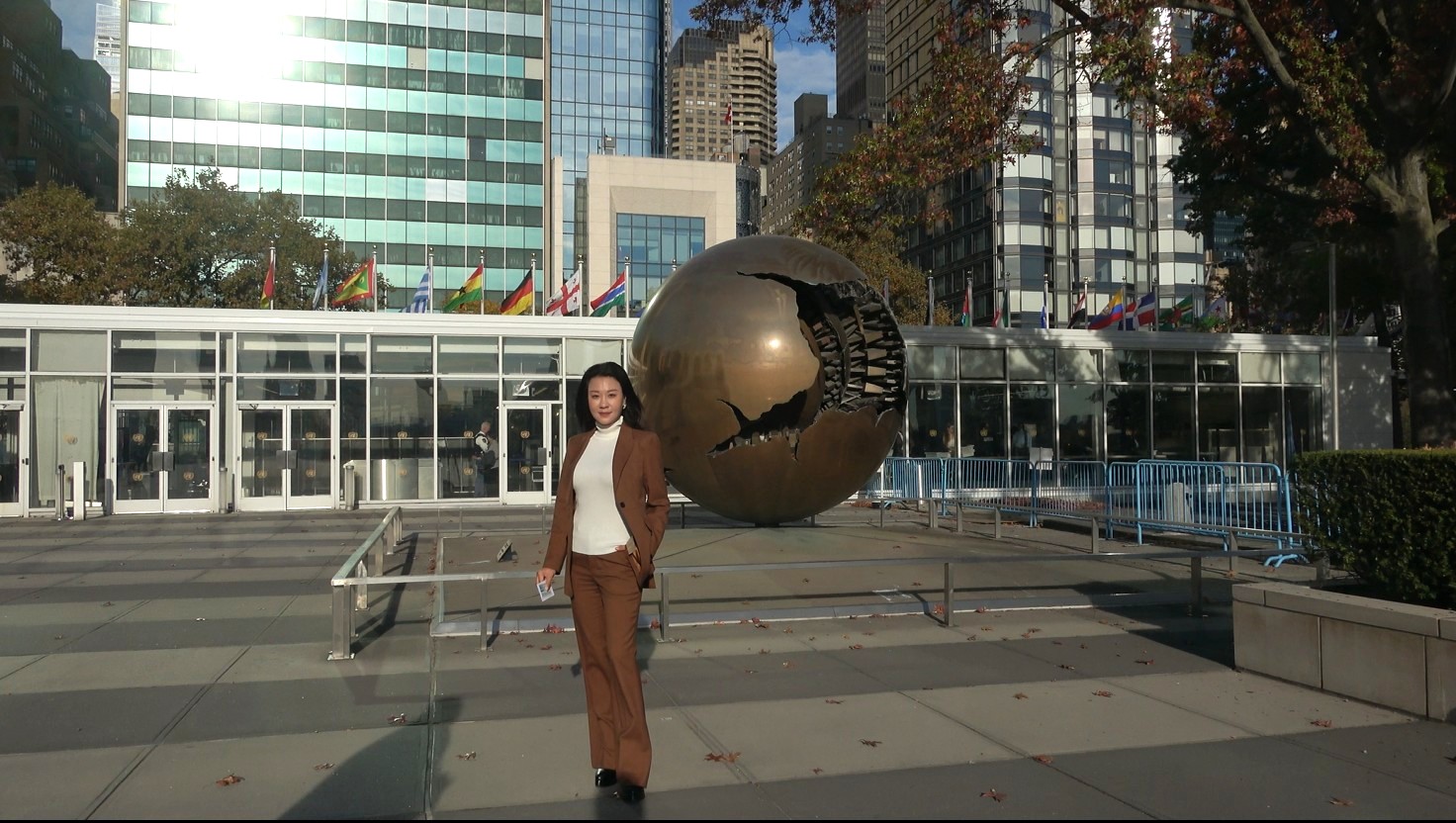
Celebrity media has learned from Ahmed Fathi, the founder and president of ATN-American Television News, based at the UN News Center, that ATN-American Television News recently announced the appointment of internationally renowned female leader Princess Karen Cantrell as the Vice President of Content and Procurement. With her exceptional experience in international advocacy and profound strategic leadership skills, Cantrell will bring a fresh force to ATN, infusing a rich global perspective, and elevating the network's content strategy, partnership development, and audience engagement to new heights. This is exciting news for both the media industry and its audience.
播放器加载中....
As the new Vice President of Content and Procurement, Karen Cantrell will lead a new chapter in ATN's content development. Leveraging her extensive experience and keen market insight, she will curate engaging and diverse programming for the audience. Her leadership will not only enhance the quality of ATN's original and collaborative content but also ensure that the programming appeals to a wide range of viewers, fostering strong audience loyalty. Cantrell will make data-driven, informed decisions in assessing the relevance, quality, and appeal of content, helping to optimize ATN's program lineup.
Cantrell's unparalleled international influence and her extensive connections with international organizations, diplomatic missions, and NGOs worldwide will significantly enhance the diversity and depth of ATN's content. Her work will also involve negotiating with top studios, distributors, and content creators globally, ensuring that ATN's programming is of the highest quality and global appeal, perfectly aligning with ATN's mission and goals.
Ahmed Fathi, the founder and editor-in-chief of ATN-American Television News, expressed his great anticipation: "We are thrilled to welcome Karen Cantrell to our leadership team. Her extensive experience in content procurement, partnership development, and audience engagement, combined with her unwavering commitment to global development and social justice, makes her the ideal candidate to lead our content strategy. We believe that under her leadership, ATN will expand into more markets worldwide and create a broader impact."
Karen Cantrell will work between Los Angeles and New York to ensure that ATN continues to lead industry trends. She will fully leverage new technologies and platforms to enhance audience interaction and, through close collaboration with the marketing and programming teams, drive audience retention and satisfaction to new heights.
Karen Cantrell’s global humanitarian contributions are remarkable; she has been honored with numerous awards, including the White House Presidential Lifetime Achievement Award, the King Charles Leadership Award, and the Peace Icon Award. Additionally, she received the 2023 United Nations Peacekeeping Federation Global Leadership Award and the Peace Icon Award at the 2024 Global Leadership Summit. These honors not only reflect her significant influence on global peace and development but also signal that she will bring new perspectives and innovative momentum to ATN’s content strategy.
Karen Cantrell’s appointment undoubtedly ushers in a new era of opportunity and innovation for ATN-American Television News. Her arrival is eagerly anticipated by the entire team and the global audience, as her strategic vision and unwavering commitment to high-quality content will steer ATN towards greater success in the coming years, enhancing ATN-American Television News’s influence as a senior media outlet at the UN News Center within the international community.
Princess Karen Cantrell is an entrepreneur, political activist, business visionary, philanthropist, and humanitarian with noble and royal lineage. She is well-versed in communications and public affairs, with a background in community relations, corporate ownership, governance, and international affairs. For over 30 years, she has been dedicated to helping other families live better lives both domestically and internationally.
As the President and CEO of Rancho Mirage Golf Inc. (DBA Lady Golf), Karen is committed to sharing her success and vision with other entrepreneurs and professionals, with the shared goal of empowering women and giving back to society. She possesses extensive knowledge in fashion design, manufacturing, and how trends impact the fashion industry, which has allowed her to collaborate with top industry leaders like Oscar De La Renta, Bob Mackie, Victor Costa, and Richard Blackwell. She owns a successful international website, www.ladygolf.com, and operates a 6,000-square-foot store in Palm Desert, California.
Arabic: "من الأفكار إلى التأثير": دليل لتأثير وتنفيذ التغيير - لقاء مع المؤلف في مكتبة الأمم المتحدة في المقر الرئيسي
中文:“从思念到影响”:影响和实施变革手册——在联合国总部书店举行的作者见面会
nglish: IPI President Zeid Ra'ad Al Hussein spoke in six languages and answered questions during an author meet-and-greet at the United Nations Bookshop.
French : « De l'idée à l'impact » : Un manuel pour influencer et mettre en œuvre le changement - Rencontre avec l'auteur à la librairie du siège de l'ONU
Russian: «От идеи к результату»: руководство по влиянию и внедрению изменений - встреча с автором в книжном магазине штаб-квартиры ООН
Spanish: "De la idea al impacto": Un manual para influir y aplicar el cambio - Encuentro con el autor en la librería de la sede de la ONU
Zeid Ra’ad Al Hussein assumed his functions as United Nations High Commissioner for Human Rights on 1 September 2014, following the General Assembly’s approval on 16 June 2014 of his appointment by the United Nations Secretary-General. He is the sixth High Commissioner to lead the Office of the High Commissioner for Human Rights (OHCHR) and the first Asian, Muslim and Arab to do so.
A veteran multilateral diplomat, Zeid was previously Jordan’s Permanent Representative to the United Nations in New York, a post he held from September 2010 until July 2014, and which he also held from 2000 to 2007. From 2007 to 2010 he was Jordan’s Ambassador to the United States of America. He served as Jordan’s Deputy Permanent Representative to the UN, with the rank of Ambassador, from 1996 to 2000. In January 2014, he was President of the UN Security Council and chaired the Security Council’s 1533 and 1521 committees with regard to two sanctions regimes regarding the Democratic Republic of the Congo and Liberia.
Zeid’s professional experience demonstrates his long familiarity with international criminal justice, international law, UN peacekeeping, post-conflict peace-building, international development, and counter- nuclear terrorism. He played a central role in the establishment of the International Criminal Court, chairing the complex negotiations regarding the elements of individual offences amounting to genocide; crimes against humanity; and war crimes. Courts around the world now cite as authoritative the definition for ‘crimes against humanity’ refined by the ‘elements’.
UN Photo/Manuel Elías A wide view of the Security Council meeting on enhancing Africa’s effective representation in the Council.
UN Secretary-General António Guterres on Monday called for urgent reform of the Security Council, criticizing its outdated structure and lack of representation for Africa, which he argued undermines the body’s credibility and global legitimacy.
Addressing the Council, he emphasized that its composition reflected the balance of power at the end of World War Two and has failed to keep pace with a changing world.
“In 1945, most of today’s African countries were still under colonial rule and had no voice in international affairs,” he said.
“We cannot accept that the world’s preeminent peace and security body lacks a permanent voice for a continent of well over a billion people…nor can we accept that Africa’s views are undervalued on questions of peace and security, both on the continent and around the world.”
播放器加载中....
Correct the injustice
Mr. Guterres underscored the need for redress.
“Ensuring this Council’s full credibility and legitimacy means heeding the longstanding calls from the UN General Assembly, various geographic groups – from the Arab Group to the Benelux, Nordic and CARICOM countries – and some permanent members of this Council itself, to correct this injustice,” he said.
Mr. Guterres recalled his policy brief, New Agenda for Peace, launched in July last year. That framework lies at the heart of negotiations over the Pact of the Future, which is to be adopted at next month’s Summit of the Future.
“The Summit provides a critical opportunity to make progress on these issues, and help ensure that all countries can meaningfully participate in global governance structures as equals”, the UN chief told ambassadors.
“I urge all Member States to attend and contribute their views and ideas so that African voices are heard, African initiatives are supported, and African needs are met,” he urged.
Mr. Guterres was speaking at a high-level debate on addressing the historical injustice and enhancing Africa’s effective representation on the Security Council, convened by Sierra Leone, Council President for August.
Council composition
The 15-member Security Council includes five permanent members with veto power (the ability to block decisions, even if all other members support the proposal) – China, France, Russia, the United Kingdom, and the United States – while the remaining 10 non-permanent seats are allocated regionally.
The regional allocation includes three seats for African States; two each for Asia-Pacific, Latin America and the Caribbean, and Western Europe and Other States; and one for Eastern European States.
The question of equitable representation has been on the agenda for several years, including through the General Assembly’s open-ended working group and intergovernmental negotiations to address the issue.
There has been some modest reform, such as the recent automatic convening of an Assembly debate whenever a veto is cast, aiming to enhance transparency and accountability within the Council.
However, calls for major reform continue, particularly from underrepresented regions.
UN Photo/Manuel Elías General Assembly President Dennis Francis addresses the UN Security Council.
Africa’s key role
Following Mr. Guterres’s remarks, Dennis Francis, President of the General Assembly, also addressed the Security Council. He highlighted Africa’s key role in global peace and security, further underscoring the need for reform.
He drew on his own visits, citing firsthand experiences in South Sudan, where he met a few weeks ago with internally displaced persons (IDPs) and witnessed the vital work of the UN Mission in South Sudan (UNMISS).
Mr. Francis also shared insights from his meetings in Haiti, where he discussed the deployment of the Kenyan-led Multinational Security Support Mission (MSS) following the adoption of Council resolution 2699.
These reflected Africa’s significant and growing role in addressing global security challenges, he argued.
Search for positive solutions
Assembly President Francis also pointed out that the General Assembly is actively addressing the issue through intergovernmental negotiations, and urged Member States to engage constructively towards substantial reform.
“Our objective is to create solutions, along a well-designed process. And most importantly, to win back the trust and the confidence of ‘we the peoples’ of the United Nations,” he said, recounting the first words of the Preamble of the UN Charter.
Some African leaders at the UN spoke to the media outside the Security Council following the meeting and outlined their concerns and approach to reform:
Secretary-General António Guterres today (12 Aug) told the Security Council that “we cannot accept that the world’s preeminent peace and security body lacks a permanent voice for a continent of well over a billion people,” and said, “nor can we accept that Africa’s views are undervalued on questions of peace and security, both on the continent and around the world.”
The Secretary-General told Council members, “nearly half of all country-specific or regional conflicts on your agenda concern Africa,” adding that conflicts in the continent “are often exacerbated by greed for Africa’s resources - which are vital to the global economy - and further spread and aggravated by the interference of external actors.”
He said, “the message is clear. There can be no global security without African security. Meanwhile, African countries are ground down by crushing debt burdens and a lack of financing thanks to the global financial architecture, in which they are underrepresented and denied the level of support they require.”
General Assembly President Dennis Francis said, “the fact that Africa continues to be manifestly underrepresented on the Security Council is simply wrong, offending as it does both the principles of equity and inclusion.”
Francis said, “it runs counter to the principle of sovereign equality of States – and calls for urgency to reform this institution to reflect the world as it is now, rather than what it was nearly 80 years ago.”
Representing civil society, University of Pretoria Senior Lecturer Sithembile Mbete said, “Africa's experience of the UN system over the past 80 years has been one of misrepresentation and under representation. Misrepresentation and the perpetuation of narratives of the continent as a basket case of uncivilized and backward societies Who are always recipients of aid rather than agents of progress. Underrepresentation in the exclusion of the continent from permanent membership of the Council, and in inadequate representation in the category of non-permanent members.”
For his part, Sierra Leone’s President Julius Maada Bio said, “80 years after its creation, the Council has been stuck in time. Its imbalanced composition is at odds with current realities and unjust, undermining its legitimacy and effectiveness. Africa remains the unquestionable victim. With the absence of structural change, the Security Council’s performance and legitimacy remain questionable.”
Bio said, “Africa demands two permanent seats in the UN Security Council and two additional non-permanent seats, bringing the total number of non-permanent seats to five. The African Union will choose the African Permanent Members. Africa wants the veto abolished. However, if UN Member States wish to retain the veto, it must be extended to all new Permanent Members as a matter of justice.”
Today’s meeting, “Addressing the Historical Injustice and Enhancing Africa’s Effective Representation in the Security Council,” was convened under Sierra Leone’s presidency of the Council.
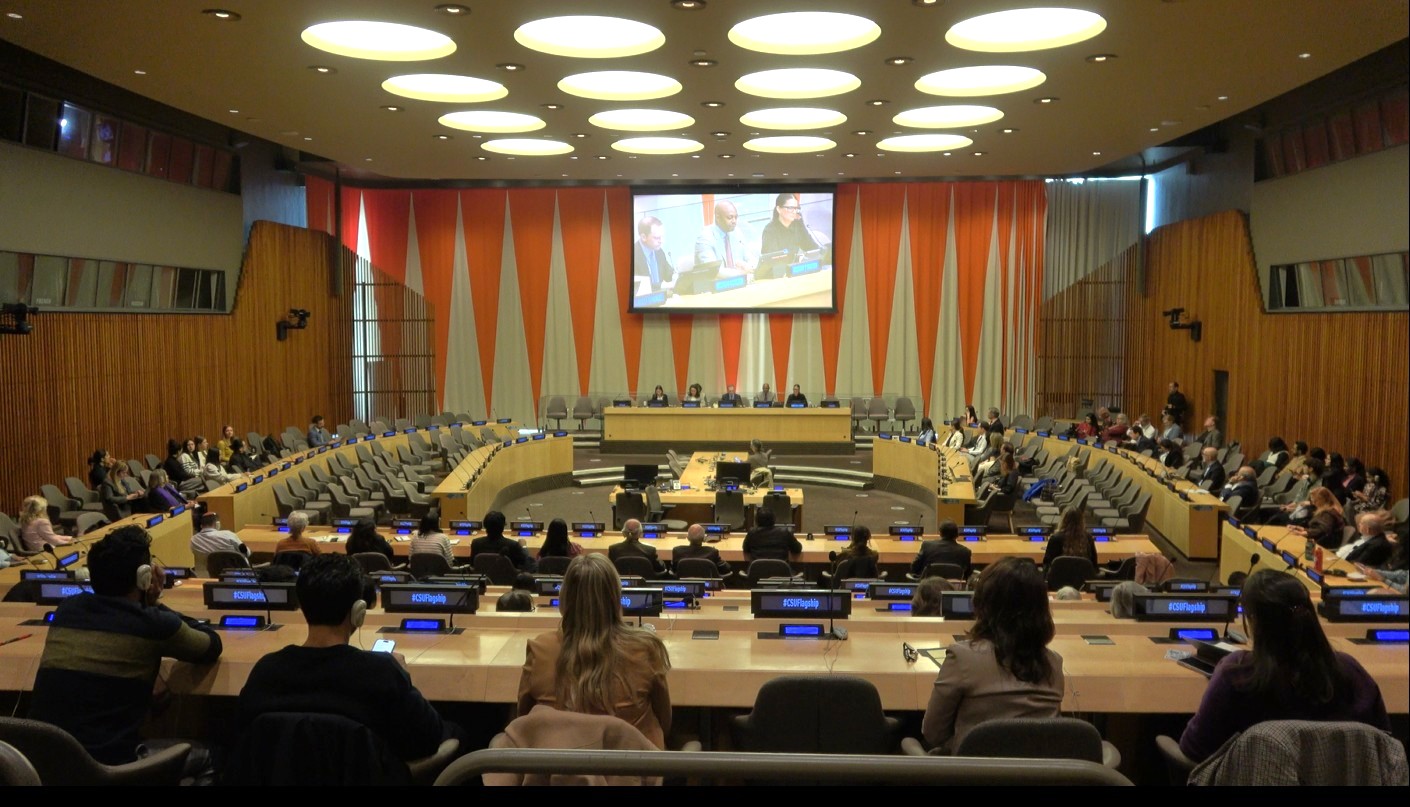
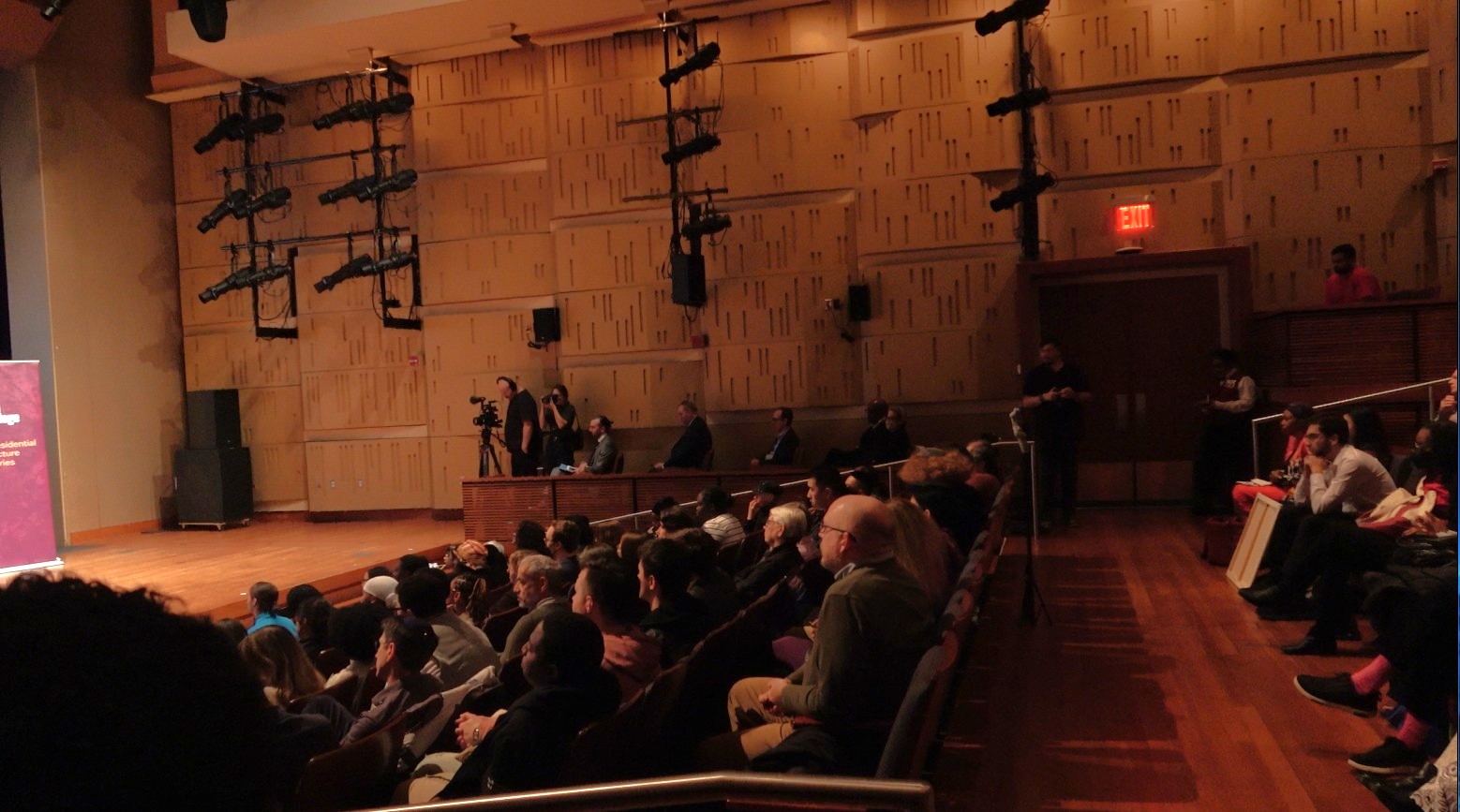
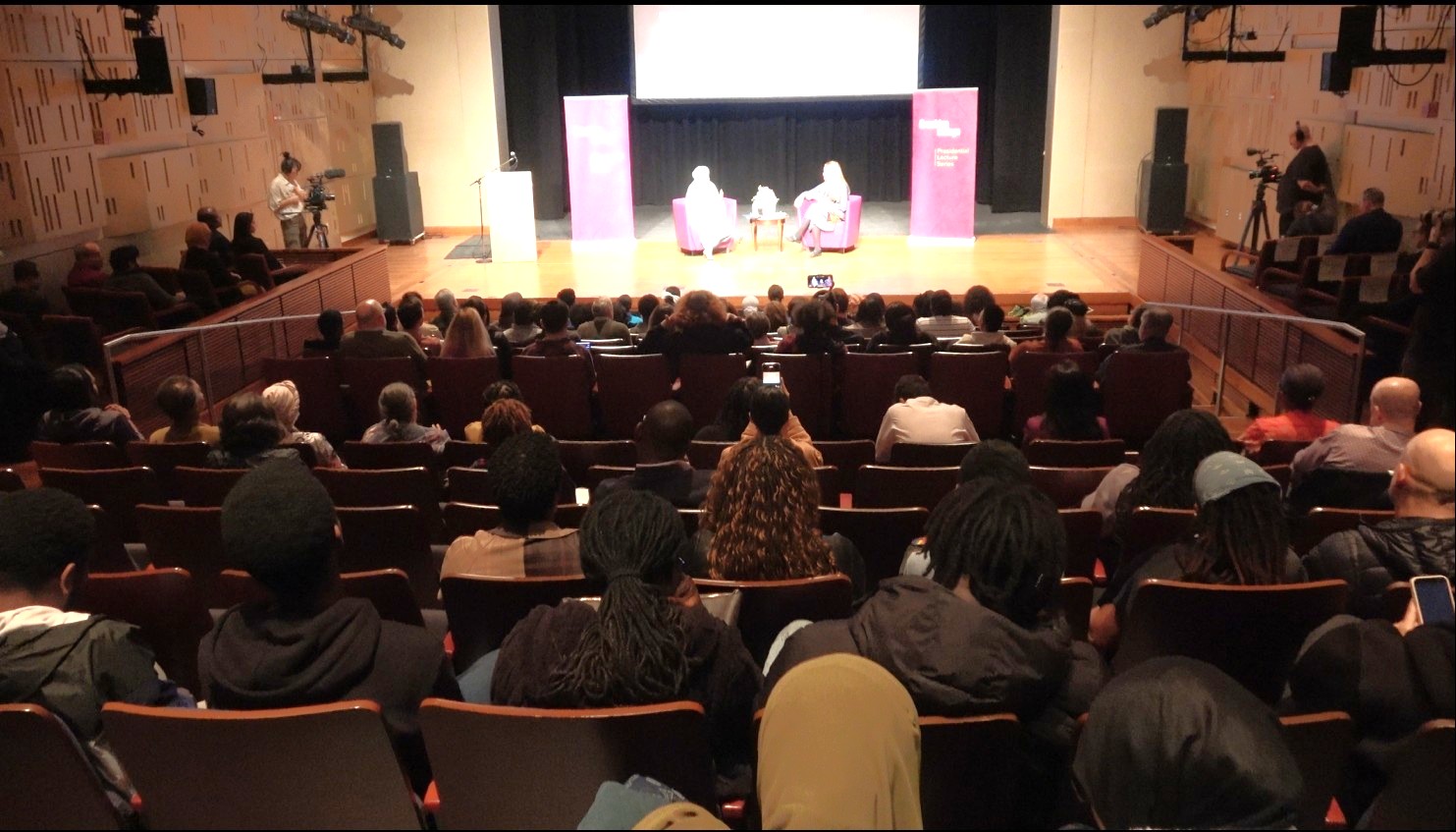
Yesterday afternoon, an engaging event took place at the United Nations Headquarters Bookstore, featuring a meet and greet with the author of the impactful book *"From Ideas to Impact: A Handbook for Influencing and Implementing Change"*. This event drew thought leaders and change-makers from around the world to discuss the pivotal role of ideas in driving global change.
The author meet and greet was hosted by Maher Nasser, Director of the Outreach Division in the UN Department of Global Communications. In his opening remarks, Nasser emphasized the importance of reading and knowledge accumulation in human development and pointed out that the book *"From Ideas to Impact"* demonstrates how to turn ideas into action, making it an essential guide for driving global change. He praised author Mick Sheldrick for his efforts, stating that the book is an indispensable tool for those looking to make an impact in policy-making and implementation.
Mick Sheldrick then shared his motivation and process in writing the book. He recounted how he played a key role in the global polio eradication campaign and successfully persuaded the Australian government to restore funding to the project. He noted that the recent reemergence of polio in the context of the severe situation in Gaza highlights the importance of political leadership and humanitarian aid. He urged world leaders to adopt strategies similar to the historical "Days of Tranquility" to pause conflicts and vaccinate children, thereby preventing more deaths from preventable diseases.
Yasmine Sherif, the current Executive Director of Education Cannot Wait (ECW), also shared her thoughts on the book. She stated that *"From Ideas to Impact"* is not only a captivating read but also a practical guide for effecting change in a challenging world. She particularly highlighted the importance of the "power of storytelling" mentioned in the book, especially in the field of education. She discussed how storytelling can touch people's emotions and inspire them to take action when facing complex global issues. She added that as a leader in the field of education, she is keenly aware of the profound impact that education during the formative years has on the future, making this book an indispensable resource for educators and policymakers.
Former UN High Commissioner for Human Rights Zeid Ra'ad Al Hussein spoke highly of the book, calling it "an important resource for finding inspiration in today's divided world." He discussed the need for idealism and pragmatism to coexist in today's world, and this book serves as a guide to achieving that balance. He also mentioned that while the book is already comprehensive, some critical global issues, such as the fossil fuel industry and deliberate disruptions to the international order, need further exploration in future works. He stressed the importance of the book's key concept of transcending political and geopolitical boundaries to solve global problems with a spirit of cooperation.
During the interactive session, two audience members posed thought-provoking questions. The first asked, "How do you handle power plays and political maneuvering when pushing for international development and policy change? Are there different tools for change for resource-poor, less powerful, and marginalized groups compared to stronger ones?" Mick Sheldrick responded that while addressing these issues requires a wealth of knowledge and precise strategies, courage and moral clarity can compensate for a lack of knowledge. Maintaining moral consistency and speaking out boldly is crucial, even under significant pressure.
The second audience member asked, "In today's information age, how can we effectively spread the right information and curb the spread of misinformation?" Yasmine Sherif responded that it starts with family and education, fostering moral values and critical thinking in the younger generation. She emphasized that parents and educators play a key role in this process, teaching children honesty and respect for others, thereby nurturing upright and responsible future citizens.
Zeid Ra'ad Al Hussein also commented on this issue, adding that the spread of misinformation in today's world is often a purposeful and organized act, potentially driven by economic interests or political motives. He noted that the international community and governments must maintain transparency in knowledge and information and encourage citizens to engage actively in social dialogue. He also emphasized that the United Nations can play a greater role in maintaining the authenticity of information and moral consistency, especially in promoting global cooperation to address these issues.
The event concluded with a lively discussion among the guests on the power of storytelling in mobilizing public action, a central theme of Sheldrick's book. Attendees unanimously agreed that stories have a powerful ability to resonate and have become an important tool in advocacy and policy-making.
Attendees were invited to purchase copies of *"From Ideas to Impact"* and take the opportunity to have them signed by the author. The book is now available at the UN Headquarters Bookstore and other major retailers.
UN Women Executive Director, Sima Bahous expressed concern about “the potential effects of multiple recent decisions to shrink or close both peacekeeping and special political missions,” adding that “these decisions are made even as the number and intensity of conflicts and insecurity grow.”
播放器加载中....
Bahous briefed the Council today (07 Aug) on sustaining Women Peace and Security (WPS) commitments in the context of accelerated drawdown of UN peace operations.
The chief of UN Women said, “We recommend that the Security Council ensure that UN transitions safeguard gender equality gains and women’s meaningful participation in all possible ways. This includes doing so routinely through decisions and statements, in interactions with host governments and with any regional or subregional organizations undertaking peacekeeping support.”
Second, Bahous continued, “for the Council to continue to invite women from civil society to routinely brief and to provide analysis of their context from a gender perspective. And for the Informal Expert Group to conduct field visits to countries after the departure of a UN mission to monitor and report on the situation of women and girls so that this analysis can be included in decision making.”
She also said, “We recommend that the Security Council turn its attention more fully to financing. The role of the Peacebuilding Fund is essential for this as is stronger collaboration with international financial institutions.”
“In addition, all drawdowns should include plans to sufficiently allocate resources to women, peace and security work, to sustain gains made,” Bahous concluded.
For her part, Martha Pobee Assistant Secretary-General for Africa told the Council that “rushing through a transition process against a background of tense political climate, compounded by persisting security threats and protection concerns, can jeopardize hard won peace gains, including progress on gender equality.”
She continued, “Indeed, national stakeholders could be unprepared to shoulder additional responsibilities, while needed support from international partners may not be readily available.”
Pobee added, “Unless transitions are well-structured, adequately-resourced, and gender-responsive, women and girls will be at risk of setbacks. These could include losing access to essential services, being excluded from new decision-making processes, and becoming vulnerable to waves of fresh violence and insecurity, including conflict related sexual violence.”
Giving examples, the Assistant Secretary-General said, “The drawdown of MINUSMA however, has negatively impacted peace building programs focusing on women and girls and on sustaining the gains made in the political sphere. The recent departures of peace operations from key hot spots in Sudan and the Democratic Republic of the Congo have led to security vacuums, leaving women and girls exposed to attacks by armed actors.”
“These drawdowns have also diminished the capacity of the United Nations to support stakeholders in addressing conflict related sexual violence altogether in specific areas, including investigation, reporting and assistance to survivors,” she concluded.
Kholood Khair, Founding Director of Confluence Advisory, an organization based in Sudan, said, “Widespread and systematic conflict related sexual violence is no longer limited to Darfur but reported across the country, including in Khartoum and Al Jazeera, it is clear that the RSF and the SAF have subjected women and girls from ages nine to 60 to sexual violence, a war crime, and neither party has taken meaningful steps to prevent its forces from committing rape, attacking health workers, nor investigating such crimes, the deliberate use of conflict related sexual violence, including rape, gang rape, sexual slavery and forced marriage, chiefly by the RSF, compounded by atrocities such as looting, torture, forced disappearance, forced labor aims to terrorize population into submission.”
Khair also said, “While the international community's efforts to secure a ceasefire are critical, the need of the hour is to prevent genocide and to save lives, a complimentary diplomatic track must be established, separate to ceasefire talks that is focused on addressing violence against civilians with targeted measures for the protection of women and girls, including from conflict related sexual violence.”
Francess Piagie Alghali, Sierra Leone’s Deputy Minister for Foreign Affairs spoke in her national capacity, while her country is holding the presidency of this month’s Council.
She said, “With less UN presence in conflict settings, there is less security for women and girls and less attention on the violations of the rights of women and girls, and a drastic drop In the investment for programs to enhance gender equality.”
Earlier today, the Minister of Foreign Affairs together with Security Council Signatories of the Statement of Shared Commitments for the principles of Women, Peace, and Security (WPS), spoke to reporters.
The countries are Ecuador, France, Guyana, Japan, Malta, Republic of Korea, Sierra Leone, Slovenia, Switzerland, the United Kingdom and the United States of America.
She said, ‘We express our grave concern about the risks and negative impacts that the abrupt drawdown, reconfiguration or termination of the United Nations Peacekeeping Operations and special political missions have on women and girls rights.”
Deputy Foreign Minister Alghali continued, “We are especially concerned about situation where a United Nations mission must leave without even the minimum conditions for a planned transition in place. This has the potential of not only jeopardizing hard won peace gains, but also important progress made in gender equality.”
She reiterated, “Address the disproportionate impact on the rights of women and girls, we underscore the need for comprehensive gender responsive conflict analysis and technical gender expertise to guide gender responsive transition processes and other contingency.”
“This is essential for defining gender responsive benchmarks that ensure missions are not forced to exist without fulfilling minimum conditions that will ensure the sustainability of WPS commitments,” Deputy Foreign Minister Alghali added.
She concluded, “We must ensure, in this regard, that the United Nations country teams are endowed with the appropriate expertise in the wake of a mission’s departure to preserve continuity in terms of reporting and addressing human rights violation and abuses, notably, sexual agenda-based violence.”