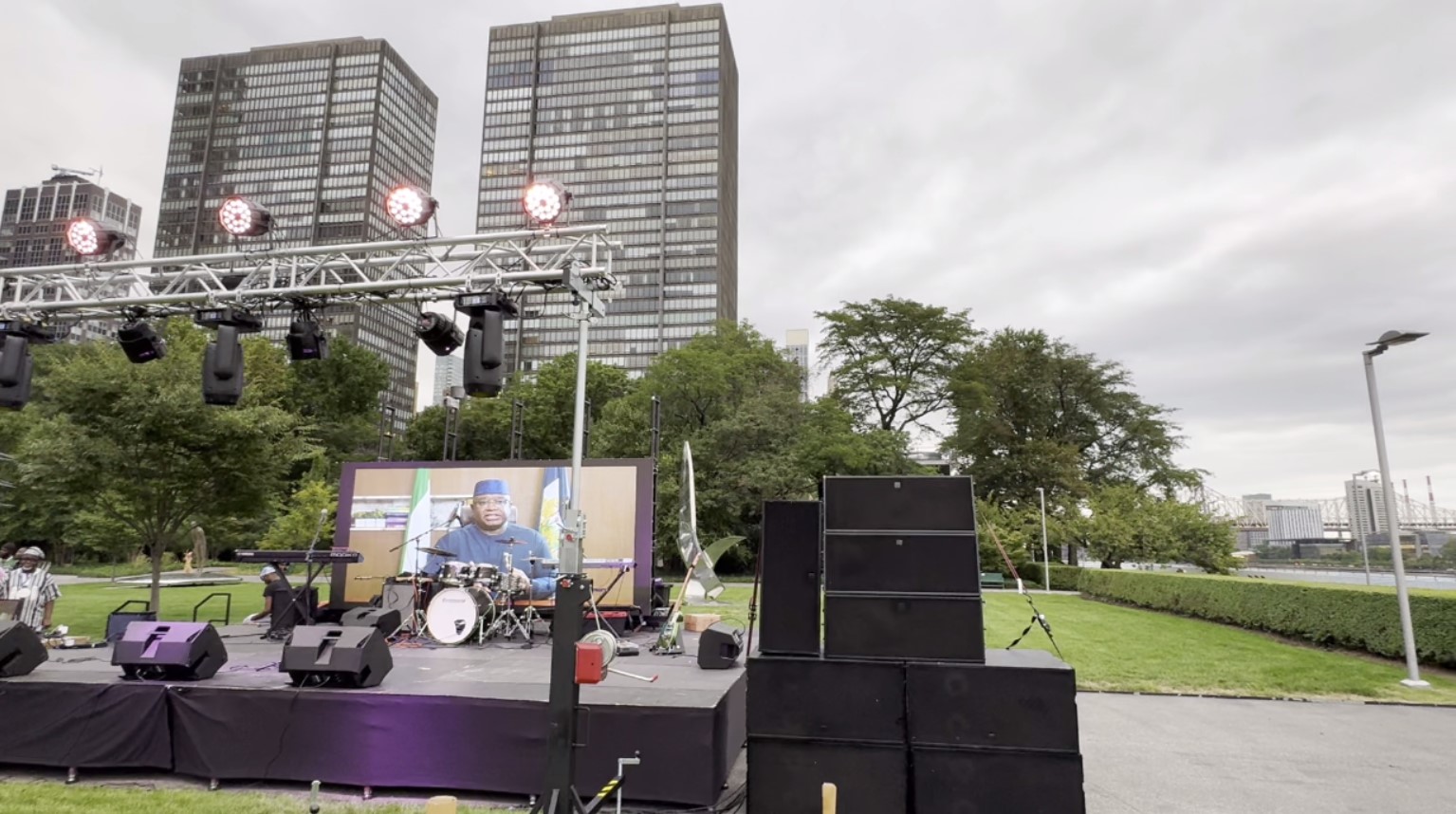
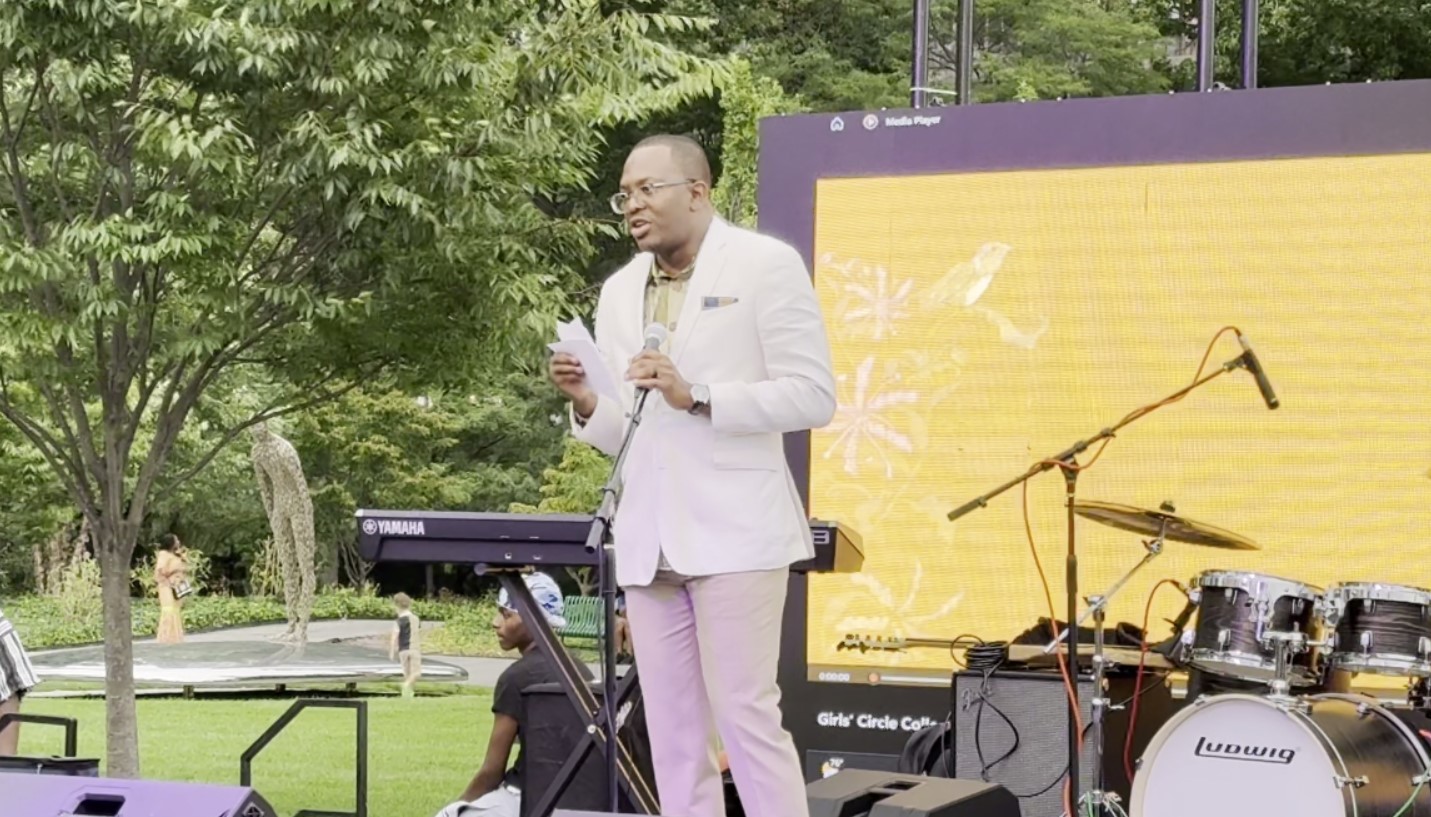
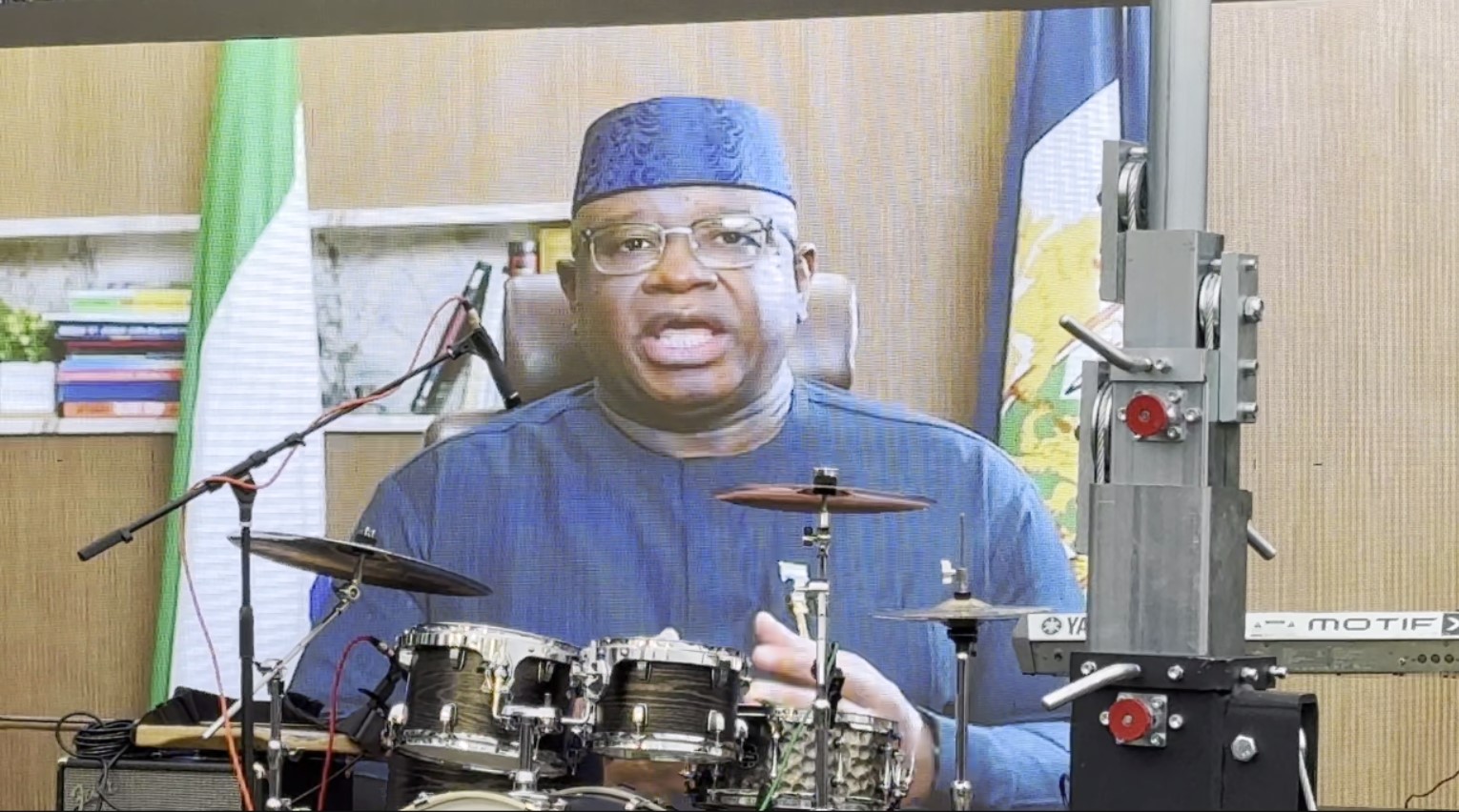
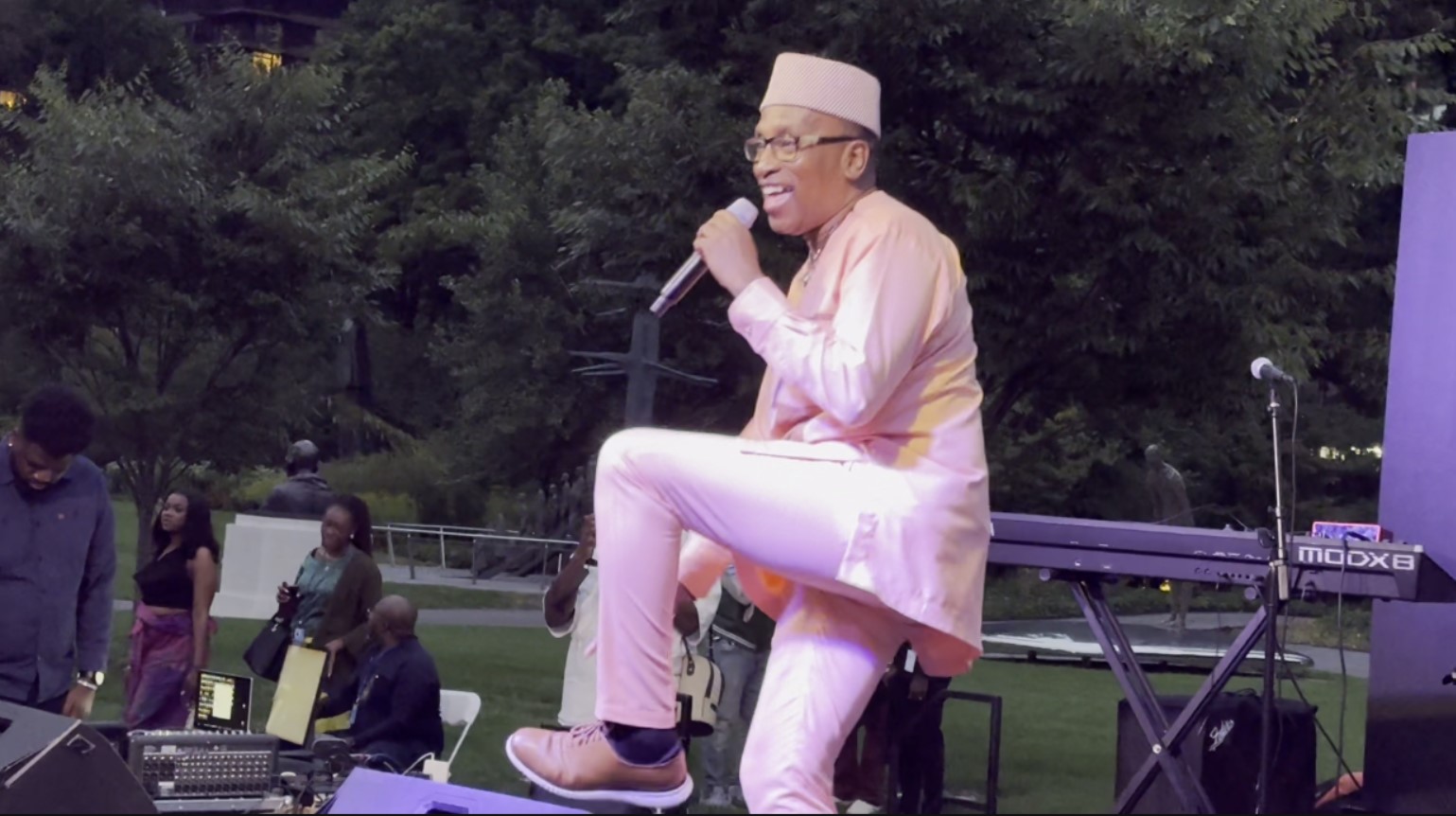
Celebrities Media Images Videos News: Sierra Leone Delegation UN Park Peace Concert
- Details
- Category: English Media
- Published: Saturday, 31 August 2024 16:22
- Written by Eager
播放器加载中....

Six UN Languages News.



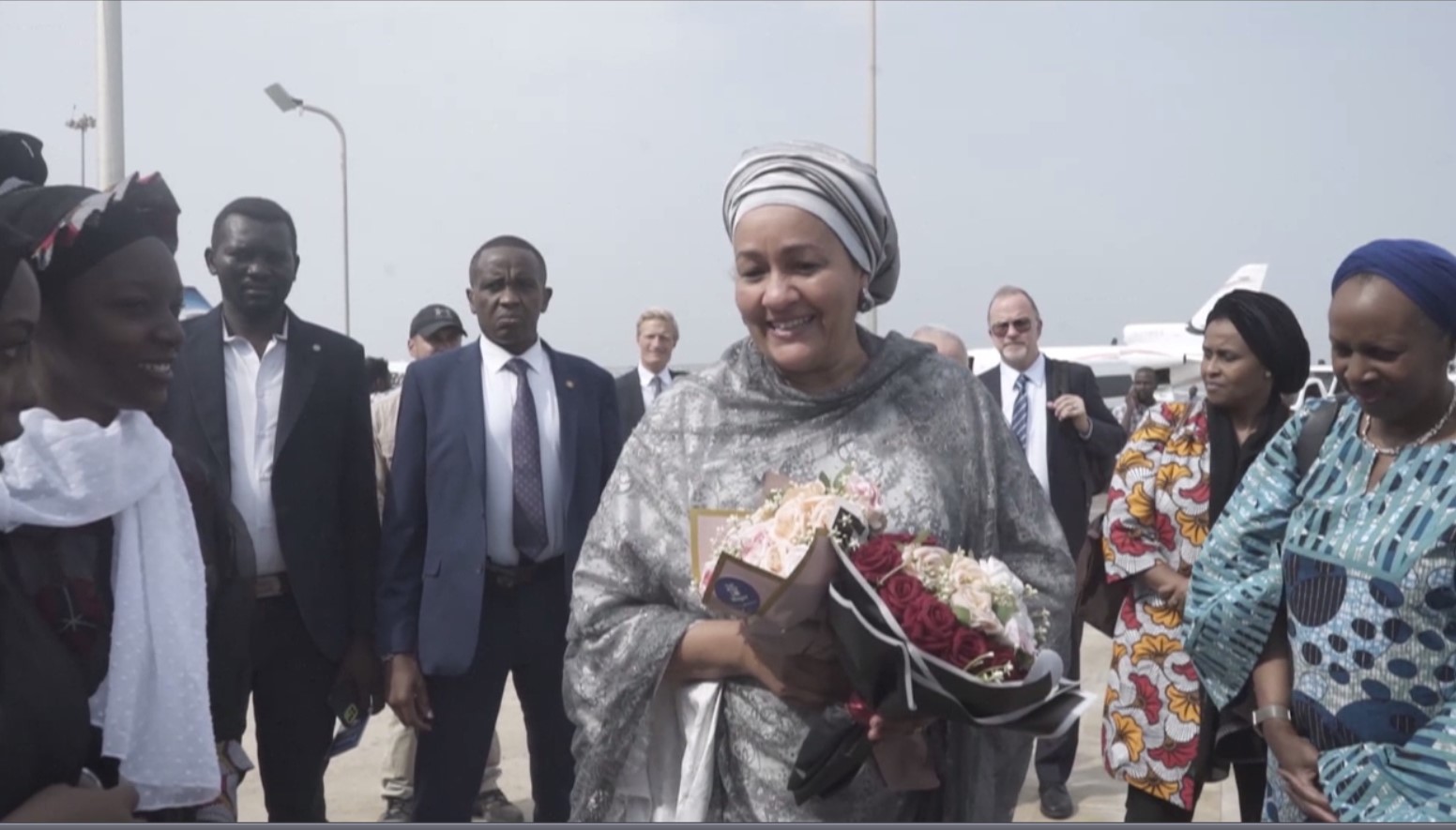
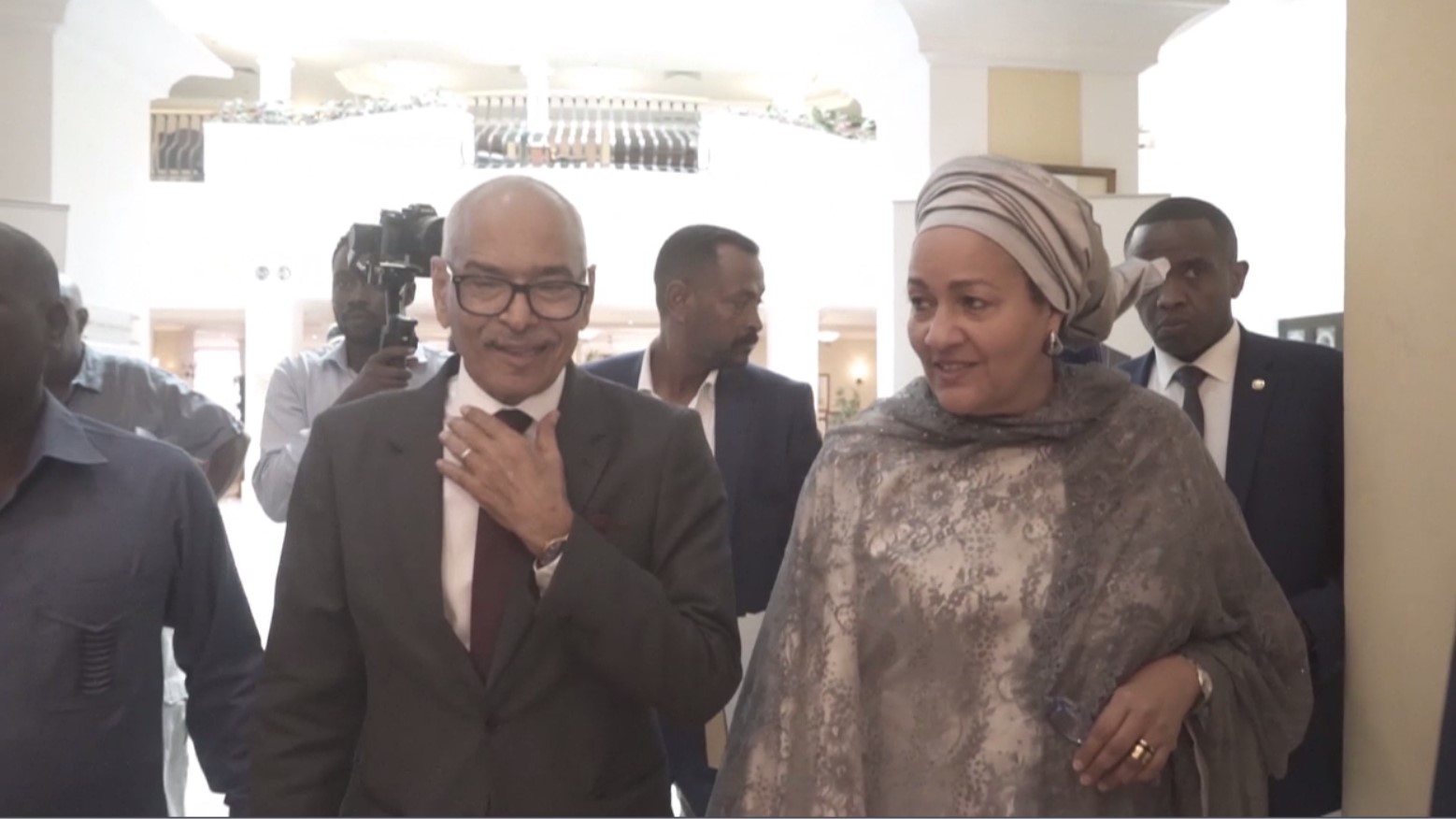
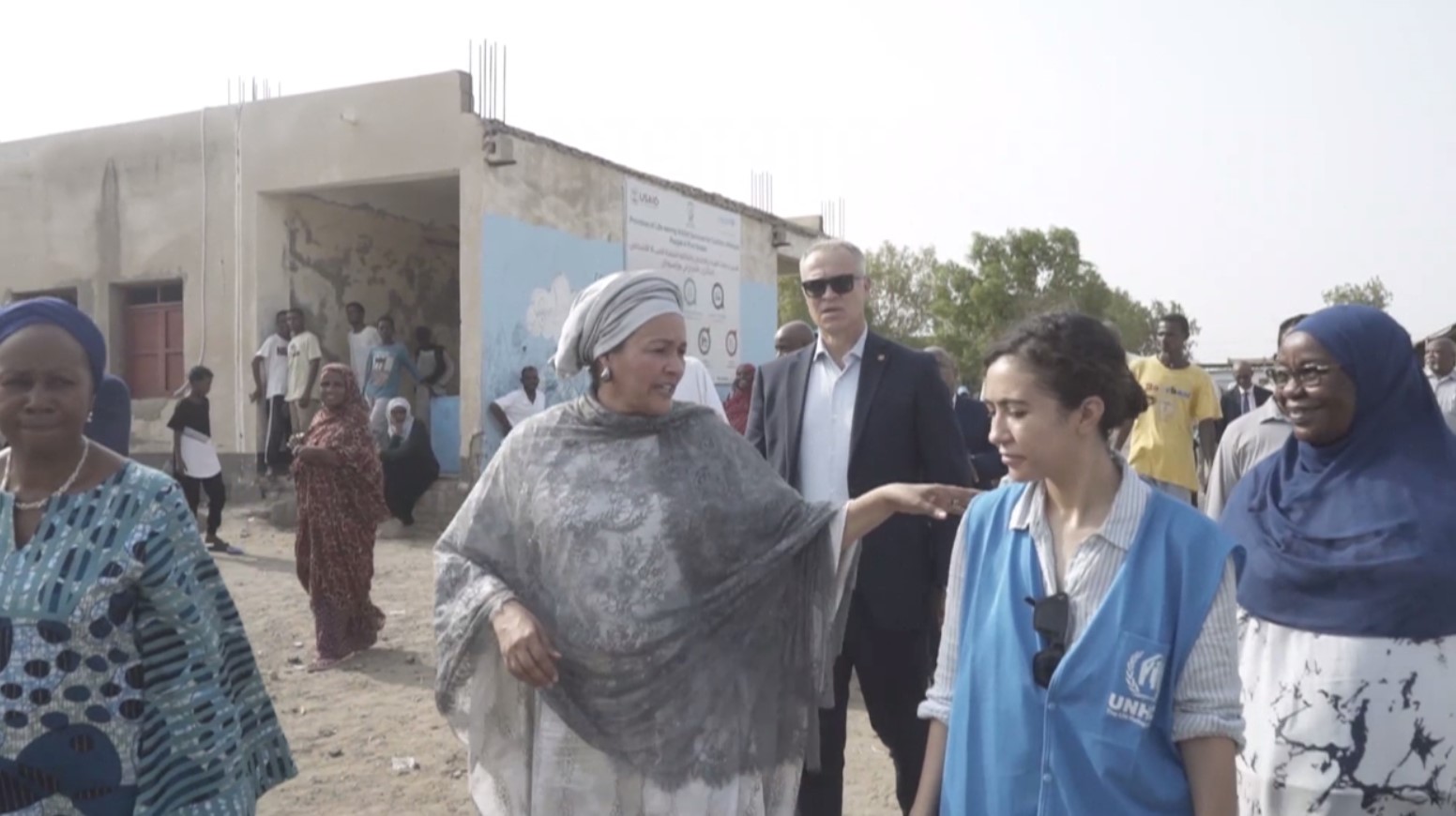
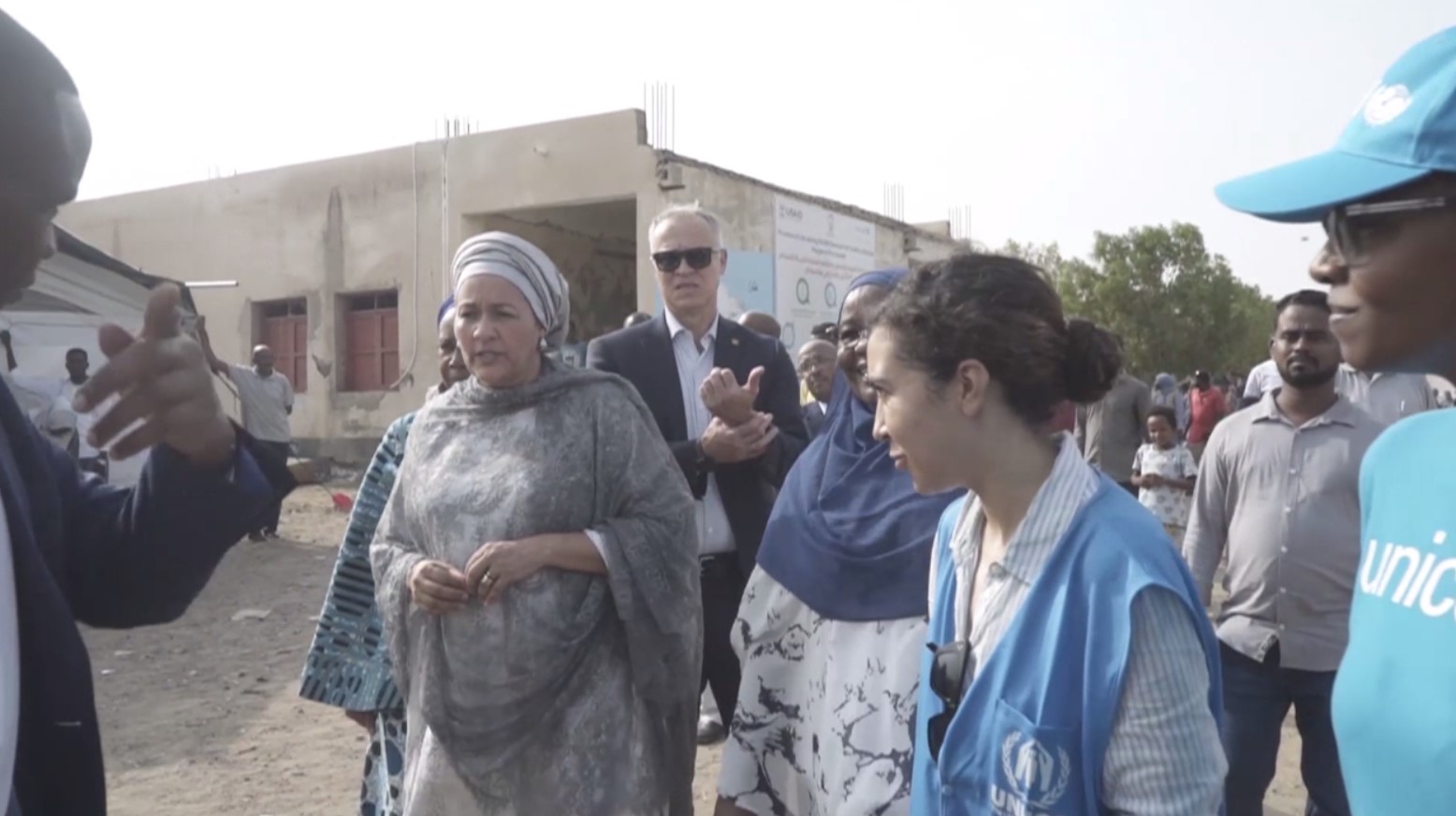
The Deputy Secretary-General, Amina Mohammed was in Port Sudan today (29 Aug). She was accompanied by Ramtane Lamamra, the Personal Envoy for Sudan, as well as the Resident Coordinator for Sudan, Clementine Nkweta-Salami, and senior officials from the World Food Programme, UNHCR, and UNICEF. They met with displaced persons, they also met with the UN team, and with a number of government officials of Sudan. This is aimed at highlighting the humanitarian crisis ongoing in the country.
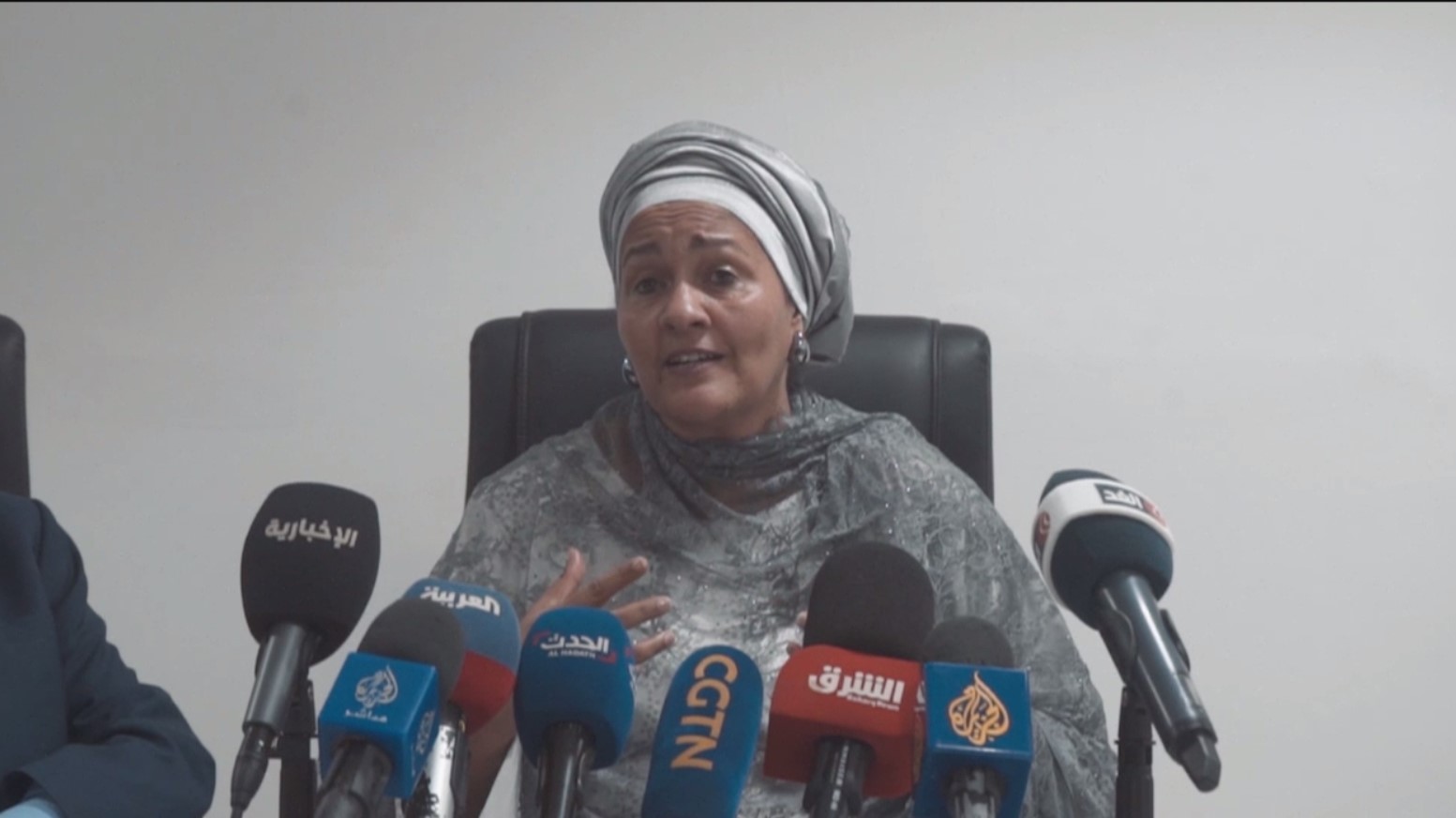
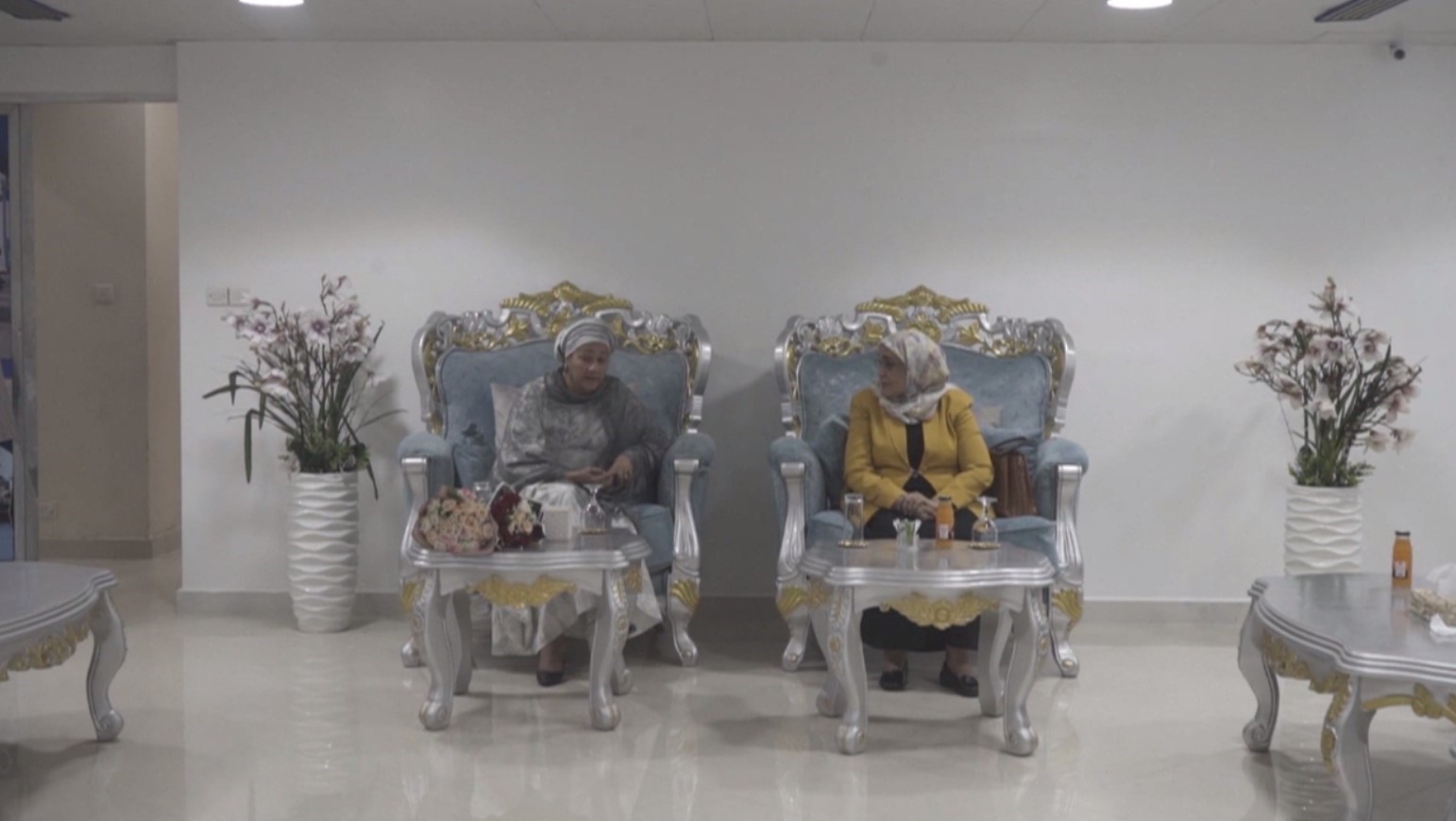
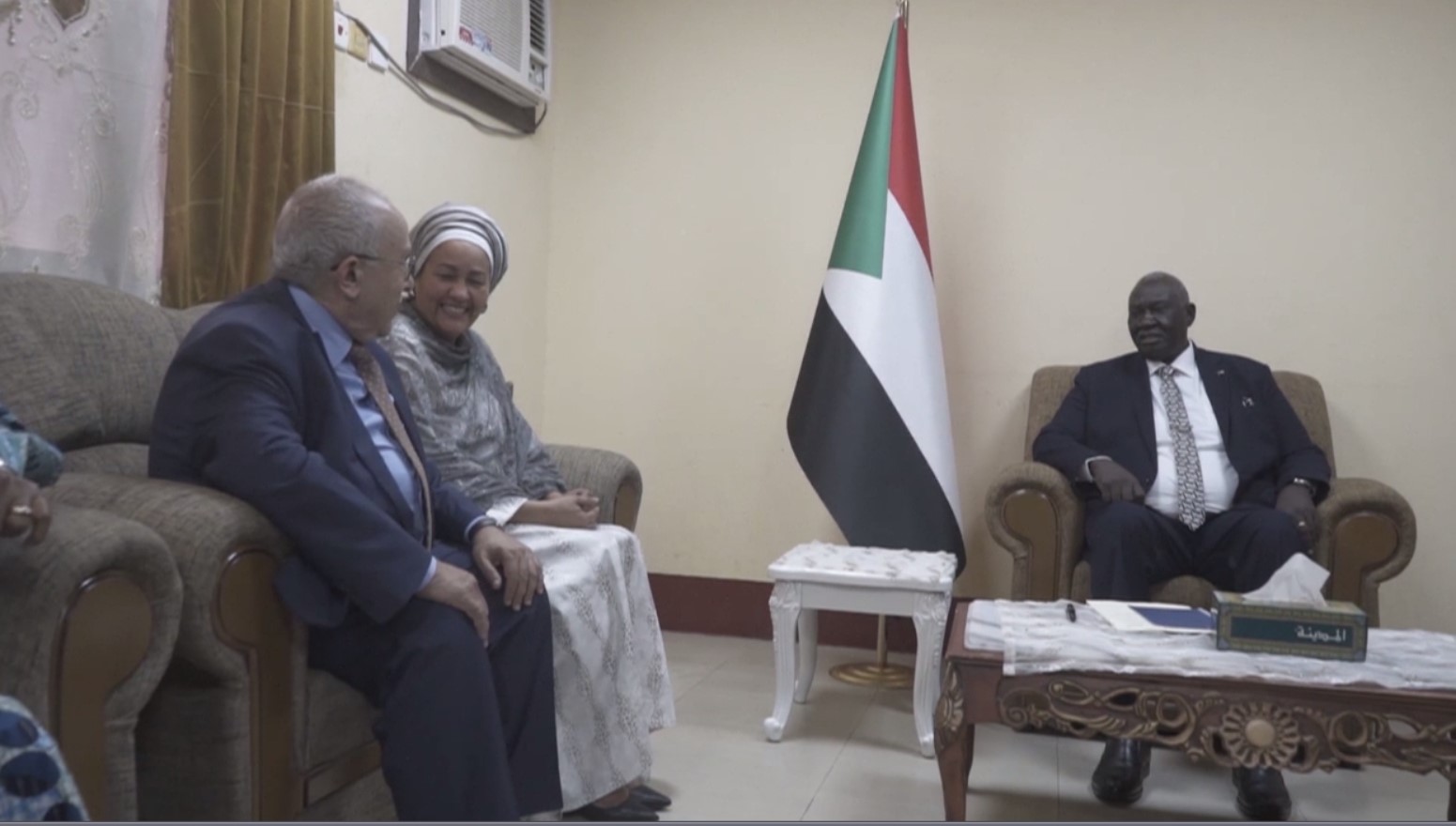
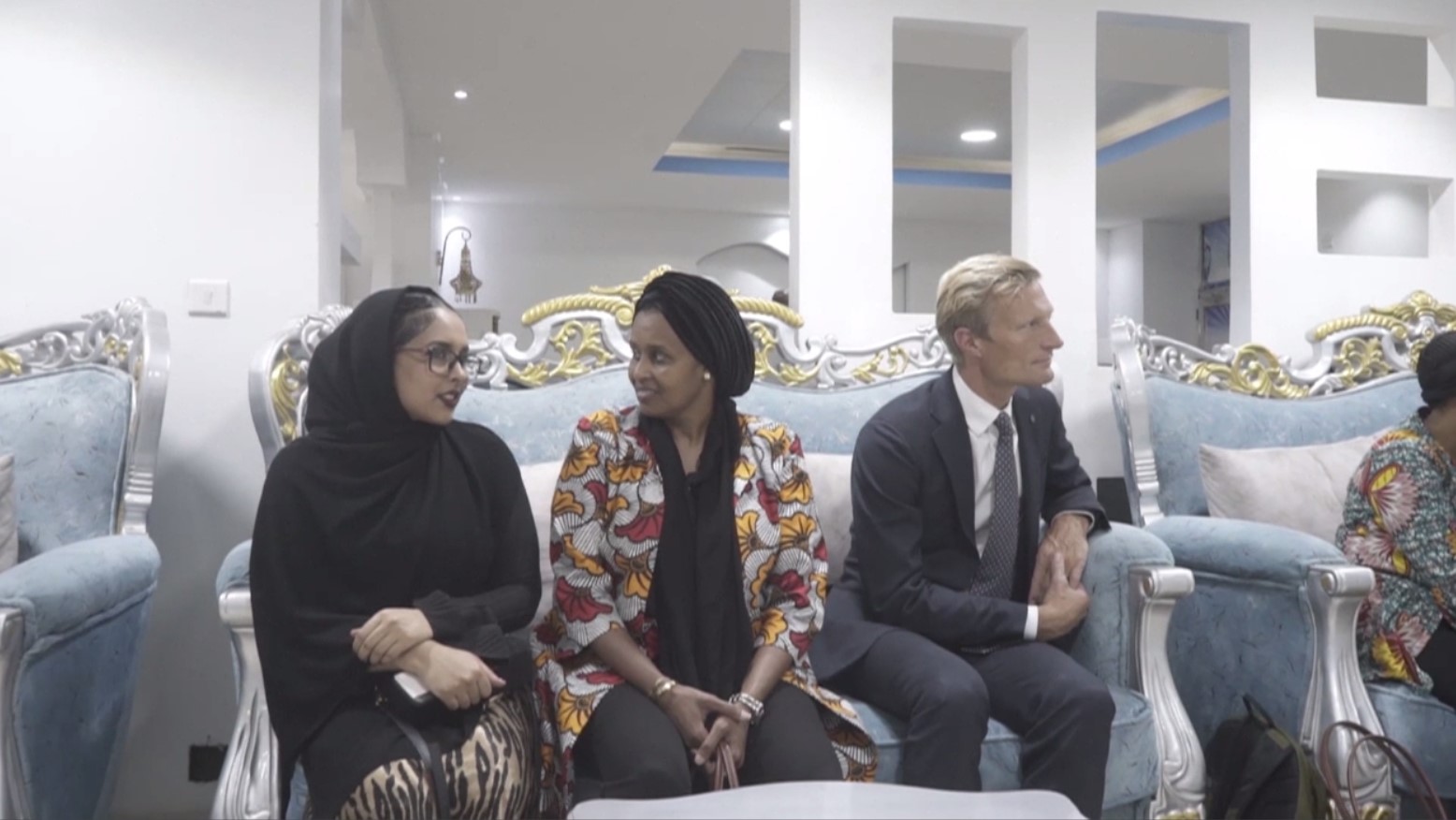
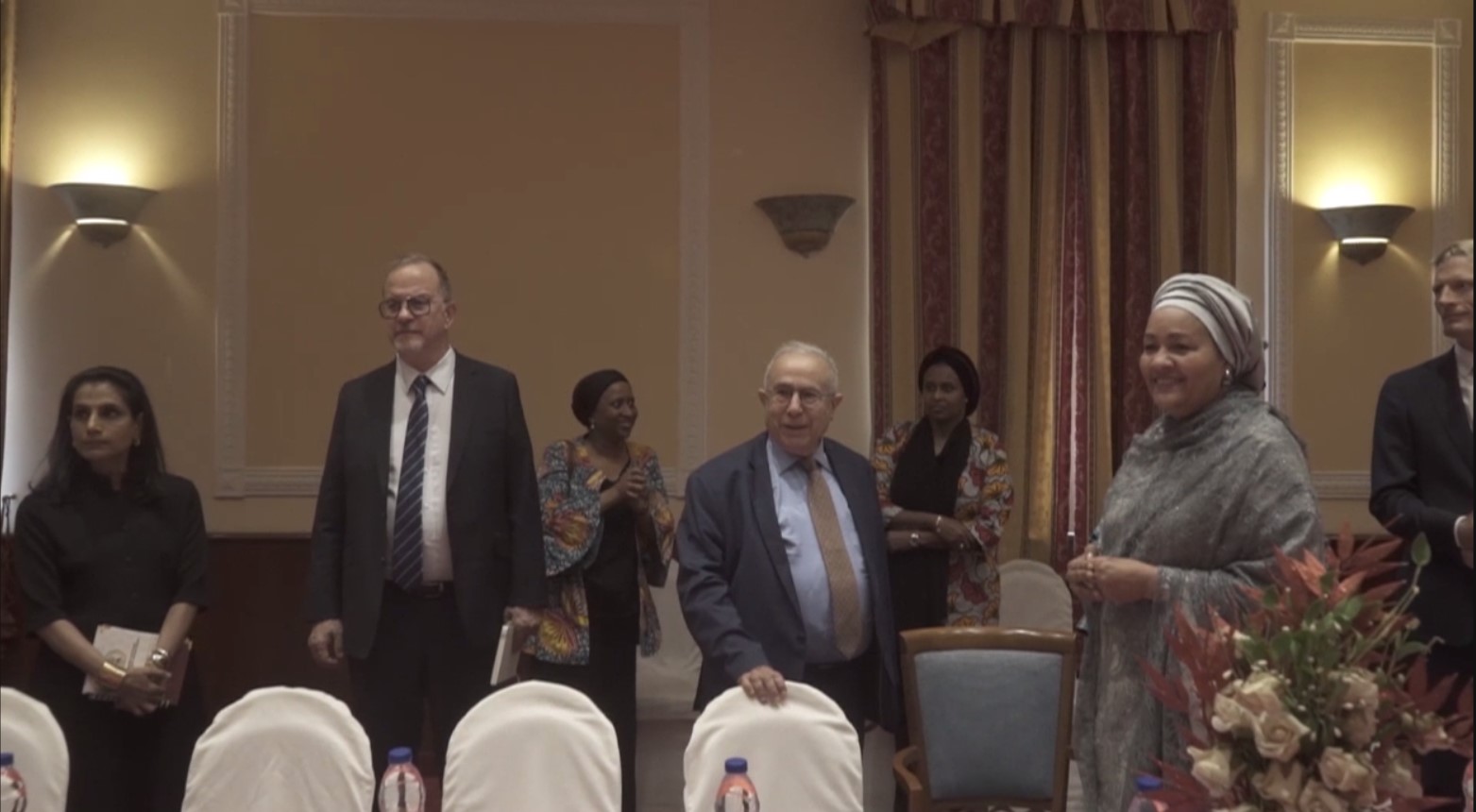
Speaking to reporters, the Deputy Secretary-General said, “The visit has been at the opportunity of the Government opening up the border in Adre. The humanitarian task that we have in Sudan has been very big. It has been one that we have been consistently supporting the Government to try to address the crisis in the country.”
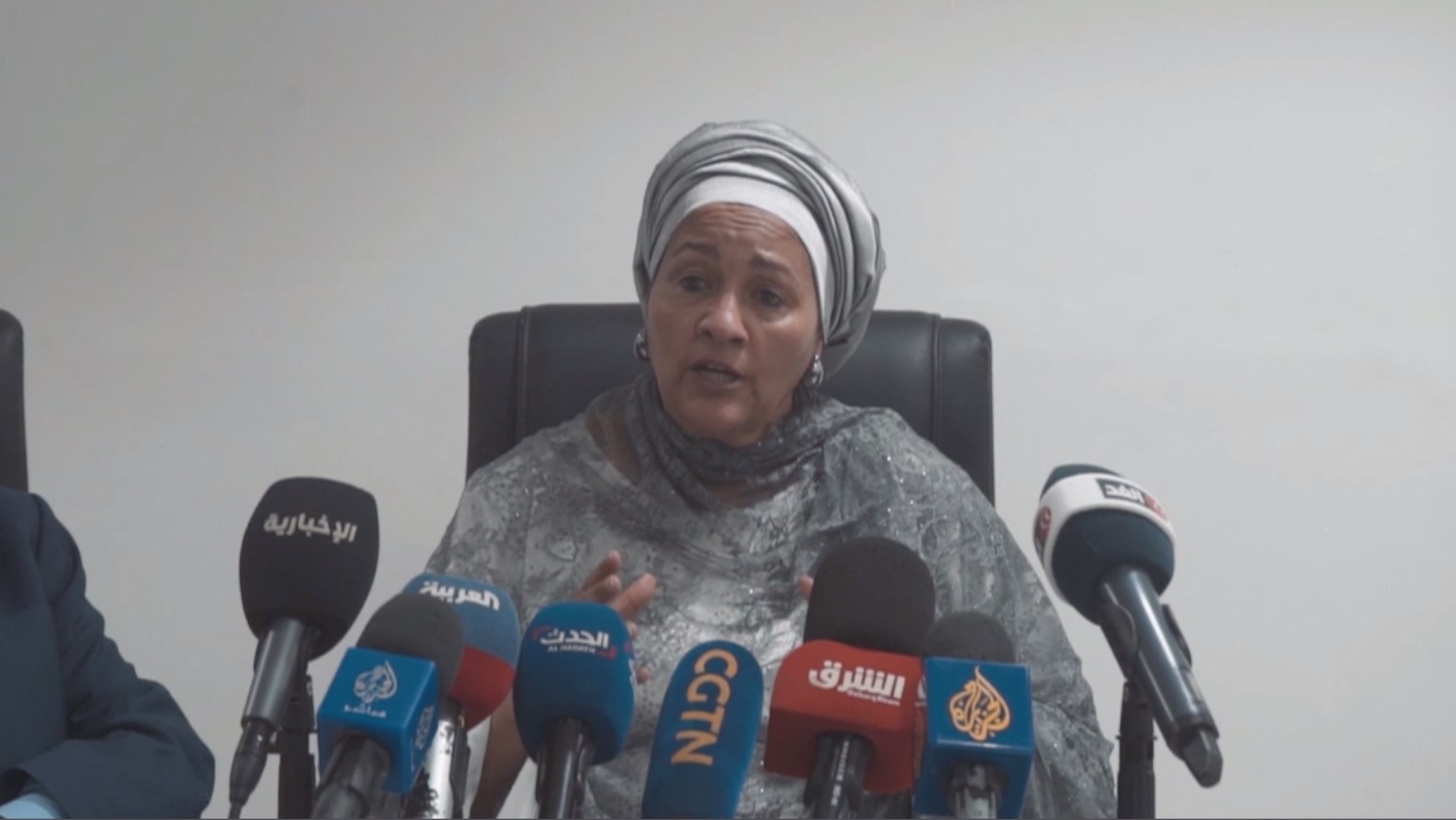
She added, “The many atrocities that we have seen [inaudible] upon men, women, children, especially, and for that, we wanted to come to speak and to support the Government in keeping that border open and aid to the people that need it most across the country. But in this particular case, this new opening gave us another opportunity.”
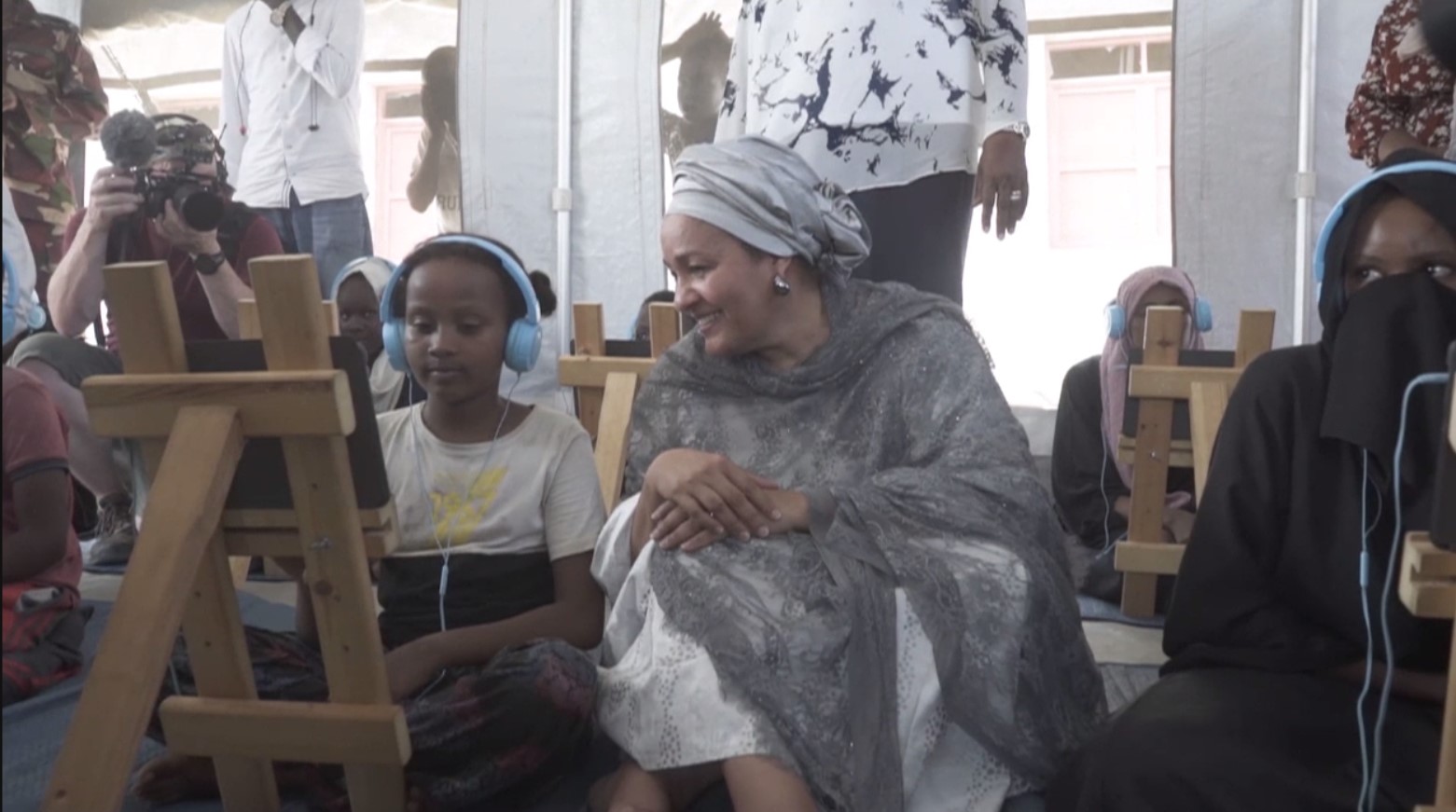
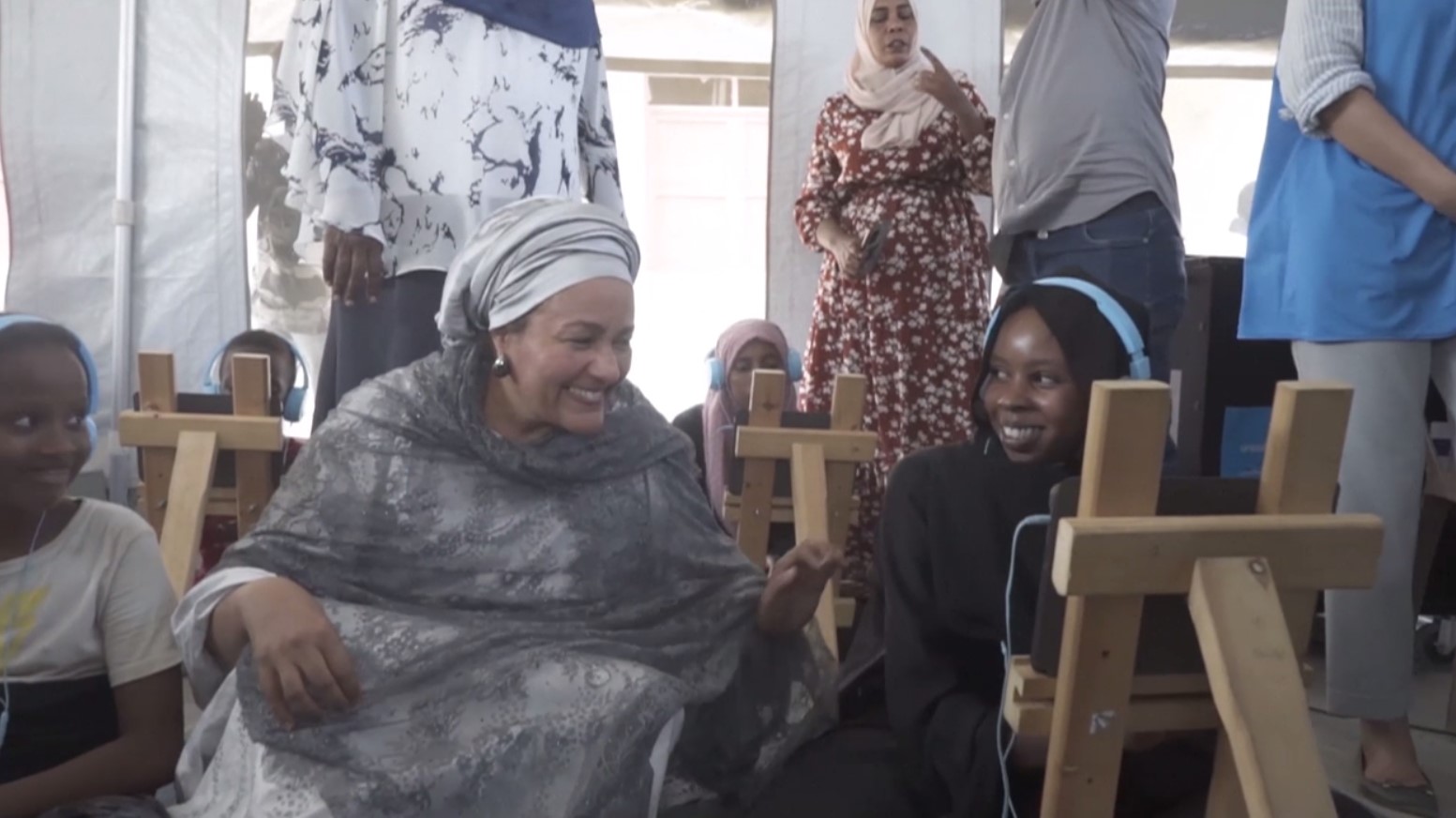
The Deputy Secretary-General also said, “The second, of course, is to bring the international community again to see the visibility of the crisis here in Sudan.”
“It is a huge one. There are many people suffering. It requires enormous support for commitments that have been made to the humanitarian cause, but have to be fulfilled, and they have to be done urgently,” she highlighted.
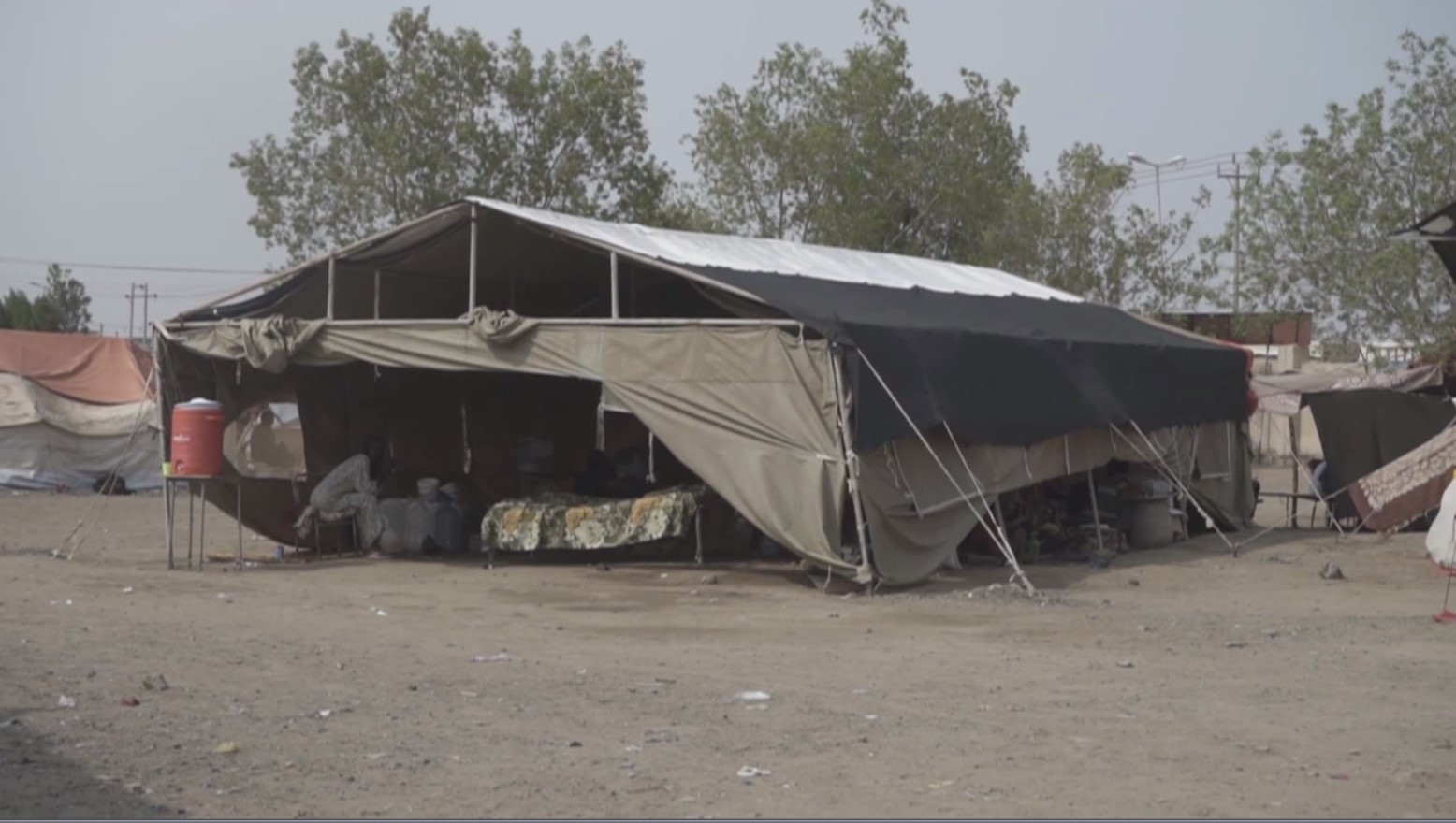
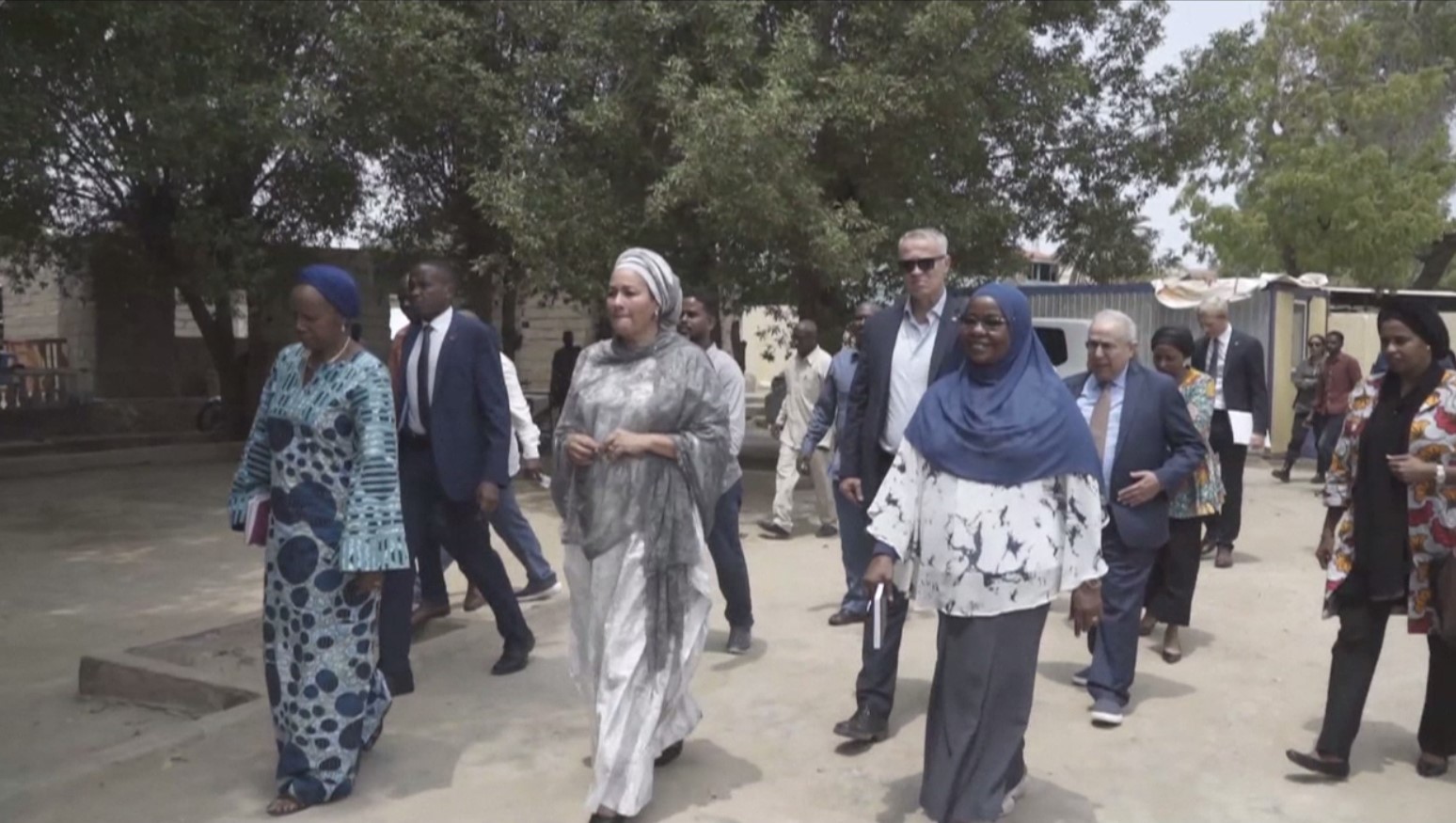
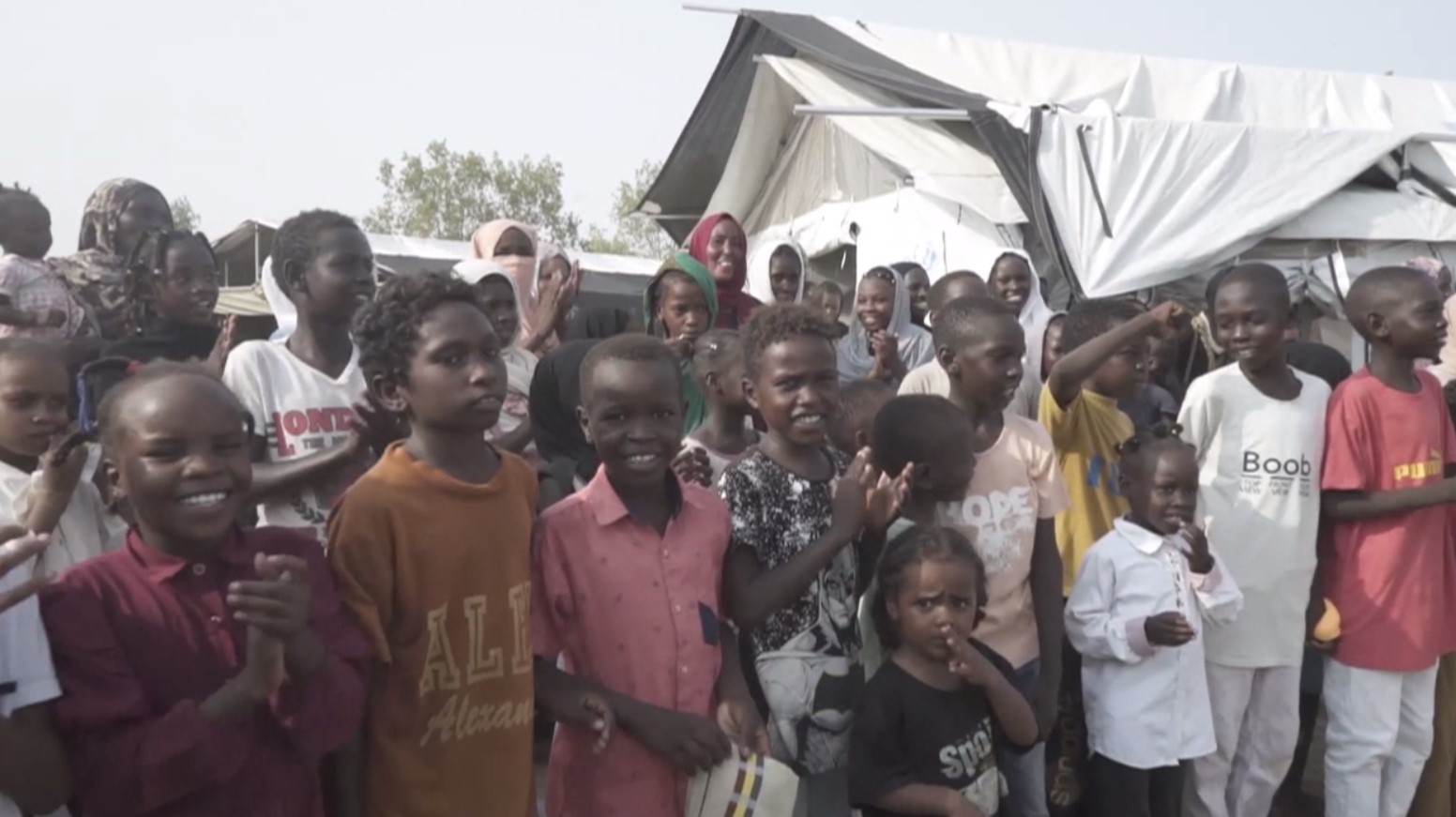
The UN deputy chief continued, “We have impending crisis around famine. We are not getting medical supplies in where there are health crises. But more importantly, we have to remember the suffering of the people, and we are here to do this with the Government of Sudan.”
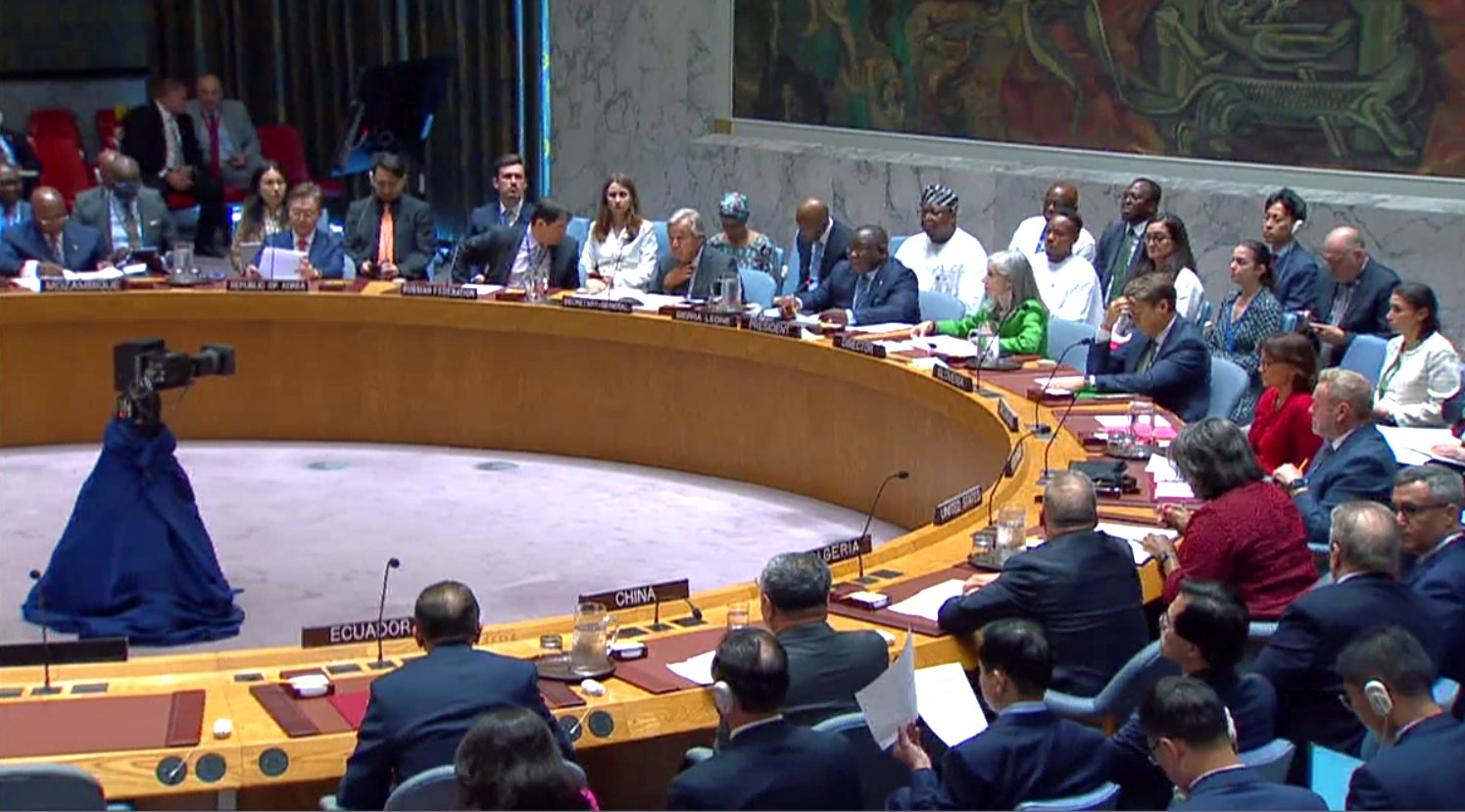
Seventy-five years since the ratification of the Geneva Conventions, a former child soldier-turned foreign minister of Sierra Leone urged greater international support for the key accords, highlighting their importance in rehabilitating him and tens of thousands of his fellow compatriots following the country’s bitter civil war.
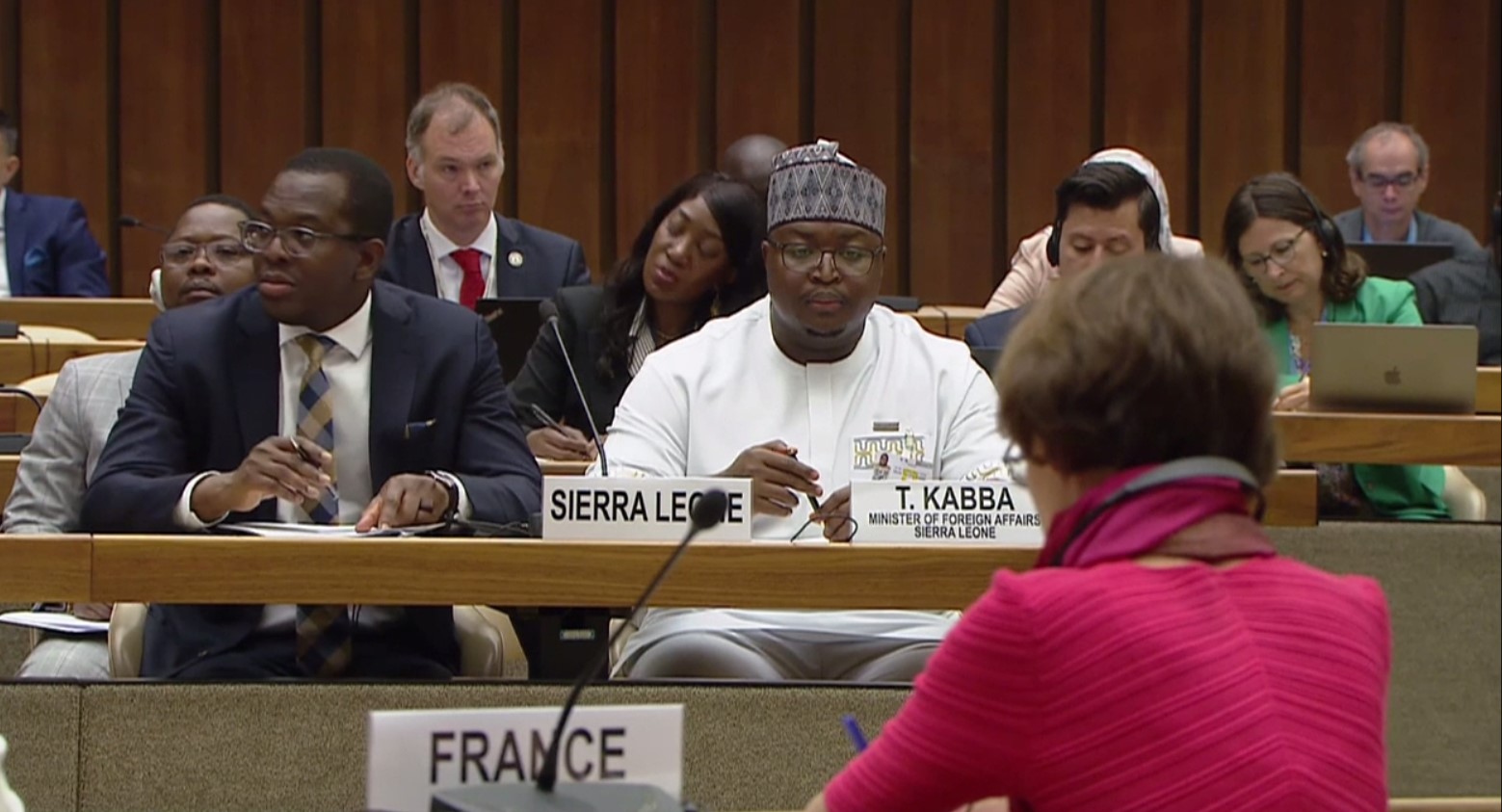
“I stand here today as a former child soldier, forcefully recruited during the civil conflict that decimated over 50,000 of my compatriots… I wouldn't be the person I am today without the critical support of the ICRC and the international community,” Musa Timothy Kabba told Members of the Security Council, referring to UN-partner the International Committee of the Red Cross, founded in the Swiss city in 1863 to protect and provide humanitarian assistance, in line with earlier accords designed to protect people in conflict.
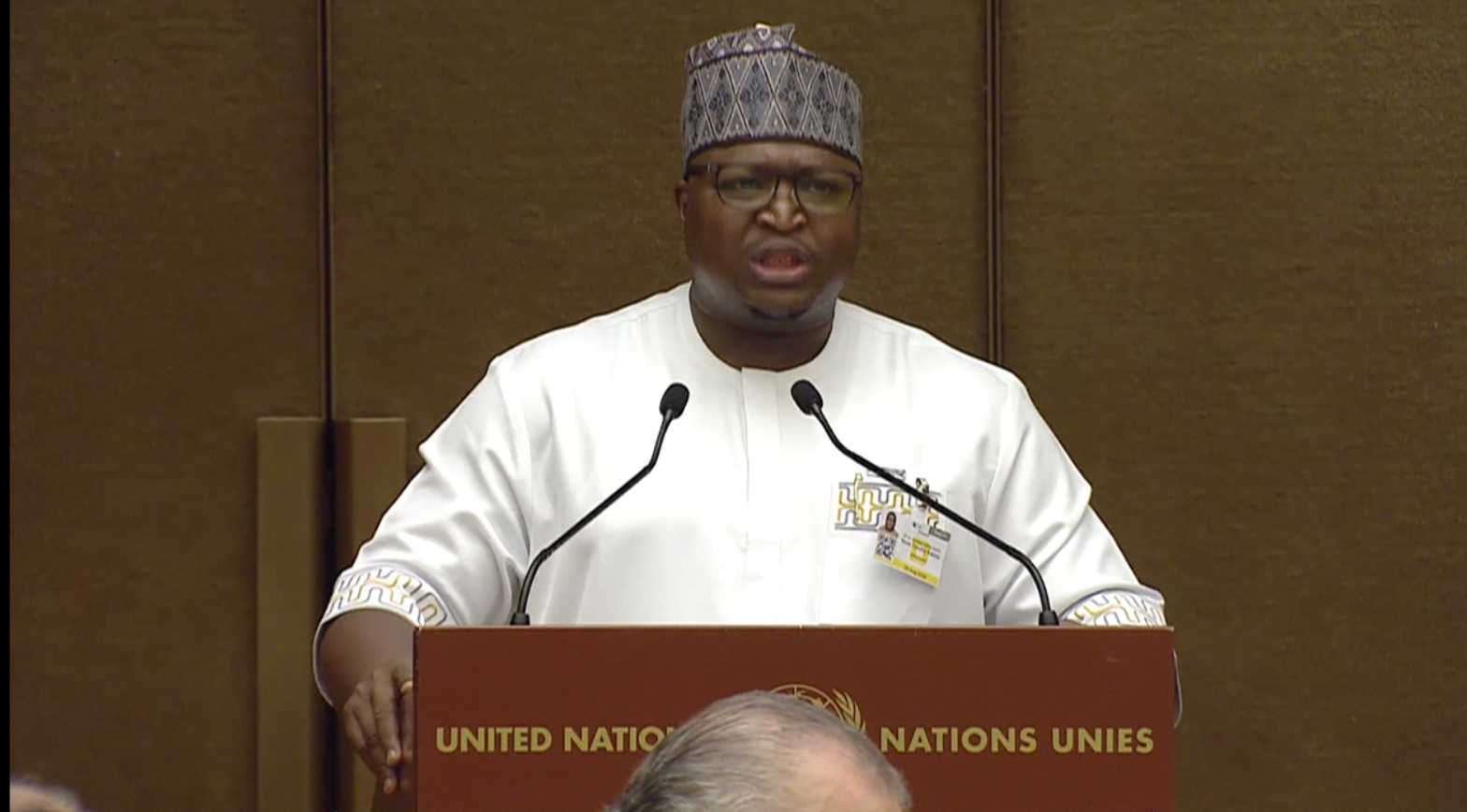
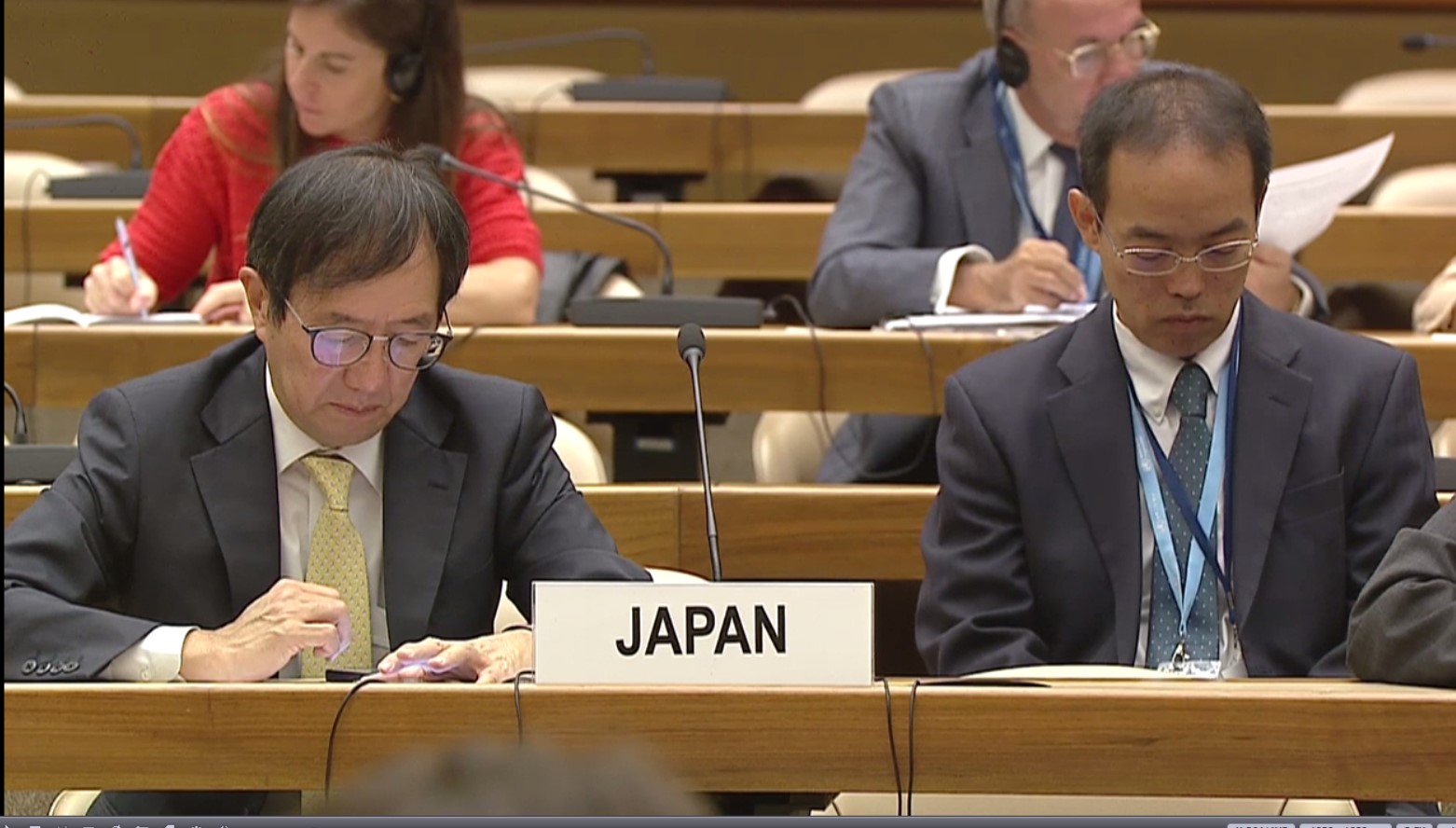
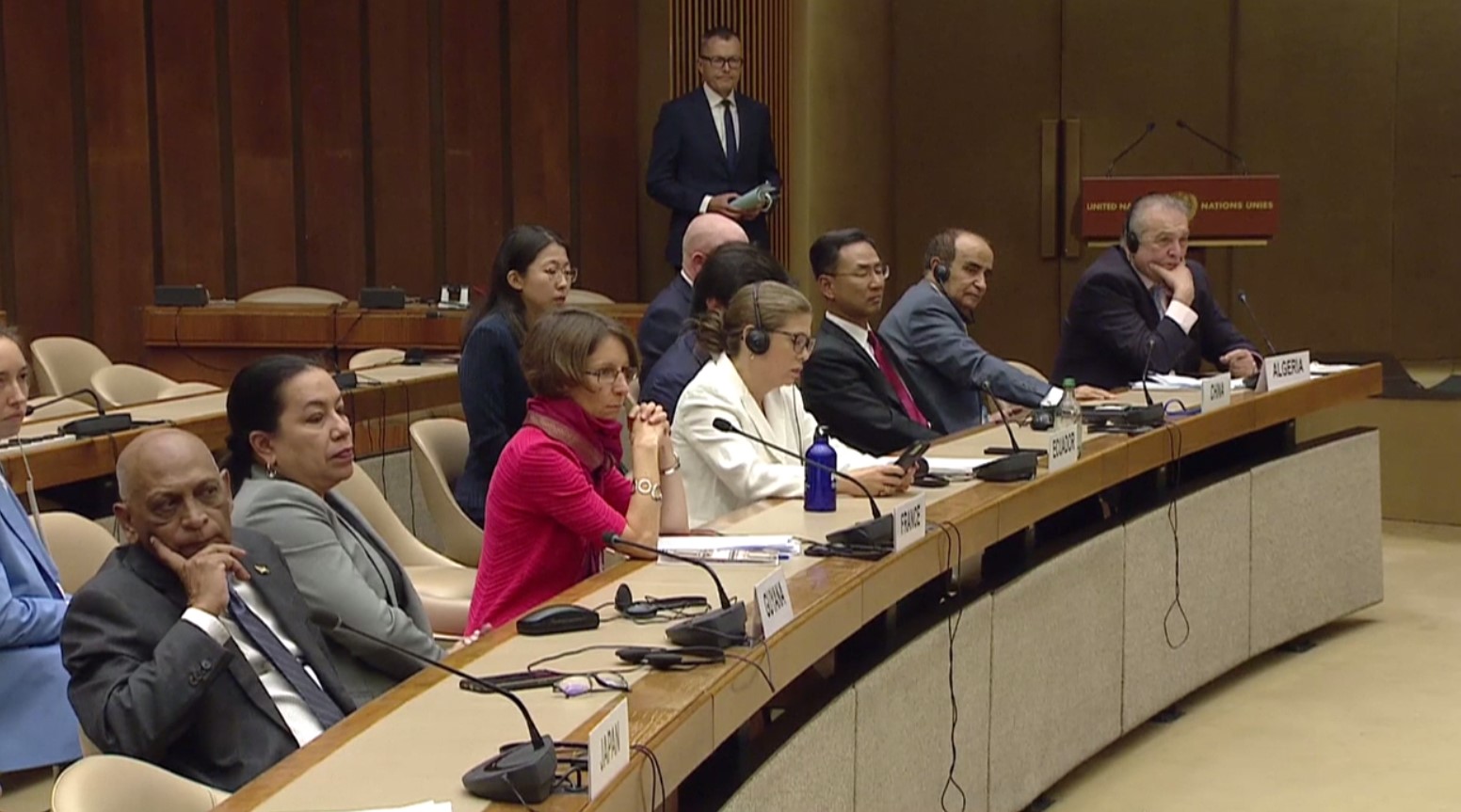
Addressing Members of the Security Council gathered at UN Geneva to mark the moment in 1949 when the international community revised three earlier Conventions - concerning the protection of soldiers wounded in battle, victims of conflict at sea and prisoners of war – and added a fourth to protect civilians impacted by war, Mr. Kabba said that he “need not dwell upon the trauma of those years” as a young soldier, “but I do need to acknowledge here today, in this birthplace of modern global humanitarianism, that it was the ICRC which profoundly helped me to overcome…the trauma of my war experience and to be reabsorbed in normal society.”
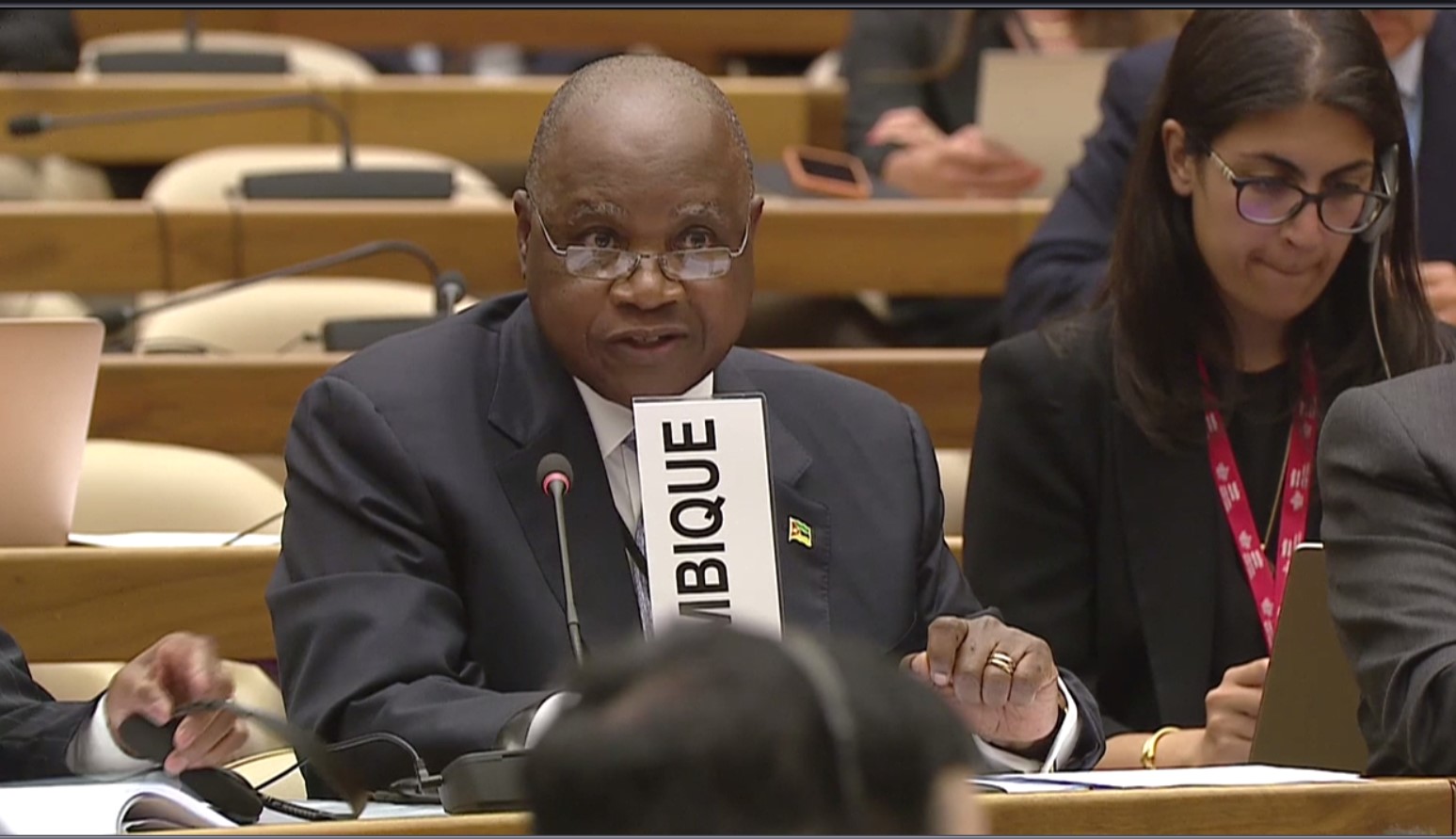
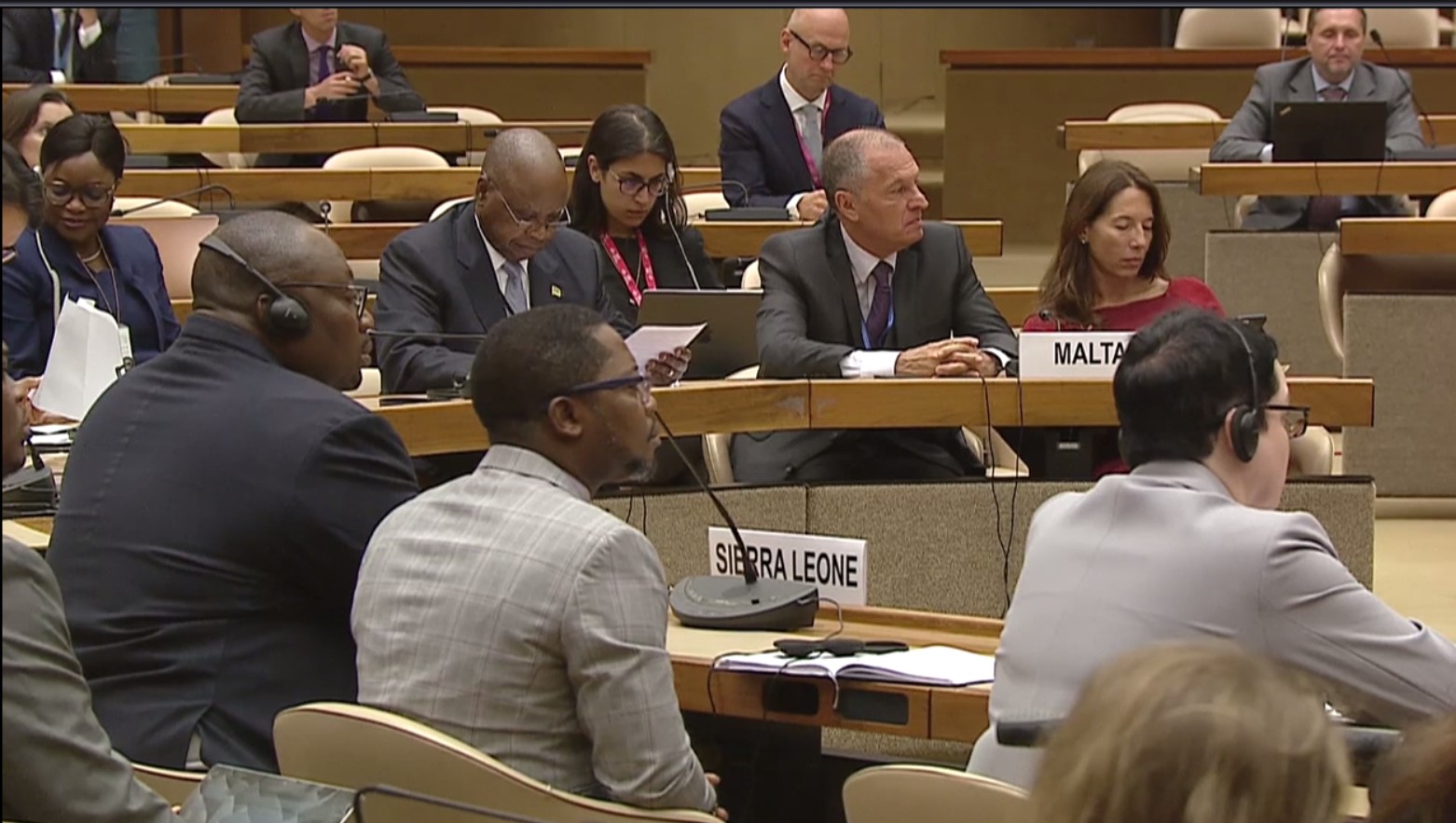
From Mozambique, Permanent Representative to the UN in New York, Pedro Comissario Afonso, insisted that the Geneva Conventions were both “a moral beacon and legal compass during and after the armed conflict in our country”, fought from 1977 to 1992. “The international humanitarian law espoused in the texts “guided the actions not only of the parties involved in conflict, but also of the humanitarian organizations that work to tirelessly to alleviate the suffering of the Mozambican people”, he continued.
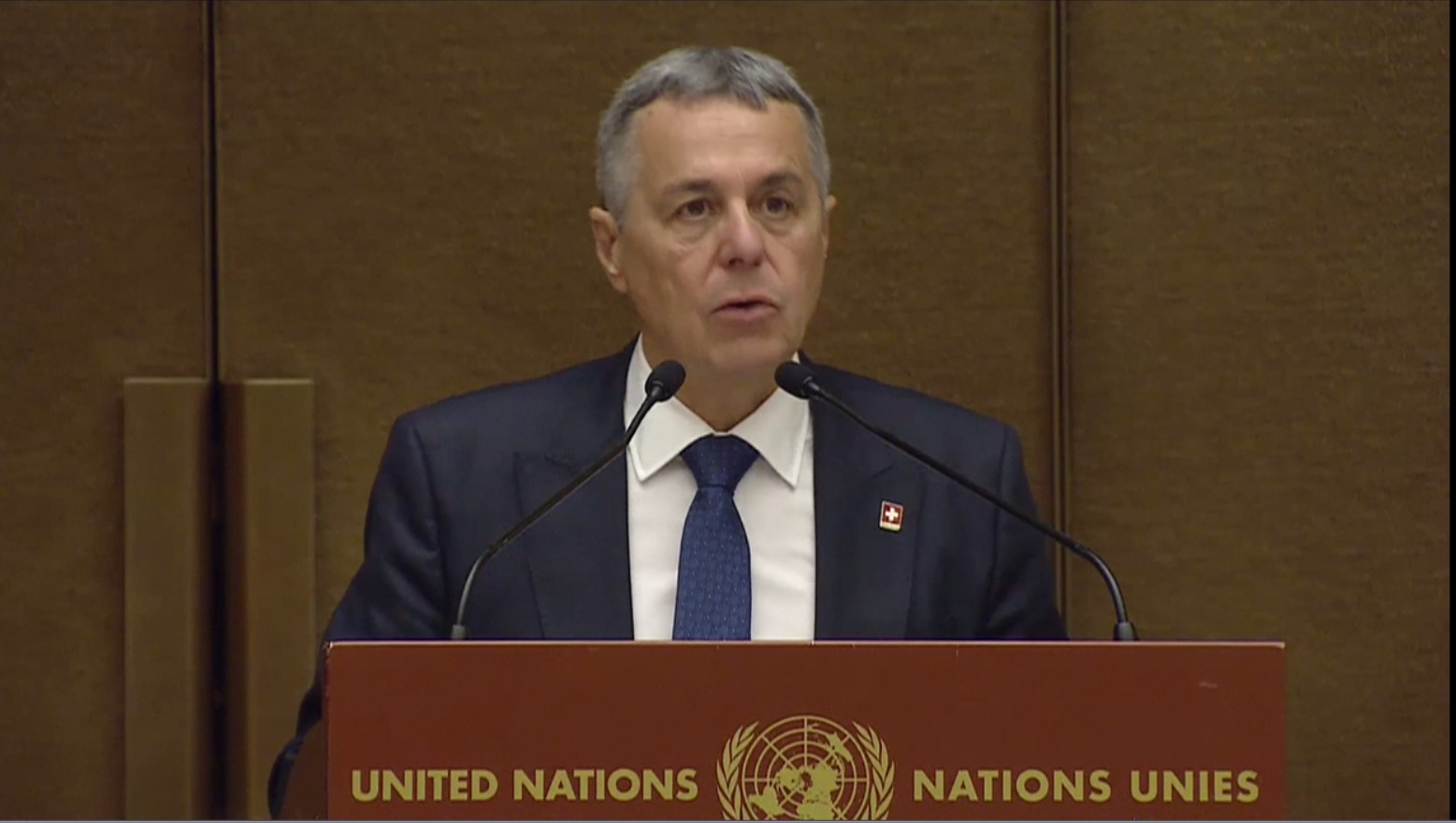
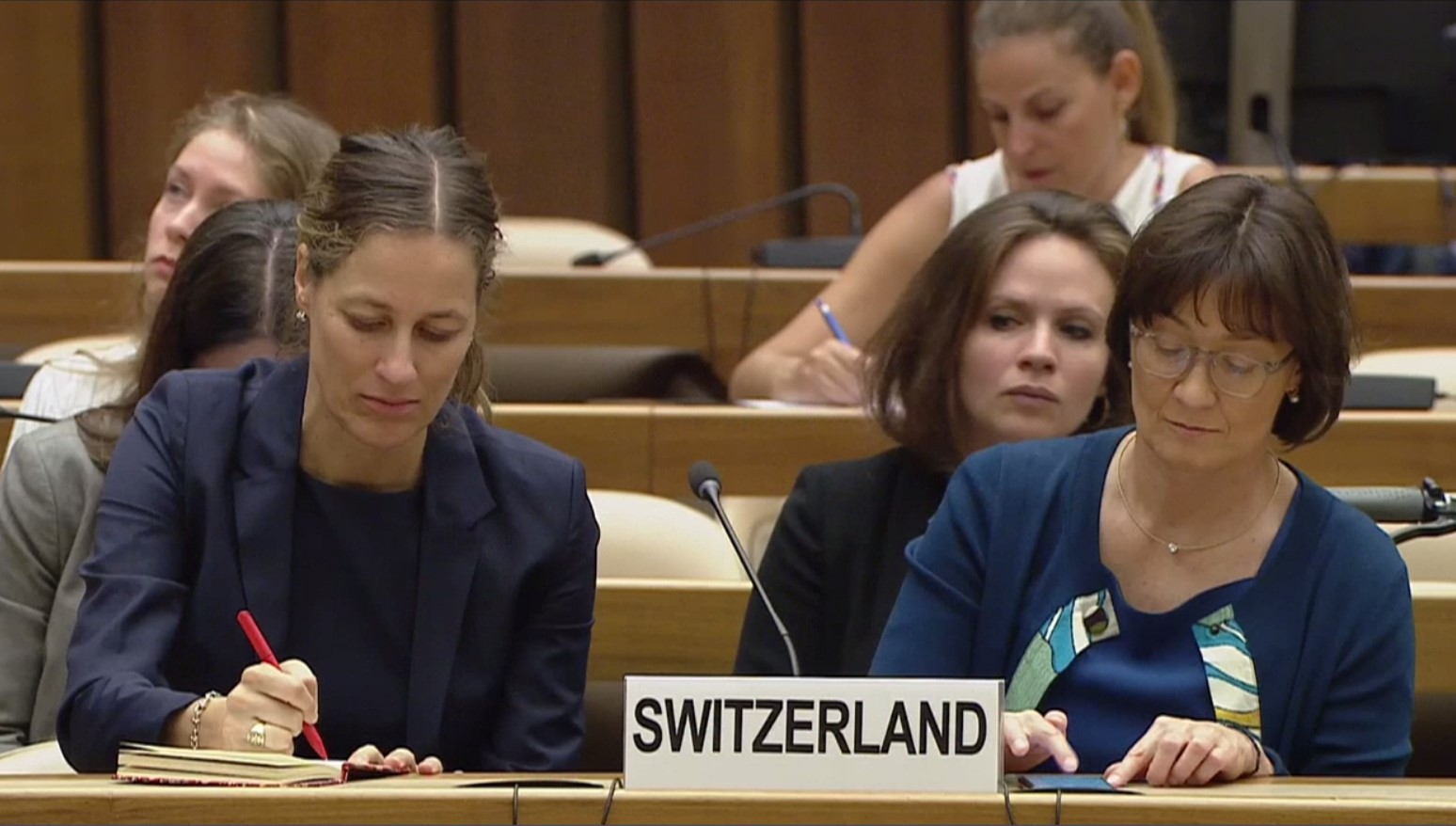
From hosts Switzerland, Foreign Minister Ignazio Cassis juxtaposed the historic milestone with the “alarming” international context. “More than 120 armed conflicts are under way around the world,” he said. “There is Sudan, whose ceasefire talks have been held near here in recent days. There is also Ukraine, Yemen and the Middle East, to name just a few of the current conflicts that neither multilateralism nor international law have been able to avoid, let alone resolve.”
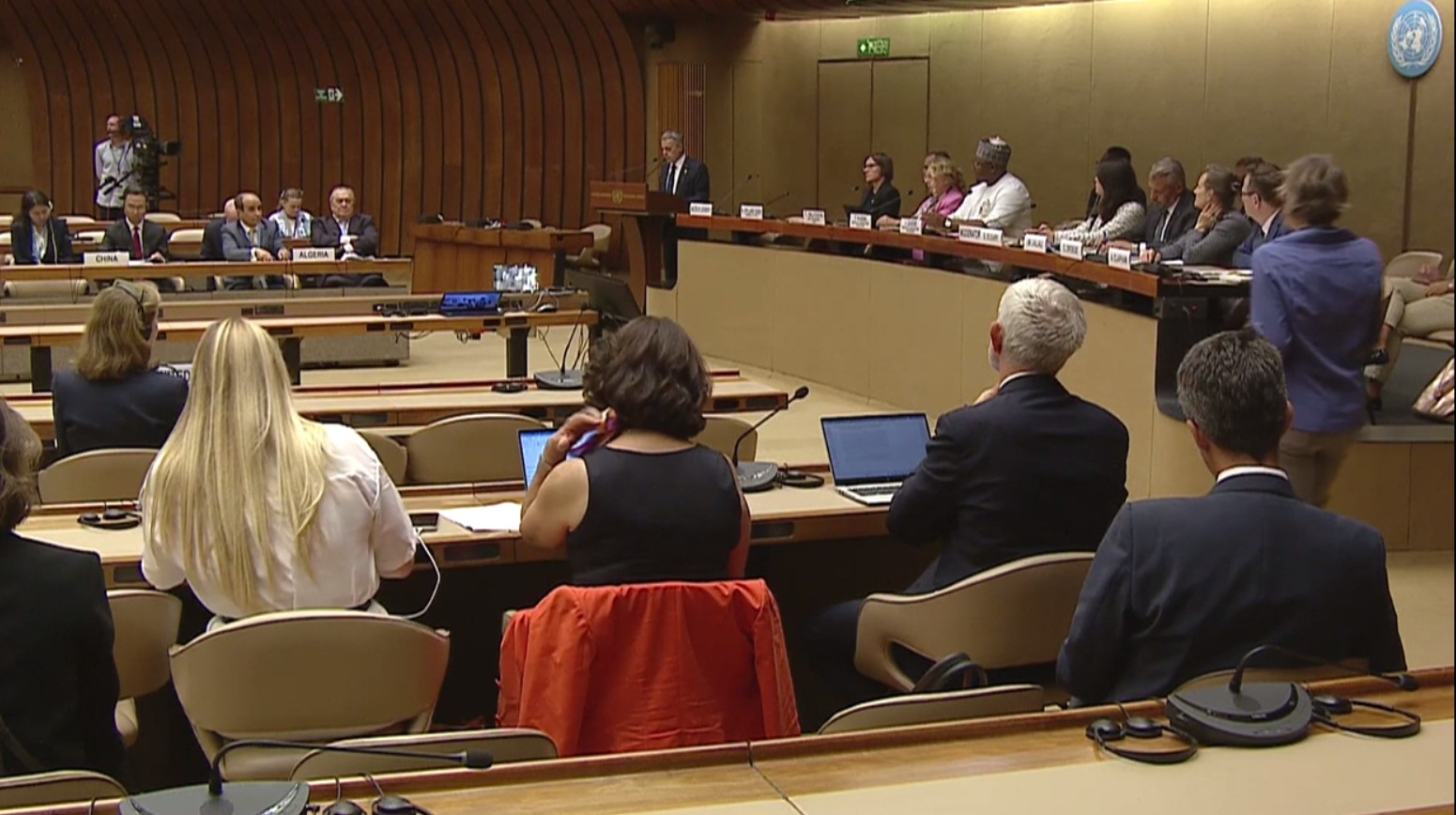
In a call for greater support for belligerents to respect international humanitarian law (IHL), Mr. Cassis insisted that IHL “cannot simply be a right written on the paper of our good conscience, nor even a right on the map; there must be the right to action. Our voices must be powerful and convincing enough so that their echo resonates all the way to the battlefields.”
While the forum heard about the concerning trend among some nations of arguing for exemptions with regard to the clearly defined limits on what is legally allowed in war, Mirjana Spoljaric Egger insisted that there was “no reason to celebrate” the blatant disregard many States showed for the Conventions. Ms. Egger insisted that States should use “their influence and power” to enable independent and neutral humanitarian actors her organization to fulfil their role.
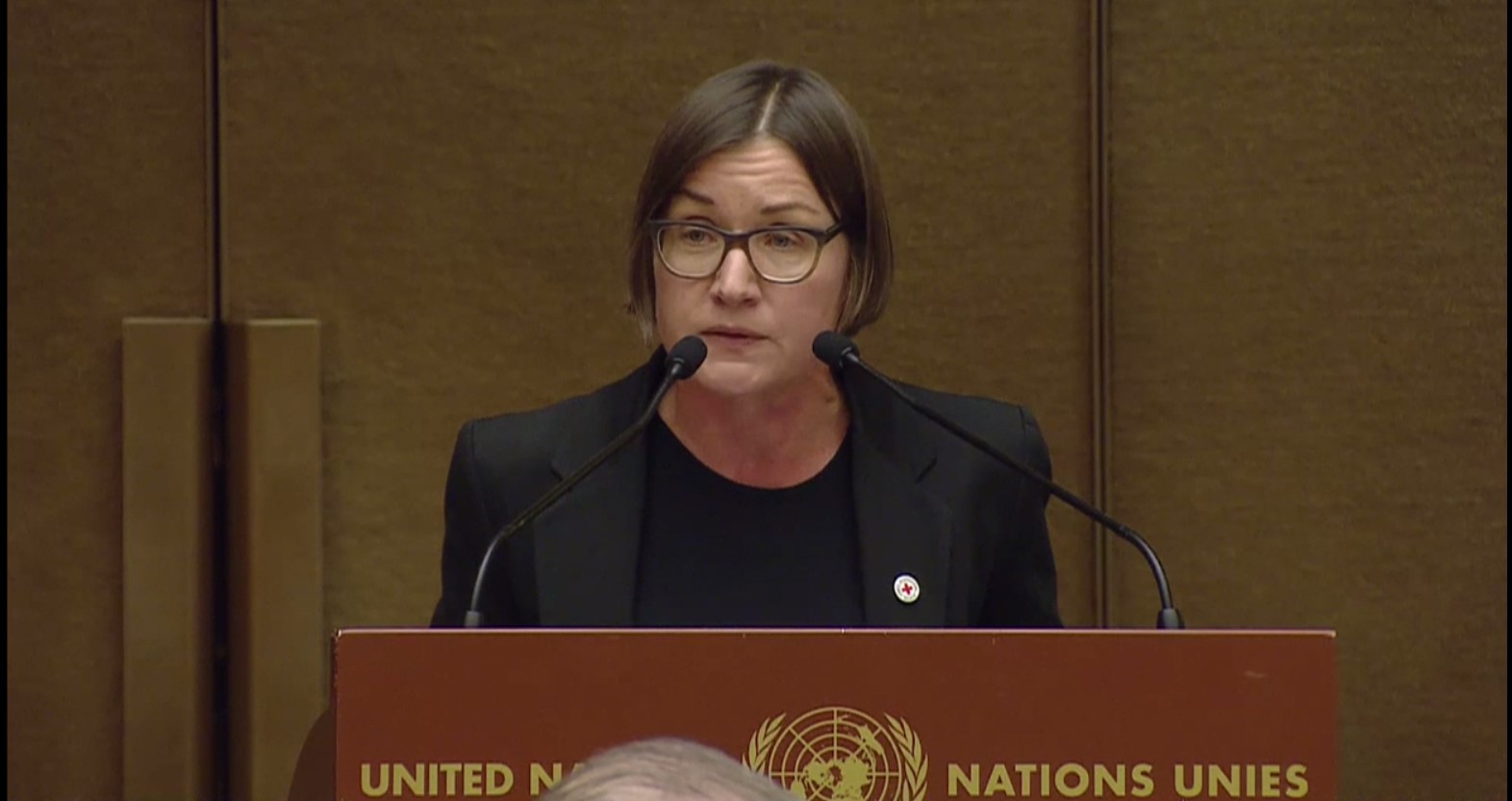
The ICRC President also underscored the changing nature of modern warfare which presents another challenge to international humanitarian law and efforts by the global community to limit its impact: “States must affirm that the use of new technologies of warfare, artificial intelligence, cyber operations, information operations strictly adhere to IHL and more specifically, it is urgent that States develop a normative framework that imposes certain limits on autonomous weapons systems.”
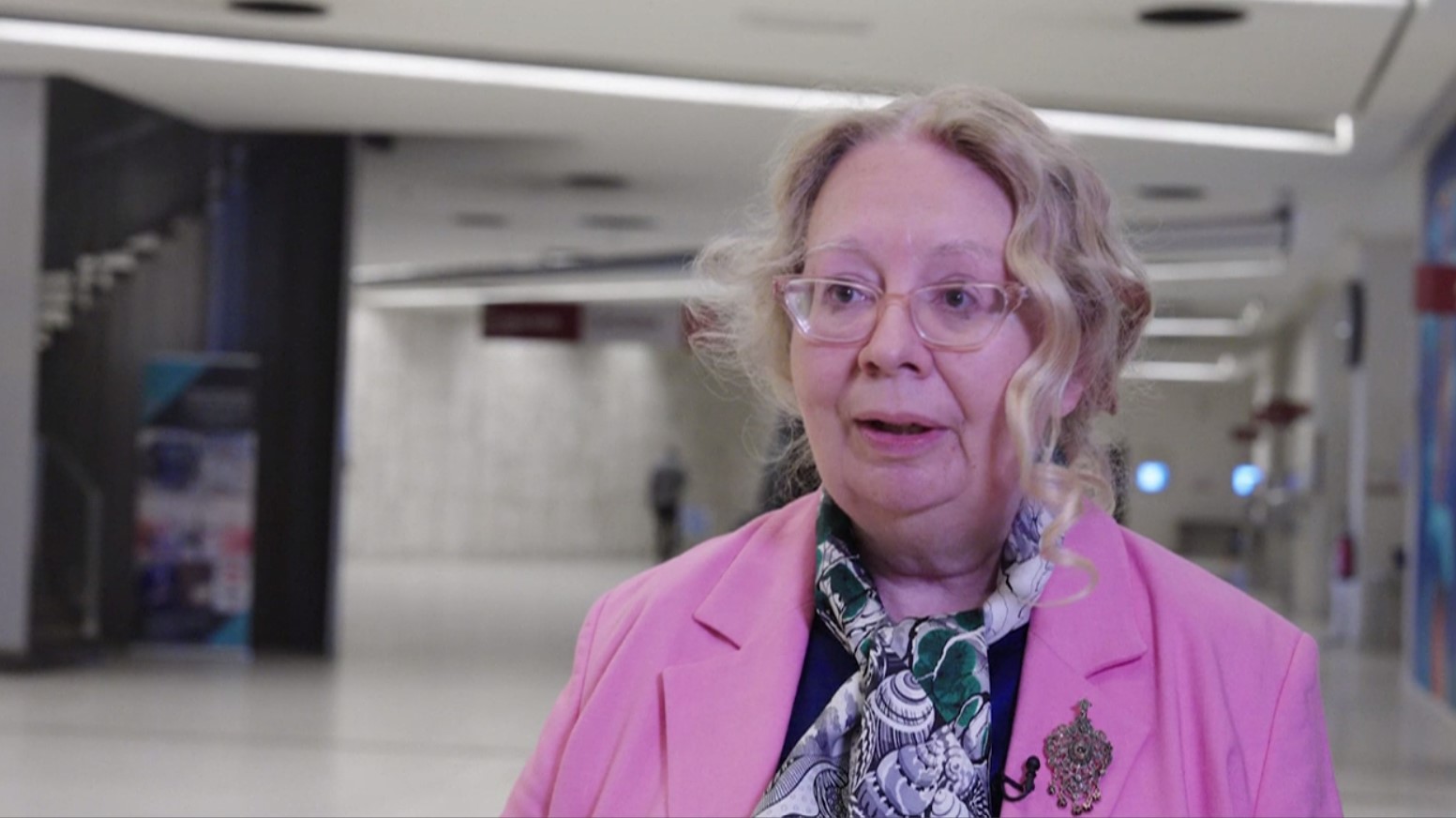
From UN Geneva, Director-General Tatiana Valovaya noted that “even if the Conventions are violated” in conflicts around the world, they remain fundamentally important, “because they allow us to remind everybody that the wars have rules, even the wars have limits”. Member States, the UN and International Geneva continue to work to develop IHL, among other “critical global issues” that are discussed and acted upon in Geneva, Ms. Valovaya insisted, from digital governance to disarmament and from health to humanitarian affairs, sustainable development and more.
Expressing the widely shared call for far greater engagement by all governments on IHL, Andrew Clapham, Professor of International Law at the Geneva Graduate Institute, told delegates that violations of the Geneva Conventions “are not just technicalities to be dealt with by somebody else”.
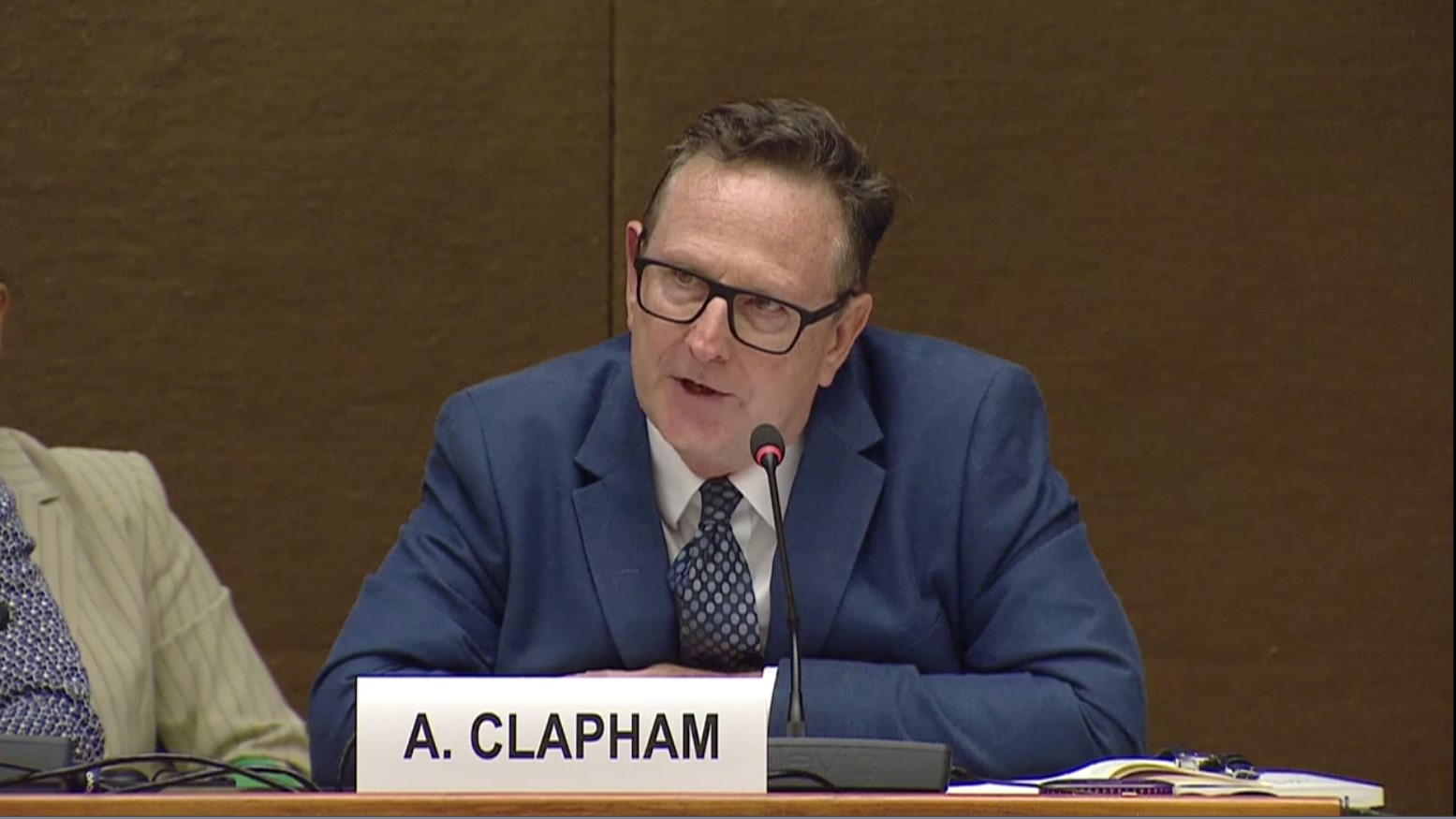
It should not be just the responsibility of the International Criminal Court or the International Court of Justice, humanitarian workers or the Red Cross to ensure the protection of civilians or access for aid workers, he insisted. “Violations of the Geneva Convention should be part of the daily diet of State representatives working for peace and security; taking seriously reports about violations of the Geneva Conventions puts you on the path to peace and preventing conflicts.”
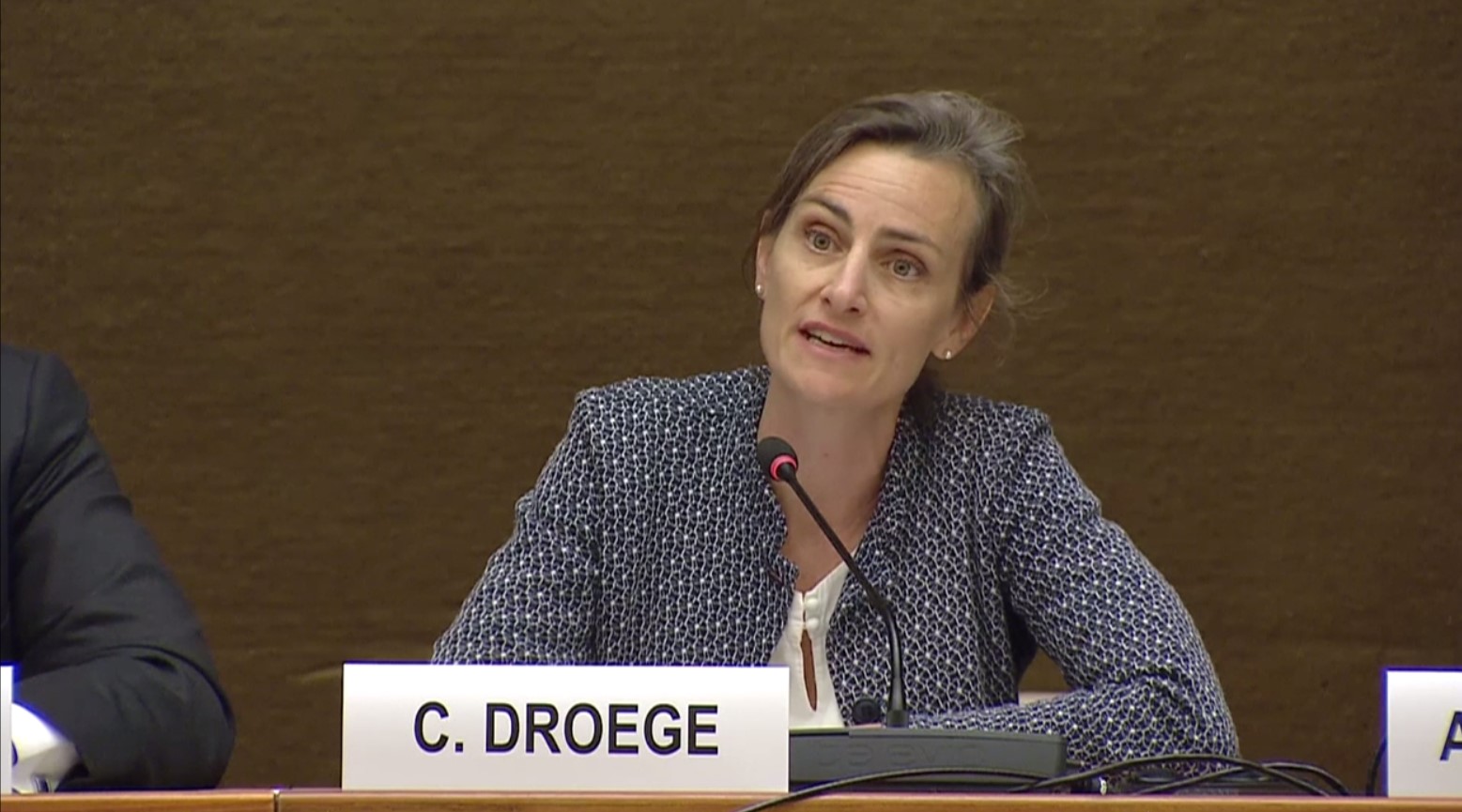
Striking a more positive note, ICRC Chief Legal Officer and Head of the Legal Division, Cordula Droege, maintained that “every day, even in the world's harshest conflicts, IHL is actually being respected in countless instances”.
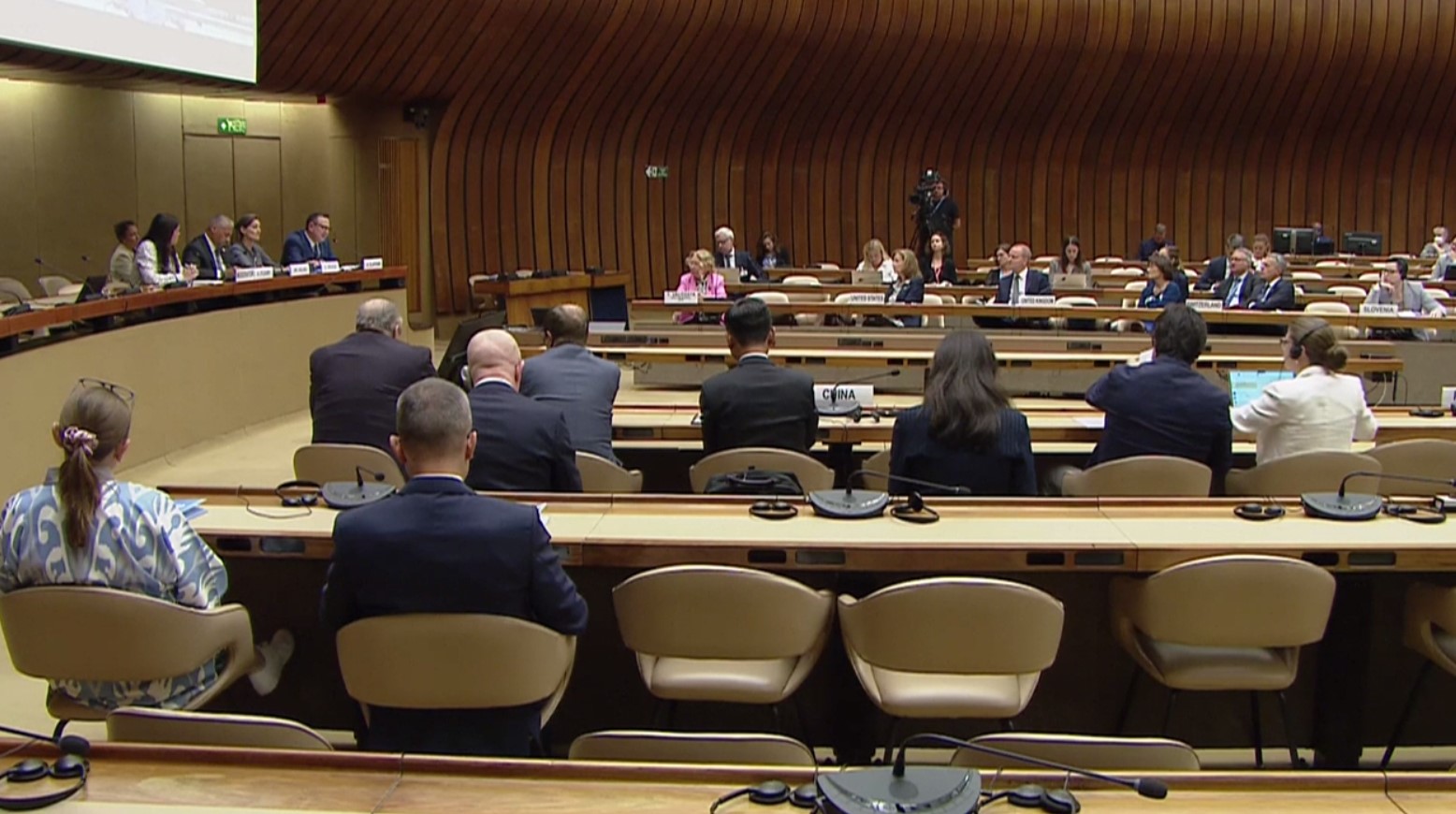
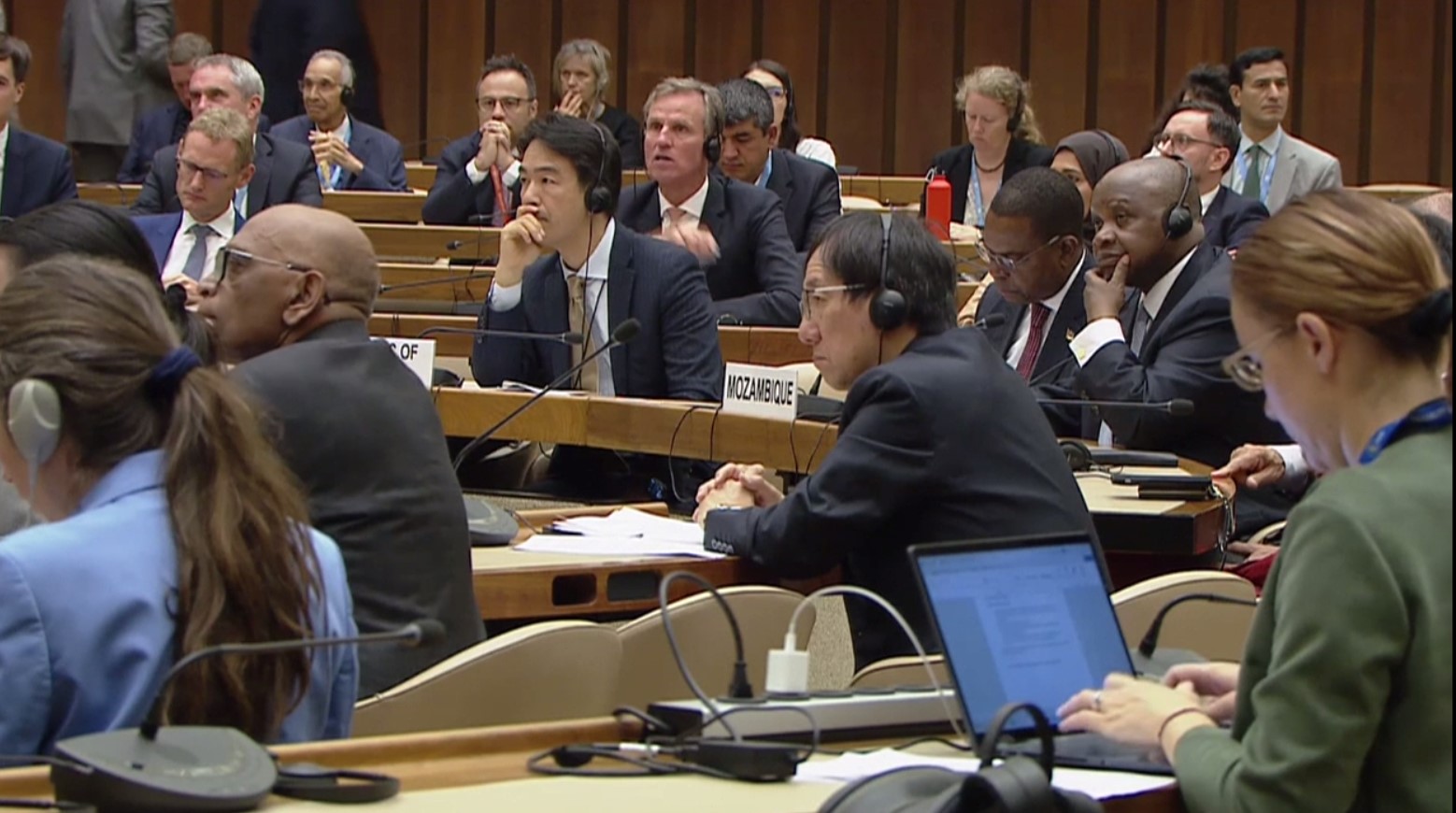
Often unreported acts of compliance with the Geneva Conventions “do save lives, preserve dignity and ensure humanitarian access”, she insisted. “And over the decades there can be no doubt that the Geneva Conventions have saved millions of lives.”
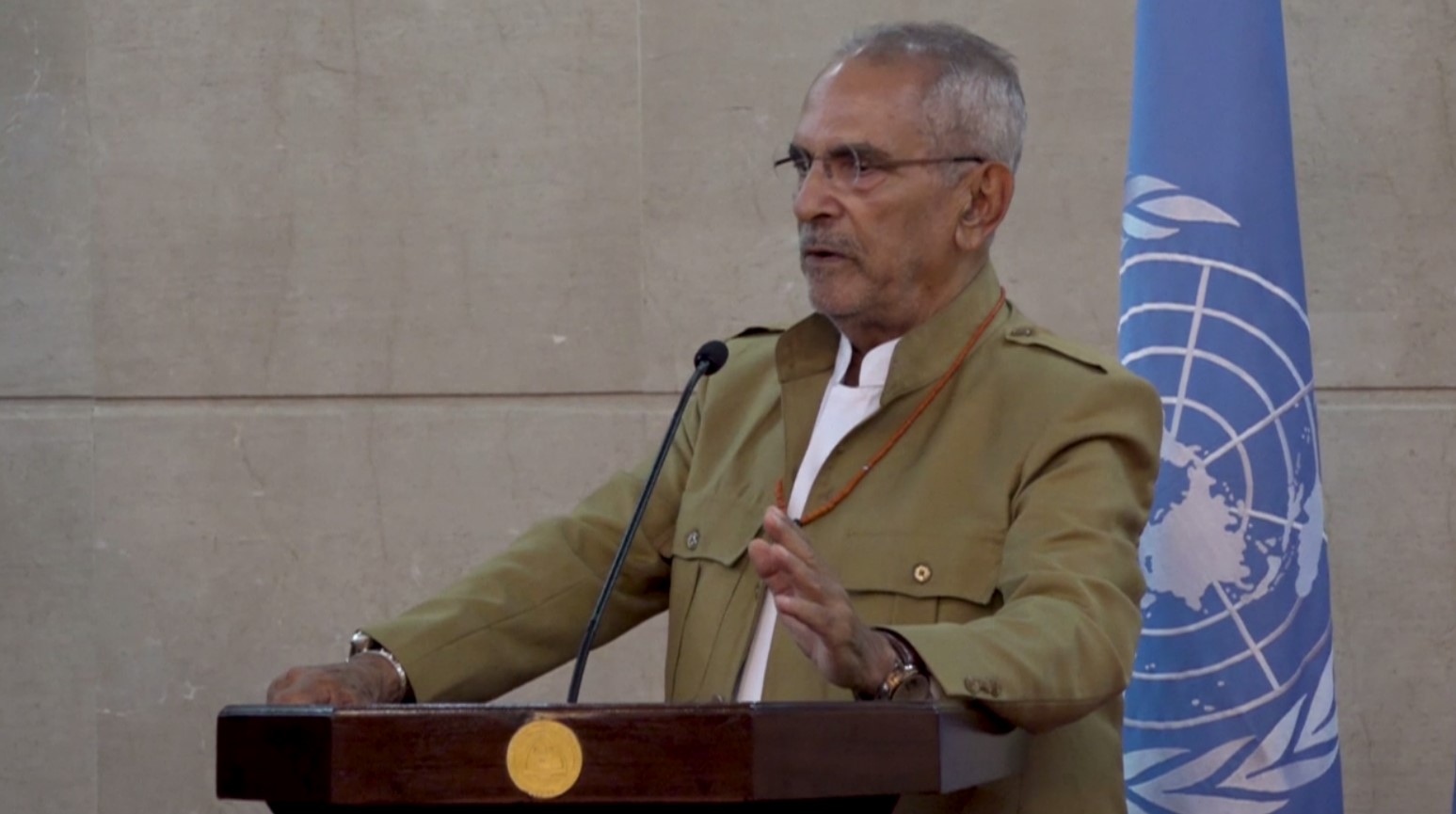
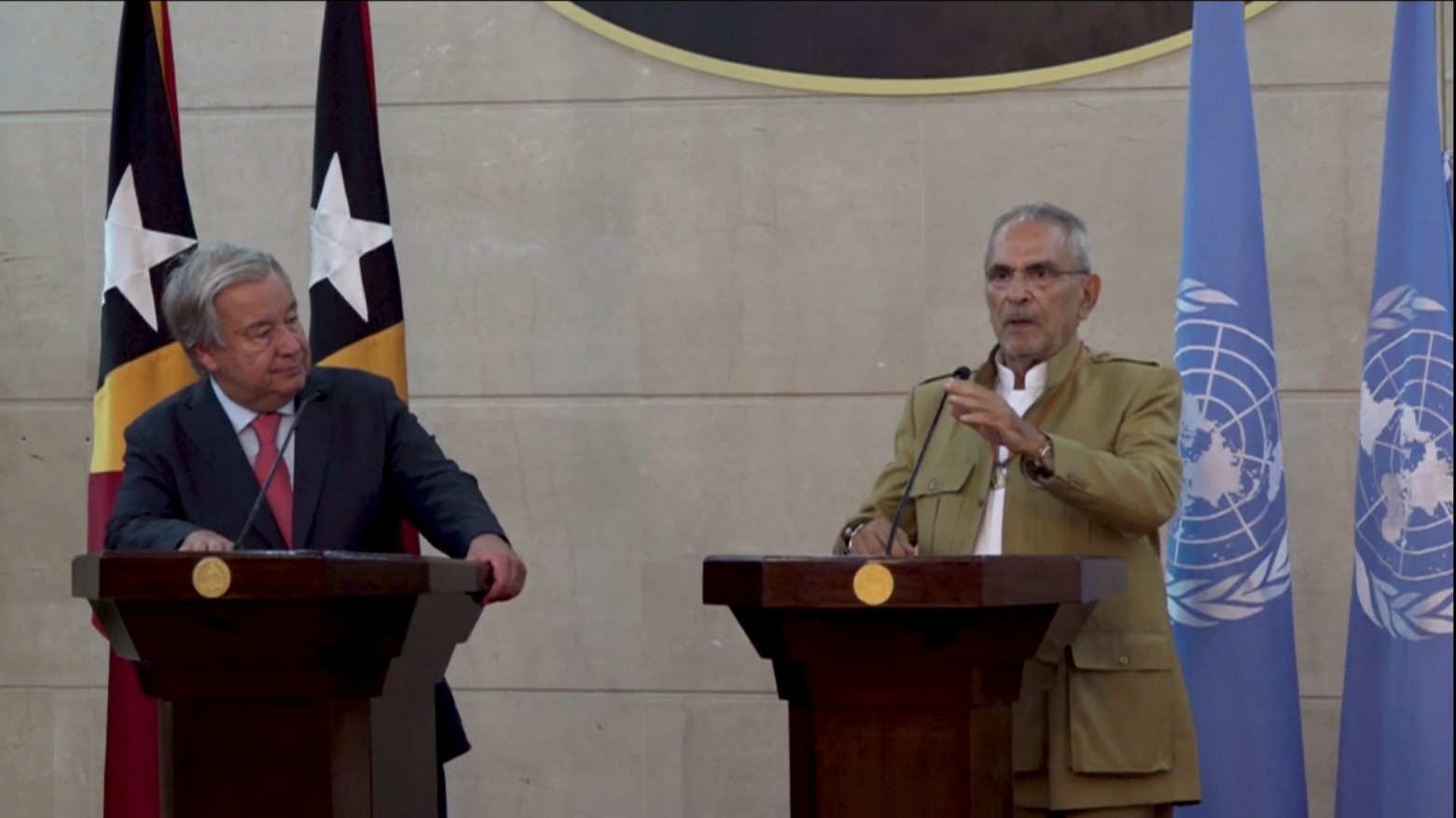
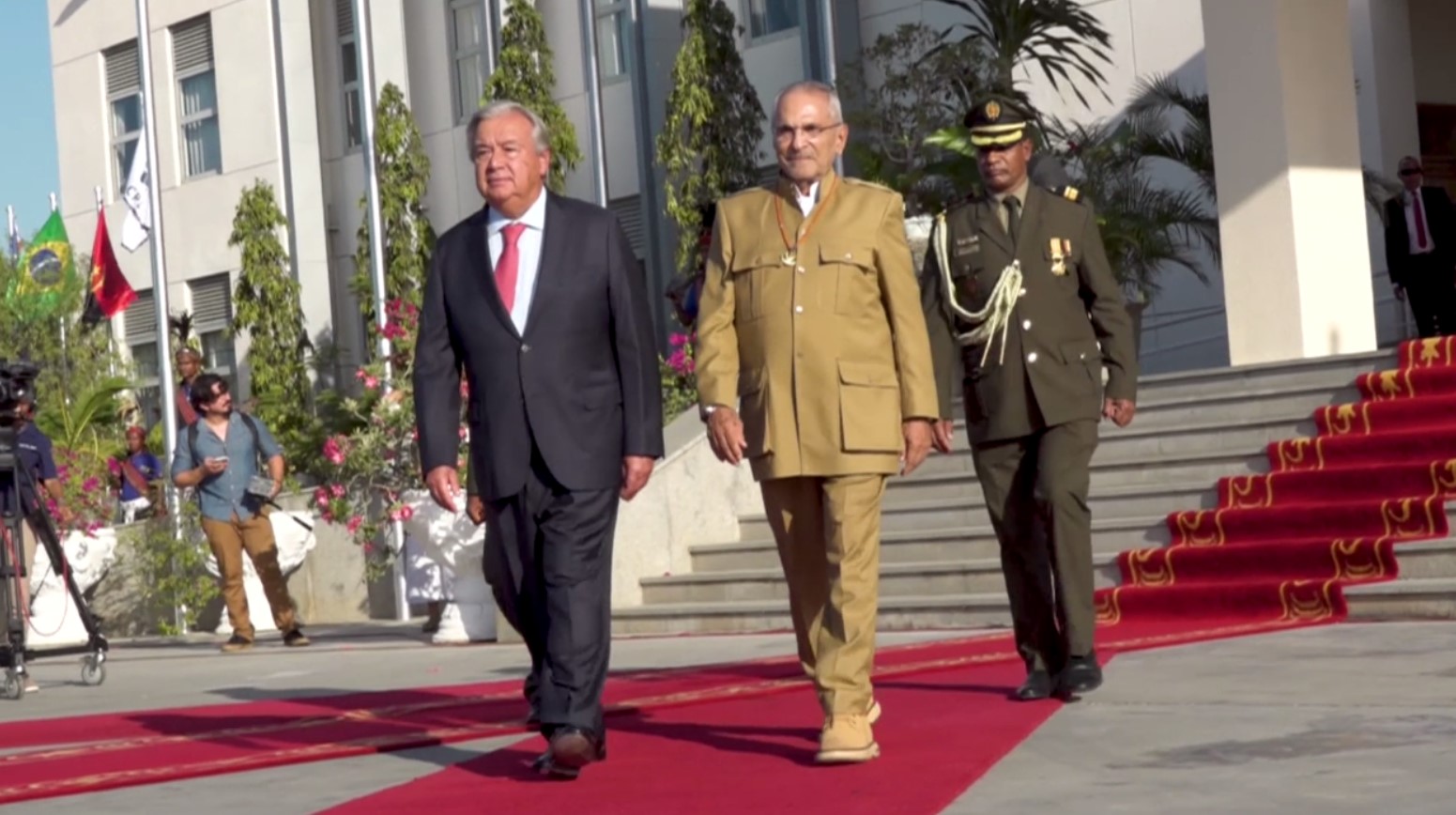
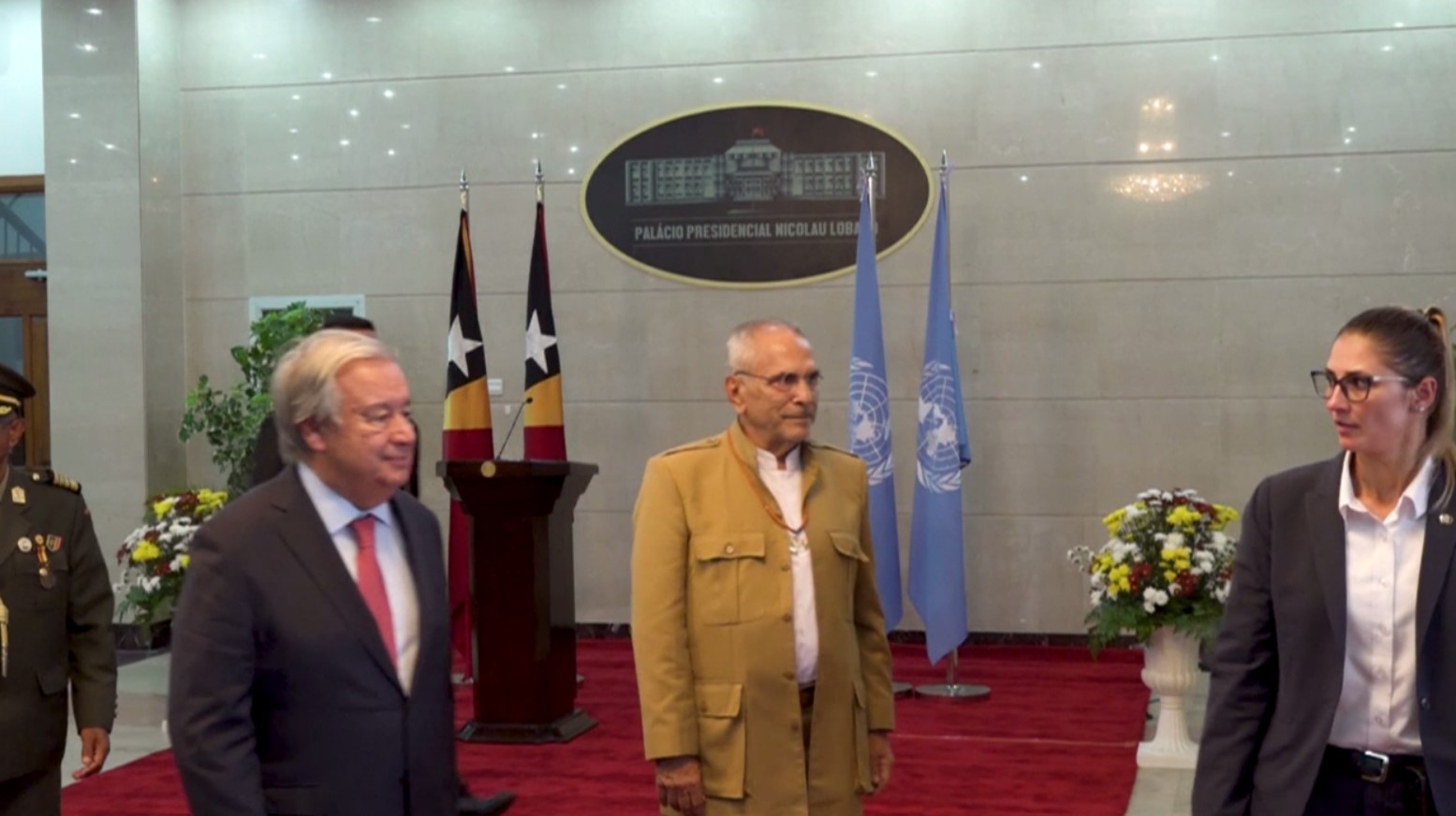
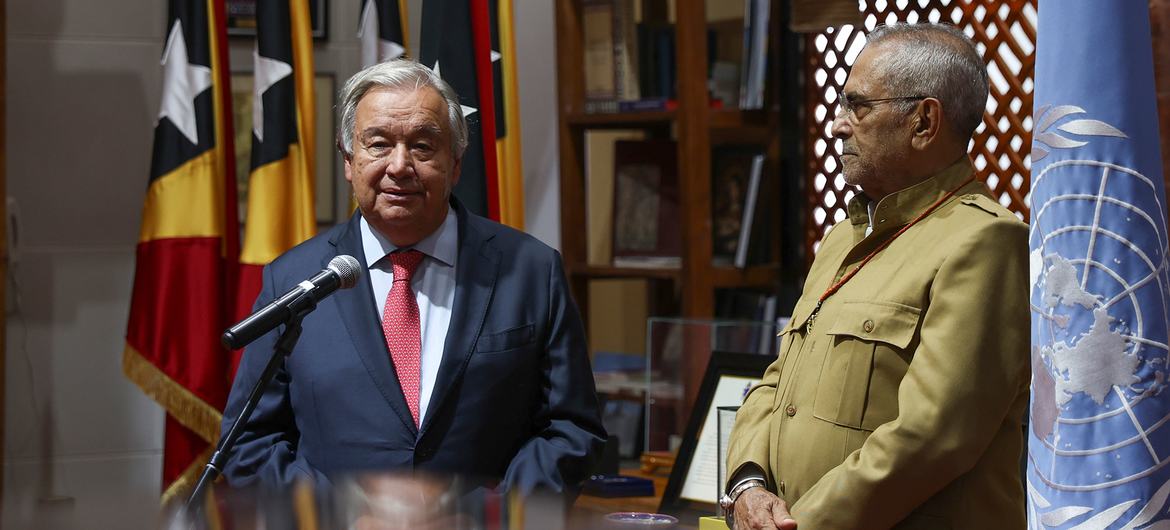 UN Photo/Kiara Worth UN Secretary-General António Guterres (left) meets with Jose Ramos-Horta, President of Timor-Leste in Dili.
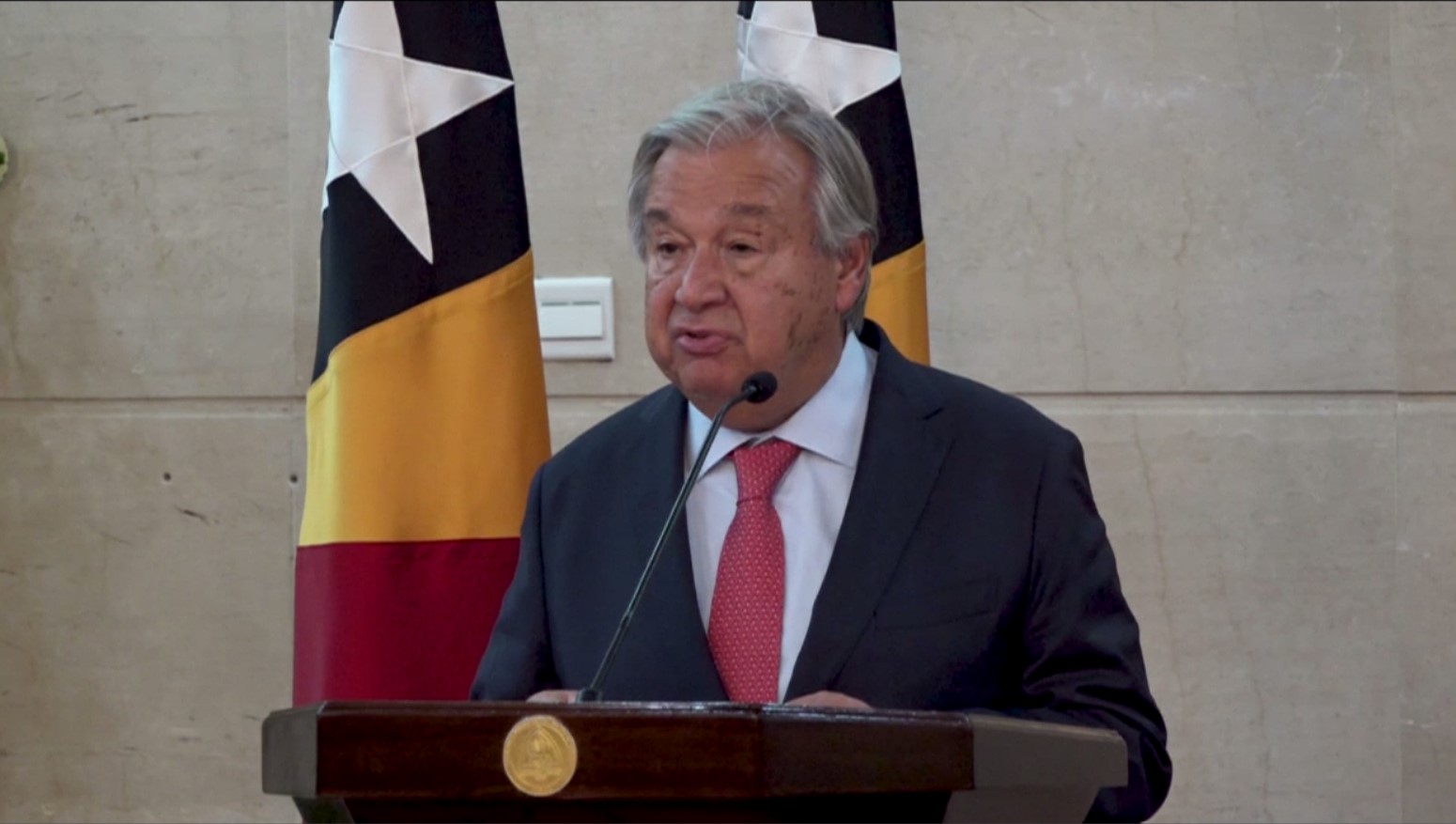
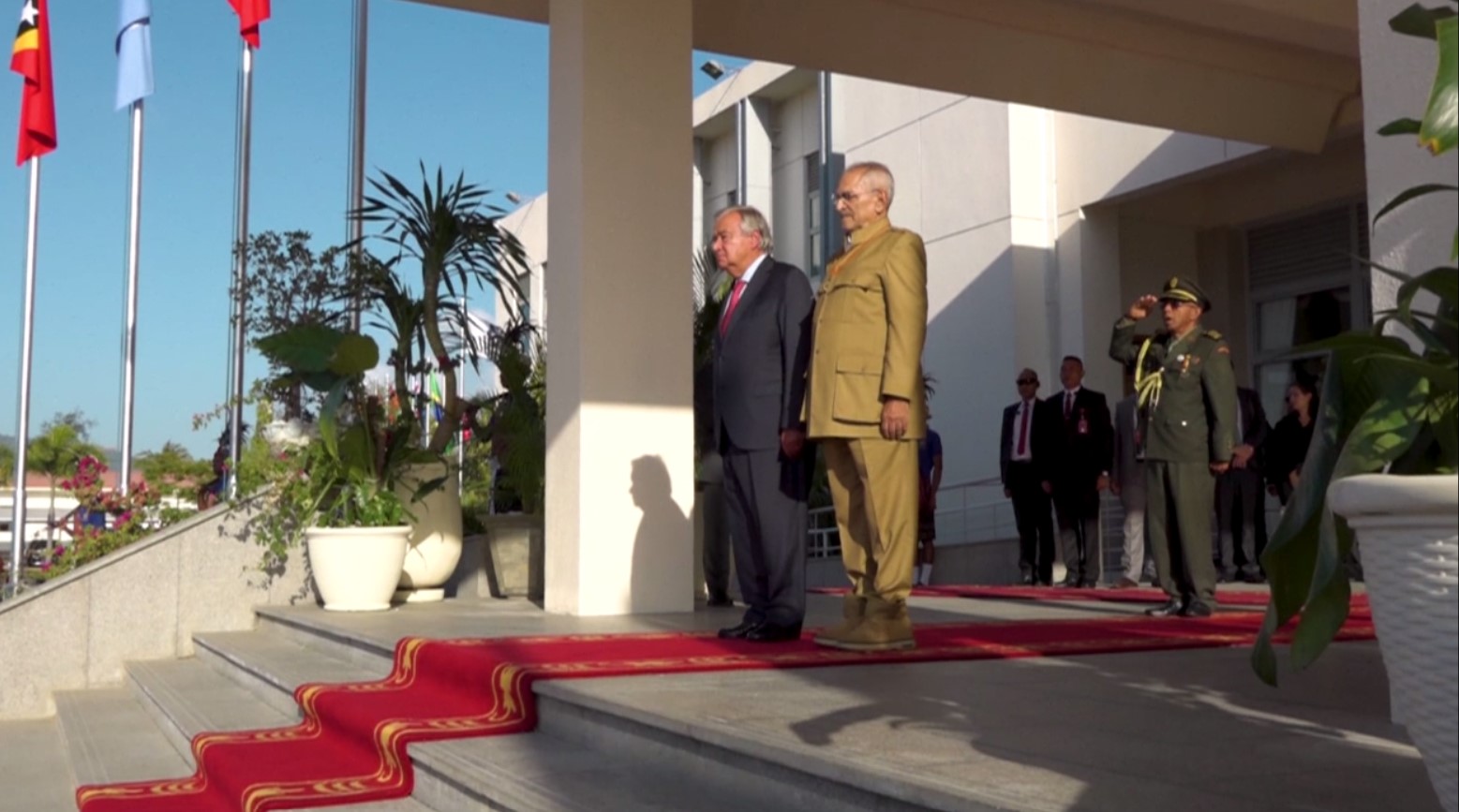
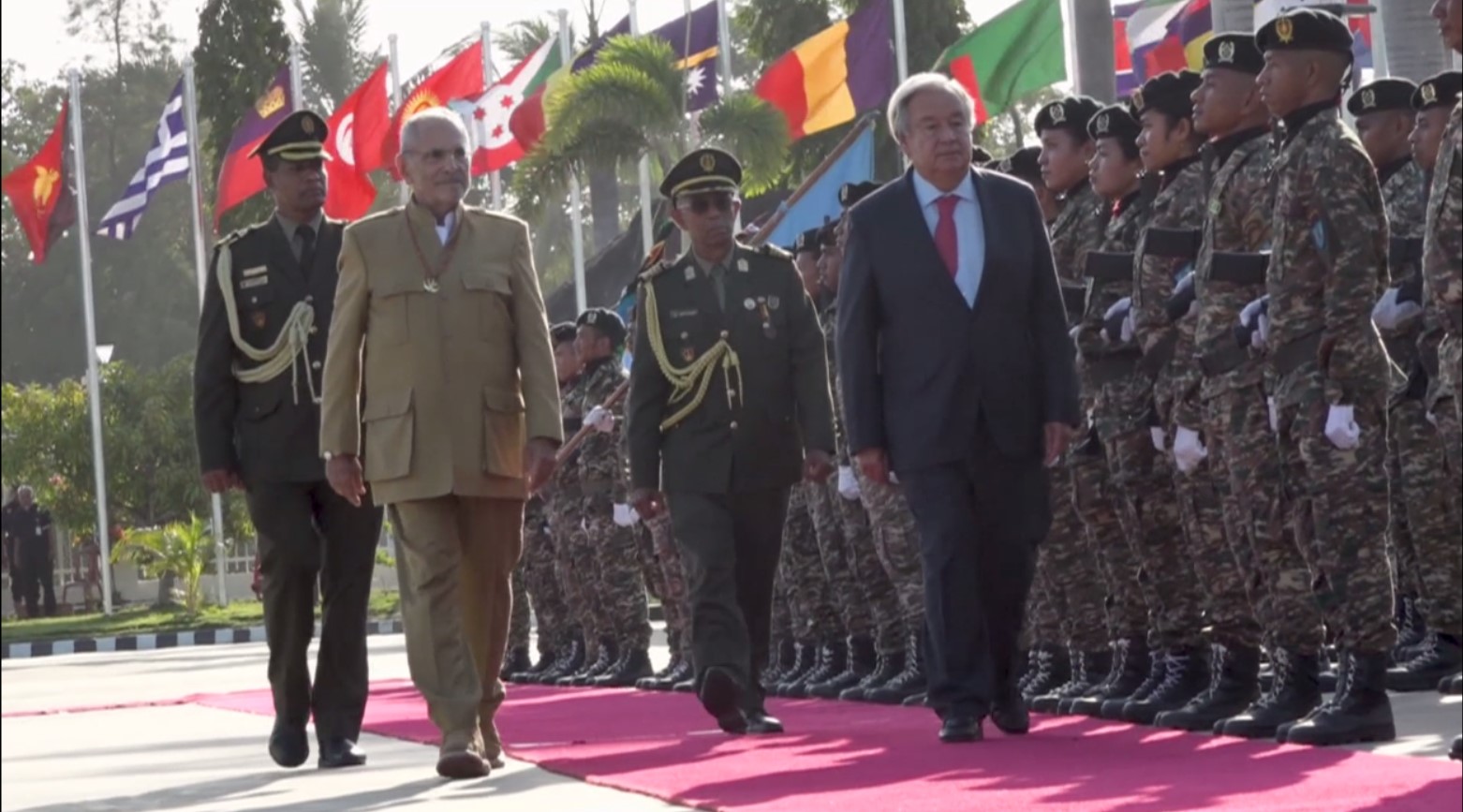
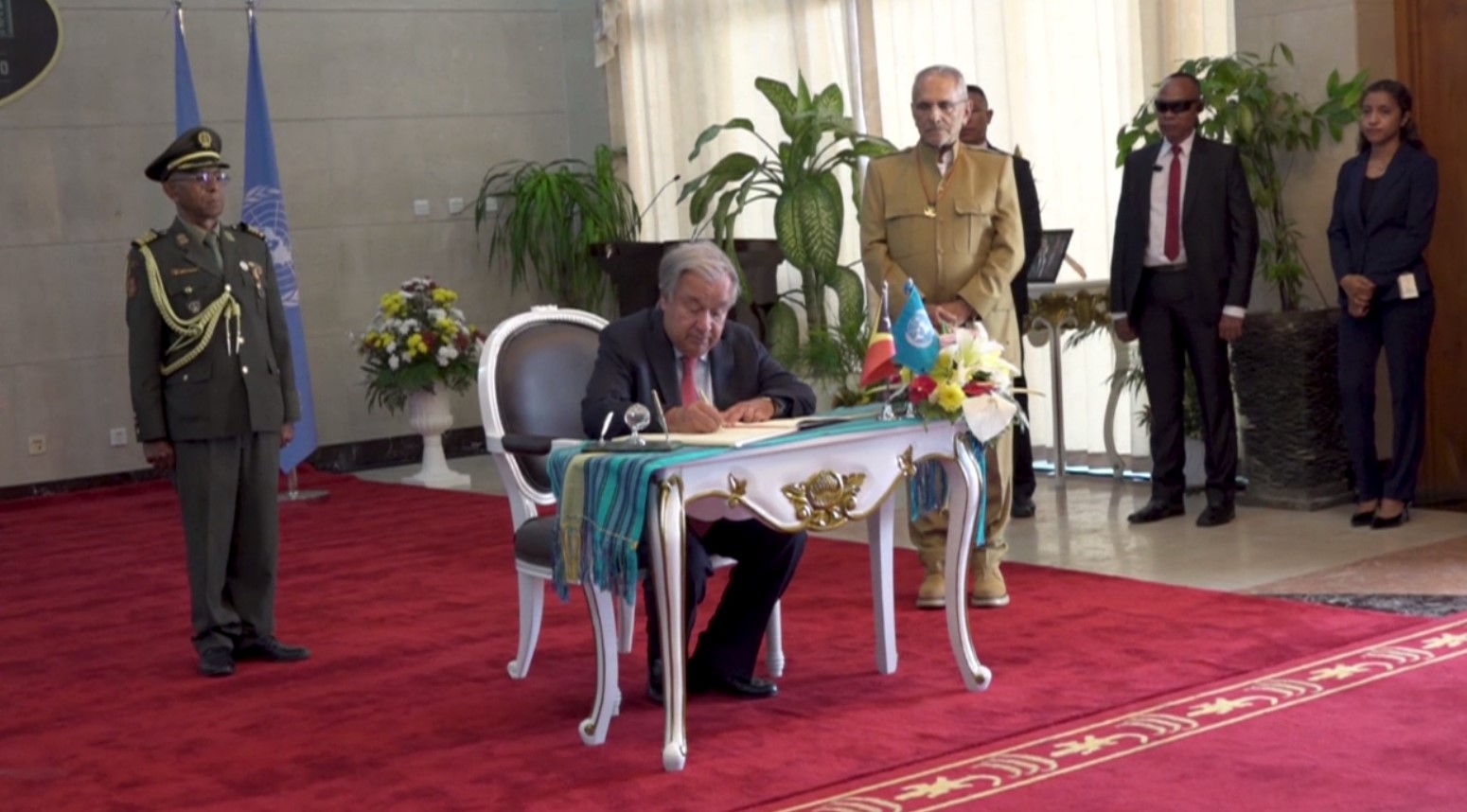
UN Secretary-General António Guterres received a warm welcome in the capital of Timor-Leste on Wednesday where he hailed the 25th anniversary of its vote for independence, praising the national unity of the past, and pledging the UN’s unwavering support in the future.
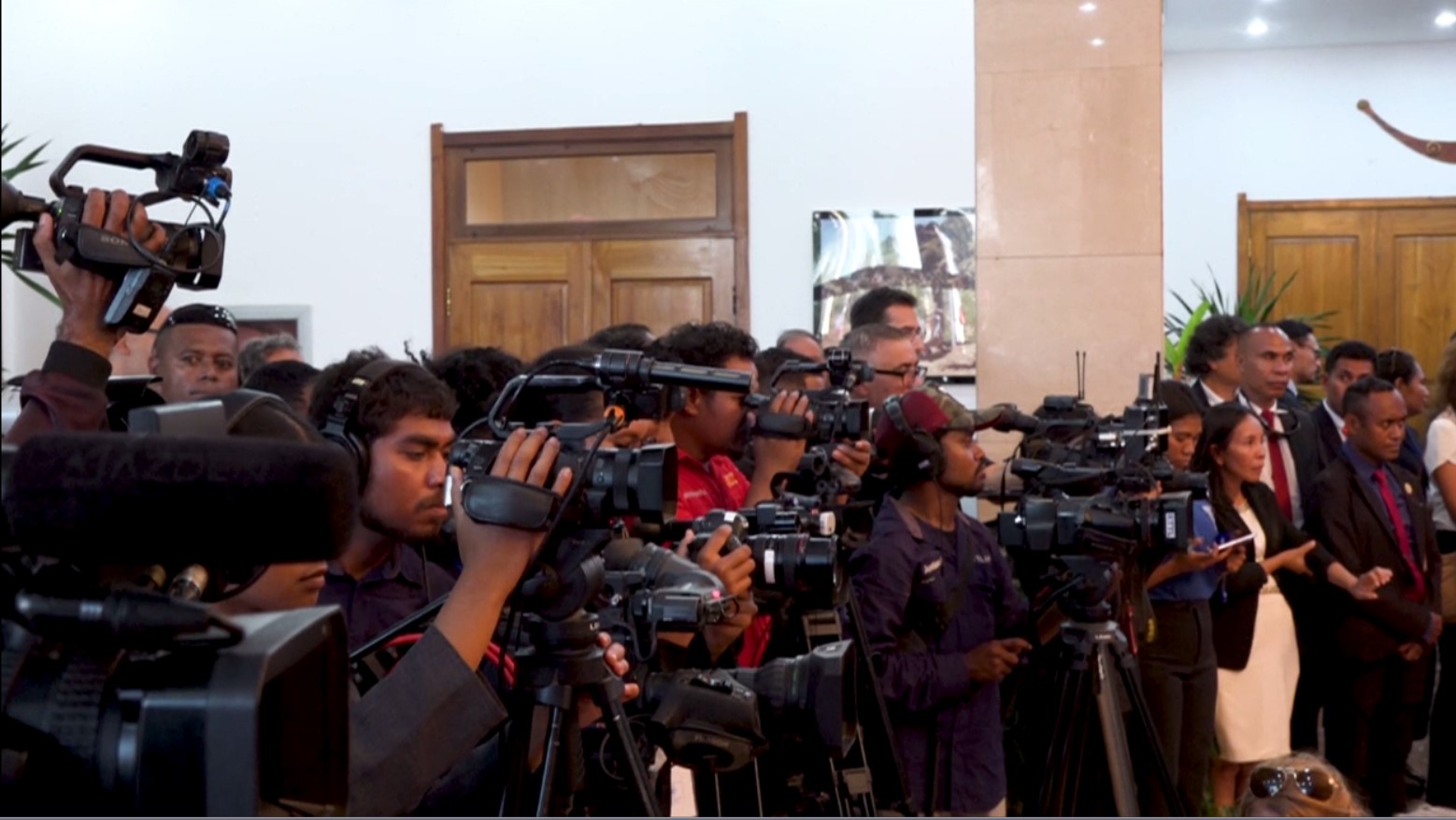
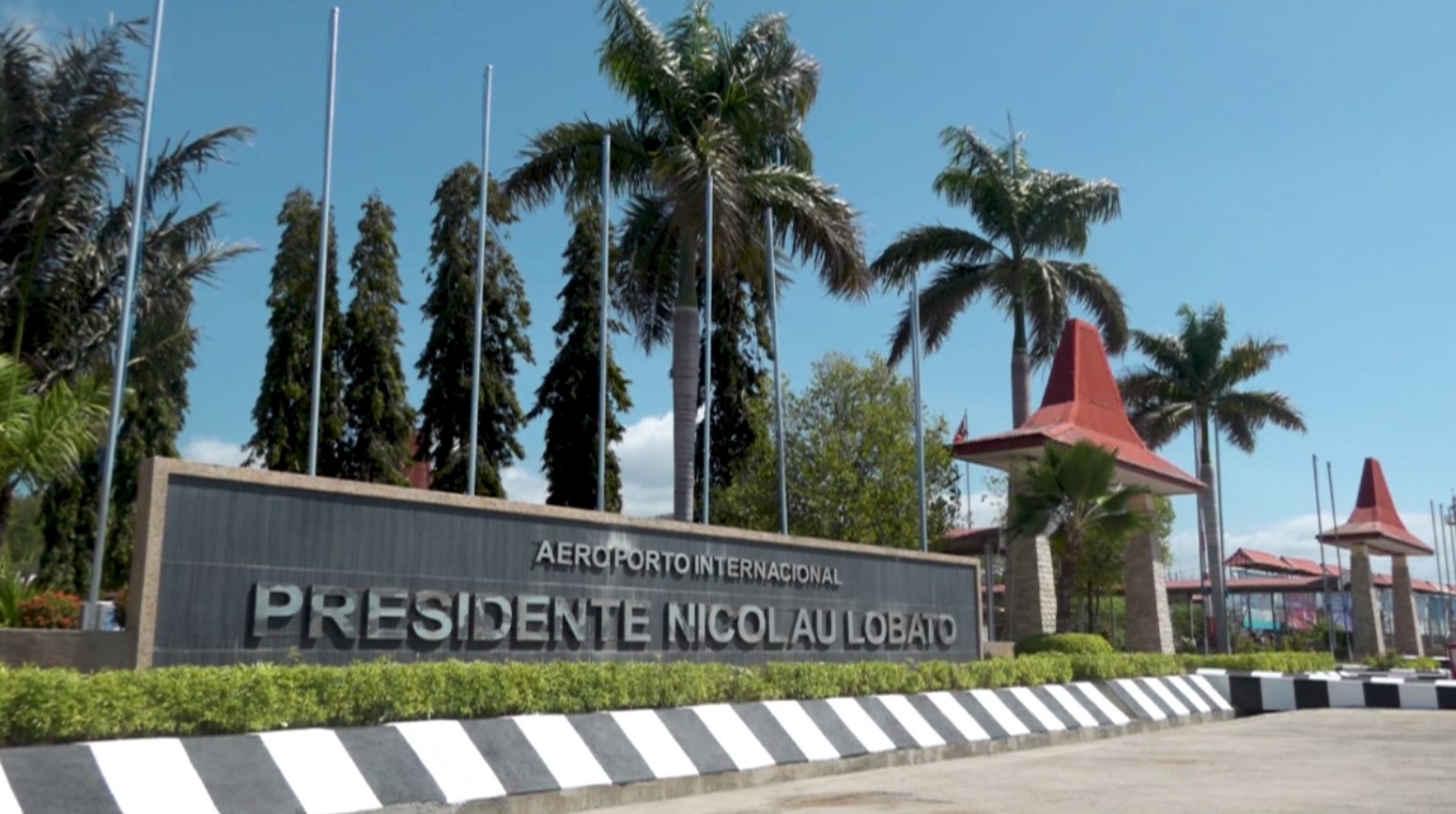
The UN chief was met at the airport by Timorese President José Ramos-Horta and Prime Minister Xanana Gusmão with a musical celebration and full military honors.
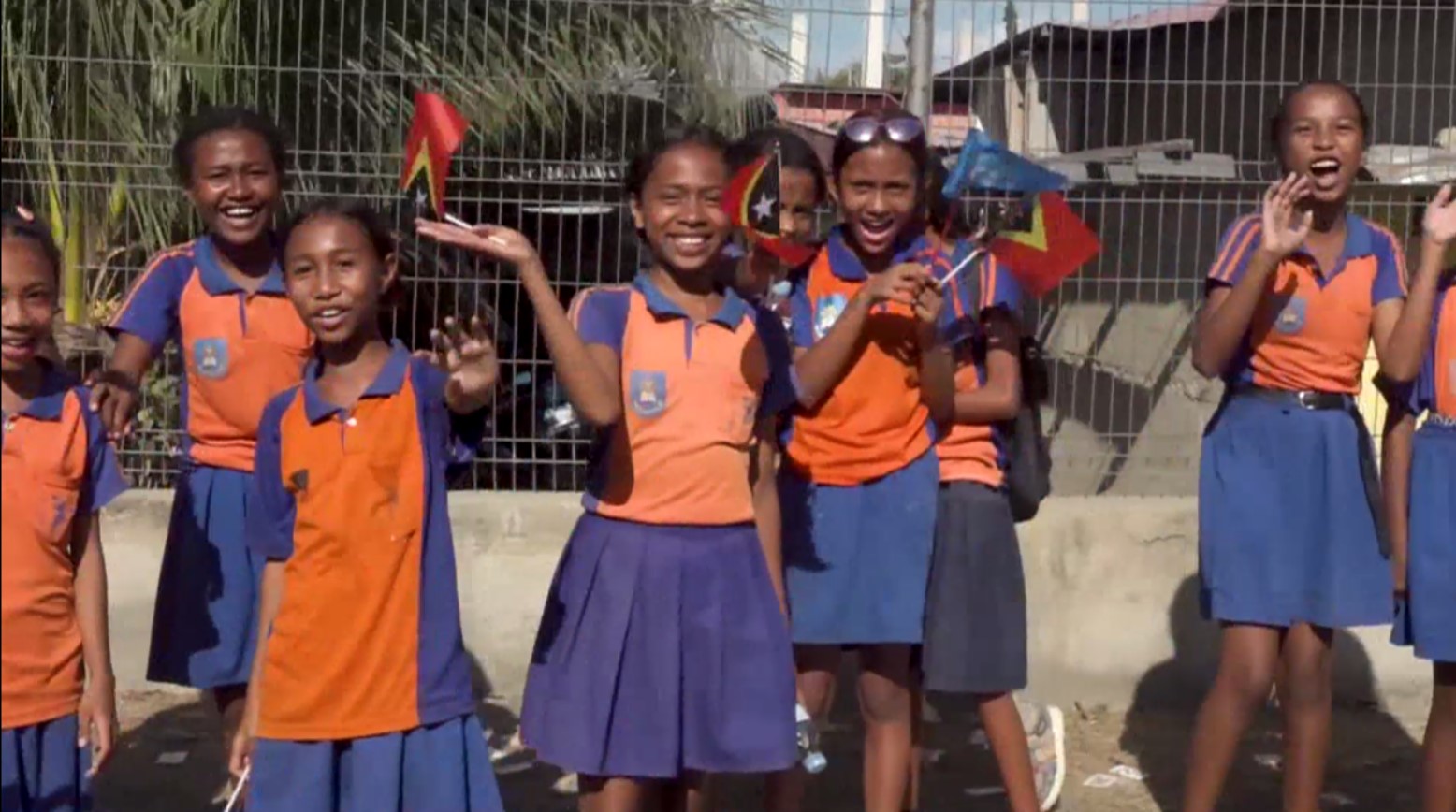
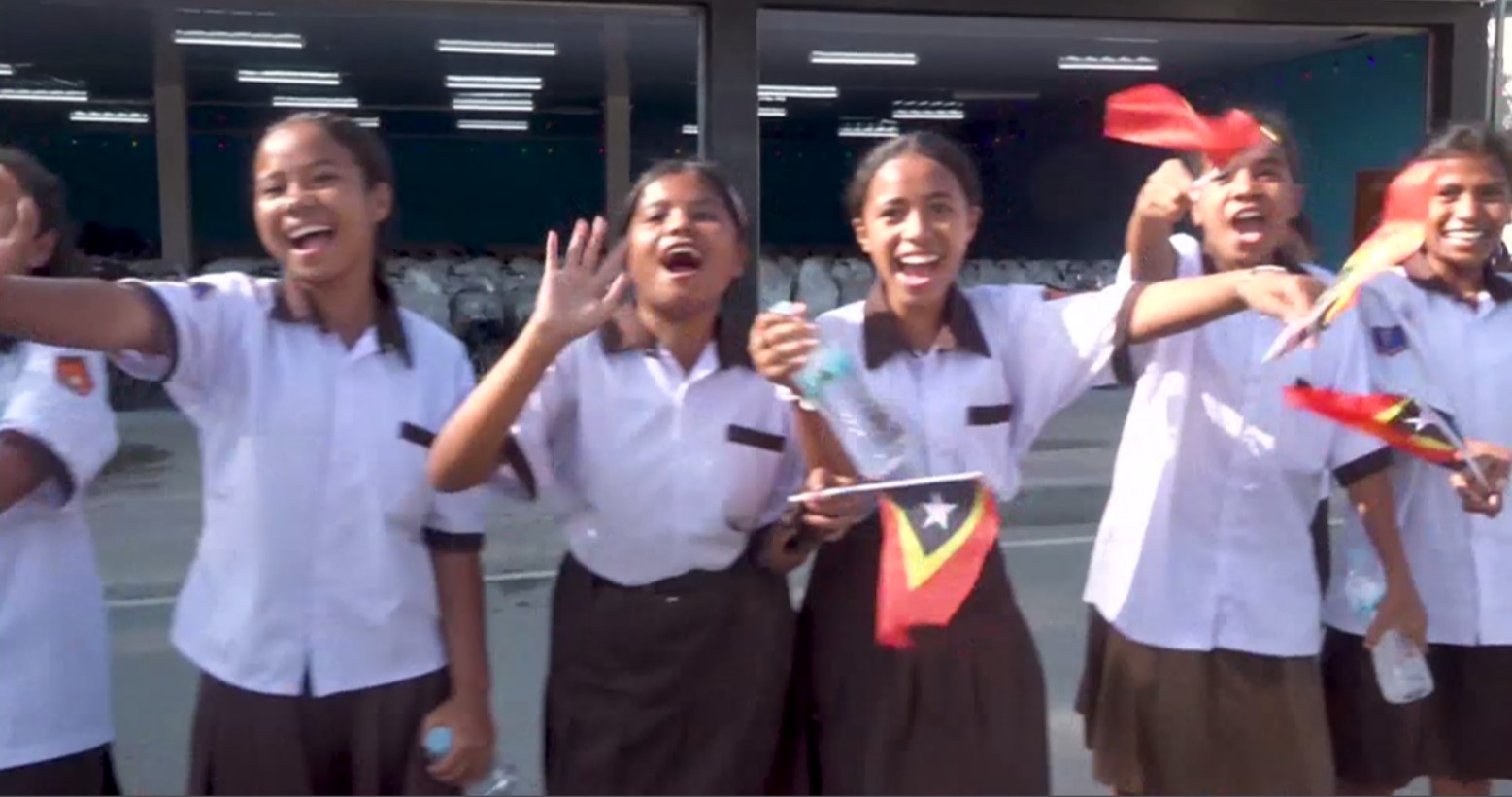
Thousands lined the streets of the capital Dili as children greeted Mr. Guterres holding UN and Timor-Leste flags.
At the presidential palace, he said his visit was a demonstration of solidarity.
“The United Nations and the Timorese people stood side by side at a time when the country took the building of its destiny into its own hands. The United Nations will continue to support the aspirations of the Timorese people in the journey ahead”.
At a press conference, Mr. Guterres said Asian nation will make its voice heard at the Summit of the Future, which will be held at the UN headquarters in September, “as the world has a lot to learn from Timor-Leste”, he said.
Referring to the popular consultation organized by the UN that culminated in the country's independence, he said that today’s historic milestone was a “call for unity and celebration of the collective past”.
Mr. Guterres described Timor-Leste as an example of how to develop as a nation at peace, having been born out of armed struggle in 2002, that can also now live in harmony with its neighbours.
He praised the country for being a “consolidated democracy” dedicated to respect for human rights and fundamental freedoms.
The UN played a crucial role before and after independence, deploying a transitional administration in what was then referred to as East Timor in 1992, to build the country up for self-government, which eventually came ten years later following agreement between former rulers Indonesia and Portugal, for the East Timorese to hold a referendum.
As an independent nation, Timor-Leste joined the UN and a new mission was created to support its development, including a new framework put in place for four years from 2015.
UN Peacekeeping operations also played a major role in the early days of the new nation. The UN Transitional Administration in East Timor (UNTAET) exercised administrative authority over East Timor during the transition to independence.
That was followed by two other peacekeeping operations, which provided assistance to Timor-Leste until December 2012 when all operational responsibilities were fully devolved.
The UN has more than 20 resident and non-resident agencies assisting the country, allowing the Organization to play a policy development and advocacy role at all levels.
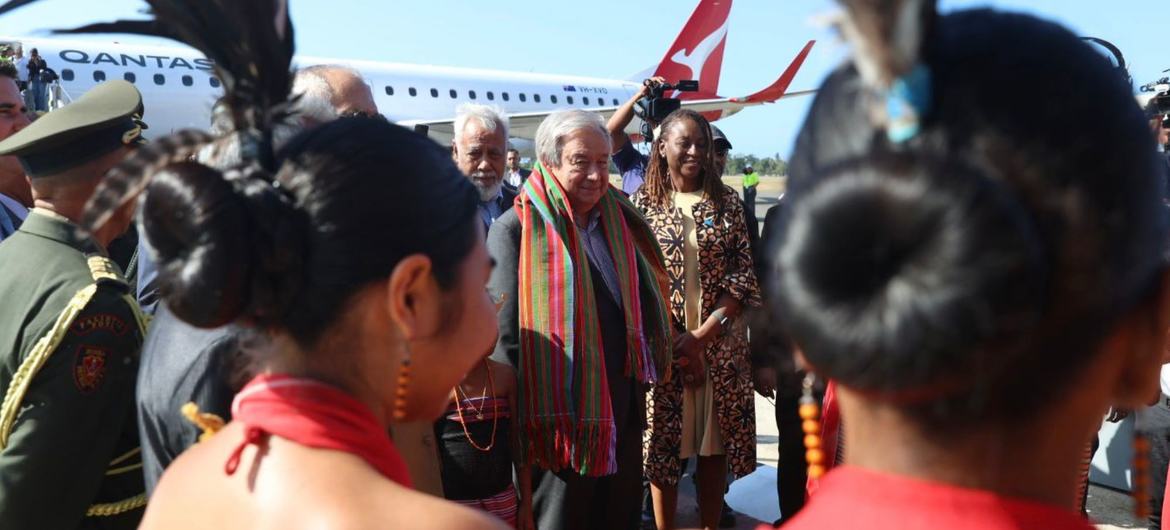 UN Photo/Kiara Worth Secretary-General arrives in Timor-Leste to attend the celebrations of the 25th Anniversary of the Referendum.
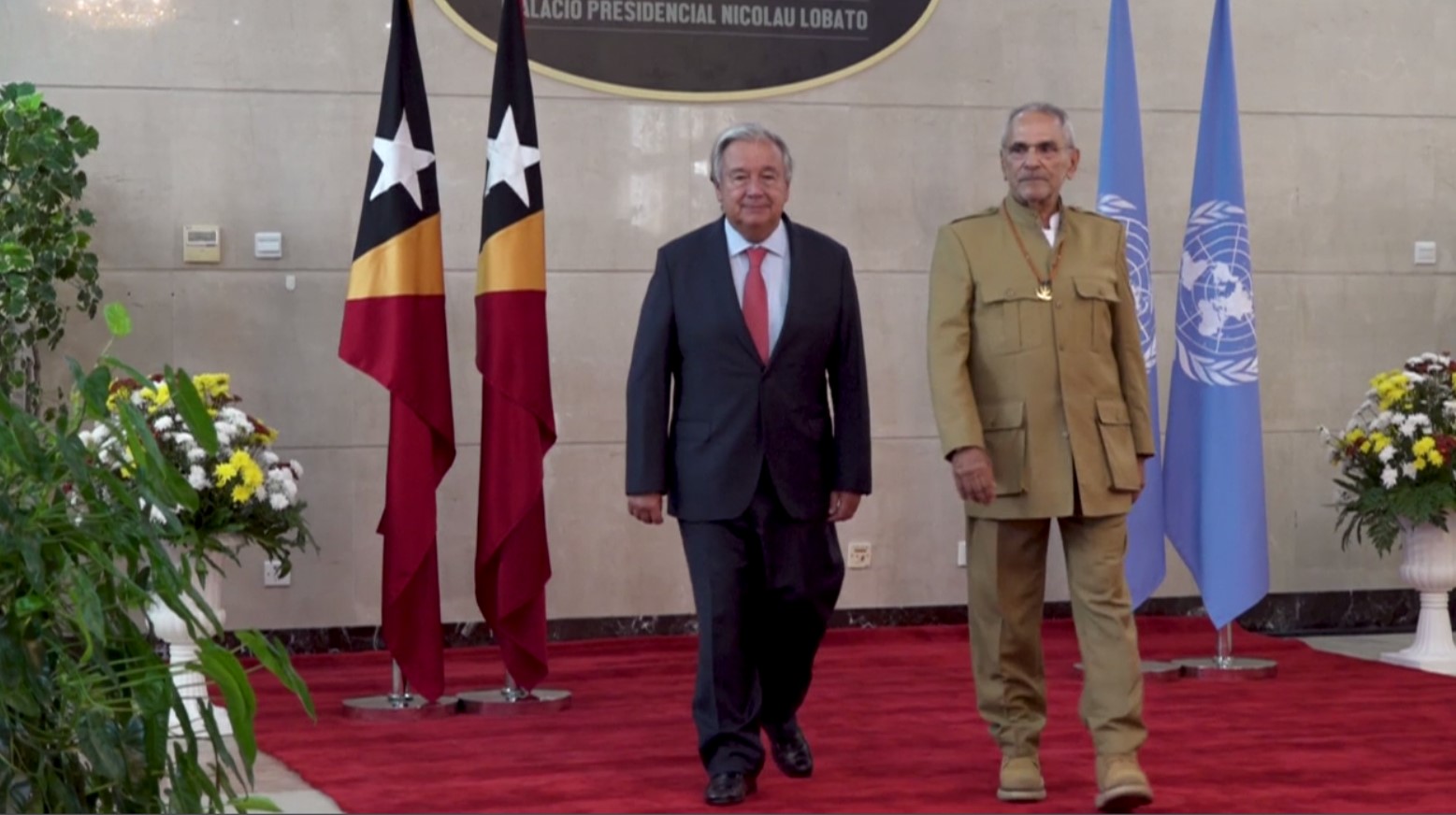
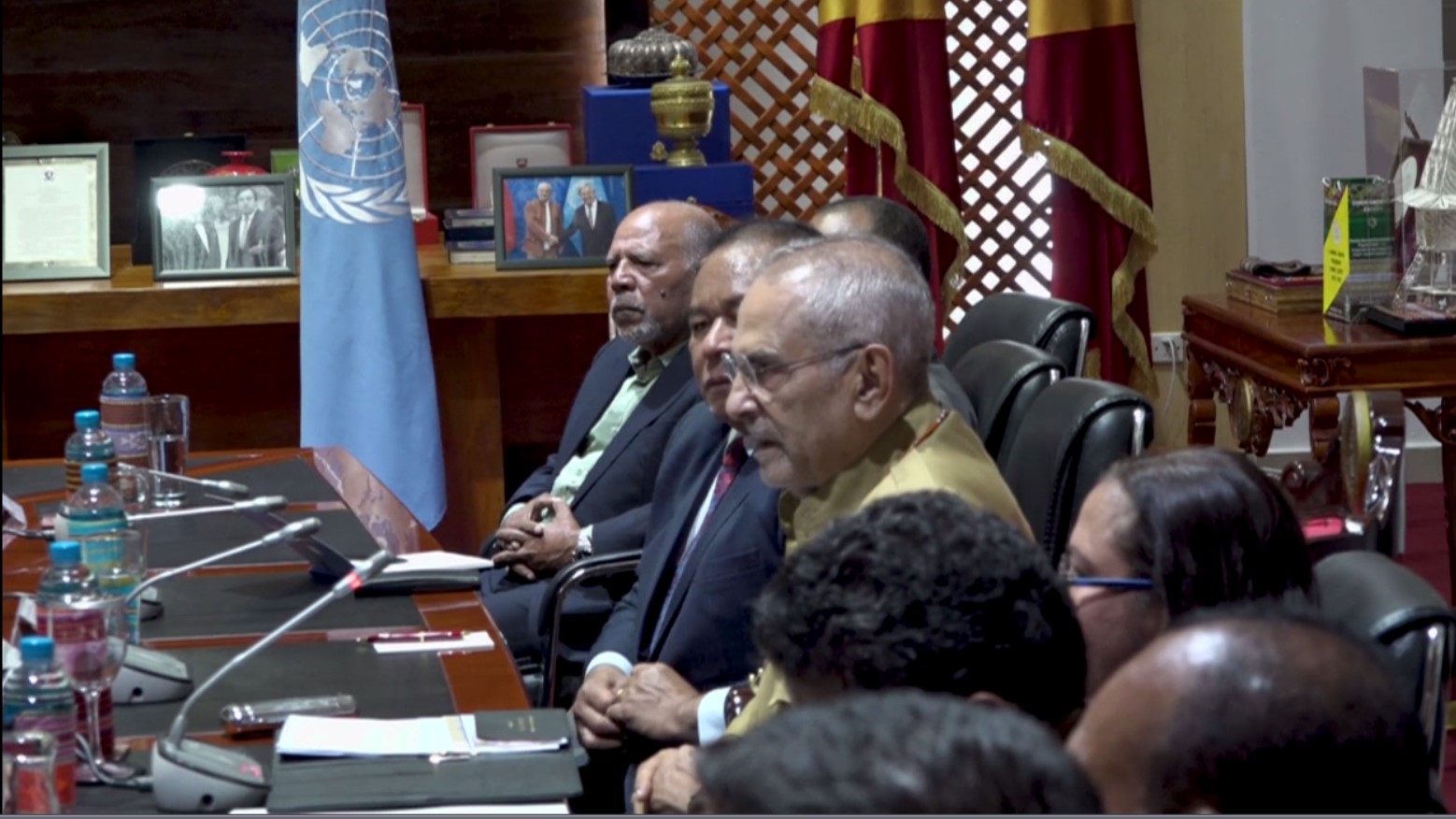
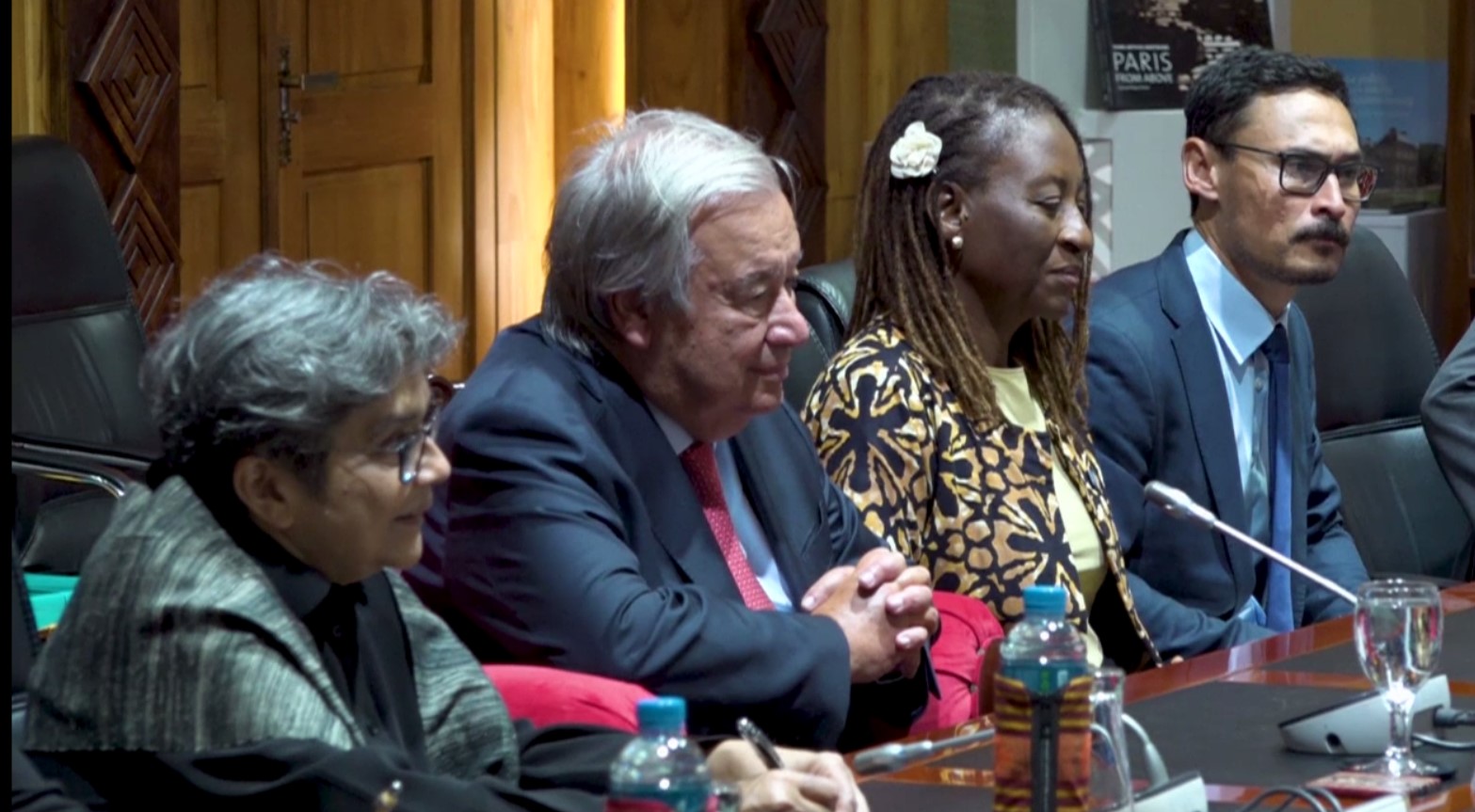
“Timor-Leste won the battle of independence, Timor-Leste won the battle of democracy, Timor-Leste is an exemplary country in terms of human rights, but it also has to win the battle of development”, he said.
He added that the UN would continue partnering with Timor Leste to help them win the battle for food security, education, a health service fit for all, and improved infrastructure.
He praised President Ramos-Horta for having persisted in the past, even under the most difficult circumstances, “with the faith that in the end the independence of Timor-Leste would be a reality”.
Mr. Guterres noted that the thousands of young people he had seen on the streets of the capital had not experienced the “heroic struggle of resistance” for themselves, that allowed the referendum which paved the way to independence to take place.
He said it is crucial that they and future generations do not forget this fight.
The two leaders pledged to establish a dialogue and collaboration in relation to the crisis in Myanmar which was sparked by the military coup of 2021 and resulting brutal crackdown, and to address other peace and security issues of mutual concern.
The Secretary-General also expressed “enormous gratitude for the warm welcome and wonderful hospitality” with which he was received in Timor-Leste.
In a press encounter today (22 Aug) ahead of a Security Council meeting on the situation in Gaza, the Israeli ambassador asked, “How morally bankrupt can this organization be to ignore Israeli victims just 10 months after one of the largest and most horrific terror attacks in history to pretend they never existed. It has been 320 days since the slaughter, and what have we heard from the UN so far? Silence, silence. No condemnation of Hamas, no recognition of the atrocities committed.”
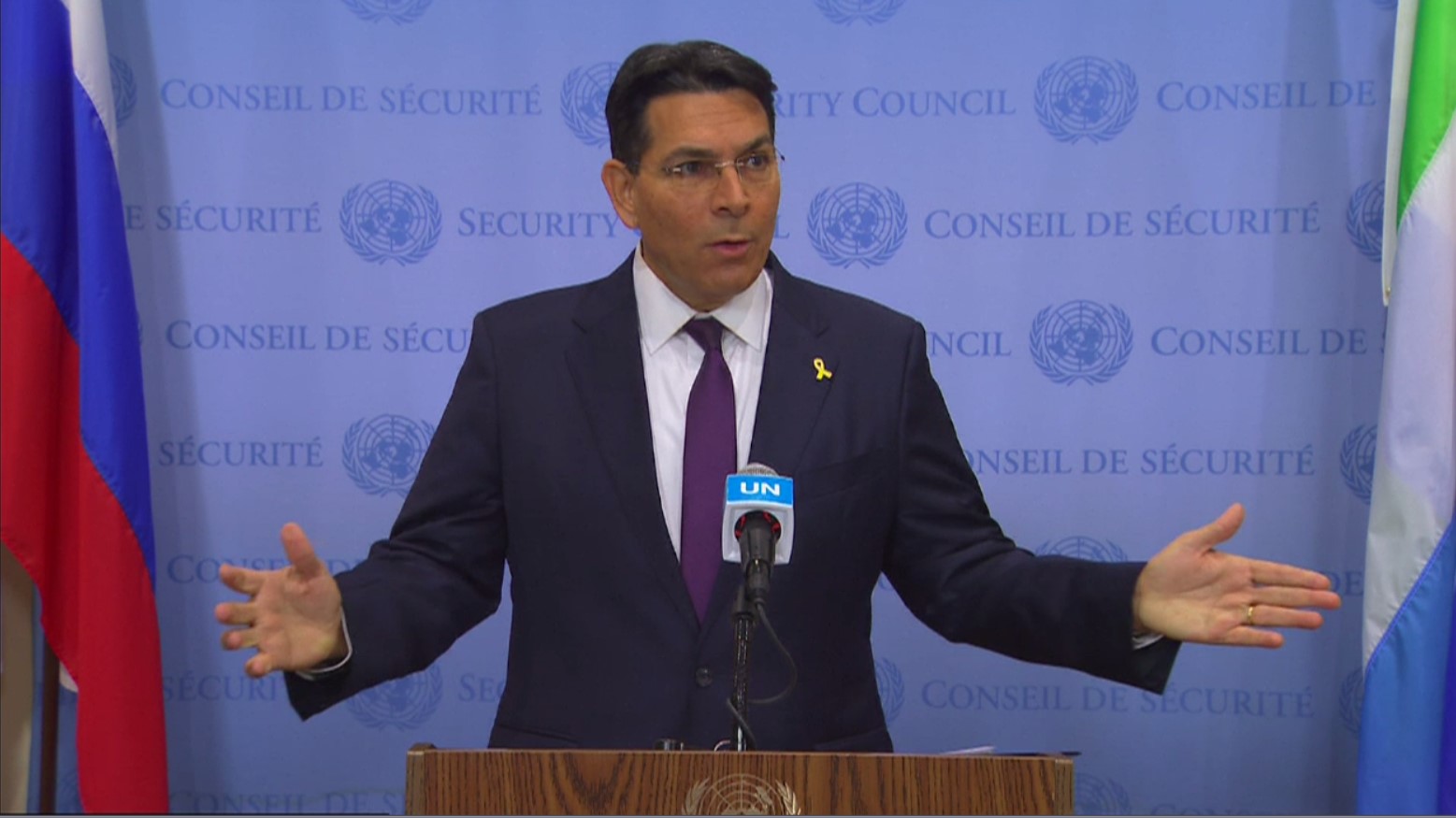
Israeli ambassador Danny Danon told reporters, “Yesterday, the UN marked International Day of Remembrance for victims of terror. However, if you walked around the UN's exhibit, you would not have found a single tribute to an Israeli victim. Apparently, someone forgot what happened on October 7.”
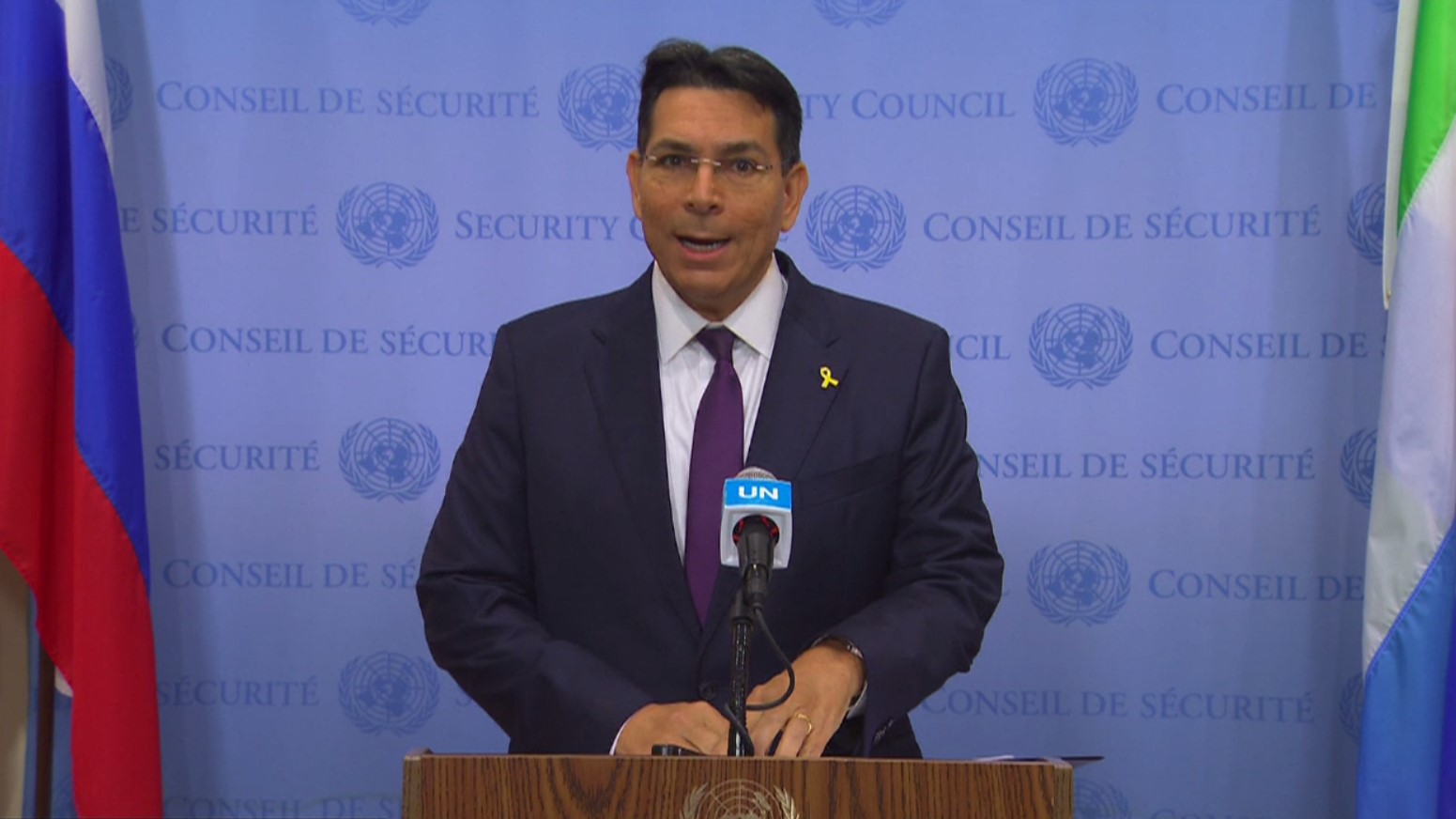
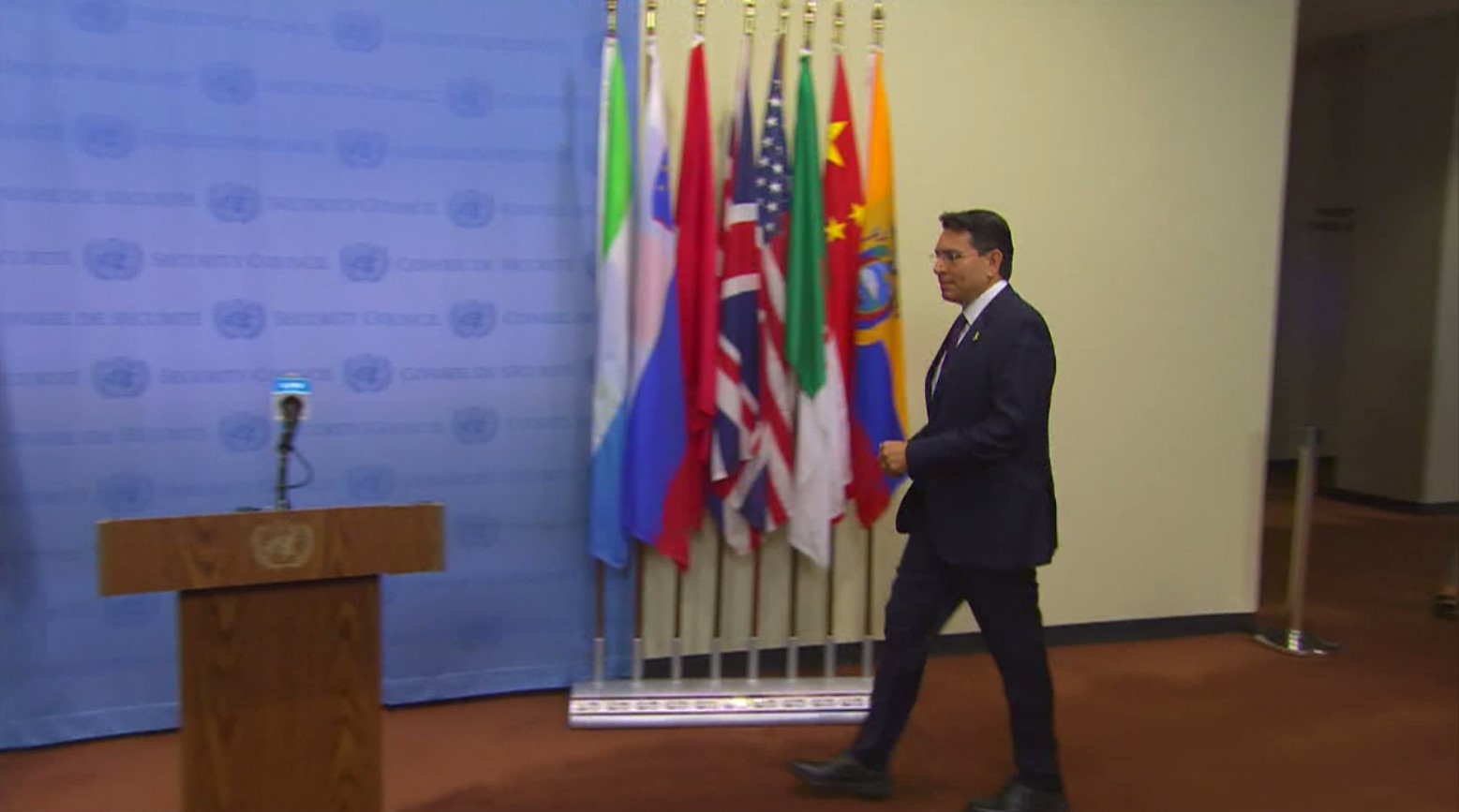
He added, “I'm familiar with the house and the corridor of this building. It's my second term. I served in for five long years, and I think the UN must change. You know, I believe in working with the UN. I was elected to be vice president of the General Assembly. I chaired the sixth committee for a year. But I cannot accept the fact that after the atrocities of October 7, we have not heard a condemnation from the Security Council, from the General Assembly. This institution was built after the Holocaust in order to prevent what we saw on October 7 and after what happened in Israel to this reason to be silent. It's unacceptable.”
Asked about a ceasefire and allowing polio vaccines into Gaza, he said, “we had a ceasefire until October 7. Hamas broke that ceasefire and raided our communities. We can have a ceasefire immediately, once the hostages are coming back. Now, regarding to the polio vaccines, let's speak about the facts. 95 to 98 percent of the population in Gaza are vaccinated already. We are working with WHO and UNICEF, by the way, not with UNRWA in Gaza, but with WHO and UNICEF in order to start another campaign of vaccinations. And we will cooperate with everybody in order to ease the situation for the Palestinian people who are suffering from the Hamas occupation. The future for Gaza will begin when Hamas will be eradicated. It's on the way. It's happening. Once Hamas will be eradicated, we can start speak about reconstruction and building a future for the people of Gaza.”