- Details
-
Category: English Media
-
Published: Monday, 08 July 2024 08:07
-
Written by Eager
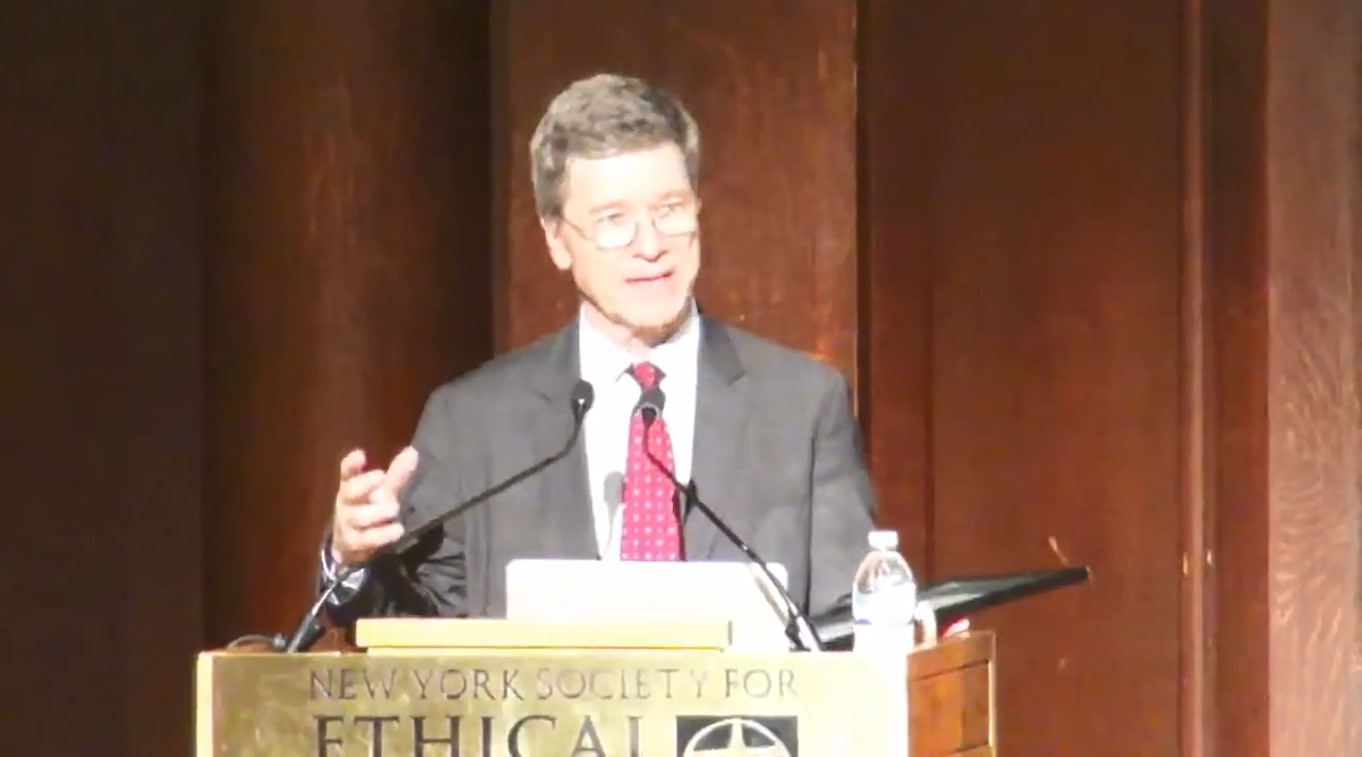
Celebrity Media Commentator:Today, we are specially reprinting an article by internationally renowned economist Professor Jeffrey Sachs titled "The Summit of the Future" because it offers insightful and wise suggestions for the reform of the United Nations operational mechanism. We believe that Professor Sachs' proposals should immediately be included in the Security Council's daily agenda, discussed continuously, and promptly drafted into a formal document to be submitted to the General Assembly for discussion and voting at an opportune time, such as the 80th anniversary of the United Nations in 2025.
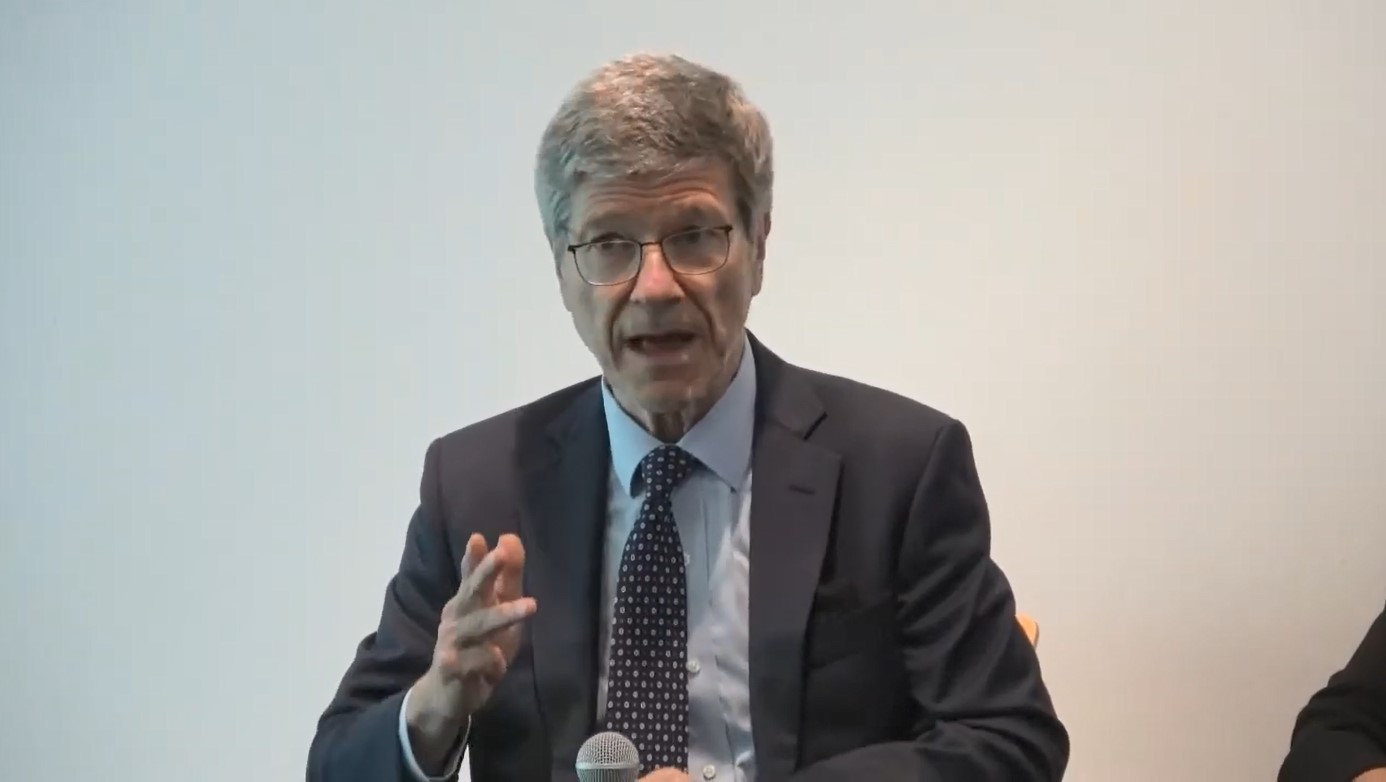 The renowned economist Professor Jeffrey D. Sachs (Celebrity Media Profile Photos)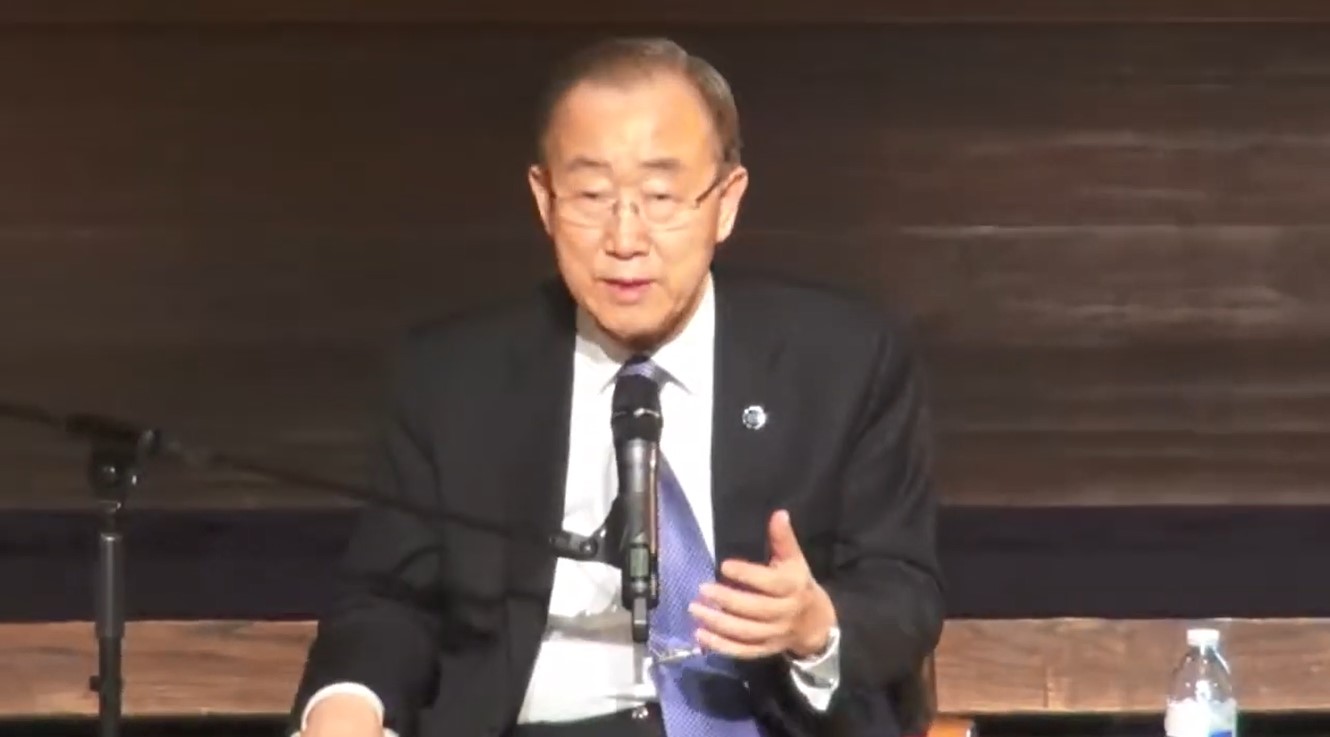
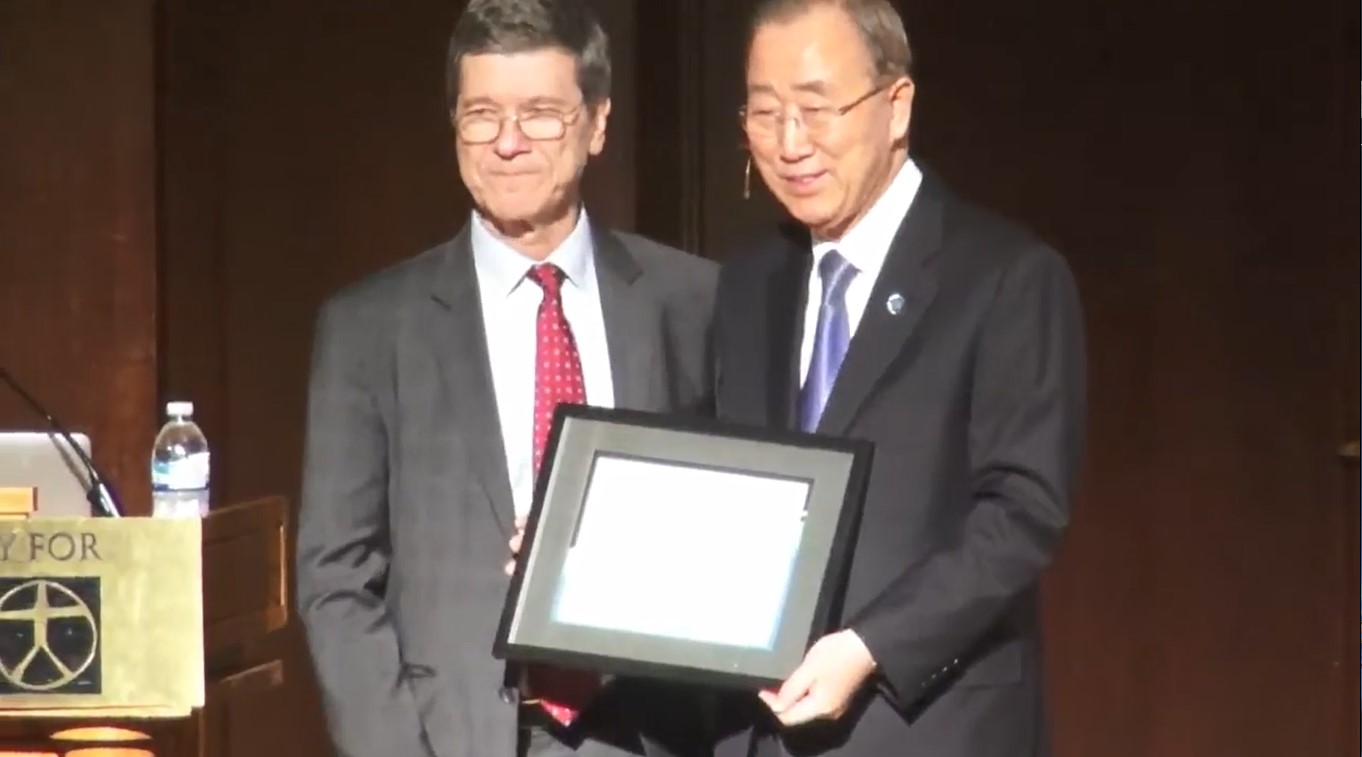
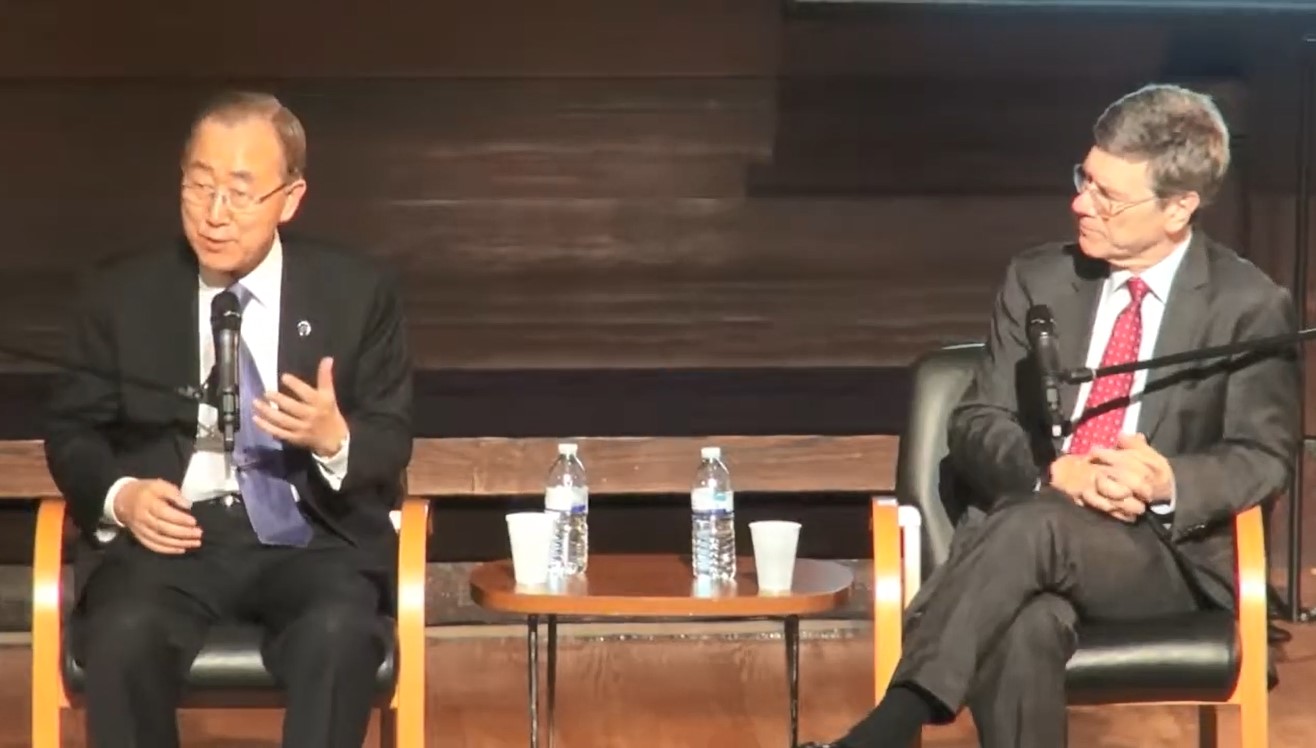
The reform of the United Nations has been an ongoing effort since the era of former Secretary-General Ban Ki-moon. In this context, we are releasing our exclusive historical video archive, featuring a speech by former Secretary-General Ban Ki-moon upon his departure from office. Please click the above picture to view.
Key Points of Professor Jeffrey Sachs' UN Reform Proposals:
1. **Empowerment and Representation**: The United Nations needs to be given more power and better representation. The key issue is that the UN's operational funding is overly dependent on a few powerful countries. It should be secured through international taxes (such as those on carbon emissions, shipping, aviation, and financial transactions) to ensure stable funding, rather than relying on individual countries' donations.
2. Reflecting the Modern World**: The UN should better reflect the current global landscape, not the situation in 1945. For instance, India should become a permanent member of the UN Security Council, as it is the world's most populous country, the third-largest economy, and a nuclear power.
3. Establishment of a UN Parliamentary Assembly**: The SDSN also suggests the creation of a new UN Parliamentary Assembly to represent the people of the world, rather than just the governments of member states.
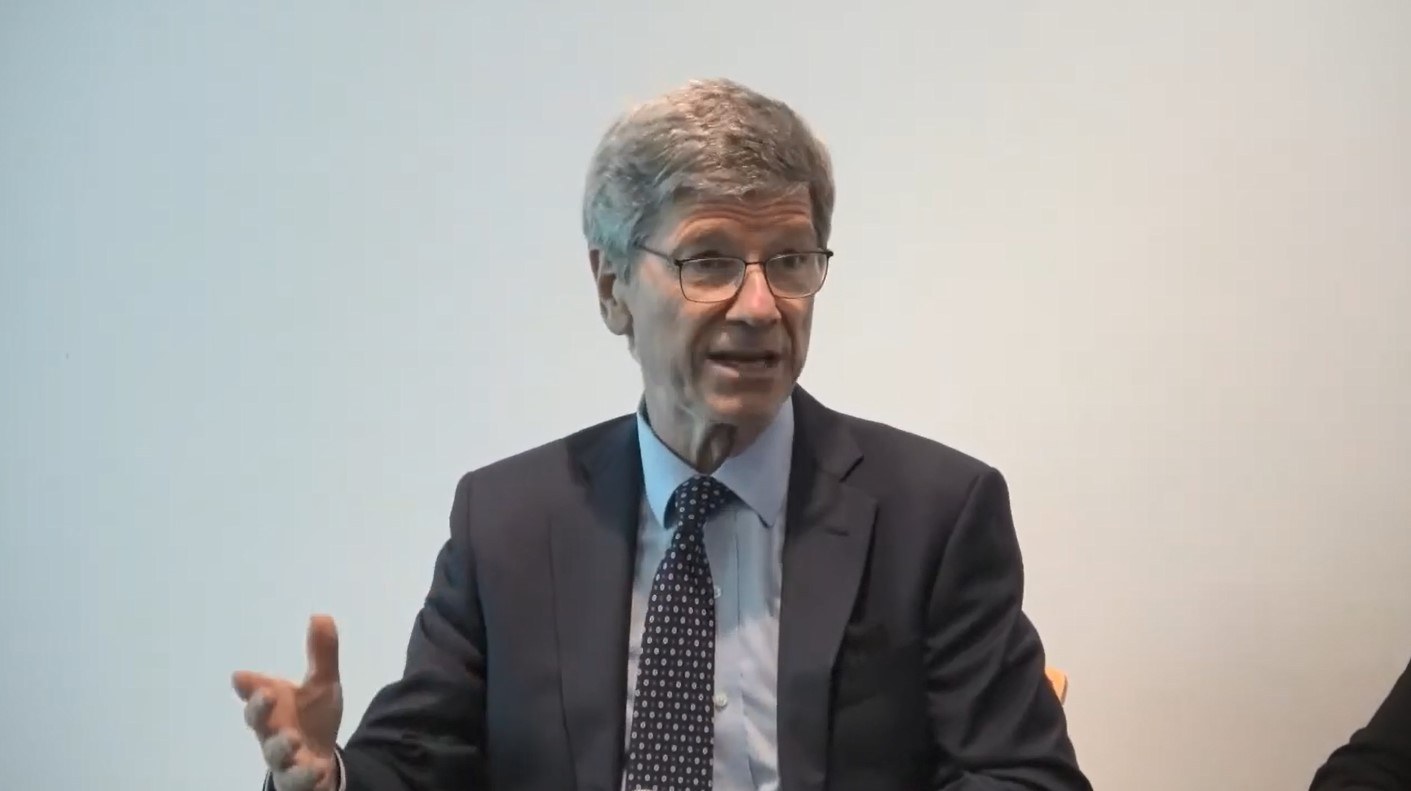 The renowned economist Professor Jeffrey D. Sachs (Celebrity Media Profile Photos)
The article is reproduced below:
The world’s geopolitical system is not delivering what we want or need. Sustainable development is our declared goal, meaning economic prosperity, social justice, environmental sustainability, and peace. Yet our reality is continued poverty amidst plenty, widening inequalities, deepening environmental crises, and war. To get back on track, UN Secretary General Antonio Guterres has wisely called for a Summit of the Future (SOTF) at the United Nations on September 22-23, a call that has been endorsed by the 193 UN Member states.
The core idea of the Summit of the Future is that humanity is facing a set of unprecedented challenges that can only be solved through global cooperation. The crisis of human-induced climate change (especially the warming of the planet) cannot be solved by any one country alone. Nor can the crises of wars (such as in Ukraine and Gaza) or the geopolitical tensions (between the US and China) be settled by one or two countries alone. Each country, even the major powers including the US, China, Russia, India, and others are part of a complex global structure of power, economics, and politics that requires truly global solutions.
The Summit will revolve around 5 core topics, all of them related to multilateralism, meaning the system by which nations co-exist with the rest of the world. These topics are: (1) the goal of sustainable development; (2) the goal of peace; (3) the control of new technologies such as artificial intelligence; (4) the empowerment of young people and future generations; and (5) reform of the UN architecture.
The UN Sustainable Development Solutions Network (SDSN), which I direct on behalf of UN Secretary General Antonio Guterres, has issued a statement summarizing the view of leading academics around the world about the reform of the multilateral system. The SDSN statement on the SOTF is Chapter 1 of the SDSN’s 2024 Sustainable Development Report.
On the goal of sustainable development, the core challenge is global finance. Achieving the Sustainable Development Goals (SDGs) – including the fight against poverty, hunger, disease, and environmental degradation – requires sizable public investments. The main priority public investment areas including education, health care, zero-carbon energy, sustainable agriculture, urban infrastructure, and digital infrastructure. The problem is that the poorer half of the world -- the low-income countries and lower-middle-income countries – lack the access to financing they need to achieve the SDGs. The most urgent reform of the global system these countries need is access to long-term, low-cost financing.
On the goal of peace, the core challenge today is great-power competition. The US is in competition with Russia and China. The US aims for primacy in Europe over Russia, and primacy in Asia over China. Russia and China resist the US. The result is war (in Ukraine) or risk of war (in East Asia). We need a stronger UN-led system in which great-power competition is governed and restrained by the UN Charter rather than by militarism and power politics. More generally, we are past the era when any single country can or should aspire to primacy or hegemony. The major powers should live in peace and mutual respect under the UN Charter, without threatening each other’s security.
On the goal of technology, the main challenge is to ensure transparent and responsible governance of the new advanced technologies, including biotechnology, artificial intelligence, and geo-engineering. Such powerful technologies cannot continue to be managed in secrecy by the militaries and powerful corporations. They need to be governed by honesty, transparency, and responsibility to the public.
On the goal of youth and future generations, the major challenge is to ensure that every child can achieve his or her potential through a high-quality education. Education is essential for a decent job and a life of dignity. Yet hundreds of millions of children, especially in the poor countries, are either out of school or in sub-standard schools that are not teaching the skills needed for the 21st century. Without a quality education, these children will face a lifetime of poverty and under-employment or unemployment. We need a new global financial arrangement to ensure that every child, even in the poorest countries, is given the opportunity for a decent education.
On the goal of reforming the UN system, the key is to give more power to UN institutions and to make them more representative. The UN today depends too much on a few powerful countries, most on notably the US. When the US doesn’t pay its dues to the UN, for example, the whole UN system is weakened. We need to strengthen the UN system by ensuring that it is properly and reliably financed through a new system of international taxes – for example, on CO2 emissions, shipping, aviation, and financial transactions – rather than the contributions of individual governments.
We also should make the UN institutions more representative of the world of 2024 rather than the world of 1945, when the UN was established. India, for example, should become a permanent member of the UN Security Council. India is the world’s most populous country, the third largest economy, and a nuclear power as well. In 1945, India was still a British colony, and so was not given its proper place in the UN system at that time.
Another core recommendation of the SDSN is to introduce a UN Parliamentary Assembly as a new chamber alongside the UN General Assembly (UNGA). The UNGA gives each member state one vote, with the power of that vote in the hands of the executive branch of each government. A UN Parliament would represent the peoples of the world rather than the governments.
Most importantly, the Summit of the Future is an invitation to intensive global brainstorming on how to make our deeply interconnected world fit for sustainable development in the 21st century. It is a great challenge that should be welcomed and joined by people all over the world. A great debate will open in September and then continue for years to come.
- Details
-
Category: English Media
-
Published: Thursday, 04 July 2024 10:11
-
Written by Eager
Celebrity media commentator: Yesterday morning, I accompanied the CEO of celebrity media to attend an event hosted by the Korean Association. By noon, feeling hungry, I recalled a Sichuan restaurant recommended by Mr. Lv Minjian, President of the World Chinese Calligraphy Association, called "Yipin Chengdu". Unfortunately, I had forgotten the message he sent, which was on another phone I didn't bring. So, I searched for information about "Yipin Chengdu" and found out it was not far from where we attended the event. Therefore, we drove to "Yipin Chengdu" Sichuan restaurant.
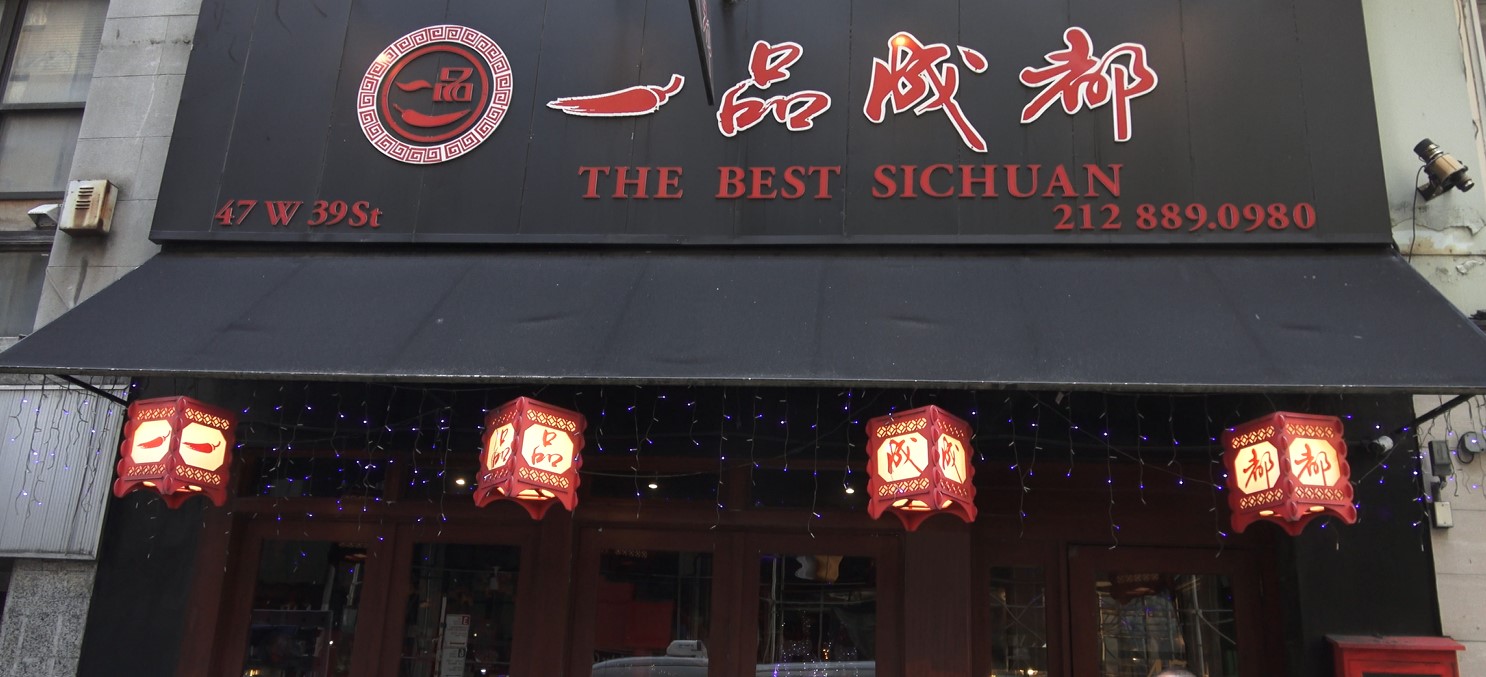
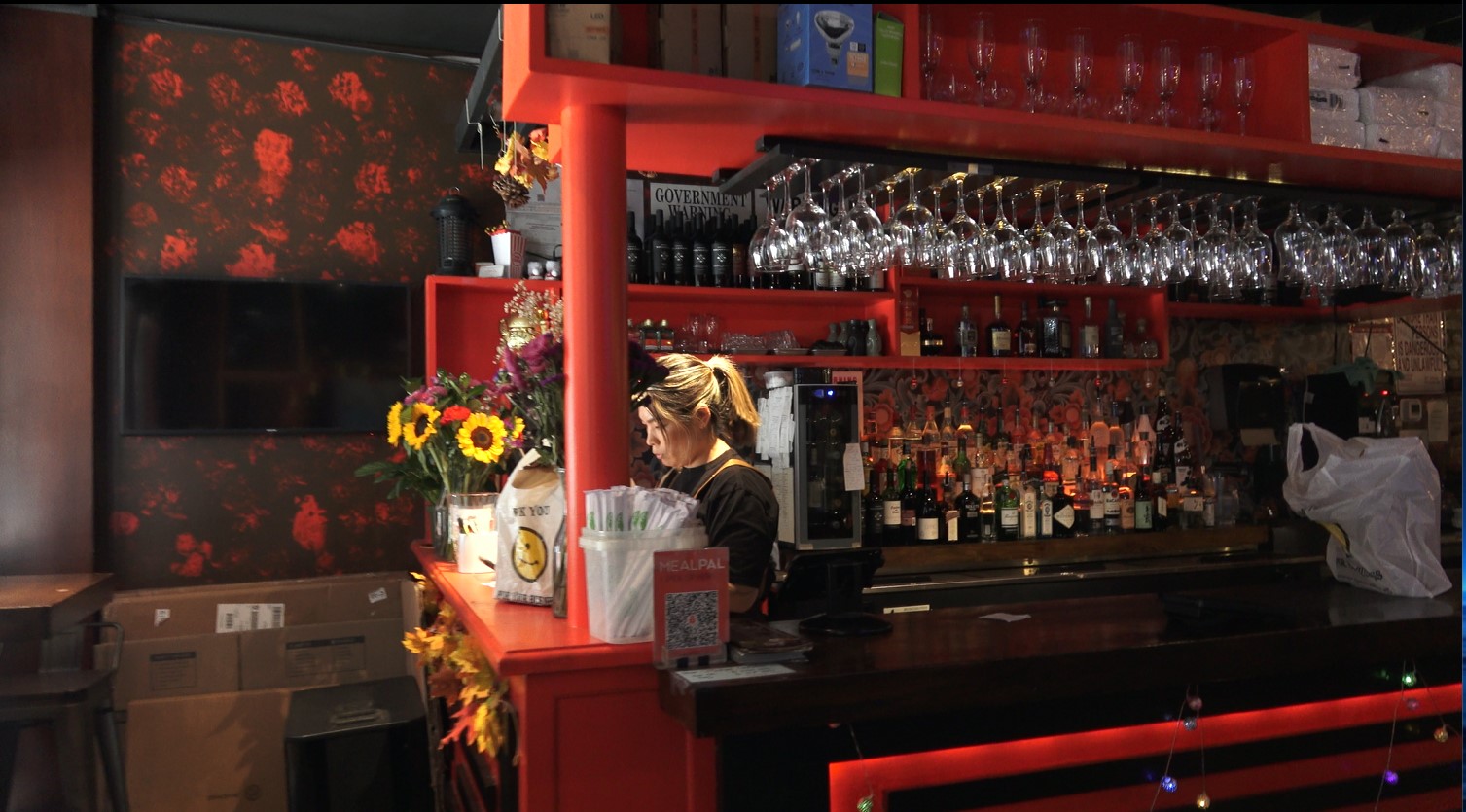
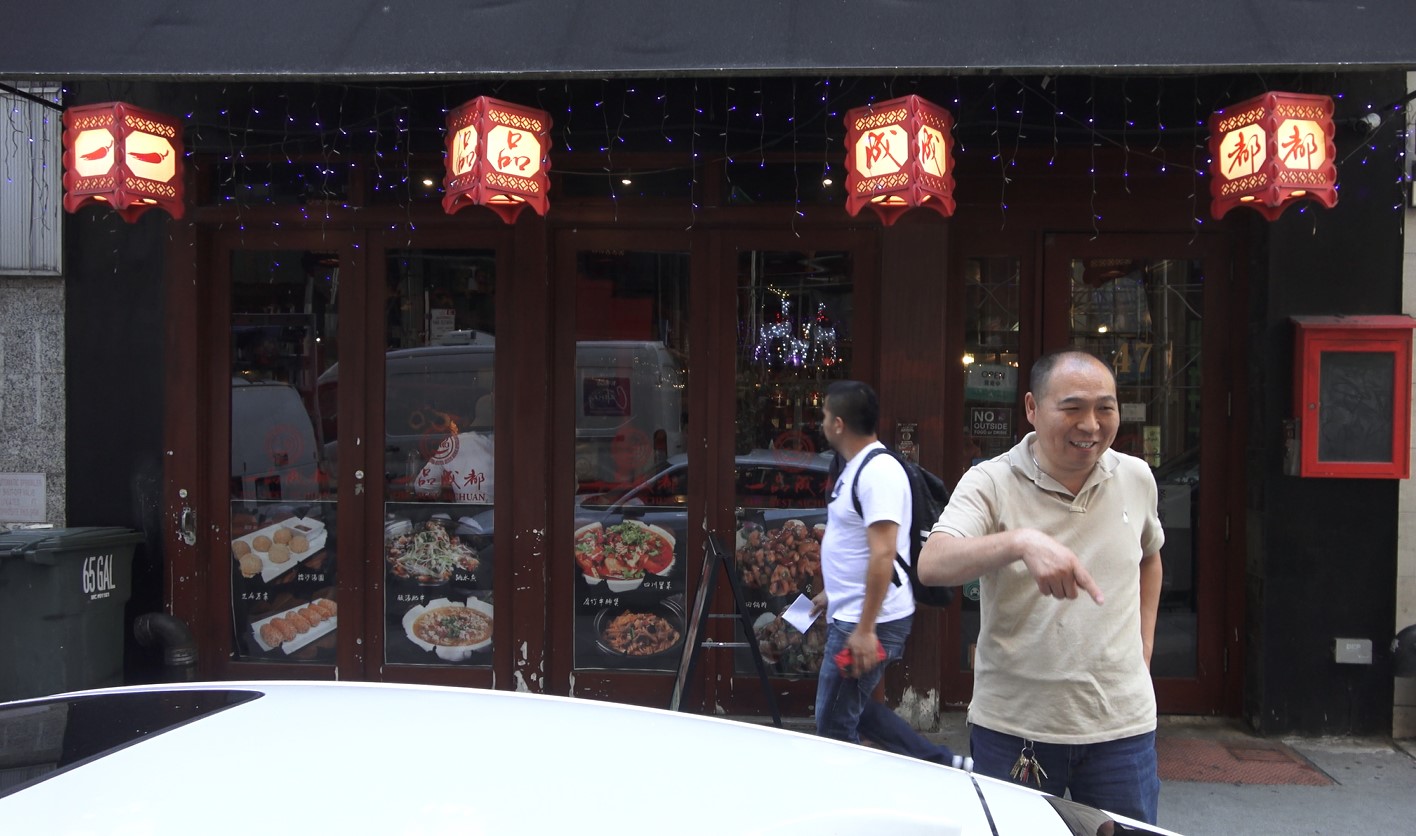
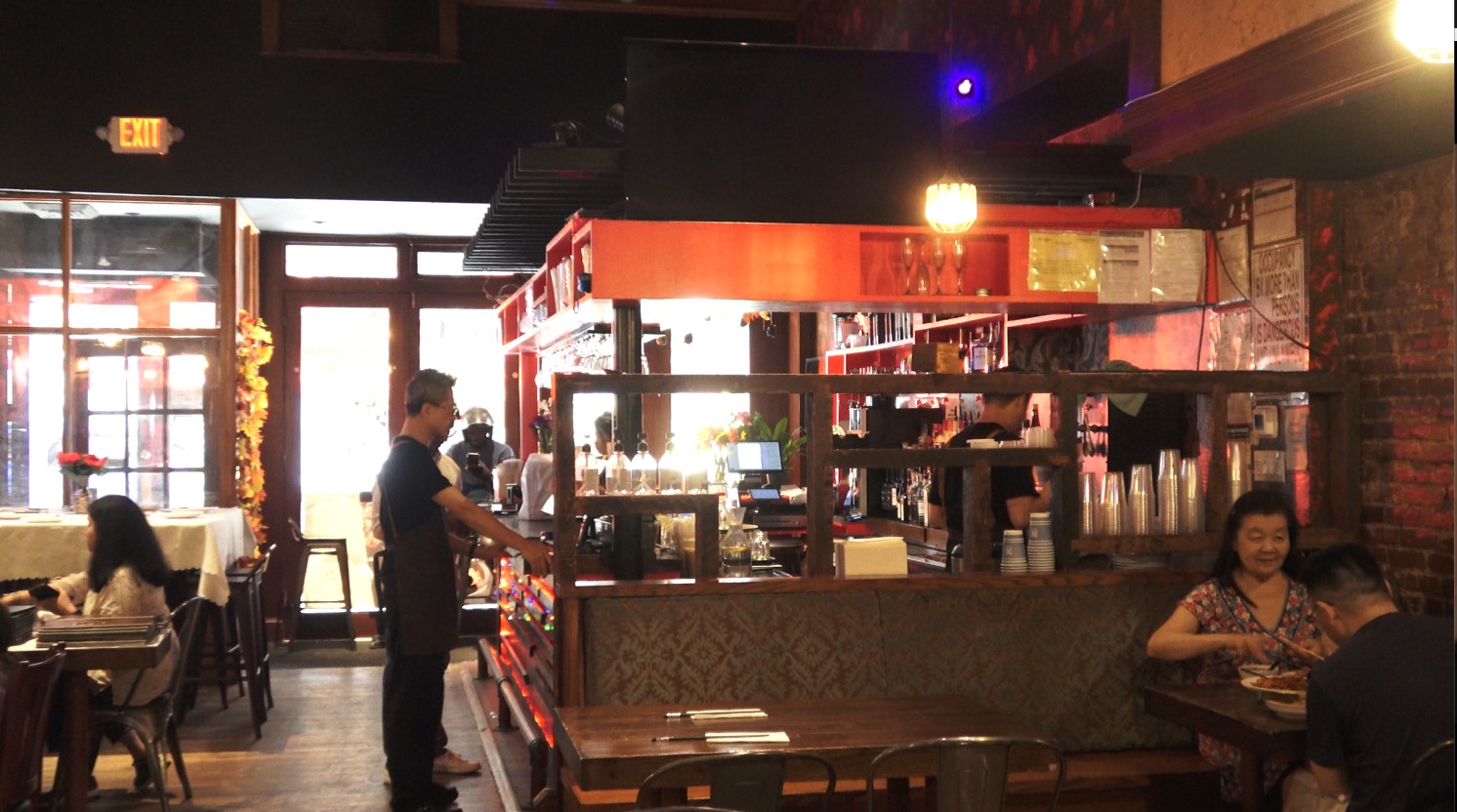
"Yipin Chengdu" Sichuan Restaurant is located in the bustling heart of Manhattan, New York, at 47 W 39th Street.
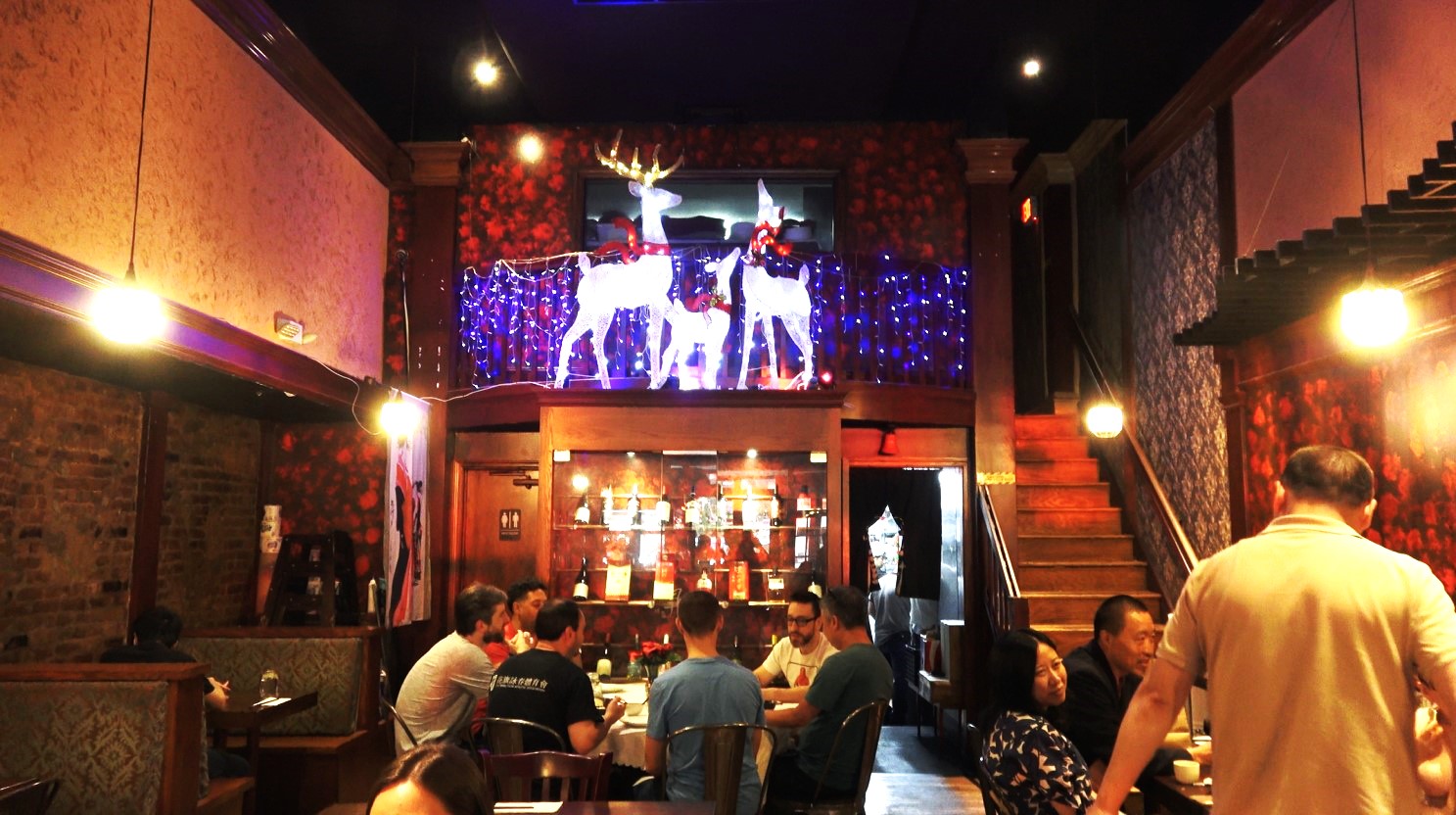
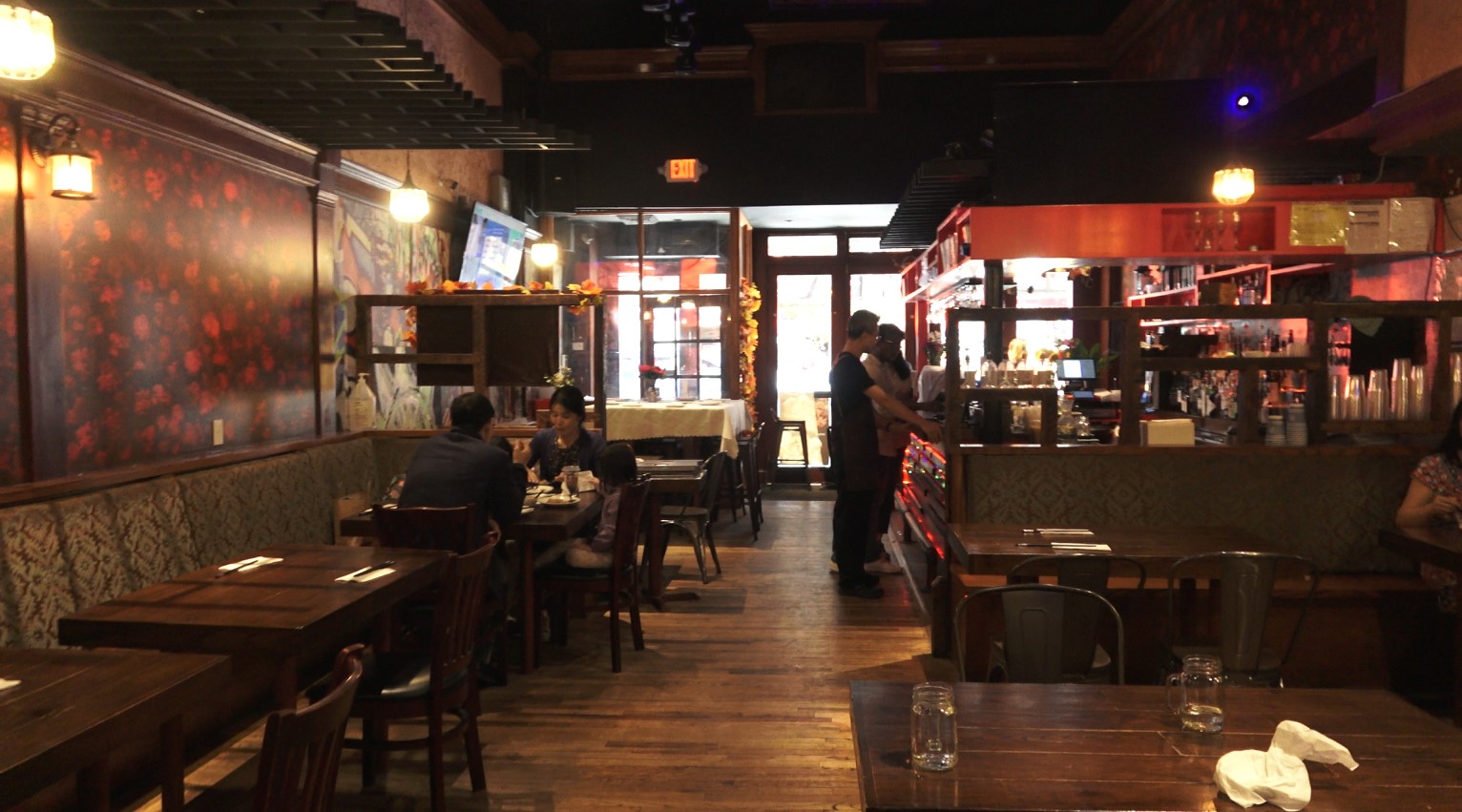
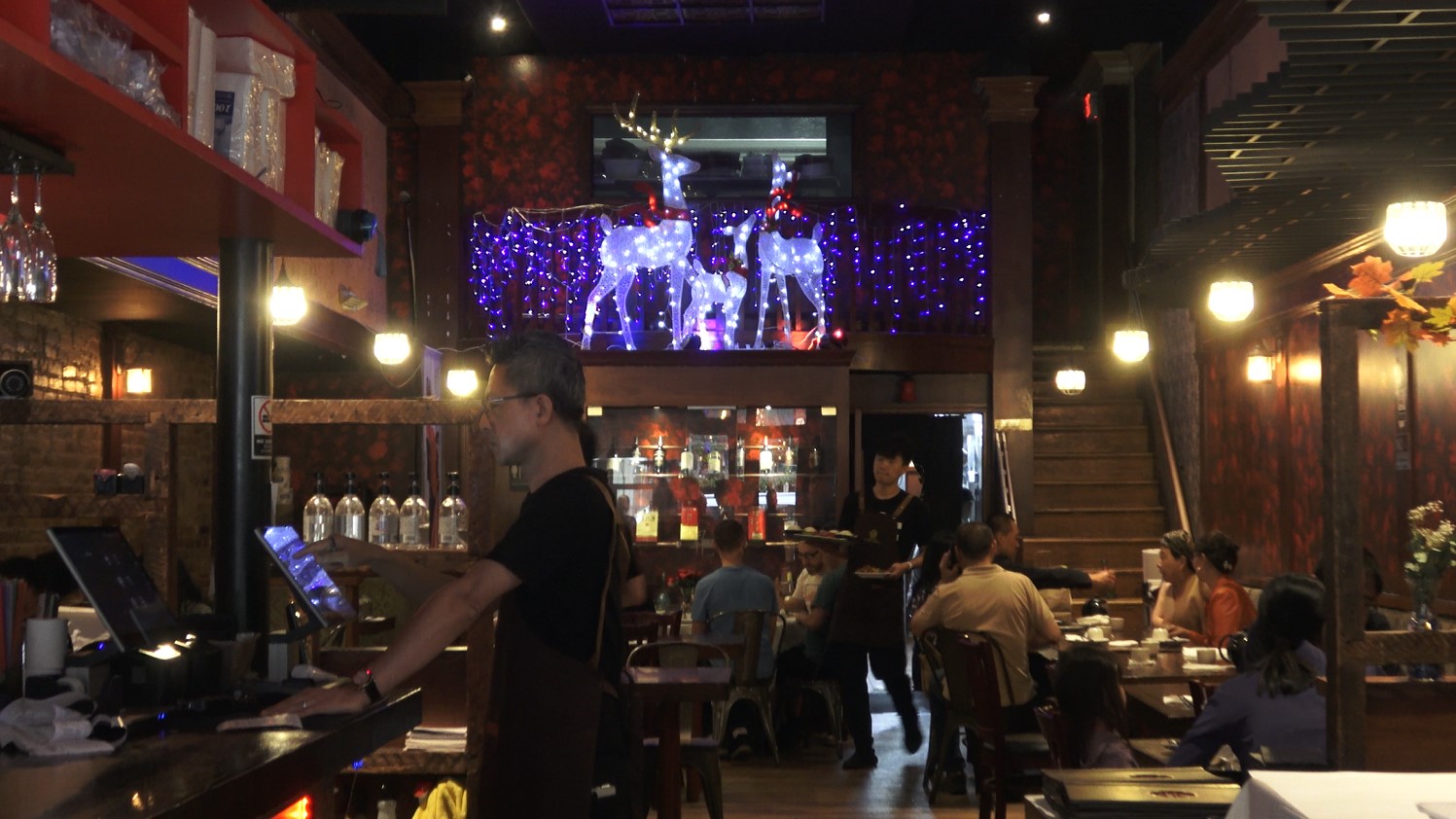
Stepping into this Sichuan restaurant feels like traveling back in time to ancient China. The entire space is filled with an ancient charm, exuding a rich historical atmosphere. Large red lanterns hang high at the entrance, casting a warm and inviting glow that illuminates the "Yipin Chengdu" name. The wooden door frames and window lattices are intricately carved with beautiful patterns, showcasing exquisite traditional craftsmanship.
Upon entering the restaurant, the tantalizing aroma immediately whets one's appetite. The sounds from the kitchen, filled with the sizzling of stir-frying dishes, resemble a delightful symphony. Seeing the dishes served to diners, each bursting with color, fragrance, and flavor, makes one's mouth water uncontrollably. Whether it's a reflexive response or genuine hunger, when we tasted the dishes prepared personally by Chef Hong, all we could say was "Yipin" — truly exquisite. We believe that once you come to taste it for yourself, you'll also raise your thumbs up and proclaim, "Yipin!"
播放器加载中....
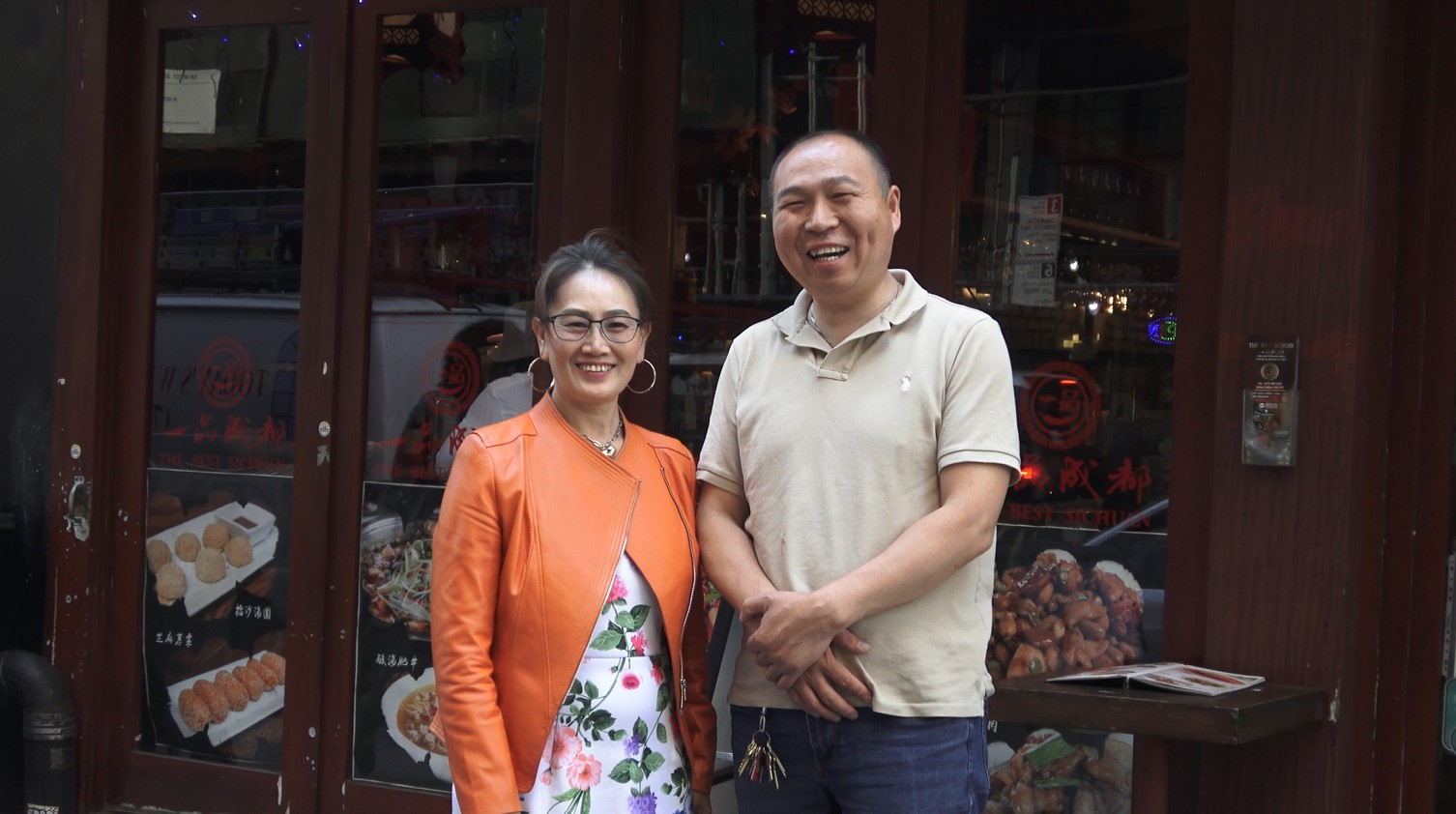
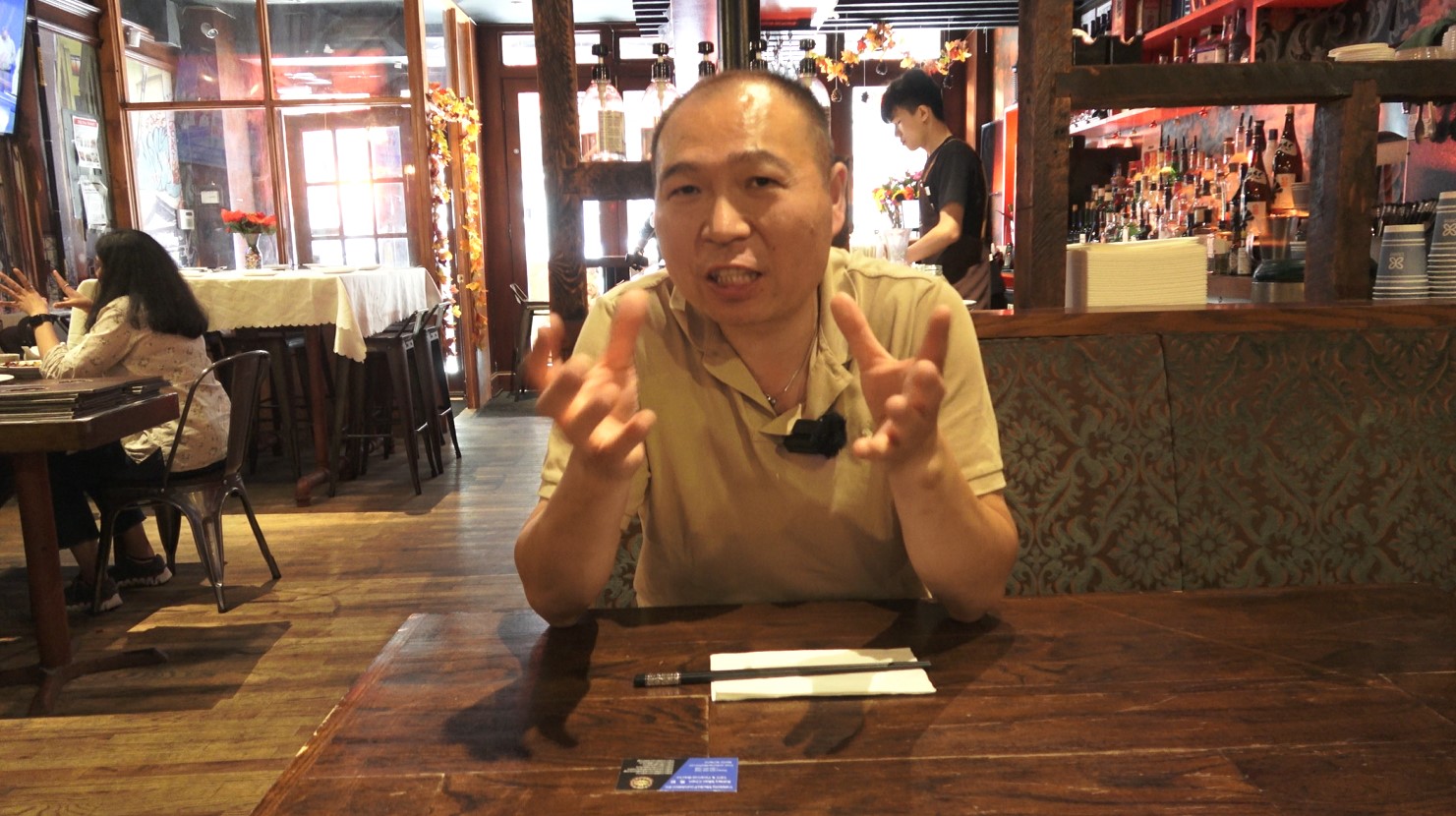
We are from the news industry, so since we're here, may we ask if the boss could say a few words for our cameras? Mr. Hong Weimin gladly agreed.
It's worth mentioning that during his speech, Mr. Hong mentioned that "Yipin Chengdu" officially opened on June 28th, 2019, and yesterday happened to be June 28th, marking the fifth anniversary of the renowned Sichuan restaurant's opening. Could there be some mysterious force guiding us to this Sichuan restaurant? Please watch our related report for more details.
名人媒体平台是让你在联合国发声,说i你的故事的国际平台
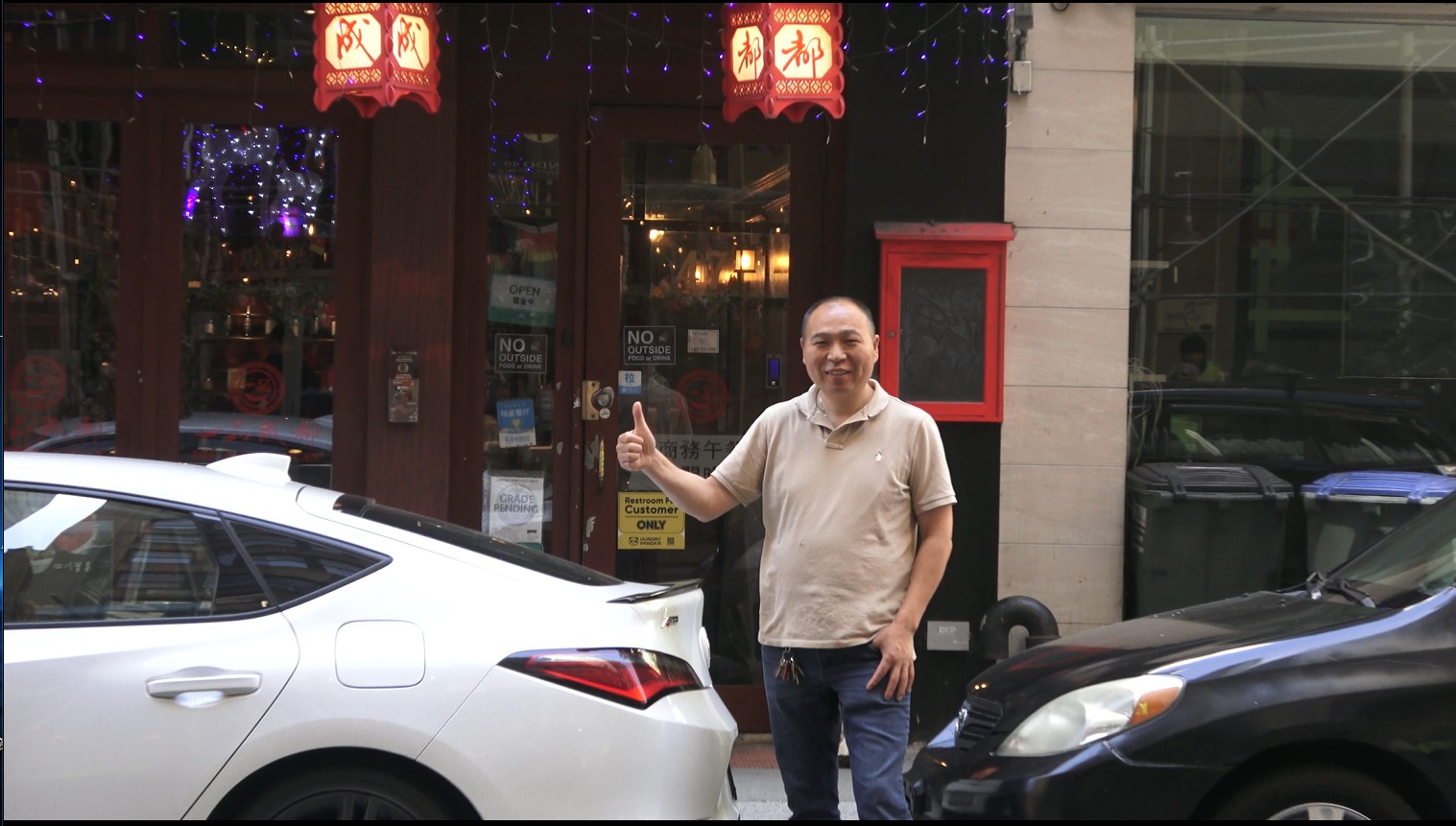
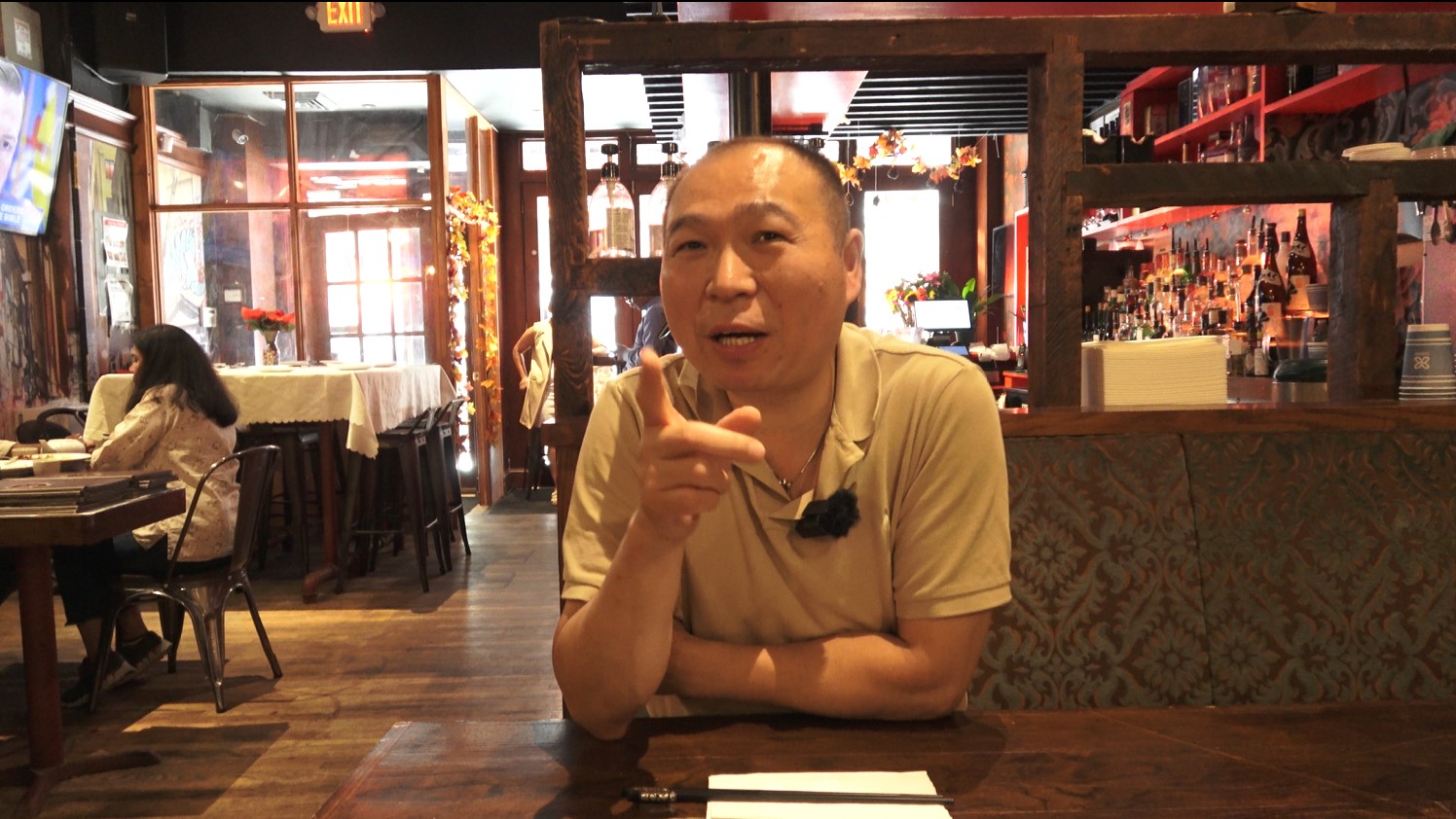


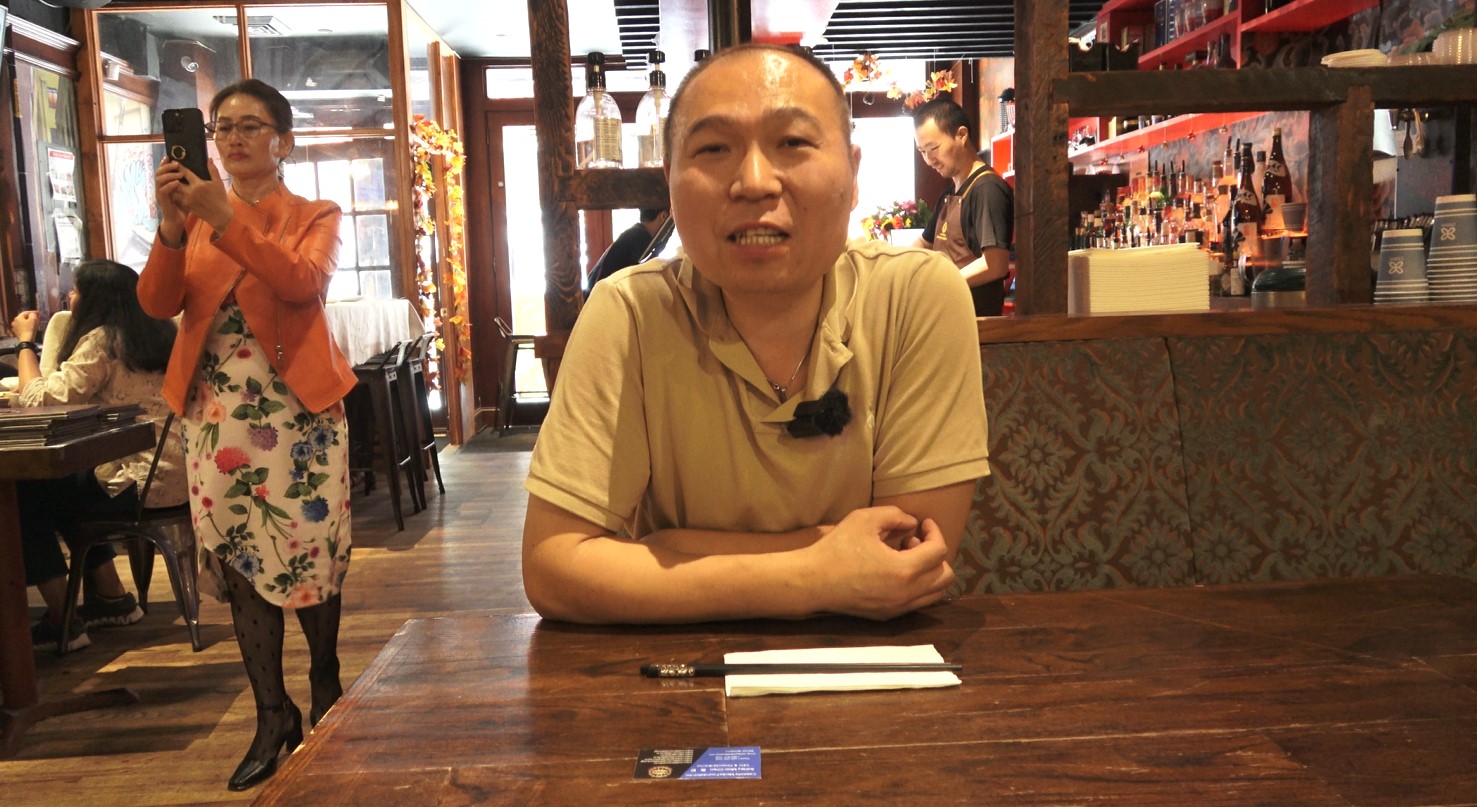
"Yipin Chengdu" founder told us: "I am very pleased and grateful to Mr. Wen from celebrity media for visiting our Yipin Chengdu restaurant, renowned for its authentic Sichuan cuisine and exceptional service. My surname is Hong, and my full name is Hong Weimin. I personally founded Yipin Chengdu Sichuan Restaurant, which officially opened on June 28th, 2019, and has since become a beloved dining destination for locals and tourists alike. We take pride in offering a memorable dining experience through traditional recipes and fresh ingredients. Our restaurant proudly began its journey in the bustling city center, starting on December 19th, 2018, and has been serving the community ever since. Today marks our seventh year. We have a very large and loyal customer base in Midtown Manhattan, primarily consisting of non-Chinese foreigners and residents from other regions.
Our Sichuan friends from China and other Chinese friends really enjoy our Sichuan cuisine. Because I am a professional chef myself, my mentors are nationally renowned and highly respected chefs from around the world—you know, famous chefs. That's why I have such a passion for Sichuan cuisine. I have been cooking Sichuan cuisine for forty years, and it's this passion that has brought me to where I am today.
I now have three restaurants, all of which I founded. So what more can I say? Oh, well, I do have a deep affection for this place, Manhattan. So I am very thankful to Mr. Wen for allowing me to speak a few words. I have a wish, which is because of my love for Sichuan cuisine, I want to promote it, to promote it globally, so that more Americans can understand and appreciate our Sichuan cuisine. Thank you, everyone."


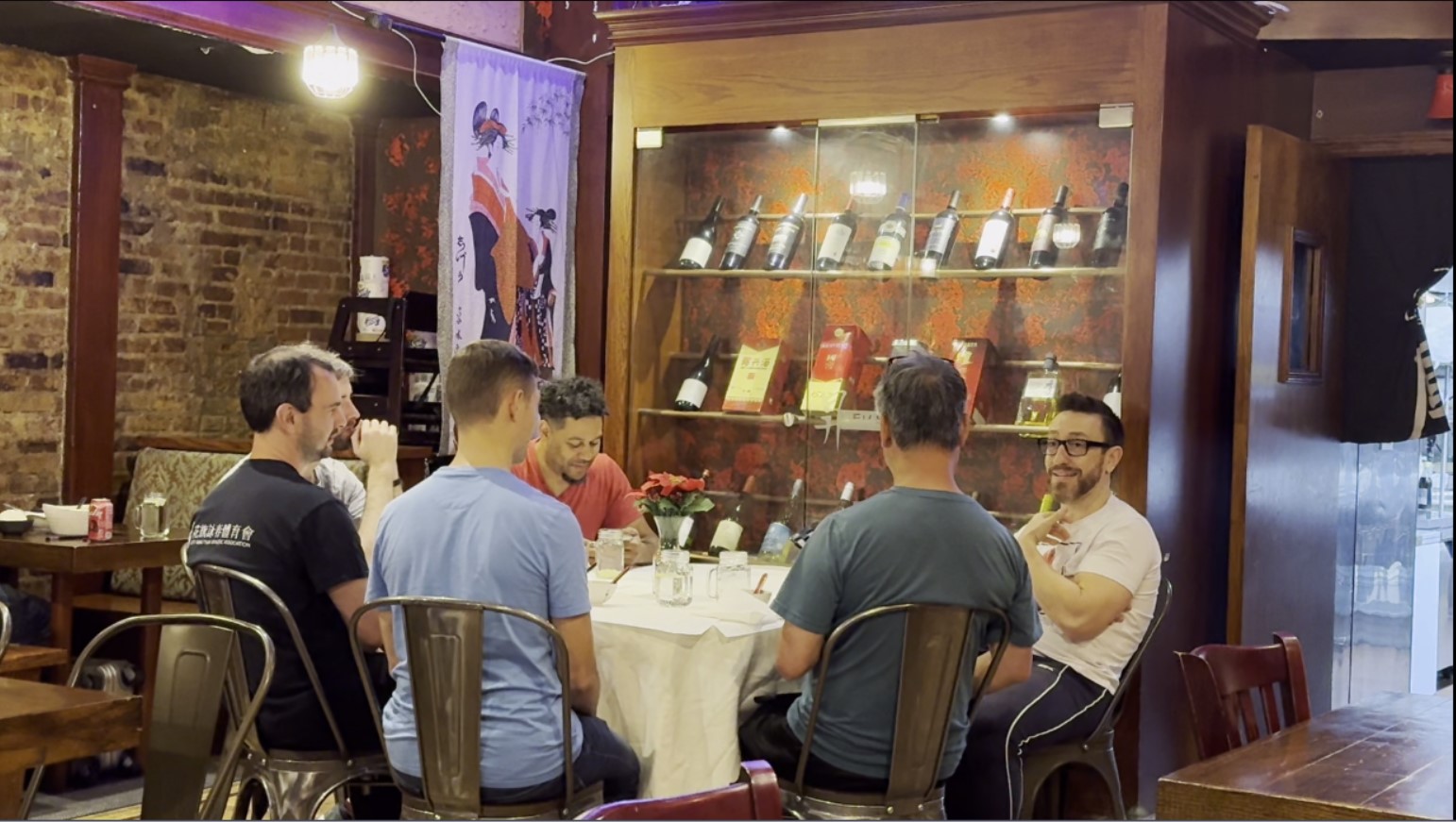







 International Youth Human Rights Organization Team
  AI Technology Department of Celebrity Media Network