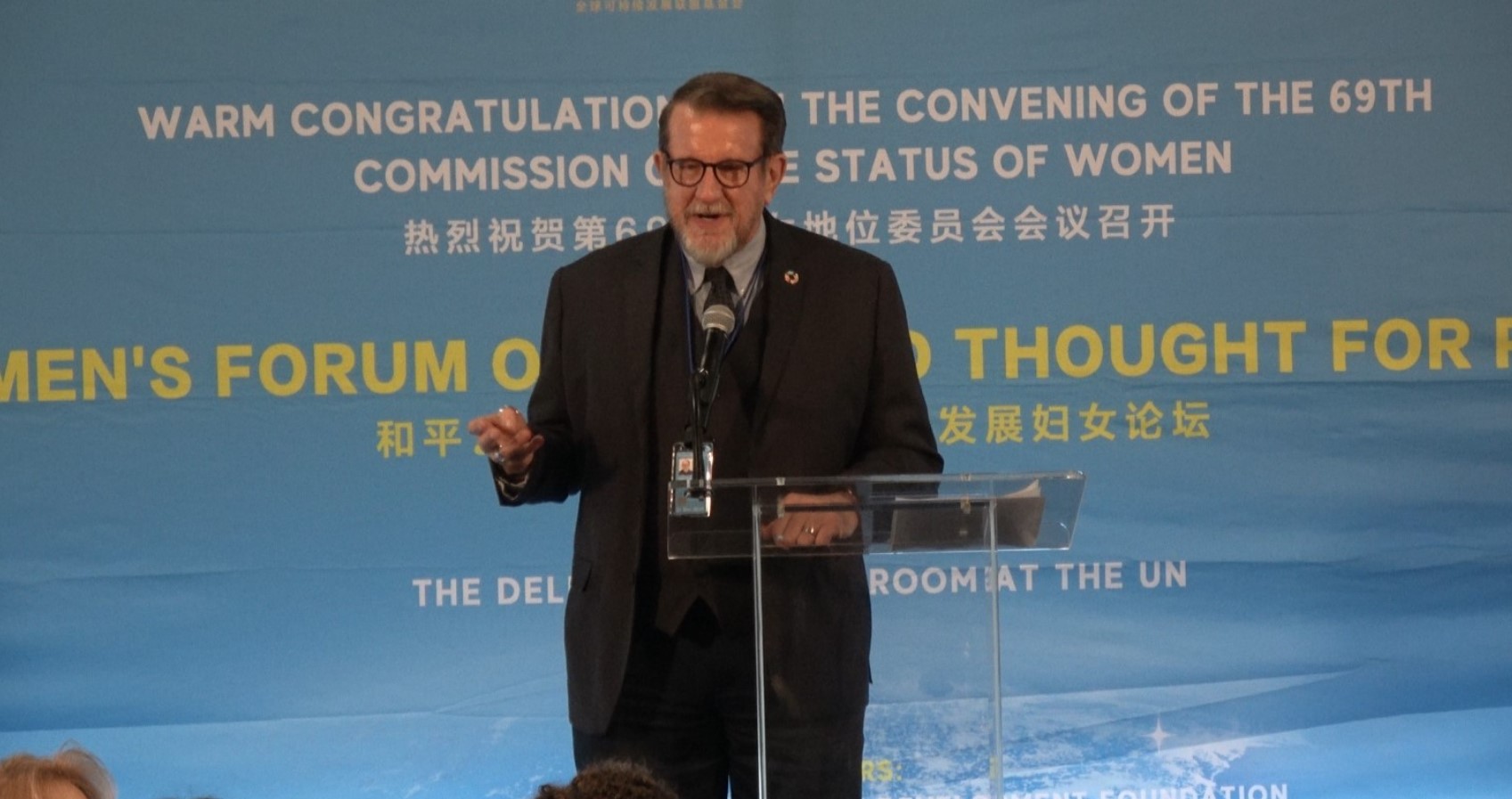
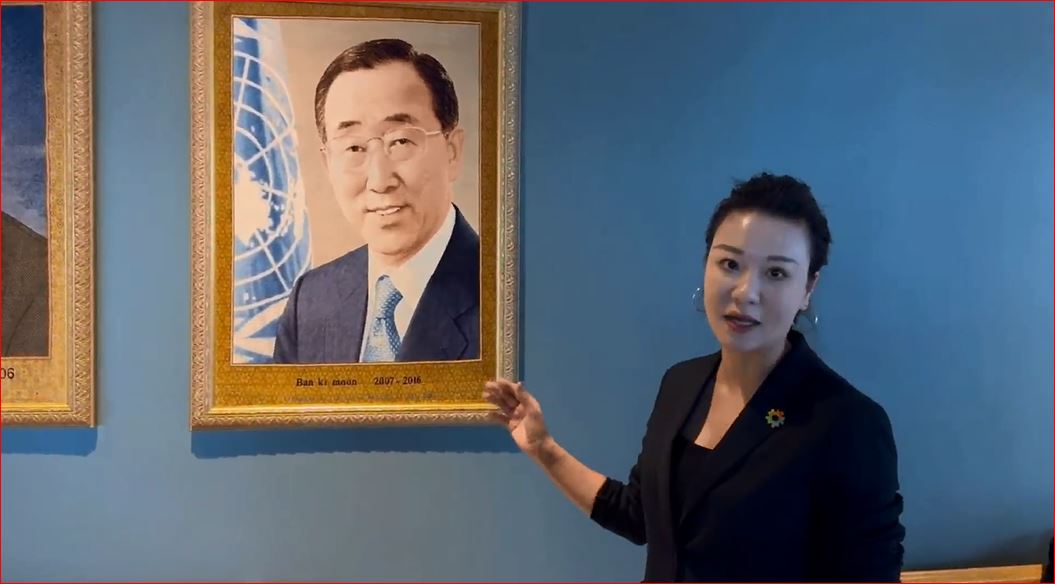
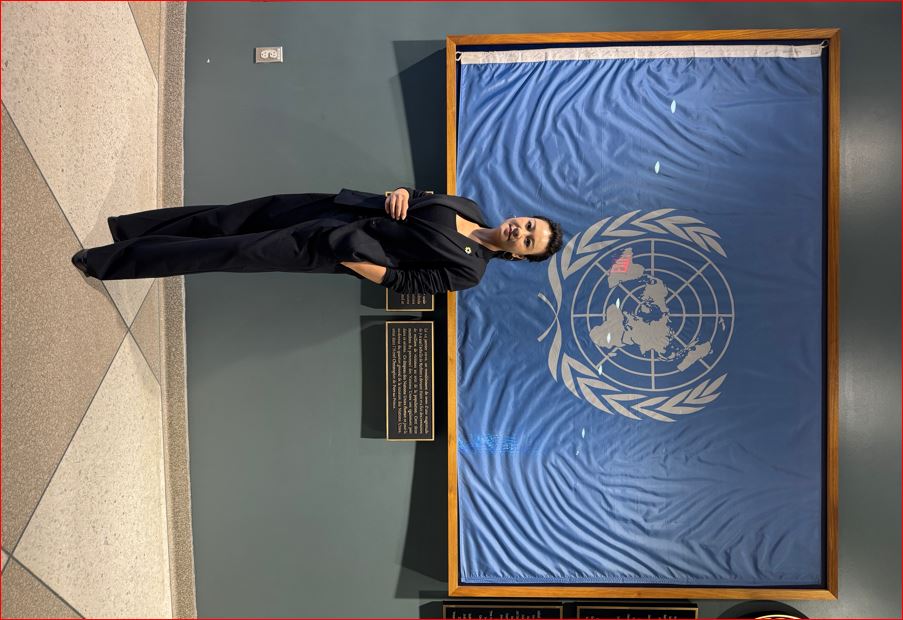
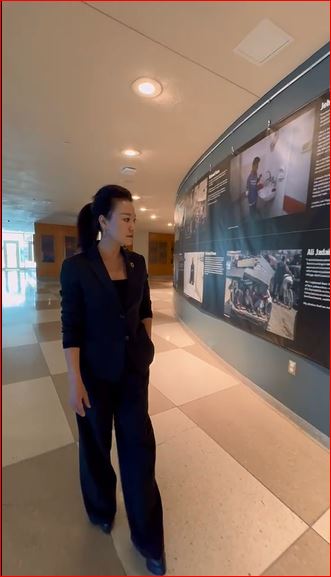
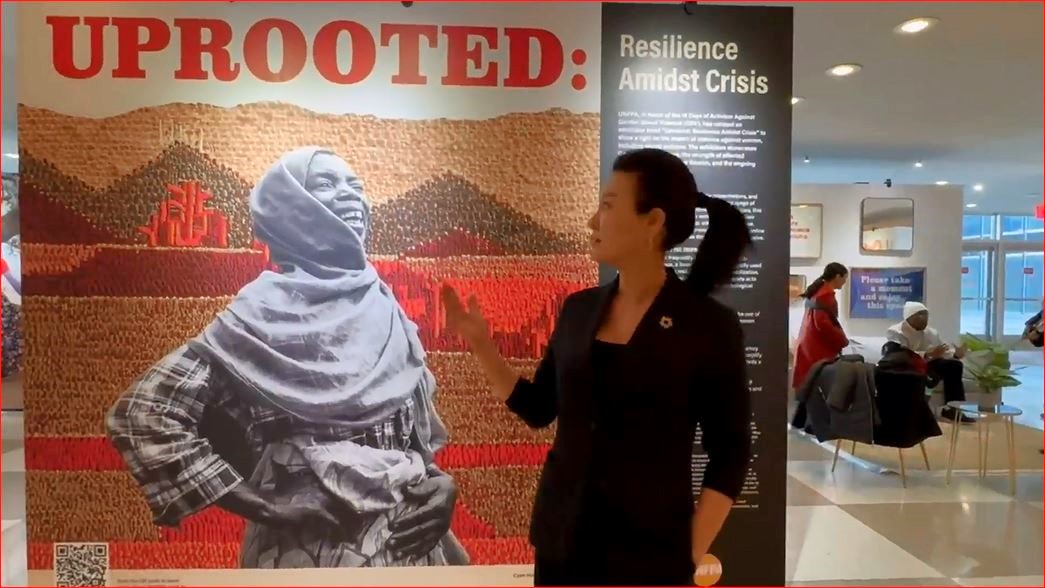
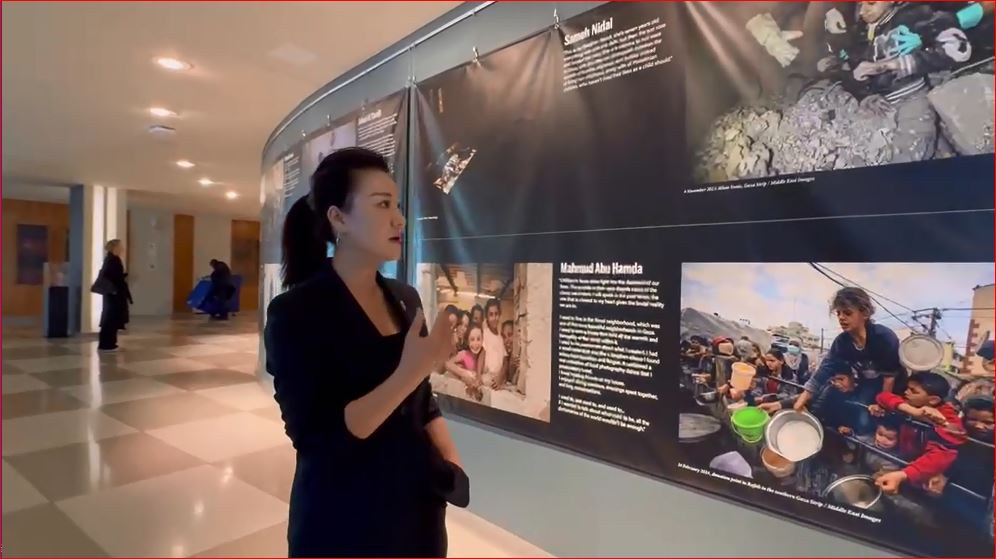
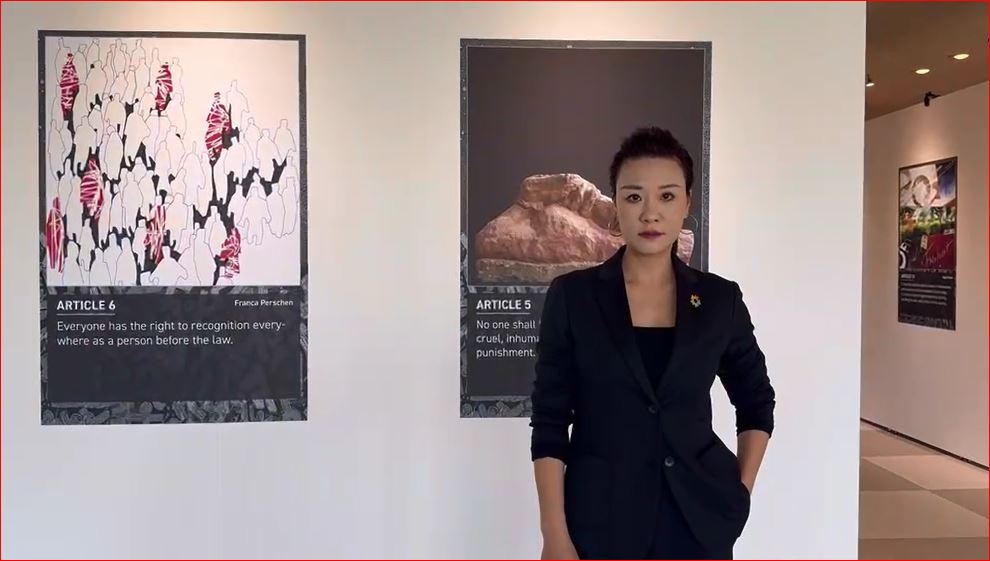
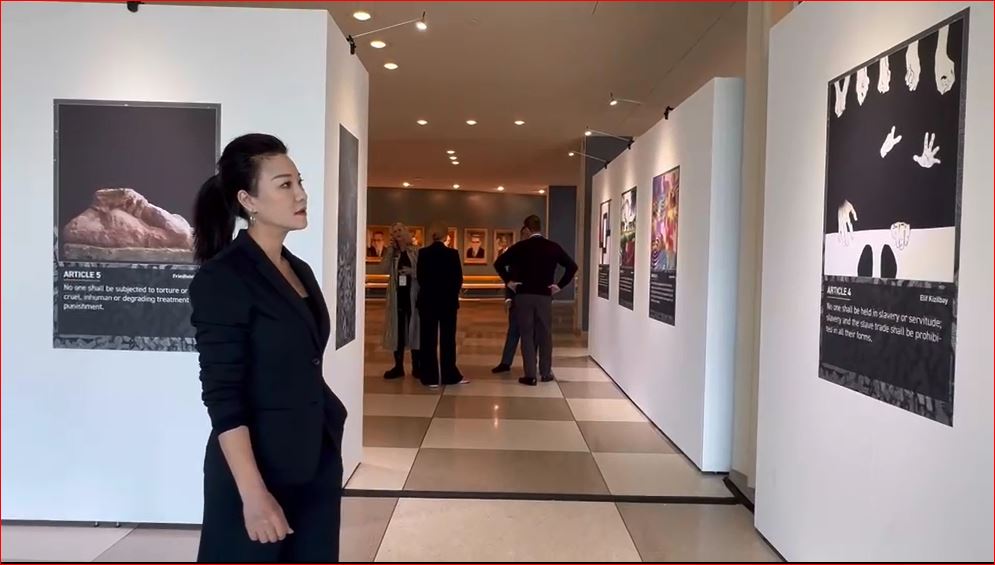
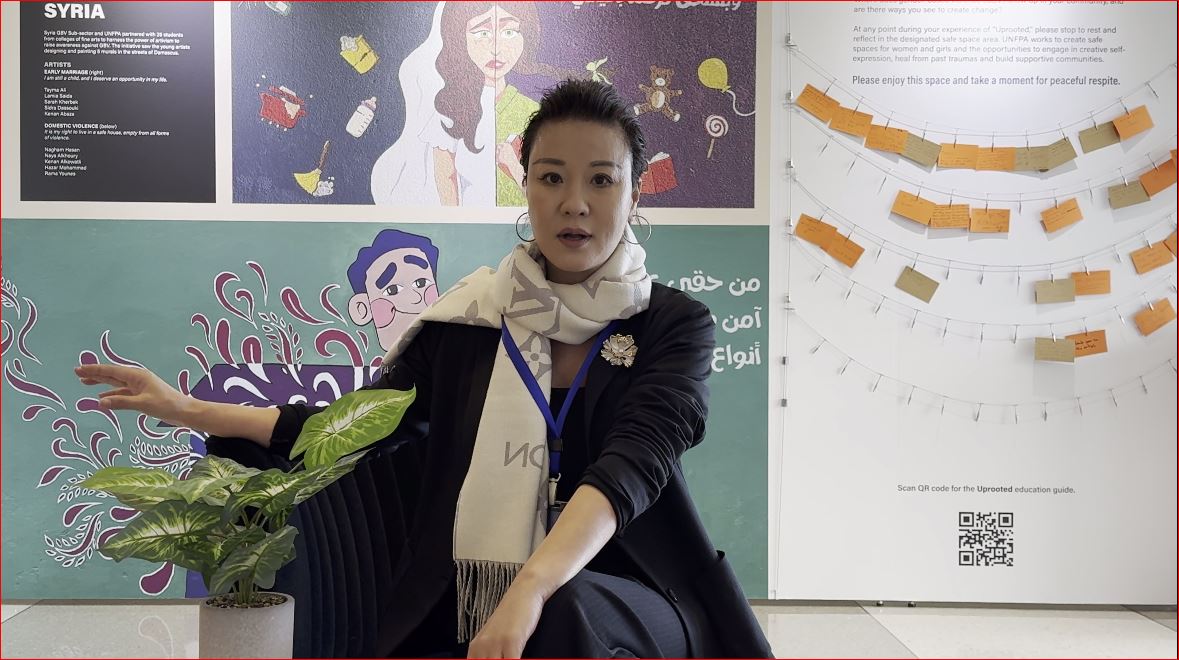
Celebrity Media Commentator: Recently, Ms. Zhang Lijun, Executive Chairperson of the Celebrity Media Foundation, visited a profoundly impactful photo exhibition at the United Nations headquarters. Organized by the United Nations Population Fund, the exhibition vividly documented the devastating effects of war on ordinary people, especially women and children. Ms. Zhang was deeply moved by these images and remarked that lasting peace is not just an ideal but the cornerstone of global future development. Her reflections embody the core spirit of the United Nations Charter: maintaining international peace and security while protecting the most vulnerable groups.
Please select horizontal or vertical mode to experience different effects
Zhang Lijun is hailed as the reincarnation of Lin Huiyin, a legendary figure combining beauty, wisdom, and numerous accolades. An American of Chinese descent from Fuzhou, Changle, she immigrated to the United States at a young age. Fluent in multiple languages, she is a painter, writer, poet, sculptor, and landscape design master. Her artworks have won multiple international awards and are collected by institutions such as the United Nations, the White House, the American World Art Center, the Statue of Liberty Museum, and Harvard University.
Lijun is also the President and Chief Designer of AIM Modern Landscape Design in the United States, Dean of the New York Academy of Art, a member of the American Society of Landscape Architects (ASLA), and Chairperson and General Manager of Fuzhou Lijun Modern Landscape Engineering Design Co., Ltd. in China.
Her rural transformation design concepts have been recognized and promoted by the Chinese government. In 2017, she was interviewed by Peace TV, a UN NGO, at UN Building 866, sharing her ideas on ecological construction and livable city development with an international audience.
The Power of Images: Scars of War and the Call for Peace The photo exhibition reveals how war has destroyed countless families. The helplessness and sorrow in the eyes of displaced women and children are unforgettable. Their plight not only reflects the brutality of war but also reminds us that the consequences of peace's absence far exceed the battlefield. Women and children, as the most vulnerable groups in society, often bear the brunt of war's horrors. This exhibition awakened Ms. Zhang Lijun to the importance of promoting peace and protecting these groups. It is not just an emotional response but a profound recognition of the responsibilities borne by the international community.
The Call of the UN Charter: Safeguarding Peace and Protecting the Weak The UN Charter explicitly states that preventing the recurrence of war and protecting fundamental human rights are its core missions. Women and children, as vital parts of society, often have their rights ignored or stripped away during war. Ensuring their safety and dignity is a crucial step toward achieving peace and development.
Ms. Zhang Lijun's reflections align perfectly with the mission of the Celebrity Media Foundation. The foundation is committed to promoting global peace and sustainable development by supporting the UN's international affairs and public welfare efforts. By advocating peace, funding charitable activities, and encouraging celebrity involvement, the foundation extends and practices the spirit of the UN Charter.
The Necessity of Collaboration: Global Cooperation and Individual Responsibility Ms. Zhang Lijun's sentiments are not just emotional expressions but a call to action for the world. Achieving lasting peace requires collective efforts from all parties. From governments to NGOs, from international institutions to individuals, every effort counts. The Celebrity Media Foundation collaborates with philanthropists and nonprofit organizations to actively improve areas such as climate change, children's education, and environmental protection. These actions support global public welfare and are concrete practices for peace.
Making Peace the Cornerstone of the Future: Peace is not an unattainable dream but a realistic goal that everyone should strive for. The photo exhibition reminds us that the cost of war is borne by all, and the future of peace requires collective construction. By supporting the rights and protection of women and children and promoting global public welfare, the Celebrity Media Foundation is fulfilling its commitment to peace.
Ms. Zhang Lijun's visit and insights provide important inspiration: Only through continuous effort can the light of peace shine on every corner. Let us remember the stories conveyed in these images and act to fulfill the responsibility of peace, jointly creating a more just and harmonious world.
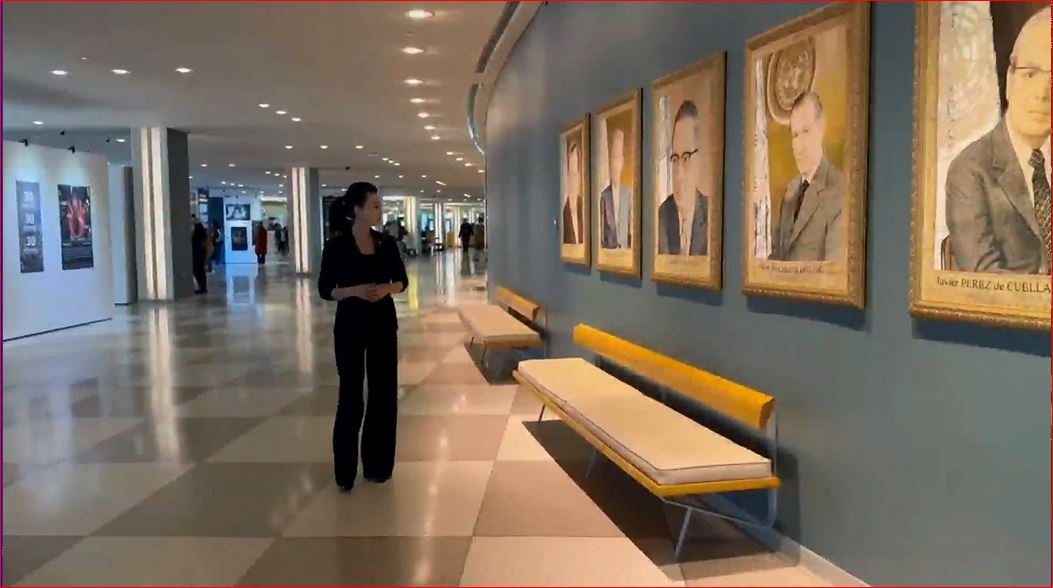
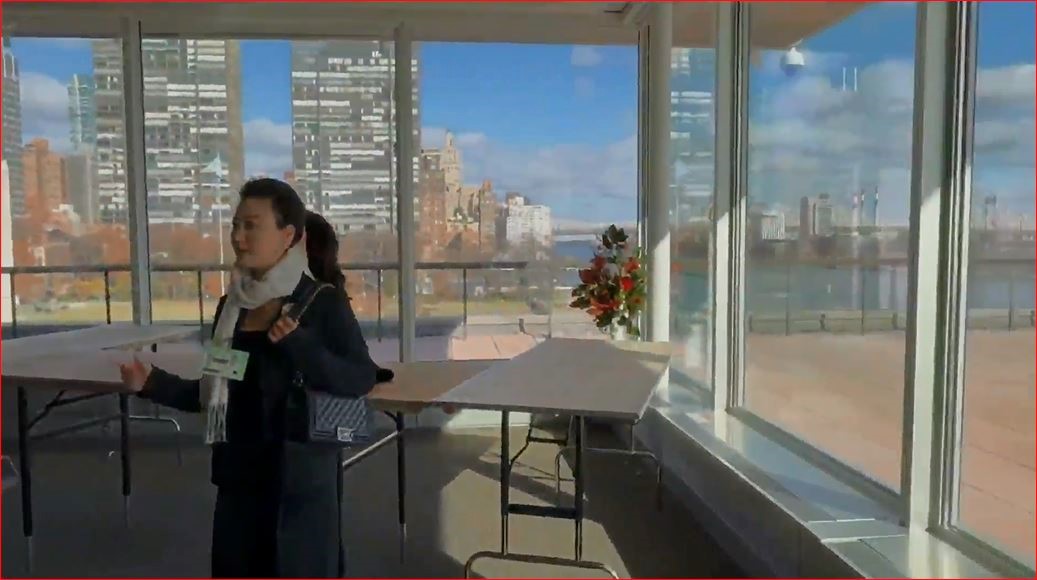
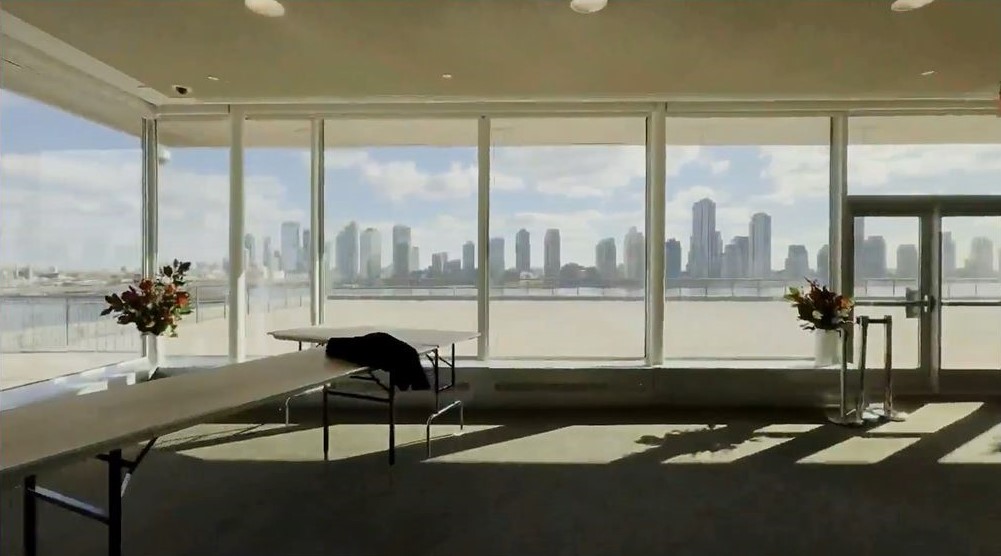
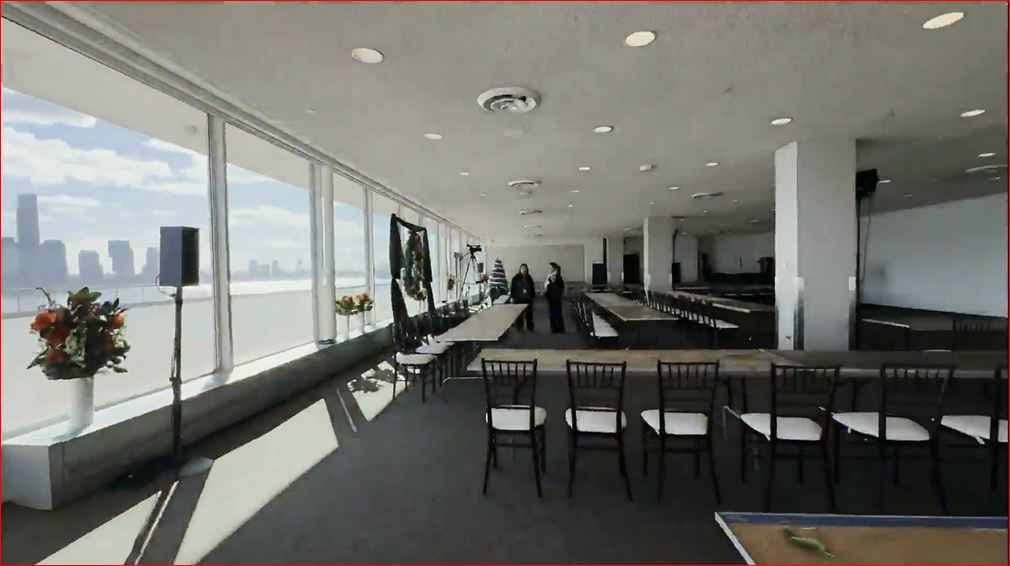
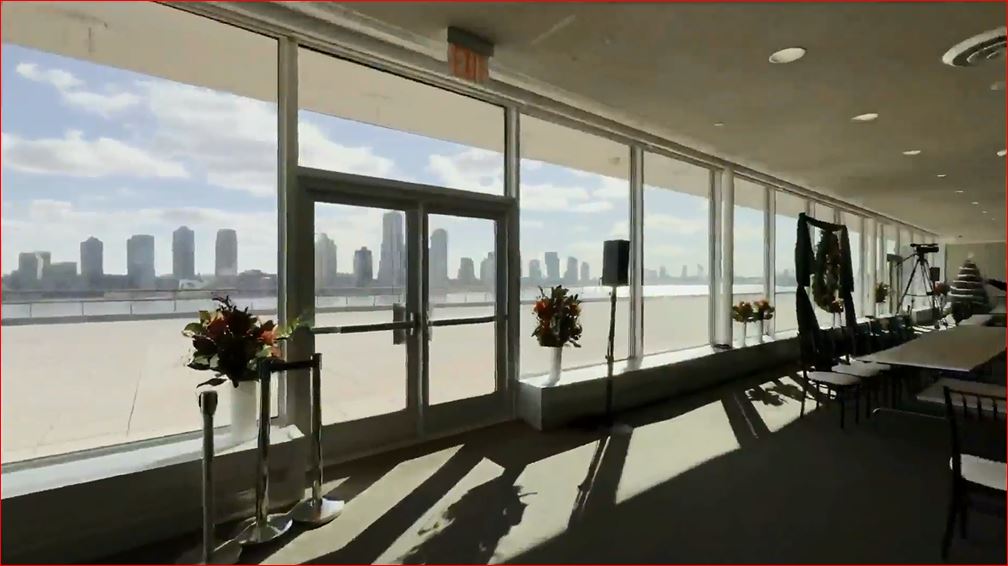
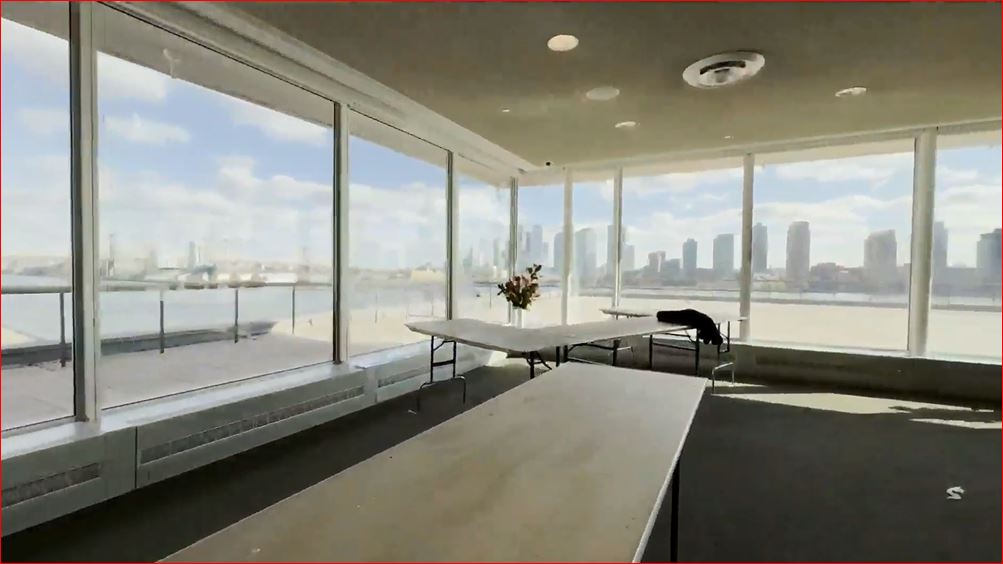
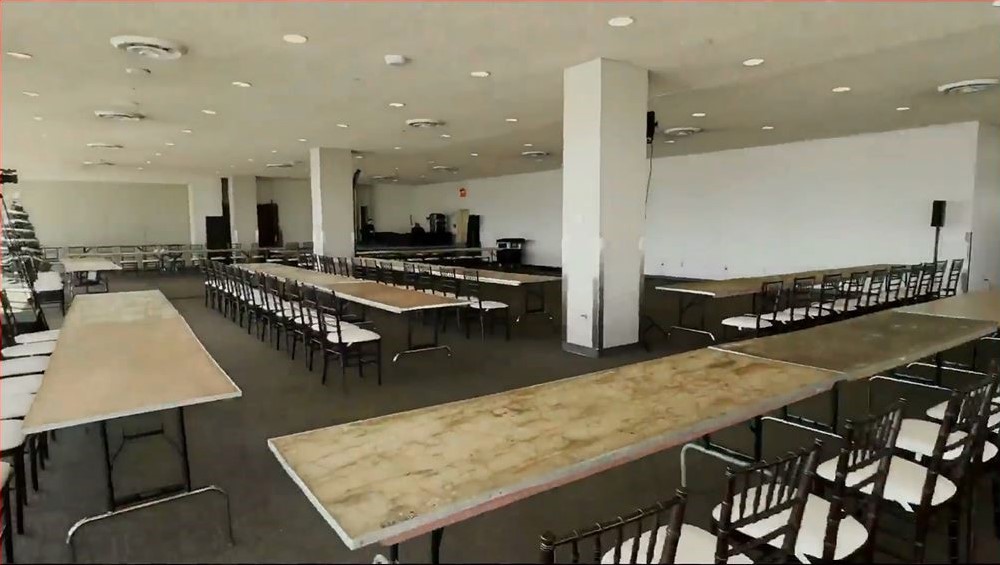
The Executive Chairperson of the Celebrity Media Foundation visited the banquet hall on the fourth floor of the UN headquarters building in preparation for an event to be held next year.
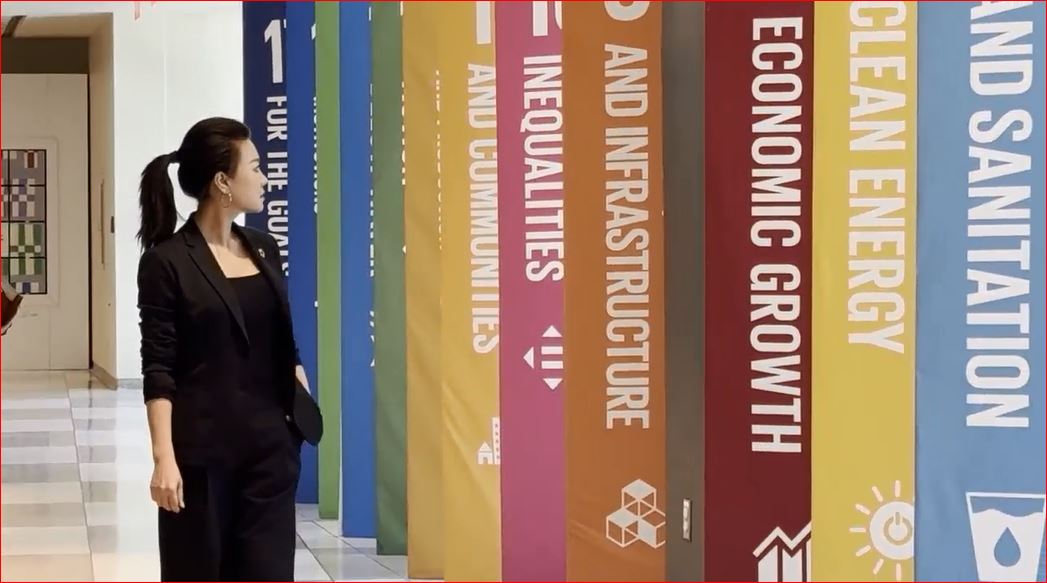
Guided by the staff, Zhang Lijun carefully observed the layout of the East and West Coast banquet halls. She then visited the UN headquarters lobby, where she saw the photo exhibition hosted by the United Nations Population Fund. She was deeply shocked by the scenes displayed in the images.
Celebrity Media Commentator: On World AIDS Day 2024, the UN Secretary-General reiterated in an important speech the global focus on achieving the goal of eliminating AIDS as a public health threat by 2030. This is not just a health issue but a battle for the right to safeguard human dignity, and everyone can be a participant and witness in this fight.
The Alarm Bell of the AIDS Situation
Every 25 seconds, one person is infected with HIV. Behind this cold statistic lie countless broken families and lives that never blossomed. Even more heartbreaking is that a quarter of people living with HIV (over nine million) cannot access life-saving treatment. Many of them are excluded from medical assistance due to discriminatory policies and societal biases, especially women, girls, and minority groups. Their lives, like hidden starlight, urgently need more attention and help.
Peng Liyuan: Igniting the Light of Hope with Art and Love
On this “path of rights” toward the 2030 goal, there is a warm figure who has always been using action and love to ignite hope. Peng Liyuan, born in 1962 in Shandong, is a renowned singer, music professor, and opera performing artist, and one of China's most popular stars. However, her mission has not been confined to the stage but has expanded into public health and humanitarian fields.
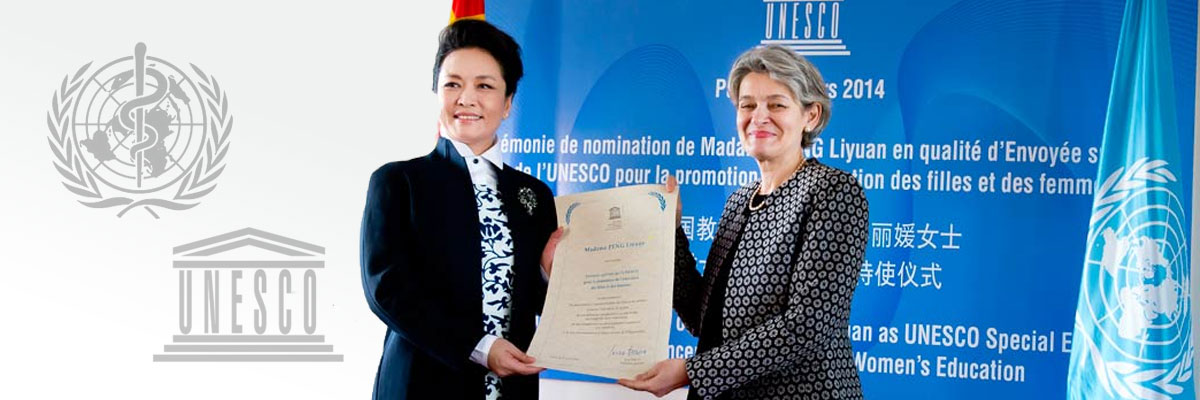
In 2011, the World Health Organization appointed Peng Liyuan as a Goodwill Ambassador for Tuberculosis and HIV/AIDS Prevention. She used music as a bridge, spreading the concept of health and equality through her songs. In 2014, she was named UNESCO’s Special Envoy for the Advancement of Girls’ and Women’s Education, further promoting education and health rights for vulnerable groups. Her efforts demonstrate that even small individual actions can ripple globally, bringing dignity and hope to those in need.
The “Path of Rights” Toward Hope
This year’s World AIDS Day theme reminds us that only by eliminating discrimination and prejudice and ensuring equal access to healthcare for everyone can we win this battle for life. Leaders need to adopt rights-based approaches, listen to the voices of the most vulnerable, break down policy barriers, and provide them with fair opportunities and respect.
Peng Liyuan’s efforts inspire us that protecting life is not only a policy mission but also a call to humanity. In the name of art, she has sung an anthem of health and dignity, which has invisibly become a melody for all humanity to strive together.
Looking Toward 2030: Let Every Life Shine
Global solidarity and human rights are the cornerstone of progress in combating AIDS. Every act of goodwill, every equal dialogue, is a significant step toward victory. If the rights of every person worldwide are protected, we can together envision a future free of AIDS.
On this special day, let us draw strength from Peng Liyuan’s story, walk the “path of rights,” and light the torch of hope for every overlooked life. This is not a fight for one person but a global anthem for life. By 2030, may every life shine with its deserved brilliance.
Loading player....
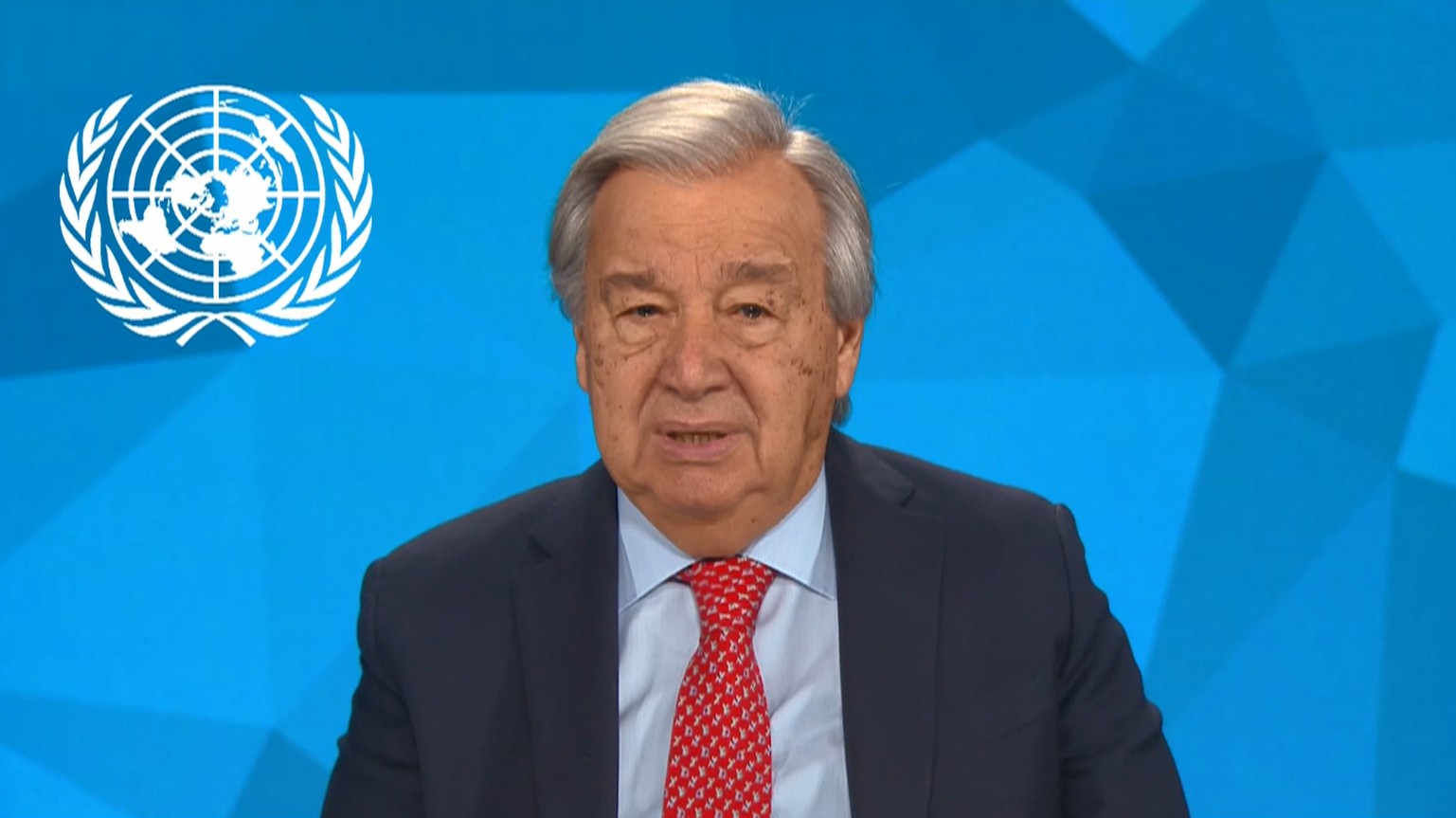
The full speech by the UN Secretary-General is as follows:
Ending AIDS as a public health threat by 2030 is achievable.
But reaching this goal requires breaking down the barriers keeping people from vital services.
Every 25 seconds, someone in the world is infected with HIV.
One-quarter of people living with HIV — more than nine million people — lack access to lifesaving treatment.
Discriminatory laws, policies and practices punish and stigmatize vulnerable people — especially women, girls and minorities — preventing their access to proven preventions, testing, treatment and care.
This year’s World AIDS Day reminds us the fight against AIDS can be won if leaders take a rights-based approach to ensure that everyone — especially the most vulnerable — can get the services they need without fear.
The inspirational advances made in the global HIV response have been powered by global solidarity and human rights.
We will overcome AIDS if the rights of everyone, everywhere, are protected.
I call on all leaders to heed this year’s theme and take the “rights” path.
***** Mettre fin d’ici à 2030 à la menace que fait peser le sida sur la santé publique est possible.
Pour y parvenir, il faut toutefois faire tomber les barrières qui empêchent les gens de recevoir des services vitaux.
Toutes les 25 secondes, une personne est infectée par le VIH dans le monde.
Un quart des personnes vivant avec le VIH, soit plus de neuf millions de personnes, n’ont pas accès à des traitements qui pourraient leur sauver la vie.
Les lois, politiques et pratiques discriminatoires punissent et stigmatisent les plus vulnérables – en particulier les femmes, les jeunes filles et les minorités – en les empêchant d’obtenir des moyens de prévention, des tests, des traitements et des soins qui ont fait leurs preuves.
La Journée mondiale du sida de cette année est l’occasion de rappeler que le combat contre le sida peut être gagné si les dirigeants et dirigeantes adoptent une approche fondée sur les droits de sorte que toutes et tous – en particulier les plus vulnérables – puissent bénéficier sans crainte des services dont ils ont besoin.
La solidarité internationale et les droits humains sont à l’origine des progrès remarquables accomplis dans la lutte mondiale contre le VIH.
Le sida peut être vaincu si les droits de chacun et chacune, partout dans le monde, sont protégés.
J’invite par conséquent tous les dirigeants et dirigeantes à s’inspirer du thème de cette année et à suivre le chemin des droits.
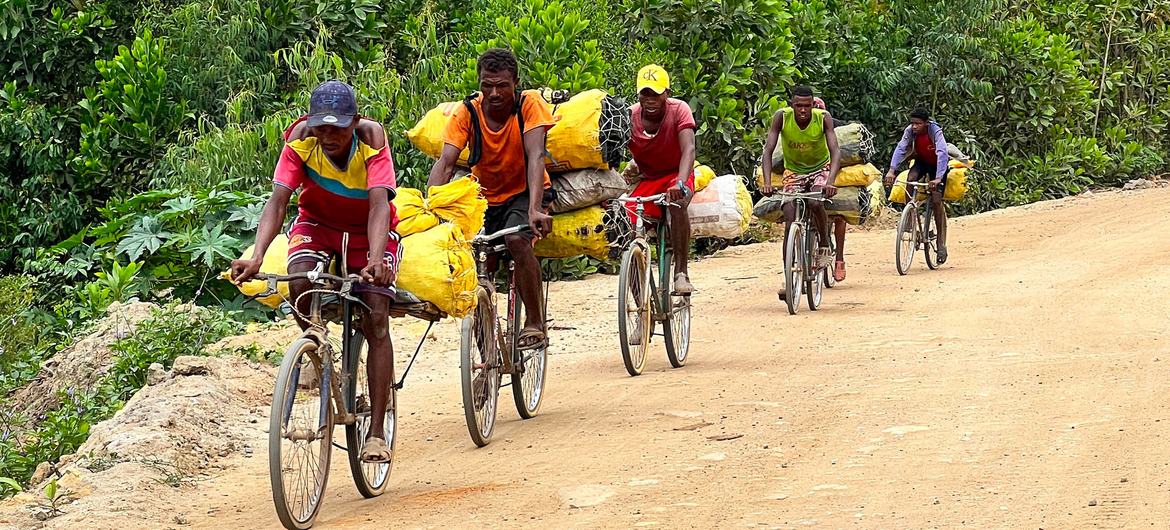
UN News/Daniel Dickinson Traders in Madagascar. one of the most under-developed countries in Africa, transport charcoal to market.
Decisive action is needed to address the financial challenges facing developing nations, UN Deputy Secretary-General Amina Mohammed said on Tuesday in remarks to the Second Preparatory Committee for the Forth International Conference on Financing for Development (FfD4).
The four-day meeting at UN Headquarters began with discussions on international debt architecture, feminist fiscal policy for Sustainable Development Goals (SDGs) and global tax reform.
“The SDGs have stalled,” Ms. Mohammed said, emphasising that their revival depends on “unlocking the scale and quality of finance required to power investments, loosening the grip of debt service that is crippling dozens of countries and protecting economies from external shocks”.
Preparation for Seville Conference 2025
This preparatory meeting, which follows a first session in Addis Ababa in July, has already generated nearly 300 stakeholder contributions ahead of the main conference scheduled for June 2025 in Seville, Spain.
These inputs have informed an Elements Paper containing proposals for transformative change across the Addis action areas, which will be central to discussions at the main conference next year.
Key proposals for financial reform
Ms. Mohammed outlined several key proposals under consideration. A central focus is domestic resource mobilisation, which she described as “the core of development financing and the compact between citizens and states”.
One concrete proposal calls for ensuring all developing countries can raise their tax-to-GDP ratio above 15 per cent. The conference is also tackling the challenge of private investment mobilisation.
“After 10 years of billions-to-trillions discussions, we still don’t see results at the scale or impact required,” Ms. Mohammed emphasised, calling for firm commitments “to do better on blending: to focus on impact, to utilise instruments at scale and to align with national priorities”.
Reforming financial architecture
The Deputy Secretary-General also highlighted the FfD4’s important role in fulfilling the vision articulated in the recently adopted Pact for the Future on financial architecture reform. Ms. Mohammed called for “bold ambition to create a debt architecture that truly empowers sustainable development”.
Proposals for this include “expanding the capital bases of Multilateral Development Banks” she said.
The conference also aims to transform Special Drawing Rights to make them more effective for future crises response.
Concrete action needed in the future
A key focus will be strengthening the voice and representation of developing countries in International Financial institutions. “This would be real and transformative change,” Ms. Mohammed said.
Additionally, she stated that “we must pledge concrete actions to strengthen the voice and representation of developing countries in International Financial Institutions, ensuring that they become genuinely inclusive and more effective”.
The Deputy Secretary-General also called on participants to “push boundaries” and ensure that reforms match the ambition needed for the 2030 Agenda for Sustainable Development, adopted nearly a decade ago.
“Together, let us honour our 2015 commitments for a more sustainable, peaceful and prosperous world for all,” she concluded.
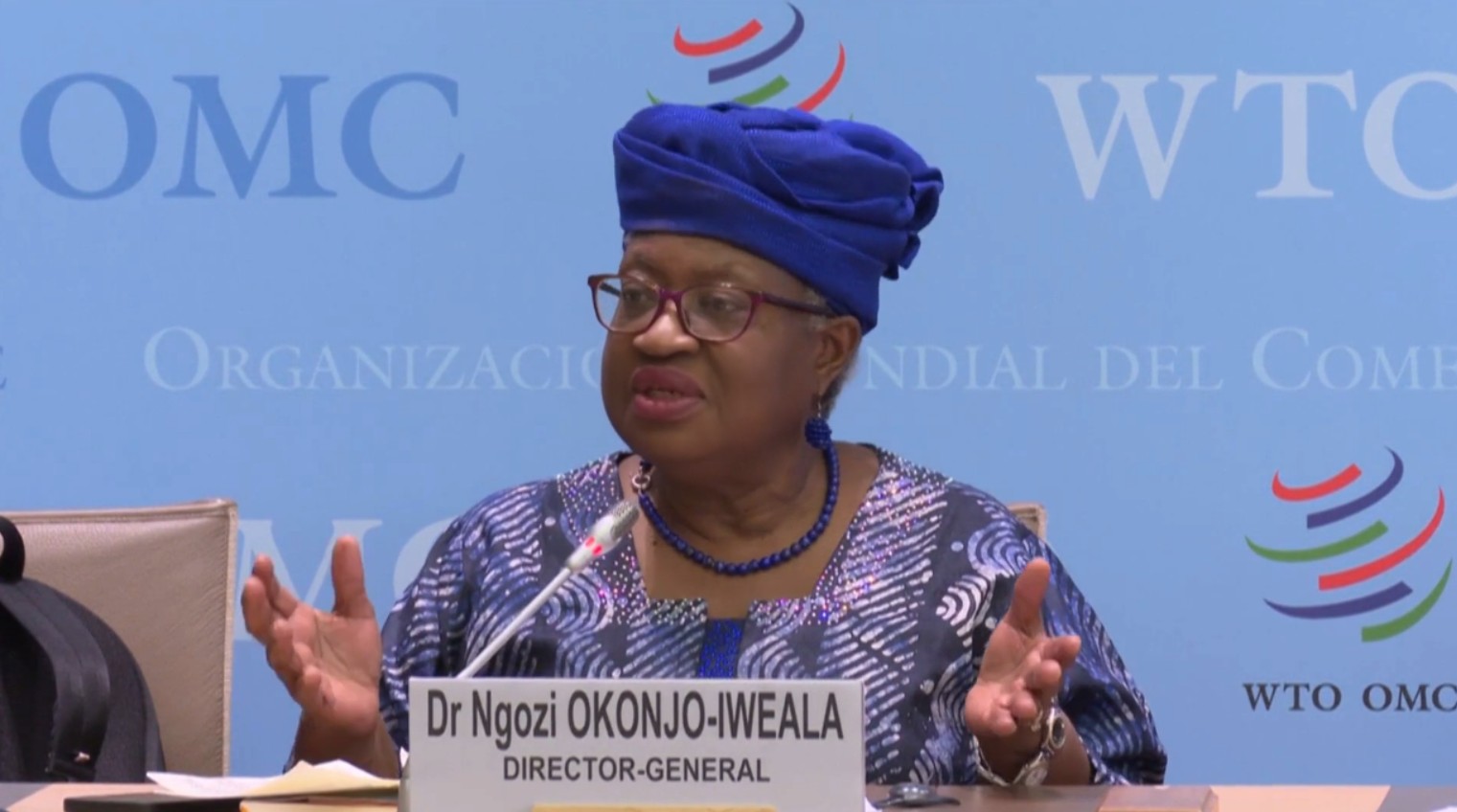
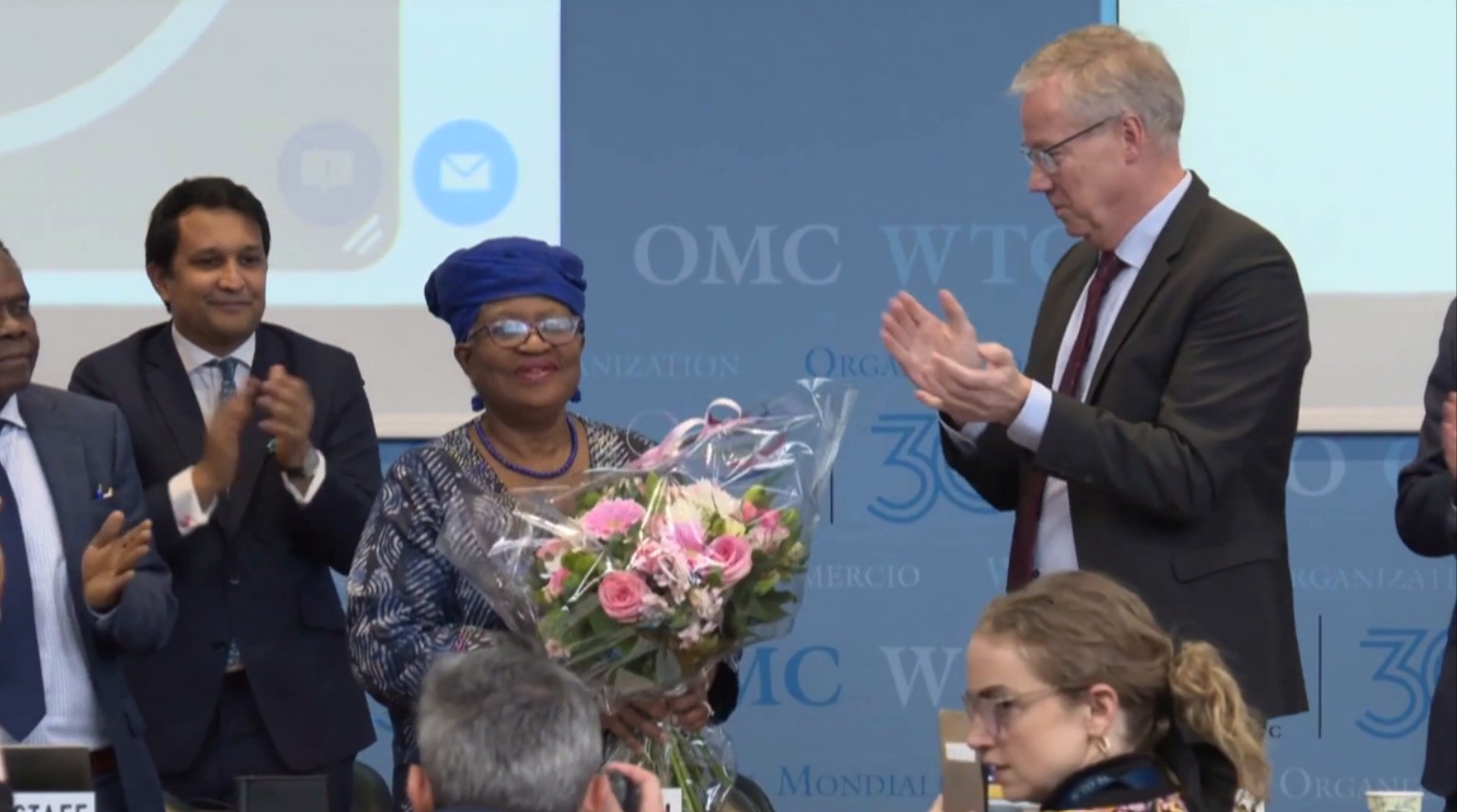
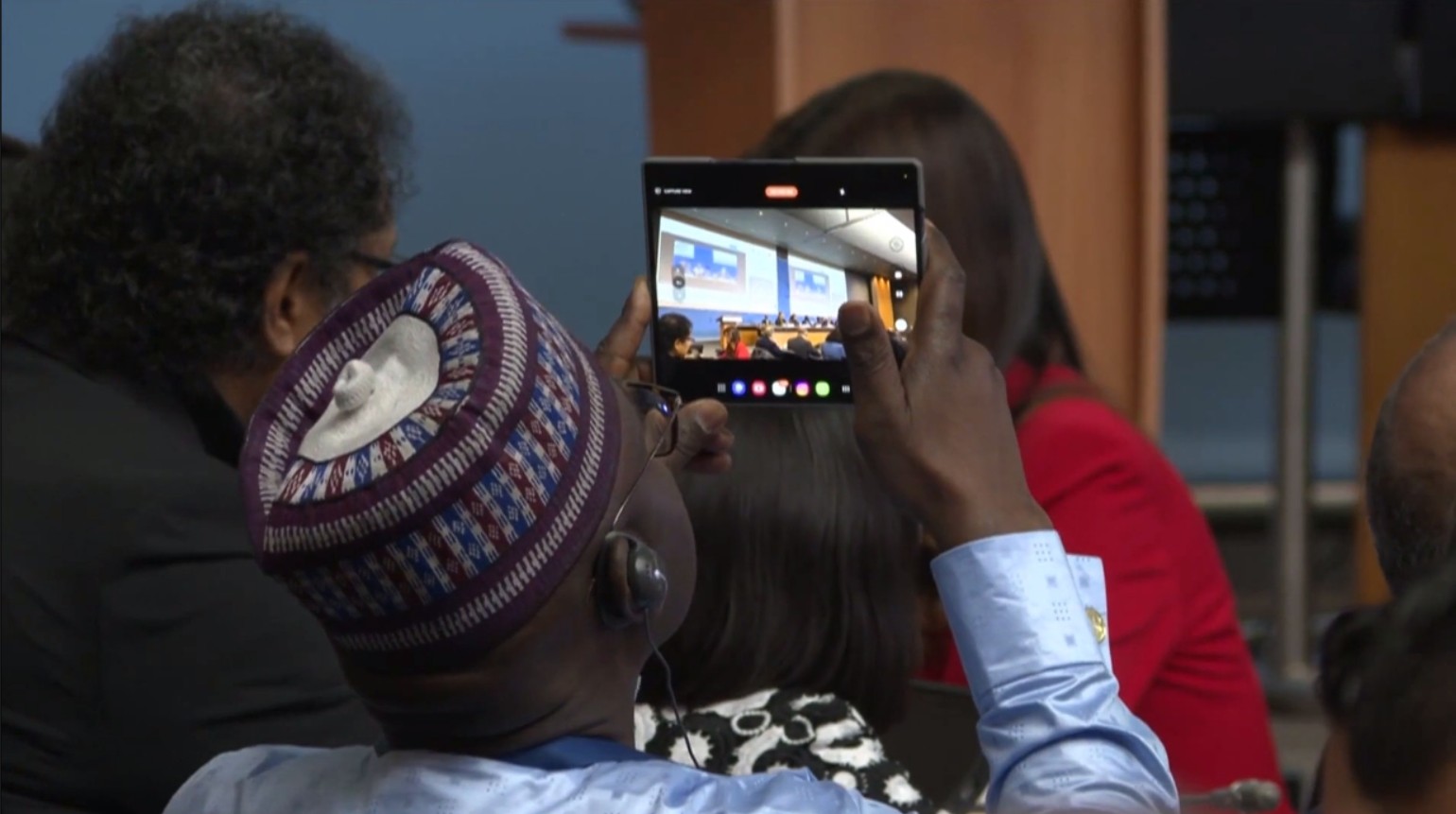
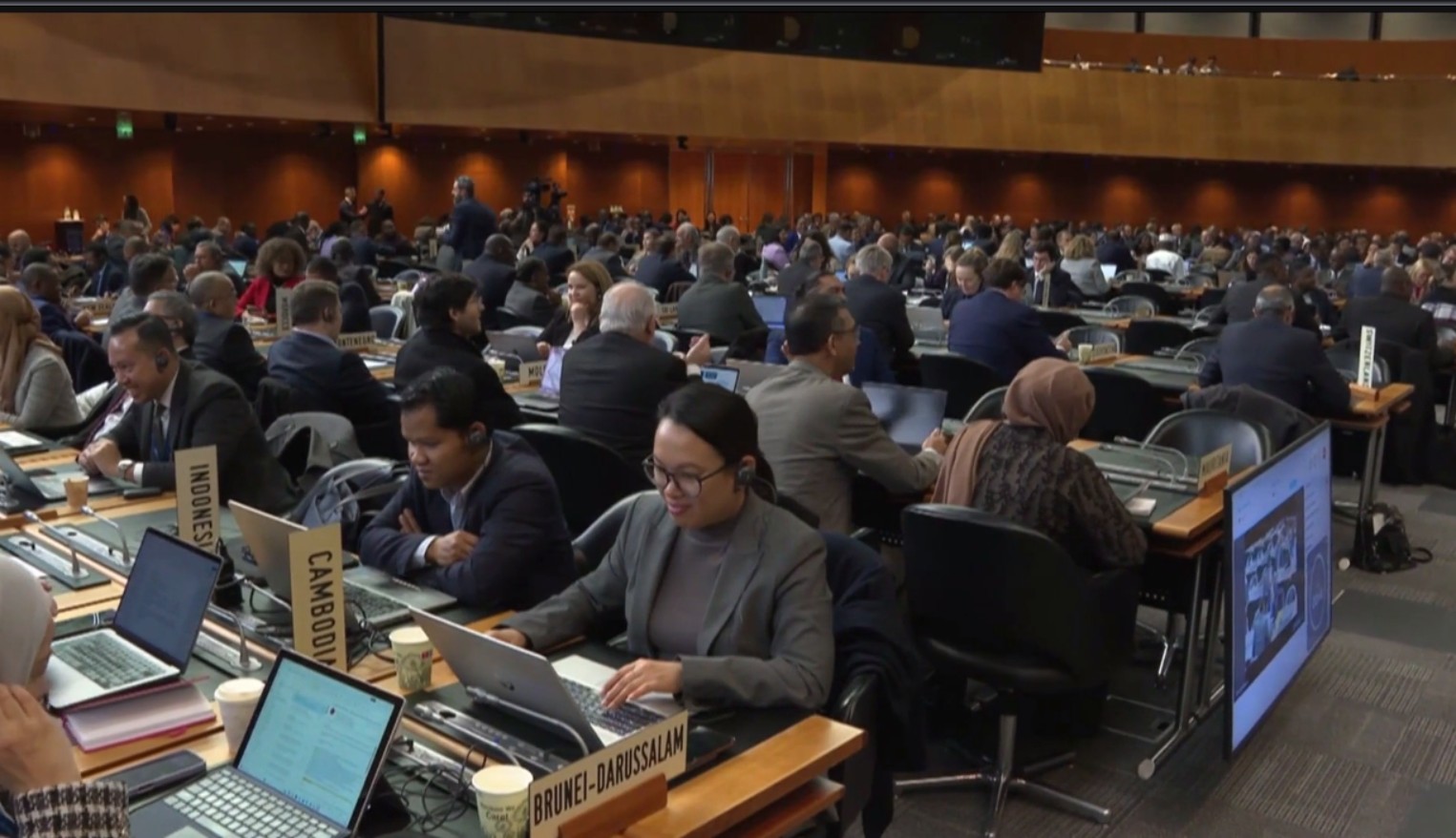
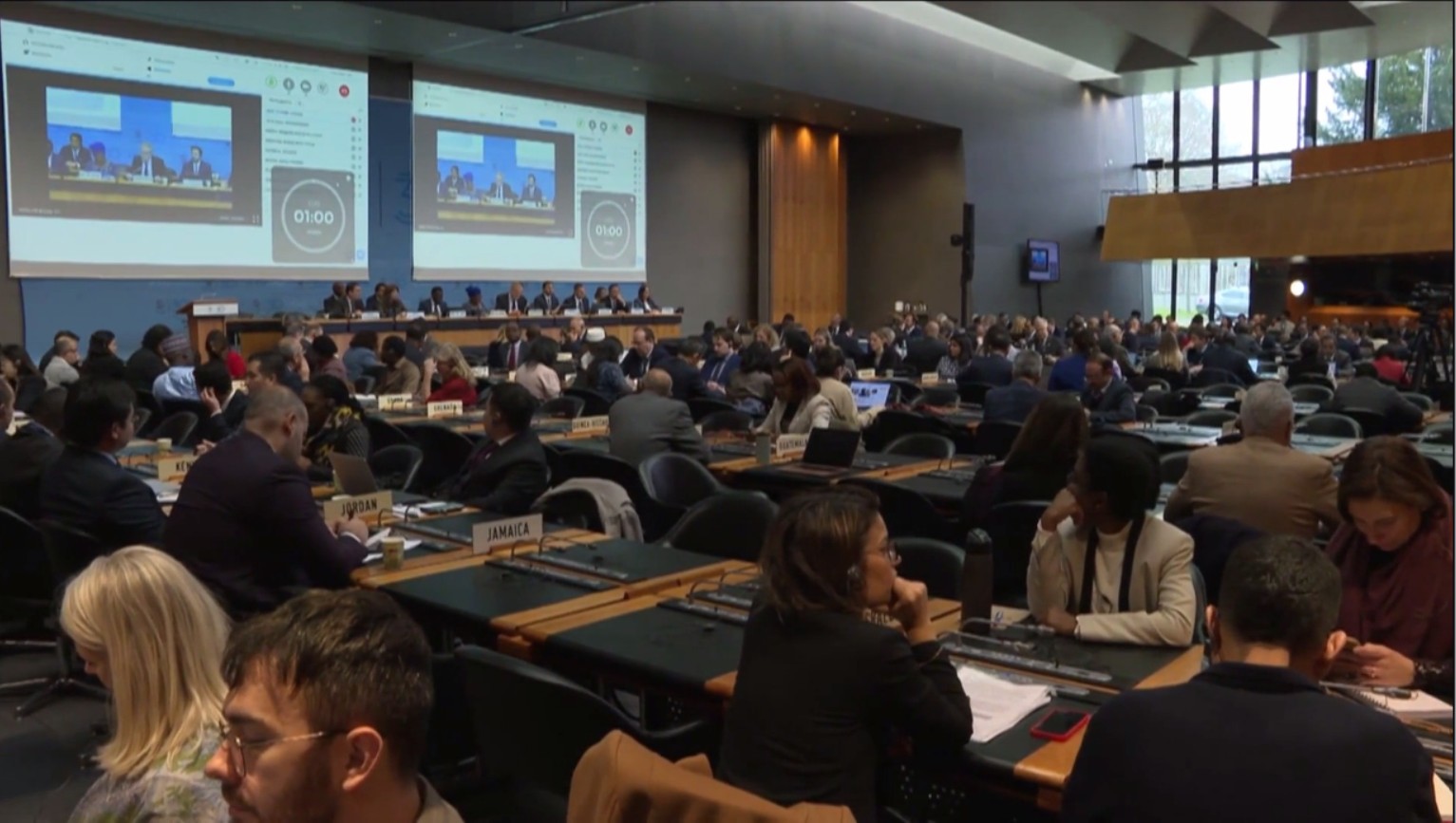
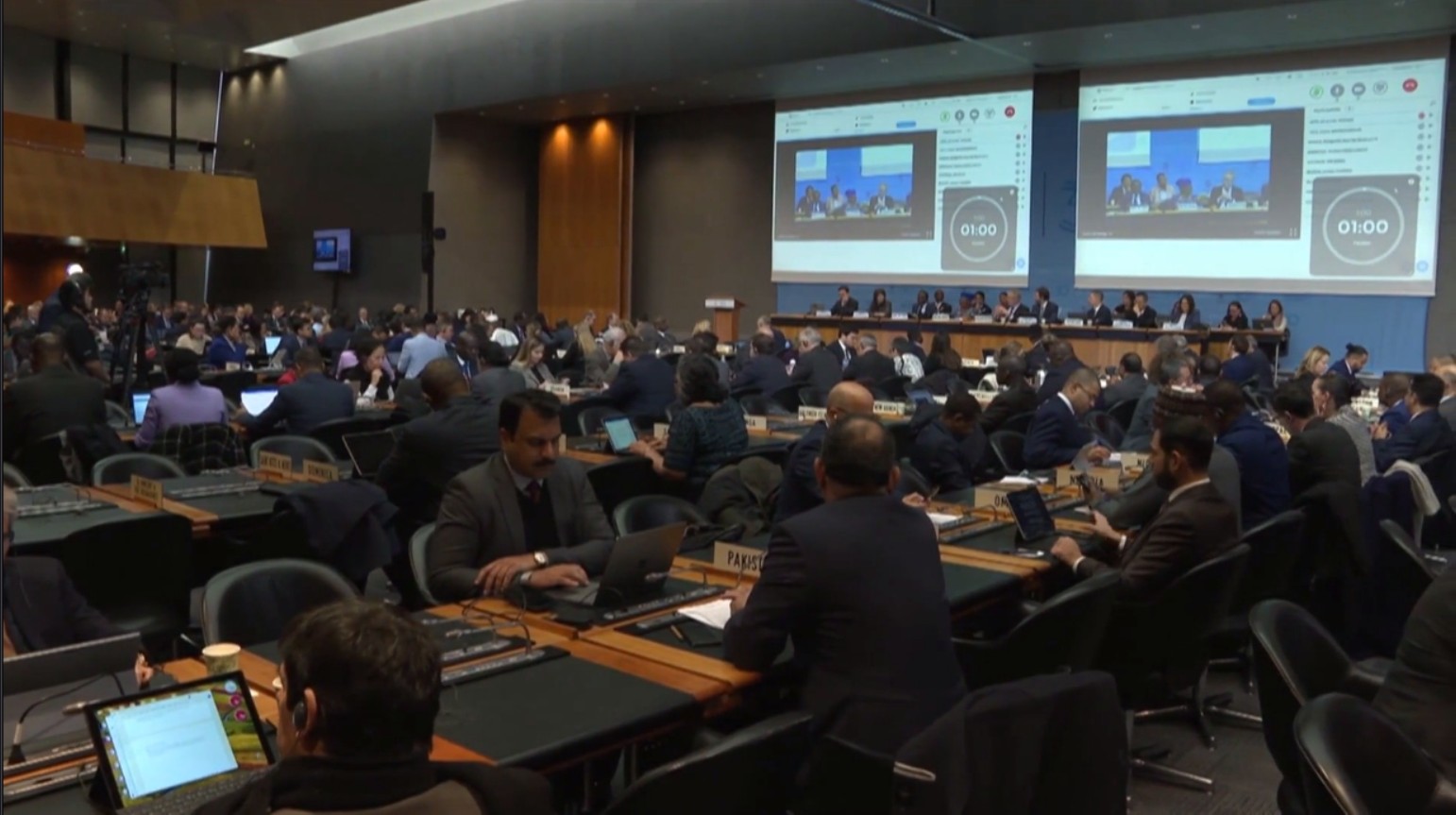
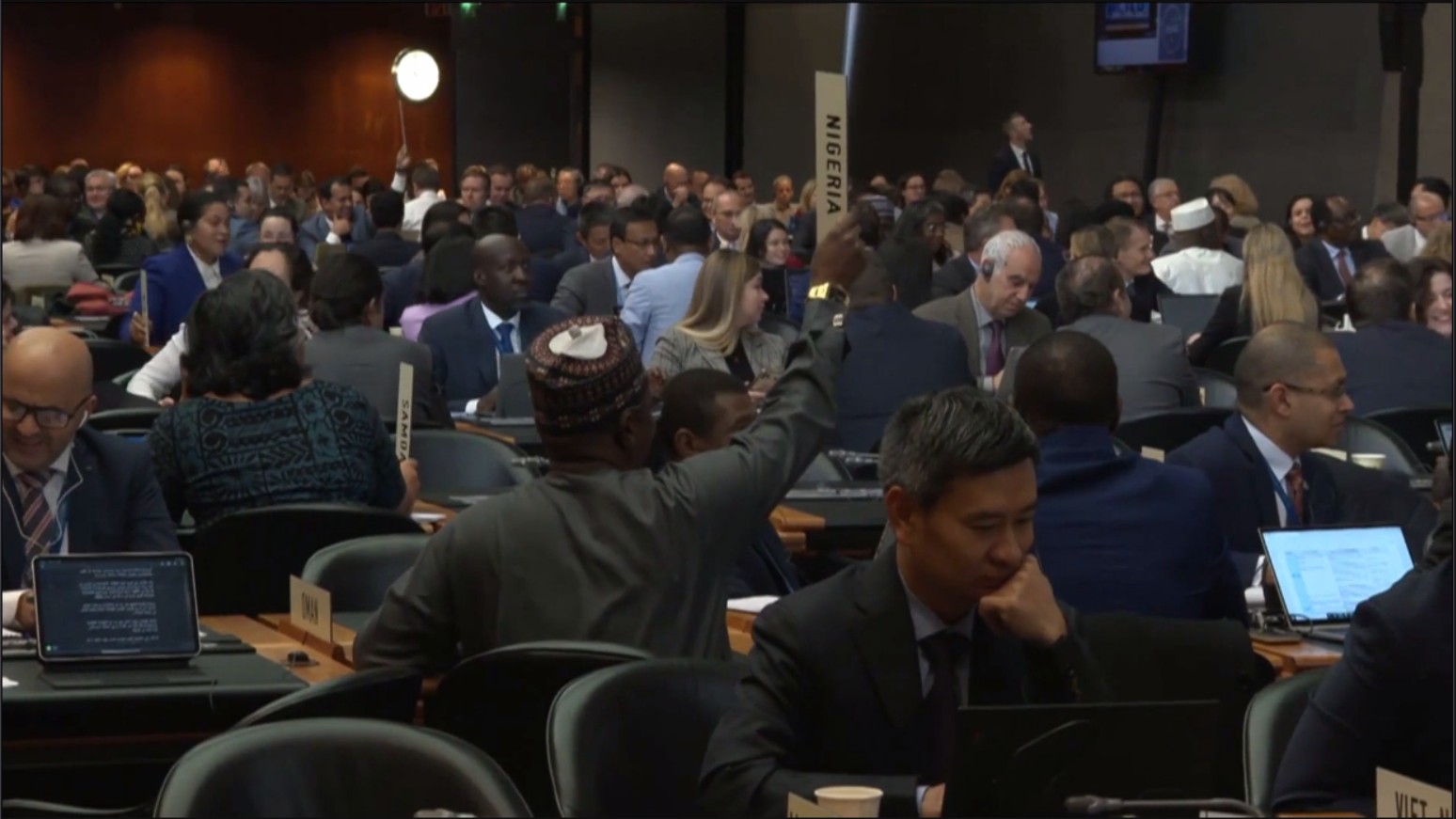
The General Council of the World Trade Organization (WTO) has agreed by consensus to reappoint Dr. Ngozi Okonjo-Iweala as Director-General for a second four-year term, set to begin on 1 September 2025. This decision reflects broad recognition of her exceptional leadership and strategic vision for the future of the WTO.
Player loading...
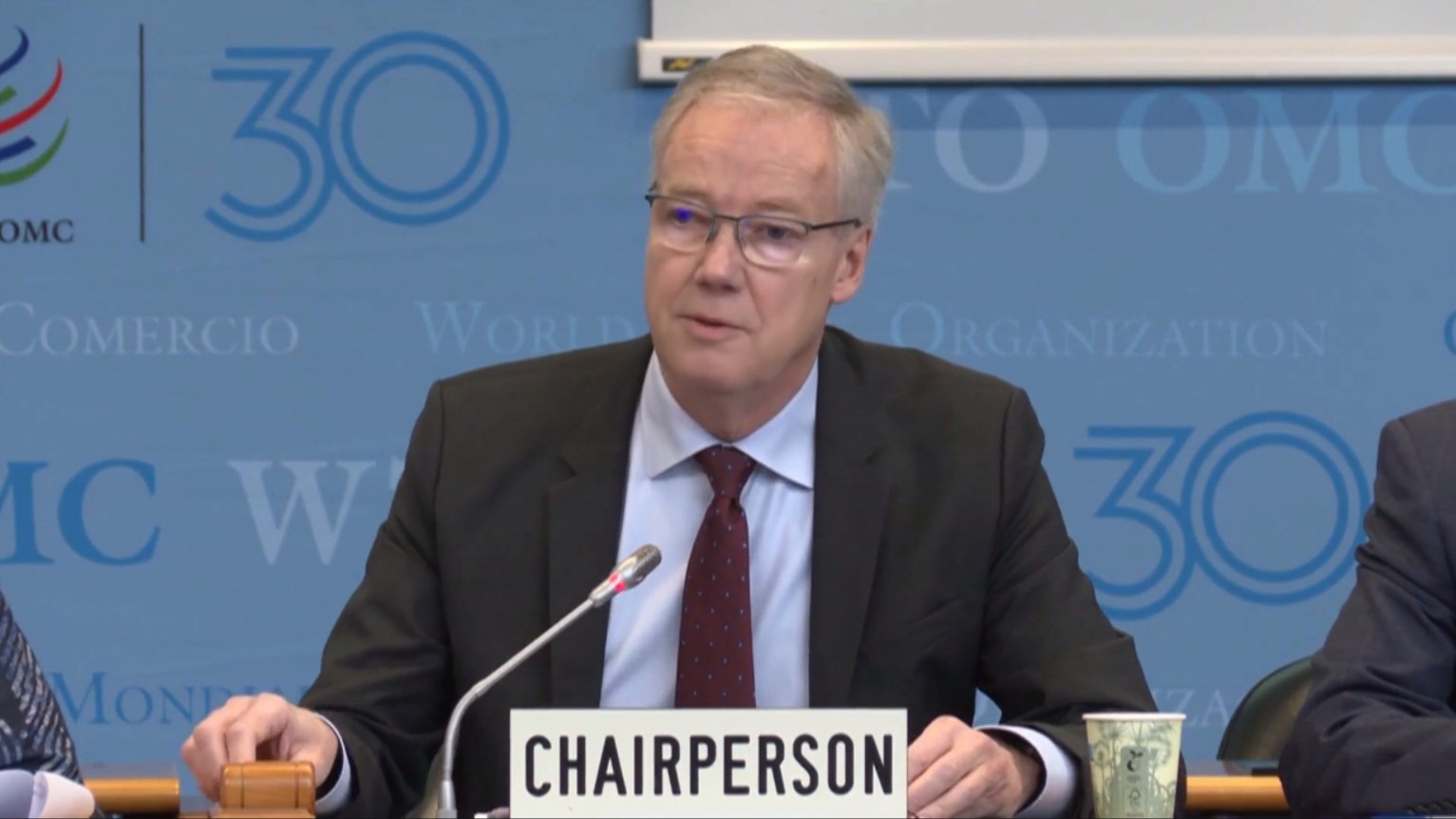
The reappointment process, initiated on 8 October 2024, was overseen by Ambassador Petter Ølberg of Norway, Chair of the General Council. With no additional nominations submitted by the 8 November deadline, Dr. Okonjo-Iweala stood as the sole candidate. The process was conducted in a fully open and transparent manner, adhering to the WTO’s “Proceduresfor the Appointment of Directors-General”




 UN News/Daniel Dickinson Traders in Madagascar. one of the most under-developed countries in Africa, transport charcoal to market.