— A Commentary on the Hopes and Challenges of the 2030 Agenda
播放器加载中....
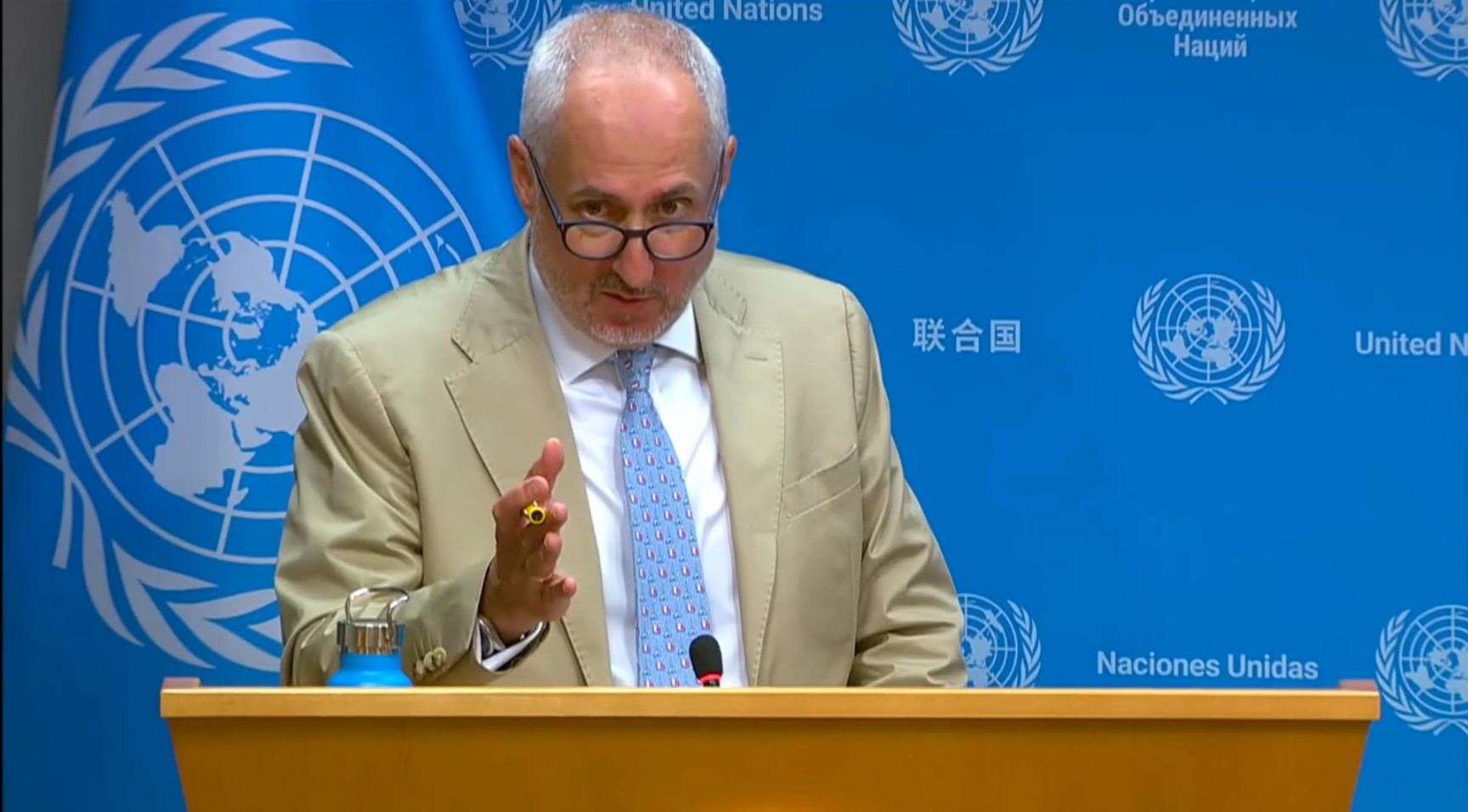
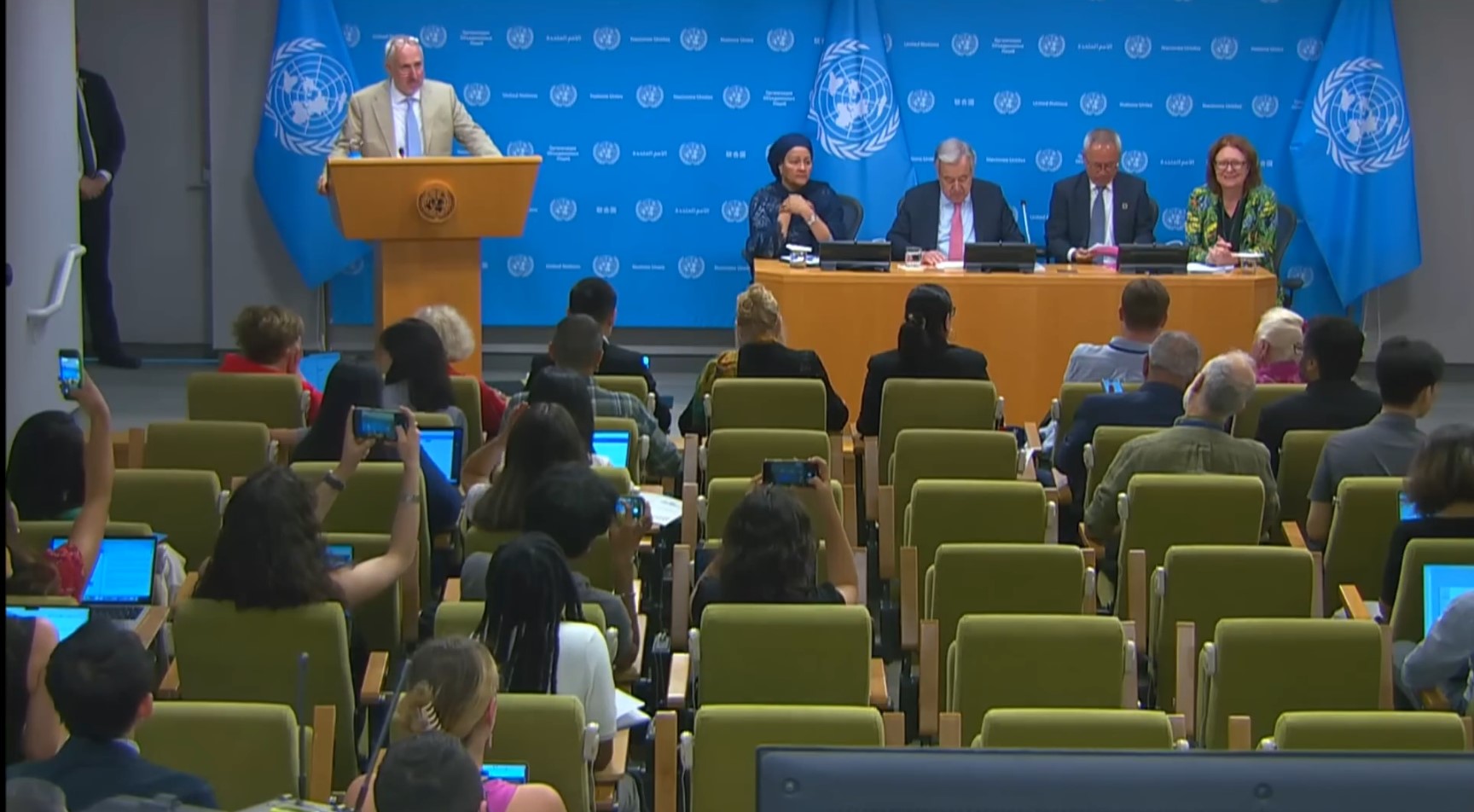
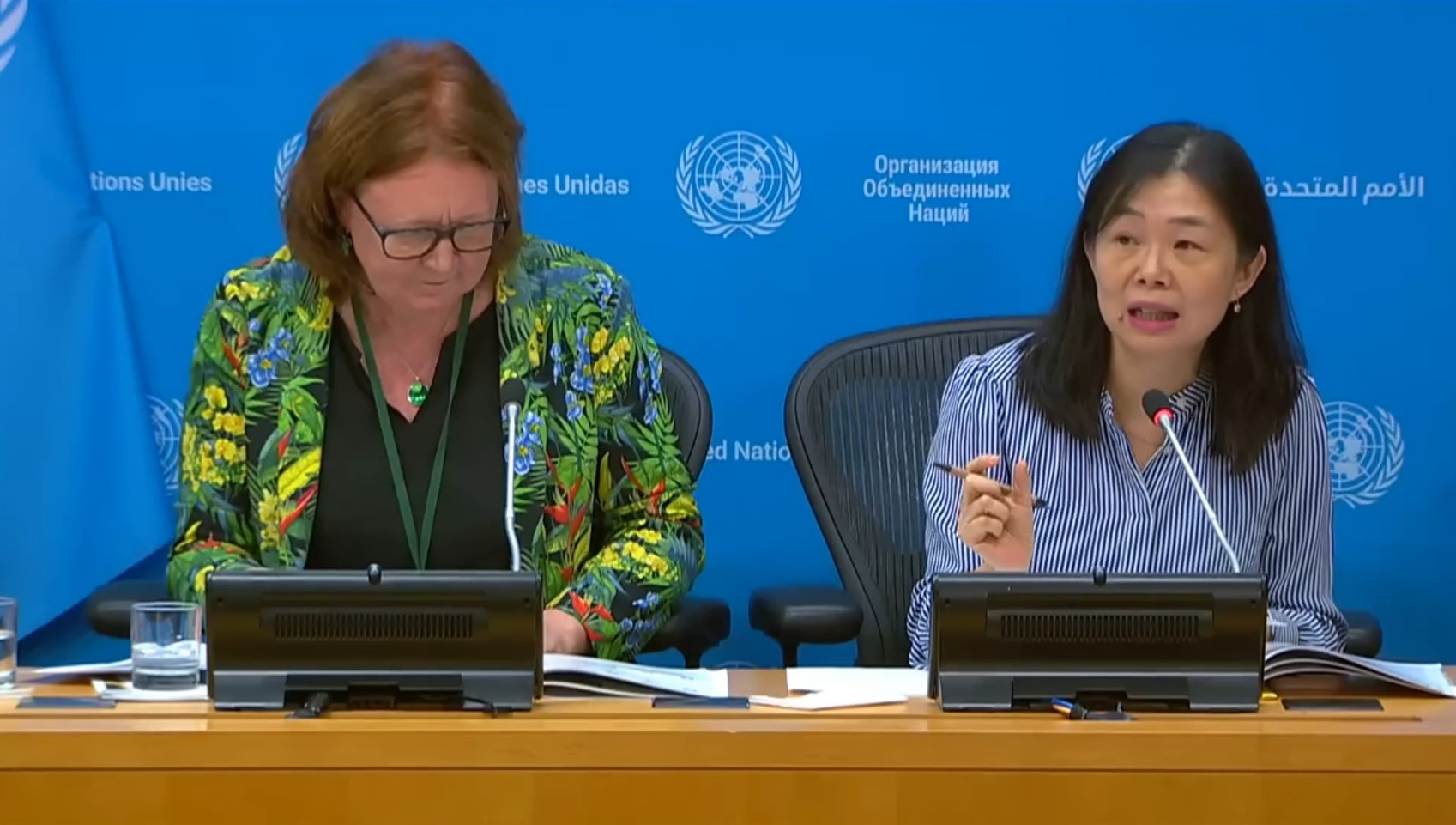
Celebrity media reports in six languages on the UN Secretary-General's press Q&A about the Sustainable Development Goals report
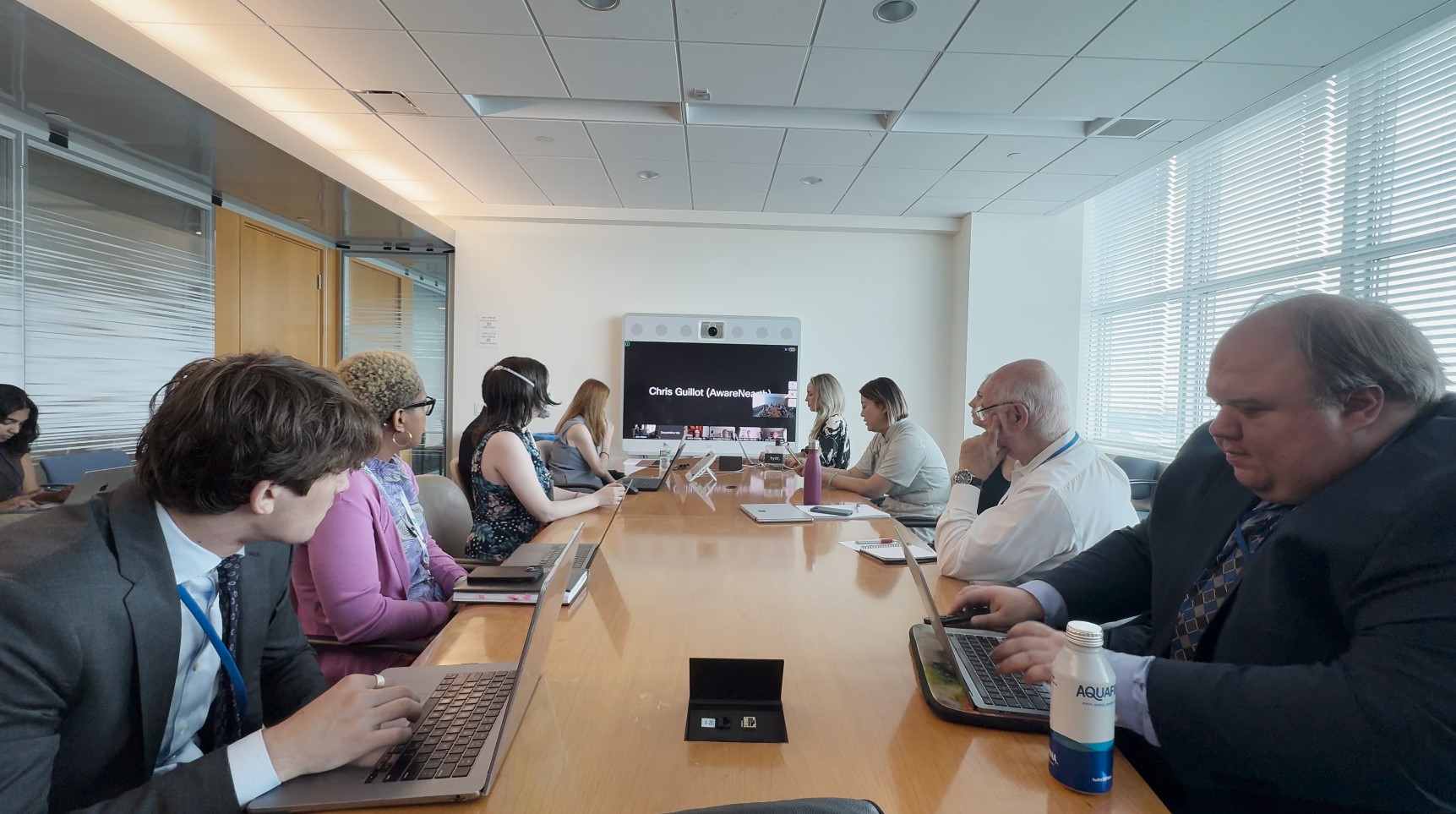
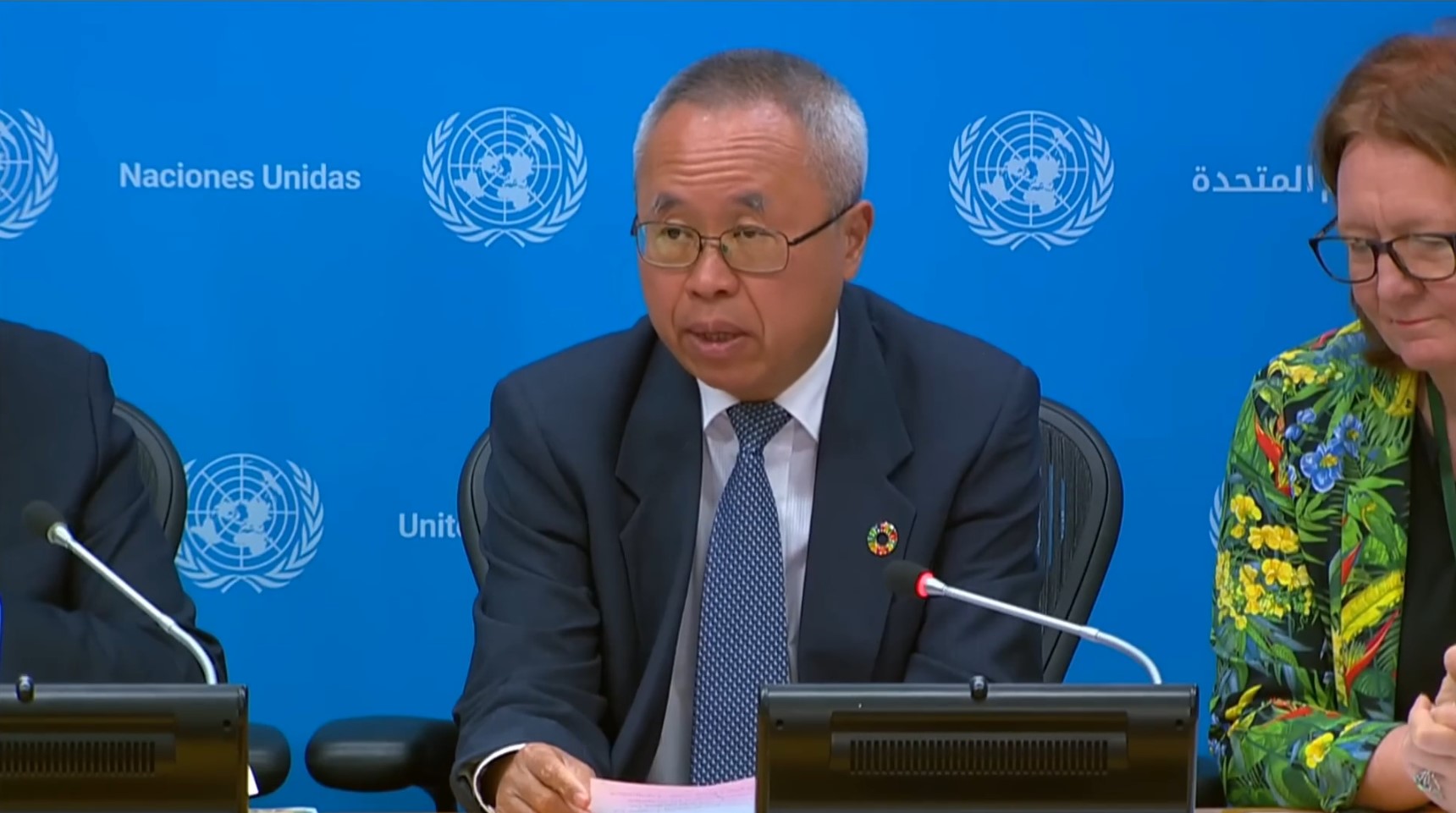
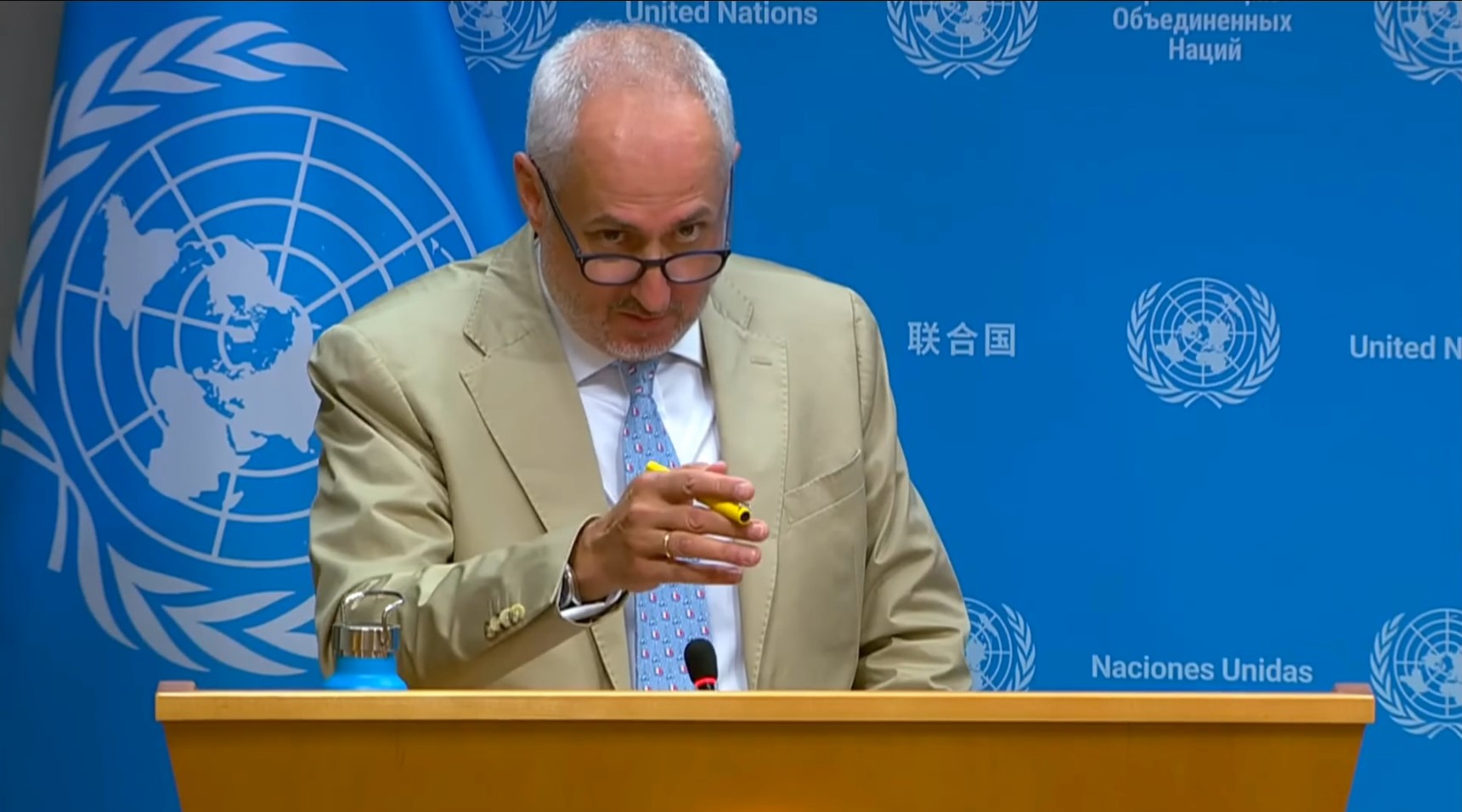
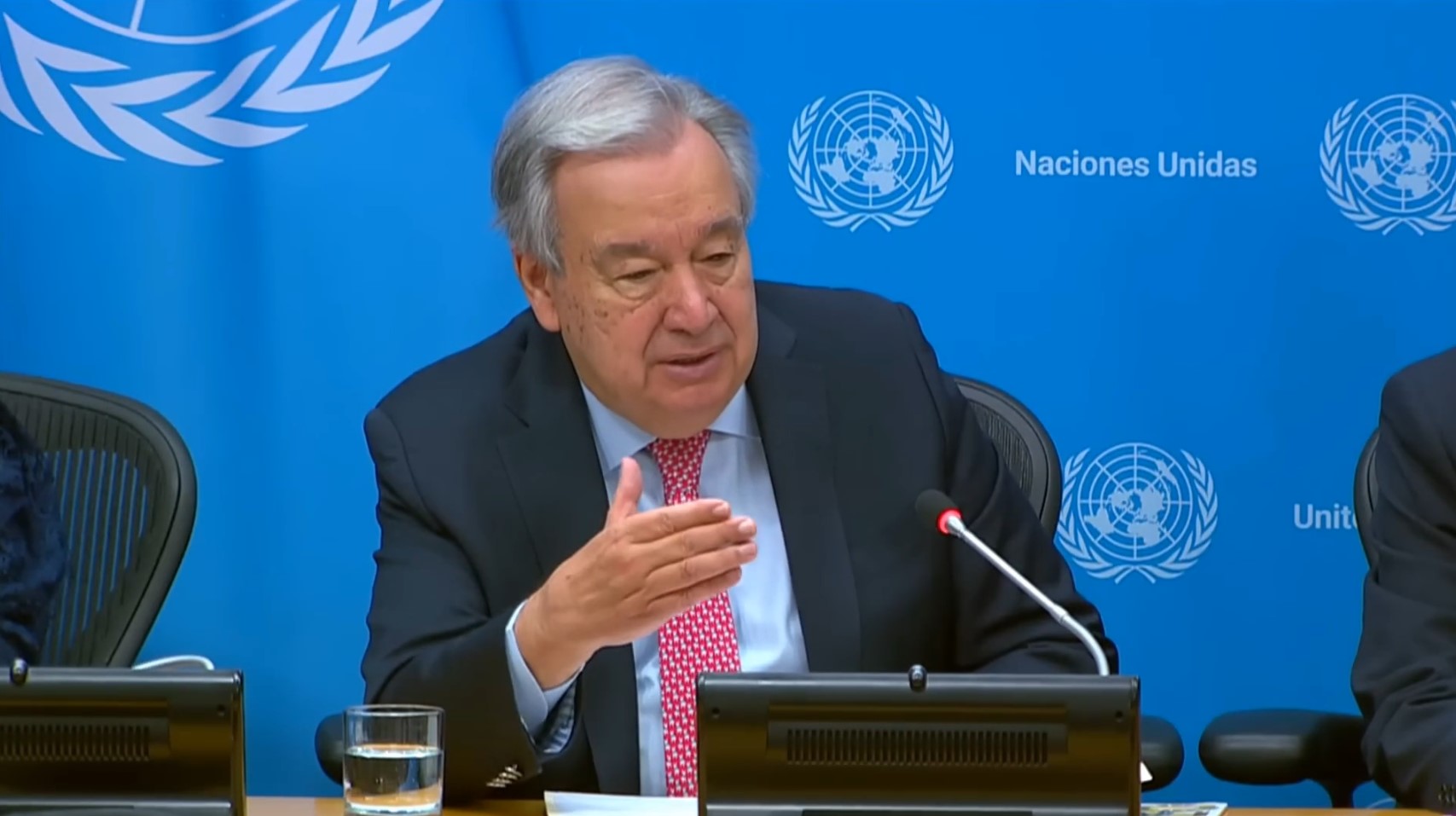
Celebrity Media Commentator:On July 14, United Nations Secretary-General António Guterres delivered the 2025 Sustainable Development Goals (SDG) Report, marking the tenth annual progress assessment since the adoption of the 2030 Agenda. This report not only reviews achievements over the past decade but also candidly addresses deep-rooted global development challenges. Celebrity Media responded swiftly by broadcasting the press conference in the UN’s six official languages—English, French, Chinese, Spanish, Russian, and Arabic—delivering this vital message to audiences worldwide.
Progress Made, But Not Fast Enough
The report notes that the SDGs have indeed improved the lives of millions: extreme poverty has declined, child and maternal mortality rates have dropped significantly, and access to education—especially for girls—has expanded. These achievements are commendable. However, the overall progress remains worryingly insufficient.
According to the latest data, only 35% of the SDG targets are on track or making some progress; nearly half are progressing too slowly, and 18% have regressed. Secretary-General Guterres declared: “We are in a global development emergency.” This is a sobering warning—one that suggests we are off course and at risk of falling short of the 2030 goals.
Six Priority Areas Hold the Key
To change course, the UN calls on governments and the international community to focus on six critical areas: food systems, access to energy, digital transformation, education, employment and social protection, and climate and biodiversity action. These are the foundational pillars for global equity and prosperity.
Among them, the integration of digitalization with education, equitable access to clean energy, and forward-looking social protection systems are considered “leverage points” for transformative change. The report also advocates the implementation of the Medellin Action Plan, endorsed at the 2024 UN World Data Forum, to strengthen national data systems essential for informed policymaking.
Systemic Injustice as the Root Obstacle
Throughout the press conference, Guterres emphasized that “the goals are still within reach”— but only if we act now with urgency, unity, and unwavering determination. He pointed to systemic injustice within the global economic and financial systems as a fundamental barrier. These entrenched inequalities, he said, continue to make it difficult for developing countries to achieve goals that are universally recognized as essential to a life of dignity.
This insight invites deeper reflection: Can today’s global governance frameworks effectively address the complex crises of post-pandemic recovery, debt distress, inflation, and geopolitical conflict? Are we prepared to structurally reimagine a global system that delivers justice alongside progress?
On Gaza: A Cry for Human Dignity
When asked about the crisis in Gaza, Guterres made clear that while the UN condemns Hamas’s attacks, “the scale of death and destruction we are witnessing in Gaza is unprecedented in modern times,” and it is “eroding the most basic dignity of the people.”
In this light, the SDG conversation transcends data and metrics—it becomes a matter of moral and ethical urgency concerning human survival and dignity.
Six-Language Broadcast: A Global Call to Action
By broadcasting in six languages, Celebrity Media affirms its commitment to inclusive information and multicultural engagement. Sustainable development is not a solo performance by select nations—it must be a global symphony. Communicating the UN’s message across linguistic and cultural divides ensures that every community hears the same call to responsibility and hope.
With less than five years left, the question is no longer whether we’ve done enough—it’s whether we’re ready to confront the systems and choices that stand in the way. As Secretary-General Guterres stated: “The goals are still within reach—but only if we act now.”
UN Photo/Manuel Elías A display at the United Nations Headquarters in New York illustrate the 17 Sustainable Development Goals (SDGs).
咩咩咩咩咩咩咩咩
As the deadline for the 2030 Agenda looms, ministers, experts, and civil society leaders from around the world will convene in New York next week for a high-level UN forum to fast-track action on the Sustainable Development Goals (SDGs).
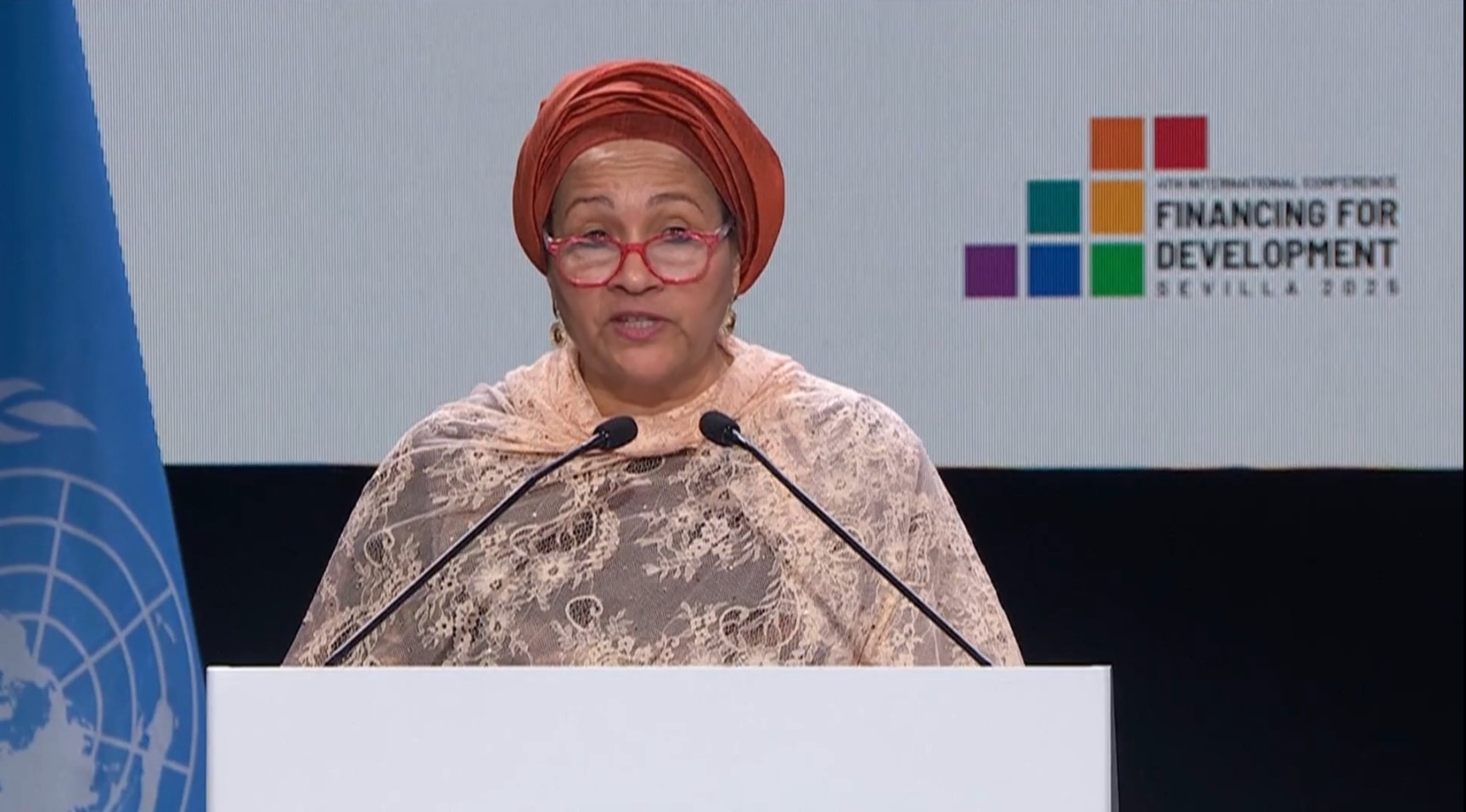
The 2025 High-Level Political Forum, or HLPF, follows two recent successful UN conferences focused on vital development issues: one in June in Nice, France, dedicated to ocean protection, and another held in Sevilla, Spain, centred on boosting financing for sustainable initiatives.
The Sevilla meeting ended with a strong call to action: to urgently address the massive $4 trillion annual shortfall in financing needed to achieve the SDGs. It also highlighted the pressing need for greater investment and deep reform of the global financial system.
Held under the auspices of the UN Economic and Social Council (ECOSOC), the forum will take place from 14 to 23 July at UN Headquarters in New York.
Here are five key things to know about this year’s forum:
1. It’s all about accelerating action
The HLPF is the United Nations’ main platform for tracking global progress on the Sustainable Development Goals. It meets each year to review countries’ efforts, share solutions, and push for faster action to meet the 2030 targets
The 2025 forum is convening under the theme:
Advancing sustainable, inclusive, science- and evidence-based solutions for the 2030 Agenda for Sustainable Development and its Sustainable Development Goals leaving no one behind.
This reflects a growing sense of urgency. With the 2030 deadline fast approaching, the forum will emphasise practical, data-driven strategies to close implementation gaps– particularly in the face of intersecting global crisis including climate change, inequality, and economic instability.
Each year, the HLPF conducts in-depth reviews of selected Goals. In 2025, the focus will be on:
SDG 3: Good health and well-being
SDG 5: Gender equality
SDG 8: Decent work and economic growth
SDG 14: Life below water
SDG 17: Partnerships for the goals
These Goals span a wide range of issues – from public health and gender equity to economic resilience and marine conservation.
SDG 17, which is reviewed annually, highlights the importance of revitalising global partnerships and enhancing means of implementation – including financing, which nations committed to just last month in Sevilla.
3. Countries will share their progress, voluntarily
A hallmark of the HLPF is the Voluntary National Reviews (VNRs) – self-assessments by Member States on their progress toward the SDGs. In 2025, dozens of countries are expected to present their VNRs, offering insights into both achievements and persistent challenges.
These reviews foster transparency, peer learning, and accountability. They also provide a platform for civil society and other stakeholders to engage directly with governments on development priorities.
VNR Labs – interactive sessions focused on national reviews – create space for dialogue, innovation, and collaboration
4. It’s not just governments
While the HLPF is a UN intergovernmental platform, it brings together a diverse range of voices, including youth groups, local authorities, indigenous peoples, NGOs, academics, the private sector, and UN system agencies.
A rich programme of side events, exhibitions, and roundtable-discussions. This inclusive approach reflects the spirit of the 2030 Agenda, which recognises sustainable development is a universal, shared endeavour.
UN Photo/Manuel Elías A wide view of the opening of the 2023 High-Level Political Forum on Sustainable Development convened under the auspices of the Economic and Social Council (ECOSOC), held in the General Assembly Hall.
5 - 4 - 3 - 2 - 1 The Final Countdown
With only five years left to deliver on the 2030 Agenda, the 2025 HLPF marks a critical inflection point.
It is more than a yearly check-in. This year’s session comes at a time when science, solidarity, and urgent action must converge. It will help set the tone for the next Sustainable Development Goals Summit in 2027, where world leaders will take stock of collective progress and determine the final push toward 2030.
What happens now – at this two-thirds deadline moment – will shape whether the SDGs will realise a global promise or become a missed opportunity.
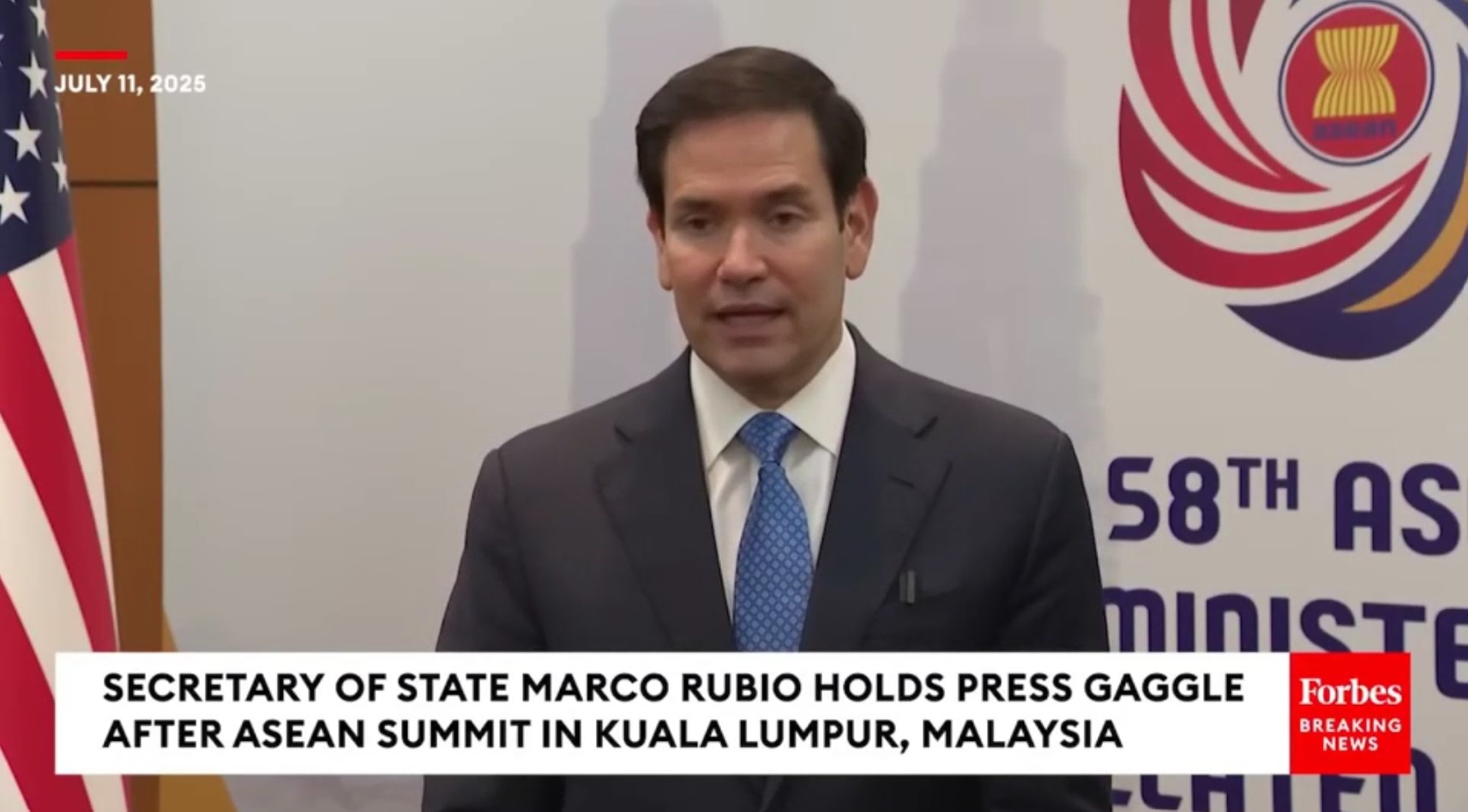
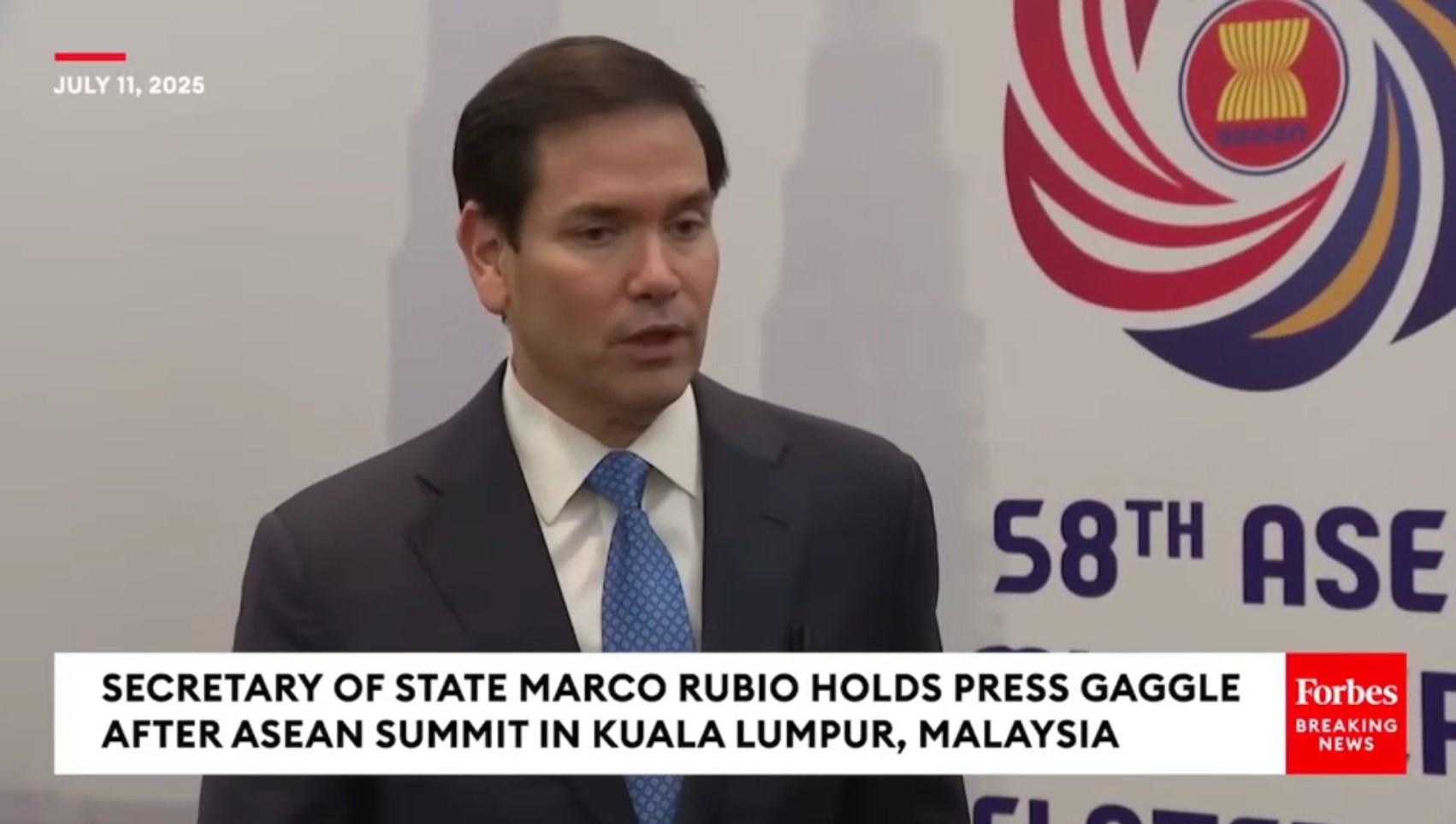
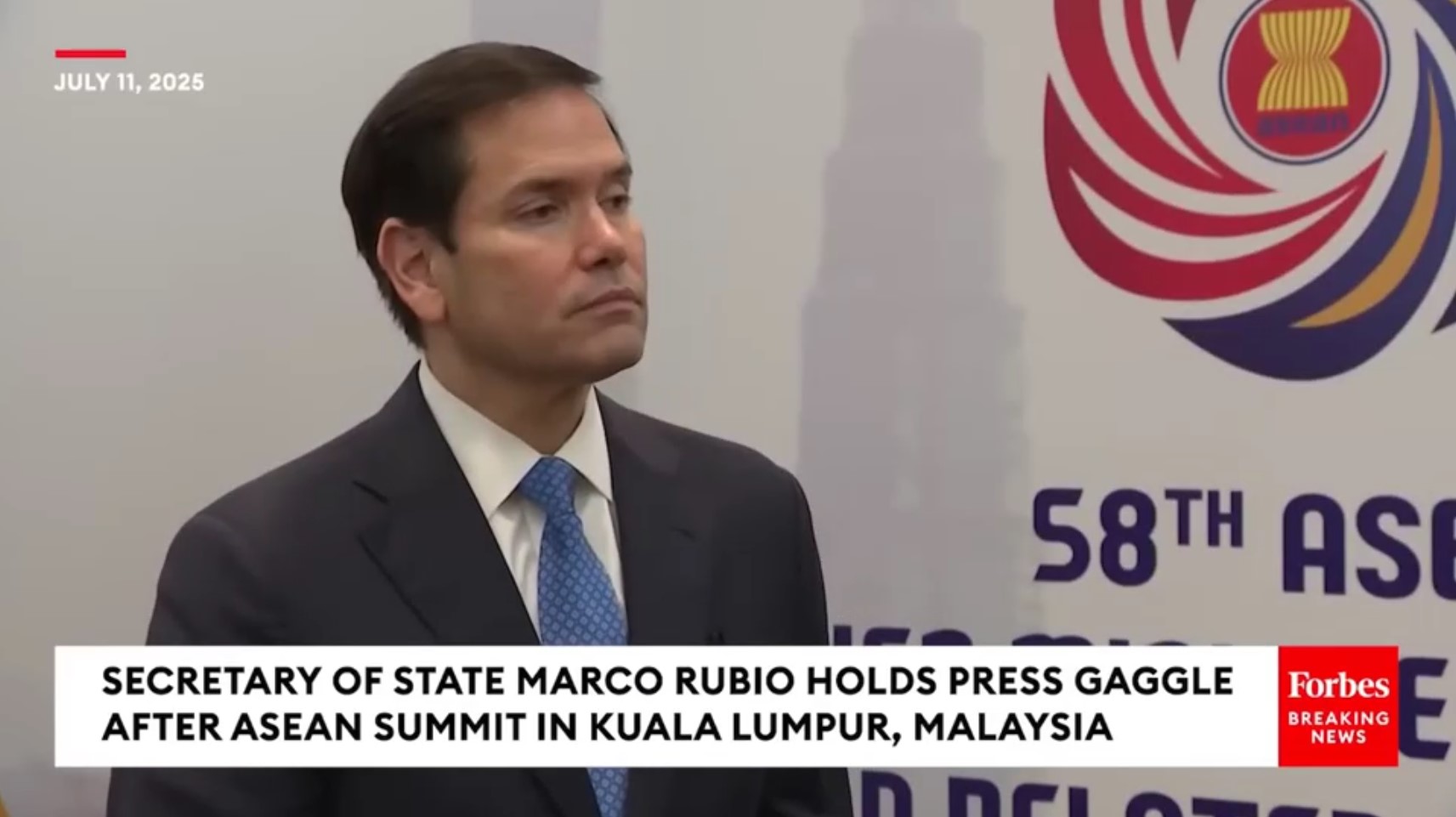
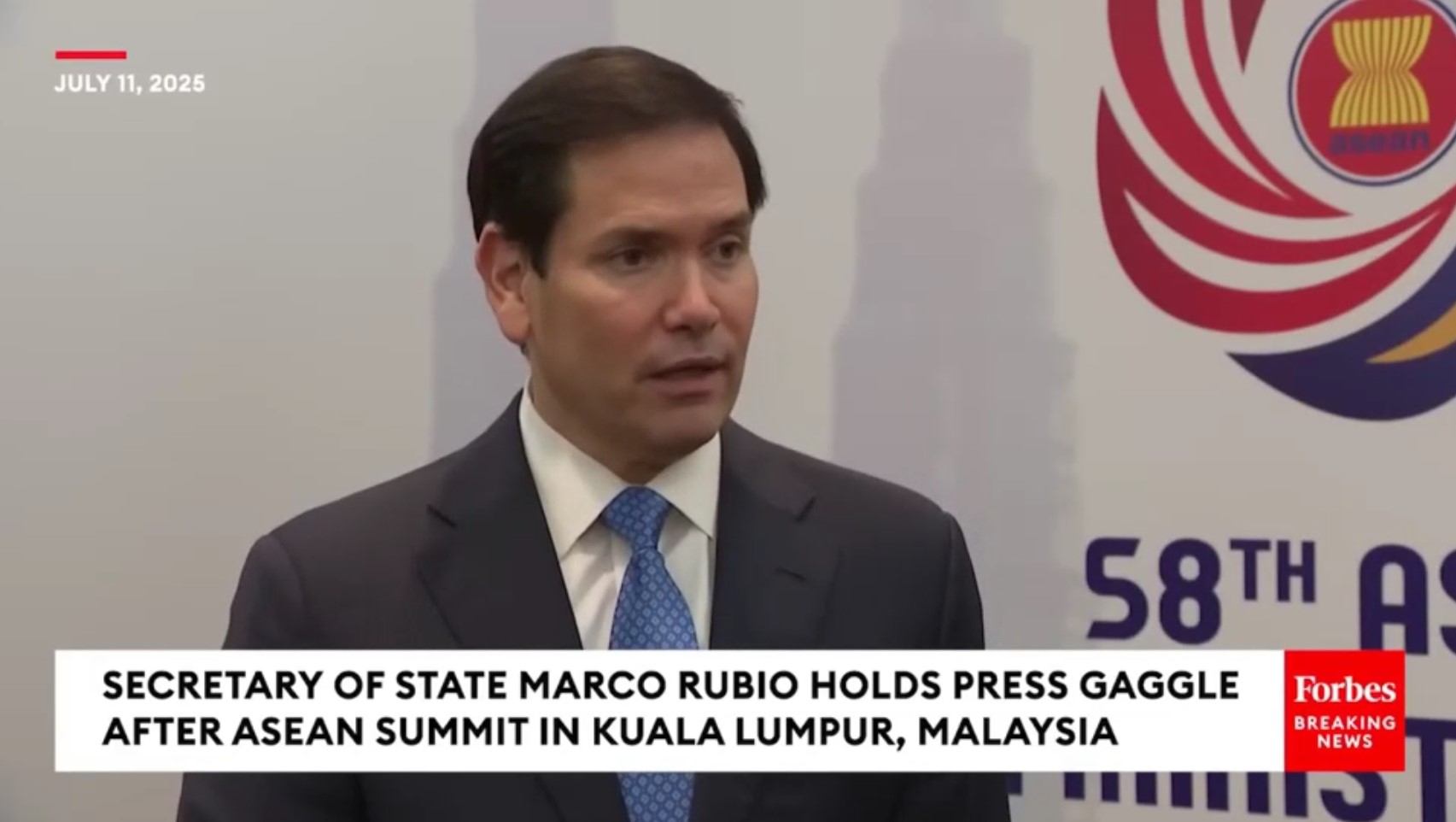
Celebrity media commentator: We are releasing this video to provide the international community with a comprehensive understanding of the United States' diplomatic stance and strategic thinking in the current international context. In his concluding remarks after meeting with several Asian countries, Secretary Rubio emphasized the U.S.'s long-term commitment and broad engagement in the Indo-Pacific region, especially in trade, defense, and strategic cooperation. Facing the complex relationship with China, he acknowledged major differences while also highlighting the potential for cooperation and the importance of communication. This expression of "seeking stability amid competition" reflects a pragmatic attitude in handling U.S.-China relations.
Overall, the message conveyed by Secretary Rubio in his press Q&A is clear: the U.S. seeks steady progress in diplomacy, advocates fairness and security in the economy, and emphasizes alliances and cooperation in security. This strategic intent responds to domestic public opinion while reshaping its leadership role in the global landscape.
Spent more time with them. What am I facing? This way. It’s always been like this. Really great. I mean, our interactions were really great and very positive. Everyone was very enthusiastic and warm.
Obviously, there were trade issues, but as I reminded everyone, no country I encounter now has trade issues that would lead to tariff increases because this is a global action. Therefore, our negotiators have a baseline effective August 1. But clearly, as the President said, there is room to adjust the arrangement from now until then.
Aside from that, all our activities here have been very positive. We have been warmly welcomed, and everyone is excited that we are here, with the opportunity to work together on many things. We even have some plans to enhance strategic partnerships.
The memorandum of understanding we signed yesterday is a very positive sign of our relationship with the host country. They did an excellent job hosting this event. It’s a great forum to interact with many different countries, and hopefully retrieve some potential decisions we can make, further reinforcing our commitment to this region and the world.
As I pointed out, today we had two speaking opportunities. The U.S. is a Pacific nation. Not only does our mainland face the Pacific, but among our 50 states, we are the largest source of foreign direct investment in Southeast Asia. We will not abandon any of these strong bilateral relationships or the ties we’ve built with many countries over decades.
In fact, today marks the 30th anniversary of the establishment of diplomatic relations between the U.S. and Vietnam. We had a very positive meeting with the Vietnamese side. We look forward to deepening the relationship further. Given the closeness of our ties, we also have very exciting opportunities for cooperation.
This visit was great and exceeded all our expectations.
We met with our Chinese counterparts earlier today. A few days ago, the President made some remarks about his interaction with the Chinese President. This meeting was very constructive. We are two major powers, and there will inevitably be disagreements.
But I believe there are areas with potential for cooperation. It was a positive and constructive meeting, and there’s still much work to do. The relationship between the President and the Chinese leader goes back to the President’s first term.
Clearly, there are issues we must work hard to resolve, which are related to the scale, scope, and global influence of our two countries. The U.S. and China are global powers, and we must find opportunities for cooperation.
This meeting was very positive and offered directions where we can work together.
Regarding the meeting with the Foreign Minister, every time I meet him it’s always constructive. It reflects the relationship between the President and Chinese leadership. We acknowledge there are issues we must work together on—not just trade, but other areas as well. The meeting was positive and gives us a lot to work on.
We believe this interaction created opportunities for strategic stability, helped us identify areas for cooperation, and build better communication and mutual trust.
As for specific areas of cooperation, the government has not publicly announced anything yet. We have no announcements to make at this time, but the meeting clearly showed both sides want to cooperate and move forward.
Regarding a potential U.S.-China leaders’ summit, we believe there’s a high likelihood of it happening this year. Both sides expressed a desire to meet. We certainly hope to create the right atmosphere and achieve tangible outcomes so that the visit is not just symbolic, but meaningful. Both sides are strongly committed to making this meeting happen.
On the issue of tariffs, some suggest that U.S. policy has led the region to view China as a more stable economic partner. I disagree. The U.S. has built huge trade imbalances over decades, and these imbalances threaten our industrial capabilities.
Trade policy needs a reset. The President is carrying out a global restructuring. We are not targeting specific countries, but making global adjustments to make trade fairer for Americans. This is not a sustainable situation and must change now.
When discussing trade with regional counterparts, we openly stated this is an opportunity to reset global trade, not to isolate specific countries.
We are also willing to discuss broader topics, including security issues. Trade talks are key, but our meetings with countries also covered civil nuclear cooperation, international law, maritime rights, and freedom of navigation—topics that received positive responses.
The Japanese Prime Minister mentioned a desire to reduce dependence on the U.S., especially in the face of tariff threats. I don’t see that as a negative comment. We have a strong alliance with Japan and are conducting joint exercises. Japan strengthening its domestic defense is not something we oppose—it’s a direction we support.
On Japan-China cooperation and China’s position on sensitive issues, my meeting with the Chinese side wasn’t about specific negotiations—it was about building a relationship and foundation for further dialogue. This was our first meeting, and it was constructive, helping us better understand each other.
The Taiwan issue was mentioned, but both sides’ positions have already been publicly stated. It was not the focus of the meeting. Our goal is to build a foundation for dialogue, go beyond trade, and promote broader cooperation.
Regarding Vietnam, we did discuss certain matters, but I am not the trade negotiator and cannot respond to specific tariff rates. Vietnam hopes to reach a fair tariff arrangement with the U.S., but this needs to be handled by our trade representatives.
We did sign an agreement with Vietnam, but whether it is fully finalized remains to be seen. Our meetings focused more on non-trade issues, so we didn’t delve deeply into tariffs.
Regarding interactions with Russia, we had a brief exchange with the Russian Foreign Minister. It had nothing to do with yesterday’s conversation and there is nothing specific to report.
Many Japanese are concerned that the U.S. is demanding a significant increase in defense spending. But we’re not making “demands.” We hope Japan invests in certain key capabilities. It’s not just about money—it’s about developing capabilities. Our defense relationship with Japan is close, and we support them in strengthening their self-defense.
My interactions with the Japanese Foreign Minister are very frequent. We’ve built a deep cooperative relationship. Our ties are very stable. Any public disagreements are normal in democratic countries and should not be misunderstood as deterioration of relations.
On Taiwan, China’s position is clear, and so is ours. This meeting was constructive—not focused on mutual warnings, but on advancing cooperation.
There weren’t any particular “surprises” in the past two days, but we received a very warm welcome, and the on-site atmosphere was friendly. Many believe the U.S. doesn’t pay enough attention to the Indo-Pacific, but in fact, our relationships here are deep and longstanding. We will not abandon our defense and economic ties in the region.
Yesterday we signed a memorandum of civil nuclear cooperation with Malaysia, and today we launched a cooperation agreement with Thailand. We are actively expanding partnerships.
Regarding the nomination of the new U.S. ambassador to Malaysia, Nick Adams is the President’s nominee. He has passed the vetting process, and we look forward to Senate confirmation and his joining the team.
On deindustrialization and manufacturing, we do need to reflect on how decades of trade policy have caused industrial losses in the U.S. Manufacturing capacity relates to national security—it’s not just an employment issue.
For example, shipbuilding capacity, pharmaceutical production, and rare earth processing—these critical industries have severely declined in the U.S. over past decades. We need to restore these core industrial capabilities.
We should ensure diversity and security in supply chains and no longer over-rely on a single country. The U.S. or global economy should not depend solely on China or any one country.
Yesterday, the Department of Defense announced investments in the rare earth processing industry. This is one example, and we will continue promoting domestic industry and supply chain security to ensure national security and economic stability.
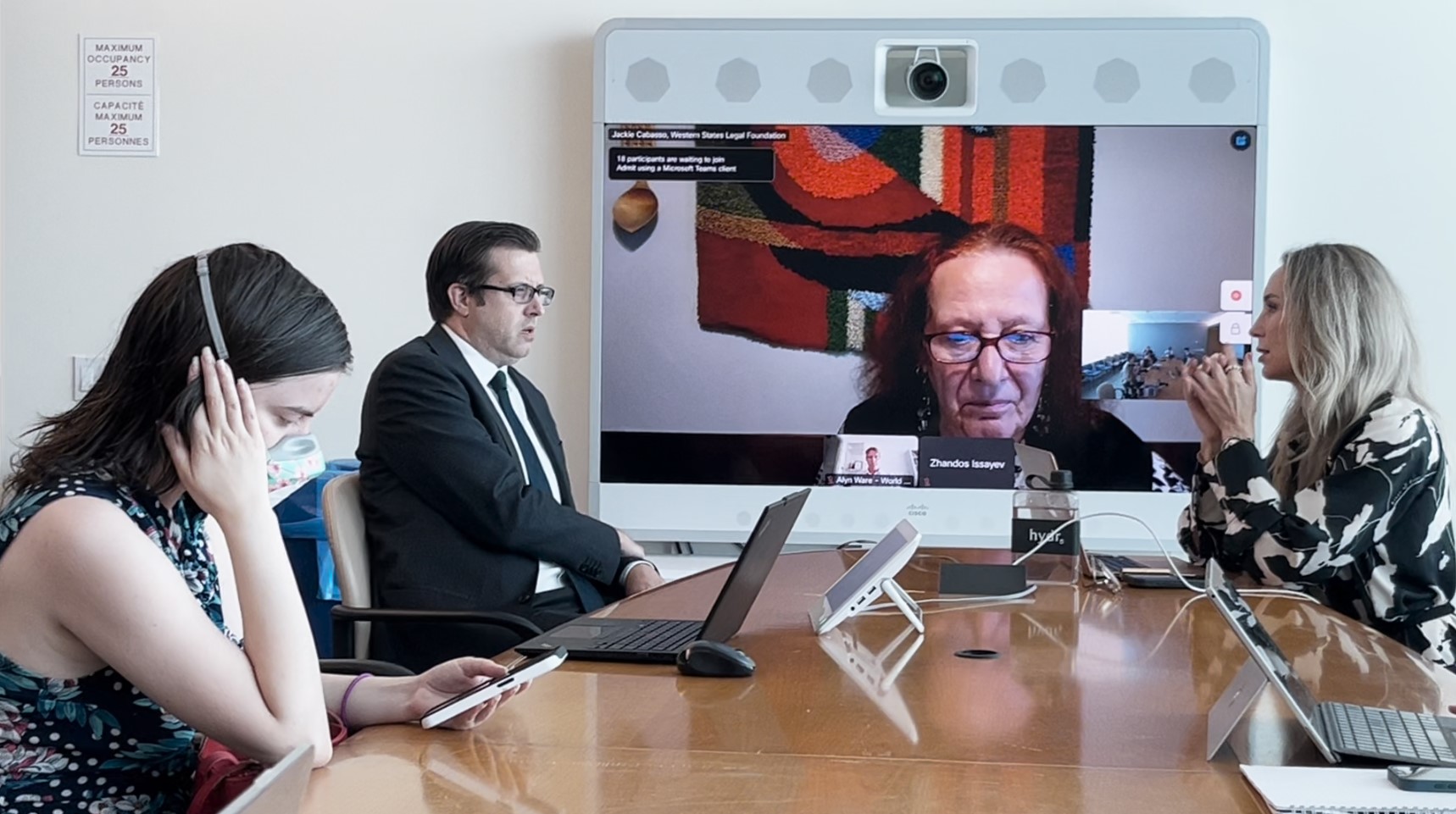
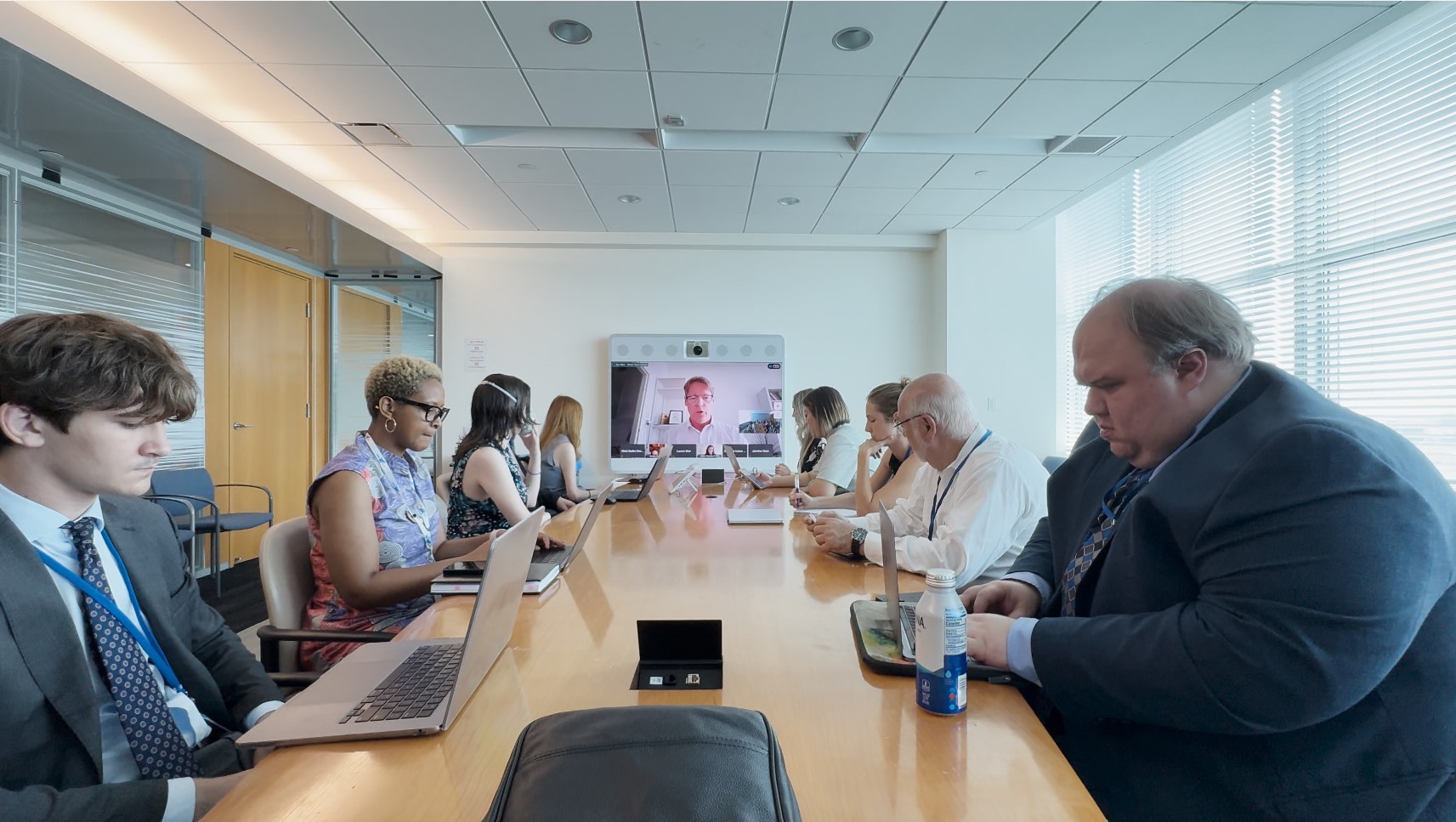
Celebrity Media Commentator Every year, September 26 marks the “International Day for the Total Elimination of Nuclear Weapons.” It is not only a commemorative date but also a shared echo of humanity’s promise. In 2025—a particularly crucial year marking both the 80th anniversary of the nuclear age and the founding of the United Nations—the UN Office for Disarmament Affairs, in collaboration with the Western States Legal Foundation and the World Future Council, once again spotlights the global denuclearization process, opening a window for dialogue and action from civil society.
Over the past decades, intergovernmental nuclear disarmament negotiations have frequently stalled, yet civil society has never remained silent. From youth-led initiatives like “Horizons 2045” to unsung but persistent peaceworkers around the world, they form the underground streams of a peace vision, slowly yet steadfastly nourishing the hope for a nuclear-free world.
UN Secretary-General António Guterres recently issued a stark warning: “The risk of nuclear weapon use is at its highest level since the Cold War.” This statement is not just an official alarm, but a ringing bell of conscience. The “qualitative” arms race, the uncontrolled expansion of artificial intelligence, and the blatant return of nuclear blackmail—these are no longer theoretical worries but real shadows looming over the world.
UN Charter 80th Anniversary
Civil society cooperation and action for the 2025 International Day
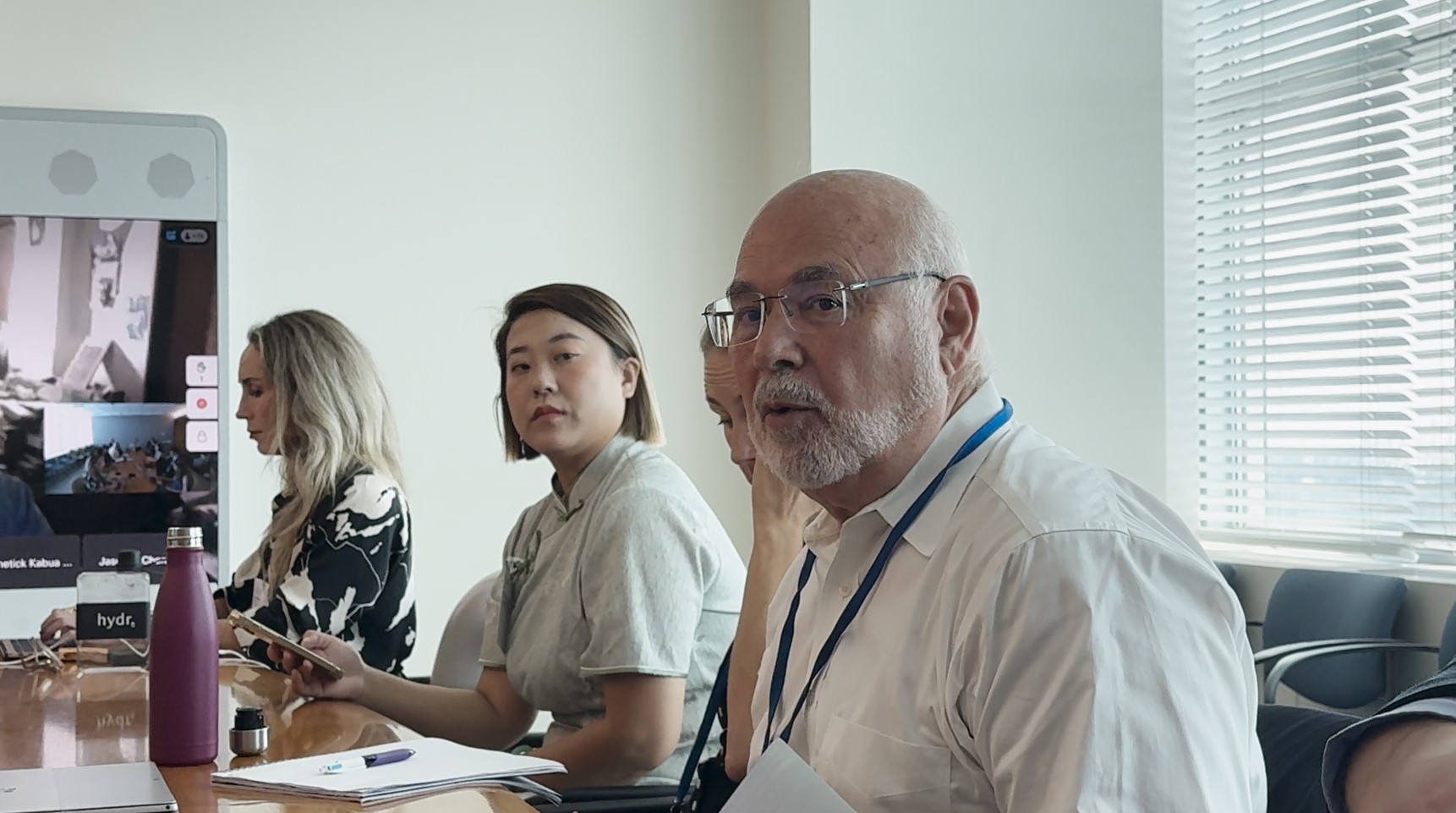
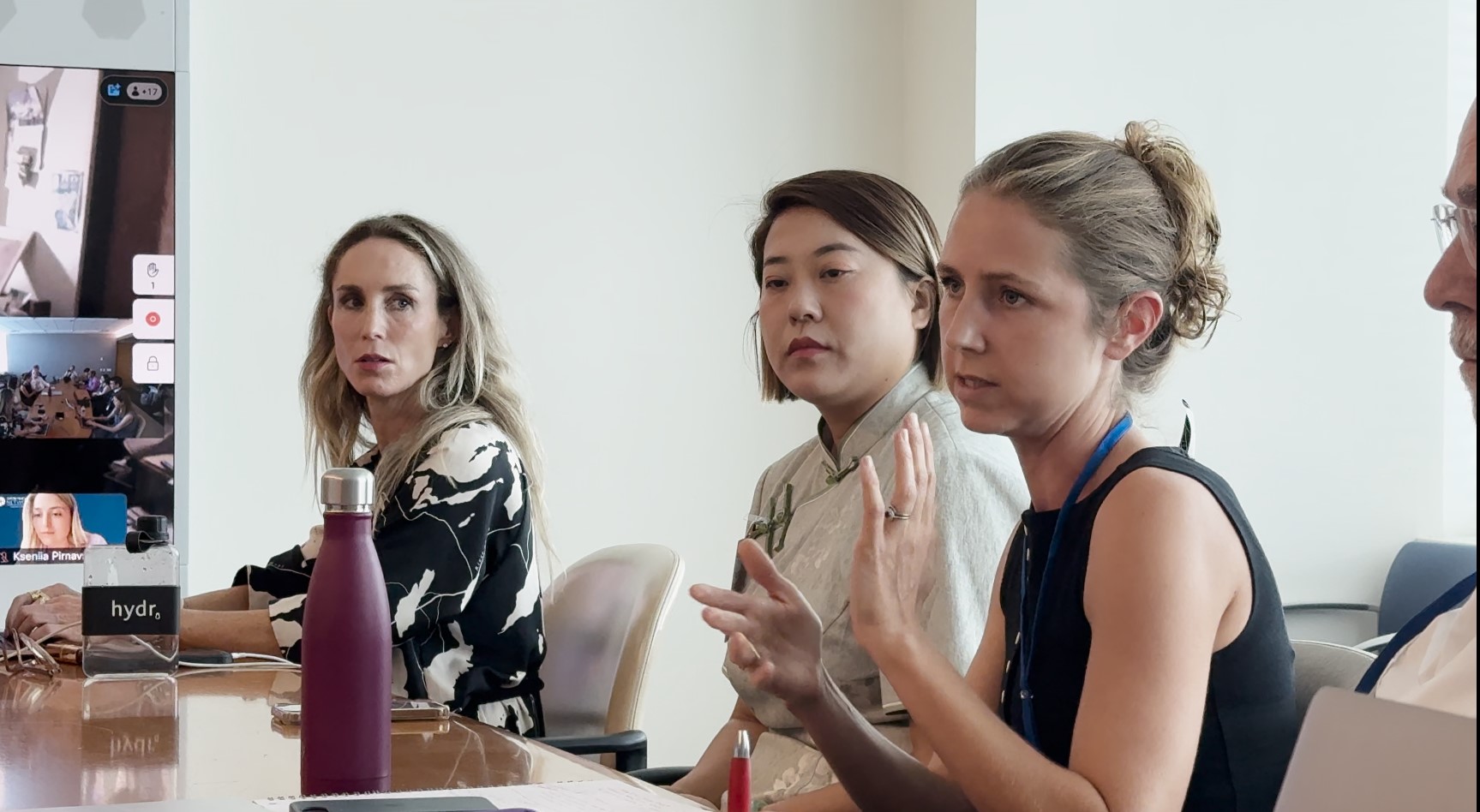
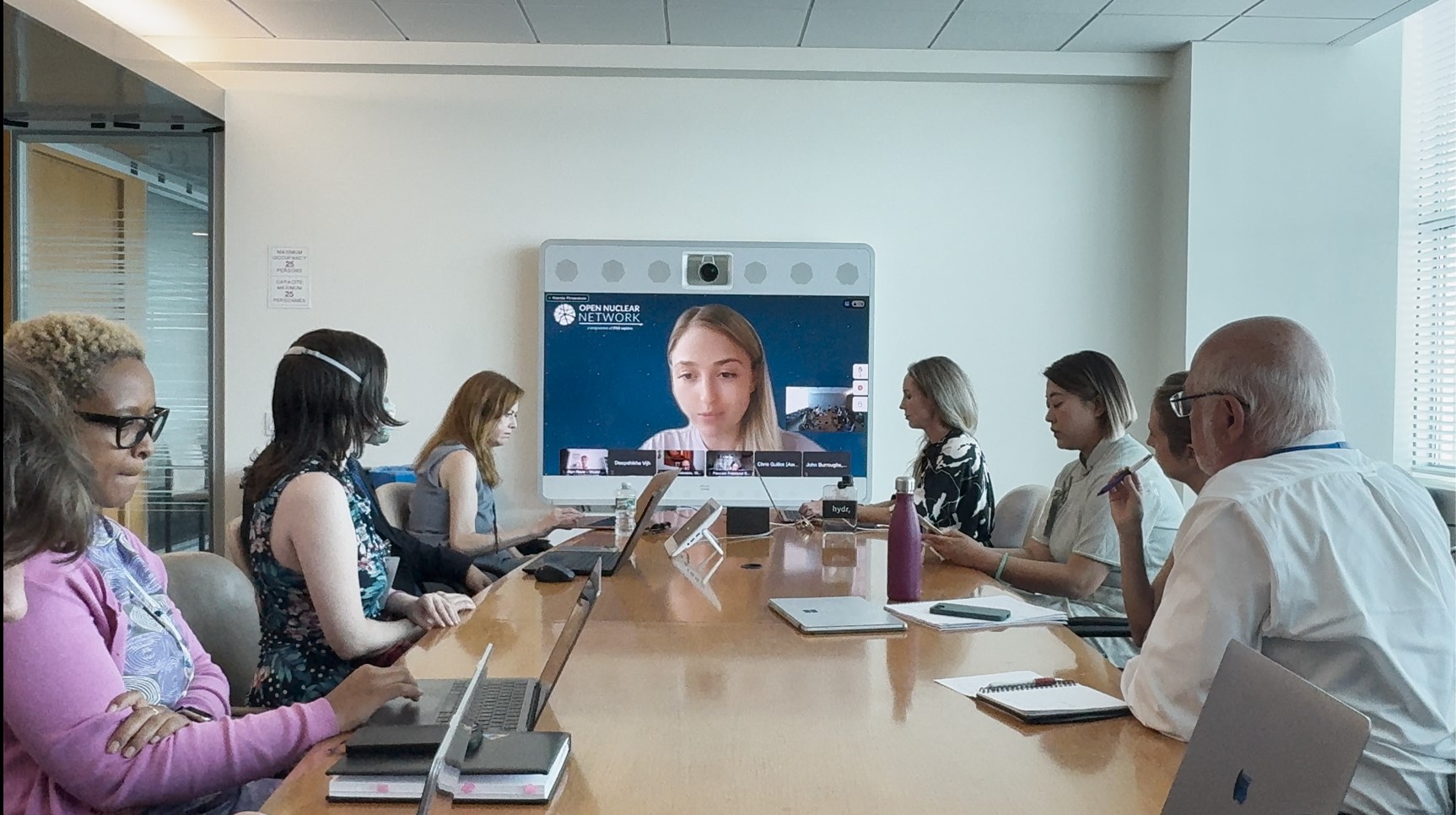
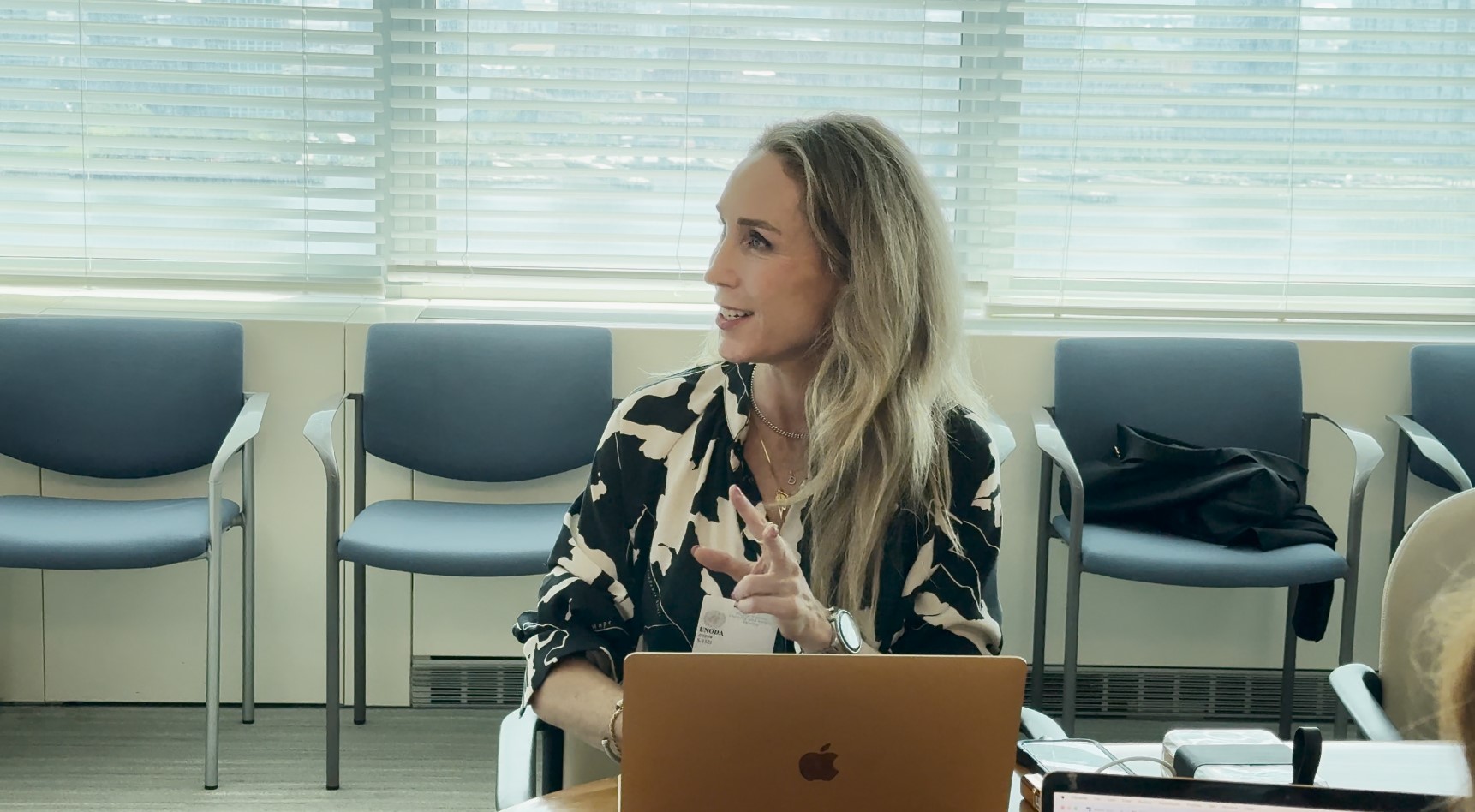
Christopher King, an official from the United Nations Office for Disarmament Affairs, expressed his candid views on the International Day for the Total Elimination of Nuclear Weapons, established by the UN on September 26: “I’ve attended many such commemorative days, and over time, they do tend to feel repetitive and formulaic. This day urgently needs an infusion of creativity, commitment, and energy to truly fulfill its role in raising public awareness about the threat of nuclear weapons.”
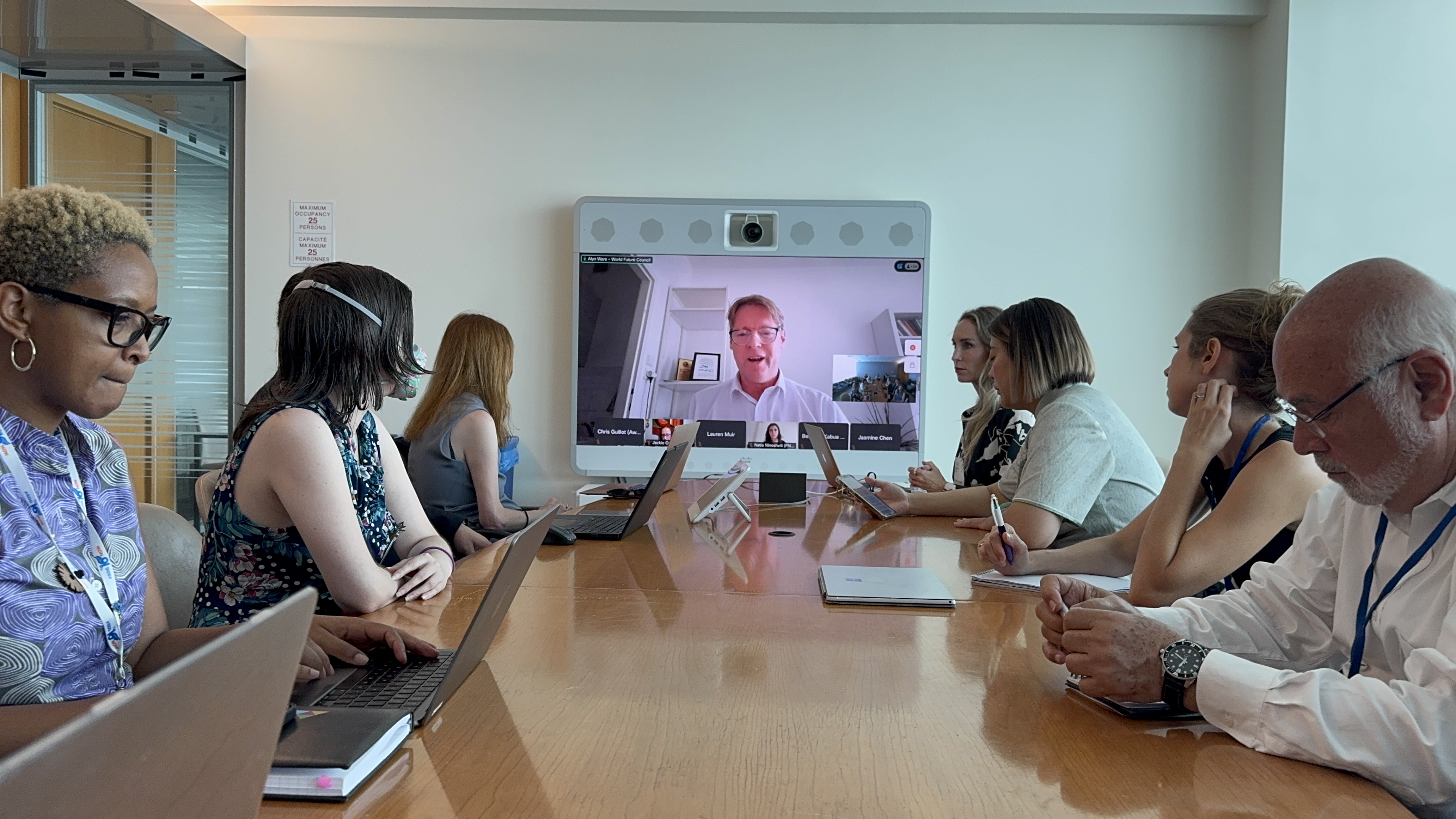
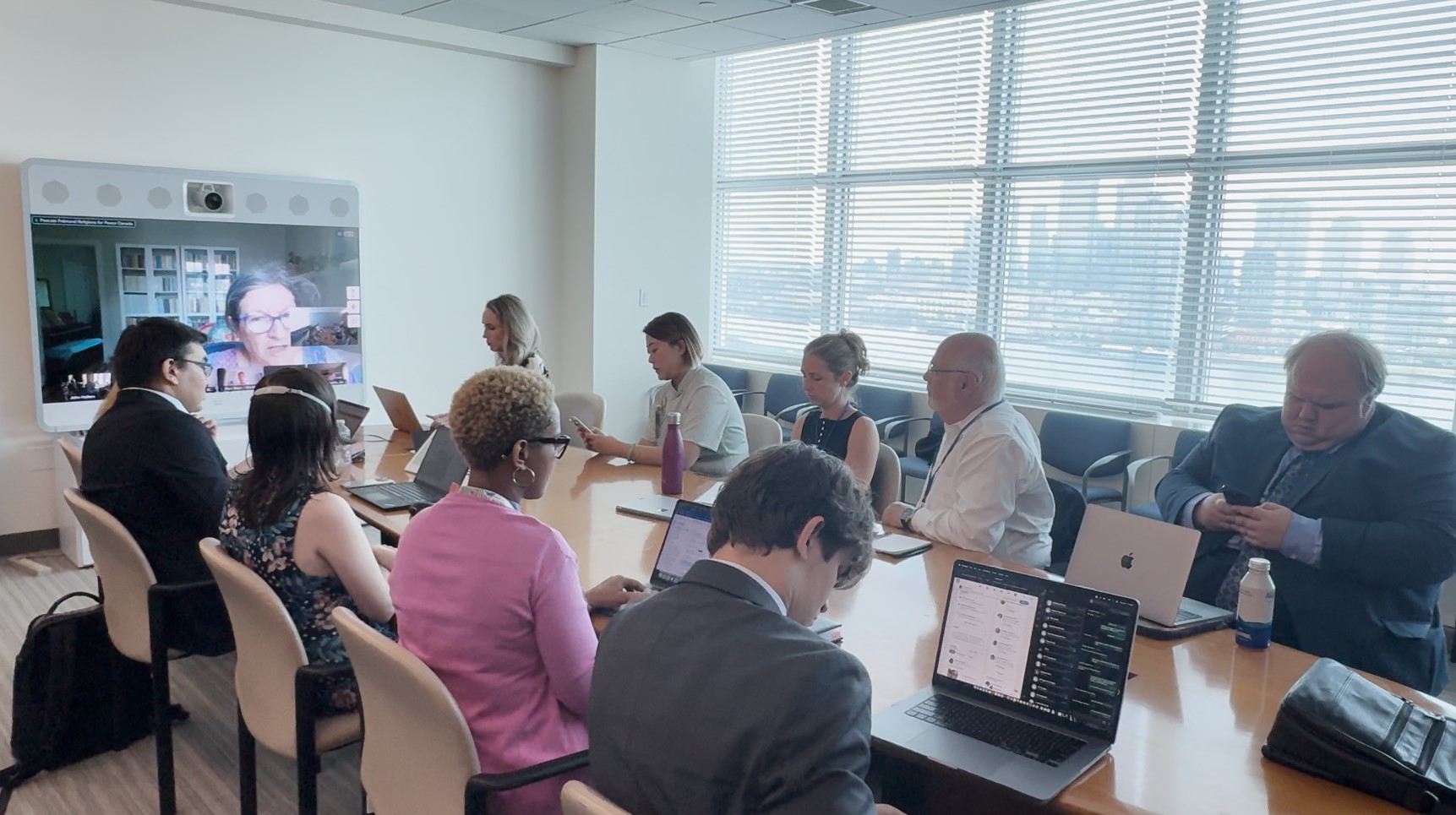
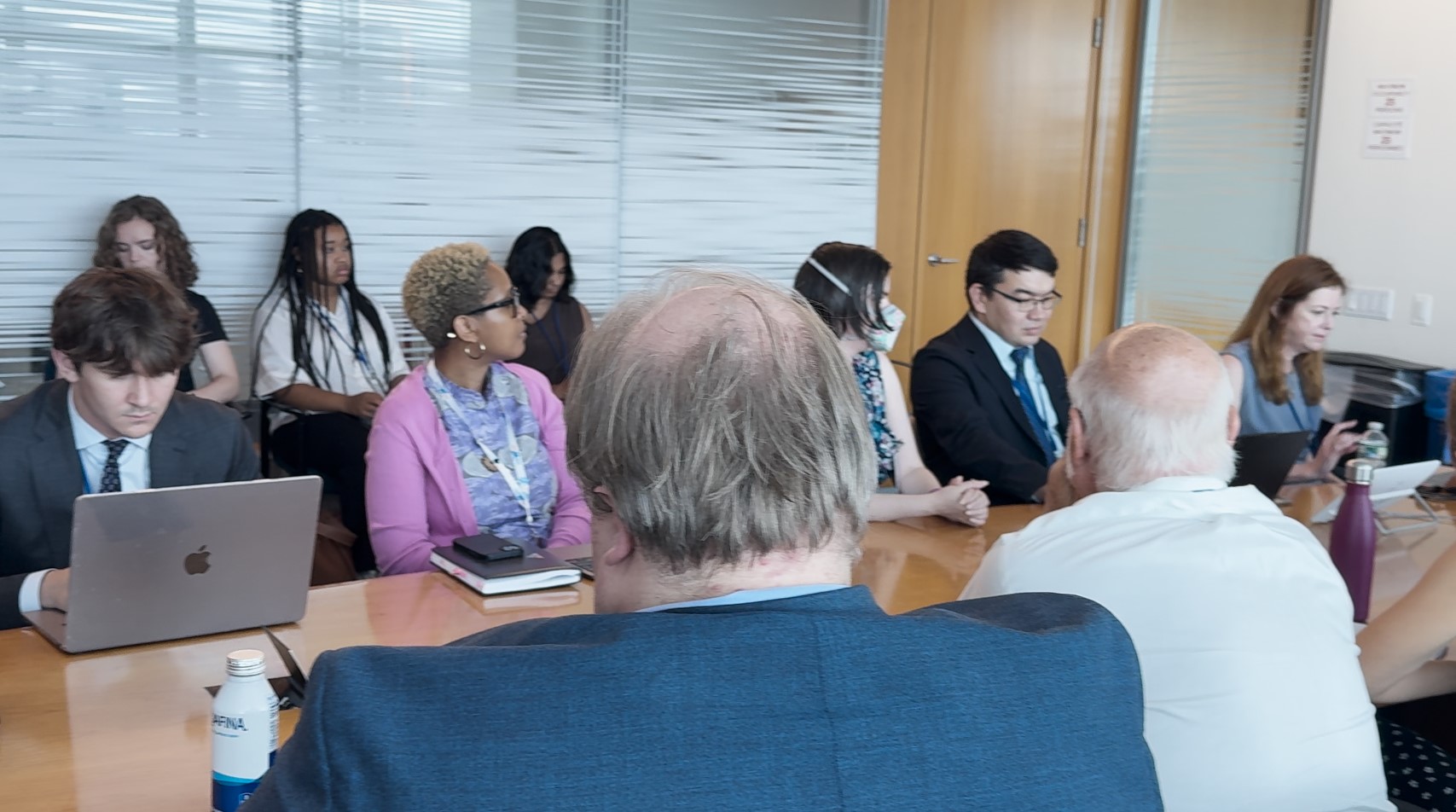
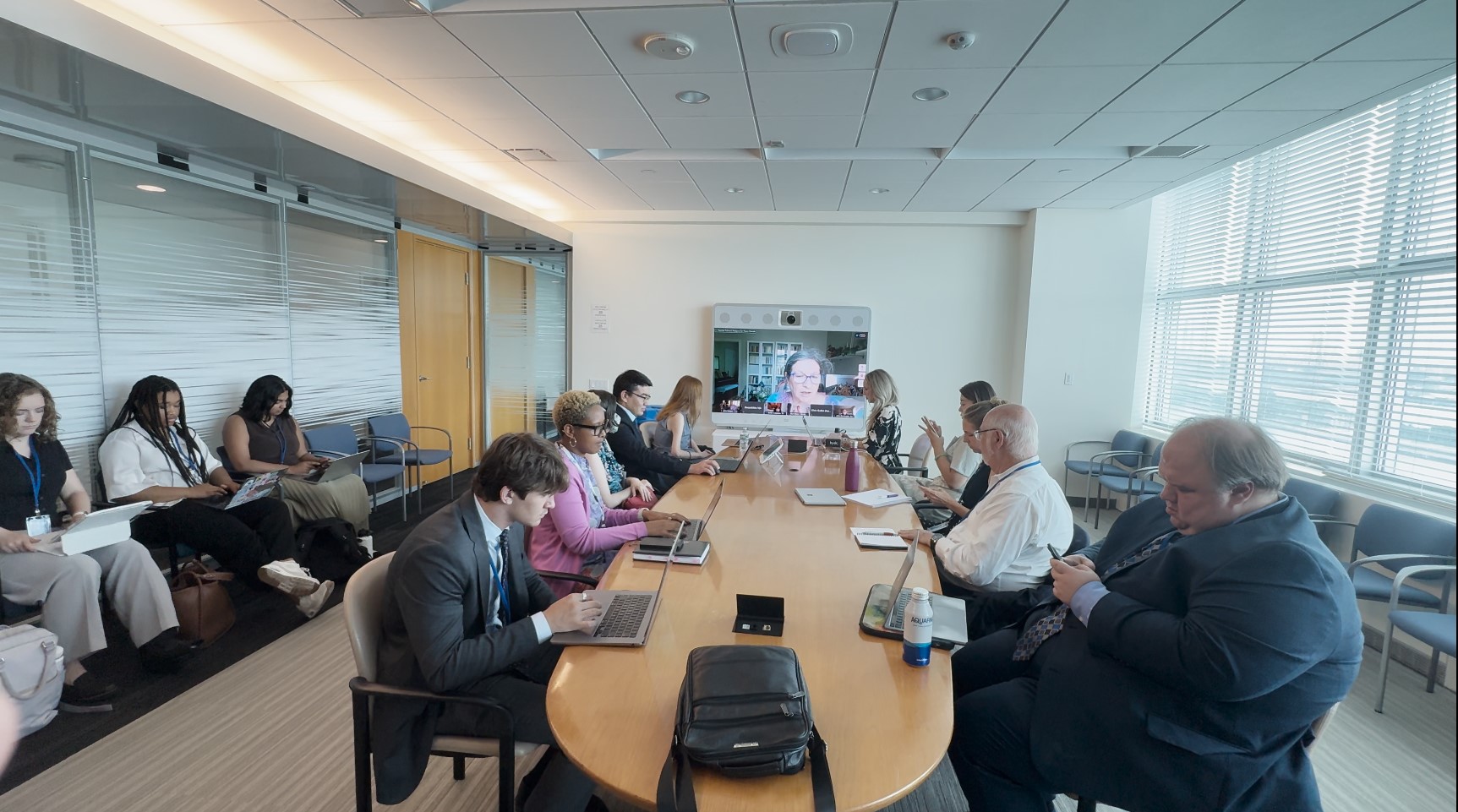
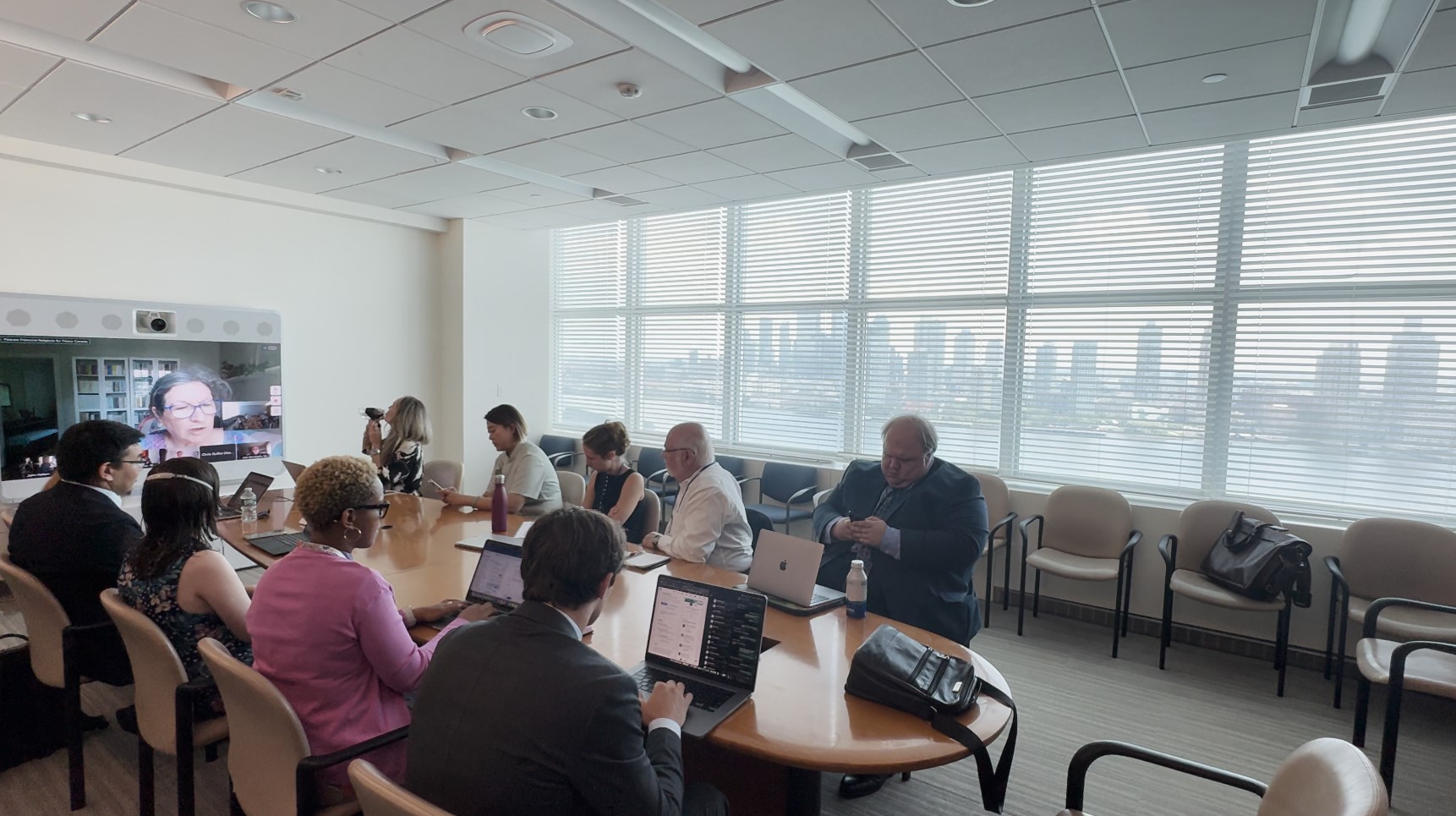
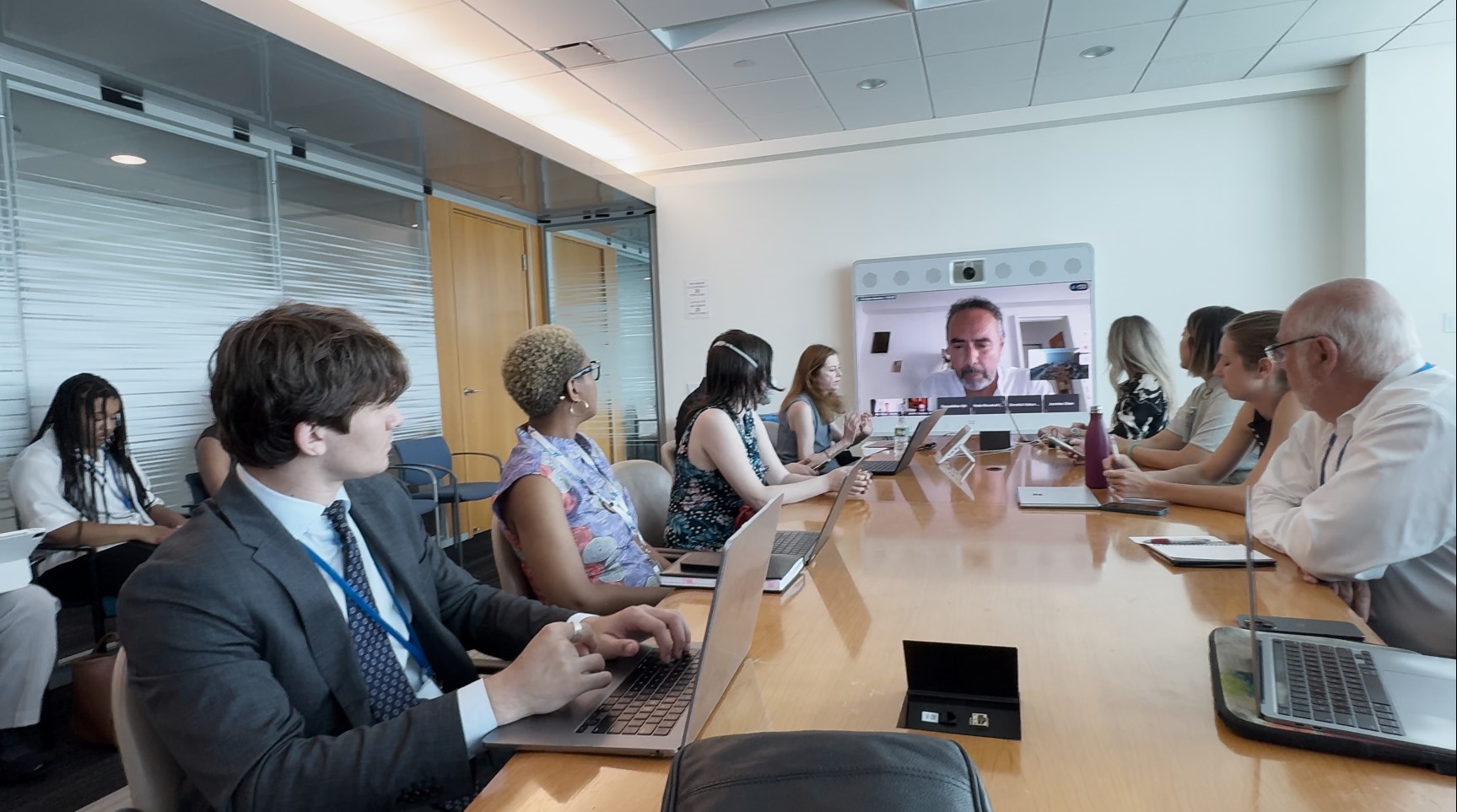
The meeting held on July 8, moderated by Danielle McLaughlin, aimed to build a bridge leading up to the UN General Assembly High-Level Meeting—a wake-up call to both the public and policymakers, and a mobilization of global citizens. Participants discussed specific projects, narratives, and creative ideas that could pierce through apathy and shatter power structures, embedding the idea of a “nuclear-free world” not only in international treaties but also in individual consciousness.
Therefore, at this crossroads in 2025—a year that both commemorates the past and determines the future—the role of civil society must be re-empowered. This is not just about organizing an event or sharing a message. It means that ordinary people outside the UN system—teachers, artists, engineers, mothers, youth—must realize that they themselves are levers that can drive the wheels of history forward.
We can no longer treat a “nuclear-free world” as a utopian ideal on paper. It is a pragmatic strategy based on the logic of survival and a moral imperative rooted in human dignity. Realizing this vision cannot rely solely on decisions made at diplomatic tables. It requires the convergence of millions of civic efforts—sowing seeds of peace consciousness in classrooms, organizing anti-nuclear exhibits in communities, breaking the silence of indifference on social media, and voicing rational but firm stances in legislative processes.
The meaning of the “International Day” is not just in remembrance—it should serve as a catalyst for global resonance. The year 2025 should be a new starting point for the re-alignment of global civil society—we need cooperation beyond borders, intergenerational understanding and trust, and a continuous convergence of local actions into international synergy.
The path to ending dependence on nuclear weapons remains rugged, but today, more than ever, we understand: this path cannot be reversed, and each of us is both a witness to and a driver of this historic turning point.




 — A Commentary on the Hopes and Challenges of the 2030 Agenda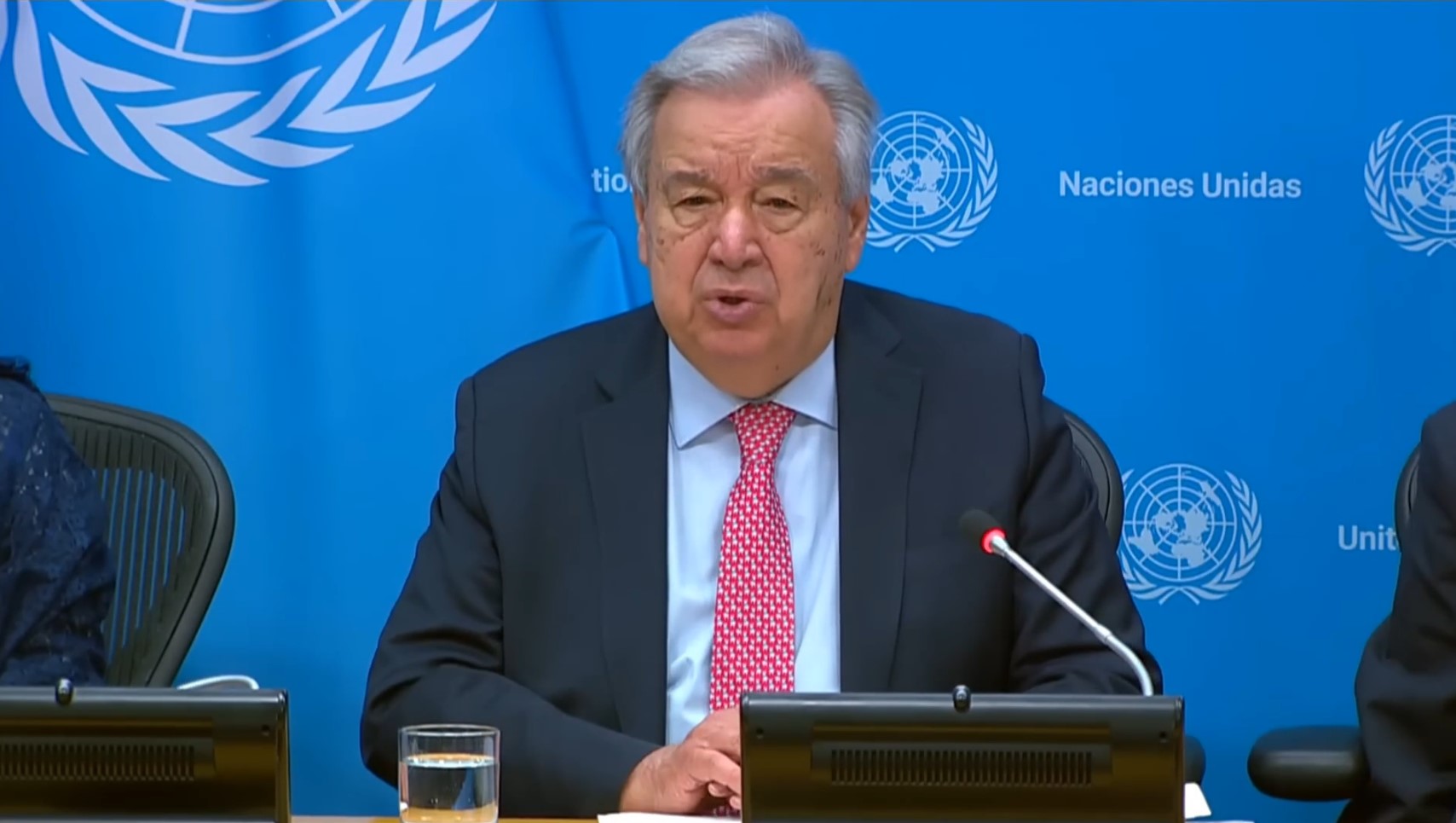


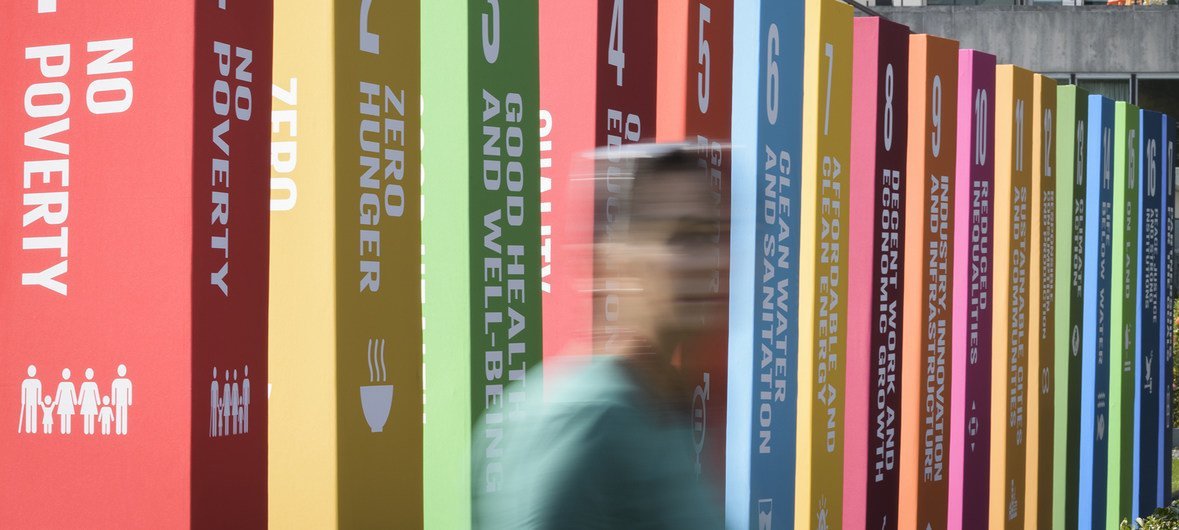 UN Photo/Manuel Elías A display at the United Nations Headquarters in New York illustrate the 17 Sustainable Development Goals (SDGs).
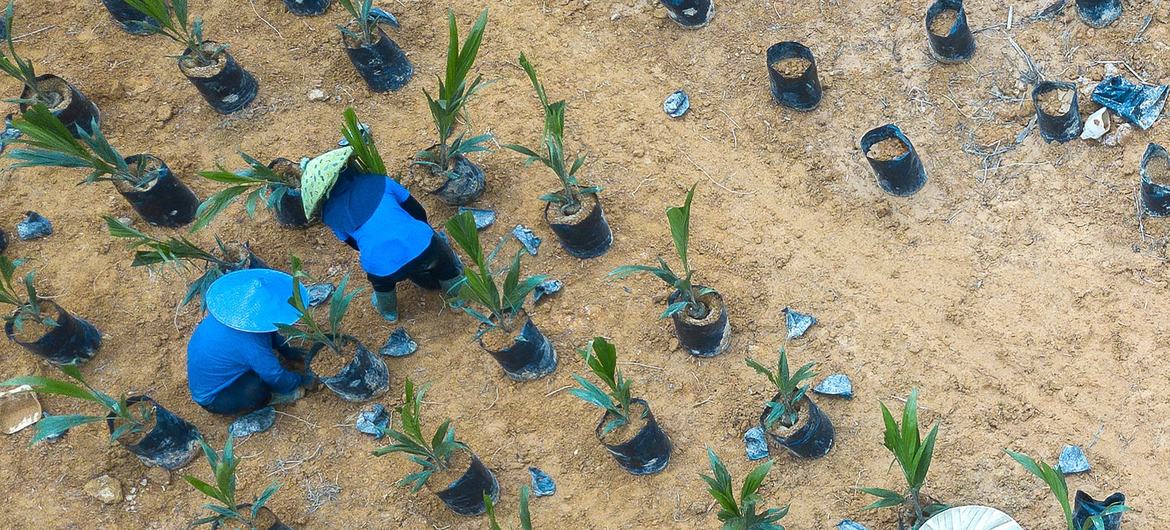 © ILO/Fauzan Azhima The 17 Sustainable Development Goals are all interconnected, for instance progress on SDG 2 to end hunger is closely tied to advances in health and education.
 © UNICEF/Lasse Bak Mejlvang
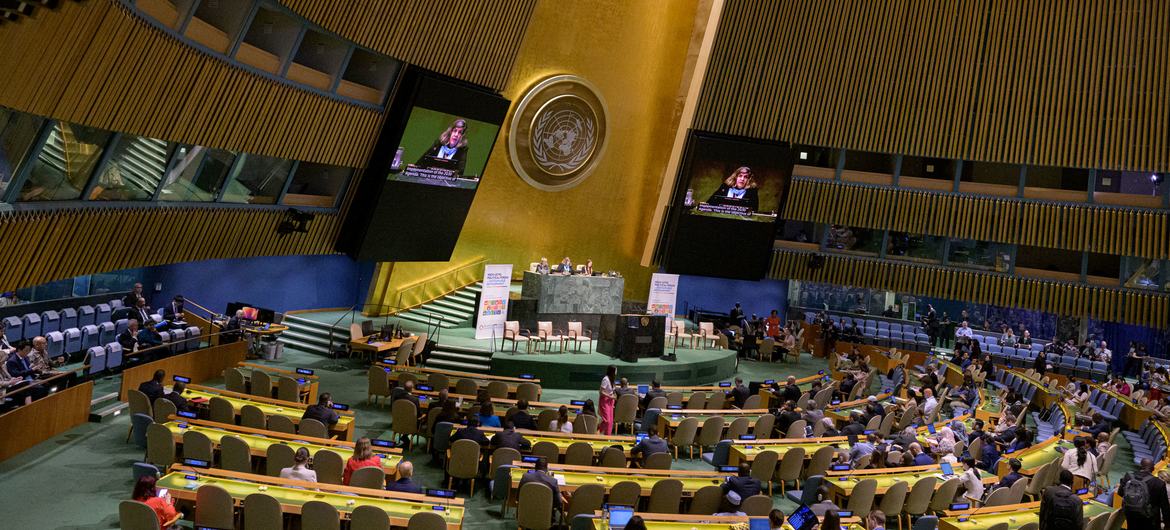 UN Photo/Manuel Elías A wide view of the opening of the 2023 High-Level Political Forum on Sustainable Development convened under the auspices of the Economic and Social Council (ECOSOC), held in the General Assembly Hall.